









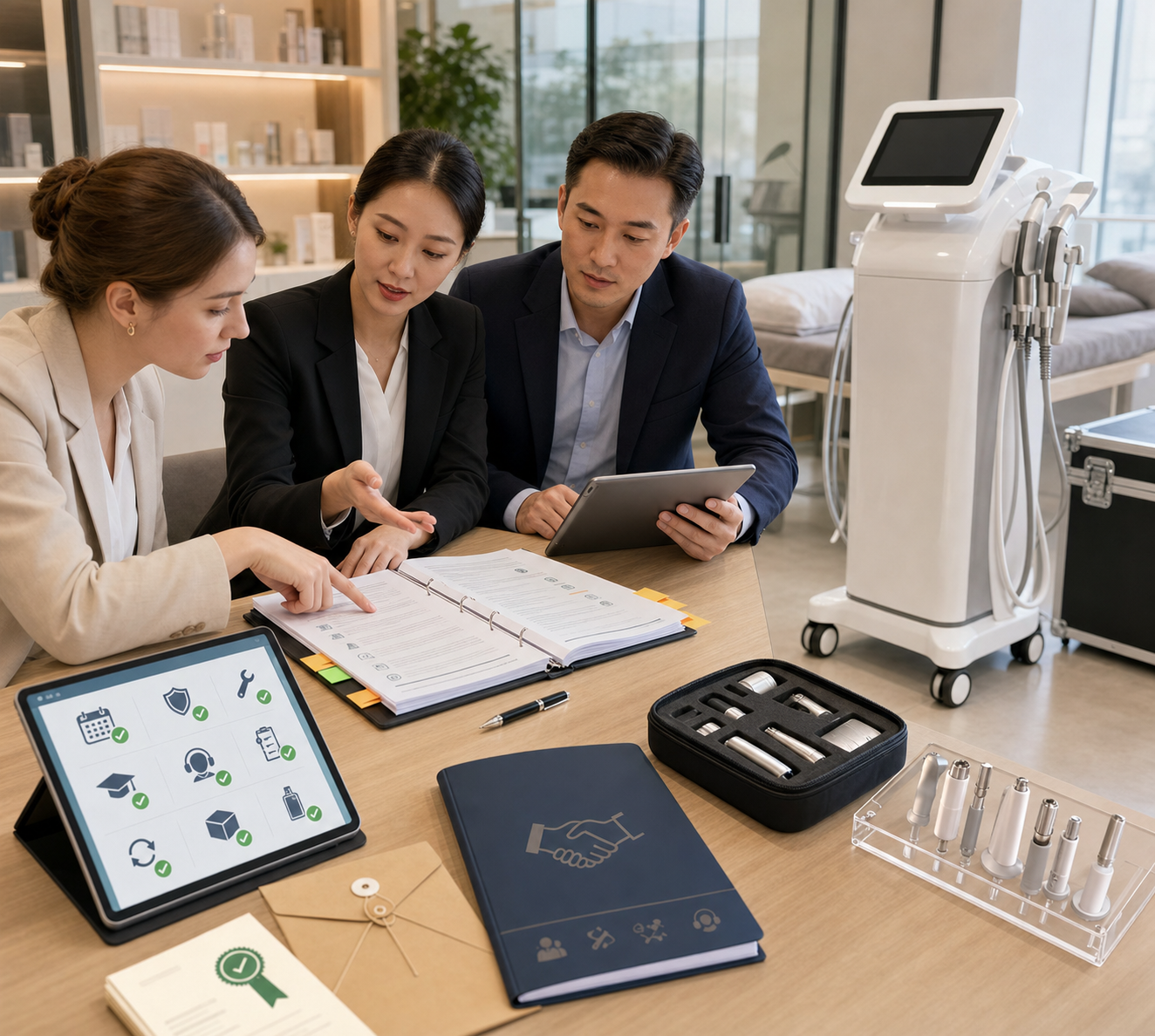
Когда салон красоты или дистрибьютор приобретают косметологическое оборудование, договор имеет гораздо большее значение, чем многие покупатели себе представляют. В коммерческом предложении может быть указана модель, цена и сроки доставки, но оно часто не отвечает на вопросы, которые имеют значение в случае возникновения проблем: кто оплачивает повреждения при транспортировке, что считается дефектом, каков срок гарантии, распространяется ли гарантия на наконечники, имеются ли запасные части и что произойдет, если поставщик задержит доставку.
Хороший договор купли-продажи косметического оборудования не обязательно должен быть сложным, но он должен быть понятным. В нем должны быть указаны продукт, цена, условия оплаты, доставка, проверка качества, обучение персонала, гарантия, послепродажное обслуживание, расходные материалы, запасные части, политика возврата и порядок разрешения споров. При крупных закупках, для сетей салонов красоты, заказах OEM, трансграничной торговле или дорогостоящем энергоемком оборудовании покупателям также следует провести юридическую экспертизу перед подписанием договора.
Данная статья является руководством для бизнеса, а не юридической консультацией. Законодательство о договорах и правила, касающиеся продукции, различаются в зависимости от страны и типа сделки. Однако следующие положения полезны для большинства салонов красоты и дистрибьюторов при принятии решений о закупках.
Почему для заключения договоров на поставку косметического оборудования недостаточно простого коммерческого предложения?
Многие споры возникают из-за того, что покупатель и поставщик по-разному помнят условия сделки. Покупатель считает, что обучение включено в стоимость. Поставщик утверждает, что было обещано только видеообучение. Покупатель считает, что гарантия на наконечники действует один год. Поставщик утверждает, что гарантия распространяется только на основной блок. Покупатель считает, что доставка означает прибытие в магазин. Поставщик считает, что доставка означает передачу товара перевозчику.
Эти проблемы можно избежать, если договор будет составлен конкретно.
В договоре на поставку косметического оборудования должны быть даны следующие ответы:
- Какое именно оборудование приобретается?
- Какие принадлежности, наконечники, расходные материалы и программное обеспечение входят в комплект?
- Какова общая стоимость и график платежей?
- Какова дата доставки и способ отправки?
- Кто несет риск во время транспортировки?
- Как покупатель будет осматривать и принимать оборудование?
- Какие документы, сертификаты, руководства и учебные материалы включены?
- Что покрывается гарантией, а что не покрывается?
- Насколько быстро поставщик должен реагировать на проблемы, возникающие после продажи?
- Что произойдет, если товар окажется бракованным, доставка задерживается, товар поврежден или не соответствует описанию?
Если эти пункты не будут четко прописаны, низкая цена может быстро превратиться в дорогостоящую проблему.
1. Модель, конфигурация и комплектация изделия.
Первый пункт договора должен четко определять, что именно покупает покупатель. Не следует писать только «косметологический аппарат» или «радиочастотное устройство». Договор должен включать название модели, версию продукта, цвет, напряжение, тип вилки, версию программного обеспечения, версию языка, требования к питанию и входящие в комплект аксессуары.
В отношении косметического оборудования в перечень поставляемого оборудования следует включить следующее:
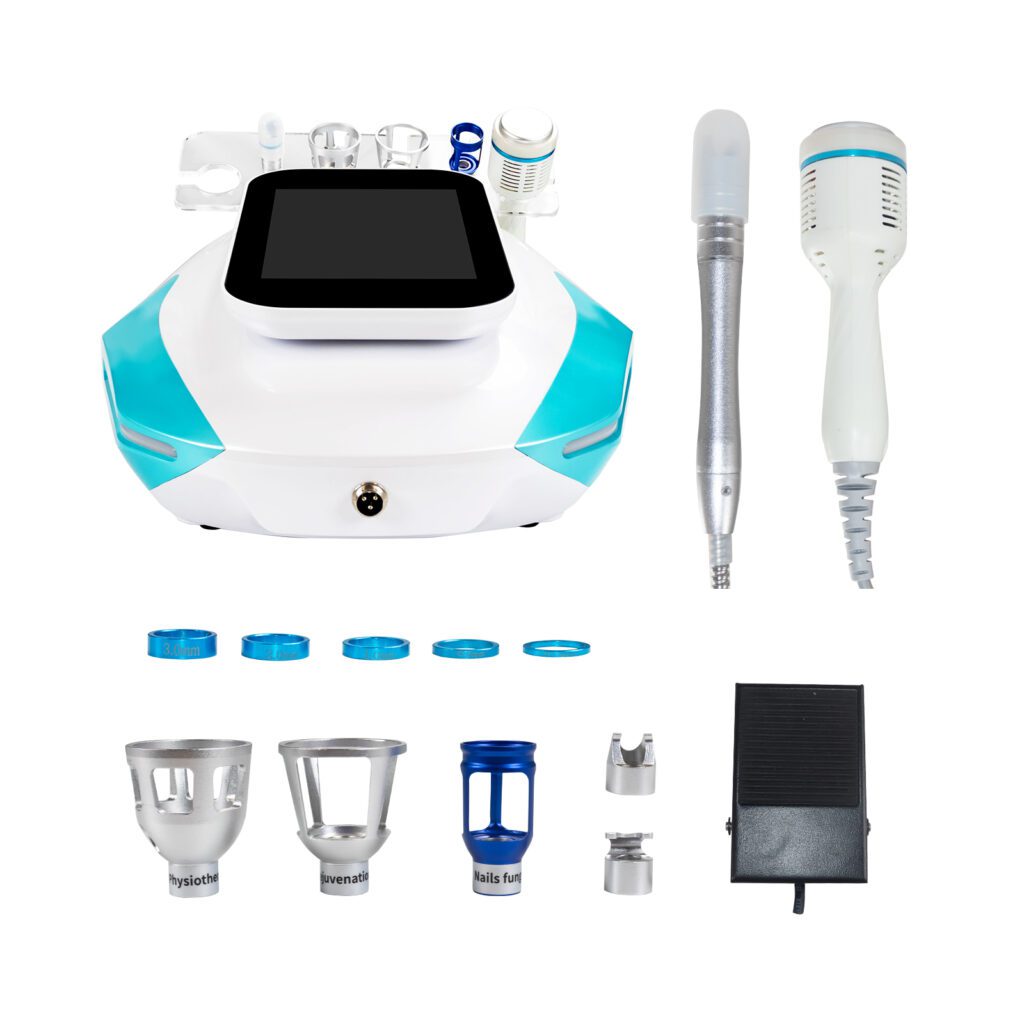
- Основной блок.
- Наконечники и зонды.
- Наконечники, фильтры, трубки, бутылки, уплотнения и крышки.
- Лампы, картриджи, подушечки, мембраны или другие расходные материалы.
- Шнур питания, ножной выключатель, защитные очки, защитные аксессуары и набор инструментов.
- Руководство пользователя и краткое руководство по началу работы.
- Учебные материалы.
- Учетная запись программного обеспечения, доступ к приложению или облачному сервису (если применимо).
- Список упаковки.
- Запасные части входят в комплект поставки.
Если покупатель приобретает многофункциональное устройство, необходимо указать каждую функцию и рукоятку. Если поставщик предлагает несколько конфигураций, в договоре следует указать точную конфигурацию. Это предотвратит получение покупателем устройства с менее совершенной конфигурацией, чем ожидалось.
2. Цена, валюта, налоги и что включено в стоимость.
В договоре должна быть указана общая цена и пояснено, что в нее входит. Цена оборудования может включать или не включать обучение, доставку, установку, налоги, таможенное оформление, расходные материалы, запасные части, упаковку, страхование или послепродажные визиты.
Покупателям следует подтвердить:
- Цена за единицу товара.
- Общая сумма заказа.
- Валюта.
- Цена указана с учетом налога.
- Цена включает доставку.
- Включает ли цена таможенные пошлины или импортные сборы.
- Включает ли цена страховку.
- Включает ли цена установку и обучение?.
- Включает ли цена стартовые расходные материалы.
- Цена включает подписку на программное обеспечение или ее последующее продление.
При трансграничных заказах условия ценообразования должны быть особенно ясными. Если в договоре используются торговые термины, такие как EXW, FOB, CIF, DAP или DDP, покупатель должен понимать, кто оплачивает фрахт, кто занимается таможенным оформлением и когда переходит к покупателю транспортный риск.
3. Условия оплаты и защита депозита
Условия оплаты должны быть четко прописаны. Во многих заказах на оборудование используется предоплата перед производством и остаток перед отгрузкой, но точный процент и условия оплаты должны быть определены.
К распространенным структурам оплаты относятся:
- Полная оплата до отправки.
- Предоплата плюс остаток суммы перед доставкой.
- Залог плюс остаток после осмотра.
- Оплата по этапам для заказов OEM или ODM.
- Оплата крупных покупок в рассрочку.
- Аккредитив для некоторых международных транзакций.
Важные вопросы включают в себя:
- Каков размер залога?
- Возвращается ли залог?
- Что произойдет, если поставщик не сможет выполнить заказ?
- Что произойдет, если покупатель отменит заказ?
- Когда нужно будет внести оставшуюся сумму к оплате?
- Может ли покупатель осмотреть товар до оплаты оставшейся суммы?
- Какое подтверждение оплаты будет предоставлено?
- Какой банковский счет или способ оплаты разрешены?
Покупателям следует избегать внесения крупных задатков без подписанного заказа, указания данных о поставщике, подробной информации о продукте, сроков производства, условий возврата средств и права на проверку товара.
4. Сроки производства, сроки поставки и ответственность за задержки.
В договоре следует тщательно определить сроки поставки. Сроки поставки могут включать завершение производства, отгрузку с завода, прибытие в порт, прибытие на склад покупателя или установку в салоне. Это совершенно разные вещи.
В договоре должно быть указано:
- Дата начала производства.
- Ориентировочное время производства.
- Дата отгрузки.
- Место доставки.
- Способ доставки.
- Необходимые документы перед отправкой.
- Требование об уведомлении о задержке.
- Что произойдет, если доставка задержится?.
При открытии салона, проведении рекламных мероприятий или запуске дистрибьюторских кампаний задержка доставки может привести к реальным убыткам для бизнеса. В случае задержки со стороны поставщика сверх установленного срока покупатель может потребовать включения в договор пункта о задержке, например, письменного уведомления, пересмотра даты доставки, частичного возмещения, скидки, права на отмену заказа или иного согласованного средства правовой защиты.
5. Доставка, страхование и повреждения при транспортировке
Косметическое оборудование может быть тяжелым, хрупким и дорогим. Повреждения при транспортировке — распространенное явление, если упаковка некачественная или ответственность неясна.
В договоре должны быть определены следующие моменты:
- Способ доставки.
- Стандарт упаковки.
- Необходимо ли использовать деревянный ящик или усиленную упаковку.
- Включена ли страховка на транспорт.
- Кто оплачивает доставку?.
- Кто занимается таможенным оформлением и импортной очисткой?.
- Когда риск переходит от продавца к покупателю.
- Какие доказательства необходимы для предъявления иска о возмещении ущерба?.
- В какие сроки покупатель должен сообщить о видимых повреждениях.
- Следует ли покупателю открывать упаковку перед подписанием квитанции о доставке?.
- Кто оплачивает обратную доставку, если машина прибудет поврежденной?.
При оформлении международных заказов покупателям следует понимать условия торговли и порядок передачи рисков. Продавец может оплатить доставку, но риск транспортировки может перейти к покупателю раньше, в зависимости от согласованных сроков. Именно поэтому точные сроки и место доставки должны быть четко указаны в договоре.
6. Предварительная проверка перед отгрузкой и заводские испытания.
Для дорогостоящего оборудования покупатель должен запросить предпродажную проверку. Она может включать фотографии, видеозаписи работы, подтверждение серийного номера, список принадлежностей, видео упаковки и контрольный список испытаний.
В договоре могут быть предусмотрены следующие условия:
- Проведение пускового тестирования перед отправкой.
- Проверка работоспособности каждой рукоятки.
- Проверка экрана и языка.
- Аксессуары и расходные материалы также учитываются.
- Подтверждение напряжения и типа вилки.
- Фотография серийного номера.
- Фото или видео упаковки.
- Протокол заводской проверки качества.
- Одобрение покупателя должно быть получено до окончательной оплаты.
Предварительная проверка перед отгрузкой не заменяет окончательную приемку после доставки, но снижает вероятность обнаружения неправильной модели, отсутствующих аксессуаров, некорректного языка или очевидных дефектов.
7. Прибытие, осмотр и приемка.
В договоре должно быть указано, как покупатель будет осматривать оборудование после его прибытия. Без процедуры приемки поставщик может утверждать, что покупатель принял оборудование просто путем его получения или использования.
Условия приемки должны включать:
- Период проверки после доставки.
- Что должен проверить покупатель.
- Как следует сообщать о дефектах.
- Необходимые доказательства, такие как фотографии, видеозаписи и коды ошибок.
- Влияют ли незначительные косметические дефекты на принятие товара.
- Необходимо ли немедленно отправить недостающие аксессуары?.
- Допустимы ли функциональные дефекты для ремонта, замены, возврата денег или отказа от товара.
- Влияет ли использование оборудования во время проверки на право возврата товара.
Например, договор может предусматривать право покупателя на проверку товара в течение 3-7 рабочих дней после доставки и письменное уведомление о несоответствии. Точный срок должен соответствовать типу продукции и местным юридическим рекомендациям.
8. Установка, обучение и техническая поддержка.
Многие проблемы с косметическим оборудованием возникают из-за недостаточной подготовки персонала, а не из-за дефектов продукции. В договоре должно быть указано, включено ли обучение и в каком формате оно будет проводиться.
В программу обучения следует включить следующие пункты:
- Очное обучение, видеообучение, онлайн-обучение в режиме реального времени или обучение на заводе.
- Язык обучения.
- Продолжительность обучения.
- Количество включенных сотрудников.
- Инструкция по эксплуатации и обучающее видео.
- Противопоказания и разъяснение мер безопасности.
- Обучение по уборке и техническому обслуживанию.
- В пакет услуг входит пакет проектной документации и обучение продажам (если включено).
- Доступна ли переподготовка после смены персонала?.
- Предоставляется ли свидетельство об обучении или справка о посещении занятий?.
Для дистрибьюторов условия обучения особенно важны, поскольку они обязаны обучать конечные салоны. Поставщик должен предоставить материалы, которые можно будет повторно использовать, переводить, брендировать или распространять по договоренности.
9. Гарантийный период и объем гарантии
Гарантия — один из важнейших пунктов договора. Покупатели не должны принимать расплывчатые заявления, такие как «гарантия на один год», без подробностей.
В договоре должны быть определены следующие моменты:
- Дата начала действия гарантии.
- Гарантийный срок на основной блок.
- Гарантийный период на наконечники.
- Гарантийный период распространяется на экран, насос, блок питания, печатную плату, компрессор и датчики.
- Включаются ли в страховое покрытие лампы, картриджи, батареи, трубки, фильтры, зонды, наконечники и расходные материалы.
- Какие дефекты покрываются гарантией?.
- Какой ущерб исключается из покрытия?.
- Включены ли затраты на рабочую силу.
- Предоставляются ли запчасти бесплатно в течение гарантийного срока.
- Кто оплачивает доставку при ремонте?.
- Распространяется ли отдельная гарантия на запасные части.
- Что произойдет, если ремонт займет слишком много времени?.
Покупателям следует обращать внимание на разницу между гарантией на основной блок, гарантией на ручку и гарантией на расходные материалы. Многие споры возникают из-за того, что покупатель предполагает, что гарантия на все детали распространяется на один и тот же период.
10. Время реагирования послепродажного обслуживания и сам процесс сервисного обслуживания.
Гарантия недействительна, если поставщик не реагирует. В договоре должен быть определен порядок послепродажного обслуживания.
К полезным терминам относятся:
- Время технического ответа, например, в течение 24 или 48 часов.
- Поддержка по каналам связи, таким как телефон, видеозвонок, электронная почта или мессенджер.
- Требуется подтверждение от покупателя.
- Процесс дистанционной диагностики.
- Сроки отгрузки запасных частей.
- Местоположение ремонтного центра.
- При наличии возможности предоставляется гарантия замены аппарата или резервного наконечника.
- Для решения срочных вопросов обращайтесь по указанному адресу.
- Отчет о техническом обслуживании после ремонта.
Для салонов красоты простой означает потерю клиентов. Для дистрибьюторов медленная реакция на послепродажное обслуживание означает жалобы клиентов. Время ответа должно быть реалистичным и зафиксировано в письменном виде.
11. Запасные части и расходные материалы
Запасные части и расходные материалы влияют на долгосрочную работу аппарата. Аппарат может оказаться бесполезным, если впоследствии не удастся приобрести фильтры, наконечники, лампы, картриджи, зонды, трубки или манипуляторы.
В договоре или прилагаемом перечне запасных частей должны быть указаны следующие сведения:
- Названия расходных материалов.
- Цены за единицу.
- Ожидаемый цикл замены или номинальное количество.
- Минимальный объем заказа.
- Срок поставки.
- Фиксированы ли цены на определенный период?.
- Допустимо ли использование эквивалентных деталей.
- В течение какого времени поставщик будет поставлять запасные части.
- Требуется ли уведомление о снятых с производства деталях?.
Для дистрибьюторов долгосрочные поставки запасных частей являются частью конкурентоспособности продукции. Для салонов красоты это обеспечивает непрерывность проектов и планирование прибыли.
12. Условия возврата, обмена, ремонта и возмещения средств
Правила возврата и обмена следует оговаривать до оплаты. Не ждите, пока у оборудования возникнут проблемы.
В договоре должен быть дан ответ на следующие вопросы:
- Может ли покупатель вернуть устройство, если оно не использовалось?
- Может ли покупатель вернуть устройство после пробного использования?
- Какие дефекты подлежат замене?
- Сколько попыток ремонта допускается до замены?
- В каких случаях возможен возврат средств?
- Кто оплачивает доставку при возврате или замене товара?
- Нужно ли сохранять оригинальную упаковку?
- Можно ли вернуть оборудование, изготовленное на заказ?
- Можно ли вернуть образцы оборудования?
- Возможен ли возврат средств за расходные материалы?
Для оборудования, изготовленного на заказ по индивидуальным спецификациям, бывших в употреблении демонстрационных образцов и оборудования, изготовленного по специальному заказу, часто действуют более строгие ограничения по возврату. Покупателям следует знать об этом до размещения заказа.
13. Документация, сертификаты и этикетки
Покупателям косметического оборудования часто требуются документы для импорта, продажи, функционирования салона, страхования или подтверждения доверия клиентов. В договоре должно быть указано, какие документы должен предоставить поставщик.
В качестве возможных документов могут быть использованы следующие:
- Руководство пользователя.
- Товарная накладная.
- Счет.
- Гарантийный талон.
- Техническая спецификация изделия.
- Инструкции по чистке и техническому обслуживанию.
- Учебные материалы.
- Документы по электробезопасности (где это применимо).
- Документы, подтверждающие доступ на рынок (где это применимо).
- Информация на этикетке и предупреждения.
- Копии сертификатов, точно соответствующие модели.
- Информация о лицензии на программное обеспечение.
- Экспортные документы для таможни, где это применимо.
Покупатели должны убедиться, что документы соответствуют точно данной модели продукта, а не просто аналогичному устройству. Если поставщик обещает сертификаты, в договоре должны быть указаны наименование сертификата, номер модели, орган, выдавший сертификат, и актуальность документа.
14. Заявления о продукте, маркетинговые материалы и соответствие нормативным требованиям.
В маркетинговые материалы по продаже косметического оборудования могут входить фотографии «до и после», описания процедур, видеоролики, плакаты, тексты для социальных сетей и сценарии продаж. В договоре должно быть четко указано, что может использовать покупатель и несет ли поставщик ответственность за предоставление соответствующих материалов.
Важные моменты включают в себя:
- Включены ли рекламные материалы.
- Можно ли использовать изображения и видео в коммерческих целях?.
- Есть ли разрешение на использование фотографий, сделанных клиентами.
- Насколько обоснованы эти утверждения.
- Запрещены ли заявления о медицинских результатах или о достижении стойкого эффекта.
- Возможность покупателя редактировать материалы.
- Разрешено ли использование фирменной символики дистрибьютора?.
В отношении косметических средств покупателям следует с осторожностью относиться к преувеличенным заявлениям. Договор не может гарантировать безопасность необоснованных заявлений. Салону или дистрибьютору все равно следует пересмотреть рекламные формулировки с учетом особенностей местного рынка.
15. OEM, ODM, брендинг и интеллектуальная собственность
Если покупатель заказывает косметическое оборудование по OEM- или ODM-заказу, в договоре необходимо указать дополнительные детали.
В качестве условий OEM и ODM могут использоваться следующие:
- Размещение логотипа.
- Дизайн упаковки.
- Ручное проектирование.
- Настройка языка.
- Программный интерфейс или логотип при запуске.
- Эксклюзивная форма или право собственности на дизайн в частном порядке.
- Кому принадлежат файлы дизайна?.
- Кому принадлежат фотографии и видео продукции?.
- Конфиденциальность информации о бренде покупателя и списке клиентов.
- Может ли поставщик продавать аналогичную конфигурацию другим покупателям?.
- Минимальный объем заказа.
- Процесс утверждения образцов.
- Процесс внесения изменений в заказ.
- Ответственность за дефекты деталей, изготовленных на заказ.
Если покупатель вкладывает средства в изготовление пресс-форм, программное обеспечение, упаковку или разработку специального дизайна, права собственности и пользования должны быть четко прописаны в документе.
16. Защита территории и права дистрибьюторов
Для дистрибьюторов договор купли-продажи может также включать условия агентских отношений или дистрибуции. Эти условия не должны быть расплывчатыми.
Ключевые термины включают:
- Определение территории.
- Эксклюзивный или неэксклюзивный статус.
- Разрешены каналы продаж.
- Политика онлайн-продаж.
- Минимальный целевой показатель объема покупок.
- Срок действия прав агента.
- Условия продления.
- Защита цен.
- Правила предотвращения конфликтов каналов.
- Обмен лидами.
- Маркетинговая поддержка.
- Поддержка в обучении.
- Условия прекращения действия соглашения.
Если поставщик устно обещает региональную защиту, но не дает письменного подтверждения, дистрибьютор впоследствии может найти других продавцов на том же рынке.
17. Конфиденциальность и информация о клиентах
В некоторых случаях закупка оборудования включает в себя учебные материалы, цены дистрибьюторов, списки клиентов, данные салонов, учетные записи анализаторов кожи и бизнес-планы. В договор могут быть включены пункты о конфиденциальности.
При выборе цифровых приборов или анализаторов кожи покупателям также следует проверить следующее:
- Кому принадлежат данные клиентов?.
- Независимо от того, хранятся ли данные локально или в облаке.
- Возможна ли передача учетных записей пользователей программного обеспечения?.
- Имеет ли поставщик доступ к данным о клиентах салона?.
- Что произойдет, если подписка не будет продлена?.
- Возможность экспорта данных.
Это особенно важно для сетевых салонов красоты и дистрибьюторов, использующих программные системы для консультаций.
18. Нарушение, аннулирование и средства правовой защиты
В договоре должно быть указано, что произойдет в случае неисполнения обязательств одной из сторон. Это может включать задержку доставки, неправильный товар, неплатеж, отсутствие документов, неисправность оборудования, отказ в ремонте или отмену заказа покупателем.
Возможные решения включают:
- Ремонт.
- Замена.
- Отсутствует комплектация заказа.
- Снижение цены.
- Возвращать деньги.
- Возврат депозита.
- Право на отмену.
- Штраф за задержку, если согласовано.
- Расширение сервиса.
- Дополнительные расходные материалы или запасные части в качестве компенсации.
Предлагаемые средства правовой защиты должны быть реалистичными. Пункт, который звучит убедительно, но не может быть исполнен, может оказаться бесполезным. При совершении важных покупок покупателям следует обратиться к местному юристу для проверки условий предоставления средств правовой защиты.
19. Применимое право и разрешение споров
Если покупатель и поставщик находятся в разных городах или странах, в договоре должен быть указан порядок разрешения споров.
Важные термины включают:
- Применимое право.
- Место проведения судебного заседания или арбитража.
- Язык договора.
- Язык, используемый в документах, касающихся разрешения споров.
- Метод уведомления.
- Необходимо ли сначала провести медиацию?.
- Кто оплачивает юридические или арбитражные издержки, если таковые имеются?.
В международной торговле покупателям следует понимать, применяются ли к товару международные правила купли-продажи, местное законодательство или согласованные условия контракта. Трансграничные споры обходятся дорого, поэтому предотвращение их путем четкого изложения условий лучше, чем последующие споры.
20. Приложения являются частью договора.
Многие важные детали отсутствуют в основном тексте договора. Они могут быть указаны в приложениях. В договоре должно быть указано, что приложения являются частью соглашения.
В число полезных дополнительных принадлежностей входят:
- Цитата.
- Техническая спецификация изделия.
- Список настроек.
- Товарная накладная.
- Прайс-лист на запасные части.
- Прайс-лист на расходные материалы.
- План обучения.
- Гарантийная политика.
- График поставок.
- Контрольный список для проверки.
- Подтверждение конструкции OEM.
- Список сертификатов.
- Версия руководства пользователя.
Если продавец отправляет важные обещания в чате, покупатель должен попросить добавить их в договор или прикрепить подтверждение. История чата может помочь, но подписанный договор выглядит более аккуратно.
Практический контрольный список для заключения договора с покупателем косметического оборудования.
Перед подписанием договора покупателям следует проверить следующее:
- Точная модель, конфигурация, версия программного обеспечения, напряжение и язык.
- В комплект входят аксессуары и расходные материалы.
- Общая стоимость, валюта, налоги, доставка и страховка.
- График платежей и правила возврата средств.
- Сроки производства и дата доставки.
- Условия доставки и транспортные риски.
- Предварительная проверка перед отгрузкой.
- Период осмотра и приемки по прибытии.
- Поддержка по установке и обучению.
- Гарантийный период и покрываемые гарантией детали.
- Время ответа послепродажного обслуживания.
- Запасные части и расходные материалы.
- Правила возврата, обмена, ремонта и возмещения средств.
- Документы, сертификаты и руководства.
- Маркетинговые материалы и ответственность за претензии.
- В зависимости от обстоятельств, право собственности принадлежит OEM- или ODM-производителю.
- Защита территории, если таковая имеется.
- Конфиденциальность и данные программного обеспечения, если применимо.
- Способы устранения нарушений.
- Применимое право и разрешение споров.
- Приложения и письменные обещания.
Этот контрольный список может предотвратить многие распространенные споры.
Тревожные сигналы перед подписанием
Будьте осторожны, если увидите:
- В контракте указан только один косметический аппарат, без указания модели.
- В списке отсутствуют принадлежности и наконечники.
- Гарантия рассчитана на один год, но не определяет, какие детали покрываются гарантией.
- Сроки доставки указаны неточно.
- Поставщик отказывается от проверки перед отгрузкой.
- Поставщик не может предоставить руководство пользователя или учебные материалы.
- Сертификаты не соответствуют точно данной модели.
- Правила возврата товара неясны.
- Риск при транспортировке не определен.
- Цены на запасные части отсутствуют.
- Поставщик обещает защиту территории, но отказывается это подтверждать.
- Название платежного счета не совпадает с именем поставщика.
- Поставщик избегает задержек с реагированием на запросы после продажи.
Эти тревожные сигналы не всегда означают, что поставщик плохой, но они указывают на то, что покупателю следует притормозить и уточнить все детали, прежде чем производить оплату.
Часто задаваемые вопросы
Необходимо ли заключать очень формальный договор купли-продажи косметического оборудования?
Это должно быть понятно, даже если это просто. Как минимум, должно быть определено: модель продукта, конфигурация, цена, оплата, доставка, проверка качества, гарантия, послепродажное обслуживание, запасные части и правила возврата.
Какой из гарантийных условий наиболее важен для проверки?
Покупателям следует проверить, какие детали покрываются гарантией. На основной блок, наконечники, лампы, зонды, батареи, фильтры, трубки, картриджи и расходные материалы могут распространяться другие условия гарантии.
Следует ли включить обучение в договор?
Да. В договоре должно быть указано, включено ли обучение, как оно будет проводиться, на каком языке, сколько сотрудников будет задействовано, а также включено ли обучение по техническому обслуживанию и противопоказаниям.
Кто несет ответственность, если оборудование будет повреждено во время транспортировки?
Это зависит от согласованных сроков доставки, страхования и пункта передачи рисков. В договоре должны быть определены условия упаковки, страхования, порядок сообщения о повреждениях, требования к предоставлению доказательств, а также кто оплачивает ремонт или замену.
Следует ли дистрибьюторам включать в договор пункт о защите территории?
Да. Если поставщик обещает региональную защиту, эксклюзивность, ограничения на онлайн-продажи или защиту цен, эти условия должны быть четко прописаны с указанием территории, срока действия, целевой аудитории, правил продления и расторжения договора.
Заключение
Договоры купли-продажи косметического оборудования не следует рассматривать как формальность. Они защищают покупателя, поставщика и долгосрочную эксплуатацию проекта по приобретению оборудования. Наиболее важные пункты включают в себя конфигурацию продукта, цену, оплату, доставку, риски при транспортировке, проверку, приемку, обучение, гарантию, послепродажное обслуживание, запасные части, расходные материалы, правила возврата, документы, маркетинговые материалы, условия OEM, права дистрибьютора, средства правовой защиты от нарушений и разрешение споров.
Для салонов красоты четкий договор снижает риски при закупке и защищает работу магазина. Для дистрибьюторов он уменьшает количество споров в каналах сбыта и снижает давление послепродажного обслуживания. Перед подписанием покупатели должны помнить один принцип: каждое важное обещание должно быть оформлено в письменном виде, приложено или подтверждено таким образом, чтобы его можно было проверить позже.