









Beauty equipment experience cards are common in salon marketing, but many salons use them in the wrong way. They treat the card as a cheap coupon, attract many price-sensitive visitors, fill the appointment schedule, and still fail to sell treatment packages. A good experience card is not only a discount. It is a designed conversion path.
For beauty salons, the real purpose of an equipment experience card is to let the customer understand a problem, feel a professional service process, trust the machine and the operator, and accept a next-step package. For distributors and equipment manufacturers, teaching salons how to design trial cards can improve machine usage, customer satisfaction, and repeat orders.
The key question is not how low the trial price should be. The better question is: what customer should the card attract, what project should it introduce, what result can be shown during the first visit, and what package should be sold after the experience?
Why Many Equipment Experience Cards Do Not Convert
Many salons create experience cards in a hurry. They choose a popular machine, set a low price, post the offer online, and hope customers will come. This can bring traffic, but traffic alone does not equal sales.
Low-conversion experience cards usually have several problems:
- The trial price is too low and attracts customers who only want free or cheap services.
- The project is too simple and does not create enough perceived value.
- The card does not include skin analysis or consultation, so the customer does not understand why the project is needed.
- Staff introduce the machine function, but not the customer problem.
- The treatment is disconnected from a follow-up package.
- The salon promises too much from one trial and creates unrealistic expectations.
- There is no follow-up after the customer leaves.
An experience card must be designed as a sales system. The card should screen the right customer, create a clear service experience, and lead naturally to a package recommendation.
The Core Logic: Experience Card = Entry Product + Diagnosis + Next Step
A strong equipment experience card has three parts.
Entry product: A low-barrier offer that makes the customer willing to book the first visit.
Diagnosis: A consultation process that helps the customer understand skin condition, body concern, aging concern, or maintenance need.
Next step: A clear package or course recommendation that feels connected to the customer’s goal.
If the card only offers one cheap treatment, it is easy to become a one-time service. If the card includes diagnosis and a clear next step, it becomes a conversion tool.
For example, a small bubble card should not only say deep cleansing trial. It can be designed as pore cleansing analysis + small bubble care + hydration support + 4-session basic skin management package recommendation.
An RF lifting card should not only say RF anti-aging trial. It can be designed as facial contour analysis + RF tightening experience + home care advice + 6-session firming package recommendation.
Step 1: Choose The Right Equipment Project
Not every equipment project is suitable for an experience card. The best projects for trial cards usually have four characteristics:
- Easy for customers to understand.
- Comfortable enough for first-time users.
- Able to create a visible or felt experience during one visit.
- Easy to connect with a multi-session package.
Suitable equipment projects often include:
- Skin analysis and AI skin detection.
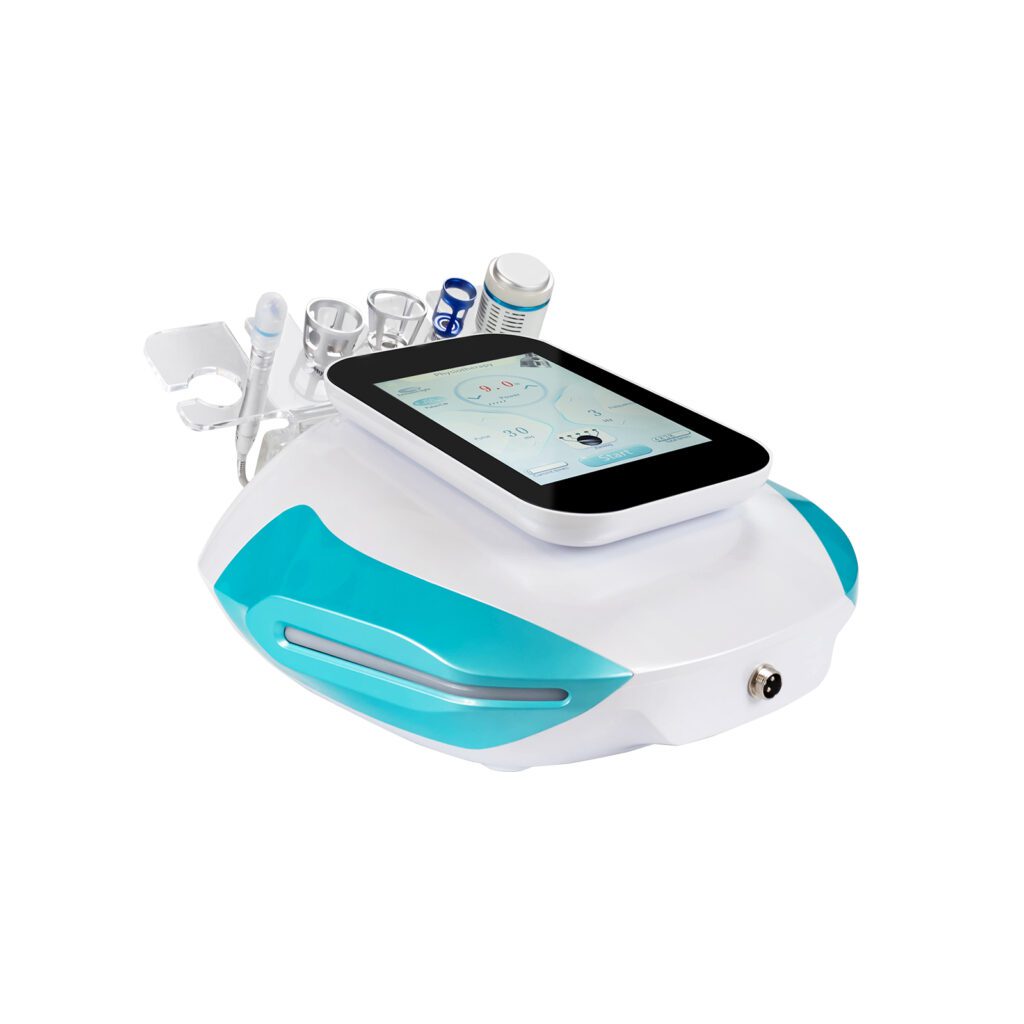
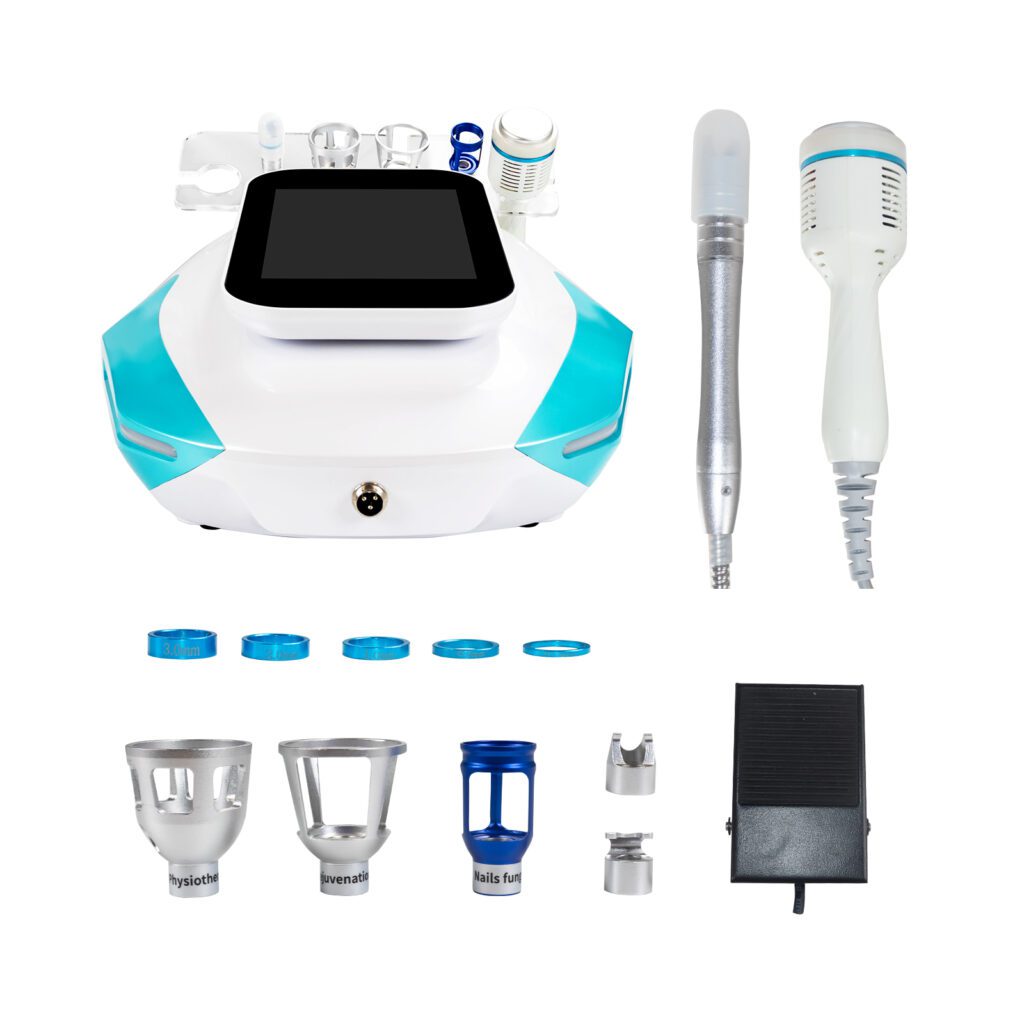
- Small bubble or hydro facial cleansing.
- LED light therapy support.
- RF firming or anti-aging care.
- EMS or microcurrent facial contour support.
- Ultrasound introduction and hydration support.
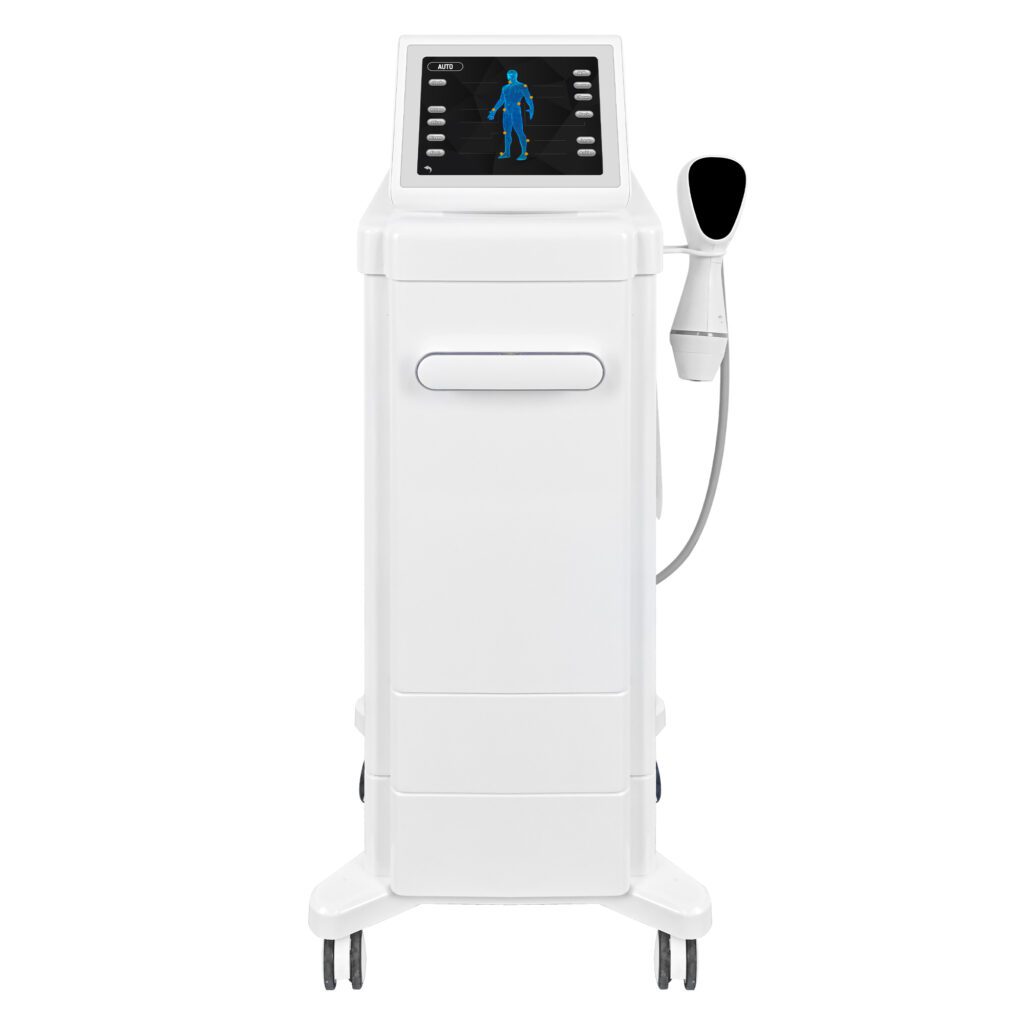
- Basic body contouring experience.
- Scalp or eye care equipment projects.
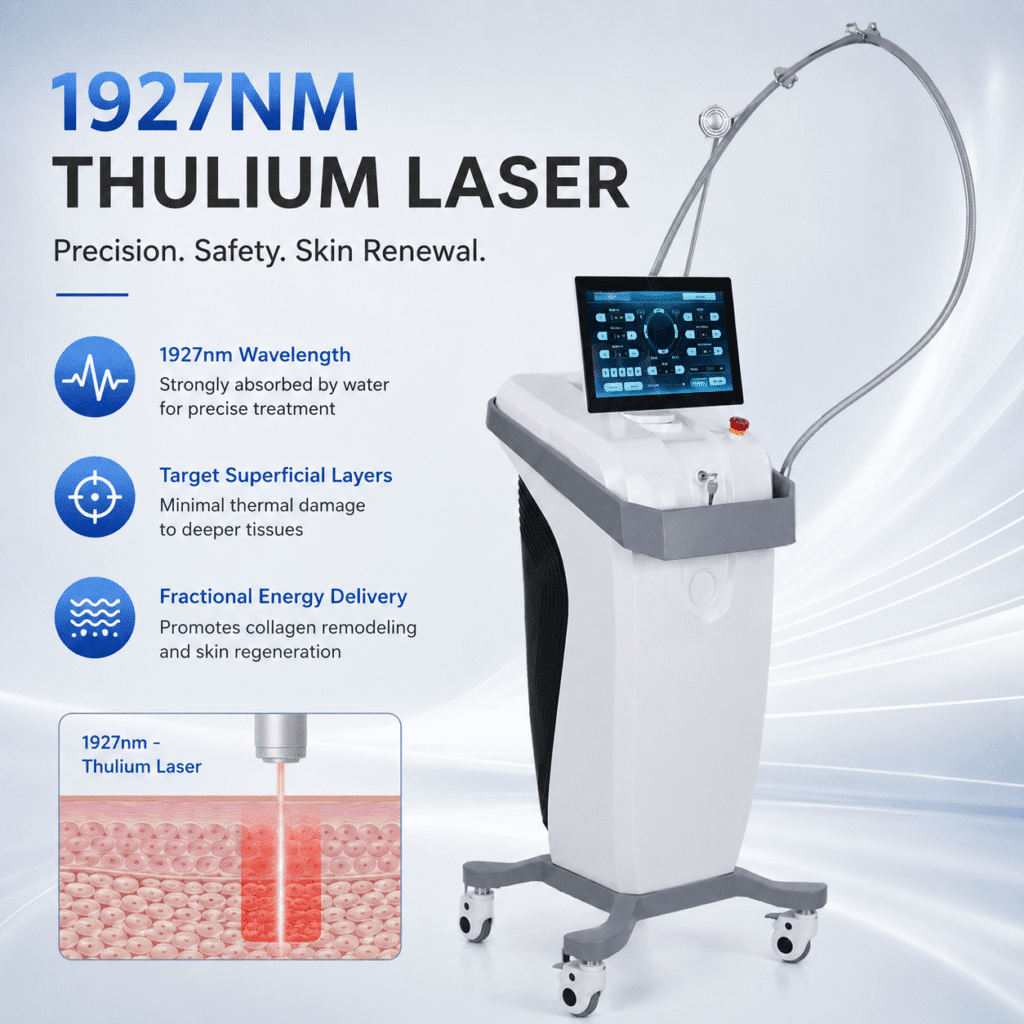
Projects that require stronger professional screening, higher energy, longer recovery expectations, or strict contraindication management should be handled more carefully. For HIFU, laser, IPL, cryolipolysis, or higher-power equipment, the experience card may be better designed as consultation + area test + project planning instead of a full low-price treatment.
Step 2: Define The Target Customer
An experience card should not try to attract everyone. Different customer groups need different offers.
For new customers, the card should reduce uncertainty and introduce the salon’s professional process. The focus is trust and first booking.
For existing facial customers, the card can introduce equipment upgrades. The focus is moving from manual care to machine-assisted packages.
For dormant customers, the card can be used as a return invitation. The focus is a new experience, new assessment, and membership reactivation.
For high-end customers, the card should not look too cheap. The focus should be professional evaluation, private consultation, advanced equipment, and personalized plan.
For community salons, the card can emphasize practical skin improvement, comfort, and affordable package design. For high-end skin management centers, the card should emphasize analysis, treatment logic, equipment quality, and long-term skin management.
Step 3: Avoid Making The Price Too Low
Many salons believe a lower trial price creates more bookings. That may be true, but it does not always create more paying customers.
If the price is too low, the card may attract customers who compare only discounts. These customers may not accept course packages, membership cards, or higher-ticket equipment projects. The salon looks busy but does not increase profit.
A better method is a paid value trial. The price should be low enough to reduce hesitation, but not so low that it destroys the value of the project. The customer should feel this is a professional limited-entry experience, not a random cheap service.
The card can also be designed with a deductible rule. For example, if the customer buys a package within a defined time, the trial fee can be deducted from the package price. This keeps the card attractive while protecting project value.
The rule must be clear. The salon should state what is included, what is not included, whether the fee can be deducted, how long the deduction is valid, and whether appointments are required.
Step 4: Build A Complete Experience Card Structure
A high-conversion equipment experience card should include more than treatment time. A complete structure may include:
- Подтверждение записи на прием.
- Skin or body condition questionnaire.
- Contraindication check.
- Skin analysis or visual consultation.
- Project explanation.
- Equipment treatment.
- Рекомендации по уходу после процедуры.
- Result summary.
- Рекомендация по упаковке.
- Дополнительное сообщение.
The customer should feel that the salon is providing a professional process, not pushing a cheap machine service.
A practical experience card can be structured like this:
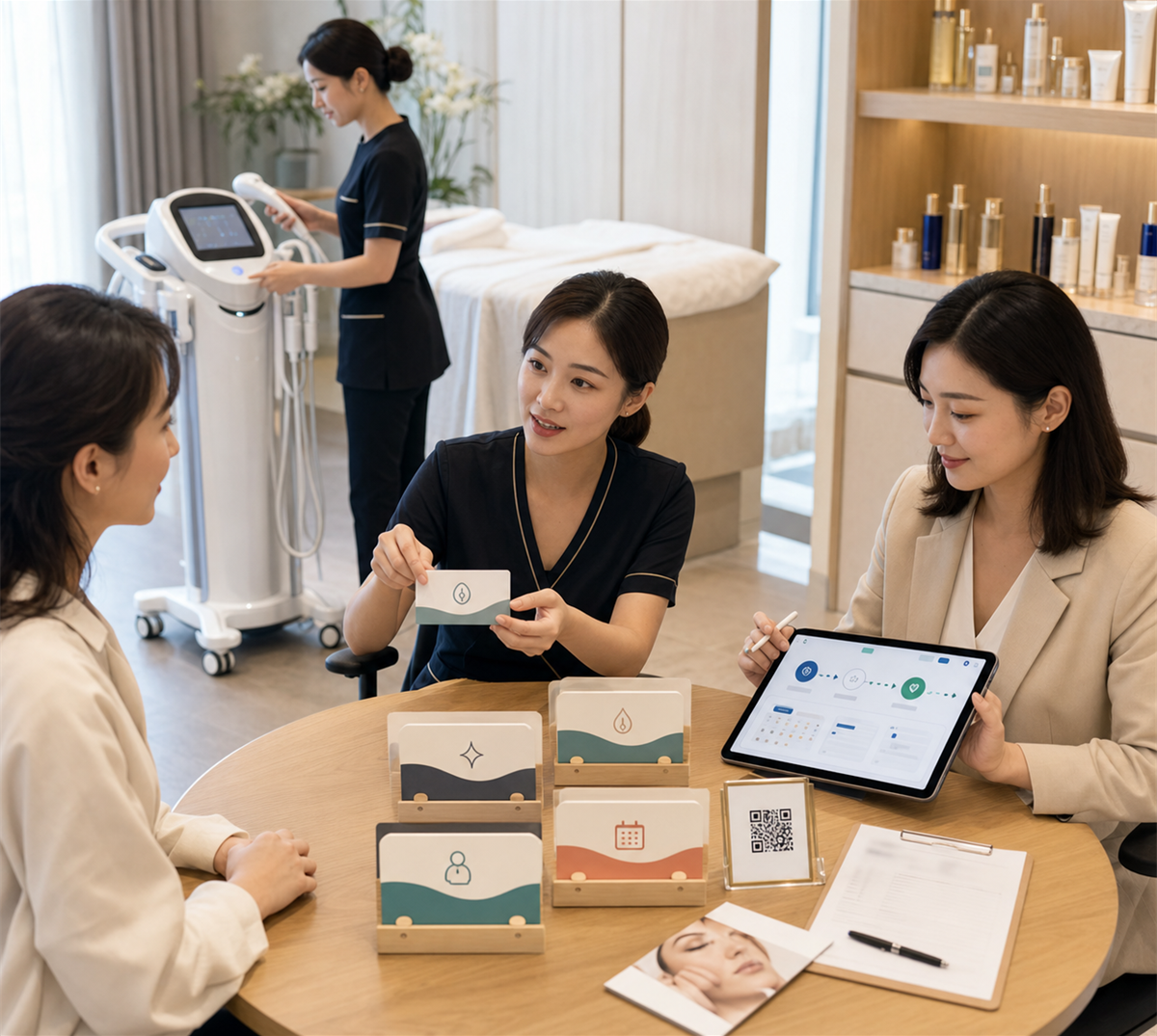
Part 1: Check-in and consultation. Staff ask the customer’s goal, concern, budget sensitivity, previous treatment experience, and expectation.
Part 2: Analysis. Use skin analyzer, mirror observation, photos, or consultation chart to show the customer’s current condition.
Part 3: Project positioning. Explain why this equipment project is suitable and what one trial can and cannot show.
Part 4: Treatment. Keep the process clean, comfortable, and focused. Staff should explain sensations without over-talking.
Part 5: Review. Compare feeling, comfort, brightness, hydration, contour, or skin condition based on the project type.
Part 6: Package recommendation. Recommend a realistic course based on the customer’s condition and goal.
Part 7: Follow-up. Send aftercare notes, booking reminder, and package offer within the planned time.
Step 5: Create A Strong Project Name
The project name should help the customer understand the value quickly. Do not only name the machine. Customers usually care more about the result direction than the technical term.
Слабые имена:
- Испытание РФ.
- Small bubble experience.
- Уход за светодиодами.
- Skin analyzer card.
Более сильные имена:
- First-Time Pore Cleansing And Hydration Experience.
- Facial Firming And Contour Trial.
- Sensitive Skin Soothing Light Care Experience.
- AI Skin Analysis And Customized Skin Management Trial.
- Double Chin And Jawline Firming Experience.
The name should be specific, but not exaggerated. Avoid promises such as permanent lifting, instant cure, guaranteed whitening, medical treatment, or disease improvement if they are not properly supported.
Step 6: Match The Trial With A Clear Package
An experience card should always have a follow-up package. Without a next-step package, staff have nothing natural to sell after the treatment.
The package can be designed in three levels:
- **Starter package:** 3 to 4 sessions for customers who are still testing trust.
- **Standard package:** 6 to 8 sessions for customers with clear goals.
- **Premium package:** 10 to 12 sessions with combined projects, home care, or membership benefits.
The package should match the trial project. A cleansing trial can lead to monthly skin management. An RF trial can lead to firming and anti-aging courses. An LED trial can lead to soothing repair packages. A skin analysis card can lead to customized skin management plans.
The customer should feel the package is the logical next step, not a sudden sales pressure.
Step 7: Use A Time-Limited Deduction Instead Of Hard Pressure
Many salons try to close immediately after the experience. Immediate conversion is important, but excessive pressure can hurt trust. A better approach is a clear and reasonable decision window.
For example, the salon can say the trial fee can be deducted from a course within 24 to 72 hours. This gives customers time to consider while keeping the offer active.
The sales language should be calm:
Based on today’s analysis, your main issue is hydration and pore blockage. One trial can clean and improve comfort, but stable skin condition needs repeated care. If you decide within the next two days, today’s trial fee can be deducted from the 6-session plan.
This is more professional than saying the discount is available only now with no explanation.
Step 8: Train Staff To Sell The Problem, Not The Machine
Customers do not buy an RF machine, a small bubble machine, or a LED panel. They buy the possibility of cleaner skin, better texture, firmer contour, improved comfort, or more confidence.
Staff should avoid technical-heavy introductions such as:
This machine has multiple handles and adjustable parameters.
Более точное объяснение:
Today we are using this equipment to focus on your pore blockage and water-oil imbalance. The goal of the first session is to make your skin feel cleaner and more comfortable. If you want stable improvement, we will need to manage cleaning, hydration, and barrier care together.
The machine supports the solution, but the customer’s concern should be the center of the conversation.
Step 9: Make Before-And-After Communication Honest
Before-and-after photos can help conversion, but they must be used carefully. Lighting, angle, camera distance, facial expression, and editing can mislead customers if not controlled.
A responsible salon should use consistent lighting, consistent angle, and no heavy filters. Staff should explain that one experience may show temporary comfort, brightness, hydration, or contour feeling, while long-term improvement depends on repeated care, lifestyle, home care, and individual condition.
This honest approach may sound less dramatic, but it builds trust. Customers who trust the salon are more likely to buy packages and return.
Step 10: Follow Up Within 24 Hours
Many conversions are lost because nobody follows up after the customer leaves. The customer may like the service but forget the offer, hesitate about price, or compare with another salon.
A simple follow-up message can include:
- Thank you for visiting.
- Summary of the customer’s skin or body concern.
- Напоминание об уходе после процедуры.
- Recommended package.
- Deduction deadline if applicable.
- Next available appointment time.
The message should be personal, not a generic advertisement. If a skin analyzer was used, the salon can mention the analysis result and remind the customer of the next step.
Experience Card Templates For Different Equipment Categories
Small Bubble Or Hydro Facial Experience Card
Best for new customers, community salons, basic skin management, and customers with visible pore or hydration concerns.
Suggested structure:
- Skin cleanliness check.
- Small bubble cleansing.
- Hydration or soothing support.
- Рекомендации по уходу после процедуры.
- 4-session monthly skin management package.
Conversion angle:
Your skin feels cleaner today, but pores and oil balance need regular maintenance. A monthly package keeps the result more stable.
RF Firming Experience Card
Best for anti-aging, facial contour, early laxity, and higher-ticket upgrade projects.
Suggested structure:
- Facial contour consultation.
- RF firming experience on selected area.
- Comfort and heat explanation.
- Package recommendation for 6 to 8 sessions.
Conversion angle:
One trial helps you understand the feeling and direction. Firming projects usually need repeated sessions to build visible continuity.
LED Light Therapy Experience Card
Best for sensitive skin, post-cleansing soothing, redness-prone customers, and combination packages.
Suggested structure:
- Skin sensitivity consultation.
- Gentle cleansing or preparation.
- LED light therapy support.
- Soothing home care advice.
- Barrier care package.
Conversion angle:
This project is suitable as part of ongoing skin maintenance, especially when your skin needs gentle and stable care.
AI Skin Detection Experience Card
Best for high-end skin management centers, new customer consultation, and customized packages.
Suggested structure:
- Анализ кожи с помощью ИИ.
- Report explanation.
- One targeted equipment treatment.
- Customized skin management plan.
- Package recommendation based on analysis.
Conversion angle:
The analysis shows which problems should be managed first. The package is built around priority, not random services.
Body Contouring Experience Card
Best for customers interested in shaping, waist, abdomen, arms, thighs, or localized body management.
Suggested structure:
- Body concern consultation.
- Measurement or photo record if appropriate.
- One selected area equipment experience.
- Lifestyle and maintenance explanation.
- 6 to 10 session body management package.
Conversion angle:
Body projects depend on repeated sessions, routine management, and realistic expectations. The trial helps you understand comfort and suitability.
How To Measure Whether The Experience Card Works
Salons should track numbers, not only feelings. Important metrics include:
- Ad click or inquiry rate.
- Booking rate.
- Уровень явки.
- Experience completion rate.
- Same-day package conversion rate.
- 3-day or 7-day follow-up conversion rate.
- Средняя стоимость посылки.
- Repurchase rate after the first package.
- Customer complaint rate.
- Staff closing rate by project.
If many customers book but do not show up, the offer may be too casual. If many customers experience but do not buy, the consultation or package design may be weak. If many customers buy once but do not repurchase, the project effect, expectation management, or follow-up may need improvement.
Распространенные ошибки, которых следует избегать
The first mistake is making the card too cheap. Cheap traffic can fill the store but not necessarily create profit.
The second mistake is choosing a project that cannot show any meaningful first-visit value. The customer should at least feel comfort, professionalism, clearer understanding, or a visible service difference.
The third mistake is explaining only machine functions. Customers need to understand their own problem and the next-step solution.
The fourth mistake is selling too aggressively after a weak experience. Closing becomes easier when the customer has already felt value.
The fifth mistake is making exaggerated claims. Equipment projects should be promoted with truthful, supportable language. Avoid medical treatment promises, guaranteed outcomes, permanent results, or unrealistic before-and-after claims.
The sixth mistake is failing to follow up. A customer who does not buy on the same day may still convert if the salon follows up professionally.
How Distributors Can Help Salons Use Experience Cards
Distributors and manufacturers can make their machines easier to sell by giving salons ready-to-use operation materials.
В число полезных справочных материалов входят:
- Experience card project names.
- Trial card pricing suggestions.
- Бланки для консультаций.
- Контрольные списки противопоказаний.
- Стандарты для фотографий «до и после».
- Staff introduction scripts.
- Package structure examples.
- Social media post copy.
- Шаблоны для последующих сообщений.
- Consumable cost calculation sheets.
- Training videos for each project.
When salons know how to turn a machine into a sellable service package, they are more likely to use the equipment frequently, buy consumables, and reorder from the distributor.
Часто задаваемые вопросы
Should beauty salon experience cards be free?
Usually, a paid trial is better than a free trial for equipment projects. A small paid amount can screen customers, protect project value, and reduce no-shows. Free trials may work for special events, but they need strong appointment and conversion control.
What equipment projects are best for experience cards?
Skin analysis, small bubble cleansing, hydro facial care, LED therapy, RF firming, EMS microcurrent, ultrasound hydration, and basic body contouring are often suitable because customers can understand them easily and they connect well with packages.
How long should an equipment experience card service take?
Many salons can design the full process around 45 to 75 minutes, including consultation, analysis, treatment, summary, and package recommendation. The exact time depends on the project and store workflow.
How can staff improve conversion after the experience?
Staff should summarize the customer’s concern, explain what one trial achieved, clarify what repeated care can improve, recommend a suitable package, and follow up within 24 hours if the customer does not buy immediately.
What should salons avoid when promoting experience cards?
They should avoid exaggerated claims, unclear rules, fake urgency, reused stock photos, unrealistic before-and-after images, and discounts that make the project look low-value.
Заключение
Beauty equipment experience cards convert better when they are designed as a complete customer journey, not a simple low-price coupon. The salon should choose the right project, target the right customer, create a professional consultation process, deliver a comfortable first experience, and connect the trial to a clear package.
For salons, a good experience card can increase first-visit trust, package conversion, and customer repurchase. For distributors and manufacturers, providing experience card templates, scripts, training, and project packaging support can make equipment easier to sell and easier to operate long term.