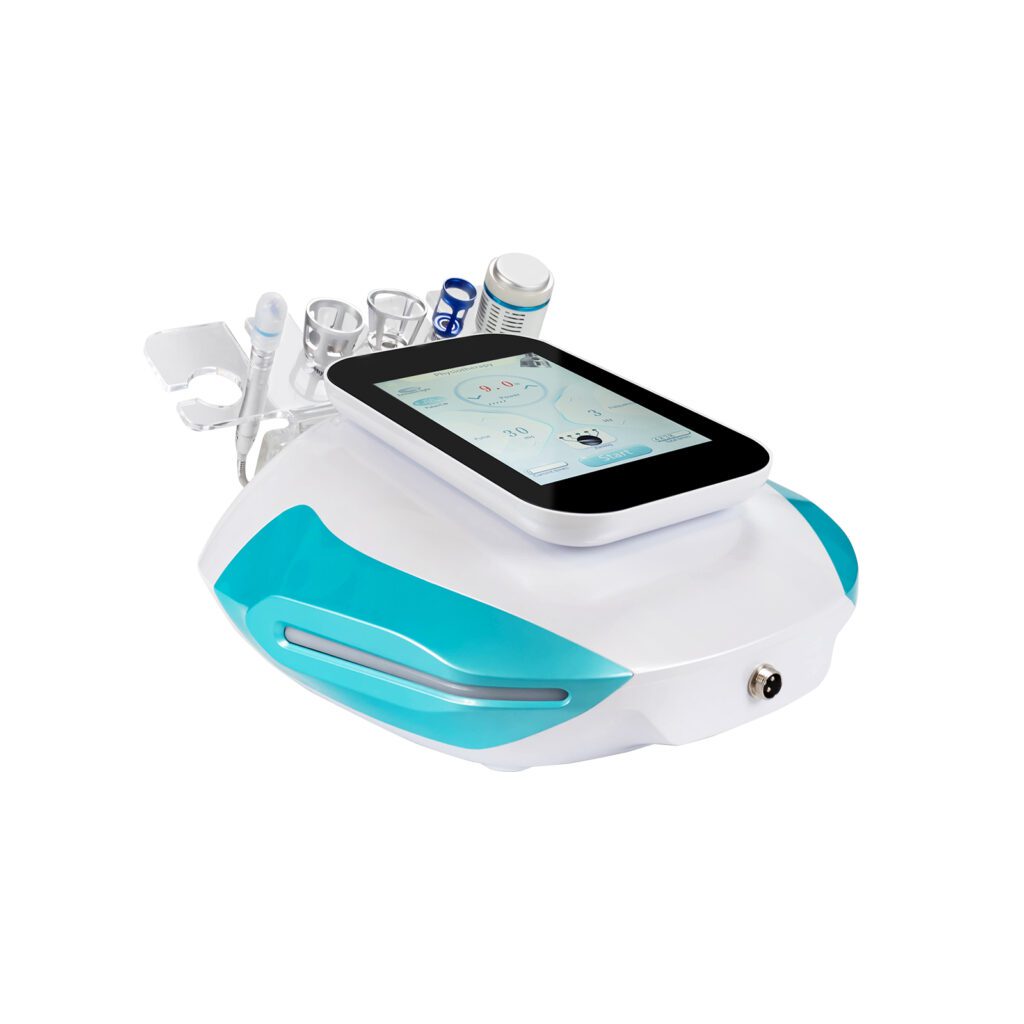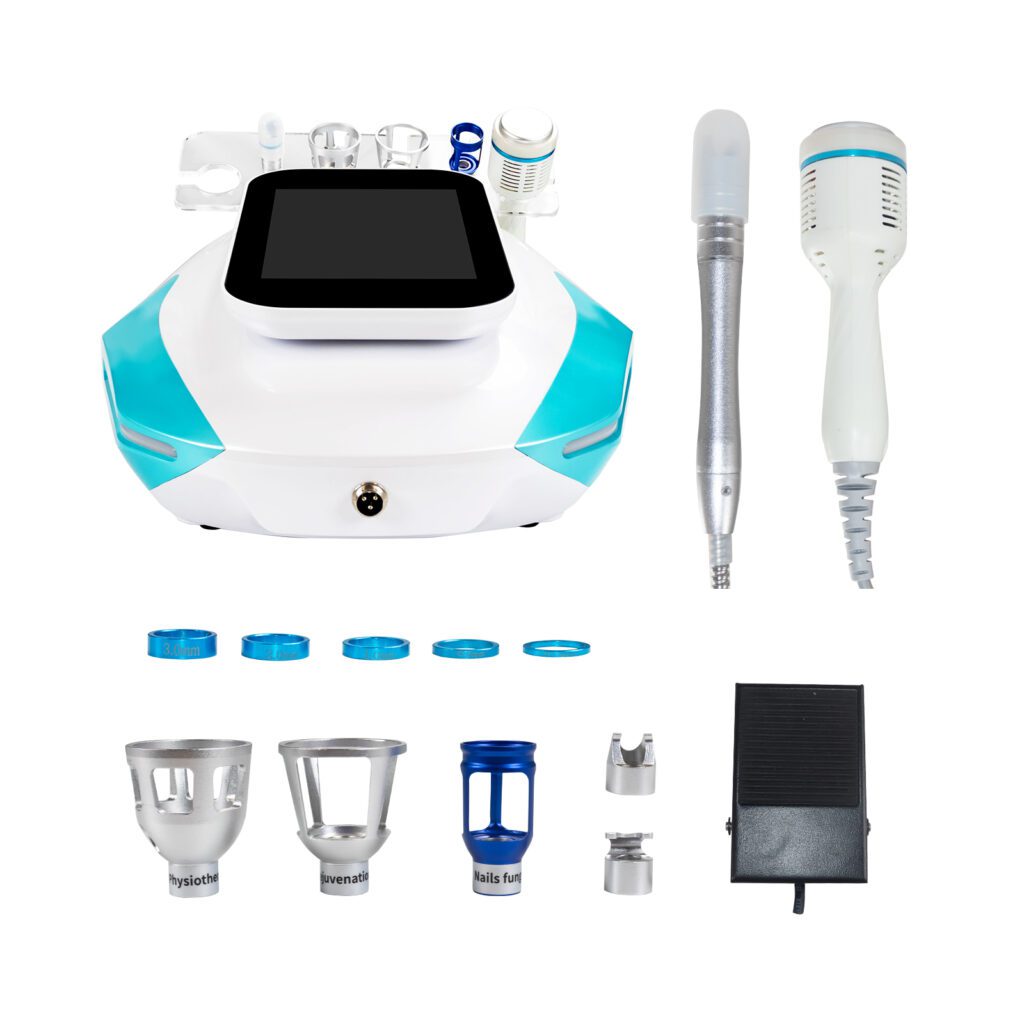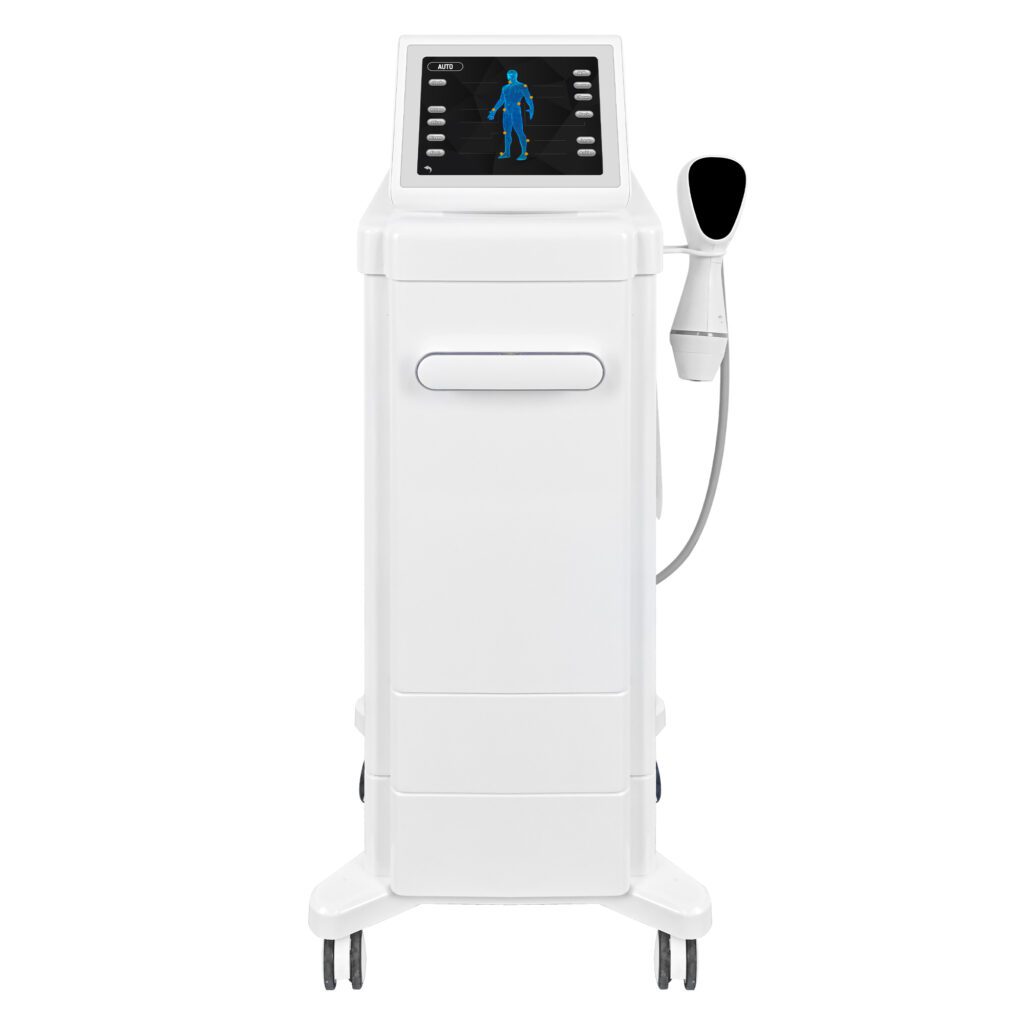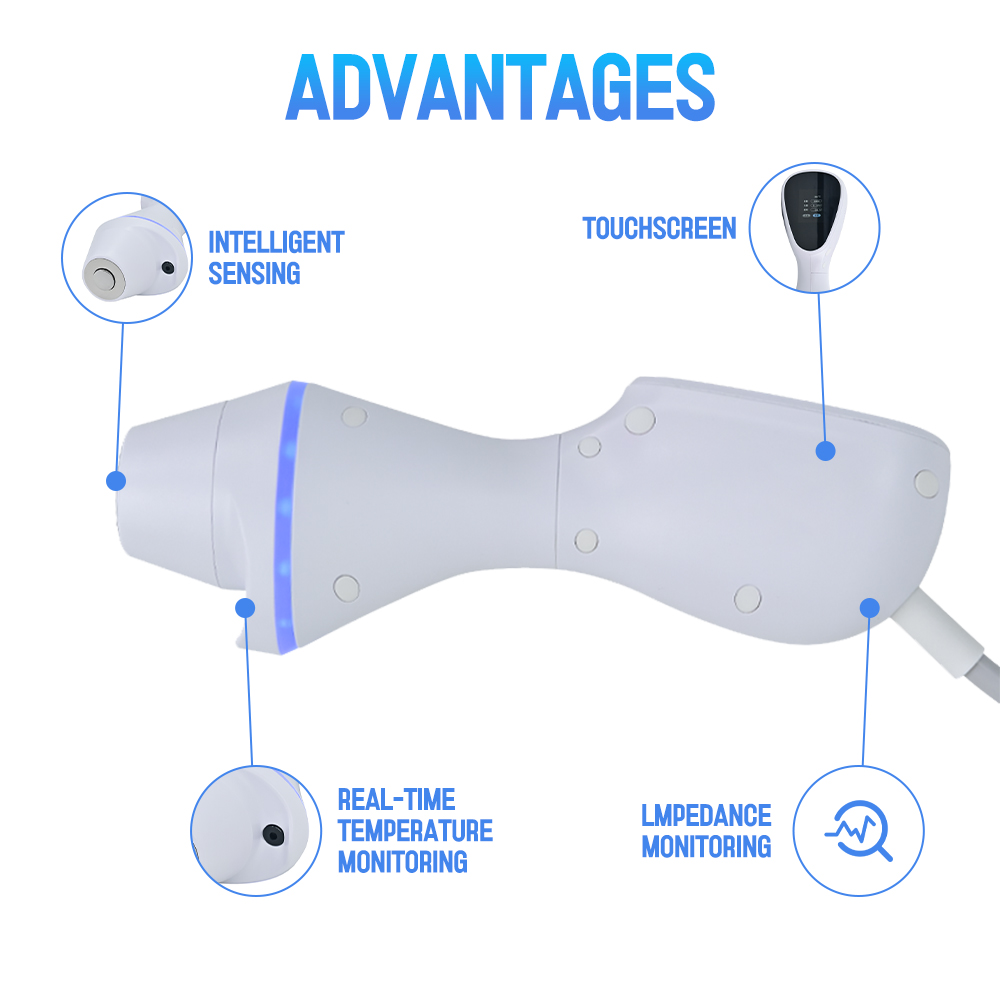









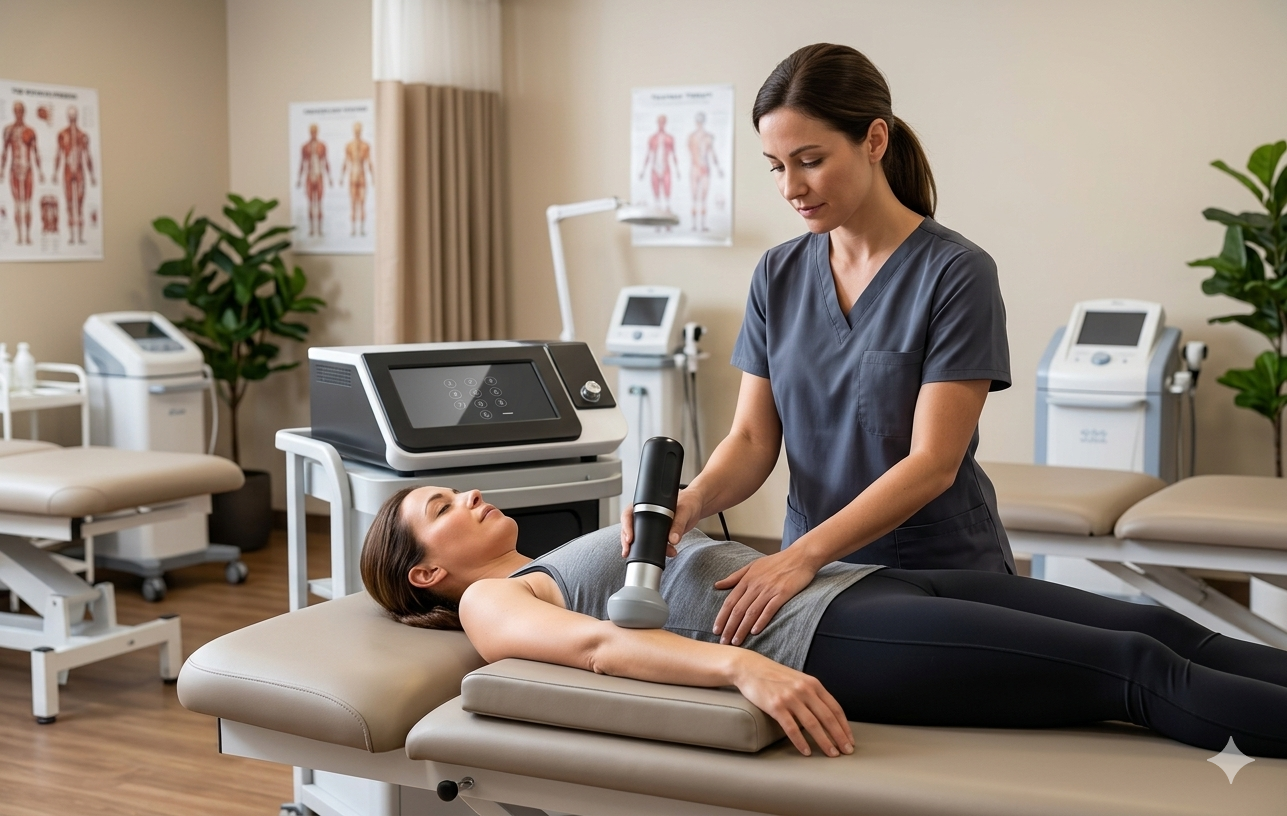
Ударно-волновая терапия стала широко используемой технологией как в эстетической медицине, так и в реабилитации. От уменьшения целлюлита и коррекции контуров тела до обезболивания и восстановления тканей, устройства ударных волн Они ценятся за свою способность стимулировать биологические реакции без инвазивных процедур. Однако при оценке аппарата ударно-волновой терапии наибольшее внимание часто уделяется двум техническим параметрам: частота (Гц) и давление (бар). Понимание того, как эти условия влияют на результаты лечения, имеет важное значение для практикующих врачей, дистрибьюторов и покупателей, стремящихся максимизировать эффективность, сохраняя при этом комфорт и безопасность пациентов.
1. Понимание основ технологии ударных волн
1.1 Что такое ударно-волновая терапия?
Ударно-волновая терапия использует акустические волны для передачи механической энергии в биологические ткани. Эти волны давления стимулируют кровообращение, способствуют клеточной активности, стимулируют выработку коллагена и поддерживают регенерацию тканей. В зависимости от области применения, ударно-волновая терапия может использоваться в эстетических процедурах, для восстановления после спортивных травм, в физиотерапии и при заболеваниях опорно-двигательного аппарата.
1.2 Почему частота и давление имеют значение
Среди различных технических характеристик аппарата ударно-волновой терапии частота и давление являются основными факторами, определяющими способ подачи энергии в обрабатываемую область. Хотя оба параметра влияют на интенсивность лечения, они воздействуют на ткани по-разному. Понимание их индивидуальной роли помогает врачам выбирать соответствующие параметры для достижения конкретных целей лечения.
2. Что означает частота (Гц) в устройствах для ударно-волновой терапии?
2.1 Определение частоты
Частота, измеряемая в герцах (Гц), обозначает количество импульсов ударной волны, подаваемых в секунду. Например:
- 5 Гц = 5 импульсов в секунду
- 10 Гц = 10 импульсов в секунду
- 20 Гц = 20 импульсов в секунду
Более высокие частоты увеличивают скорость подачи энергии во время лечения.
2.2 Как частота влияет на эффективность лечения
Более высокая частота процедур позволяет врачам быстрее обрабатывать обрабатываемые участки. Это может сократить общее время лечения и повысить эффективность рабочего процесса в загруженных клиниках.
К преимуществам использования более высоких частот относятся:
- Более быстрые сеансы лечения
- Более широкое покрытие больших зон лечения
- Улучшение пропускной способности для пациентов
- Более эффективные методы лечения целлюлита и коррекции контуров тела.
Однако более высокая частота не обязательно означает более мощную энергию. Это просто означает, что импульсы подаются быстрее.
2.3 Когда предпочтительны более низкие частоты
Более низкие частоты часто обеспечивают более сфокусированную подачу энергии и могут дать тканям дополнительное время для реакции между импульсами. В реабилитации и глубоком мышечном воздействии специалисты иногда предпочитают более низкие частоты для достижения большей точности лечения и комфорта пациента.
3. Что означает давление (бар) в устройствах для ударно-волновой терапии?
3.1 Определение давления
Давление, измеряемое в барах, указывает на силу, создаваемую каждым импульсом ударной волны. В радиальных системах ударных волн давление обычно колеблется от 1 до 6 бар, хотя некоторые усовершенствованные устройства могут предлагать более высокие значения.
Давление напрямую влияет на интенсивность механической стимуляции, оказываемой на ткань.
3.2 Взаимосвязь между давлением и энергией
По мере увеличения давления каждый импульс передает больше энергии в зону лечения. Это может вызывать более сильные биологические реакции, в том числе:
- Усиление кровообращения
- Усиленная стимуляция выработки коллагена
- Более интенсивная перестройка тканей
- Улучшенное расщепление фиброзной ткани.
Поскольку давление влияет на интенсивность лечения, оно часто оказывает более заметное воздействие на ощущения пациента, чем частота.
3.3 Потенциальные недостатки чрезмерного давления
Хотя в некоторых случаях более высокое давление может повысить эффективность лечения, чрезмерно агрессивные параметры могут усилить дискомфорт и снизить переносимость процедуры пациентом. Использование уровней давления, превышающих необходимые для обрабатываемой области, не всегда приводит к лучшим результатам и может увеличить вероятность временной болезненности или покраснения.

4. Как частота и давление взаимодействуют друг с другом
4.1 Частота регулирует скорость, давление регулирует интенсивность
Полезный способ понять эти параметры — следующий:
- Частота (Гц) = скорость подачи импульсов.
- Давление (бар) = Сила каждого импульса
Для достижения оптимальных результатов оба параметра должны работать совместно.
Например:
- Высокая частота + низкое давление = быстрые и комфортные процедуры
- Низкая частота + высокое давление = более глубокая и интенсивная стимуляция
- Высокая частота + высокое давление = агрессивные методы лечения при определенных показаниях.
4.2 Нахождение правильного баланса
Успешная ударно-волновая терапия зависит от баланса между эффективностью лечения и комфортом пациента. Одновременное увеличение частоты и давления может сократить время лечения, но при неправильной настройке может также усилить дискомфорт.
Как правило, опытные специалисты корректируют оба параметра в зависимости от целей лечения, характеристик тканей и чувствительности пациента.
5. Рекомендуемые настройки для различных приложений
5.1 Уменьшение целлюлита и коррекция контуров тела
В эстетических процедурах специалисты часто отдают предпочтение следующим методам:
- Средние и высокие частоты
- Умеренные уровни давления
Такое сочетание помогает стимулировать кровообращение и лимфодренаж, обеспечивая при этом комфортные условия процедуры.
5.2 Восстановление мышц и физиотерапия
Для реабилитации мышц и восстановления после спортивных травм могут использоваться следующие условия:
- Умеренные частоты
- Среднее и высокое давление
Эти параметры способствуют регенерации тканей и улучшают местный кровоток без чрезмерного дискомфорта.
5.3 Глубокие ткани и хронические заболевания
Для более сложных задач специалисты могут выбрать:
- Низкие частоты
- Повышенные уровни давления
Этот подход обеспечивает более глубокое проникновение энергии и целенаправленную стимуляцию более глубоких структур.
6. Распространенные заблуждения относительно параметров ударной волны
6.1 Более высокое давление не всегда означает лучшие результаты
Одно из самых распространенных заблуждений — это предположение, что максимальное давление автоматически обеспечивает лучшие результаты. В действительности, биологические ткани лучше всего реагируют на соответствующие уровни энергии, а не на чрезмерное воздействие. Успех лечения зависит от выбора параметров, соответствующих показаниям и профилю пациента.
6.2 Более высокая частота не то же самое, что более высокая мощность.
Многие пользователи ошибочно отождествляют частоту с интенсивностью лечения. Хотя более высокие частоты увеличивают количество импульсов, подаваемых в секунду, они не обязательно увеличивают энергию, содержащуюся в каждом импульсе. Давление остается основным фактором, определяющим интенсивность импульса.
6.3 Индивидуальный подход к лечению имеет важное значение.
Единого эффективного сочетания частоты и давления, подходящего для каждого пациента или при каждом заболевании, не существует. Наиболее эффективные методы лечения подбираются индивидуально, в зависимости от целей лечения, характеристик тканей и переносимости пациентом.
Заключение
Частота (Гц) и давление (Бар) — два наиболее важных регулируемых параметра. ударно-волновая терапия, Однако они выполняют разные функции. Частота определяет скорость подачи ударно-волновых импульсов, а давление контролирует интенсивность каждого импульса. Более высокие значения не всегда лучше, и успешность лечения зависит от выбора правильного баланса между эффективностью, результативностью и комфортом пациента. Понимая, как эти параметры взаимодействуют, специалисты могут оптимизировать протоколы лечения и добиваться более стабильных результатов в широком спектре эстетических и терапевтических применений.