Насколько эффективна HIFU по сравнению с ботоксом? Правда о нехирургических методах омоложения.
Зайдите сегодня в любую эстетическую клинику, и вы снова и снова услышите один и тот же вопрос: “Что лучше: HIFU или ботокс?” Это почти как сравнивать кофе и чай. Оба средства обещают омоложение, оба невероятно популярны и оба утверждают, что помогают выглядеть моложе без хирургического вмешательства. Но вот в чем загвоздка — на самом деле они действуют совершенно по-разному. Именно здесь начинается путаница для многих людей, ищущих лучшее средство против старения.
В последние годы резко возрос спрос на нехирургические косметические процедуры. Согласно последним исследованиям в области эстетической медицины, опубликованным в 2025 году, неинвазивные процедуры омоложения лица продолжают расти во всем мире, поскольку пациенты хотят видимых улучшений без длительного периода восстановления, связанного с хирургическим вмешательством. Люди хотят более подтянутой кожи, разглаживания морщин и естественного результата, при этом имея возможность вернуться к работе уже на следующий день. Это желание подтолкнуло к развитию таких процедур, как... HIFU и Ботокс в центр внимания.
Но спрашивать, “так ли хороша HIFU, как ботокс”, — это, на самом деле, неправильный вопрос. Лучше спросить: “Какую проблему вы пытаетесь решить?” Потому что, если ваша кожа обвисла, ботокс может вас разочаровать. Если ваша проблема — мимические морщины на лбу, HIFU может не дать ожидаемого вами заметного разглаживающего эффекта. Представьте их как два разных инструмента в ящике для инструментов. Вы же не будете использовать молоток, чтобы затянуть винт, верно? Та же логика применима и здесь.
В этой статье подробно рассматриваются реальные различия между HIFU и ботоксом, принцип действия каждой процедуры, какой из них дает более длительный эффект, кому каждая процедура приносит наибольшую пользу и почему современные клиники все чаще комбинируют обе процедуры. Если вы раздумываете, стоит ли инвестировать в процедуру HIFU или записаться на первый сеанс ботокса, это руководство поможет вам принять более взвешенное и уверенное решение.
Понимание причин сравнения HIFU и ботокса
Растущий спрос на нехирургические методы омоложения лица
Индустрия красоты за последнее десятилетие претерпела кардинальные изменения. Люди больше не хотят очевидных косметических процедур, которые делают их внешность застывшей или чрезмерно искусственной. Сегодня пациенты стремятся к чему-то более тонкому — более свежей коже, более четкой линии подбородка и естественному молодому виду. Речь идет не столько о том, чтобы выглядеть на двадцать лет снова, сколько о том, чтобы выглядеть свежей, отдохнувшей и уверенной в себе.
Этот сдвиг объясняет, почему применяются такие методы лечения, как... HIFU-омоложение лица HIFU и ботокс стали широко распространены. HIFU привлекает тех, кто хочет подтянуть и укрепить кожу без хирургического вмешательства. Ботокс привлекает тех, кто хочет разгладить мимические морщины и получить быстрый результат. Обе процедуры обещают более молодой вид кожи без скальпеля, швов и многомесячного восстановления. Это невероятно привлекательно в мире, где люди пытаются совмещать карьеру, личную жизнь и напряженный график.
Социальные сети также подпитывают эту тенденцию. Ежедневно Instagram, TikTok и YouTube заполоняют фотографии «до и после». Знаменитости открыто обсуждают эстетические процедуры, что нормализовало косметические процедуры так, как это было немыслимо несколько лет назад. Результат? Всё больше людей начинают изучать профилактические омолаживающие процедуры в возрасте от 20 до 30 лет, вместо того чтобы ждать появления глубоких морщин.
Недавние систематические обзоры, опубликованные в журналах по эстетической хирургии, показали, что У многих пациентов HIFU улучшила эластичность кожи примерно на 181–301 Т3Т., Особенно это касается области челюсти и шеи. Это важно, поскольку обвисание кожи — одна из главных проблем старения, с которой сталкиваются люди после того, как замедляется выработка коллагена. Между тем, ботокс остается одной из самых популярных косметических процедур в мире, поскольку он обеспечивает быстрое и видимое уменьшение морщин.
Почему часто путают HIFU и ботокс
На первый взгляд, HIFU и ботокс кажутся похожими, поскольку оба являются омолаживающими процедурами, позволяющими избежать хирургического вмешательства. Но механизмы их действия совершенно разные. Ботокс воздействует на мышцы. HIFU воздействует на структуру кожи и стимулирует выработку коллагена. Один метод блокирует движение, другой стимулирует подтяжку.
Представьте свое лицо как матрас. Ботокс разглаживает поверхностные морщины, уменьшая движение под ними. HIFU укрепляет более глубокие поддерживающие слои, удерживающие матрас в целости. Именно поэтому эти процедуры не являются прямыми конкурентами. Они решают разные проблемы, связанные со старением.
Многие ошибочно ожидают, что HIFU разгладит морщины на лбу так же эффективно, как ботокс. Другие же считают, что ботокс может подтянуть обвисшие щеки или укрепить дряблую линию челюсти. Это заблуждение приводит к разочарованию, поскольку ожидания не соответствуют реальности. Крайне важно понимать разницу до начала процедуры.
Ещё одна причина путаницы заключается в том, что многие клиники рекламируют обе процедуры под общим названием “безоперационная подтяжка лица”. Технически, обе процедуры способствуют омоложению лица, но они направлены на совершенно разные процессы старения. Ботокс лечит динамические морщины Причинами являются повторяющиеся движения лица, такие как улыбка или хмурое выражение лица. HIFU решает эту проблему. дряблость кожи и потере коллагена.
Современные дерматологи все чаще рекомендуют индивидуальные планы лечения, сочетающие обе технологии, а не выбирающие только одну из них. Более того, недавние сравнительные исследования в области омоложения лица показывают, что комбинированные подходы часто обеспечивают лучшие общие эстетические результаты, чем отдельные процедуры.
Что такое HIFU и как он работает?
Научные основы высокоинтенсивного сфокусированного ультразвука
HIFU означает Высокоинтенсивный сфокусированный ультразвук. Звучит футуристично, и, честно говоря, так оно и есть. Технология использует концентрированную ультразвуковую энергию для нагревания целевых тканей глубоко под поверхностью кожи. Эта контролируемая тепловая энергия запускает естественную реакцию организма на заживление, которая стимулирует выработку коллагена и подтяжку тканей.
Одна из причин популярности HIFU заключается в том, что эта технология позволяет воздействовать на определенные участки тела. SMAS-слой — тот же самый базовый слой, который хирурги подтягивают во время подтяжки лица, — без разрезов кожи. Это имеет огромное значение в эстетической медицине. Это позволяет врачам создавать едва заметный эффект подтяжки и укрепления без хирургического вмешательства.
y = Увеличение выработки коллагена с течением времени после HIFU y = \text{Увеличение выработки коллагена с течением времени после HIFU}
В отличие от ботокса, который дает относительно быстрые изменения, HIFU действует постепенно. Вашему организму нужно время, чтобы выработать новые коллагеновые волокна и перестроить ткани. Большинство людей начинают замечать улучшения через несколько недель, а оптимальные результаты появляются примерно через два-три месяца после процедуры.
Сама процедура обычно длится от 30 до 90 минут в зависимости от обрабатываемой области. Пациенты часто описывают ощущения как небольшие вспышки тепла или покалывание под кожей. Некоторые участки, особенно вблизи линии челюсти, могут быть более чувствительными, чем другие.
Какие области тела можно обрабатывать методом HIFU?
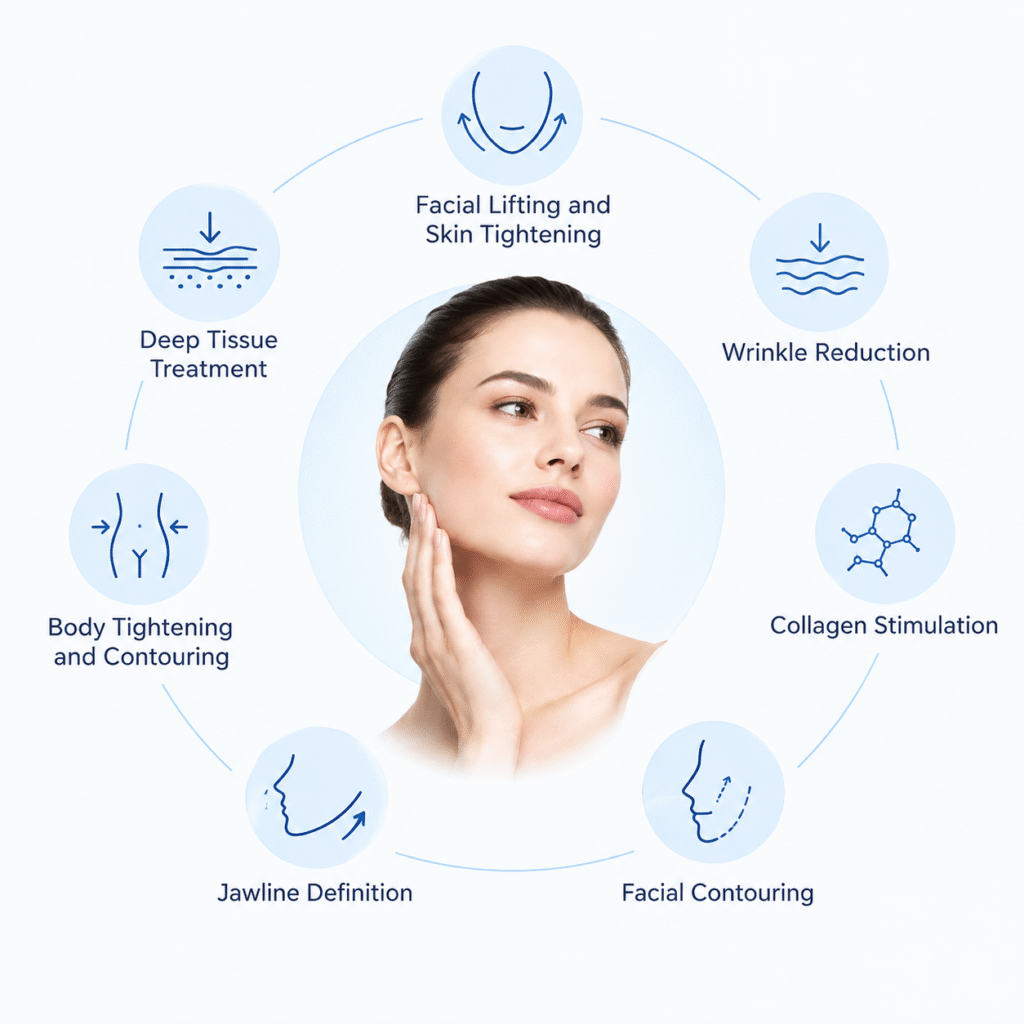
HIFU особенно эффективен при легкой и умеренной дряблости кожи. Чаще всего его используют для:
- Подтяжка линии подбородка
- Уменьшение двойного подбородка
- Подтяжка шеи
- Подтяжка бровей
- Сжатие щек
- Улучшение состояния носогубных складок
- Улучшение текстуры кожи
Одна из главных причин, по которой люди выбирают HIFU, — это его способность естественным образом улучшать контуры лица. Вместо того чтобы вызывать резкие изменения за одну ночь, он постепенно усиливает четкость контуров с течением времени. Представьте это как полив растения. Вы не увидите мгновенного роста, но со временем структура станет более здоровой и крепкой.
Исследование, опубликованное в 2025 году, подтвердило, что процедуры HIFU значительно улучшили результаты уменьшения морщин, текстуры кожи и подтяжки у многих пациентов, при этом сохранив высокий уровень безопасности.
Тем не менее, HIFU — это не волшебство. Он наиболее эффективен для людей с ранними и умеренными признаками старения. При сильной дряблости кожи часто требуется хирургическое вмешательство для достижения заметного эффекта подтяжки.
Как долго длится эффект от HIFU-терапии?
В этом отношении HIFU часто превосходит ботокс. Результаты могут сохраняться от 6 до 18 месяцев в зависимости от возраста, качества кожи, образа жизни и используемого аппарата. Эффект от ботокса обычно сохраняется около трех-четырех месяцев, после чего требуются повторные инъекции.
Более длительная продолжительность эффекта делает HIFU привлекательной для людей, которые не любят частые поддерживающие процедуры. Однако требуется терпение, поскольку улучшения проявляются постепенно, а не мгновенно.
Что такое ботокс и как он действует?
Как ботулотоксин расслабляет лицевые мышцы
Ботокс действует совершенно иначе, чем HIFU. Вместо подтяжки кожи, ботокс временно расслабляет мышцы, отвечающие за мимику. Он содержит очищенные ботулинический токсин типа А, который блокирует нервные сигналы, дающие мышцам команду на сокращение.
Когда эти мышцы расслабляются, расположенные над ними морщины разглаживаются. Именно поэтому ботокс особенно эффективен для разглаживания морщин на лбу, межбровных морщин и «гусиных лапок». Эти морщины называются динамические морщины потому что они формируются в результате многократных движений мышц с течением времени.
Представьте, что вы снова и снова складываете лист бумаги. В конце концов, образуется складка. То же самое происходит и с выражением лица. Каждая улыбка, прищуривание или нахмуривание постепенно оставляют морщины на коже. Ботокс уменьшает эти повторяющиеся движения, придавая коже более гладкий вид.
Ботокс популярен благодаря быстрому результату. Многие пациенты начинают замечать улучшение уже через три-семь дней, а полный эффект проявляется примерно через две недели. Именно такая быстрая трансформация объясняет, почему ботокс остается одной из самых популярных косметических процедур в мире.
Лучшие зоны для инъекций ботокса
Ботокс особенно эффективен в определенных областях лица, включая:
| Зона лечения | Эффективность ботокса |
|---|---|
| Линии лба | Отличный |
| Гусиные лапки | Отличный |
| Морщины на лбу | Отличный |
| Заячьи линии | Очень хороший |
| Сужение челюсти | Умеренный |
| Шейные ремешки | Умеренный |
Ботокс не предназначен для подтяжки обвисшей кожи. Именно здесь многие разочаровываются, ожидая эффекта подтяжки лица от одних только инъекций.
Как быстро действует ботокс?
Ботокс — это спринтер в эстетической медицине. HIFU — это марафонец. Ботокс обеспечивает видимые улучшения быстро, в то время как эффект от HIFU проявляется постепенно с течением времени.
Эта разница имеет психологическое значение. Многие пациенты любят мгновенный результат. Ботокс это обеспечивает. HIFU требует терпения, поскольку ремоделирование коллагена — это биологический процесс, который протекает медленно.
HIFU против ботокса: ключевые различия, которые вам необходимо знать.
Подтяжка кожи против разглаживания морщин
Главное отличие между HIFU и ботоксом заключается в проблеме, которую они решают.
| Особенность | HIFU | Ботокс |
|---|---|---|
| Основная цель | Подтяжка кожи | Уменьшение морщин |
| Цели | Коллаген и слои тканей | лицевые мышцы |
| Лучше всего подходит для | Обвисшая кожа | Линии экспрессии |
| Результаты Хронология | 2–3 месяца | 3–14 дней |
| Долголетие | 6–18 месяцев | 3–4 месяца |
| Инвазивное вмешательство? | Неинвазивный | инъекционный |
HIFU воздействует на более глубокие слои кожи. Ботокс же напрямую воздействует на движение мышц. Сравнивать их напрямую — все равно что сравнивать физиотерапию с обезболивающими. Оба метода уменьшают дискомфорт, но действуют по-разному.
Какой метод лечения выглядит более естественно?
Это полностью зависит от техники и ожиданий. Некачественно выполненный ботокс может выглядеть застывшим или неестественным. Высококачественный ботокс, выполненный щадящим методом, часто выглядит невероятно незаметно.
HIFU, как правило, приводит к естественному и постепенному улучшению состояния, поскольку результаты проявляются постепенно. Друзья могут заметить, что вы выглядите посвежевшим, даже не подозревая, что вам проводили процедуру.
Сегодня многие пациенты предпочитают более мягкий эстетический подход. Им нужны комплименты вроде “Вы выглядите здоровой”, а не “Вы делали пластическую операцию?”.”
Сравнение времени простоя, боли и восстановления.
Обе процедуры требуют минимального восстановительного периода, поэтому они так популярны.
Процедура инъекций ботокса обычно занимает менее 20 минут и практически не требует восстановительного периода. Возможно кратковременное покраснение или отек.
После процедуры HIFU могут наблюдаться временная болезненность, покраснение или отек. Некоторые пациенты описывают дискомфорт во время лечения, особенно в области костных структур лица. Исследования, опубликованные в 2025 году, подтвердили, что большинство побочных эффектов HIFU являются легкими и временными при правильном проведении процедуры.
Сравнение стоимости HIFU и ботокса.
Процедуры с использованием ботокса могут показаться дешевле на первый взгляд, но требуют частого повторного проведения. HIFU-терапия стоит дороже на начальном этапе, но обычно эффект от нее длится дольше.
| Уход | Средний диапазон стоимости |
|---|---|
| Ботокс | $300–$800 за сеанс |
| HIFU | $1000–$4000 за сеанс |
С течением нескольких лет затраты на техническое обслуживание могут стать на удивление схожими.
Эффективнее ли HIFU, чем ботокс, для борьбы с обвисшей кожей?
Почему HIFU воздействует на слой SMAS?
Именно здесь проявляется вся прелесть HIFU. Он воздействует на более глубокий слой SMAS, отвечающий за поддержку и подтяжку лица. Ботокс просто не может так же эффективно подтянуть дряблые ткани, поскольку он не стимулирует выработку коллагена или сокращение тканей.
Пациенты, сталкивающиеся со следующими проблемами:
- Ранние щеки
- Мягкие линии челюсти
- Незначительное обвисание щек
- Обвисшая кожа шеи
Зачастую после HIFU наблюдается лучший результат, чем после одной только инъекции ботокса.
Реалистичные ожидания от подтяжки кожи
HIFU обеспечивает незначительные или умеренные улучшения. Это не эквивалент хирургической подтяжки лица. Это различие имеет огромное значение.
В обзорах исследований неизменно отмечается эффективность HIFU при легкой и умеренной дряблости кожи, а не при сильных признаках старения. Пациенты, ожидающие значительного эффекта хирургической подтяжки, могут быть разочарованы, если их ожидания окажутся нереалистичными.
Ботокс эффективнее HIFU для разглаживания морщин?
Динамические морщины против статических морщин
Ботокс является наиболее эффективным средством для борьбы с динамическими морщинами, возникающими в результате движений лица.
К ним относятся:
- Складки на лбу
- Гусиные лапки
- Межбровные морщины
HIFU может незначительно улучшить текстуру и упругость кожи, но не останавливает движение мышц. Именно поэтому ботокс остается более эффективным в этих областях.
Морщины на лбу, «гусиные лапки» и морщины на лбу
Ботокс целенаправленно воздействует на повторяющиеся мышечные сокращения. Эта точность делает его высокоэффективным средством для омоложения верхней части лица.
Многие дерматологи до сих пор считают ботокс золотым стандартом в лечении мимических морщин из-за его надежности и предсказуемых результатов.
Можно ли сочетать HIFU и ботокс?
Почему комбинированные методы лечения становятся все более популярными?
А вот что интересно: многие эксперты больше не рассматривают HIFU и ботокс как конкурентов.
Современная эстетическая медицина все больше отдает предпочтение... мультимодальное омоложение, Это означает, что процедуры стратегически комбинируются для достижения лучших результатов. Ботокс разглаживает морщины, а HIFU подтягивает более глубокие слои тканей.
Это как ремонт дома. Ботокс красиво красит стены, а HIFU укрепляет фундамент.
Что рекомендуют дерматологи
Комбинированные методы лечения часто обеспечивают:
- Лучшая гармония лица
- Более длительное омоложение
- Более естественные результаты
- Улучшение качества кожи
Такой индивидуальный подход становится все более распространенным в передовых эстетических клиниках по всему миру.
Выбор подходящего аппарата HIFU имеет большое значение.
Почему качество технологий влияет на результаты
Не все аппараты HIFU одинаковы. Точность энергии, глубина картриджа, системы охлаждения и программные алгоритмы существенно влияют на результаты лечения.
Недавние клинические исследования, сравнивающие передовые технологии HIFU, показали, что системы нового поколения улучшают уменьшение морщин и удовлетворенность пациентов, одновременно снижая побочные эффекты.
Поэтому выбор высококачественного оборудования так же важен, как и выбор опытного специалиста.
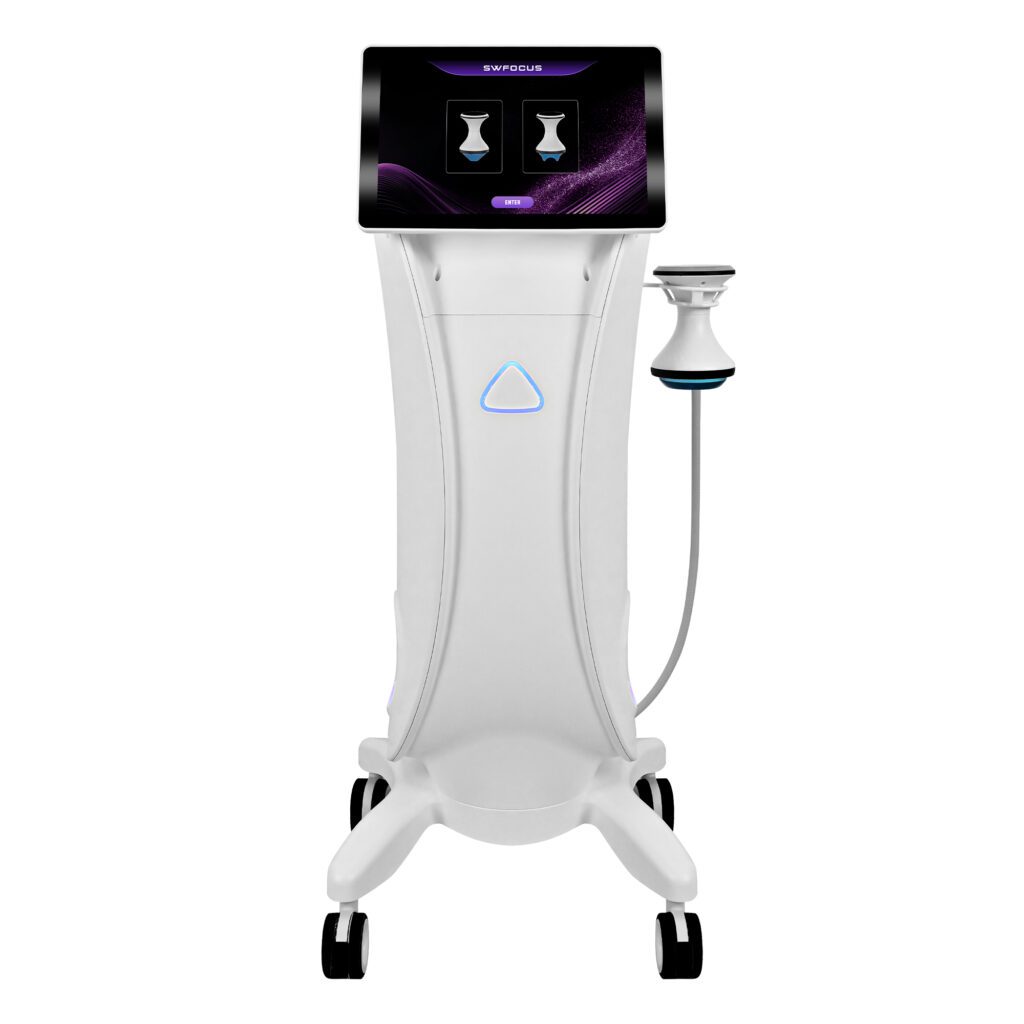
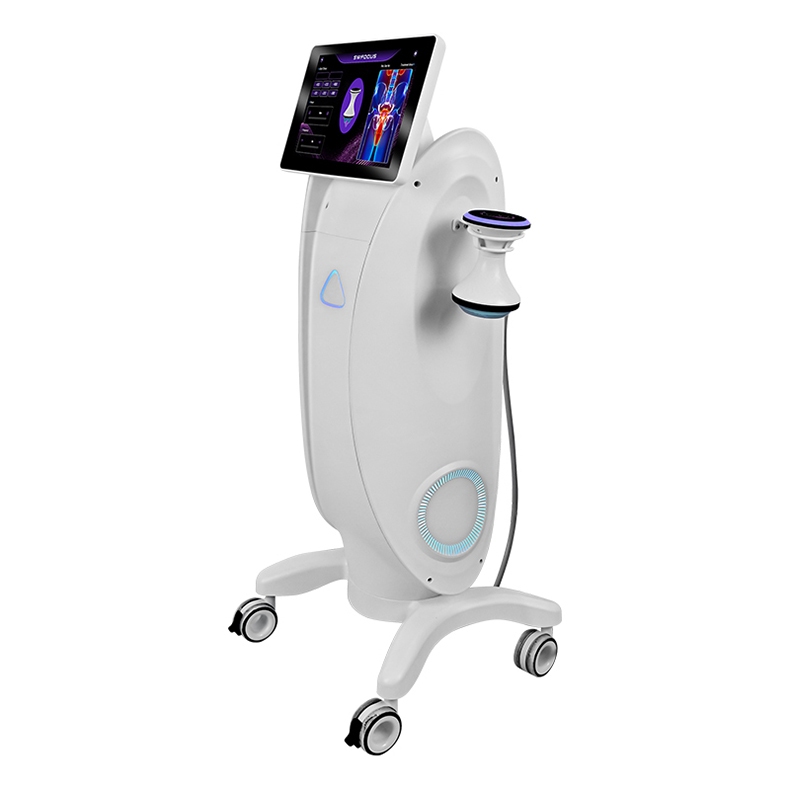
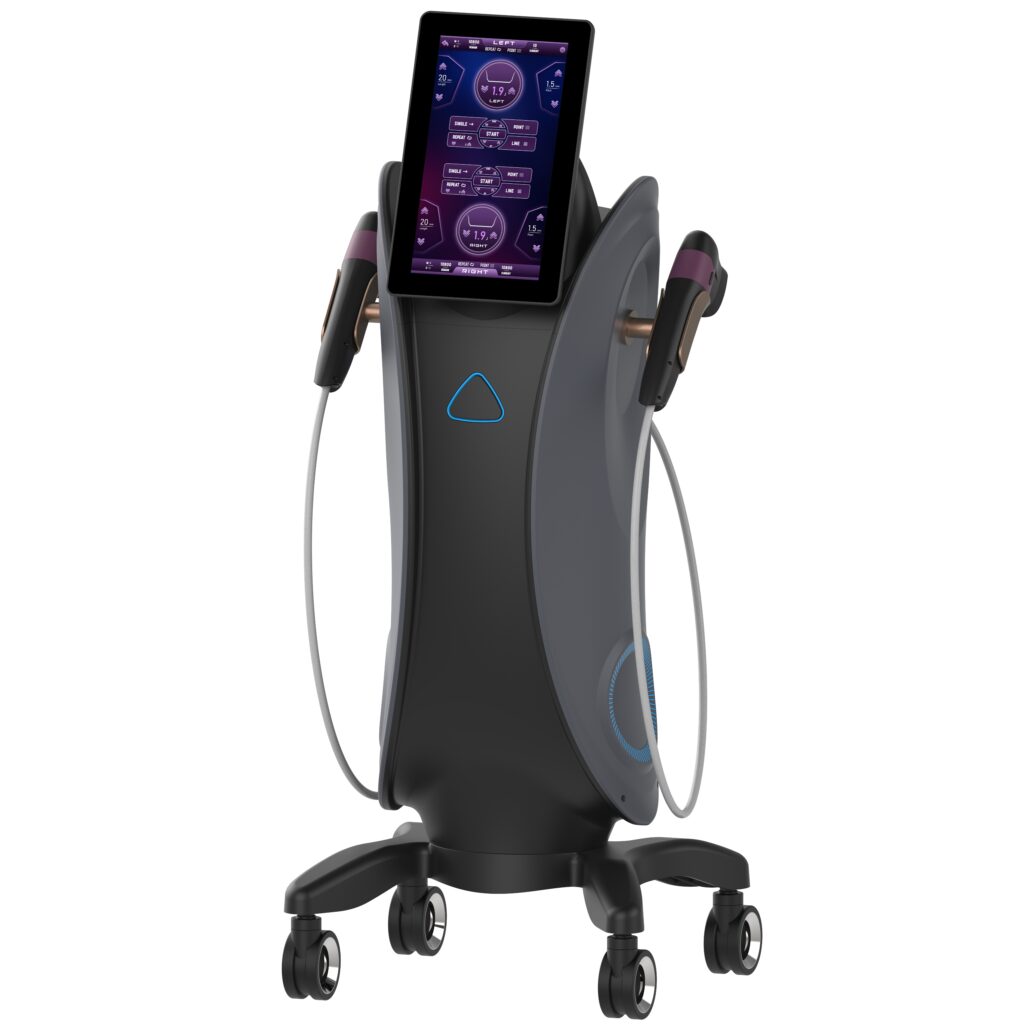
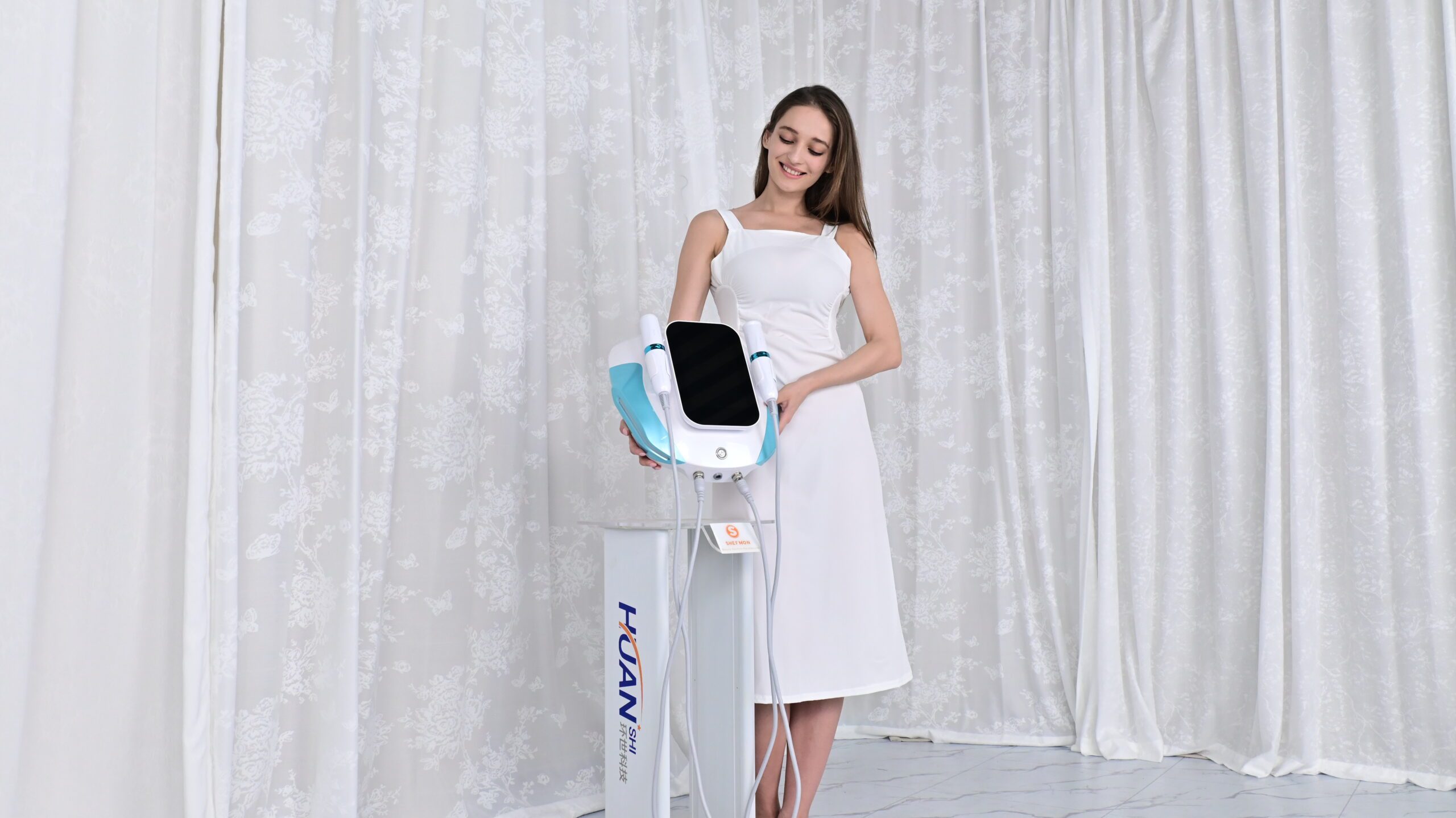
Аппарат для омоложения SHEFMON A0270 VMAX HIFU
Для клиник, ищущих передовые нехирургические технологии подтяжки, это Аппарат SHEFMON A0270 Anti-Aging VMAX HIFU с радиочастотной модуляцией для омоложения Сочетает в себе технологии HIFU и RF для комплексных процедур омоложения кожи.
Система предназначена для:
- Подтяжка лица
- Уменьшение морщин
- Подтяжка кожи
- стимуляция коллагена
- Неинвазивные омолаживающие процедуры
В рамках ШЕФМОН КРАСОТА’В линейке профессионального косметологического оборудования компании поддерживается OEM- и ODM-настройка для клиник и дистрибьюторов, стремящихся расширить возможности проведения передовых эстетических процедур.
Кто является идеальным кандидатом для процедуры HIFU?
HIFU наиболее эффективен при:
- Люди в возрасте 30–55 лет
- Легкая или умеренная дряблость кожи
- Раннее смягчение линии челюсти
- Пациенты, избегающие хирургического вмешательства
- Люди, стремящиеся к естественному улучшению внешнего вида
Пациентам с выраженным обвисанием кожи для достижения более впечатляющих результатов может потребоваться хирургическое вмешательство.
Кому следует выбрать ботокс вместо инъекций?
Ботокс идеально подходит для:
- Морщины на лбу
- Гусиные лапки
- Морщины на лбу
- Профилактика омоложения
- Быстрые и видимые результаты
Молодые пациенты часто начинают инъекции ботокса раньше, поскольку динамические морщины появляются до того, как разовьется значительная дряблость кожи.
Возможные риски и побочные эффекты
Любая косметическая процедура сопряжена с определенным риском.
Для HIFU:
- Покраснение
- Припухлость
- Нежность
- Временное онемение
Редкие осложнения могут возникнуть при неправильных настройках или при проведении процедур неопытными операторами.
Риски, связанные с применением ботокса, включают:
- Синяки
- Опущение века
- Неравномерные движения лица
- Временные головные боли
Выбор опытных специалистов значительно снижает эти риски.
Окончательный вывод: Насколько HIFU эффективен по сравнению с ботоксом?
Истина проста: HIFU не лучше, чем ботокс, и ботокс не лучше, чем HIFU. Это разные инструменты для решения разных проблем.
Если вас больше всего беспокоит следующее:
- Обвисшая кожа
- Обвисшая линия челюсти
- Легкая подтяжка лица
В таком случае, HIFU может дать лучшие результаты.
Если вас беспокоит следующее:
- Линии лба
- Гусиные лапки
- Мимические морщины
Вероятно, ботокс покажет лучшие результаты, чем HIFU.
Будущее эстетической медицины заключается не в выборе одного метода в ущерб другому. Оно состоит в разумном сочетании технологий для создания сбалансированных, естественных и персонализированных планов омоложения.
Наиболее разумный подход заключается не в том, чтобы спрашивать: “Какое лечение лучше?”, а в том, чтобы спрашивать: “Какое лечение решает мою конкретную проблему, связанную со старением?”
Часто задаваемые вопросы
1. Болезненнее ли процедура HIFU, чем инъекции ботокса?
Большинство людей считают инъекции ботокса менее болезненными, поскольку процедура выполняется быстро. HIFU же может создавать более глубокие ощущения тепла, которые в некоторых областях лица ощущаются как покалывание или острая боль.
2. Может ли HIFU заменить подтяжку лица?
HIFU может обеспечить щадящий лифтинг и подтяжку, но не может полностью заменить результаты хирургической подтяжки лица при сильном обвисании кожи.
3. Как часто следует повторять процедуры HIFU?
Многие пациенты повторяют процедуру HIFU каждые 12–18 месяцев в зависимости от состояния кожи и целей лечения.
4. Можно ли сделать инъекции ботокса и HIFU в один день?
Да, во многих клиниках их безопасно комбинируют, хотя время проведения лечения может варьироваться в зависимости от предпочтений врача.
5. Что действует дольше: HIFU или ботокс?
Эффект от HIFU обычно длится дольше, часто от 6 до 18 месяцев, в то время как инъекции ботокса, как правило, требуют поддержания эффекта каждые 3-4 месяца.