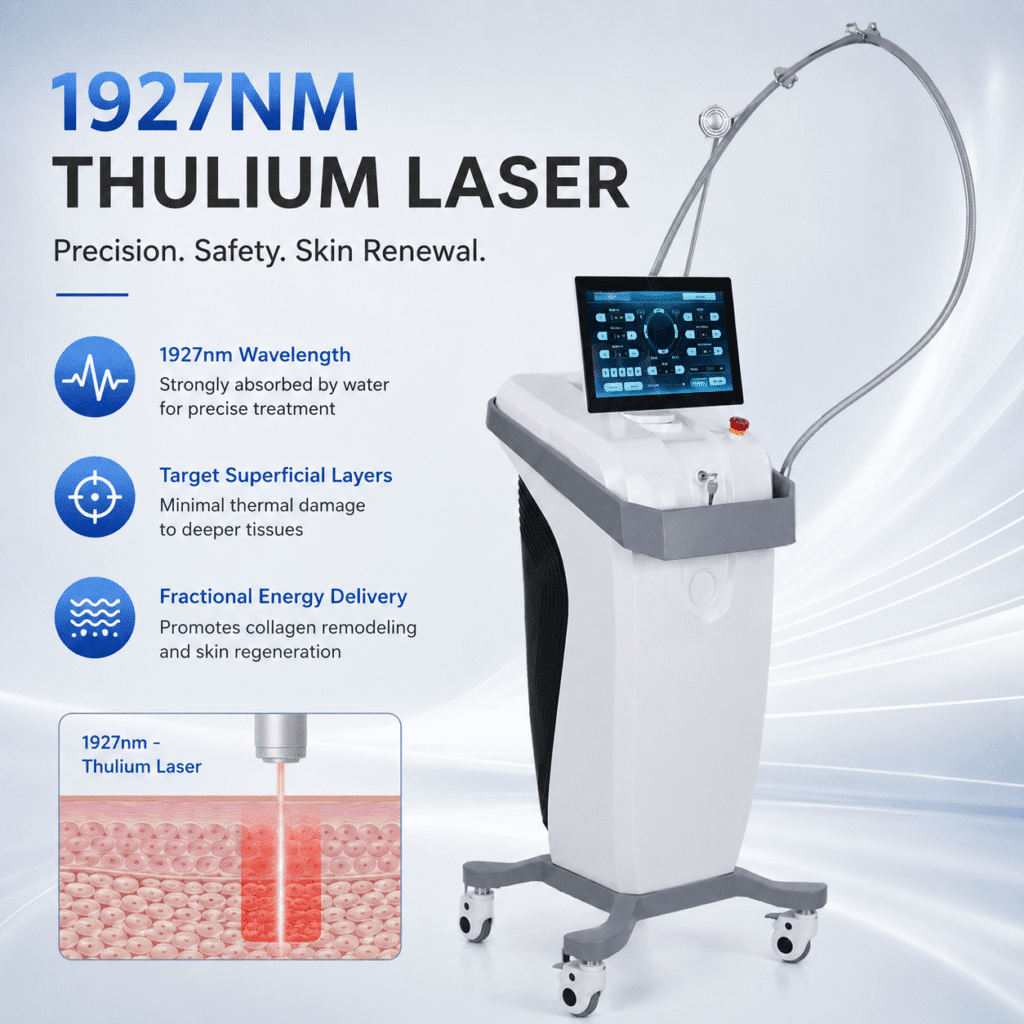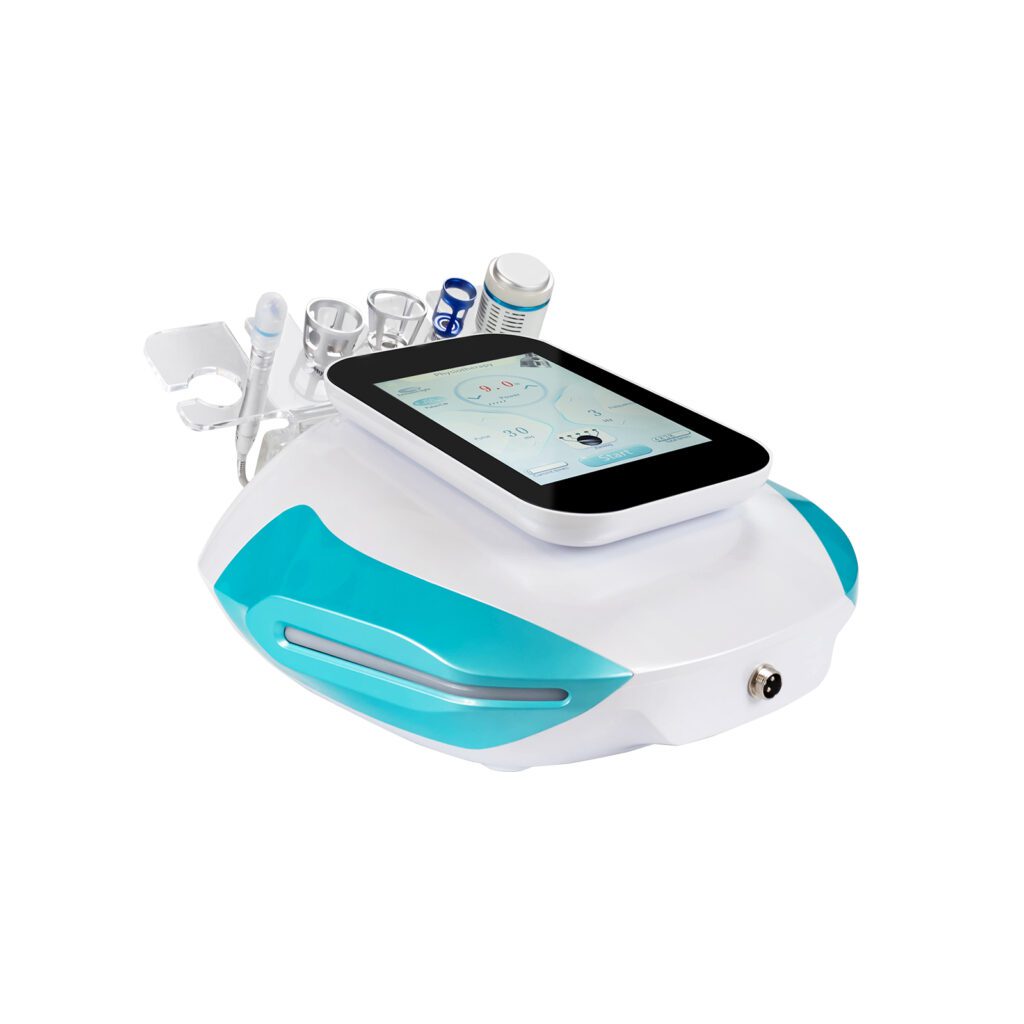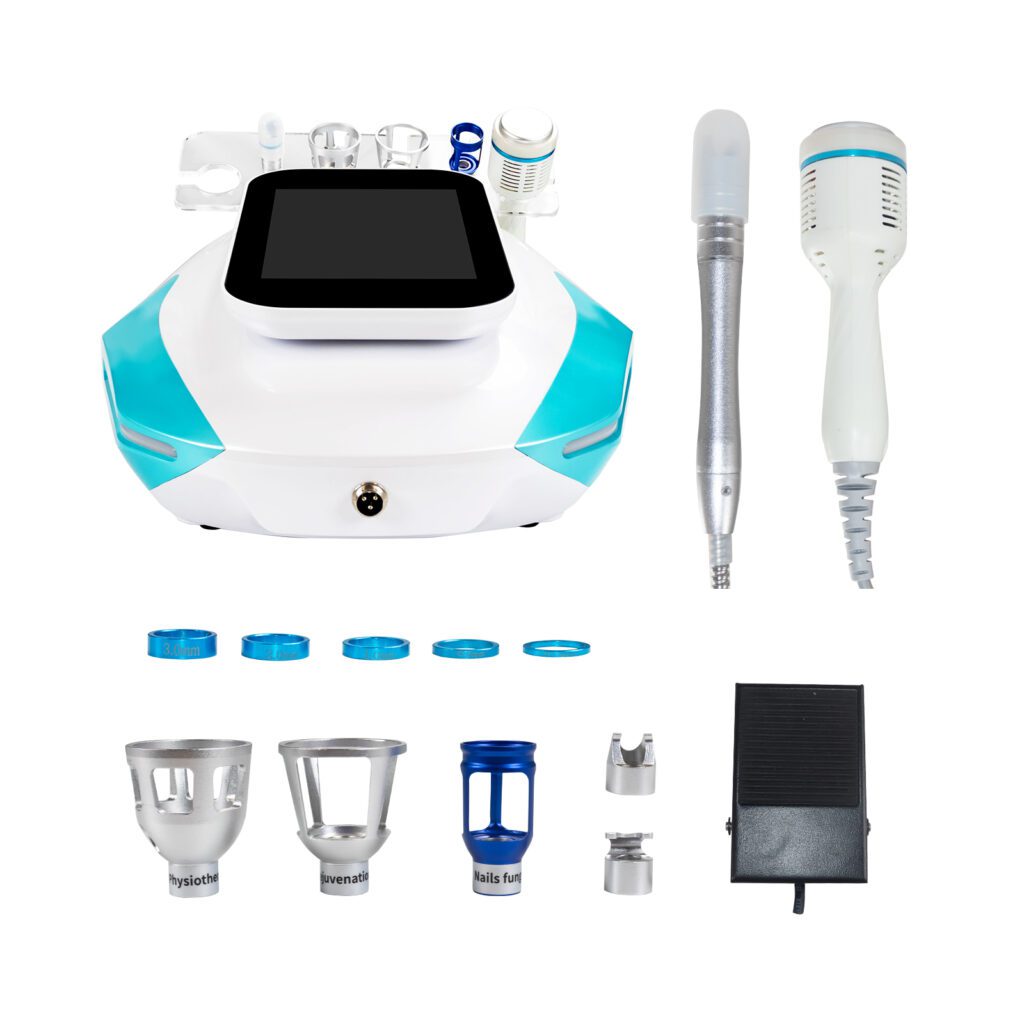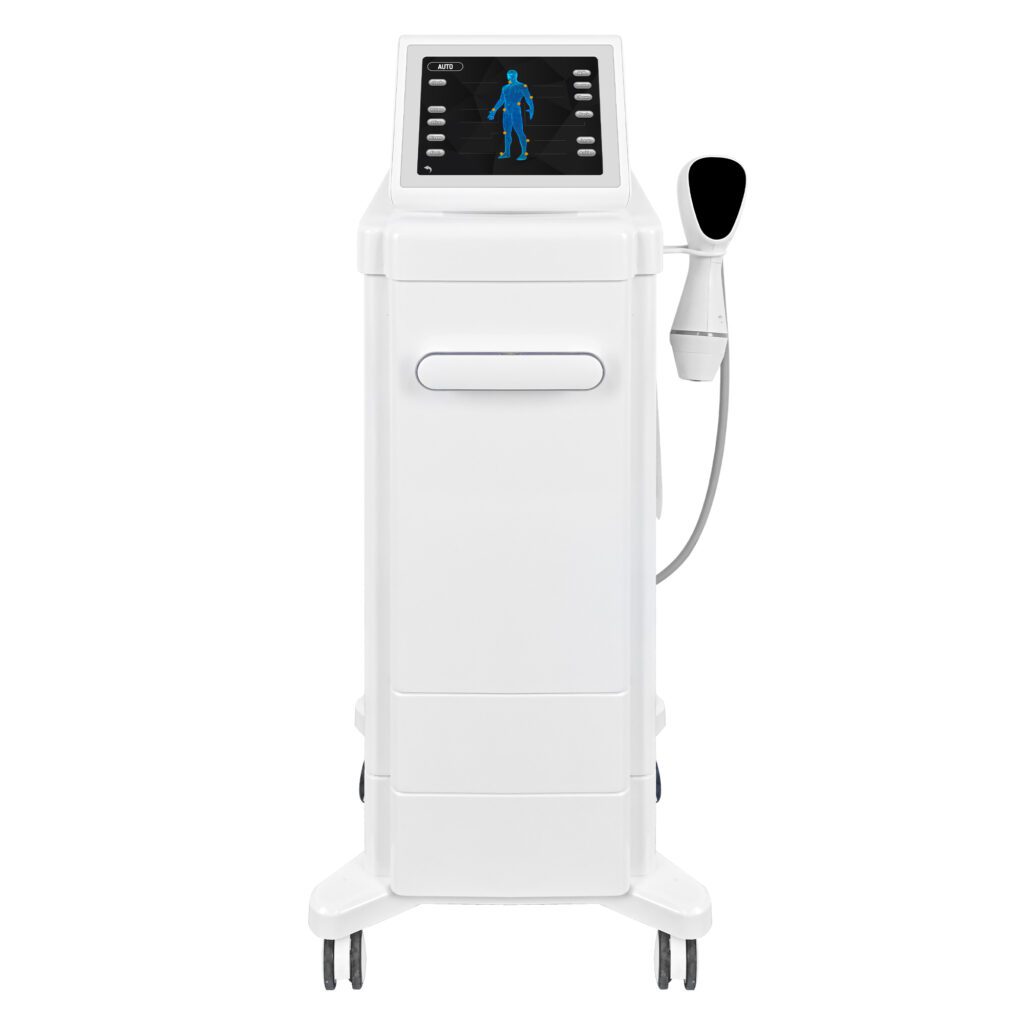








소개
Beauty equipment is not a one-price-level market.
High-end devices and mid-to-low-end devices can both have strong demand, but they serve different buyers, service models and market conditions.
For distributors, the key question is not:
Which is better, high-end or mid-to-low-end equipment?
더 나은 질문은 다음과 같습니다.
Which market is suitable for each product level?
High-end beauty equipment is usually better suited to markets where clients can pay higher treatment prices, buyers have stronger technical ability, compliance expectations are higher, and the salon or clinic wants premium positioning.
Mid-to-low-end beauty equipment is usually better suited to markets where buyers need faster payback, lower entry cost, easier operation, lower maintenance pressure and practical service packages.
Both levels can be profitable.
The mistake is selling the wrong product level to the wrong buyer.
A small salon with limited cash flow may struggle with an expensive professional laser system if local clients cannot pay premium prices. A high-end med spa may damage its brand if it uses equipment that looks cheap, lacks documentation or cannot support premium service confidence.
This article explains which markets are more suitable for high-end beauty equipment and which are better for mid-to-low-end devices, so distributors can build a smarter product portfolio.
What Counts as High-End Beauty Equipment?
High-end beauty equipment usually has one or more of these characteristics:
- 더 높은 구매 가격
- stronger technology positioning
- better-known brand or premium appearance
- more advanced energy delivery
- stronger cooling or safety controls
- higher treatment value
- more professional operator requirements
- more complete documentation
- better software or treatment presets
- stronger after-sales expectations
- more suitable for premium service menus
예시로는 다음과 같은 것들이 있습니다.
- professional diode laser hair removal platforms
- high-end HIFU or focused ultrasound systems
- RF 마이크로니들링 장비
- CO2 프랙셔널 레이저
- 피코초 레이저
- 프리미엄 냉동지방분해 시스템
- advanced EMS body-sculpting systems
- high-end RF skin-tightening devices
- multifunction professional skin-management platforms
- medical-aesthetic or clinic-oriented equipment
High-end does not only mean expensive.
A high-end device should help the buyer support higher service value, stronger client trust, safer operation, better performance or more professional positioning.
If a machine is expensive but does not create business value, it is not truly high-end for that buyer.
What Counts as Mid-to-Low-End Beauty Equipment?
Mid-to-low-end beauty equipment does not automatically mean poor quality.
It usually means the equipment is designed for lower entry cost, simpler operation or more practical salon use.
예시로는 다음과 같은 것들이 있습니다.
- entry-level Hydra facial machines
- 산소 얼굴 마사지기
- LED 치료기
- basic RF facial and body devices
- RF 캐비테이션 기계
- IPL 또는 SHR 시스템
- 소형 다이오드 레이저 모델
- portable body-care devices
- simple vacuum or roller body-shaping devices
- multifunction facial platforms for small salons
- starter equipment for new beauty businesses
This product level can be valuable when the buyer needs:
- affordable investment
- fast service launch
- simple training
- 소모품 부족
- daily revenue services
- compact equipment
- 빠른 상환
- lower technical risk
- practical after-sales support
Mid-to-low-end does not mean the distributor should sell unstable or unsupported machines.
The best products in this segment are cost-effective, serviceable and suitable for real salon use.
High-End Beauty Equipment Is Suitable for Premium Med Spas and Clinics
Premium med spas and professional aesthetic clinics are natural markets for high-end equipment.
These buyers usually care about:
- 치료 성능
- 고객 신뢰
- 전문적인 이미지
- clinical or technical documentation
- 운영자 교육
- 안전 프로토콜
- premium service pricing
- 브랜드 차별화
- long-term device reliability
Their clients may be willing to pay more for advanced technologies and professional consultation.
High-end equipment can support services such as:
- advanced laser hair removal
- RF 마이크로니들링
- CO2 프랙셔널 레이저 피부 재생술
- picosecond laser treatments
- premium skin-tightening services
- high-value body-contouring programs
- advanced anti-aging treatment plans
In these markets, the device is not only a machine.
It is part of the clinic’s professional identity.
Distributors selling to premium med spas should not lead only with price. They should emphasize training, documentation, safety, performance, service menus, warranty and long-term support.
High-End Equipment Fits High-Ticket Urban Markets
High-end devices are more suitable in cities or regions where treatment prices can support the investment.
다음 사항이 포함될 수 있습니다:
- major urban centers
- high-income districts
- premium shopping or wellness areas
- medical-aesthetic clusters
- luxury hotel spa markets
- regions with strong beauty spending
- markets where consumers already understand advanced aesthetic services
In these locations, clients may pay higher prices for:
- advanced anti-aging
- 레이저 치료
- 피부 재생
- 바디 스컬핑
- non-surgical contouring
- premium facial programs
High-end devices need a treatment-price environment that can support payback.
If a local market cannot charge enough per session, an expensive machine may create financial pressure even if the technology is strong.
For distributors, market research should include:
- 국소 치료 비용
- 경쟁업체 서비스 메뉴
- client spending power
- salon positioning
- appointment volume
- 패키지 가격
- financing availability
High-end equipment works best when the local service price matches the machine cost.
High-End Equipment Fits Brand-Sensitive Markets
Some markets are highly brand-sensitive.
Clients may ask what machine the salon uses. Clinics may advertise device brands. Salons may display equipment names in consultation rooms or marketing materials.
In these markets, high-end equipment can help with:
- 고객 신뢰도
- 프리미엄 가격 책정
- differentiation from low-cost competitors
- professional reputation
- influencer or social media marketing
- clinic positioning
This is especially common in competitive urban aesthetic markets, where many salons offer similar services.
A high-end machine can become part of the salon’s trust signal.
However, distributors should remember that brand image alone is not enough.
The machine must still have training, after-sales support, spare parts and realistic treatment value.
If a high-end device has strong brand image but poor local support, buyers may hesitate.
High-End Equipment Fits Professional Buyers With Trained Operators
Some equipment levels require trained operation.
This includes many advanced devices such as:
- RF 마이크로니들링
- CO2 분할 레이저
- 피코초 레이저
- high-power laser systems
- professional HIFU platforms
- advanced body-contouring systems
- clinic-level RF or ultrasound equipment
These devices may require:
- 고객 선별
- 금기사항 확인
- 매개변수 선택
- 치료 계획
- recovery guidance
- 안전 프로토콜
- local compliance awareness
- professional supervision in some markets
Therefore, high-end equipment is more suitable for buyers who can support proper operation.
These buyers may include:
- 메디컬 스파
- dermatology-related clinics
- 첨단 피부 센터
- professional laser studios
- trained beauty chains
- medical-aesthetic clinics
- established salons with experienced operators
Distributors should avoid selling advanced high-end equipment to buyers who cannot use it responsibly.
Wrong buyer fit can create safety risk, complaints and reputation damage.
High-End Equipment Fits Markets With Strong Compliance Awareness
In markets with stricter regulatory expectations, high-end equipment may be more attractive because buyers care about documentation and traceability.
This can apply to:
- the United States
- 유럽
- 호주
- parts of the Middle East
- premium Asian markets
- professional medical-aesthetic channels
Depending on device type and claims, buyers may ask for:
- 기술 파일
- CE-related documents
- FDA 관련 정보(해당되는 경우)
- electrical safety reports
- EMC 테스트
- 매뉴얼
- labeling
- risk and safety information
- 교육 자료
- post-market support
Not every high-end device automatically meets every market requirement.
But buyers in compliance-sensitive markets are more likely to pay for products that come with better documentation and support.
For distributors, compliance support can be part of the high-end value proposition.
High-End Equipment Fits Replacement and Upgrade Markets
High-end equipment can also perform well in markets where salons already own basic devices and want to upgrade.
Replacement demand may come from:
- old machines
- 냉각 성능이 약함
- 치료 속도가 느립니다
- 마모된 핸드피스
- poor client comfort
- limited treatment functions
- 높은 유지보수 비용
- 구할 수 없는 예비 부품
- desire for premium service pricing
- need for stronger differentiation
Established salons may buy high-end equipment after proving local demand with a lower-cost machine.
예를 들어:
- a salon starts with IPL and later upgrades to diode laser
- a facial salon adds RF or HIFU after building anti-aging demand
- a body-care center upgrades from RF cavitation to cryolipolysis or EMS body sculpting
- a skin center moves from basic facial services to RF microneedling or laser
For distributors, this creates an upgrade path.
High-end products do not always need to be the first sale.
They can be the second or third sale after the customer grows.
Mid-to-Low-End Equipment Fits New and Small Beauty Salons
New and small beauty salons often need equipment that reduces entry risk.
These buyers usually care about:
- affordable purchase price
- 쉬운 조작
- low training barrier
- fast service launch
- 소모품 부족
- 컴팩트한 디자인
- 간단한 유지 관리
- clear service packages
- 빠른 상환
- reliable after-sales support
Mid-to-low-end equipment can fit this market well.
예시로는 다음과 같은 것들이 있습니다.
- Hydra facial starter machines
- LED 치료기
- basic RF facial machines
- IPL hair removal systems
- 소형 다이오드 레이저 모델
- 산소 얼굴 마사지기
- RF cavitation body devices
- multifunction facial platforms
For these buyers, the most important question is not whether the machine is the most advanced.
The most important question is:
Can this machine help my small salon start a profitable service without too much risk?
Distributors should provide starter packages, training, service menu examples and conservative ROI calculations.
Mid-to-Low-End Equipment Fits Price-Sensitive Markets
Some markets are highly price-sensitive.
This may be because of:
- lower average treatment prices
- intense salon competition
- lower consumer income
- high import cost
- many small independent salons
- weak financing options
- low trust in expensive machines
- strong demand for quick payback
In these markets, mid-to-low-end equipment may be more suitable than expensive premium devices.
The buyer may not be able to charge enough to recover the cost of a high-end machine.
Instead, they need equipment that matches local service prices.
Suitable products may include:
- cost-effective facial machines
- 기본 바디케어 플랫폼
- affordable hair removal devices
- multifunction salon machines
- compact RF and cavitation devices
- entry-level diode laser systems
However, distributors should not compete only by selling the cheapest machine.
In price-sensitive markets, reliability matters even more because buyers cannot afford frequent repairs.
The best strategy is cost-performance, not lowest price.
Mid-to-Low-End Equipment Fits Emerging Markets
Emerging beauty markets often have strong potential but different budget levels.
Many salons may be entering professional equipment services for the first time.
These markets may need:
- affordable training
- simple devices
- easy-to-explain services
- durable equipment
- 낮은 소모품 비용
- 유연한 제품 패키지
- 현지 언어 지원
- 예비 부품 재고 현황
Mid-to-low-end equipment can help distributors open these markets.
Common entry categories include:
- 얼굴 세안 및 수분 공급
- 제모
- basic RF anti-aging
- body-care services
- LED 치료
- simple body-contouring packages
Once salons build demand and income, they may upgrade to higher-end devices.
For distributors, this means the first product should create trust.
If the entry machine is unreliable, the distributor may lose the market before selling higher-end products later.
Mid-to-Low-End Equipment Fits High-Volume Basic Services
Not every high-volume service requires the most expensive machine.
Some salons need practical equipment for frequent, repeatable services.
예시로는 다음과 같은 것들이 있습니다.
- 월간 페이셜 케어
- cleansing and hydration
- basic RF facial maintenance
- LED add-on services
- entry hair removal services
- body-care packages
For these services, the buyer may prioritize:
- 사용 편의성
- low operating cost
- fast treatment setup
- 손쉬운 유지 관리
- repeat booking potential
- 컴팩트한 디자인
- stable enough performance
Mid-range equipment can be especially strong here.
It gives better reliability than the cheapest devices while remaining affordable for small and mid-size salons.
This segment is important for distributors because it can create volume sales and repeat customers.
Mid-to-Low-End Equipment Fits Trial and Category Testing
A salon may want to test a new service before investing heavily.
예를 들어:
- testing body contouring demand
- testing facial membership services
- testing hair removal packages
- testing male grooming services
- testing wellness add-ons
- testing postpartum body-care services
In these cases, mid-to-low-end equipment may be appropriate.
The salon can validate demand with lower risk.
If the service succeeds, the buyer may later upgrade to a higher-end model.
This is especially useful for distributors who want to build long-term accounts.
The distributor can provide a growth path:
- starter model
- professional model
- premium model
- accessories and spare parts
- upgrade service packages
This approach respects the buyer’s budget and creates future sales opportunities.
Mid-to-Low-End Equipment Fits Distributor Entry Strategy
New distributors may not have the capital, service team or brand reputation to begin with high-end equipment.
Mid-to-low-end equipment can help them:
- enter the market faster
- build customer base
- test local demand
- learn after-sales requirements
- offer affordable starter packages
- reduce inventory risk
- build local brand awareness
However, distributors should still choose reliable products.
If the first batch has poor quality, the distributor’s reputation may suffer.
Entry-level strategy should focus on:
- stable product quality
- simple training
- 예비 부품
- 현실적인 주장
- 명확한 보증
- buyer education
- 서비스 메뉴 지원
Mid-to-low-end products can be a good start when they are selected professionally.
How Geography Affects Product Level
Market geography can influence whether high-end or mid-to-low-end equipment is more suitable.
But geography should not be used too simplistically.
Every country has premium and budget segments.
Still, some patterns are useful.
북아메리카
North America has strong med spa, non-invasive aesthetic and wellness demand.
High-end equipment can fit premium med spas, aesthetic clinics and high-ticket services.
Mid-range devices can fit smaller salons, laser studios and wellness businesses that need practical ROI.
유럽
Europe has diverse national markets and stronger attention to compliance.
High-end equipment may fit professional clinics and premium aesthetic centers.
Cost-effective equipment can fit salons if documentation, safety and claims are handled carefully.
중동
Many Gulf markets have strong beauty spending, premium service demand and high grooming awareness.
High-end devices may fit luxury salons, med spas and clinics.
Mid-range equipment can also fit growing salons and distributors serving wider price levels.
라틴 아메리카
Latin America can have strong demand for body contouring, hair removal and facial aesthetics, but import cost and price sensitivity may matter.
Mid-range and cost-effective equipment often has strong potential.
High-end devices may fit premium urban clinics and established chains.
아시아 태평양
Asia-Pacific is highly diverse.
Some markets support premium aesthetic clinics and advanced devices. Others favor cost-effective salon equipment, home-use devices or multifunction platforms.
Distributors should segment by city, buyer type and treatment price.
Africa and Emerging Regions
Emerging regions may favor practical, affordable and durable equipment first.
Mid-to-low-end or mid-range machines can help build the market.
High-end devices may be suitable for premium urban clinics, but the buyer pool may be smaller.
Product Category Examples
Different categories can exist at both high-end and mid-to-low-end levels.
제모
High-end market:
- professional diode laser
- 강력한 냉각
- high-volume studios
- premium laser clinics
- advanced handpiece life
Mid-to-low-end market:
- IPL or SHR
- compact diode laser
- starter salon hair removal
- small salons testing demand
Facial Care
High-end market:
- advanced skin-management platforms
- premium facial systems
- combination anti-aging devices
- professional skin centers
Mid-to-low-end market:
- Hydra facial starter machines
- oxygen facial devices
- LED 추가 기능
- 기본 RF 페이셜 케어
바디 컨투어링
High-end market:
- premium cryolipolysis
- EMS 바디 스컬핑
- advanced RF body systems
- specialized body-contouring centers
Mid-to-low-end market:
- RF 캐비테이션
- 진공 바디 쉐이핑
- 롤러 바디 케어 기기
- entry body-contouring packages
노화 방지
High-end market:
- 하이푸
- RF 마이크로니들링
- advanced RF systems
- clinic-level anti-aging services
Mid-to-low-end market:
- RF 얼굴 기계
- LED 치료
- multifunction facial devices
- early anti-aging maintenance services
Skin Repair and Laser
High-end market:
- CO2 분할 레이저
- 피코초 레이저
- Q-switched laser
- trained skin clinics
Mid-to-low-end market:
- basic skin-management support devices
- 주도의
- gentle facial platforms
- entry acne-care services
Wellness and Recovery
High-end market:
- professional Shockwave
- 테카르
- PMST
- clinic or recovery studio systems
Mid-to-low-end market:
- massage and body-care devices
- entry recovery tools
- wellness add-ons for salons
How Distributors Should Build a Product Portfolio
The strongest distributors usually do not choose only high-end or only low-end products.
They build levels.
Entry Level
목적:
- help new salons start
- reduce budget pressure
- test local demand
- create first customer relationship
적합한 제품:
- Hydra facial starter machines
- LED 장치
- basic RF
- 산소 얼굴
- compact body-care devices
Mid-range Level
목적:
- support real salon growth
- balance performance and cost
- create repeat-service packages
- serve small and mid-size salons
적합한 제품:
- 다이오드 레이저
- RF 캐비테이션
- multifunction facial platforms
- cryolipolysis entry systems
- EMS 신체 기기
High-end Level
목적:
- serve premium buyers
- support clinic-level or high-ticket services
- provide upgrade path
- build distributor reputation
적합한 제품:
- RF 마이크로니들링
- CO2 레이저
- 피코초 레이저
- advanced HIFU
- premium body-contouring platforms
- high-performance diode laser systems
This portfolio structure helps distributors match different buyers instead of forcing one product level into every market.
How to Decide Which Market a Device Fits
Before promoting a beauty device, distributors should ask these questions.
Buyer Budget
- Can the buyer afford the machine?
- Is financing needed?
- Does the buyer have enough cash flow?
- Is this a first machine or upgrade purchase?
Treatment Price
- What can the salon charge locally?
- Can package pricing support payback?
- Are competitors discounting heavily?
- Is the service premium or basic?
Client Expectations
- Do clients expect premium brands?
- Are they price-sensitive?
- Do they understand the treatment?
- Is safety a major concern?
Operator Skill
- Can staff operate the device?
- Is advanced training needed?
- 금기 사항이 명확한가요?
- Does local regulation require professional qualification?
Support Needs
- 예비 부품을 구할 수 있나요?
- Can the distributor provide service?
- Is warranty clear?
- Is remote support enough or local repair needed?
Market Stage
- Is the service new?
- Is demand mature?
- Is the market crowded?
- Is there upgrade demand?
If the buyer has high service prices, trained staff, strong compliance needs and premium clients, high-end equipment may fit.
If the buyer needs low entry risk, fast payback, simple operation and cost-effective packages, mid-to-low-end equipment may fit better.
Common Mistakes Distributors Should Avoid
Mistake 1: Selling High-End Equipment to Buyers Who Cannot Recover the Cost
Even a good machine can become a bad investment if local treatment prices are too low.
Always calculate payback.
Mistake 2: Selling Low-End Equipment to Premium Clinics
Premium buyers may need performance, documentation, brand image and stronger support.
Low-cost equipment may damage trust if it does not match the clinic’s positioning.
Mistake 3: Assuming Emerging Markets Only Want Cheap Machines
Emerging markets also have premium buyers.
Segment the market instead of judging the entire country by average price.
Mistake 4: Ignoring After-sales Capacity
High-end machines may require more technical service.
Low-cost machines may create more failures if quality is weak.
Choose products that the distributor can support.
Mistake 5: Comparing Only Machine Price
Compare total value:
- treatment income
- 소모품
- 훈련
- 보증
- 중단 시간
- 예비 부품
- 규정 준수
- 브랜드 포지셔닝
The right product level is the one that matches the buyer’s business model.
결론
High-end beauty equipment and mid-to-low-end beauty equipment both have suitable markets.
High-end equipment is better suited to premium med spas, clinics, high-ticket urban markets, brand-sensitive buyers, professional operators, compliance-aware regions and upgrade customers who need stronger performance and positioning.
Mid-to-low-end equipment is better suited to small salons, new buyers, price-sensitive markets, emerging regions, daily revenue services, trial purchases and distributors building entry-level customer bases.
The best strategy is not to choose one side permanently.
The best strategy is segmentation.
Distributors should match equipment level to buyer budget, local treatment price, service model, operator ability, compliance needs and after-sales capacity.
When high-end equipment is sold to the right market, it can support premium pricing and strong brand value.
When mid-to-low-end equipment is sold to the right market, it can support fast adoption, practical ROI and wider distribution.
The winner is not always the most expensive machine or the cheapest machine.
The winner is the machine that fits the market.
자주 묻는 질문
1. Which markets are suitable for high-end beauty equipment?
High-end beauty equipment is suitable for premium med spas, aesthetic clinics, advanced skin centers, high-income urban markets, brand-sensitive salons and buyers with trained operators.
2. Which markets are suitable for mid-to-low-end beauty equipment?
Mid-to-low-end equipment is suitable for small salons, new beauty businesses, price-sensitive markets, emerging regions, entry services, daily revenue treatments and buyers testing new categories.
3. Is high-end beauty equipment always better?
No. High-end equipment is only better when the buyer can support the investment with suitable treatment pricing, client demand, training and after-sales service.
4. Is mid-to-low-end equipment low quality?
Not necessarily. Good mid-range and entry-level equipment can be reliable and profitable when it fits the salon’s services and has proper support.
5. Should distributors sell only high-end equipment?
Not always. A mixed portfolio is often stronger because distributors can serve entry salons, growing salons and premium clinics with different product levels.
6. What product level is best for small salons?
Small salons often benefit from entry or mid-range equipment with fast payback, easy operation, low consumables and clear service packages.
7. What product level is best for med spas?
Med spas may prefer high-end or professional equipment because they need stronger performance, client trust, documentation, premium pricing and trained operation.
8. How should distributors choose product levels for a country?
They should segment by city, buyer type, treatment price, compliance level, salon size and client spending power instead of judging the whole country as one market.
9. Can mid-range equipment be sold in premium markets?
Yes. Mid-range equipment can support daily or add-on services even in premium markets, while high-end devices may be used for flagship treatments.
10. What is the safest product strategy for distributors?
The safest strategy is a tiered portfolio: entry-level products for new salons, mid-range products for growth buyers and high-end products for premium clinics and upgrade customers.