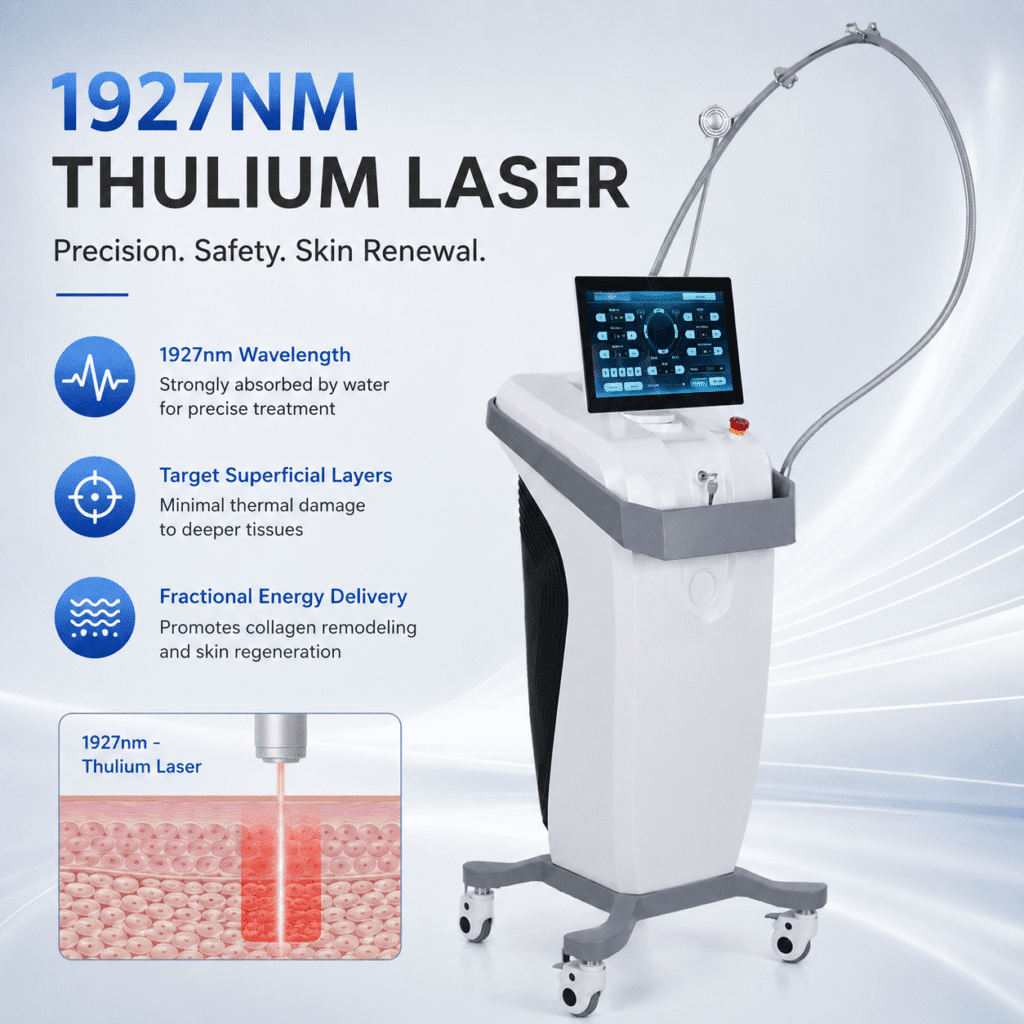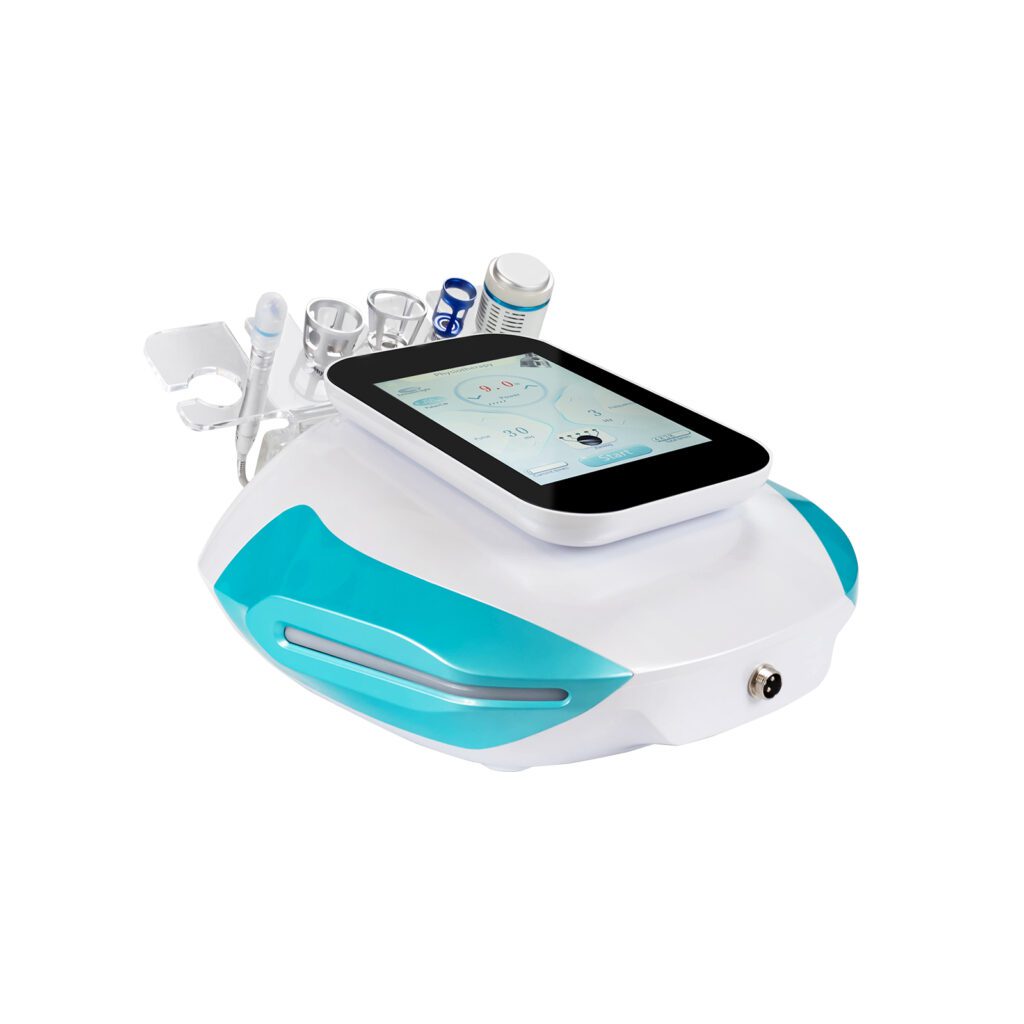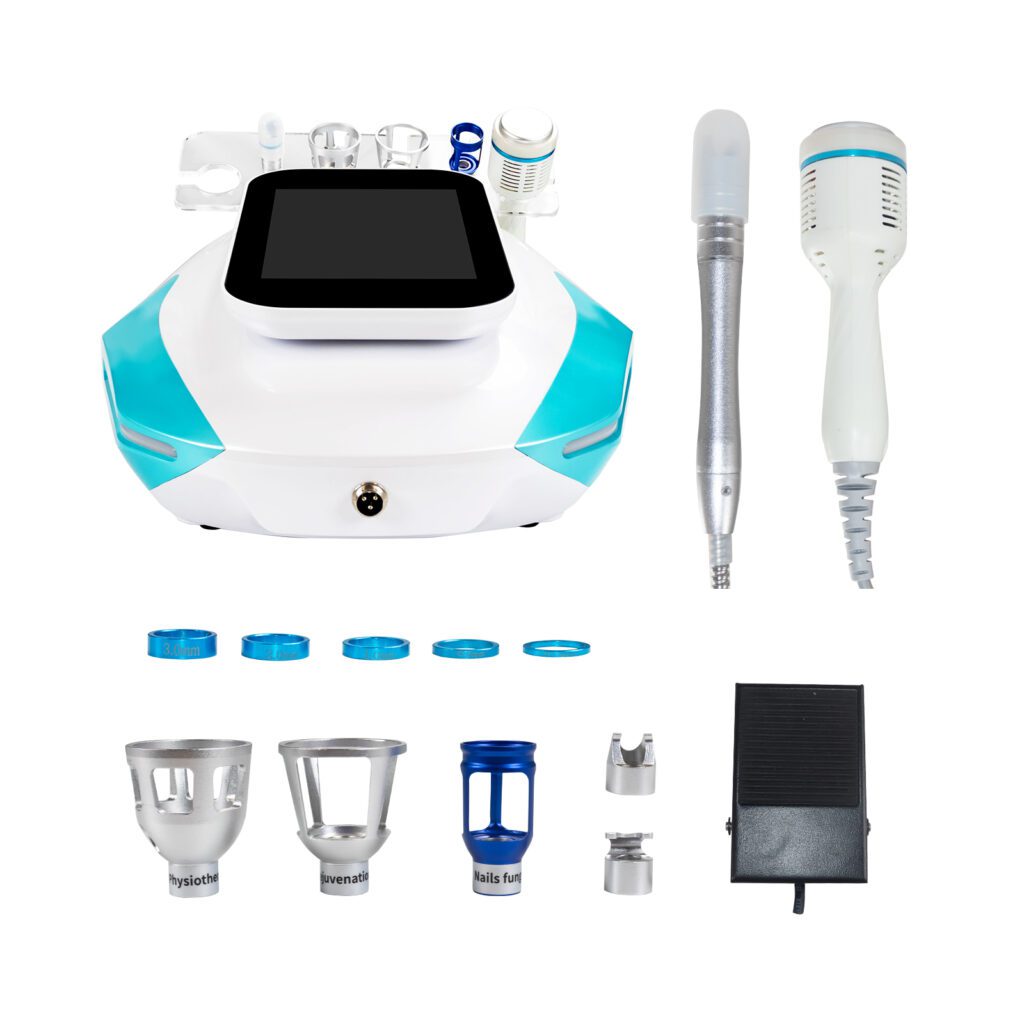






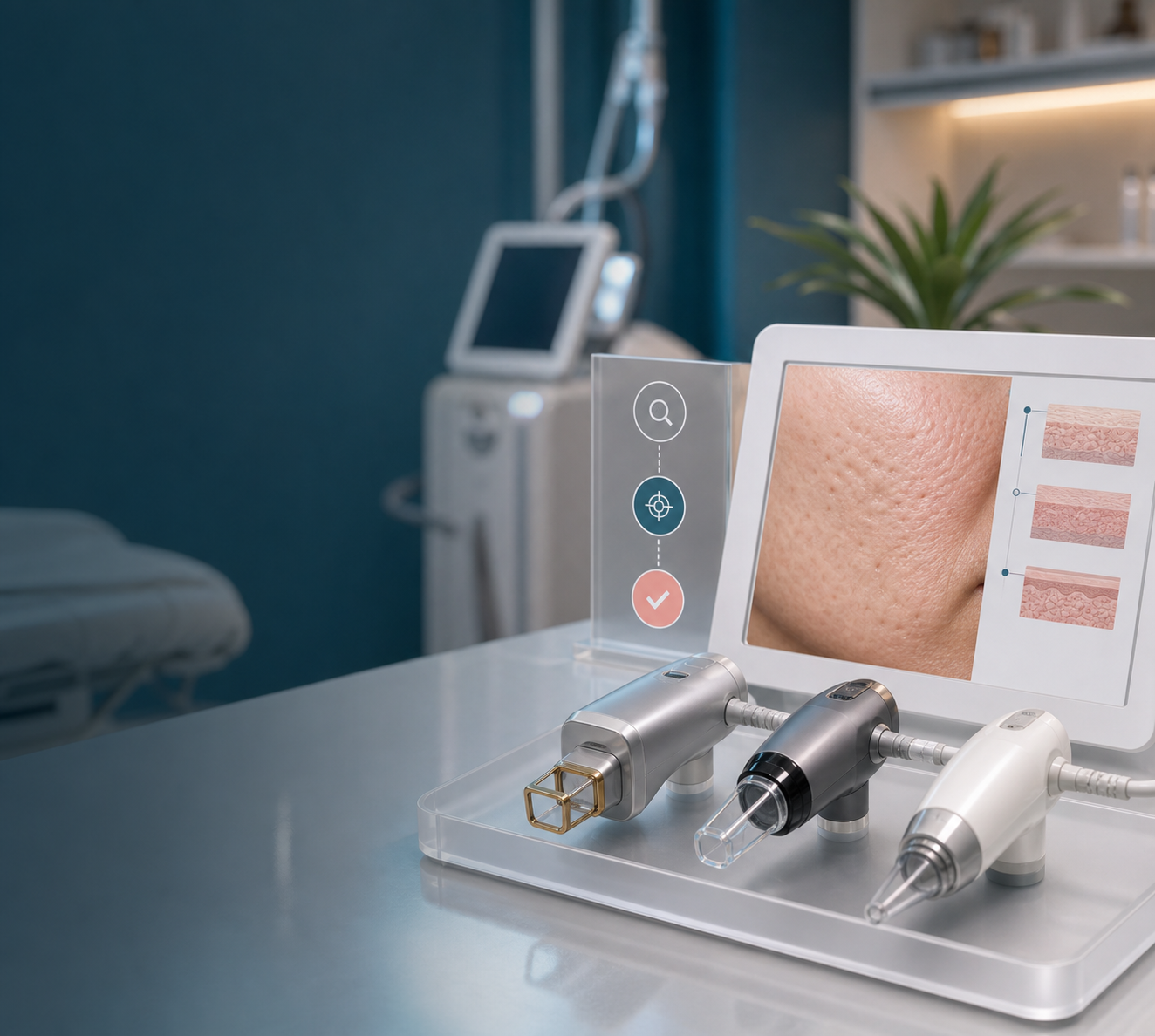
The best laser for acne scars is not the same for every client.
Clients often ask a simple question:
“Which laser should I choose for my acne scars?”
The safer and more professional answer is:
Choose the laser based on scar type, skin type, downtime tolerance, treatment goal, budget, medical history and the experience of the clinic or operator.
For many professional acne scar programs, CO2 fractional laser is one of the strongest resurfacing options, especially for suitable atrophic scars and uneven texture. However, it also usually involves more downtime and higher aftercare responsibility.
Other laser options, such as Er:YAG fractional laser, non-ablative fractional laser, picosecond fractional laser or vascular lasers, may be better for certain clients depending on scar depth, redness, skin tone and recovery expectations.
This article explains how clients, clinics and beauty equipment distributors can understand the main laser choices for acne scars without making exaggerated claims.
짧은 대답
| 고객 우려 사항 | Laser category often considered | 왜 |
|---|---|---|
| Deep atrophic acne scars and rough texture | CO2 분할 레이저 | Strong resurfacing effect, but more downtime and aftercare |
| Moderate scars with controlled resurfacing needs | Er:YAG fractional laser | Ablative resurfacing with less thermal effect than CO2 in many settings |
| Mild to moderate scars with less downtime | Non-ablative fractional laser | Stimulates remodeling with less surface injury, but may need more sessions |
| Texture, pores and scars with lower downtime preference | Picosecond fractional laser | Gentler fractional effect for selected cases, often less downtime |
| Red acne marks or red scar appearance | Vascular laser or IPL-type approach | Targets redness rather than depressed scar depth |
| Ice-pick scars, tethered rolling scars or mixed scars | 병용 치료 | Laser alone may not be enough |
The best choice is often not one laser only.
Many acne scar clients need a combination plan.
First: Identify the Scar Type
여드름 흉터는 모두 똑같지 않습니다.
Before choosing a laser, the clinic should identify the main scar pattern.
| 흉터 유형 | What it looks like | Laser choice consideration |
|---|---|---|
| 롤링 스카 | Broad, wave-like depressions | Laser may help texture, but subcision may be needed if scars are tethered |
| 박스카 흉터 | Round or square depressions with sharper edges | CO2 or Er:YAG fractional laser may help depending on depth |
| 얼음송곳으로 생긴 흉터 | Narrow, deep pits | Laser alone is often limited; focal techniques may be needed |
| Mixed atrophic scars | Several scar types together | Combination treatment is common |
| Red post-acne marks | Red or pink discoloration | Vascular laser or light-based redness treatment may be more relevant |
| Brown post-acne marks | Hyperpigmentation rather than true scar depression | Pigment-focused treatment may be needed |
| Raised or keloid-like scars | Thick, raised scar tissue | Needs professional assessment; resurfacing logic is different |
This is why a clinic should avoid saying one machine is always the best for every acne scar client.
CO2 Fractional Laser: Strong Resurfacing Option
CO2 fractional laser is one of the most recognized professional options for acne scar resurfacing.
It is often considered when clients have:
- atrophic acne scars
- 고르지 않은 피부결
- boxcar or rolling scar appearance
- 모공이 커 보이는 현상
- rough post-acne skin
- resurfacing and rejuvenation goals
CO2 laser is an ablative laser. In fractional mode, it treats micro-zones of skin, leaving surrounding tissue to support healing.
This can support collagen remodeling and smoother-looking texture over time.
The American Academy of Dermatology notes that lasers may be used to resurface acne-scarred skin and that collagen and elastin production during healing can help diminish scar appearance.
When CO2 Fractional Laser May Be a Good Choice
CO2 fractional laser may be a good choice when:
- scars are visible enough to justify downtime
- the client accepts redness, peeling and recovery time
- the clinic can provide aftercare guidance
- the operator is trained
- skin type and pigmentation risk are assessed
- expectations are realistic
When CO2 Fractional Laser May Not Be the First Choice
It may not be the first choice when:
- 고객은 시스템 중단을 용납할 수 없습니다.
- active acne is not controlled
- the client has a high risk of post-inflammatory hyperpigmentation
- the client has a history of keloid scarring
- the clinic lacks laser training or aftercare workflow
- the scars are mainly ice-pick scars that require focal treatment
CO2 fractional laser is powerful, but power also means responsibility.
Er:YAG Fractional Laser: Ablative but Often More Controlled
Er:YAG laser is another ablative resurfacing option.
Compared with CO2 laser, Er:YAG generally has more water absorption and less residual thermal effect in many clinical contexts. This can make it useful for resurfacing with a different healing profile.
Clients may consider Er:YAG fractional laser when they want:
- resurfacing support
- 질감 개선
- treatment for shallower to moderate scars
- potentially less thermal injury than CO2 in appropriate settings
- a professional acne scar option with controlled recovery planning
However, Er:YAG still requires trained operation, aftercare and realistic expectations.
It should not be sold as no-risk or no-downtime.
For clinics, Er:YAG may be positioned as a resurfacing option for clients who need more than non-ablative treatment but may not need the deepest CO2-style resurfacing approach.
Non-Ablative Fractional Lasers: Less Downtime, More Patience
Non-ablative fractional lasers heat deeper skin layers without removing the surface in the same way as ablative lasers.
They are often considered for clients who want:
- 다운타임 감소
- 점진적 개선
- mild to moderate acne scar appearance improvement
- 텍스처 개선
- 콜라겐 리모델링 지원
- lower recovery burden than ablative resurfacing
Common wavelengths in this category may include 1540 nm, 1550 nm or similar fractional non-ablative systems depending on the platform.
The trade-off is that results are usually more gradual, and more sessions may be needed.
This category can be useful for clients who cannot take time off work or who want a more conservative path, but it may not be enough for deep scars.
Picosecond Fractional Laser: Texture and Low-Downtime Positioning
Picosecond lasers are often known for pigment and tattoo-related work, but fractional picosecond handpieces are also used by some clinics for acne scar texture and rejuvenation-style programs.
Picosecond fractional treatment may be considered when clients want:
- lower downtime than ablative resurfacing
- texture and pore appearance support
- 점진적 개선
- treatment options that may be more comfortable for selected skin types
- combination with pigment or post-acne mark management
It may be especially attractive for clients who are afraid of aggressive resurfacing or cannot accept long recovery.
However, clients should understand that picosecond fractional laser may not deliver the same resurfacing intensity as CO2 fractional laser for deeper scars.
It is better positioned as a gentler option or part of a combination plan.
Vascular Lasers and IPL: Better for Redness Than Deep Scars
Some clients say they have “acne scars,” but the concern is actually red marks after acne.
These red marks are different from depressed scars.
When redness is the main problem, clinics may consider vascular laser or IPL-type approaches depending on the case, device, skin type and local scope of practice.
These technologies are not primarily designed to fill deep pits.
They may be more relevant for:
- post-acne erythema
- red scar appearance
- vascular-looking redness
- redness after inflammation
If a client has both red marks and depressed scars, the clinic may use a staged approach: first calm acne and redness, then treat texture.
When Laser Alone Is Not Enough
Many acne scar clients need combination treatment.
Laser may not be enough when scars are:
- very deep
- ice-pick shaped
- tethered under the skin
- mixed in type
- combined with active acne
- combined with pigmentation or redness
- raised or keloid-like
Depending on local regulations and professional scope, clinics may consider combining laser with:
- subcision
- 미세 바늘 치료
- RF 마이크로니들링
- TCA CROSS
- fillers
- peels
- LED or recovery support
- Hydra facial-style skin preparation
- topical aftercare
For distributors, this is important because a clinic may not need only one laser machine. It may need a complete acne scar program.
Choosing by Downtime Tolerance
Downtime is one of the biggest decision factors.
| 가동 중지 시간 허용 오차 | Possible direction |
|---|---|
| Can accept visible downtime for stronger resurfacing | CO2 fractional laser or Er:YAG fractional laser may be considered |
| Wants moderate improvement with less interruption | Non-ablative fractional laser or conservative fractional settings may fit |
| Wants lower downtime and gradual texture support | Picosecond fractional laser or gentle non-ablative approaches may fit |
| Cannot accept any visible recovery | Laser resurfacing may not be the right first choice |
Clients should not choose only by “strongest laser.”
The strongest option may not be the best option if the client cannot follow aftercare.
Choosing by Skin Type and Pigmentation Risk
Skin type matters.
Darker skin tones may have a higher risk of post-inflammatory hyperpigmentation after aggressive resurfacing.
This does not mean darker skin clients can never receive laser treatment. It means the clinic should be more careful with:
- 기기 선택
- 에너지 설정
- 전처리 준비
- test spots where appropriate
- sun protection
- 치료 후 관리
- 세션 간 간격
- realistic risk explanation
For some clients, non-ablative fractional laser, picosecond fractional laser or RF microneedling may be considered before aggressive ablative resurfacing.
Professional assessment is essential.
Choosing by Clinic Capability
Clients should not choose a laser only from an advertisement.
They should also evaluate the provider.
중요한 질문은 다음과 같습니다.
- Does the clinic assess scar type before recommending treatment?
- Does the operator have laser training?
- Does the clinic explain downtime and aftercare?
- Does the clinic screen for contraindications?
- Does the clinic have emergency and follow-up procedures?
- Does the clinic show realistic before-and-after expectations?
- Does the clinic avoid “complete removal” promises?
- Does the clinic explain how many sessions may be needed?
A less aggressive laser in a skilled clinic can be safer than a powerful laser used without proper assessment.
Which Laser Is Best for Each Client Type?
| 클라이언트 유형 | Better starting direction | 왜 |
|---|---|---|
| Deep boxcar or rolling scars, accepts downtime | CO2 분할 레이저 | Strong resurfacing potential |
| Moderate scars, wants resurfacing but controlled recovery | Er:YAG fractional laser | Ablative option with different thermal profile |
| Mild to moderate scars, busy schedule | Non-ablative fractional laser | Less downtime, gradual results |
| Texture, pores, post-acne marks, cautious client | Picosecond fractional laser | Lower downtime positioning for selected cases |
| 붉은 여드름 자국 | Vascular laser or IPL-type treatment | Targets redness more than scar depth |
| 얼음송곳으로 생긴 흉터 | 조합 계획 | Laser alone may be limited |
| Darker skin tone with pigmentation concern | Conservative laser selection or MNRF discussion | Lower PIH risk planning may be needed |
| Active acne plus scars | Control acne first | Treating scars too early may worsen inflammation or dissatisfaction |
Safe Marketing Language for Clinics and Distributors
Acne scar marketing should be careful because clients often have strong emotional expectations.
| 말하지 마세요 | 더 안전한 대안 |
|---|---|
| Best laser for everyone | Best choice depends on scar type, skin type and downtime tolerance |
| 여드름 흉터를 완벽하게 제거합니다. | Supports improvement in acne scar appearance |
| One session repair | Acne scar programs often require staged treatment |
| 다운타임 없음 | Downtime varies by laser type, settings and skin response |
| 위험 없음 | 발생 가능한 위험과 사후 관리에 대해 설명해야 합니다. |
| 모든 피부 타입에 적합 | Skin type and pigmentation risk should be assessed |
| 별도의 교육이 필요하지 않습니다. | 전문 교육과 현지 규정 준수는 중요합니다. |
This language helps clinics sell responsibly and reduces complaint risk.
SHEFMON Equipment Positioning
SHEFMON offers professional laser and skin treatment equipment for distributors, clinics and beauty equipment buyers.
For acne scar programs, relevant product categories may include:
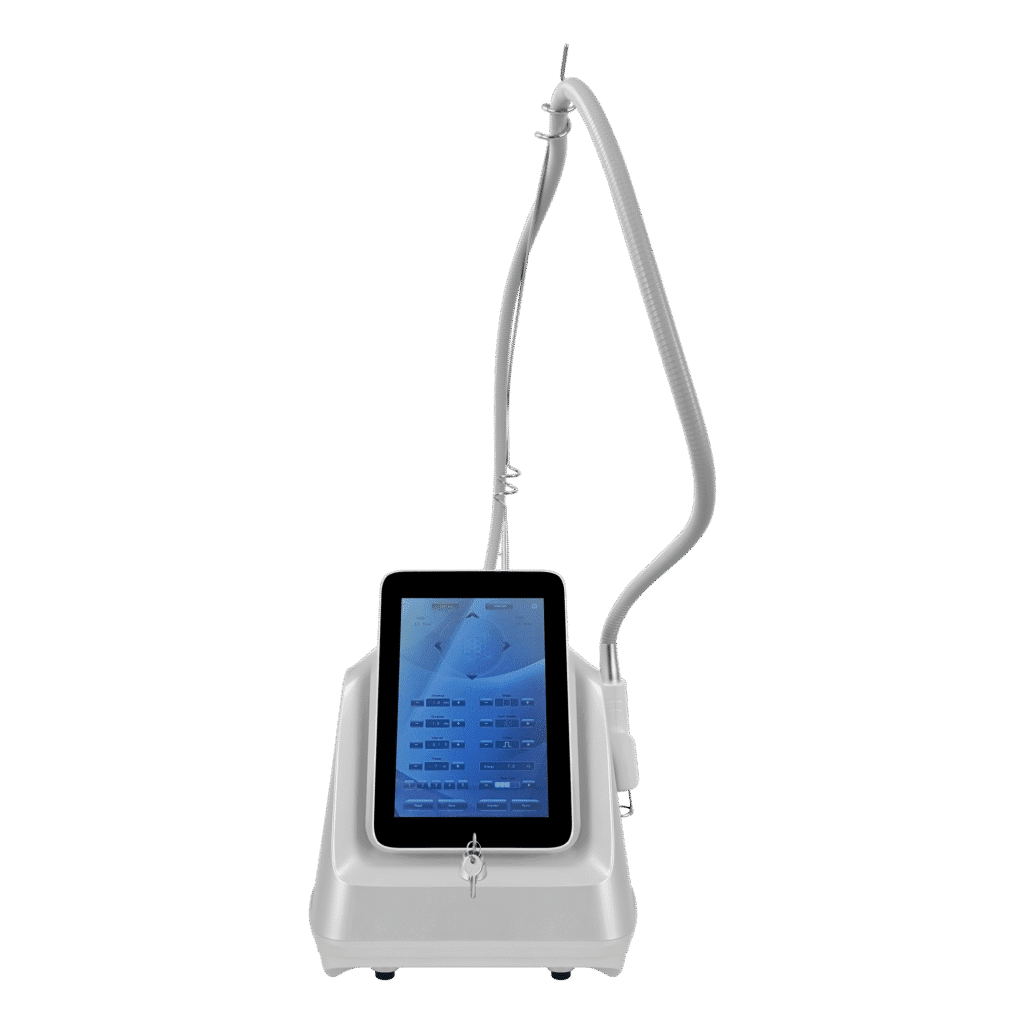
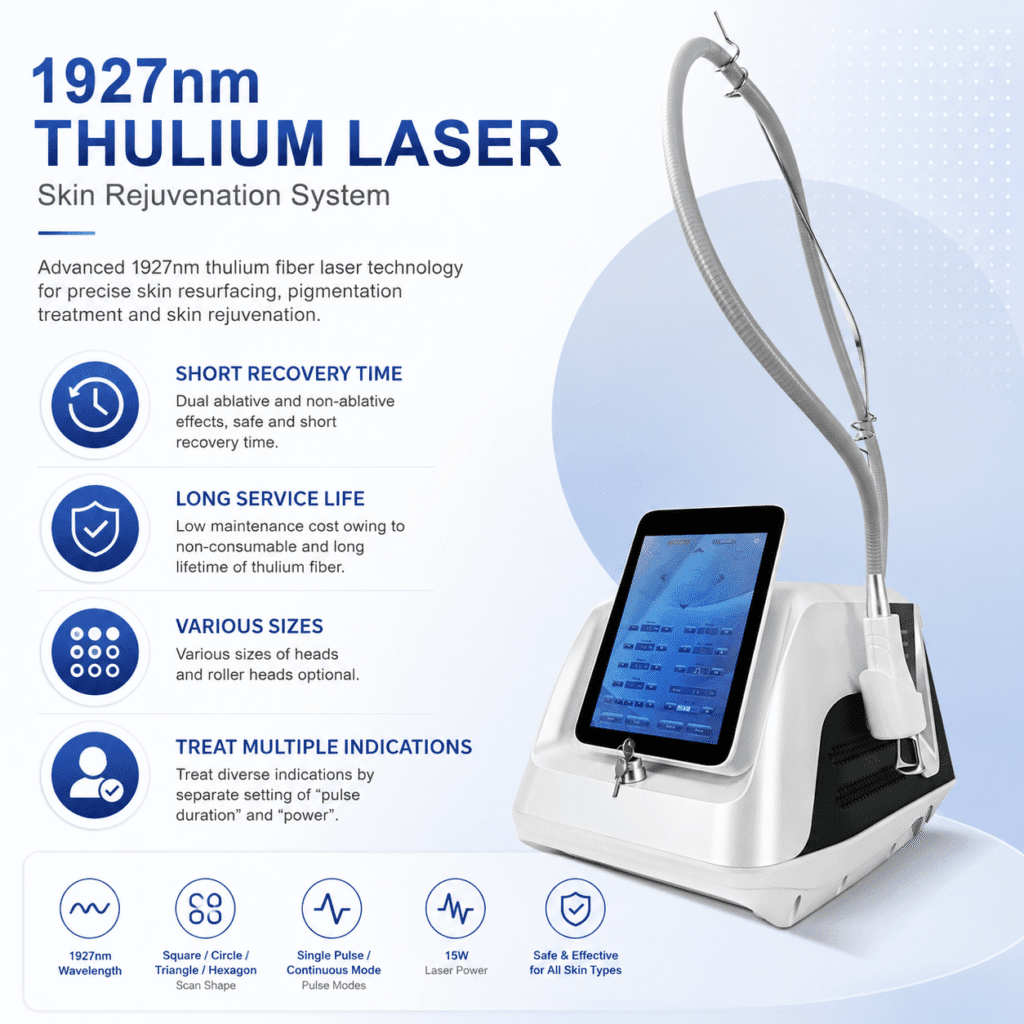
- CO2 fractional laser equipment
- fiber fractional CO2 laser equipment
- picosecond laser equipment
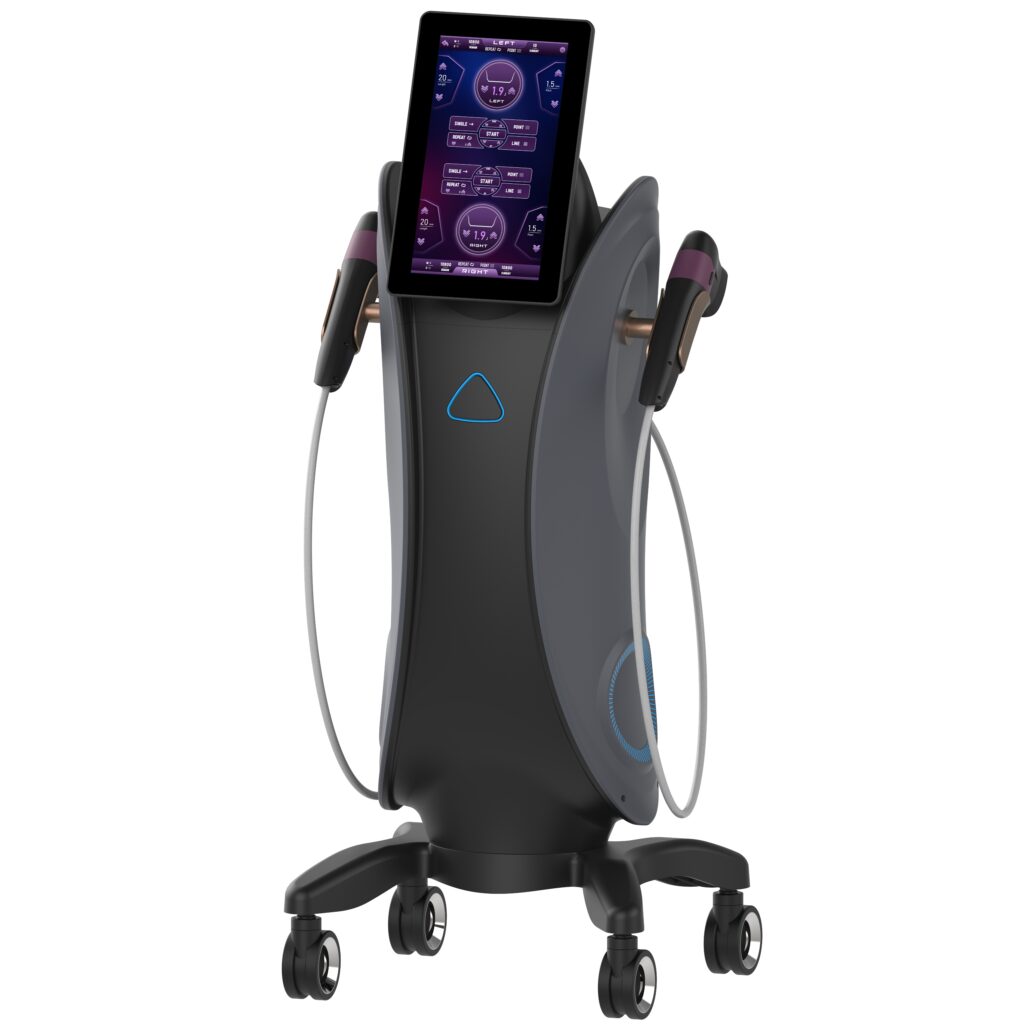
- MNRF microneedling RF equipment
- Hydra facial and skin preparation devices
- recovery and skin management devices
For example, SHEFMON CO2 fractional laser options can be positioned for professional resurfacing menus, while picosecond and MNRF-related technologies may support broader texture, pigment and rejuvenation-style programs depending on the buyer’s service model.
For distributors, the best approach is to help buyers choose based on:
- target customer type
- scar treatment level
- operator training ability
- downtime tolerance of local clients
- aftercare capacity
- consumable and spare parts planning
- 현지 규제 요건
This turns the sale from “which machine is strongest” into “which solution fits your clinic.”
최종 답변
Clients should choose an acne scar laser based on scar type, skin type, downtime tolerance, treatment goal and provider experience.
CO2 fractional laser is often a strong choice for suitable atrophic acne scars and visible texture concerns, especially when the client accepts downtime and the clinic can provide professional aftercare.
Er:YAG fractional laser may fit clients who need ablative resurfacing with a different recovery and thermal profile.
Non-ablative fractional lasers may fit clients who want gradual improvement with less downtime.
Picosecond fractional lasers may fit selected clients who want lower-downtime texture and pore support, but they may not be enough for deeper scars.
Vascular lasers or IPL-type treatments are more relevant when the main concern is redness rather than depressed scar depth.
For deep, mixed, ice-pick or tethered scars, the best answer is often a combination plan rather than one laser alone.
The safest recommendation is:
Do not choose the strongest laser by name. Choose the most suitable laser plan after scar assessment, skin type evaluation and realistic discussion of downtime, risks and expected improvement.
자주 묻는 질문
What is the best laser for acne scars?
There is no single best laser for everyone. CO2 fractional laser is a strong resurfacing option for suitable atrophic scars, but other lasers may fit better depending on scar type, skin tone and downtime tolerance.
Is CO2 fractional laser better than picosecond laser for acne scars?
CO2 fractional laser is generally stronger for resurfacing deeper texture concerns, while picosecond fractional laser may be better for lower-downtime texture support in selected cases.
Is Er:YAG laser good for acne scars?
Er:YAG can be useful for resurfacing-style acne scar programs, especially when a clinic wants an ablative option with a different thermal profile from CO2 laser.
Can laser remove acne scars completely?
No responsible provider should promise complete scar removal. Laser may support improvement in scar appearance, but results vary.
Which laser has the least downtime?
Non-ablative fractional and picosecond fractional approaches usually have less downtime than ablative CO2 or Er:YAG resurfacing, but they may require more sessions and may be less powerful for deep scars.
Are lasers safe for darker skin tones?
Laser treatment can be performed on many skin types, but darker skin may have higher pigmentation risk with aggressive resurfacing. Professional assessment and conservative planning are important.
What if the client has active acne?
Active acne should usually be controlled before aggressive scar resurfacing. Treating scars too early may lead to irritation, inflammation or dissatisfaction.
Do ice-pick scars respond well to laser?
Ice-pick scars are often difficult to improve with laser alone. Combination treatments may be needed depending on the case.
Should clinics buy only one laser for acne scars?
Some clinics start with one core device, but many strong acne scar programs combine CO2 laser, MNRF, preparation devices, recovery support and skin analysis.
How should distributors explain acne scar lasers?
Distributors should explain that device choice depends on scar type, client suitability, operator training, downtime, aftercare and local compliance. Avoid guaranteed-result claims.