









최적화된 솔루션, 전문적인 밸브 지식 및 업계 뉴스를 공유하세요
원하시는 관련 용어나 키워드를 입력하시면 검색 결과에 관련 기사가 표시됩니다. 원하시는 답변을 찾지 못하시면 언제든지 문의해 주세요. 기꺼이 도와드리겠습니다. 또는 beauty@shefmon.com으로 직접 이메일을 보내주셔도 됩니다.
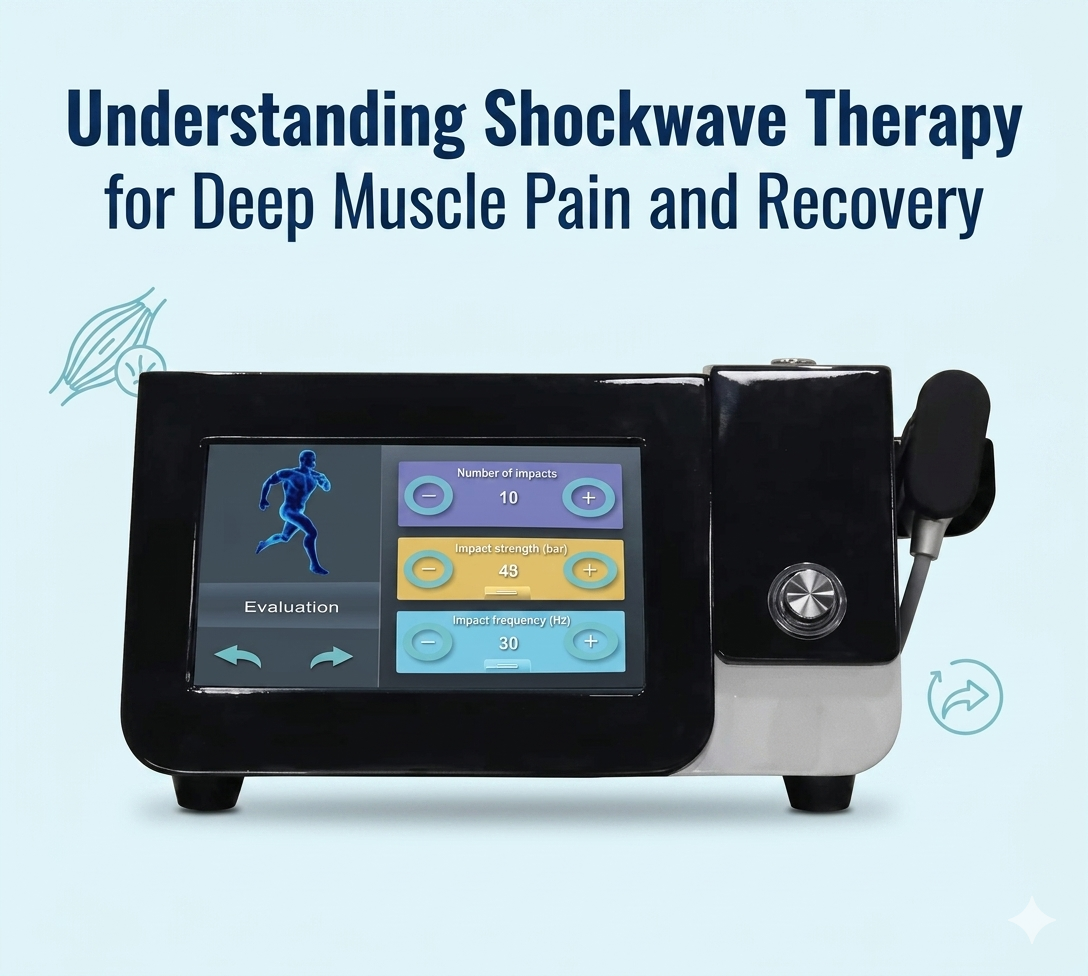
Understanding Shockwave Therapy for Deep Muscle Pain and Recovery
- 셰프몬
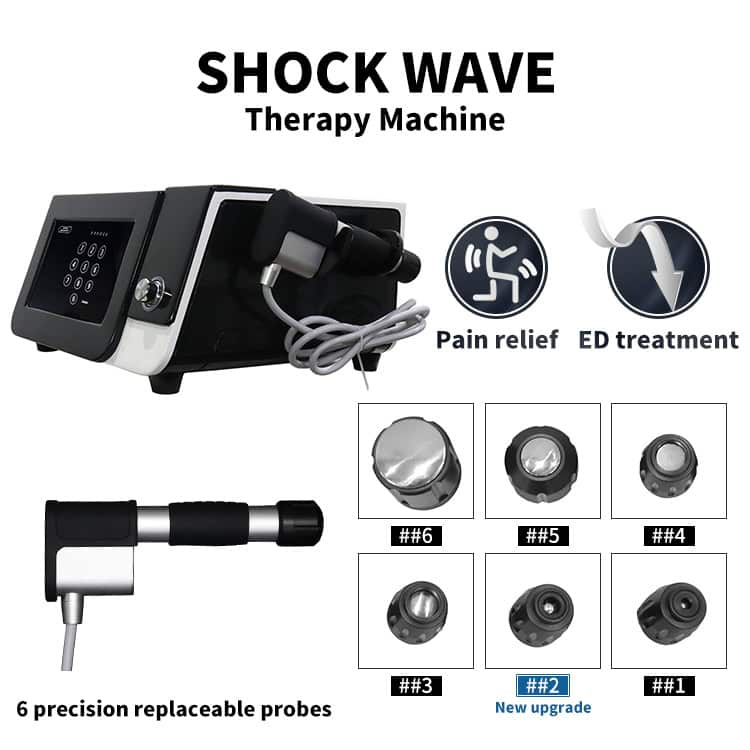
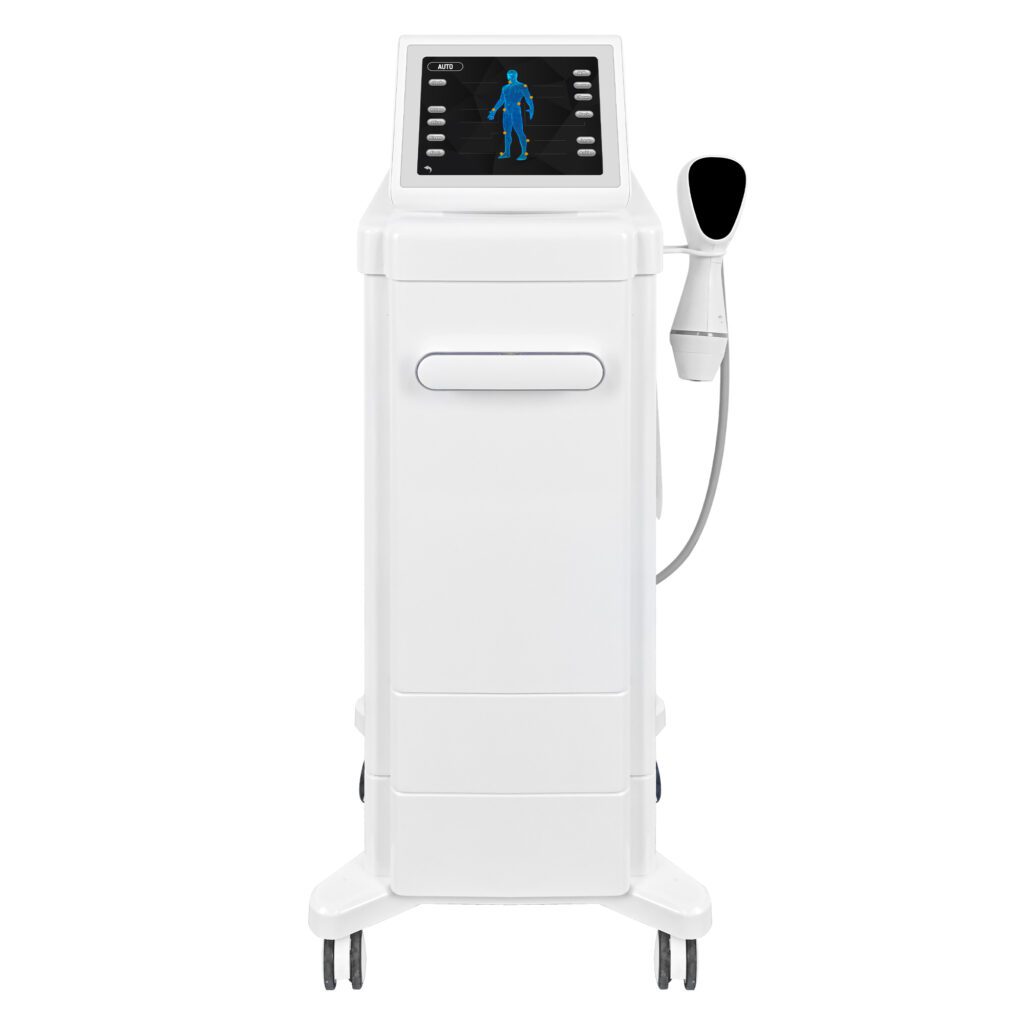
Shockwave therapy has become an increasingly recognized non-invasive option for addressing musculoskeletal discomfort, especially in cases involving chronic muscle pain, stiffness, and soft tissue dysfunction. It uses mechanical pressure waves to stimulate biological responses in deep tissue structures, supporting circulation, reducing pain sensitivity, and promoting natural recovery processes. The SW12 ESWT 시스템 applies ballistic shockwave technology to deliver controlled energy into targeted areas, making it suitable for both localized pain relief and broader functional support.

1. How Shockwave Energy Interacts with the Body
Extracorporeal shock wave therapy works by generating high-energy mechanical pulses that travel through the skin and into deeper layers of tissue without surgical intervention.
1.1 Ballistic Pressure Wave Mechanism
The system creates shockwaves using compressed air accelerated through an electronically controlled mechanism. This energy is transferred into an applicator tip, which delivers the waves directly into the body through skin contact.
Once inside the tissue, the waves propagate in different directions and intensities depending on depth and density of the structures they encounter.
1.2 Deep Penetration into Musculoskeletal Structures
Shockwave energy can reach multiple anatomical layers, including:
- 근섬유
- Tendons and fascia
- 인대
- Periosteal (bone surface) regions
This allows it to target pain sources that are often difficult to access with surface-level treatments.
1.3 Multi-Zone Energy Distribution
The shockwave does not affect tissue uniformly. Instead, it creates distinct zones:
- A high-energy central zone that stimulates mechanical disruption
- A mid-energy zone that supports tissue activation and remodeling
- A low-energy outer zone that contributes to pain modulation
2. Biological Effects on Pain and Tissue Function
2.1 Reduction of Chronic Pain Sensitivity
Shockwave therapy influences nerve activity in treated areas, which may help reduce hypersensitivity and chronic pain signals over time.
2.2 Improved Blood Circulation and Microvascular Flow
Mechanical stimulation encourages the formation of new microcirculation pathways, improving oxygen and nutrient delivery to affected tissues.
2.3 Breakdown of Calcified Deposits
In some chronic conditions, calcium buildup in tendons or soft tissue contributes to pain and stiffness. Shockwave energy can help disrupt these deposits, improving mobility and comfort.
2.4 Tissue Metabolic Activation
Increased local mechanical stress stimulates cellular activity, which supports the body’s natural repair and regeneration processes.

sw12 충격파 치료기
3. Muscle Pain, Stiffness, and Functional Recovery
3.1 Relief of Muscle Tightness
Deep tissue stimulation helps relax contracted muscle fibers and fascia structures, reducing stiffness and improving flexibility.
3.2 Support for Overuse and Sports-Related Strain
Shockwave therapy is often used in recovery programs for repetitive strain injuries or physical overexertion, where soft tissue stress accumulates over time.
3.3 Improved Range of Motion
As tissue elasticity improves and stiffness decreases, joint mobility and functional movement can gradually increase.
3.4 Long-Term Tissue Adaptation
Repeated sessions may contribute to structural adaptation in connective tissues, supporting more stable long-term outcomes.
4. Treatment Parameters and Depth Control
4.1 Adjustable Frequency Range
The SW12 system operates between 1–21Hz, allowing control over intensity and stimulation patterns depending on treatment goals.
4.2 Deep Tissue Reach
Shockwaves can penetrate up to approximately 8cm beneath the skin surface, making them effective for deeper musculoskeletal conditions.
4.3 Controlled Energy Intensity
Operators can adjust settings to balance:
- Strong mechanical stimulation for dense tissue areas
- Moderate energy for general pain relief
- Low intensity for sensitive regions
5. Clinical Observations and Functional Outcomes
5.1 Pain Reduction Over Time
Many users experience gradual reduction in discomfort after multiple sessions, especially in chronic conditions.
5.2 Improved Tissue Elasticity
Repeated mechanical stimulation can support improved flexibility and reduced stiffness in affected areas.
5.3 Enhanced Circulatory Response
Better blood flow supports oxygen delivery and metabolic waste removal, contributing to tissue recovery.
5.4 Functional Movement Improvement
As pain decreases and mobility improves, daily movement and physical performance may become easier and more comfortable.

sw12 충격파 치료기
6. Treatment Experience and Application Method
6.1 Manual and Automatic Modes
The device supports two operational modes:
- Manual mode for targeted precision
- Automatic mode for standardized treatment protocols
6.2 Direct Contact Application
Effective energy transfer requires direct applicator contact with the skin and underlying tissue.
6.3 Non-Invasive Procedure
No incisions or injections are involved, and treatment is performed externally.
7. Safety and Practical Considerations
7.1 Controlled Energy Distribution
Energy is dispersed across different zones to balance stimulation, safety, and therapeutic effect.
7.2 Operator-Dependent Results
Proper technique and parameter selection are important for achieving consistent outcomes.
7.3 No Downtime Requirement
Most users can resume normal activities immediately after treatment sessions.
결론
충격파 치료 offers a non-invasive method for addressing deep muscle pain and supporting tissue recovery through mechanical pressure wave stimulation. The SW12 ESWT system delivers controlled energy into musculoskeletal structures, promoting improved circulation, reduced pain sensitivity, and enhanced tissue function. By interacting with muscles, tendons, and connective tissue layers, it supports both short-term relief and longer-term functional improvement. Its adjustable parameters and deep penetration capability make it a flexible option for managing chronic discomfort and supporting overall musculoskeletal health in a non-surgical way.
자주 묻는 질문
충격파 치료는 고통스러운가요?
It may cause mild discomfort depending on intensity, but it is generally tolerable.
How deep does it work?
It can reach up to around 8cm into soft tissue.
총 몇 회의 세션이 필요합니까?
Multiple sessions are usually recommended depending on the condition.
시술 후 회복 기간이 필요한가요?
No, it is a non-invasive procedure with no recovery period.
Can it improve mobility?
Yes, it may help reduce stiffness and improve movement function over time.