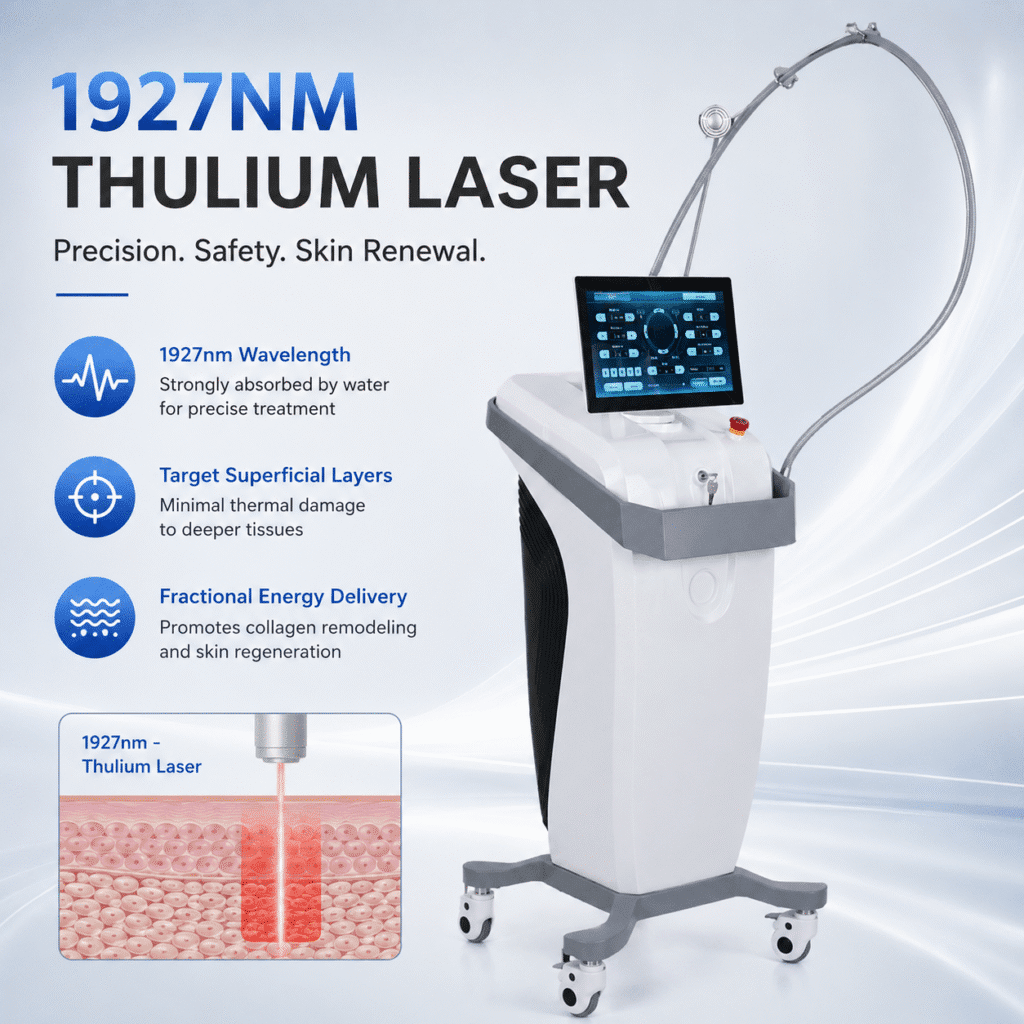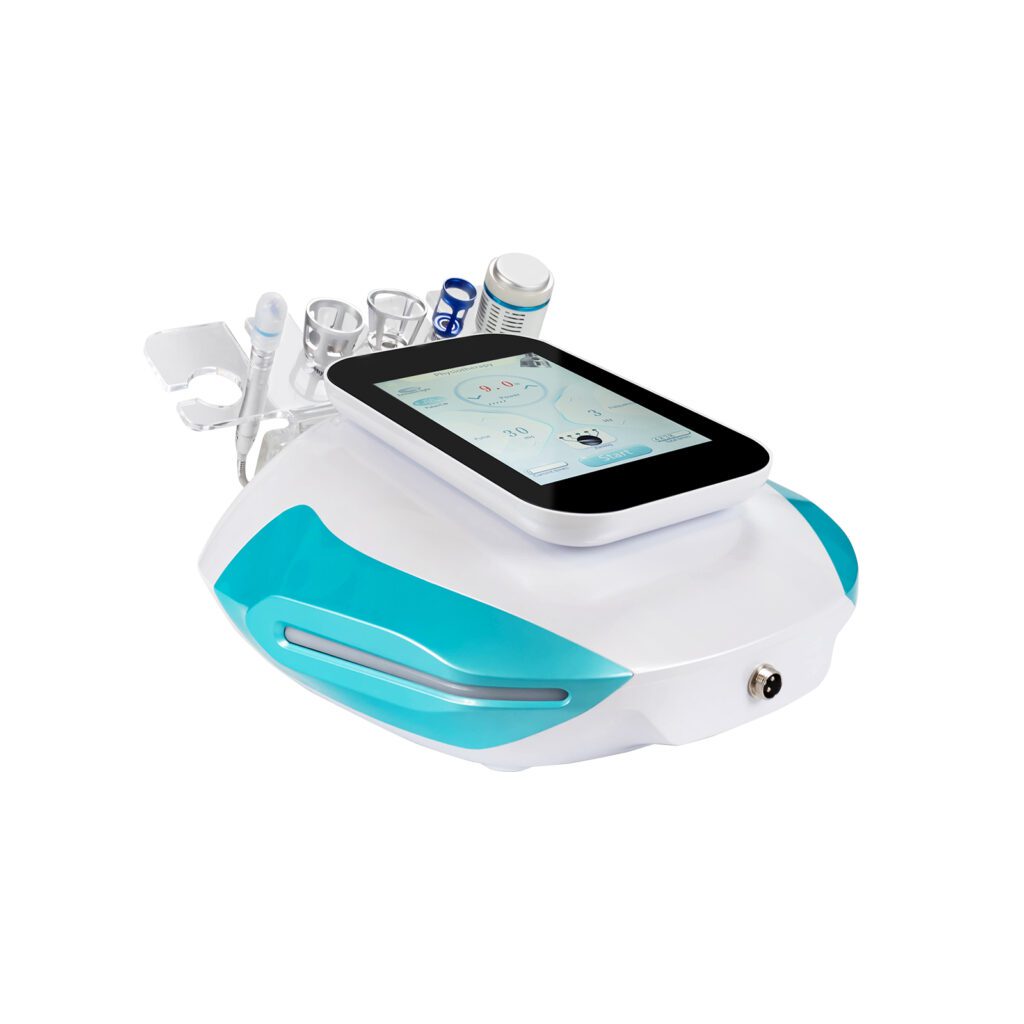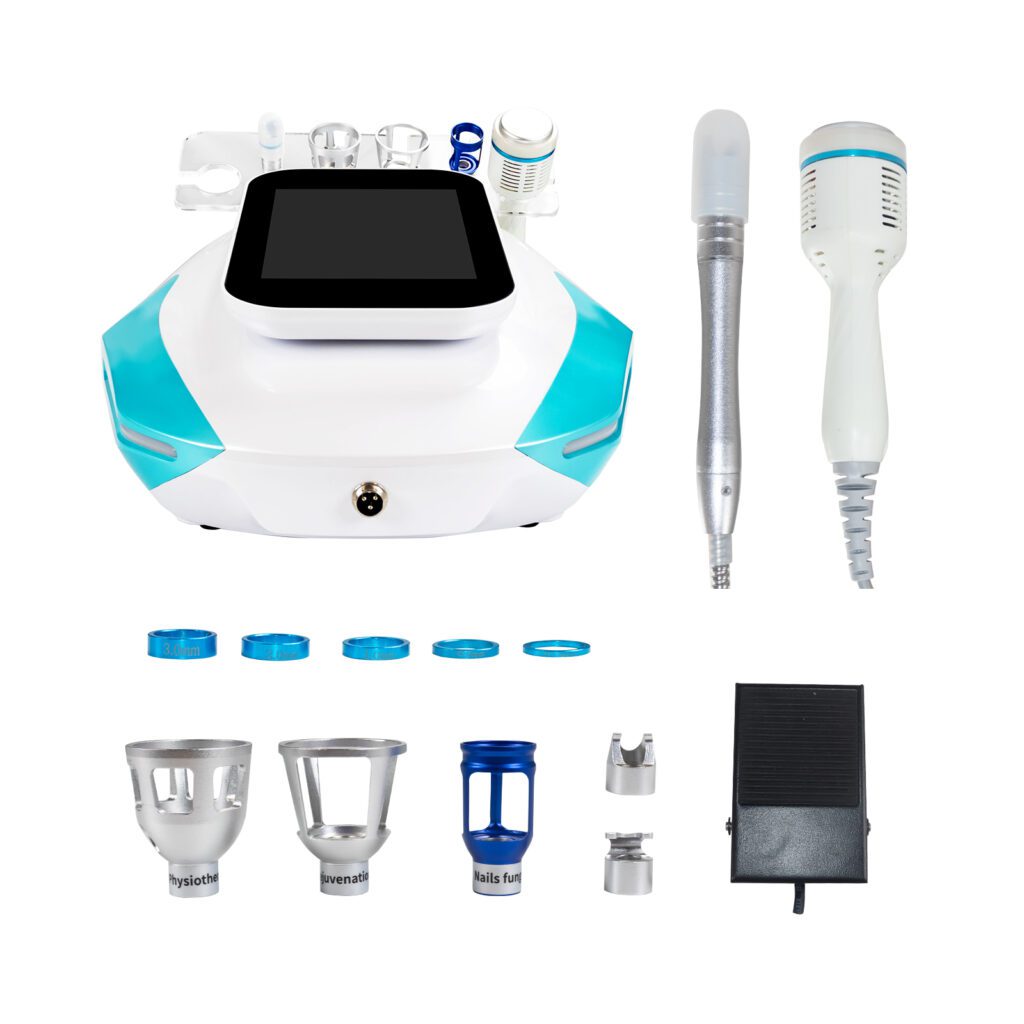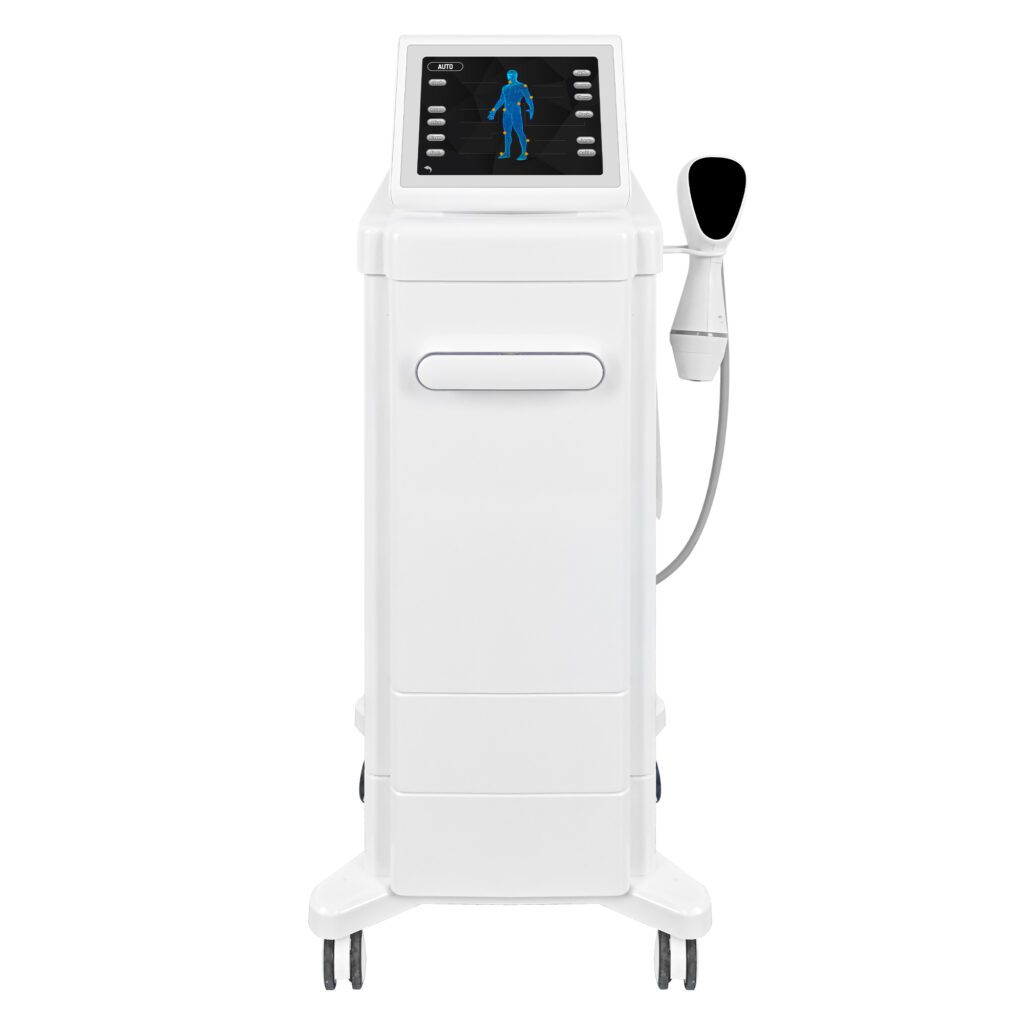
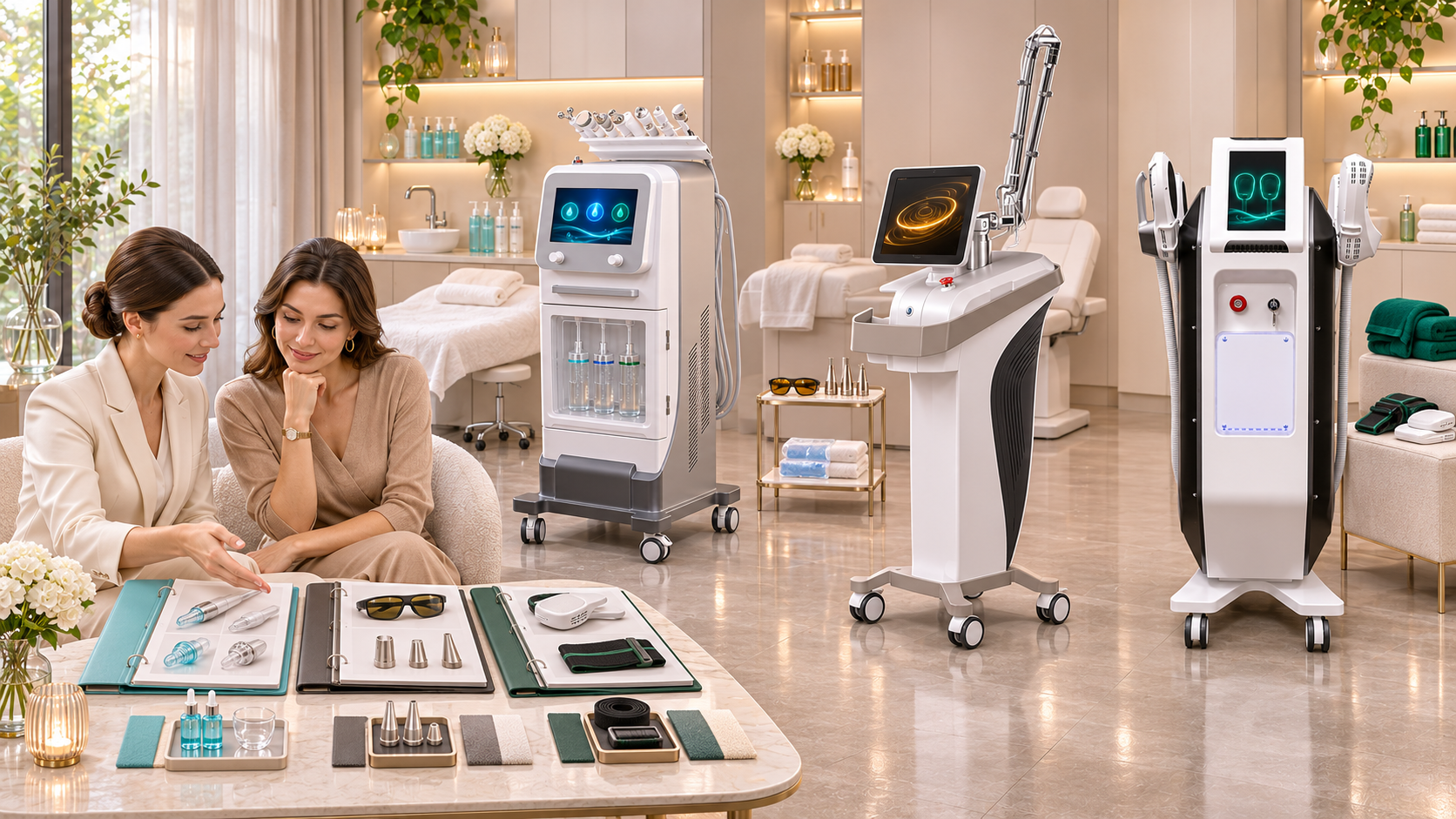
A beauty equipment distributor may sell to facial salons, aesthetic clinics and body contouring centers, but those buyers should not receive the same catalog in a different cover. Their service menus, staff qualifications, treatment rooms, purchasing questions and compliance responsibilities are different.
The practical solution is to maintain one controlled product database and publish three buyer-specific catalogs from it. A salon catalog should make foundation facial services easy to understand. A clinic catalog should emphasize professional scope, treatment controls and technical documentation. A body center catalog should help buyers compare cooling, mechanical body care and muscle-stimulation platforms without presenting them as interchangeable weight-loss machines.
This guide shows distributors how to build those three catalogs with relevant 셰프몬 뷰티 디바이스, consistent product data, useful comparison fields and clear boundaries between buyer types.
요약 보고서
- Build one master product record for each model, then create separate buyer-facing salon, clinic and body-center views.
- The salon catalog should begin with understandable facial-care workflows. Representative models include A0648 hydro microdermabrasion, A0145 fusion plasma and A0272-F facial electrical stimulation with RF.
- The clinic catalog should gate advanced devices by professional qualification, local authorization and clinical governance. Representative models include A0423 diode laser, A0157 RF microneedling and A0529 fractional CO2 laser.
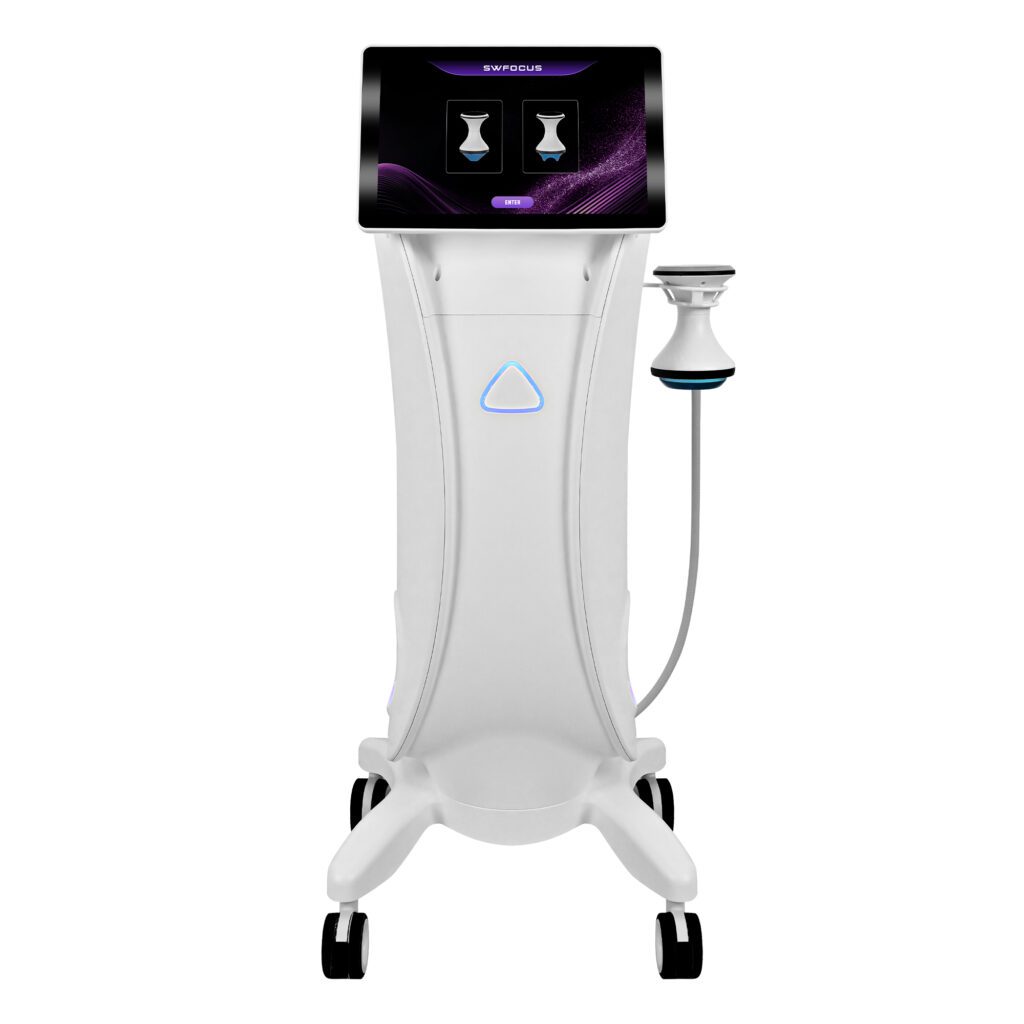
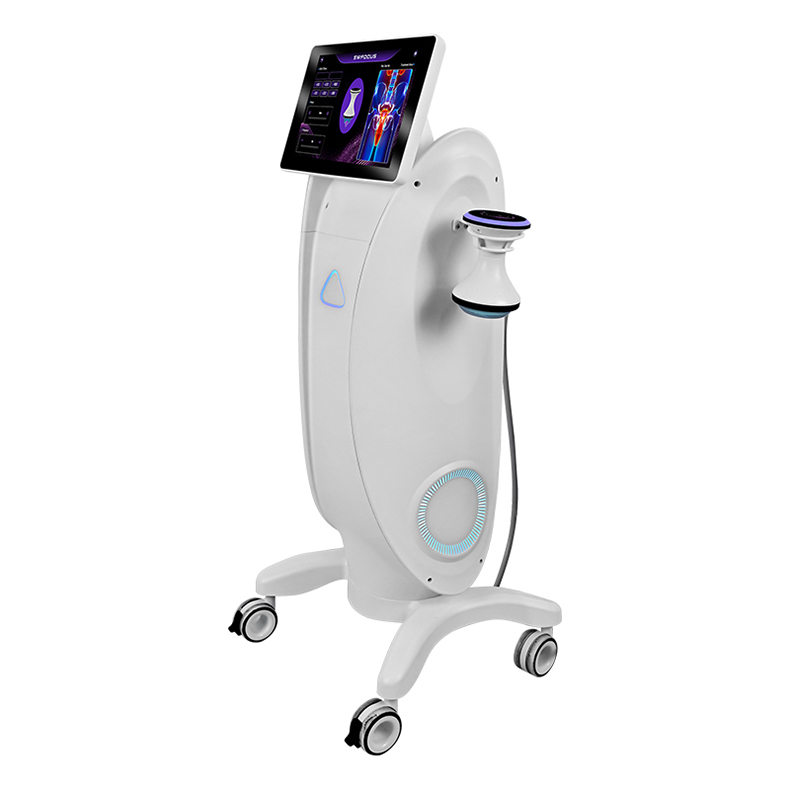
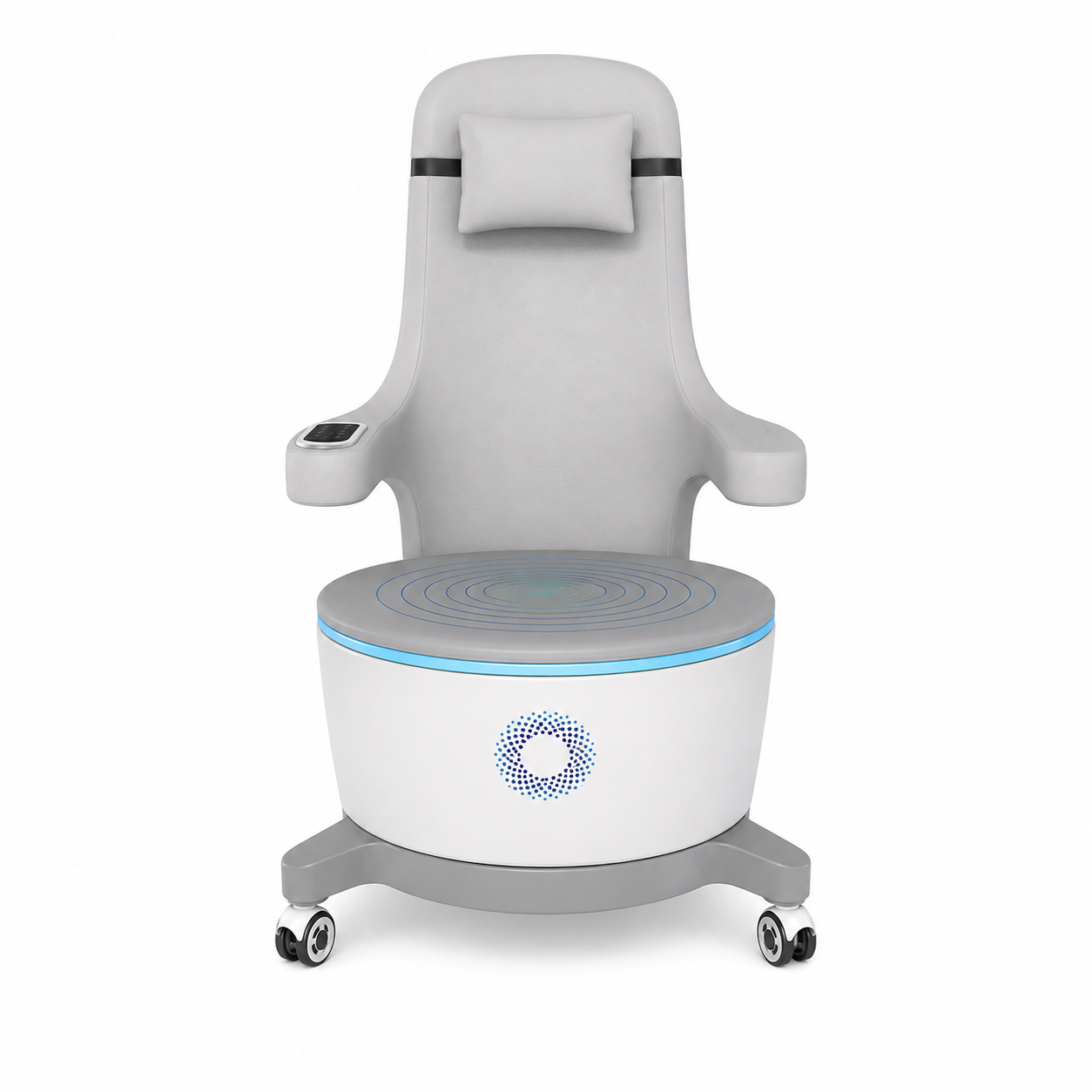
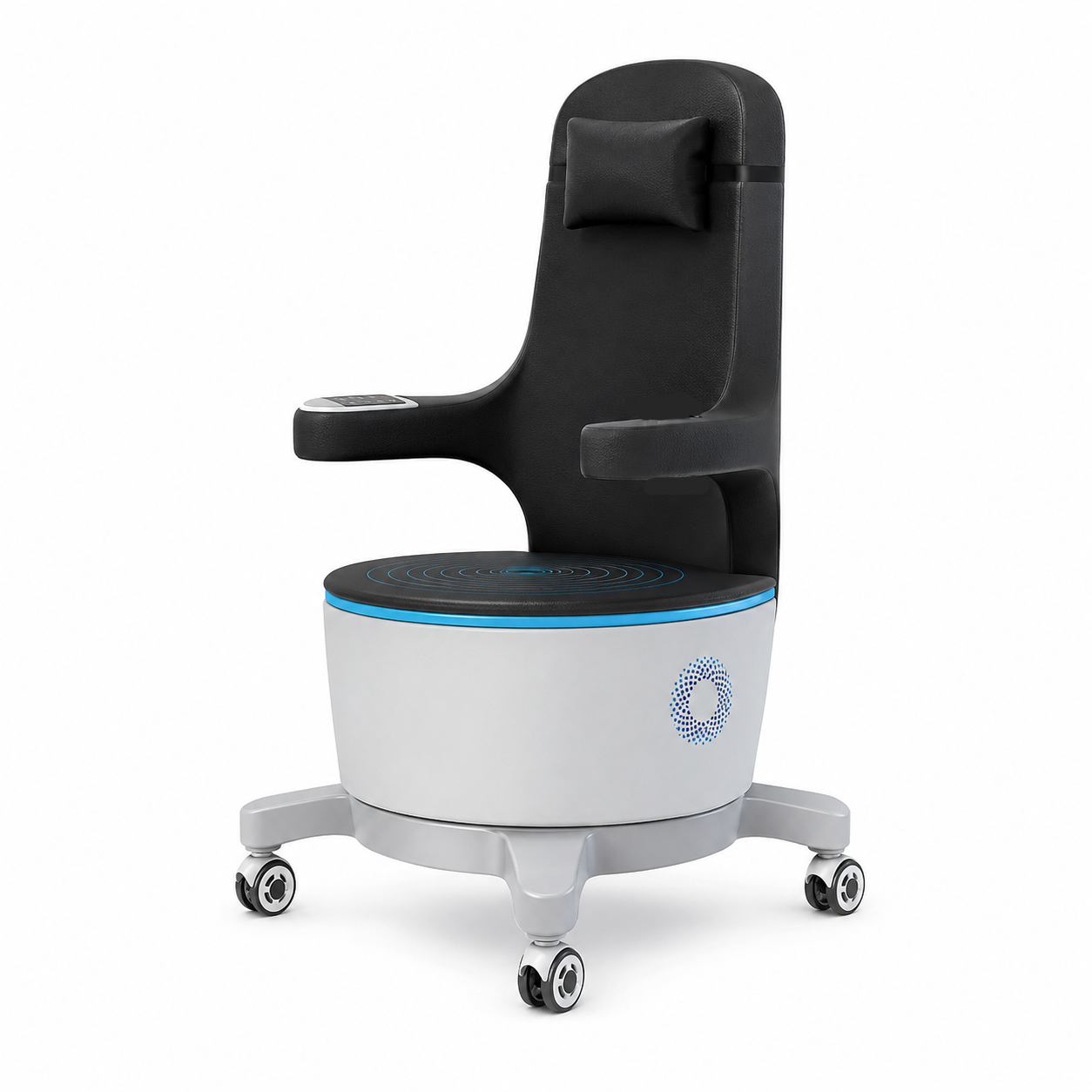
- The body-center catalog should separate cooling-based contouring, mechanical/vacuum body care and electromagnetic muscle stimulation. Representative models include S10, B0156 and A0241.
- Do not copy the same benefit list into all three catalogs. Each version needs buyer-specific service roles, operating requirements, consumables, room planning and enquiry questions.
- Use one source of truth for specifications, configurations, manuals and status. Separate catalogs are presentation layers, not separate uncontrolled product records.
1. Why One Universal Beauty Device Catalog Fails
A universal catalog usually becomes a long model list organized by technology name or product code. It may look complete, but it makes the buyer do the distributor’s work.
A facial salon wants to know which device can anchor a cleansing and hydration menu, how much room it requires and what consumables are needed. An aesthetic clinic wants to verify wavelength, treatment depth, disposable traceability, training, complication planning and destination-market documentation. A body contouring center wants to compare applicator capacity, treatment areas, session workflow, room turnover and whether a system supports cooling, mechanical care or muscle-focused services.
When all three buyers receive the same pages, several problems appear:
- basic salon devices look less important beside advanced lasers;
- clinical systems are presented without qualification or governance context;
- unrelated body technologies are compared by the number of handles rather than mechanism;
- sales teams recommend the model they remember instead of the one that fits the business;
- product specifications diverge across PDFs, websites and quotations;
- buyers cannot see a logical starting range or upgrade path.
Separate catalogs solve the buyer-navigation problem. A shared master record solves the data-control problem. A distributor needs both.
2. Product Introduction: Three Catalogs and Nine Representative Models
The purpose of each catalog is to help one buyer type make a short list. It is not to display every machine SHEFMON supplies.
| 목록 | 구매자 결정 | Foundation model | Growth model | Specialist model |
|---|---|---|---|---|
| Salon Beauty Devices | How do we build a repeatable facial service menu? | A0648 하이드로 마이크로더마브레이션 | A0145 fusion plasma facial device | A0272-F facial electrical stimulation and RF |
| Professional Clinic Systems | Which advanced platform matches our licensed procedures and governance? | A0423 다이오드 레이저 | A0157 RF microneedling | A0529 분수형 CO2 레이저 |
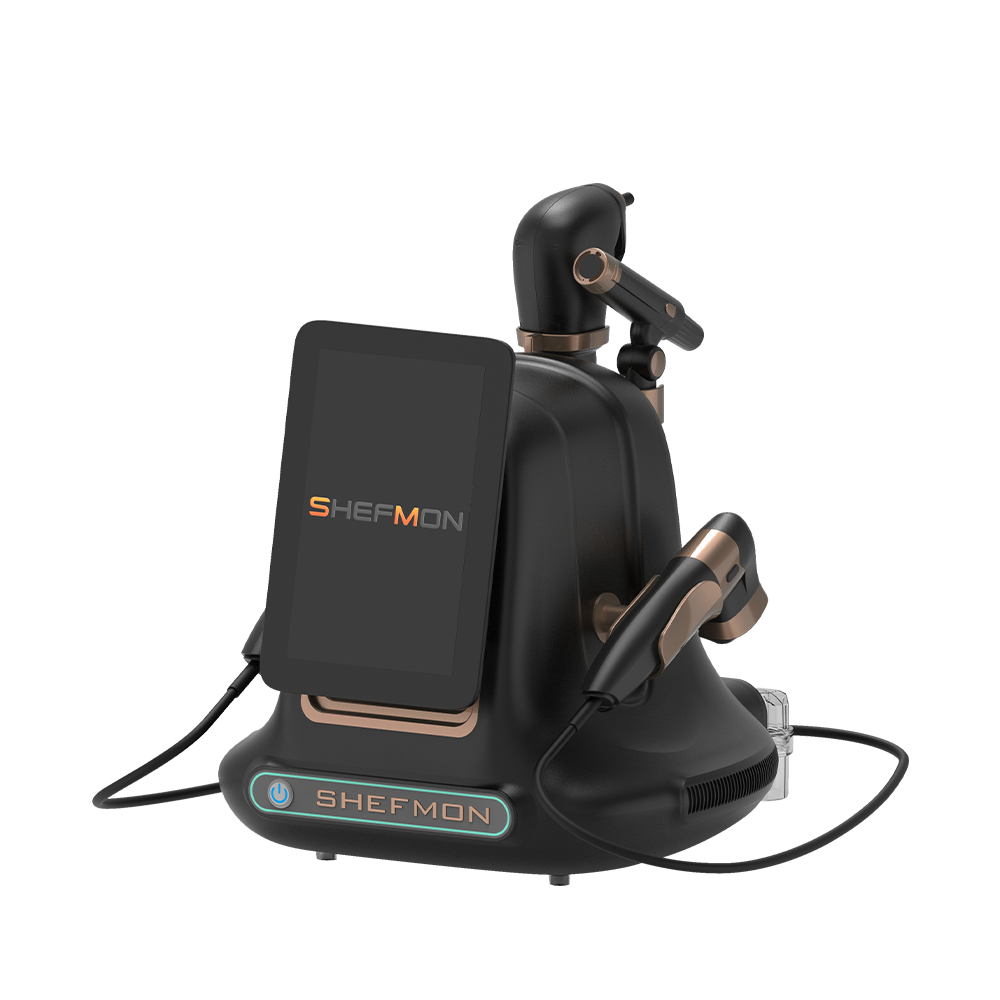
| Body Contouring Center Equipment | Which body-service mechanism fits our program and capacity? | S10 portable cryolipolysis | B0156 Endos Velapro | A0241 EMSlim RF/EMS |
These are representative catalog anchors, not a universal ranking. A distributor can substitute models when the target market, supply status or buyer requirements change. The important point is to give every product a defined role rather than filling each catalog with near-duplicate pages.
3. Functional Principle: Organize Technologies by What They Actually Do
Catalog separation begins with mechanism. Products with different energy delivery, tissue interaction and operating requirements should not be grouped only because their marketing uses words such as rejuvenation, lifting or shaping.
| 기술 | Basic working principle | Correct catalog role |
|---|---|---|
| 하이드로 마이크로더마브레이션 | Combines fluid delivery, suction and complementary facial functions for cleansing, exfoliation, extraction and hydration-oriented workflows | Salon facial-care foundation |
| 퓨전 플라즈마 페이셜 케어 | Uses gas-generated plasma and model-specific applicators; exact hot/cold modes and claims require manual confirmation | Salon skin-management upgrade under local scope |
| 안면 전기 자극 및 고주파 | Uses electrical or electromagnetic stimulation for facial muscle activation with RF-related heating | Salon or med-spa facial tone category after qualification check |
| 다이오드 레이저 | Delivers selected optical wavelengths through a cooled handpiece for hair-reduction procedures | Qualified clinic or specialist hair-removal catalog |
| RF 마이크로니들링 | Inserts needle electrodes to controlled depths and delivers RF energy into tissue | Advanced clinical skin-procedure catalog |
| 분할 CO2 레이저 | Delivers 10,600 nm laser energy in a fractional pattern for ablative resurfacing applications | Advanced clinic catalog with strict governance |
| 크라이오리폴리시스 | Uses controlled cooling, usually with vacuum applicators, for localized contouring | Body-center cooling category |
| Vacuum roller, RF and cavitation | Combines mechanical tissue manipulation with model-specific energy and applicator functions | Broad body-care category |
| Electromagnetic muscle stimulation plus RF | Produces repeated muscle contractions with electromagnetic stimulation while RF provides a separate heating component | 근육 강화에 초점을 맞춘 신체 단련 프로그램 |
This mechanism table should sit behind every catalog decision. It prevents a salesperson from comparing A0648 with A0529 simply because both pages mention skin appearance, or comparing S10 with A0241 as though both devices deliver the same body service.
4. Build One Master Product Record Before Designing Three Catalogs
Separate catalogs do not mean three separate spreadsheets. Every model should have one controlled master record with approved fields.
Identity fields
- product code and official product name;
- current product URL;
- primary technology category;
- version, configuration and included handpieces;
- current supply status;
- owner responsible for data approval.
Technical fields
- technology and energy type;
- wavelength, frequency, depth, cooling range or other relevant values;
- power and electrical requirements;
- screen and system format;
- included and optional applicators;
- dimensions, weight and package information;
- consumables and replacement parts;
- maintenance requirements and service intervals.
Commercial and operational fields
- best-fit buyer types;
- proposed service-menu role;
- room, ventilation, water, electrical or storage requirements;
- staff qualification and training expectations;
- warranty and after-sales options;
- available manuals, certificates and destination-market documents;
- approved claims and prohibited claims;
- 최종 확인 날짜.
The catalog generator, designer or sales team should select from these fields. They should not retype technical specifications from memory.
5. Catalog One: Beauty Salon Facial Service Equipment
The salon catalog should feel accessible, service-led and easy to scan. Its first pages should answer: What can this machine add to the facial menu? How complicated is the workflow? How much room and operator time will it require?
A0648 as the facial-care foundation
그만큼 A0648 9-in-1 하이드로 마이크로더마브레이션 기기 is a clear foundation product because its current page positions it around cleansing, exfoliation, extraction and hydration. The vertical format and multifunction structure can support express, standard and premium facial workflows when protocols and consumables are defined.
Its catalog card should show:
- primary service role: cleansing and hydration-oriented facial care;
- included functions and handpieces in the quoted configuration;
- solution bottles, tips, filters and other consumables;
- pump and suction controls;
- daily cleaning and end-of-day flushing requirements;
- room footprint and trolley needs;
- sample menu position without promising a medical result.
A0145 as a skin-management upgrade
그만큼 A0145 fusion plasma facial device is better placed as an upgrade rather than beside basic hydro facial machines as an equivalent. Its current page lists a 15-inch screen, two handles, eight replacement heads and a 10–200 W power range.
The catalog should explain its actual gas, handle and operating configuration and should use claims approved for the destination market. Do not copy broad disease-treatment wording from a product page into a general salon catalog. The sales enquiry should ask what services the salon is licensed and trained to deliver.
A0272-F as a specialist facial-tone category
그만큼 A0272-F 안면 전기 자극 및 RF 장치 belongs in a separate Facial Tone and Contour section. SHEFMON currently describes it as combining high-intensity facial electrical stimulation with RF technology.
Its catalog page should explain applicator placement, treatment-zone options, consumables, electrical requirements, contraindication screening and training. It should not be described as just another facial because its workflow and client screening differ from hydro microdermabrasion.
Recommended salon catalog sequence
- Facial Cleansing and Hydration
- Skin Management Upgrades
- 얼굴 톤과 윤곽
- Room and Utility Planning
- Consumables and Daily Maintenance
- 교육 및 애프터 서비스 지원
- Salon Buyer Enquiry Form
Keep advanced lasers and RF microneedling out of the general salon section. If local law permits qualified salons to use a specific professional device, show it through a gated Professional Systems link rather than allowing the foundation catalog to imply universal suitability.
6. Catalog Two: Professional Aesthetic Clinic Systems
The clinic catalog should not simply look more premium. It needs more governance information. Technical configuration, operator qualification, patient selection, infection control, eyewear, consumable traceability, adverse-event planning and clinical follow-up can be as important as headline specifications.
A0423 for a specialist hair-reduction line
그만큼 A0423 다이오드 레이저 is a useful anchor for a clinic hair-removal section. Its current page lists 755 nm, 810 nm, 940 nm and 1064 nm options, multiple spot sizes, a 1–10 Hz repetition range and a semiconductor, water and TEC cooling system.
The catalog must distinguish standard and optional configurations. It should not imply that every wavelength or spot size is included in every quotation. Add fields for handpiece power, spot size, cooling, pulse controls, expected handpiece usage, replacement policy, training and destination-market documentation.
A0157 for RF microneedling services
그만큼 A0157 MNRF 깊이 8 belongs in an Advanced Skin Procedures section. Its page lists 12-pin, 24-pin, 40-pin and nano configurations, computerized depth control, a 1–7 mm depth profile and an additional 1 mm thermal profile.
The catalog should give equal prominence to single-use cartridge control, sharps disposal, skin preparation, cleaning, informed consent, aftercare and complication-response planning. RF microneedling should be sold only where the device, use and operator meet local requirements.
A0529 for fractional CO2 resurfacing projects
그만큼 A0529 분수형 CO2 레이저 is a specialist clinic product built around a 10,600 nm CO2 laser platform. It should appear after the buyer has already passed a qualification gate, not inside a general “best skin machines” list.
Its product card should request confirmation of scanner modes, handpieces, intended applications, plume or smoke management, protective eyewear, room controls, cooling, consumables, training, service support and local registration. Claims about scars, resurfacing or other clinical uses must match the approved indications in the destination market.
Recommended clinic catalog sequence
- Buyer Qualification and Market-Access Notice
- Hair-Reduction Laser Systems
- RF 마이크로니들링 시스템
- Fractional Laser and Resurfacing Systems
- Configuration and Consumable Tables
- Room, Safety and Infection-Control Requirements
- Training, Documentation and Support
- Qualified Clinic Enquiry Form
The clinic version should include fewer lifestyle photographs and more configuration detail. Buyers need to understand what they are ordering and what systems must surround the equipment.
7. Catalog Three: Body Contouring Center Equipment
The body-center catalog should be organized by mechanism and program role. Avoid one giant “slimming machines” section. Cooling, vacuum roller systems and electromagnetic muscle stimulation create different consultations, room schedules and service plans.
S10 for localized cooling-based contouring
그만큼 S10 휴대용 냉동지방분해기 is a foundation cooling option. Its current page lists 360-degree cooling, five standard tips with up to seven listed, adjustable cooling and heating, vacuum suction and a portable machine format.
Its catalog card should identify the exact applicator set, cup sizes, membrane or consumable requirements, cooling and vacuum controls, simultaneous-handle capacity, sanitation and room-turnover considerations. Cryolipolysis should be described as localized contouring, not general weight management.
B0156 for multifunction mechanical body care
그만큼 B0156 5-in-1 Endos Velapro combines body and smaller-area vacuum rollers with RF, light, rotating handles and 80K cavitation positioning. This gives it a different program role from cryolipolysis.
The catalog should map every included handle to a named service role and identify which functions can operate together. Include treatment-head cleaning, hose and roller maintenance, operator ergonomics, noise and room layout. Avoid turning a long function list into claims that all handles produce the same outcome.
A0241 for muscle-focused programs
그만큼 A0241 EMSlim RF/EMS machine belongs in a Muscle-Focused Body Systems section. Its current page lists electromagnetic stimulation, RF, four handles and an optional pelvic floor configuration.
The catalog should show included and optional handles separately. It should explain applicator placement, strapping, cooling, room power, staff monitoring, contraindication screening and service-plan documentation. Do not compare it with S10 using only treatment time or price; the mechanisms and client goals differ.
Recommended body-center catalog sequence
- Localized Cooling Contouring
- Mechanical and Vacuum Roller Body Care
- Muscle-Focused Electromagnetic Systems
- Consultation and Screening Requirements
- Applicator Capacity and Room Throughput
- Consumables, Cleaning and Maintenance
- Body Center Enquiry Form
8. Use Different Comparison Fields in Each Catalog
The same comparison table cannot serve every buyer.
| Salon comparison fields | Clinic comparison fields | Body-center comparison fields |
|---|---|---|
| Facial workflow role | Energy or wavelength | Body-service mechanism |
| Number and type of handpieces | Treatment depth or pulse controls | Applicator type and capacity |
| Consumable solutions and tips | Included and optional clinical handpieces | Cooling, vacuum, RF or EMS controls |
| Daily cleaning time | Single-use component traceability | Simultaneous treatment areas |
| Room footprint | Infection-control requirements | Client positioning and operator monitoring |
| Operator learning path | Qualification and training gate | Consumable and applicator turnover |
| Express or premium menu fit | Room and safety requirements | Program and review structure |
Shared fields such as voltage, dimensions, warranty and supply status remain in the master record, but each catalog gives priority to what its buyer needs to compare.
9. Create a Consistent Product-Page Template
Every product page should follow the same information order within its catalog.
Product identity
Show the model code, exact configuration name, primary technology and one clear buyer-fit statement.
서비스 역할
Explain where the device belongs in the buyer’s service menu. Use one primary role and, at most, a small number of secondary roles.
Functional principle
Describe the mechanism in plain language. Do not replace it with a list of results.
Verified configuration
Separate standard equipment, selectable options and separately ordered accessories. Add a quotation version or configuration code when needed.
운영 요구사항
List room, electrical, cooling, consumable, cleaning, maintenance and staffing requirements.
Qualification and scope
State whether the buyer must confirm professional licensing, device registration or other destination-market conditions.
Next-step enquiry
Ask for country, business type, current services, staff qualifications, required configuration, voltage and intended purchase timing. This produces a more useful lead than a generic “request price” button.
10. Decide When a Product May Appear in More Than One Catalog
A model may be relevant to more than one buyer type, but cross-listing needs a rule.
Use one primary catalog for the full product page. In a secondary catalog, show a short related-product card that links back to the primary record and explains the qualification condition.
For example, A0272-F may appear primarily in the salon facial-tone catalog and also as a supporting option for med spas. A0423 should remain primarily in the professional catalog even if some markets permit qualified salon operators to deliver laser hair-reduction services. B0156 may appear primarily in the body-center catalog and as an expansion option in a large salon catalog.
Do not duplicate and rewrite the full specification table in several files. Cross-listing should reuse the same approved data and configuration identifier.
11. Build Buyer-Specific Packages Without Mixing Mechanisms
Catalog packages should describe a business setup, not an unverified same-day treatment protocol.
Salon Facial Foundation Package
- A0648 as the main cleansing and hydration platform;
- supplies and replacement tips;
- operator training and cleaning guide;
- optional A0145 upgrade after scope review.
Clinic Skin Technology Package
- one selected platform, such as A0423 or A0157, based on the clinic’s procedure plan;
- exact handpiece or cartridge configuration;
- technical and safety documentation;
- training, consumable planning and support pathway.
Do not automatically bundle A0423, A0157 and A0529 for every new clinic. Each system creates a separate implementation burden.
Body Center Three-Mechanism Portfolio
- S10 for cooling-based localized contouring;
- B0156 for mechanical and vacuum body care;
- A0241 for muscle-focused services.
This is a portfolio structure, not a statement that all three devices should be applied to the same client or on the same day.
12. Localize Each Catalog for the Destination Market
A catalog approved for one country should not automatically be reused in another. Device classification, claims, operator licensing, language, electrical standards, labeling and documentation requirements can change.
For every market version, record:
- catalog language and revision date;
- available voltage and plug configuration;
- registered or supplied model configuration;
- approved intended use and claims;
- required buyer qualification statement;
- local distributor and after-sales contact;
- warranty scope and spare-parts route;
- document pack supplied with the quotation.
Advanced products deserve particular care. RF microneedling can be treated as a medical procedure in some jurisdictions, and lasers may require professional licensing, safety controls or device registration. The distributor should verify the exact product and market rather than assuming that a category-level certificate covers every configuration.
13. Control Digital, PDF and Sales-Team Versions
Every published catalog should display a version number and effective date. Keep a change log showing which product data, configuration, claim, image or link changed.
Use three statuses:
- Published: approved for current buyer use;
- 대체됨: retained for history but blocked from new quotations;
- Draft: under review and not approved for external distribution.
When a product specification changes, update the master record first. Then regenerate or revise the affected salon, clinic and body-center pages. Sales teams should use a shared approved file location rather than personal PDF folders.
The quotation should reference the catalog version and exact configuration. This prevents a buyer from accepting a quotation for one handpiece set after reading a page for another.
14. Train Sales Teams to Choose the Catalog Before the Model
The first sales question should be “What type of business is the buyer building?” The model recommendation follows from that answer.
Useful qualification questions include:
- Is the buyer a facial salon, qualified clinic, specialist hair-removal business or body center?
- Which services are already offered?
- Which professionals will operate the equipment?
- What is the local scope and device-registration position?
- How many rooms and operators are available?
- Does the buyer need a foundation service, growth category or specialist platform?
- Which consumables and after-sales support can the buyer manage?
- Is the device intended for stock, demonstration or order-led supply?
The sales representative then sends the relevant catalog and a short list. Sending all categories at once often creates confusion and encourages price comparison between unrelated systems.
15. Measure Whether the Separate Catalogs Work
Track results by catalog, not only by individual model.
유용한 지표는 다음과 같습니다.
- qualified enquiries per catalog;
- percentage of buyers who identify a suitable category without sales correction;
- quotation-to-order rate by buyer type;
- number of configuration errors or specification questions;
- time from enquiry to short list;
- attachment rate for training, consumables and support;
- returns or complaints linked to incorrect buyer fit;
- pages that produce enquiries for the wrong business type.
If salon readers repeatedly enquire about A0529 without understanding qualification requirements, the navigation or gating is weak. If body-center buyers compare S10 and A0241 only by price, the mechanism explanation needs improvement.
16. A Step-by-Step Catalog Implementation Plan
- Audit every active model and remove obsolete or unverified records.
- Create one master product-data template.
- Assign each product a primary technology and primary buyer catalog.
- Select three anchor models for each buyer type.
- Verify official product pages, manuals, configurations and URLs.
- Write buyer-specific service roles and enquiry questions.
- Build comparison tables using catalog-specific fields.
- Add qualification gates to advanced clinic systems.
- Review claims, regulatory wording and destination-market requirements.
- Publish versioned digital and PDF catalogs.
- Train sales teams to qualify the buyer before sending a catalog.
- Review enquiry quality and update the range from real demand.
자주 묻는 질문
1. Why should distributors create separate catalogs for salons, clinics and body centers?
Each buyer type evaluates equipment differently. Separate catalogs reduce irrelevant choices, make service roles clearer and allow technical, training and compliance information to match the buyer’s operating environment.
2. Does separate cataloging require three product databases?
No. Maintain one master record for every model and publish three controlled views from it. This keeps specifications, configurations, manuals and status consistent.
3. Which SHEFMON model is a strong salon catalog foundation?
A0648 is a relevant foundation model because it supports a recognizable cleansing, exfoliation, extraction and hydration-oriented facial workflow. The final configuration and consumables should still be confirmed before quotation.
4. Where should A0145 and A0272-F appear?
A0145 fits a salon skin-management upgrade section, while A0272-F fits a separate facial tone and contour category. Neither should be presented as identical to hydro microdermabrasion.
5. Why are A0157 and A0529 placed in the clinic catalog?
A0157 uses needle electrodes with RF energy, and A0529 is a fractional CO2 laser platform. These technologies need stronger qualification, infection-control, safety, consent and follow-up structures than a basic salon facial device.
6. Can A0423 appear in a salon catalog?
Its primary home should be the qualified professional or specialist hair-removal catalog. A secondary salon link may be appropriate only where the intended configuration, operator qualifications and local rules allow it.
7. How should a body-center catalog separate S10, B0156 and A0241?
Place S10 under cooling-based contouring, B0156 under mechanical and vacuum body care, and A0241 under muscle-focused electromagnetic systems. Compare them by service mechanism and operating needs, not only by handles or price.
8. Should one product be shown in several catalogs?
Only when there is a genuine buyer use case. Give the model one primary page and use controlled related-product cards in secondary catalogs so the technical data is not rewritten several times.
9. What information should every product card include?
Include identity, functional principle, service role, verified standard and optional configuration, technical specifications, room and utility requirements, consumables, maintenance, qualification notes, support and a buyer-specific enquiry form.
10. How often should beauty device catalogs be reviewed?
Review them whenever a configuration, specification, supply status, claim, regulation or support policy changes. Also schedule a regular portfolio review using enquiry quality, quotation errors, sell-through and customer feedback.
결론
Separate beauty device catalogs work when they simplify buyer decisions without creating separate versions of the truth. Salons need a clear path from foundational facial care to selected upgrades. Clinics need professionally gated systems with detailed technical and governance information. Body centers need cooling, mechanical care and muscle-focused technologies presented as distinct service categories.
Start with one verified product database and a small number of anchor models. Use A0648, A0145 and A0272-F to illustrate the salon path; A0423, A0157 and A0529 for the clinic path; and S10, B0156 and A0241 for the body-center path. Expand only when buyer demand justifies another clearly differentiated role.
Distributors can explore the complete SHEFMON beauty machine range 그리고 셰프몬에게 연락하세요 to confirm current configurations, documentation, training support and catalog information for their target buyer groups.