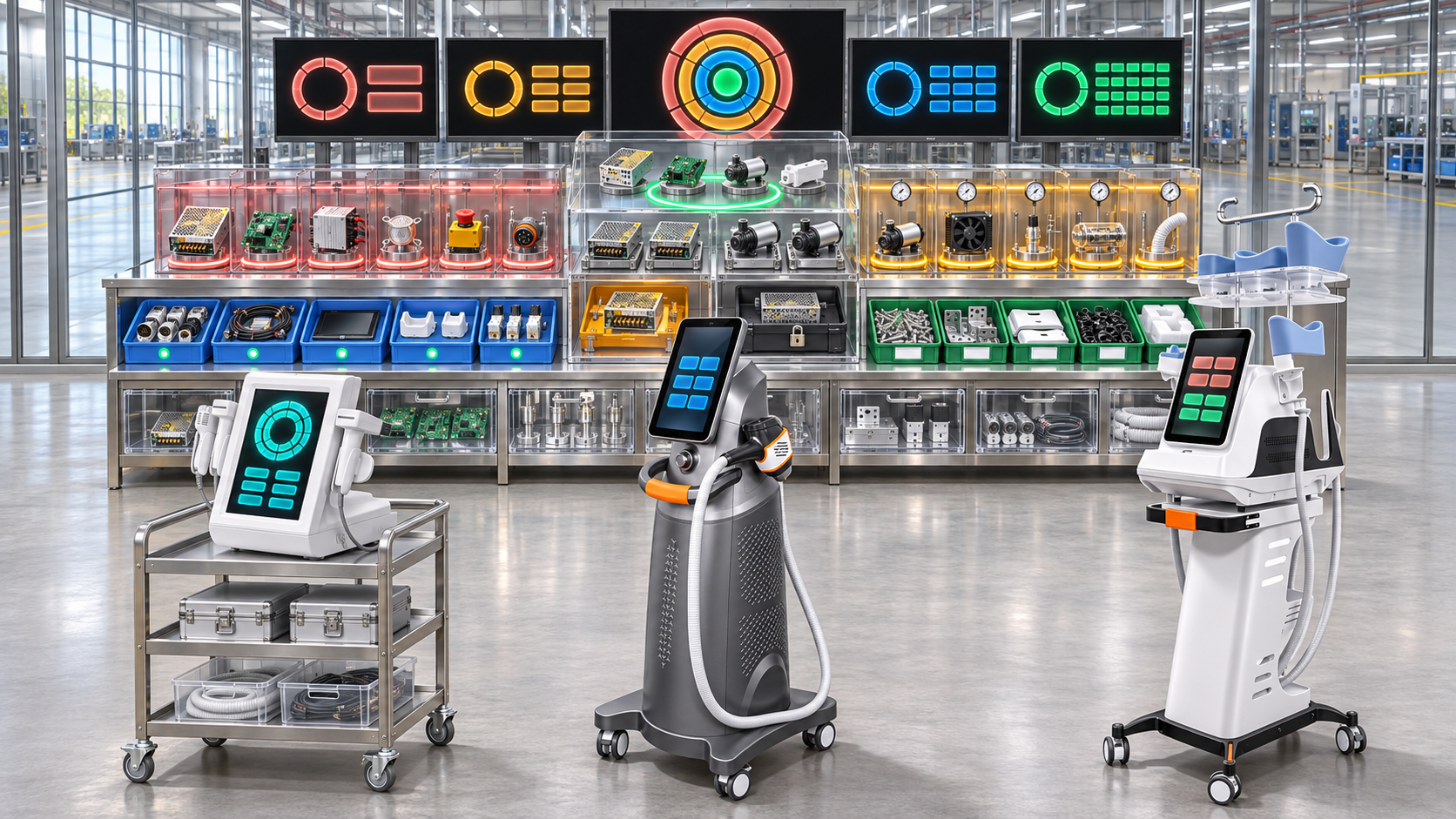
A professional beauty device may contain hundreds of purchased parts, but they do not all deserve the same level of supplier control, incoming inspection, traceability, change approval, or continuity planning. A decorative panel, a cooling pump, a power module, a laser handpiece, a fluid tube, and a software-loaded control board can fail in very different ways and create very different consequences.
Factories therefore need a controlled method for classifying critical components. The method should identify parts that can affect safety, essential function, treatment output, product identity, regulatory or contractual requirements, service continuity, and supply availability. It should also explain why a part received its classification and what additional controls follow from that decision.
This guide explains how beauty device factories can build a practical component-criticality system across engineering, sourcing, supplier quality, production, quality control, service, and OEM/ODM programs. It focuses on decision logic rather than treating every expensive or hard-to-buy part as automatically critical.
요약 보고서
A reliable critical-component classification system should:
- Define criticality before scoring parts. A critical component is one whose failure, variation, absence, or uncontrolled change can create an unacceptable product or business consequence.
- Separate component criticality from supply risk. Criticality describes consequence; supply risk describes the probability and difficulty of disruption.
- Use multiple criticality dimensions. Review safety, performance, compliance, process sensitivity, detectability, service, and product-family impact.
- Classify functions and interfaces, not only part names. A common connector or tube can become critical because of what it carries, controls, or connects.
- Create a controlled critical-component register. Record part number, function, classification, rationale, supplier, controls, traceability, change rules, and review status.
- Scale supplier controls to risk. Qualification, audits, specifications, monitoring, agreements, and second-source plans should reflect component importance and supply exposure.
- Do not rely on incoming inspection alone. Some defects are destructive to test, intermittent, latent, or visible only under system operating conditions.
- Control substitutions and supplier changes. A matching catalog specification does not prove equivalence in a beauty device.
- Connect classification to the complete lifecycle. Design, purchasing, receiving, production, release, service, and end-of-life teams need the same status.
- Reclassify when evidence changes. Complaints, failures, supplier changes, product upgrades, and new markets can change component criticality or supply risk.
The objective is not to label as many parts critical as possible. It is to concentrate effective controls where failure or disruption matters most.
1. What Is a Critical Beauty Device Component?
A critical component is a purchased or internally produced item whose failure, variation, incorrect identity, shortage, or uncontrolled change can materially affect one or more of the following:
- user, operator, or product safety;
- treatment-energy generation or delivery;
- essential device function;
- accuracy, repeatability, or calibration;
- electrical, thermal, mechanical, optical, fluid, vacuum, or software performance;
- required product identity, labeling, or market configuration;
- compliance with applicable requirements or contracts;
- ability to detect a fault before release;
- reliability or expected service life;
- serviceability and installed-base support; or
- continuity of production across one or more models.
Criticality belongs to the component’s application, not merely to the component type. The same pump may be noncritical in one auxiliary circuit and performance-critical in a cooling loop. The same cable may carry low-risk data in one product and control a high-energy handle in another.
2. Criticality Is Different from Cost and Complexity
Expensive components often receive attention, but price is not a complete measure of criticality. A low-cost seal, fuse, connector, temperature sensor, tube, or fastener can create major consequences if it fails in the wrong location.
Likewise, a technically complex display may be commercially important without being safety-critical, while a simple flow sensor may protect a cooling-dependent function. Classification should begin with function and failure consequence, then consider cost and supply exposure separately.
3. Separate Component Criticality from Supply Risk
These two concepts should be recorded independently.
| 차원 | 주요 질문 | Typical factors |
|---|---|---|
| Component criticality | What happens if the part is wrong, fails, varies, or changes? | safety, performance, compliance, detectability, reliability, service impact |
| Supply risk | How likely is disruption, and how difficult is recovery? | single source, lead time, capacity, location, financial health, tooling, MOQ, obsolescence |
A critical component can have low supply risk when two qualified suppliers, stable processes, and adequate inventory exist. A noncritical cosmetic part can have high supply risk because of custom tooling or long lead time. Both need action, but the actions differ.
A combined prioritization matrix can help teams decide where engineering, quality, and procurement effort is most urgent.
4. Define the Classification Unit
Factories can classify:
- individual part numbers;
- component families;
- purchased assemblies;
- modules such as a handpiece or power unit;
- supplier manufacturing processes;
- software-loaded boards;
- consumables and accessories; and
- interfaces between parts.
The selected unit should match the available control. Classifying an entire “electronics” category as critical is too broad to guide inspection or supplier approval. Classifying every resistor independently may be impractical if the factory purchases and controls a complete board assembly. The correct level often follows the purchase specification and the point where design responsibility is assigned.
5. Start from Product Functions and Failure Effects
Critical-component analysis should begin with the product architecture and risk records, not with the purchasing price list. For each device function, ask:
- Which parts create, control, transmit, measure, cool, contain, or stop the function?
- What happens if each part is absent, incorrect, degraded, intermittent, or out of specification?
- Can the factory detect the problem before shipment?
- Can the device detect or limit the problem during use?
- Does a single failure affect one function, the complete device, or multiple models?
- Can service replace the part safely and correctly?
This function-to-part mapping reveals small components that a cost-based review would miss.
6. Use Several Criticality Dimensions
A practical assessment can use the following dimensions.
| 차원 | Classification question | Example concern |
|---|---|---|
| 안전 | Could failure contribute to injury, hazardous output, electrical, thermal, optical, mechanical, or fluid risk? | inadequate cooling or uncontrolled energy |
| 성능 | Does the part materially determine output, accuracy, repeatability, or essential function? | unstable power, pressure, vacuum, motion, or signal |
| 규정 준수 | Is the item tied to applicable requirements, approved evidence, labels, or controlled market configuration? | approved power component or regional cord |
| Process sensitivity | Is performance highly dependent on supplier process, tolerances, materials, or workmanship? | bonded optical assembly or calibrated sensor |
| Detectability | Can defects be found reliably before release without destructive or long-duration testing? | latent board or sealing defect |
| 신뢰할 수 있음 | Can degradation shorten expected life or create intermittent field failure? | pump, fan, bearing, cable, connector |
| 서비스 | Is replacement difficult, compatibility-sensitive, or essential to installed-base support? | programmed board or proprietary handle |
| Breadth | How many models, variants, and customer configurations use the part? | common power or control module |
One component can be critical in several dimensions. The register should preserve the reasons rather than reducing the decision to an unexplained score.
7. Define Classification Levels and Consequences
Factories can use three or four levels as long as each has a controlled meaning. For example:
| 수준 | 전형적인 의미 | Control direction |
|---|---|---|
| C1: High criticality | Failure or uncontrolled change can create serious safety, essential-function, compliance, or broad product impact | strongest design, supplier, traceability, change, and monitoring controls |
| C2: Significant | Failure materially affects performance, reliability, service, or customer acceptance but is normally detectable or bounded | enhanced specification, inspection, supplier, and change controls |
| C3: Standard | Failure has limited consequence and is readily detectable or replaceable | normal purchasing, inspection, and change controls |
| C0: Non-product or indirect | Does not become part of the delivered device but may still affect process quality | controlled through process, maintenance, or facility systems |
The labels are less important than the operational rules. If C1 and C2 receive identical controls, classification has little value.
8. Build a Critical-Component Register
The controlled register can contain:
- internal part number and revision;
- part description and parent assemblies;
- product models and configurations where used;
- function and interface;
- criticality level and dimensions;
- documented rationale;
- supply-risk level;
- approved manufacturers, sites, and suppliers;
- purchasing specification;
- qualification and verification evidence;
- incoming and production controls;
- lot or serial traceability requirements;
- storage, handling, shelf-life, and environmental controls;
- change-notification and approval rules;
- second-source and continuity status;
- service and replacement relationship;
- owner, approval, and review date; and
- open actions or temporary controls.
The register should link to the BOM and approved-supplier data. It should not become a disconnected spreadsheet with names that no longer match active part numbers.
9. Use Scoring Carefully
A score can improve consistency when it supports, rather than replaces, engineering judgment. Factors might include severity, probability of component variation, detectability, single-point dependence, model breadth, and supply exposure.
Avoid false precision. Multiplying uncertain one-to-ten ratings can make a weak assessment look scientific. Use defined rating descriptions, record assumptions, and require cross-functional review for borderline or high-consequence cases.
A safety- or compliance-critical trigger may override the total score. The system should not downgrade a serious consequence simply because occurrence is believed to be low.
10. Identify Safety-Critical Components
Safety-critical candidates can include parts associated with:
- mains power, isolation, grounding, fusing, and protective circuits;
- thermal sensing, cooling, flow, and over-temperature protection;
- energy generation, control, measurement, and delivery;
- optical paths, laser sources, RF output, ultrasound, EMS, microcurrent, and other active modalities;
- structural support, moving systems, locks, and load-bearing interfaces;
- pressure, vacuum, liquid containment, valves, seals, and tubing;
- emergency stops, interlocks, fault detection, and warning functions; and
- software or firmware implementing critical limits.
This is a candidate list, not an automatic classification. Qualified teams should determine actual criticality from the device design, intended use, operating conditions, risk controls, and applicable requirements.
11. Identify Performance-Critical Components
Performance-critical parts materially influence whether the device can deliver the promised function consistently. Candidates may include:
- calibrated sensors;
- output drivers and control boards;
- pumps, compressors, vacuum motors, and valves;
- treatment handles and applicators;
- optical elements and energy sources;
- motors, rollers, bearings, and motion systems;
- cooling modules and heat exchangers;
- fluid-contact components;
- software parameter packages; and
- consumables whose geometry or material affects output.
Performance criticality should be linked to measurable product requirements. “Important component” is not enough to define supplier tolerances or acceptance tests.
12. Identify Compliance- and Configuration-Critical Components
Some parts are critical because changing them can affect approved evidence, destination requirements, product identity, or customer contracts. Examples can include:
- power supplies, cords, plugs, fuses, and mains filters;
- rating labels and safety markings;
- market-specific wireless or communication modules;
- language-loaded displays or programmed boards;
- region-specific accessories;
- components named in controlled technical documentation; and
- customer-specific modules covered by an approved specification.
A configuration-critical part may function correctly but still be unacceptable for the destination or order.
13. Identify Process-Critical Purchased Parts
Some components depend strongly on the supplier’s manufacturing process. Final dimensions alone may not reveal material, bonding, soldering, sealing, coating, calibration, cleanliness, or aging differences.
These parts may require:
- process qualification evidence;
- supplier-site approval;
- controlled tooling and work instructions;
- material and sub-tier controls;
- destructive or periodic verification;
- first-article approval;
- process-change notification; and
- ongoing capability data.
Moving production to another supplier site can therefore require review even when the part number and drawing remain unchanged.
14. Include Reliability- and Service-Critical Parts
Reliability-critical components can pass incoming inspection and still fail early in use. Fans, pumps, motors, cables, connectors, displays, boards, switches, tubing, seals, and handles may require endurance or aging evidence under representative conditions.
Service-critical classification should consider:
- field replacement frequency;
- diagnostic importance;
- compatibility with installed serial numbers;
- special programming or calibration;
- replacement skill and tooling;
- spare-part lead time;
- repair-versus-module replacement strategy; and
- expected support period.
A discontinued low-cost connector can block repair of an expensive installed system. Lifecycle impact can make it strategically critical even when its direct product risk is moderate.
15. Evaluate Supply Criticality
Supply-risk analysis can consider:
- single or sole source;
- proprietary design or tooling;
- supplier location and geopolitical exposure;
- financial or capacity stability;
- long lead time and minimum order quantity;
- volatile raw materials;
- sub-tier dependency;
- transport and storage constraints;
- shelf life;
- forecast variability;
- allocation or obsolescence risk;
- time and cost to qualify an alternate; and
- inventory coverage and recovery time.
The output can place parts into quadrants such as high criticality/high supply risk, high criticality/low supply risk, low criticality/high supply risk, and routine. Each quadrant needs a different plan.
16. Select Controls from the Classification
Classification should automatically trigger defined controls.
| Control area | Higher-criticality direction | Standard-part direction |
|---|---|---|
| 사양 | Detailed functional, material, interface, process, and acceptance requirements | Basic drawing or purchase description |
| Supplier qualification | Technical review, audit or capability evidence, site approval where justified | Standard supplier approval |
| Incoming acceptance | Identity plus targeted tests, data review, sampling or 100% checks as justified | Normal identity and sampling checks |
| 추적성 | Supplier lot, manufacturer, date code, and parent-unit linkage where needed | Receipt or batch records |
| Change control | Prior notification and cross-functional approval | Standard purchase and engineering change route |
| Monitoring | Trend defects, capability, field failures, delivery, and changes | Routine supplier scorecard |
| Continuity | Second source, safety stock, lifecycle plan, or redesign strategy | Normal purchasing plan |
The exact controls should be proportional. High criticality does not automatically mean every characteristic requires 100% incoming inspection.
17. Strengthen Purchasing Specifications
A critical-component purchase specification can define:
- internal and manufacturer part identity;
- revision and approved manufacturing site;
- drawings and key characteristics;
- materials and prohibited changes;
- functional and performance limits;
- interface requirements;
- workmanship and cosmetic criteria;
- required process controls;
- test methods and records;
- packaging, handling, storage, and shelf life;
- lot, serial, and date-code traceability;
- certificate or data requirements;
- change-notification expectations; and
- nonconformance and deviation rules.
Marketing datasheets alone rarely define all characteristics needed for product integration.
18. Qualify Suppliers at the Right Depth
Supplier qualification can combine:
- business and capacity review;
- technical questionnaire;
- sample and first-article evaluation;
- process audit;
- quality-system and record review;
- capability or consistency data;
- reliability evidence;
- sub-tier and material control;
- change-management review;
- pilot production; and
- performance monitoring after approval.
The review depth should reflect the component and supplier risk. A distributor may need traceability back to the actual manufacturer, while an OEM assembly supplier may need process-level controls and approved sub-suppliers.
19. Design Risk-Based Incoming Inspection
Incoming inspection can confirm identity, quantity, packaging condition, critical dimensions, electrical or functional characteristics, documentation, and lot information. The plan should define method, equipment, sampling, acceptance criteria, reaction, and record.
However, incoming inspection has limits. It may not detect:
- latent reliability defects;
- intermittent electrical behavior;
- material substitutions invisible from appearance;
- internal workmanship in sealed assemblies;
- performance only visible under full system load;
- long-term drift; or
- supplier process changes.
Supplier process control, system testing, aging, traceability, and change agreements must complement receiving checks.
그만큼 SHEFMON quality-control overview describes raw-material testing, circuit-board aging and power testing, functional aging, inspections, and ERP-supported management. A criticality system helps determine which component characteristics and records need the strongest attention within that wider control chain.
20. Control Approved Manufacturer and Supplier Lists
The approved list should distinguish:
- 내부 부품 번호;
- manufacturer and manufacturer part number;
- manufacturing site;
- authorized supplier or distributor;
- approved revision or specification;
- applicable models and configurations;
- approval status and limitations;
- required incoming plan;
- alternate ranking; and
- approval and review dates.
Approving a supplier name without the manufacturer, site, and exact part can permit uncontrolled sources to enter the supply chain.
21. Control Component Substitutions
A proposed substitute should be compared against the controlled requirements, not only headline specifications. Review form, fit, function, materials, tolerances, power, thermal behavior, communication, software, calibration, reliability, assembly, service, and market impact as applicable.
Possible outcomes include:
- approved as fully interchangeable;
- approved for specific models or revisions;
- approved only after software or process changes;
- limited to defined orders under deviation;
- service-only approval;
- additional evidence required; or
- rejected.
Effectivity, old-stock disposition, BOM changes, inspection updates, and as-built traceability should be part of the approval.
22. Require Supplier Change Notification
Critical-component suppliers should notify the factory before defined changes, which may include:
- material or formulation;
- design or tolerance;
- component source;
- manufacturing process;
- tooling;
- equipment;
- software or firmware;
- manufacturing site;
- sub-tier supplier;
- test method;
- packaging;
- discontinuation; and
- ownership or quality-system changes where relevant.
The notification period should allow impact review, testing, inventory planning, and customer or market actions where needed. A supplier’s statement that the change is “minor” should not replace the factory’s assessment.
23. Define Traceability by Criticality
Traceability can range from purchase-order and receipt history to supplier lot, manufacturer lot, date code, serial number, and parent-unit genealogy. Choose the level needed to:
- confirm what entered production;
- contain an affected population;
- investigate failures;
- distinguish suppliers or revisions;
- manage shelf life;
- support service; and
- verify substitution effectivity.
Not every screw requires serial-level traceability. Criticality and investigation needs should determine the granularity.
24. Link Critical Parts to Production and Final Test
The factory should define which risks are controlled by supplier evidence, incoming inspection, assembly controls, in-process checks, final system testing, aging, and software verification.
For example, a cooling pump may need supplier qualification and incoming identity checks, but its meaningful acceptance may also require flow and thermal performance in the assembled device. A programmed board may require part and software identity plus a complete function test.
The final release record should confirm that critical parts and approved alternates match the intended configuration.
25. Monitor Supplier and Component Performance
Ongoing monitoring can include:
- incoming defect rate and defect type;
- line stops and assembly issues;
- first-pass yield;
- performance drift;
- aging failures;
- nonconformance and corrective-action response;
- on-time delivery and quantity accuracy;
- unauthorized change incidents;
- field failures and service replacements;
- lot-specific trends; and
- capacity, financial, or obsolescence signals.
Trend by component, manufacturer, supplier, site, lot, model, and failure mode. A total supplier score can hide deterioration in one critical item.
26. Build Continuity Plans for High-Priority Components
For high-criticality and high-supply-risk components, options include:
- qualify a second source;
- own or duplicate tooling;
- maintain strategic stock;
- reserve supplier capacity;
- obtain lifecycle and discontinuation notices;
- redesign for a more available interface;
- standardize a proven part across selected models;
- maintain repair or refurbishment capability;
- secure software, calibration, drawings, or test access; and
- define recovery priorities across product families.
Second sourcing is not complete until the alternate is technically approved, represented in the BOM, tested in relevant configurations, and operationally ready to purchase and use.
27. Reclassify Components When Conditions Change
Review classification after:
- design or software changes;
- new models or broader where-used scope;
- supplier-site or process changes;
- substitutions;
- repeated incoming or field failures;
- reliability findings;
- market expansion;
- complaint or service trends;
- new regulatory or contractual requirements;
- obsolescence notice; and
- major supply disruption.
A standard component can become critical when it is reused across many models or becomes the only supported service part.
28. Example: A0426 Diode Laser Component Classes
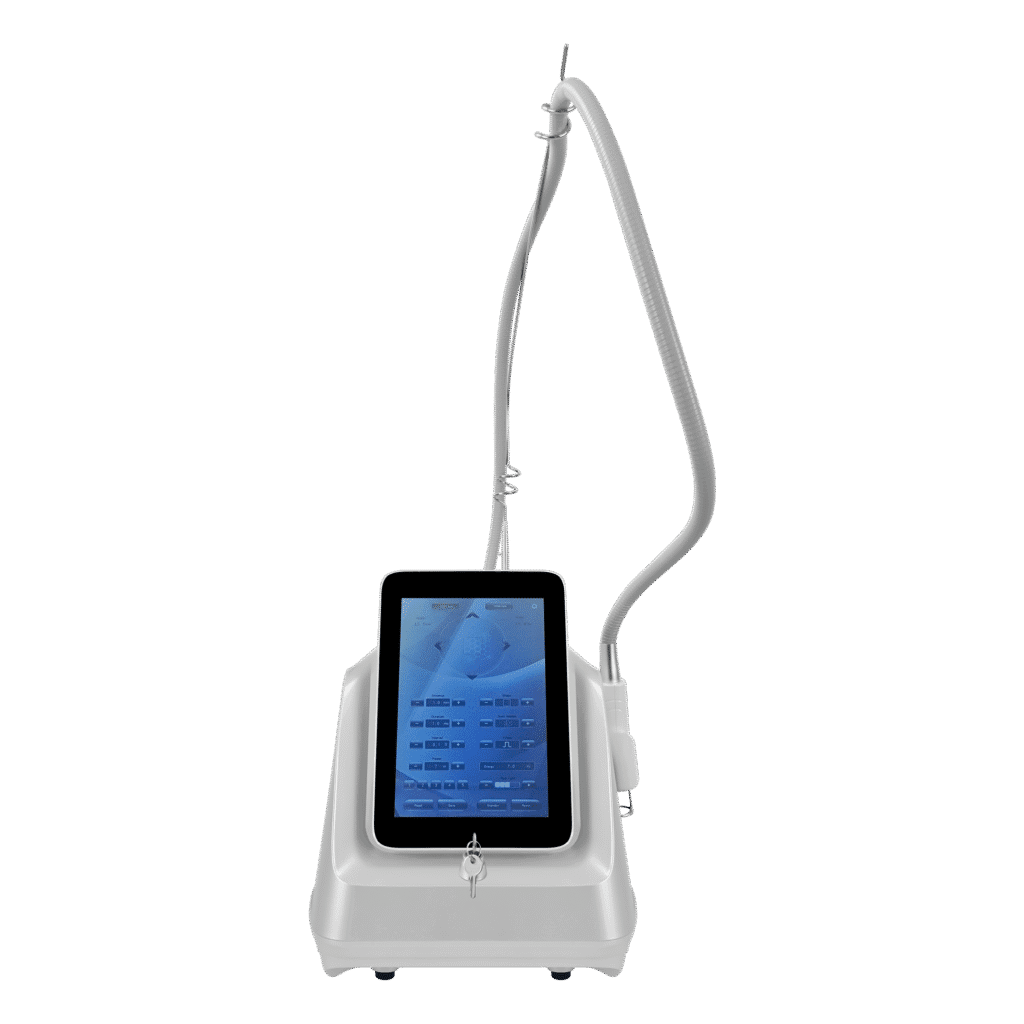
그만큼 SHEFMON A0426 diode laser hair-removal machine publishes choices involving wavelength, handle power, spot size, cooling, voltage, and language. A proposed classification review could examine:
- laser source and treatment handpiece;
- power supply and energy-control electronics;
- cooling, water-flow, temperature-sensing, and protection components;
- sapphire or treatment-contact assembly;
- control board and software package;
- mains and grounding components;
- connectors and high-use cables; and
- model- and region-specific labels, cords, and manuals.
The team would classify each item from actual failure effects, detectability, supplier process, and configuration impact. This is an illustrative method, not a claim about SHEFMON’s confidential component list or classification.
29. Example: A0648 Fluid and Vacuum Components
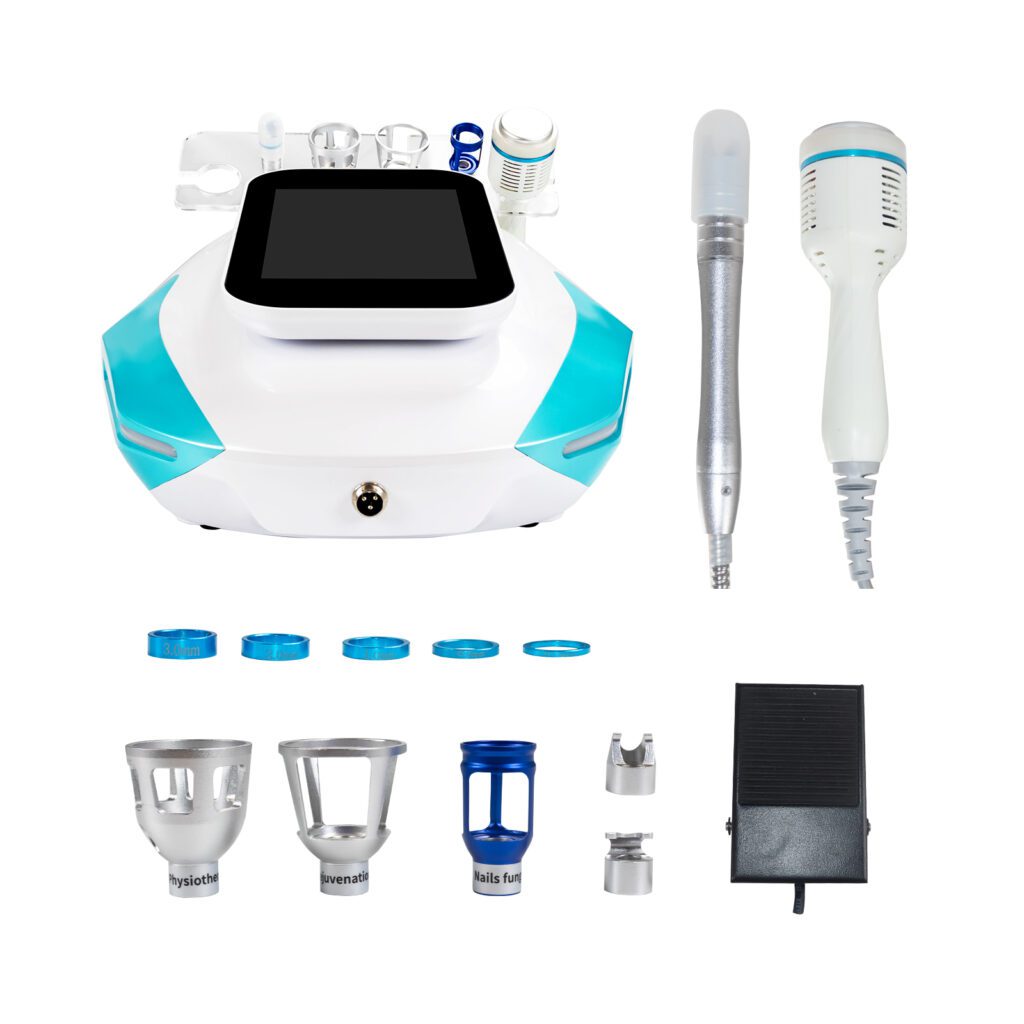
그만큼 셰프몬 A0648 9-in-1 하이드로 마이크로더마브레이션 기계 combines facial functions with vacuum and fluid-related operation. Candidate review areas could include:
- pump and vacuum source;
- pressure or vacuum regulation;
- bottles, caps, seals, tubing, valves, and filters;
- fluid-contact materials;
- treatment handles, tips, cables, and connectors;
- power and control boards;
- leak-sensitive internal routing; and
- cleaning and replaceable consumable interfaces.
A low-cost seal or tube may receive a higher classification than its purchase price suggests if leakage, contamination, loss of vacuum, or difficult detection is possible. The example illustrates the classification logic only.
30. Example: B0155 Multi-Handle Body Platform
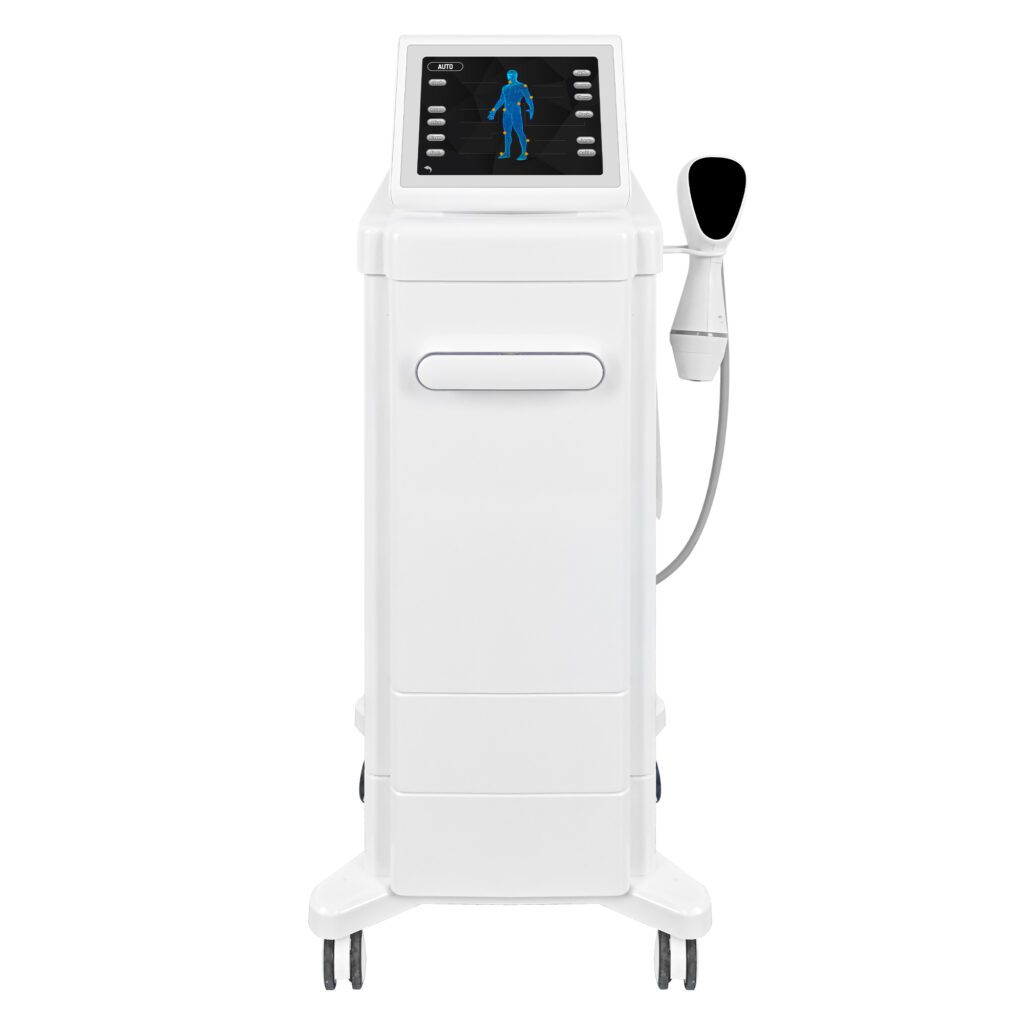
그만큼 SHEFMON B0155 desktop body platform is presented with multiple handles and technologies involving vacuum, rollers, RF-related functions, light, and cavitation. A proposed review could cover:
- vacuum motor, valve, tubing, and sensing;
- roller motors, bearings, gears, and mechanical restraints;
- RF or cavitation output and control assemblies;
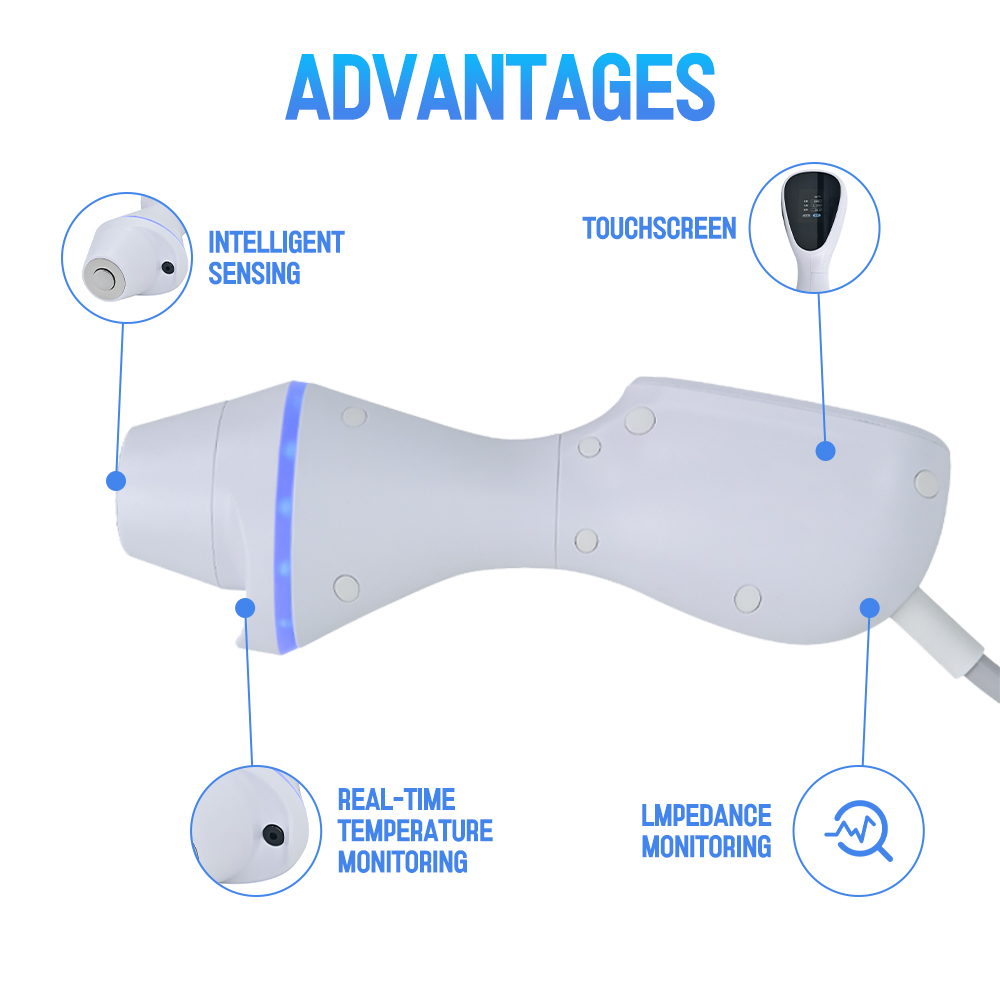
- handle connectors, cables, identification, and software compatibility;
- temperature and protection functions;
- high-cycle treatment handles; and
- accessories and package configuration.
Because several functions share one platform, a common control board, cooling component, connector, or power module may have broad impact. Exact internal criticality requires engineering evidence and is not inferred from the public product page.
31. Classify OEM/ODM Custom Components before Approval
Customization can introduce new suppliers, materials, enclosures, wiring, handpieces, fluid paths, boards, software, labels, and packaging. The 셰프몬 OEM/ODM 페이지 describes customization areas such as exterior design, internal layout, airflow, wiring, handpiece connections, and fluid or air pathways.
For each custom component, determine:
- whether the base-model classification still applies;
- whether new failure modes or interfaces appear;
- whether supplier qualification is complete;
- whether new inspection or traceability is required;
- whether the custom customer must approve changes;
- whether service parts will remain available; and
- whether the component is restricted to one project or reusable elsewhere.
Do not downgrade control because the order quantity is small. Limited volume can make supplier continuity and replacement support harder.
32. What B2B Buyers Can Ask Suppliers
Buyers usually do not need a factory’s entire confidential critical-component register. They can ask process-focused questions:
- How does the factory define and classify critical components?
- Are safety, performance, supply, and service risks evaluated separately?
- How are suppliers and manufacturing sites approved?
- What prevents unauthorized substitutions?
- How are component and supplier changes communicated?
- Which parts receive lot or serial traceability?
- How are critical parts linked to finished-unit records?
- What continuity plans exist for long-lead or proprietary items?
- How are field failures fed back into supplier controls?
- How are OEM custom parts supported after the first order?
Answers should show a controlled process rather than promise that every component is “the best quality.”
33. Common Classification Mistakes
Classifying only expensive parts
Low-cost sensors, seals, fuses, tubes, and connectors can have high consequence.
Calling every part critical
This dilutes resources and often results in nominal controls that no one can sustain.
Using one unexplained risk score
A total score can hide whether the issue is safety, detectability, reliability, or supply continuity.
Ignoring interfaces
Two acceptable components can create an unacceptable system when their mechanical, electrical, fluid, thermal, or software interfaces do not match.
Equating inspection with control
Incoming inspection cannot reveal every latent, process-dependent, or system-level defect.
Forgetting shared-component breadth
A part used across many models can create a much larger affected population.
Allowing purchasing to redefine equivalence
Availability and price do not establish technical interchangeability.
Never revisiting classification
Field evidence, supplier changes, product upgrades, and obsolescence can change the original decision.
34. Critical-Component Classification Checklist
- The factory has a written definition of component criticality.
- Component criticality and supply risk are assessed separately.
- Classification starts from product functions and failure effects.
- Safety, performance, compliance, process, detectability, reliability, service, and breadth are reviewed.
- Classification levels have defined control consequences.
- A controlled critical-component register is linked to active BOMs.
- Part number, revision, manufacturer, site, and supplier identities are clear.
- Critical characteristics and acceptance criteria are documented.
- Supplier qualification depth matches component and supply risk.
- Incoming inspection acknowledges what cannot be detected at receiving.
- System-level, aging, or reliability controls cover latent risks.
- Approved sources and alternates have explicit applicability.
- Temporary substitutions use a bounded deviation process.
- Supplier change-notification requirements are defined.
- Traceability granularity supports containment and investigation.
- Critical parts link to as-built and release records where required.
- High-priority components have continuity and lifecycle plans.
- Performance trends are reviewed by part, supplier, site, lot, and failure mode.
- OEM/ODM parts are classified before production approval.
- Reclassification triggers and periodic reviews are active.
자주 묻는 질문
1. Is every electrical component in a beauty device critical?
No. Criticality depends on function, failure consequence, detectability, application, and system controls. Some electrical parts may be standard, while others involved in power, protection, output, sensing, or control can require stronger classification.
2. Is a single-source component automatically critical?
Single sourcing increases supply risk, but it does not alone define product criticality. Record both dimensions, then prioritize continuity action based on their combination.
3. Should all critical parts receive 100% incoming inspection?
Not automatically. Inspection should target detectable characteristics with justified methods. Supplier process control, qualification, system tests, aging, reliability evidence, and traceability may be more effective for some risks.
4. Can a supplier certificate replace incoming inspection?
Sometimes supplier data can support reduced inspection after qualification and demonstrated performance, but it should not be accepted blindly. The control plan should define what evidence is reviewed and what the factory still verifies.
5. Who should approve critical-component classification?
Engineering, quality, supplier quality, purchasing, manufacturing, service, software, and other competent owners should contribute according to the component. One named owner should maintain the final controlled decision.
6. How often should classifications be reviewed?
Use periodic reviews plus event-driven reviews after failures, changes, new models, new markets, supplier moves, substitutions, obsolescence, or supply disruption. High-priority parts may need more frequent review.
7. Are consumables ever critical components?
Yes. A tip, cartridge, electrode, filter, fluid-contact item, or other consumable can affect output, fit, hygiene, flow, calibration, or compatibility and may need critical controls.
8. What is the difference between a critical characteristic and a critical component?
A critical component is an item or assembly requiring elevated control. A critical characteristic is a specific material, dimension, performance, process, or interface attribute that drives the concern. One component may have several critical characteristics.
9. Can a critical component have more than one approved supplier?
Yes. Multiple qualified sources can reduce supply risk. Each manufacturer, site, part, and applicable process should be approved with evidence; multiple suppliers should not imply uncontrolled interchangeability.
10. What evidence should a buyer request for critical components?
The appropriate evidence depends on the device, market, contract, and buyer role. Buyers can request a description of the classification and supplier-control process, configuration confirmation, relevant release evidence, change-notification terms, and traceability information without demanding confidential BOM details.
결론
Critical-component classification helps beauty device factories focus control where it has the greatest value. The strongest systems begin with function and failure consequence, separate technical criticality from supply exposure, and turn each classification into specific supplier, inspection, traceability, change, monitoring, and continuity requirements.
The classification should remain connected to the BOM, approved sources, incoming records, as-built product, final release, service history, and field evidence. It should also remain dynamic: a component can become more important as it enters additional models, loses alternate sources, or develops a new failure pattern.
SHEFMON supports professional beauty device buyers across facial, hair-removal, body, and multifunction equipment categories. Buyers can explore SHEFMON professional beauty machines, 검토해 보세요 quality-control overview, learn about OEM/ODM 맞춤형, 또는 셰프몬에게 연락하세요 to discuss product configurations and supply requirements.