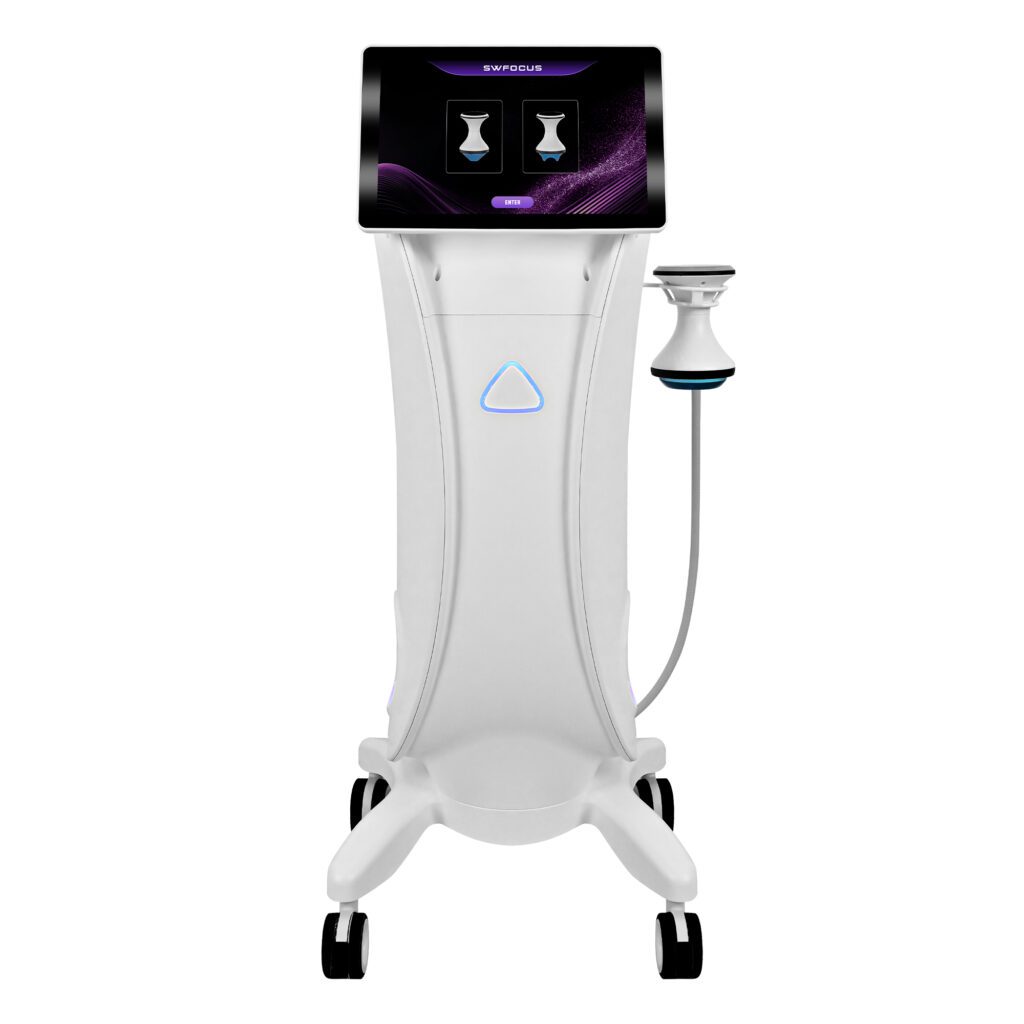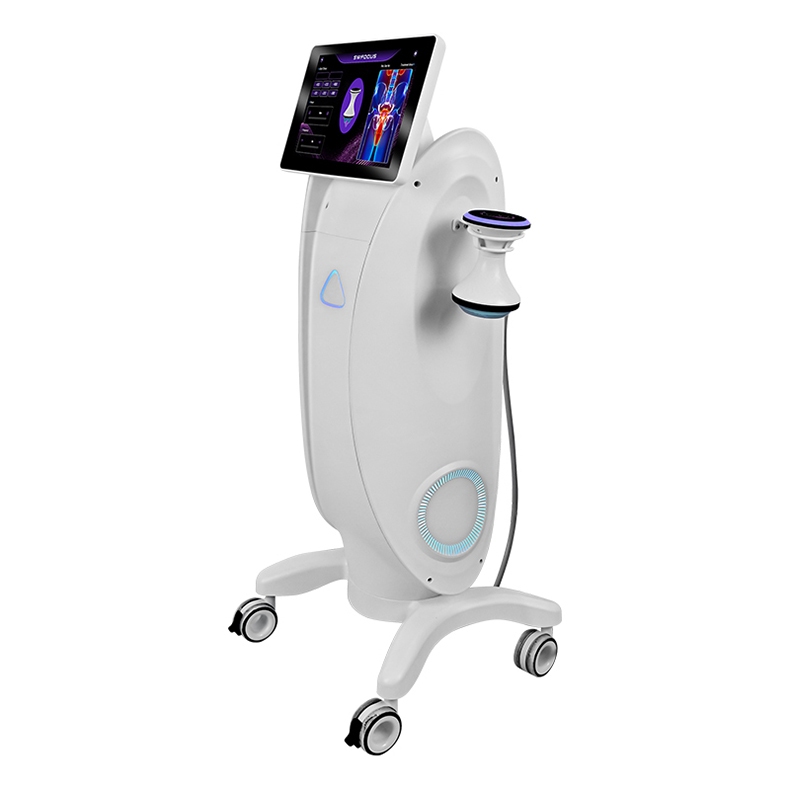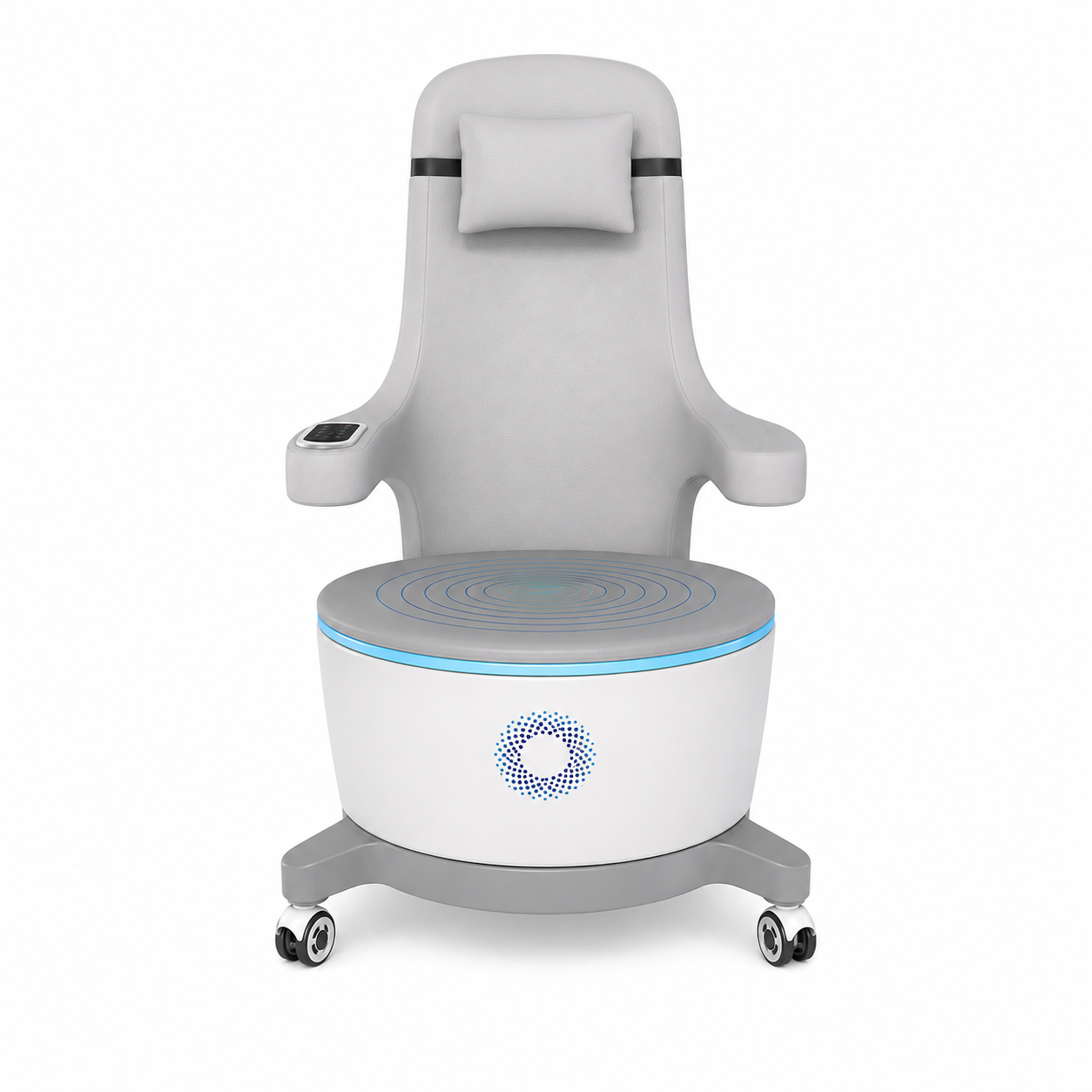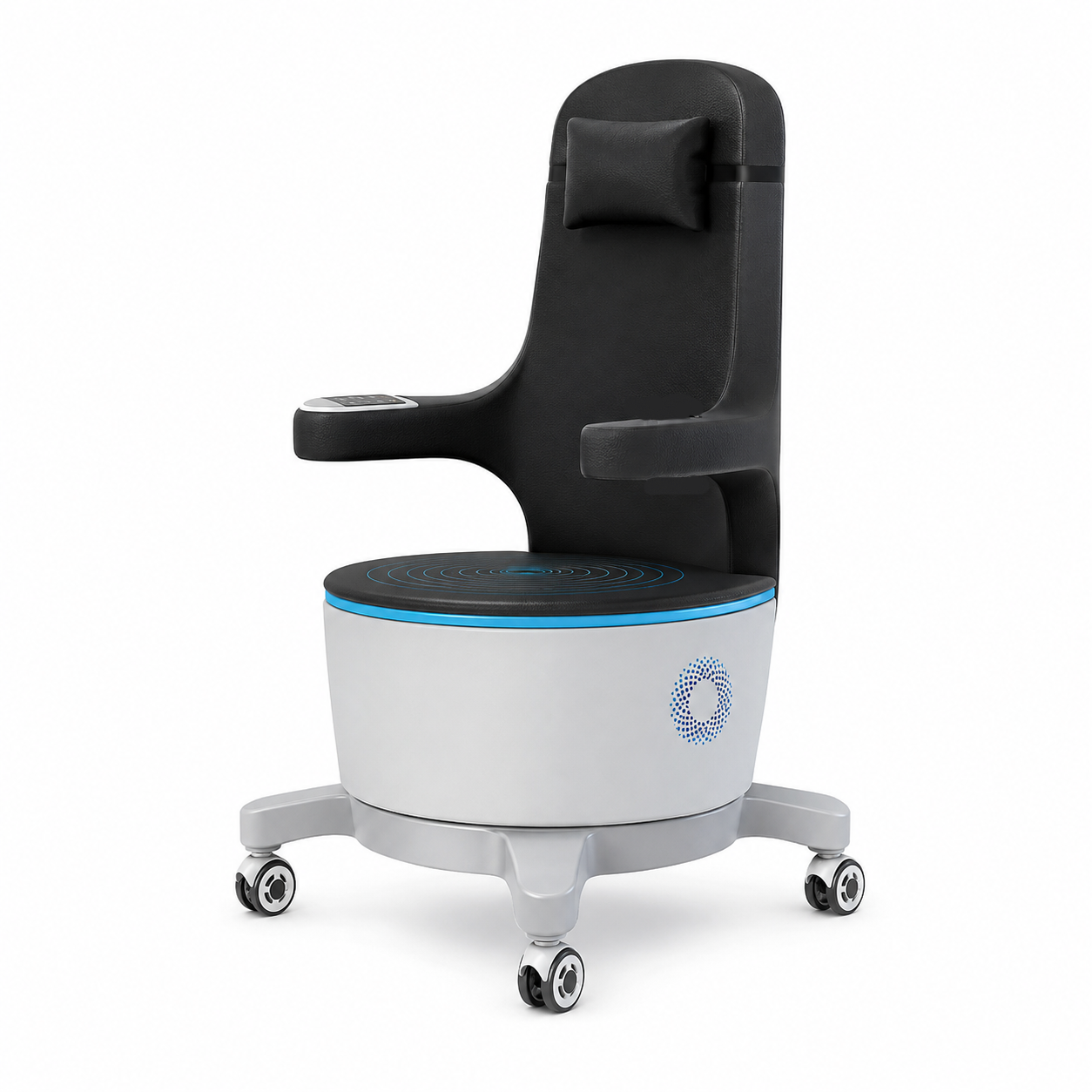









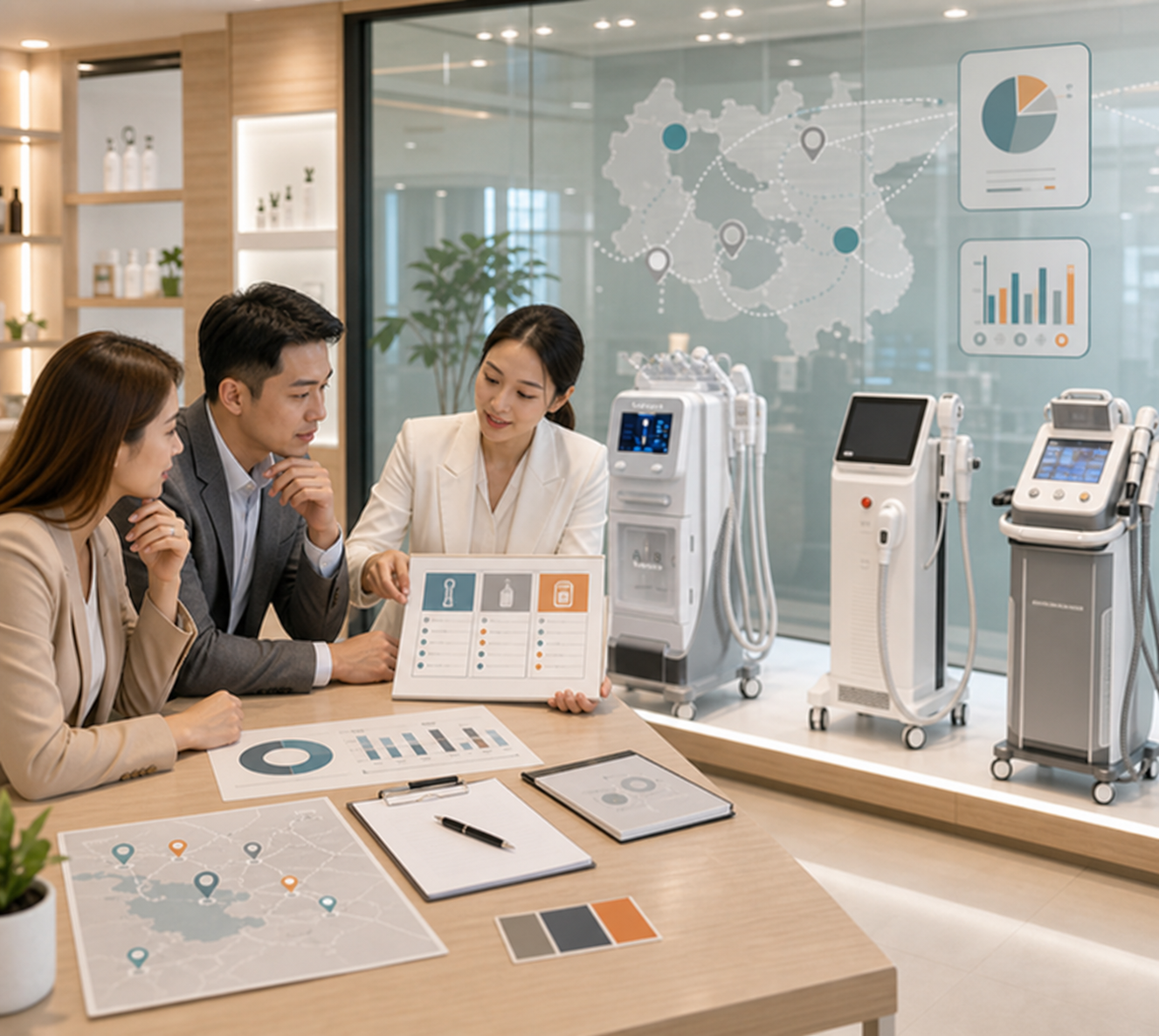
Distributors should compare beauty equipment manufacturers through a complete competitiveness framework, not only by factory price. A cheaper machine may look attractive at the beginning, but if the quality is unstable, certificates are weak, spare parts are hard to get, training is poor, or after-sales service is slow, the distributor may lose profit and customer trust. In beauty equipment distribution, the best manufacturer is not always the lowest-cost supplier. It is the manufacturer that helps the distributor sell, deliver, support, and grow profitably over time.
Beauty equipment manufacturers can look very similar from the outside. Many factories show similar machines, similar shells, similar screens, similar handles, and similar claims. But the real differences appear in product stability, technical design, testing process, documentation, compliance support, production consistency, delivery reliability, warranty policy, and willingness to support distributors after the sale.
For distributors, the goal is to identify which manufacturer can become a long-term partner, not just a one-time supplier.
Why Manufacturer Comparison Matters
A distributor’s brand reputation is tied to the manufacturer’s product quality. When a machine fails in a salon, the salon usually blames the distributor first, not the factory. When a product lacks documentation or spare parts, the distributor must handle the complaint. When training is weak, the salon may fail to sell the project and may not reorder.
This is why manufacturer comparison matters. A distributor is not only buying a machine. They are buying:
- Product stability
- 기술 지원
- Compliance documents
- Warranty reliability
- 예비 부품 가용성
- 교육 자료
- Delivery consistency
- 업그레이드 가능성
- Brand credibility
- Long-term cooperation risk
The wrong manufacturer can create hidden costs. The right manufacturer can help the distributor build a defensible local business.
1. Compare Product Quality And Stability
Product quality is the first layer of competitiveness. A beauty device that looks good but fails during salon operation can destroy trust quickly. Distributors should evaluate not only the sample machine but also batch consistency.
주요 질문은 다음과 같습니다.
- Are internal components stable and reliable?
- Is the energy output consistent?
- Are handles durable?
- Is the cooling system effective?
- Are pumps, screens, wires, boards, and power systems reliable?
- Does the machine run continuously without overheating?
- 액세서리는 쉽게 교체할 수 있나요?
- Does the machine pass aging tests before shipment?
- Does the manufacturer track failure rates?
- Are quality problems handled transparently?
For high-use products such as diode laser hair removal machines, hydro facial machines, RF devices, body contouring platforms, and HIFU systems, durability matters more than appearance. Salons use these machines repeatedly. A product with a slightly higher factory price may be more profitable if it creates fewer warranty claims.
Distributors should ask for failure-rate data, test reports, and repair history. They should also test the machine under real salon-use conditions rather than only watching a short demonstration.
2. Compare Technology Depth, Not Only Function Count
Many manufacturers compete by listing more functions. But more functions do not always mean stronger competitiveness. A multifunctional machine with weak RF, weak ultrasound, unstable suction, and poor LED coverage may be less valuable than a simpler machine with strong core performance.
Distributors should compare technology depth:
- Does the device have real technical differentiation?
- Are the core functions strong enough for salon use?
- Are energy levels stable and adjustable?
- Is temperature or intensity controlled safely?
- 치료는 편안한가요?
- Are software modes useful or only decorative?
- Does the device solve a real customer problem?
- Can the technology support a clear project package?
For example, two RF machines may both claim multipolar RF, but one may have better temperature control, more comfortable handles, and more stable output. Two hydro facial machines may look similar, but one may have stronger suction, better bottle design, easier cleaning, and fewer leakage problems.
Technology competitiveness should be judged by treatment value, not by the length of the function list.
3. Compare Safety Design
Safety design is critical, especially for energy-based devices such as RF, laser, HIFU, IPL, EMS, cryolipolysis, and body contouring systems. A manufacturer that pays attention to safety reduces risk for salons, customers, and distributors.
Safety factors include:
- 비상 정지 기능
- 온도 조절
- 냉각 보호
- 에너지 출력 안정성
- Overload protection
- Proper insulation
- Eye protection guidance for light or laser devices
- Clear contraindication instructions
- Treatment time limits
- 경고 라벨
- User manual quality
- 운영자 교육 자료
The IEC 60601 series is widely recognized for medical electrical equipment safety and essential performance, and ISO notes that certain standards cover basic safety and essential performance for medical electrical equipment. Not every beauty device is regulated as a medical device in every market, but distributors should still use safety thinking when evaluating manufacturers.
The more powerful the device, the more important safety design becomes.
4. Compare Certificates And Compliance Documents
Certificates and compliance documents do not automatically prove that a machine will sell well, but they are important for import, customs clearance, market access, and buyer trust. Distributors should verify documents carefully instead of accepting screenshots or vague claims.
Common documents may include:
- CE documentation
- FDA registration or relevant U.S. documentation where applicable
- ISO 13485 certificate for medical device quality management systems
- ISO 9001 quality management certificate
- Electrical safety test reports
- EMC reports
- RoHS documentation
- 사용자 매뉴얼
- 적합성 선언
- 제품 라벨
- Clinical or technical reports where applicable
- 수입 문서
ISO describes ISO 13485 as an internationally recognized quality management standard for medical devices. FDA also states that imported medical devices must meet applicable FDA and U.S. Customs and Border Protection requirements. For distributors, this means regulatory documents must match the target market and product category.
Important warning: distributors should not assume that one certificate allows legal sale in every country. Local rules vary. Documentation must be checked by market.
5. Compare Manufacturer Quality Management
A competitive manufacturer should have a real quality management system, not only product photos and sales promises. FDA’s Quality Management System Regulation emphasizes that device manufacturers must establish and follow quality systems so products consistently meet applicable requirements and specifications. Even when a beauty product is not treated the same way as a regulated medical device in every country, the principle is useful: quality must be systematic.
유통업체는 다음과 같은 질문을 해야 합니다.
- Does the manufacturer have incoming material inspection?
- Does it record production batches?
- Does it perform aging tests?
- Does it keep final inspection records?
- Does it track complaint data?
- Does it analyze failure causes?
- Does it have corrective action procedures?
- Does it control suppliers?
- Does it keep software version records?
- Does it manage calibration for testing equipment?
Quality management is what separates a real manufacturer from an assembly workshop. A factory that cannot explain its quality process may create long-term risk.
6. Compare Product Line Logic
A strong manufacturer usually has a product line with clear logic. A weak manufacturer may chase every trend without deep expertise.
유통업체는 다음 사항을 평가해야 합니다.
- Does the manufacturer specialize in certain categories?
- Are the products connected logically?
- Does the factory understand salon projects?
- Are there entry, mid-range, and premium models?
- Are upgrades available?
- Can the product line support distributor growth?
- Are spare parts shared across models?
- Are new models launched with real improvement?
For example, a manufacturer focused on RF and body contouring may provide better technical depth in that category than a factory that sells RF, HIFU, lasers, hair removal, dental devices, massage chairs, and unrelated products without specialization.
Product line logic helps distributors build a portfolio. It also shows whether the manufacturer has long-term strategy.
7. Compare Price, But Include Hidden Costs
Factory price matters, but distributors should compare total cost, not only unit cost.
Hidden costs include:
- High warranty claims
- 예비 부품 비용
- Shipping damaged products
- Slow repair support
- 포장이 부실함
- Missing documents
- Training costs
- 고객 환불
- Low salon satisfaction
- Short handle lifespan
- Consumable supply problems
- 세관 지연
- Product returns
Sometimes the cheaper manufacturer is more expensive in the long run. A machine that saves USD 200 at purchase but creates repeated repairs can damage profit. A slightly higher-priced factory with stable quality, fast parts, and good support may be more competitive.
Distributors should calculate landed cost and support cost:
Real distributor cost = factory price + shipping + tax + documentation cost + warranty cost + spare parts + training + after-sales labor + complaint risk
This number is more useful than factory quotation alone.
8. Compare Distributor Margin Protection
A manufacturer may have good products but poor channel discipline. If the factory sells the same machine to every buyer at random prices, regional agents and distributors cannot protect margins.
유통업체는 다음과 같은 질문을 해야 합니다.
- Does the manufacturer support regional pricing?
- Does it protect agents from internal price competition?
- Does it sell directly to the distributor’s customers?
- Does it list the same product online at low prices?
- Does it offer exclusive models or private labeling?
- Does it control MOQ and channel conflict?
- Does it provide territory support?
Channel discipline is part of competitiveness. A manufacturer that ignores distributor margins may be dangerous even if the product is good.
For regional agents, margin protection is especially important. Without it, local training and service investment becomes hard to recover.
9. Compare OEM And Branding Capability
Many distributors want private label, customized appearance, language settings, logos, packaging, and local marketing materials. Manufacturer OEM capability can affect distributor competitiveness.
비교하다:
- 로고 사용자 정의
- Shell color customization
- Software language options
- 사용자 인터페이스 맞춤 설정
- 패키지 디자인
- 수동 사용자 지정
- Product video support
- Model exclusivity
- Private label documentation
- 최소 주문 수량 요건
- Lead time for customization
OEM capability is useful when the distributor wants to build a local brand instead of only reselling factory models. However, customization should not damage quality or compliance. A customized machine still needs stable production and proper documentation.
10. Compare After-Sales Service
After-sales service is one of the most important manufacturer competitiveness factors. A product is only as strong as the support behind it.
평가하다:
- 응답 시간
- Technical support language
- Availability of engineers
- Remote troubleshooting ability
- 예비 부품 재고
- Repair video support
- 보증 정책
- 교체 규칙
- Handle and accessory warranty
- 소프트웨어 업데이트 지원
- Training for distributor technicians
- Clear fault diagnosis process
A manufacturer that responds quickly during sales but disappears after delivery is dangerous. Distributors should test after-sales response before large orders. Ask technical questions and see how fast and how clearly the manufacturer answers.
Fast after-sales support can become a major local selling point for distributors.
11. Compare Spare Parts And Consumable Supply
Spare parts and consumables determine whether salons keep using the machine. Distributors should confirm availability before buying inventory.
Important items include:
- Treatment handles
- HIFU 카트리지
- RF tips
- Hydro facial bottles
- 필터
- Tubes and pumps
- 냉각 시스템
- 스크린
- Power boards
- Handpiece cables
- Laser bars or modules
- EMS 패드
- Gels and disposable parts
- User-replaceable accessories
제조업체에 문의하세요:
- 어떤 부품이 가장 자주 고장나나요?
- What parts should distributors stock locally?
- 교체 부품의 배송 소요 기간은 얼마나 되나요?
- 부품은 모델 간 호환이 되나요?
- What is the warranty for each accessory?
- Can the factory provide repair diagrams?
A manufacturer with strong spare parts support helps distributors reduce downtime and customer complaints.
12. Compare Training Support
Beauty equipment is not sold successfully by hardware alone. Salons need training to operate devices and sell projects. Manufacturers that provide better training help distributors close deals.
Training support should include:
- 작동 영상
- 치료 프로토콜
- 금기사항 안내
- 직원 스크립트
- Project package examples
- 유지보수 지침
- 문제 해결 가이드
- 전후 사진 가이드
- Online training sessions
- Trainer certification where applicable
- Local-language materials
Training is especially important for RF, HIFU, laser, diode laser hair removal, body contouring, EMS, postpartum recovery, intimate care, and skin analysis devices.
The best manufacturers help distributors sell business outcomes, not only machine features.
13. Compare Marketing Materials
A competitive manufacturer should help distributors and salons market the device. Many salon owners buy equipment but do not know how to promote the project. Marketing support can increase conversion.
Useful materials include:
- 제품 사진
- 치료 영상
- 소셜 미디어 게시물
- Salon posters
- Project names
- Service menu templates
- Brochure design
- 전후 안내
- FAQ sheets
- Customer education content
- 계절별 캠페인 아이디어
- ROI presentation slides
Distributors should be cautious with manufacturers that provide exaggerated claims or unrealistic before-and-after images. Marketing materials must be credible and suitable for local regulations.
Good marketing support should make the treatment easier to sell without creating compliance risk.
14. Compare Delivery And Production Capacity
Delivery reliability affects distributor reputation. If a manufacturer often delays shipment, misses peak season, or changes delivery dates, the distributor may lose customers.
비교하다:
- 생산 리드 타임
- Sample lead time
- Bulk order lead time
- Peak season capacity
- 포장 품질
- Shipping documentation
- Inspection before shipment
- Ability to handle urgent orders
- 수출 경험
- Customs document accuracy
- Damage rate in transit
For seasonal products such as hair removal and body contouring equipment, delivery timing is critical. A machine arriving after the selling season may create inventory pressure.
The best manufacturer is not only technically strong; it is operationally reliable.
15. Compare Communication Quality
Communication quality is often underestimated. A manufacturer may have good machines, but if communication is slow, unclear, or evasive, cooperation becomes difficult.
평가하다:
- Does the sales team answer technical questions clearly?
- Do they admit limitations?
- Do they provide documents quickly?
- Do they avoid exaggerated promises?
- Do they understand export requirements?
- Do they communicate production status?
- Do they respond during after-sales issues?
- Are they transparent about defects or delays?
A manufacturer that communicates honestly is more valuable than one that only says yes to everything. In long-term distribution, transparency matters.
16. Compare Real Customer Feedback
Distributors should not rely only on the manufacturer’s claims. Real user feedback is essential.
Collect feedback from:
- Existing distributors
- Salon owners using the machines
- 온라인 리뷰
- 박람회 대화
- Technician repair groups
- Warranty records
- 소셜 미디어 댓글
- Local competitors’ customers
묻다:
- Are salons satisfied?
- Which parts fail?
- Are results consistent?
- Is the machine easy to operate?
- Is the manufacturer responsive?
- Would the buyer reorder?
- What complaints appear repeatedly?
A product with good marketing but poor user feedback is risky. A product with fewer claims but strong user satisfaction may be more competitive.
17. Compare Demo Performance
Demo performance often reveals real competitiveness. A product that looks good in photos may feel weak during treatment. Distributors should test machines directly.
During demos, check:
- 치료의 편안함
- 소음 수준
- Screen usability
- Handle weight
- 에너지 안정성
- 냉각 성능
- 흡입력
- 물의 흐름
- 치료 속도
- 직원 학습 곡선
- Customer experience
- Machine heat after repeated use
- Error messages
If possible, compare several manufacturers side by side. Use the same treatment area, similar settings, and same test conditions. This makes differences easier to see.
18. Compare Documentation Quality
Documentation quality shows manufacturer professionalism. Poor manuals often indicate poor training and weak compliance thinking.
검토:
- 사용자 설명서
- Service manual
- 포장 목록
- 보증서
- 제품 라벨
- 금기 목록
- 안전 경고
- 치료 프로토콜
- Certificate copies
- 시험 보고서
- 유지보수 체크리스트
- 문제 해결 가이드
Good documentation helps distributors train salons and reduce misuse. It also helps import, compliance, and after-sales service.
If documentation is incomplete or inconsistent, the distributor should be cautious.
19. Compare Upgrade And Innovation Ability
Beauty equipment markets change quickly. Distributors need manufacturers that can improve products, not only sell old models.
평가하다:
- How often does the manufacturer update products?
- Are updates meaningful or cosmetic?
- Does the factory listen to distributor feedback?
- 소프트웨어는 업데이트할 수 있나요?
- Are new handles or functions compatible with older platforms?
- Does the factory improve known problems?
- Does it provide upgrade paths?
Innovation should be practical. A new shell color is not the same as better treatment performance. The best manufacturers improve reliability, comfort, safety, software, treatment logic, and after-sales design.
20. Compare Long-Term Partnership Potential
The final question is whether the manufacturer can become a long-term partner. A strong partner supports distributor growth beyond one order.
Long-term partnership signs include:
- 안정적인 제품 품질
- 투명한 가격 책정
- 채널 보호
- Continuous training
- Fast after-sales support
- Willingness to solve problems
- Product upgrade planning
- Marketing cooperation
- Reasonable exclusivity terms
- Distributor feedback loop
- Shared growth mindset
Weak partnership signs include:
- Random price changes
- Selling directly to your customers
- Ignoring warranty claims
- Delayed documents
- Overpromising
- 예비 부품 계획 없음
- 기술 지원 없음
- Poor communication after payment
Distributors should choose partners, not only suppliers.
Build A Manufacturer Competitiveness Scorecard
Distributors can use a scorecard to compare manufacturers objectively. Score each manufacturer from 1 to 5 in the following areas:
- 제품 품질
- Technical performance
- 안전 설계
- Certificates and compliance
- Quality management
- Product line logic
- Total cost
- Margin protection
- OEM capability
- 애프터 서비스 지원
- 예비 부품 공급
- 교육 지원
- 마케팅 자료
- Delivery reliability
- 의사소통 품질
- 고객 피드백
- Demo performance
- 문서 품질
- Innovation ability
- Long-term partnership potential
그다음 분류하세요:
- 85 to 100 points: strong strategic supplier
- 70 to 84 points: good supplier with manageable gaps
- 55 to 69 points: use cautiously or for limited products
- Below 55 points: high-risk supplier
This makes comparison more rational and reduces emotional decisions based only on price or appearance.
Red Flags When Comparing Manufacturers
Distributors should watch for red flags:
- Refuses to provide documents
- Provides certificates that do not match the product
- Gives unrealistic performance claims
- Cannot explain technical details
- 예비 부품 목록 없음
- No clear warranty policy
- 판매 후 대응이 느림
- No training materials
- 포장이 부실함
- No production testing records
- Frequent model changes without explanation
- Sells directly to your customers
- Offers very low price but no support
- Avoids discussing failure rates
- Uses fake or exaggerated before-and-after images
One red flag may be manageable, but several red flags together indicate high risk.
Positive Signs Of A Strong Manufacturer
긍정적인 신호는 다음과 같습니다.
- 명확한 제품 포지셔닝
- Stable sample and batch quality
- Real technical knowledge
- Complete documentation
- Transparent warranty policy
- Fast technical response
- 예비 부품 가용성
- Training and project support
- 솔직한 소통
- Strong customer feedback
- Willingness to customize responsibly
- Respect for distributor channels
- Continuous product improvement
These signs show that the manufacturer understands the distributor’s real business needs.
How To Test A Manufacturer Before Large Orders
Before placing large orders or signing agency agreements, distributors should test the manufacturer.
Recommended steps:
- Request full documents.
- Buy or test a sample unit.
- Run continuous operation tests.
- Compare with other manufacturers.
- Ask technical questions.
- Test after-sales response.
- Check spare parts prices.
- Review packaging and shipping.
- Interview existing customers.
- Start with a small batch.
- Track warranty issues for 60 to 90 days.
- Evaluate salon feedback.
Do not rush into large inventory based only on trade show enthusiasm or factory promises. Testing protects capital and reputation.
How To Compare Two Similar Products
When two products look similar, compare practical details:
- Which one has better real treatment experience?
- Which one has lower failure rate?
- Which one has clearer manuals?
- Which one has better spare parts support?
- Which one has stronger training?
- Which one has better packaging?
- Which one gives more stable delivery?
- Which one protects distributor pricing?
- Which one helps salons sell the project?
- Which one has better long-term upgrade path?
The better product is often the one that reduces distributor risk and increases salon confidence, not necessarily the one with the lowest price or most functions.
결론
Distributors should compare beauty equipment manufacturers by product quality, technology depth, safety design, certificates, quality management, product line logic, total cost, margin protection, OEM capability, after-sales service, spare parts, training, marketing support, delivery, communication, customer feedback, demo performance, documentation, innovation, and long-term partnership potential.
The most competitive manufacturer is not always the cheapest. It is the manufacturer that helps distributors sell with confidence, deliver reliably, support salons quickly, protect margins, and build long-term market reputation.
In beauty equipment distribution, manufacturer selection is product strategy, brand strategy, and risk management at the same time.
자주 묻는 질문
How should distributors compare beauty equipment manufacturers?
Distributors should compare product quality, technical performance, safety design, certificates, compliance support, after-sales service, spare parts, training, delivery reliability, pricing, and long-term partnership potential.
Is the cheapest manufacturer usually the best choice?
No. The cheapest manufacturer may create higher hidden costs through failures, warranty claims, poor documents, weak training, slow delivery, and customer complaints.
What documents should distributors check from manufacturers?
Distributors should check certificates, test reports, user manuals, warranty policy, product labels, declaration documents, safety warnings, treatment protocols, and compliance documents for the target market.
Why is after-sales service important when choosing a manufacturer?
After-sales service affects distributor reputation and profit. Fast spare parts, technical support, and warranty response help salons keep using the machine and reduce complaints.
How can distributors reduce risk before large orders?
They should test sample units, compare multiple factories, review documents, check spare parts, test after-sales response, interview existing customers, and start with a small batch before scaling.