



최적화된 솔루션, 전문적인 밸브 지식 및 업계 뉴스를 공유하세요
원하시는 관련 용어나 키워드를 입력하시면 검색 결과에 관련 기사가 표시됩니다. 원하시는 답변을 찾지 못하시면 언제든지 문의해 주세요. 기꺼이 도와드리겠습니다. 또는 beauty@shefmon.com으로 직접 이메일을 보내주셔도 됩니다.
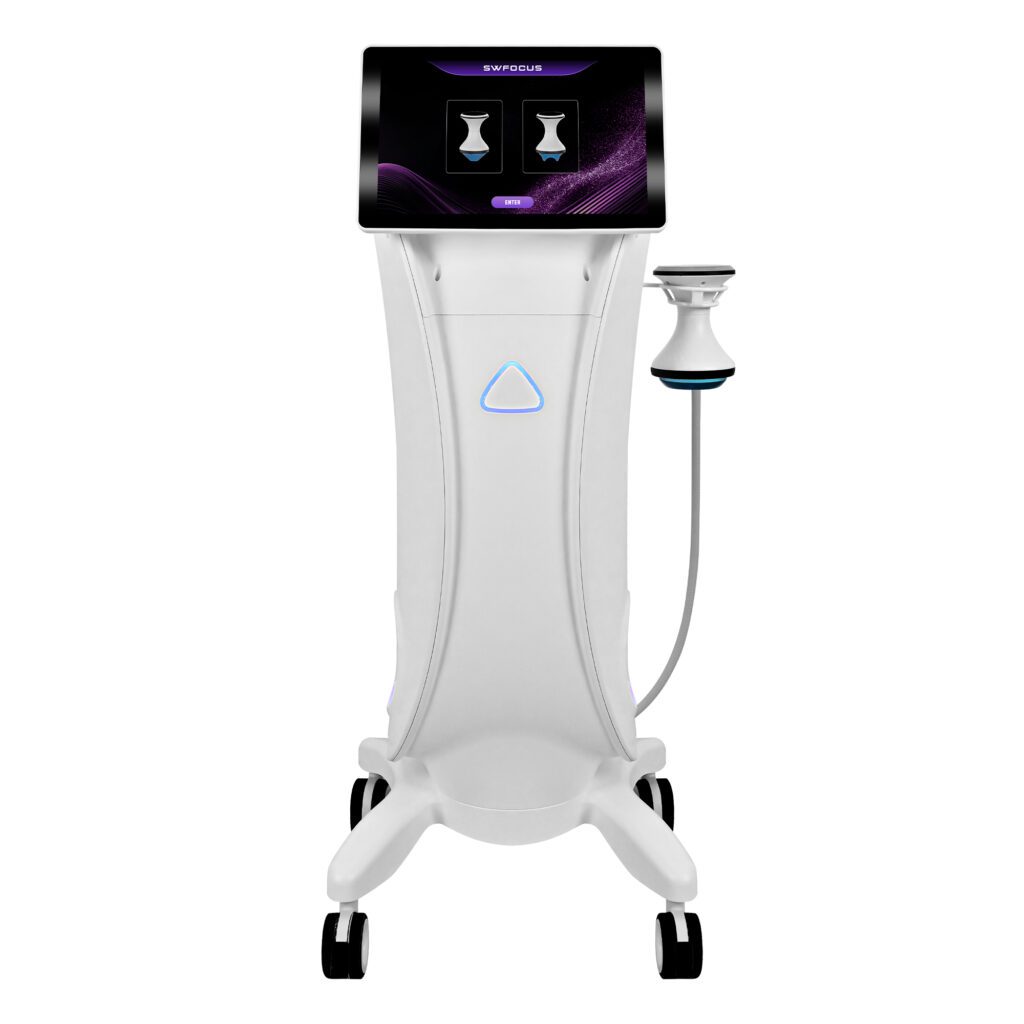
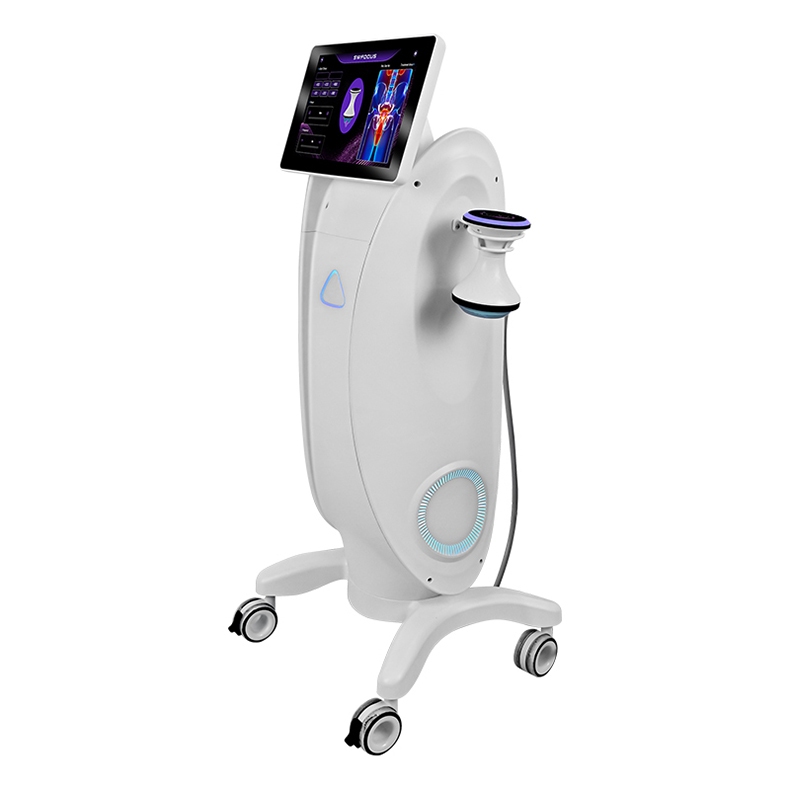
쿨웨이브: 마이크로파 바디 컨투어링, 2026년 최고의 비침습적 솔루션일까?
- 셰프몬
오늘날 미용 시장에서 점점 더 많은 고객들이 수술이나 회복 기간, 불편함 없이 눈에 띄는 바디 컨투어링 효과를 원하고 있습니다. 뱃살부터 체중 감량이나 임신 후 처진 피부까지, 비침습적 시술에 대한 수요는 유럽과 북미 전역에서 빠르게 증가하고 있습니다. 최신 기술 중 하나인 마이크로파 기반 바디 쉐이핑(흔히 쿨웨이브라고 불림)은 지방을 집중적으로 제거하고, 피부 탄력을 개선하며, 전반적인 바디 라인을 향상시키는 효과로 큰 주목을 받고 있습니다. 하지만 과연 쿨웨이브가 2026년에도 최고의 비침습적 시술일까요? 이 글에서는 쿨웨이브 기술의 작동 원리, 다른 시술과의 비교, 그리고 병원과 고객이 현실적으로 기대해야 할 사항에 대해 자세히 살펴보겠습니다.

1. 쿨웨이브 바디 컨투어링이란 무엇인가요?
1.1 전자레인지 지방 감소 기술의 원리
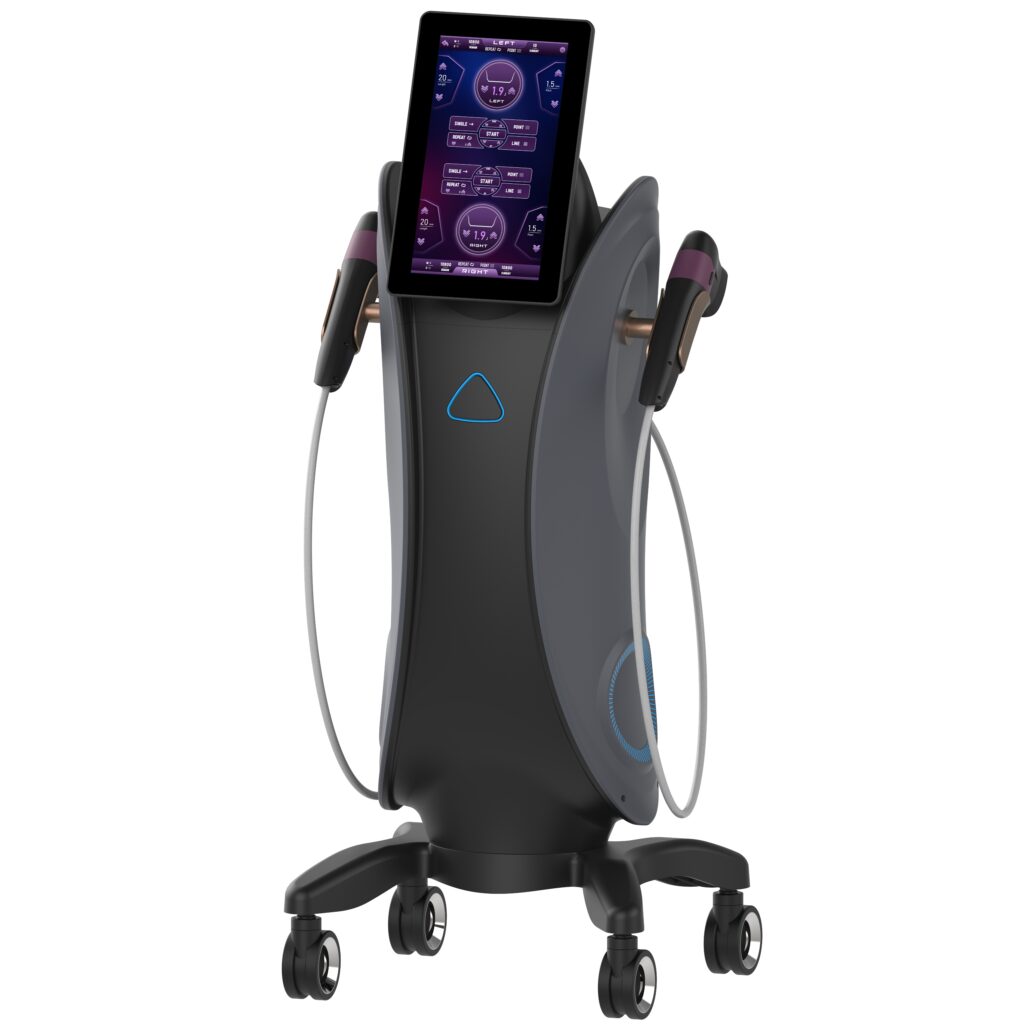
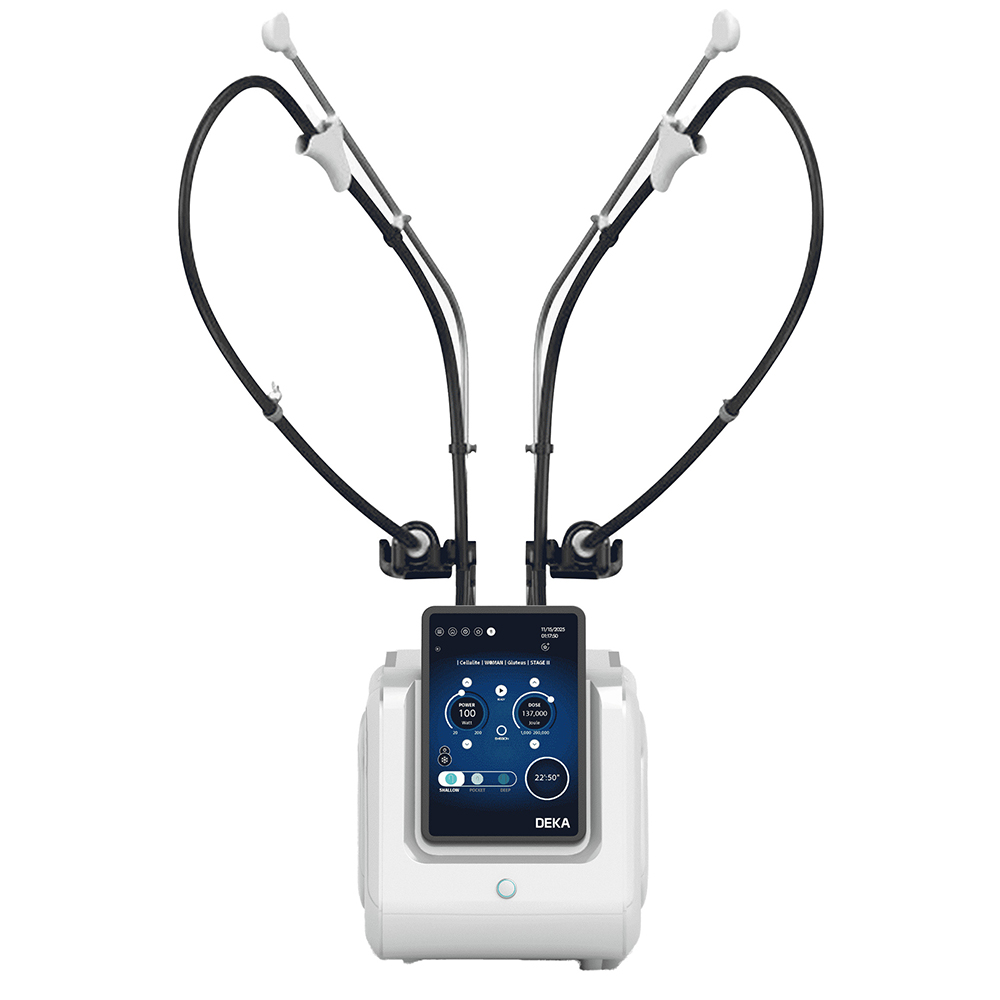
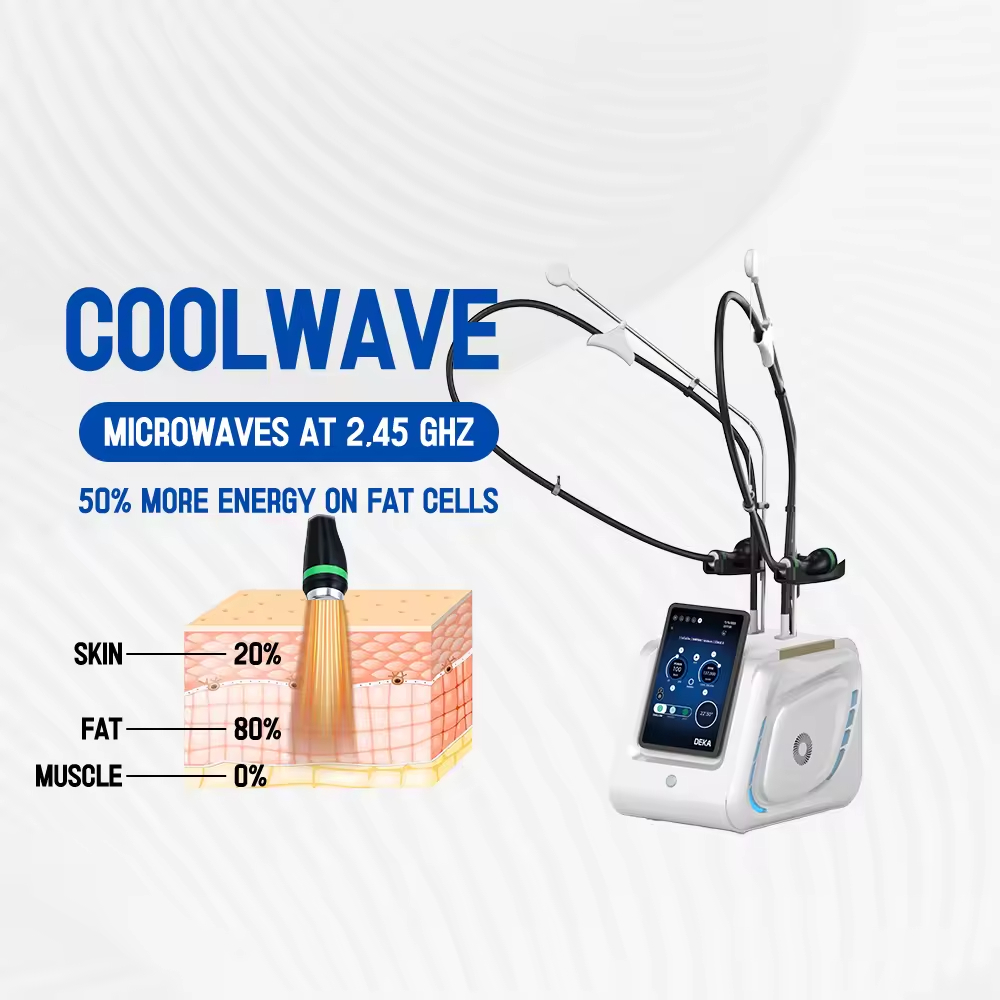
쿨웨이브(CoolWave) 기술은 제어된 마이크로파 에너지를 사용하여 피부를 투과하고 피하 지방층에 도달합니다. 고주파(RF)나 캐비테이션과 같은 기존 방식과는 달리, 마이크로파 에너지는 더욱 깊고 균일한 열을 전달할 수 있습니다. 따라서 시술자는 주변 조직, 특히 표피를 안전하게 보호하면서 지방 세포를 더욱 정밀하게 타겟팅할 수 있습니다.
1.2 핵심 치료 효과
쿨웨이브 트리트먼트 일반적으로 세 가지 주요 결과를 도출하도록 설계됩니다.
- 국소 지방 축적 감소
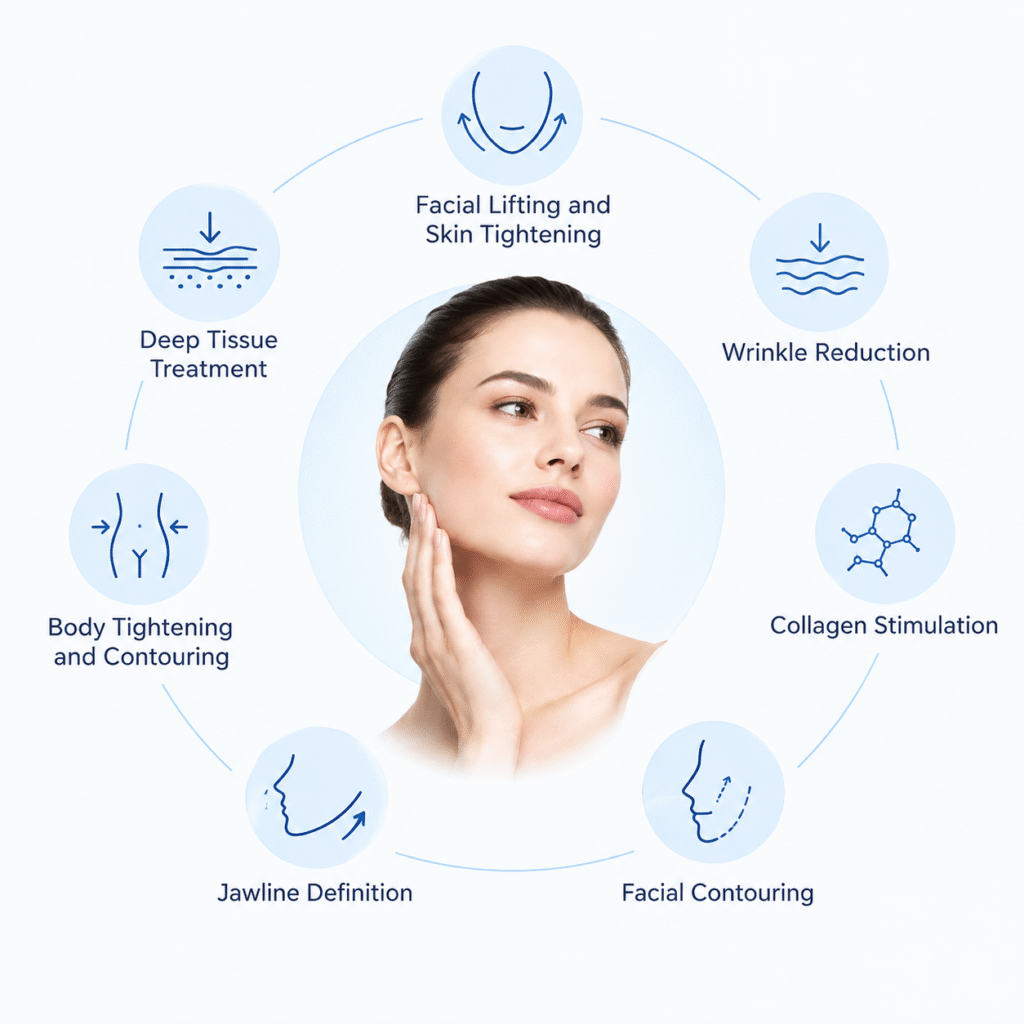
- 콜라겐 생성을 촉진하여 피부 탄력을 개선합니다.
- 혈액순환과 신진대사를 촉진하여 피부결을 매끄럽게 가꿔줍니다.
이러한 복합적인 효과 덕분에 이 제품은 체형 관리와 가벼운 피부 재생 모두에 적합합니다.
2. 전자레인지 기술이 인기를 얻는 이유
2.1 더욱 깊고 정밀한 에너지 전달
마이크로파를 이용한 바디 컨투어링이 인기를 얻는 주요 이유 중 하나는 기존의 많은 기술보다 더 깊은 지방층까지 도달할 수 있다는 점입니다. 이 때문에 식이요법과 운동으로도 잘 빠지지 않는 고집스러운 지방 부위를 제거하는 데 특히 효과적입니다.
2.2 향상된 편안함과 안전성
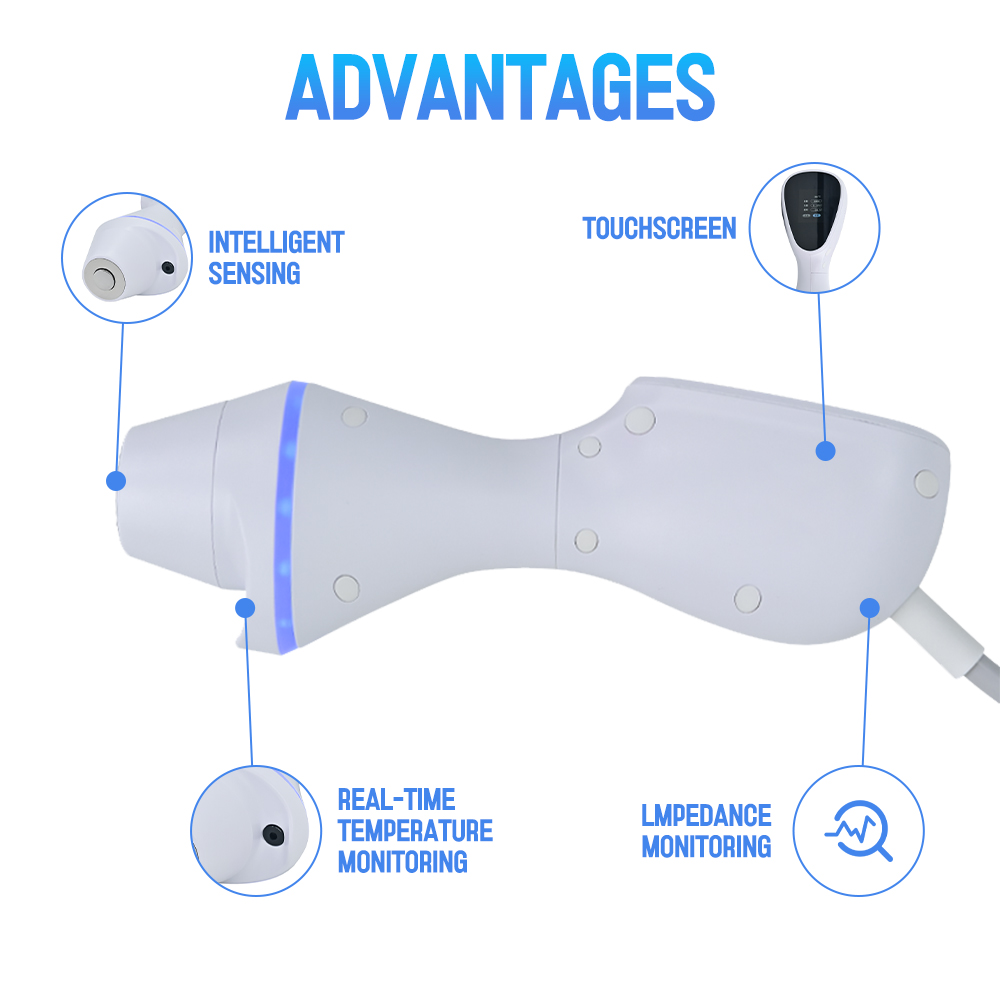
최신 시스템은 온도 모니터링 및 에너지 제어 기능을 갖추고 설계되었습니다. 이러한 기능은 일관된 치료 조건을 유지하고 시술 중 환자의 편안함을 향상시키는 데 도움이 됩니다. 많은 환자들이 기존의 열 기반 기술보다 이러한 최신 시스템을 더 편안하게 경험합니다.
3. 쿨웨이브와 다른 비침습적 기술 비교
3.1 무선 주파수(RF)와 비교
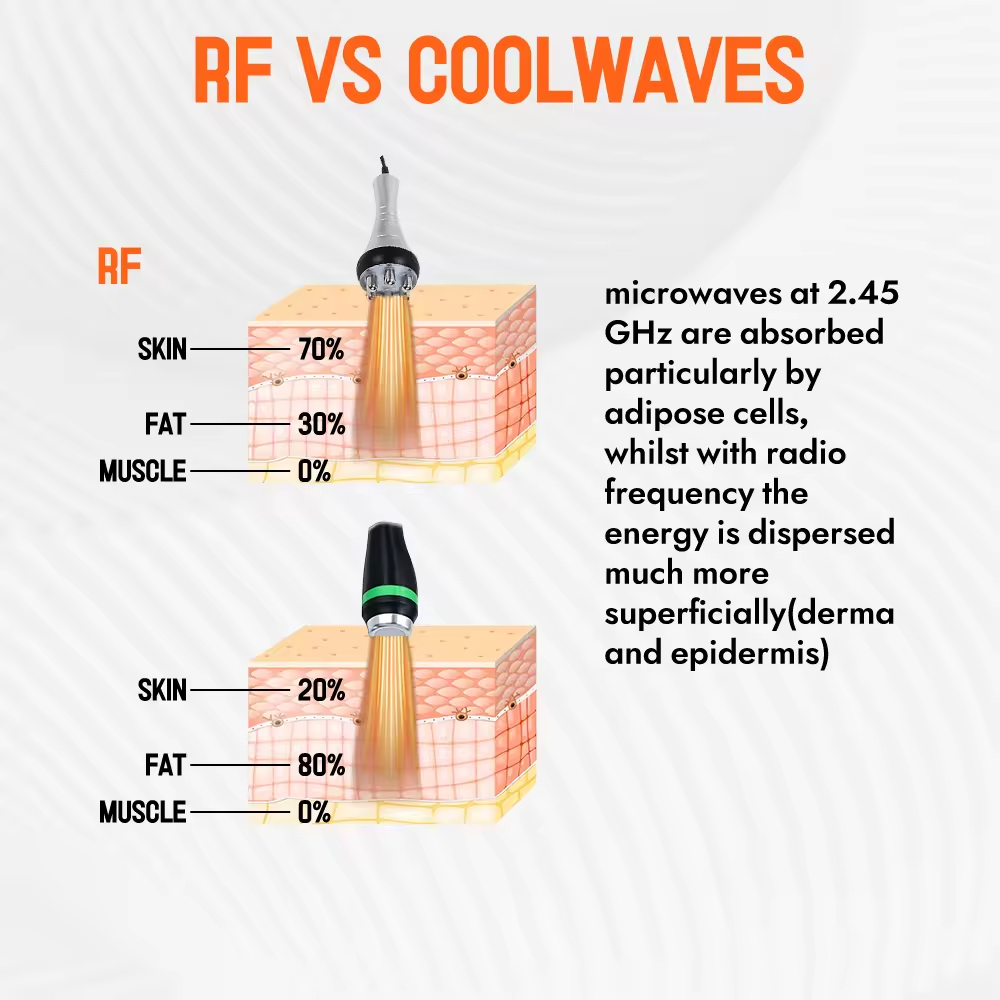
고주파는 피부 탄력 개선에 널리 사용되지만, 그 에너지는 일반적으로 표면적인 수준에 그칩니다. 마이크로파 기반 시스템은 더 깊숙이 침투할 수 있어 피부 탄력 개선과 동시에 지방 감소에도 더욱 효과적입니다.
3.2 캐비테이션과 비교
캐비테이션은 초음파를 이용하여 지방 세포를 분해하는 시술입니다. 일부 경우에는 효과적이지만, 조직 유형과 시술자의 기술에 따라 결과가 다를 수 있습니다. 마이크로파 시스템은 보다 균일한 가열 및 에너지 분포를 제공하는 것을 목표로 합니다.
3.3 냉동지방분해술과 비교
냉동지방분해술(지방 냉동술)은 저온을 이용하여 지방 세포를 제거하는 시술입니다. 효과적이긴 하지만, 효과가 나타나기까지 시간이 오래 걸리고 여러 번의 시술이 필요할 수 있습니다. 마이크로파를 이용한 시술은 이러한 시술보다 빠른 효과를 기대할 수 있으며, 피부 탄력 개선 효과까지 제공하는 대안으로 여겨집니다.
4. 치료 효과 및 예상 결과
4.1 체지방 감소 및 체형 교정
쿨웨이브 시스템은 제어된 열에너지를 적용하여 국소 지방을 감소시키도록 설계되었습니다. 시간이 지남에 따라 신체는 영향을 받은 지방 세포를 분해하여 눈에 띄는 윤곽 개선 효과를 얻습니다. 결과는 일반적으로 개인 및 치료 계획에 따라 다릅니다.
4.2 피부 탄력 개선 및 콜라겐 생성 촉진
열 자극은 콜라겐 재형성을 촉진하여 피부 탄력과 유연성을 향상시킬 수 있습니다. 따라서 이 기술은 지방 감소뿐만 아니라 경미하거나 중간 정도의 피부 처짐이 있는 부위에도 적합합니다.
4.3 셀룰라이트 및 피부결 개선
마이크로파 요법은 치료 부위의 혈액 순환과 신진대사 활동을 개선하여 셀룰라이트의 외관을 개선하고 피부 표면을 더욱 매끄럽게 만드는 데 도움을 줄 수 있습니다.
5. 치료 영역 및 적용 분야
5.1 신체 부위
쿨웨이브 바디 컨투어링은 여러 부위에 적용할 수 있습니다.
- 복부 및 아랫배
- 옆구리살과 허리
- 허벅지(안쪽과 바깥쪽)
- 팔과 등살
- 엉덩이의 움푹 들어간 부분과 브래지어 라인이 불룩하게 튀어나온 부분
5.2 얼굴 및 소부
더 작은 어플리케이터를 사용하는 일부 시스템은 다음과 같은 치료도 할 수 있습니다.
- 턱밑살
- 턱선 정의
- 목 조임
이러한 다재다능함 덕분에 클리닉은 바디 컨투어링과 페이스 컨투어링 서비스를 모두 제공할 수 있습니다.
6. 이상적인 후보자는 누구인가?
6.1 적합한 고객
쿨웨이브 시술은 일반적으로 다음과 같은 경우에 적합합니다:
- 다이어트와 운동에도 반응하지 않는 고집스러운 지방을 가진 사람들
- 수술 없이 체형 교정을 원하는 사람들
- 피부 탄력이 경미하거나 중간 정도인 고객
- 셀룰라이트 개선을 원하는 분들
6.2 기대와 한계
비침습적 시술은 체중 감량 수술을 대체하는 것이 아니라는 점을 유념해야 합니다. 오히려 이러한 시술은 체형 교정 및 개선에 가장 적합합니다. 결과는 개인마다 다를 수 있으며, 최적의 결과를 위해서는 여러 번의 시술이 필요할 수 있습니다.
7. 효율성 및 진료소 혜택
7.1 치료 시간 및 워크플로우
일반적인 시술 시간은 부위당 약 15~20분으로, 고객과 병원 모두에게 효율적입니다. 시술 시간이 단축됨으로써 병원은 품질 저하 없이 환자 회전율을 높일 수 있습니다.
7.2 서비스 제공 범위 확대
마이크로파 기반 시스템을 도입함으로써 클리닉은 지방 감소, 피부 탄력 개선, 셀룰라이트 개선 등 다양한 시술을 하나의 플랫폼에서 제공할 수 있게 됩니다. 이는 경쟁이 치열한 미용 시장에서 경쟁력을 강화하는 데 도움이 될 수 있습니다.
결론
쿨웨이브 마이크로파 바디 컨투어링은 비침습적 미용 기술에 있어 중요한 진전을 이룬 기술입니다. 더 깊은 에너지 침투와 정밀한 온도 조절을 결합하여 균형 잡힌 접근 방식을 제공합니다. 지방 감소, 피부 탄력 개선 및 전반적인 체형 교정에 효과적입니다. 기존의 다른 기술들을 완전히 대체하지는 못하더라도, 효율적이고 편안하며 다양한 시술을 원하는 병원과 고객들에게 매력적인 선택지가 될 것입니다. 2026년에도 비수술적 시술에 대한 수요가 계속 증가함에 따라, 쿨웨이브와 같은 마이크로파 기반 시스템은 미용 의학의 미래에서 더욱 중요한 역할을 할 것으로 예상됩니다.