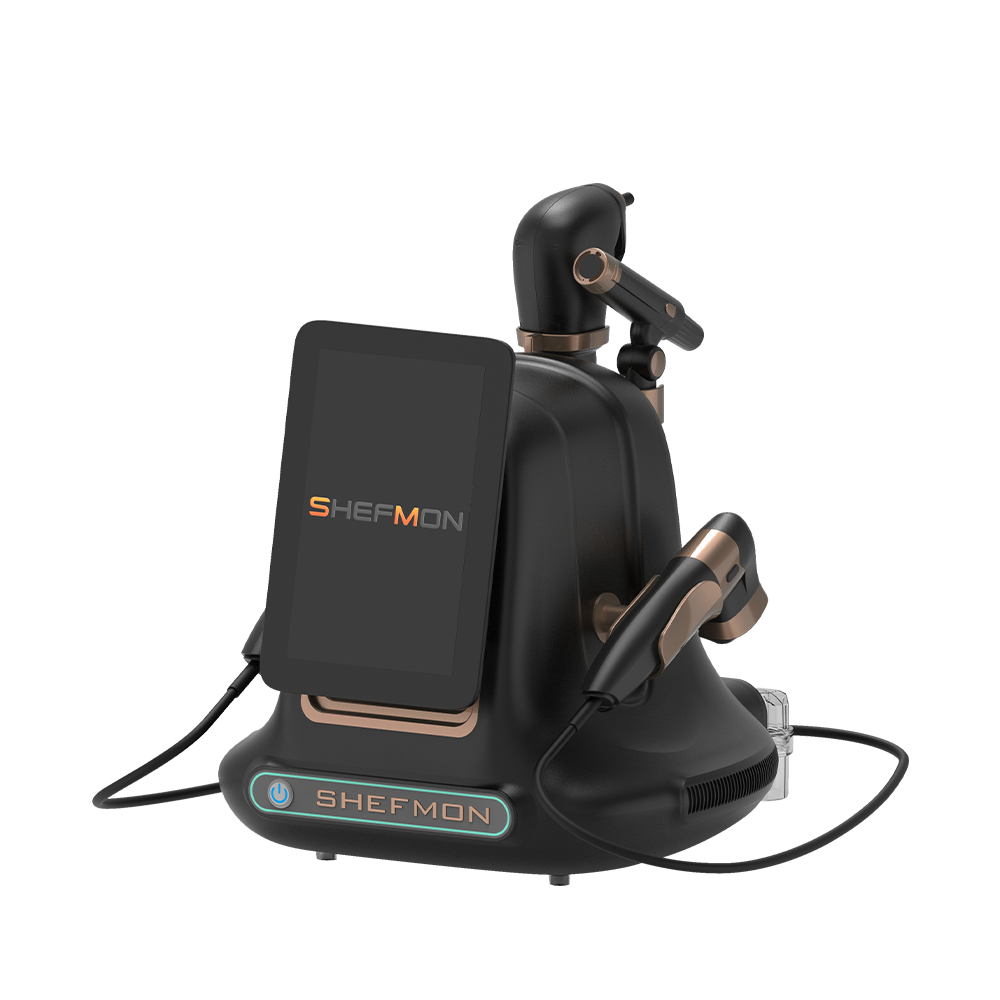

A beauty device sales forecast can be correct in total and still mislead the distributor. Overstated body-device demand may cancel out understated facial demand, while a hair-removal order pushed into the next quarter may be hidden by an unexpected facial order. The total value appears accurate, but purchasing, demonstrations, training, components, and support are prepared for the wrong categories.
Forecast accuracy should therefore be measured separately for facial, hair-removal, and body equipment. Each category has a different buyer profile, configuration process, decision cycle, readiness requirement, and unit pattern. Accuracy also has several dimensions: units, value, timing, model, configuration, and supporting items.
This guide explains how distributors can measure sales forecast accuracy across relevant 셰프몬 뷰티 디바이스 카테고리, diagnose category-specific errors, and convert the findings into better product and operational decisions.
요약 보고서
An effective category-level forecast accuracy system should:
- Freeze the original forecast before results are known. Keep dated snapshots for each horizon, category, model, configuration, expected period, and probability.
- Compare equivalent forecast and actual records. Match opportunities, units, accepted configurations, order dates, and a controlled value basis.
- Measure several dimensions. Review unit accuracy, value accuracy, timing accuracy, bias, configuration accuracy, and unforecast demand.
- Keep facial, hair-removal, and body categories separate. A balanced total can hide operationally important category errors.
- Use mature cohorts. Open, deferred, cancelled, disqualified, and completed opportunities need consistent treatment.
- Explain errors with reason codes. Separate qualification, stage, quantity, configuration, timing, commercial, buyer, and internal data causes.
- Calibrate by buyer context. Region, buyer type, new or existing account, demo status, and configuration completeness influence accuracy.
- Use the results to improve decisions. Adjust probabilities, product packages, demo coverage, stock logic, component planning, training, and support preparation.
Forecast accuracy is not a score used to punish optimistic or cautious teams. It is evidence for making category plans more dependable.
1. Define What Forecast Accuracy Means
Forecast accuracy is the degree to which a prior forecast matches the outcome for the same scope and time horizon. The comparison should answer several questions:
- Did the predicted category produce an order?
- Were the forecast units correct?
- Did the order fall in the expected month or quarter?
- Was the forecast model the model ordered?
- Did the predicted configuration match the accepted configuration?
- Was the forecast value based on the same currency and package scope as the actual value?
- Were opening consumables, options, and training requirements anticipated?
One percentage cannot answer all these questions. Report a small set of measures that connect directly to planning decisions.
2. Explain Why Category Accuracy Matters
Facial, hair-removal, and body devices create different preparation needs.
| 범주 | Typical forecast object | Operational consequence of error |
|---|---|---|
| 얼굴 마사지 | Core or advanced facial system, accessories, tips, liquids, or cartridges | Wrong starter-package availability, training load, or replenishment plan |
| 제모 | System plus wavelength, handpiece, spot size, cooling, and site requirements | Wrong configuration, demo unit, technical preparation, or launch timing |
| 몸 | Platform plus selected handles and body-service role | Wrong package, room workflow, accessory coverage, or category mix |
If the distributor forecasts three facial systems but orders arrive for one facial, one hair-removal, and one body system, the total unit count is correct. The category forecast is not. Category error affects product availability, technical review, local demonstrations, and staff preparation.
3. Freeze Forecast Snapshots
Accuracy cannot be measured from the latest CRM view because expected dates, models, quantities, and probabilities may have changed after the original forecast.
At each reporting cutoff, save:
- snapshot date and forecast horizon;
- opportunity and buyer identifiers;
- primary category and subcategory;
- forecast model and configuration status;
- expected units;
- expected value, currency, and conversion basis;
- probability or scenario;
- expected decision and order period;
- current stage;
- next buyer milestone;
- region, buyer type, and owner;
- demo and quote status; and
- known dependencies.
Do not overwrite snapshots. The history should show what was believed at the time, based on the evidence then available.
4. Use Consistent Category Definitions
Publish category rules so the same opportunity is not reported as facial in one month and advanced aesthetics in another without explanation.
A practical structure can include:
- facial foundation: cleansing, hydration, exfoliation, and multifunction facial care;
- advanced facial or skin: focused lifting, RF microneedling, and other qualified advanced pathways;
- hair removal: diode laser and other approved hair-reduction categories;
- multifunction body care: platforms combining body-service functions or handles;
- body contouring subcategories: muscle-focused, cooling-based, RF/cavitation, roller, or other distinct approaches; and
- multi-device package: parent opportunity containing separate category lines.
For the headline dashboard, advanced facial devices may roll into facial. Keep the subcategory underneath so different readiness and timing patterns remain visible.
5. Define the Forecast Horizon
Accuracy usually changes with the prediction distance. Measure horizons separately:
- current month;
- next month;
- current quarter;
- next quarter; and
- rolling six or twelve months for broad capacity planning.
A 30-day facial forecast should be more precise than a six-month category outlook. Do not compare them as if they carry the same certainty.
Use the snapshot date rather than the opportunity creation date to calculate horizon. For example, a June 30 snapshot forecasting a September order belongs to a three-month-ahead cohort, even if the opportunity began in January.
6. Define Actual Outcomes Consistently
Choose the event that represents “actual” before measurement. Possible events include:
- approved order record;
- accepted purchase order;
- confirmed commercial deposit according to internal policy;
- shipment; or
- installation.
For sales forecast accuracy, a controlled order-confirmation event is usually the most useful. Shipment and installation reflect later operational events and can be measured separately.
Document how partial orders, cancellations, returns, deferred projects, and changes after acceptance are treated. Apply the same definition across regions.
7. Build the Reconciliation Record
Create one forecast-to-actual record for every opportunity or category line in the snapshot.
| 필드 그룹 | Forecast side | Actual side |
|---|---|---|
| 신원 | Opportunity, buyer, site, category | Matching order and installed-asset references |
| 제품 | Forecast model and alternatives | Ordered model |
| 구성 | Expected handles, tips, cartridges, accessories, and market version | Accepted configuration |
| 수량 | Expected pilot and rollout units | Ordered units in the measured period |
| 값 | Forecast value and currency basis | Order value on the same basis |
| Timing | Expected decision and order period | Actual order date |
| 결과 | Probability or scenario | Won, lost, deferred, disqualified, or still open |
| Explanation | Assumptions and dependencies | Error reason and evidence |
For multi-device opportunities, use separate category lines connected to one parent project. This preserves partial outcomes.
8. Measure Unit Forecast Error
Unit accuracy answers whether the distributor predicted the number of systems correctly.
For a category and period:
Unit error = forecast units − actual units
- a positive result means over-forecasting;
- a negative result means under-forecasting; and
- zero means the total unit count matched.
Also calculate absolute error so over- and under-forecasts do not cancel:
Absolute unit error = |forecast units − actual units|
Across several periods or regions, sum absolute errors or calculate a weighted measure. Always show the forecast and actual unit counts beside the rate.
9. Measure Value Accuracy Carefully
Value forecasts are useful for commercial planning, but they can hide category and configuration mistakes. Standardize:
- currency;
- exchange-rate date or policy;
- tax treatment;
- freight treatment;
- training and service lines;
- optional versus base items;
- pilot versus rollout quantity; and
- net or gross reporting basis.
A value forecast may appear accurate because a higher configuration offset a missing unit. Review units and configuration before interpreting value accuracy.
For categories with changing or uncertain configurations, report both base-system value and complete-package value where internal policy permits.
10. Measure Forecast Bias
Bias shows whether a team repeatedly forecasts above or below actual results.
Bias = total forecast − total actual
Report it in units and on a controlled value basis. A near-zero overall bias can still hide large errors if positive facial bias offsets negative hair-removal bias. Calculate bias separately for:
- category;
- model;
- region;
- buyer type;
- 소유자;
- forecast horizon;
- stage; and
- configuration completeness.
Persistent positive bias may indicate optimistic quantities, weak stage rules, or delayed closure. Persistent negative bias may indicate late opportunity entry, cautious probability, or unrecorded repeat demand.
11. Use WAPE for Category-Level Comparisons
Weighted Absolute Percentage Error can summarize error across a group:
WAPE = sum of absolute errors ÷ sum of actual units or value
WAPE gives more weight to larger outcomes and avoids averaging percentages from one-unit and ten-unit projects equally. However, it becomes unusable when the actual total is zero. In zero-actual periods, report forecast units and absolute error directly.
Avoid relying only on Mean Absolute Percentage Error. A one-unit actual outcome can create a large percentage, while a zero actual cannot be divided. Beauty device categories often have low, uneven counts, so raw units and cohort context remain essential.
12. Measure Timing Accuracy
A correct model ordered in the wrong quarter is still a timing error.
길:
- percentage ordered in the predicted month;
- percentage ordered in the predicted quarter;
- average days early or late;
- opportunities moved one period, two periods, or beyond the horizon;
- close-date change count; and
- days between the known outcome and CRM update.
Separate timing slips from lost demand. A hair-removal project delayed by room completion may remain valid, but it should not count as an accurate current-quarter forecast.
13. Measure Model and Configuration Accuracy
Category accuracy does not guarantee product accuracy. Record whether:
- the forecast category matched;
- the forecast model matched;
- the forecast base package matched;
- optional handles or applicators matched;
- tips, cartridges, needles, or accessories matched;
- electrical and market version matched; and
- opening consumables matched.
Use configuration-match levels such as exact, materially equivalent, partially matched, or materially different. Publish the definitions. A harmless quantity adjustment should not receive the same classification as a different wavelength or handle arrangement.
14. Measure Forecast Coverage
Accuracy metrics miss orders that were never forecast. Add coverage measures:
- forecasted-order coverage: actual orders linked to a prior eligible forecast ÷ all actual orders;
- unforecast order count: orders with no eligible prior forecast;
- late-entry rate: orders first forecast inside the minimum preparation window; and
- category coverage: actual units forecast in the correct category ÷ all actual category units.
A team can appear highly accurate by forecasting only its safest opportunities. Coverage prevents this narrow forecast from being mistaken for complete visibility.
15. Use Mature Cohorts
Compare forecasts only after the measurement window is complete. Define how to treat:
- Closed Won;
- Closed Lost;
- Deferred;
- Disqualified;
- No Decision;
- still open but outside the expected period; and
- duplicate records.
An opportunity forecast for Q1 but still open in Q2 was inaccurate for Q1, even if it may later convert. Keep the later order linked to the original snapshot so timing error and eventual conversion can both be measured.
Do not remove lost or delayed opportunities from old snapshots. That would rewrite the forecast after the result became known.
16. Diagnose Facial Forecast Accuracy
Facial demand often includes both broadly accessible foundation systems and narrower advanced categories. Separate these because their buying cycles and readiness requirements differ.
For foundation facial forecasts, examine:
- first-device versus expansion buyer;
- existing service overlap;
- room and operator availability;
- menu launch date;
- multifunction preference;
- opening tips, liquids, and accessories;
- training schedule; and
- whether the forecast assumes one unit or a multi-location rollout.
For advanced facial forecasts, add professional setting, staff competency, component selection, procedure controls, consumables, documentation, and local requirements.
17. Measure A0648 Forecast Accuracy
그만큼 A0648 9-in-1 하이드로 마이크로더마브레이션 시스템 can represent facial-foundation demand for salons and beauty studios. Its product page describes a vertical multifunction platform for cleansing, exfoliation, extraction, and hydration-oriented services.
For each A0648 forecast, compare:
- expected and ordered console count;
- planned buyer sites;
- service-menu role;
- expected and accepted functions or accessory package;
- opening supply assumptions;
- training date;
- predicted launch period; and
- actual order timing.
Under-forecasting may arise from repeat salon demand entered late. Over-forecasting may come from treating early facial inquiries as qualified projects or assuming a complete multi-location rollout before the pilot is approved.
18. Separate Advanced Facial Forecasts
그만큼 A0204 9D/7D focused HIFU system lists multiple standard and optional cartridge depths and optional handles. The A0152 RF 마이크로니들링 시스템 lists 12-pin, 24-pin, 40-pin, and nano tip formats, a 1–7 mm depth profile, an additional heat profile, and optional handle arrangements.
Forecast accuracy for these models should cover:
- qualified professional setting;
- staff and training readiness;
- exact handles, cartridges, depths, or tip formats;
- consumable quantities;
- room and operating processes;
- consultation, documentation, infection-control, and aftercare readiness where applicable;
- local review; and
- specialist or technical approval milestones.
If advanced facial opportunities slip more often than foundation facial opportunities, calibrate them separately rather than lowering the probability for the whole facial category.
19. Diagnose Hair-Removal Forecast Accuracy
Hair-removal projects often require a clearer configuration and site review before the predicted order period becomes dependable. Analyze:
- service category approval;
- wavelength and handpiece selection;
- spot-size and cooling expectations;
- planned utilization;
- room, electrical, and protective setup;
- staff capability and training;
- demo access;
- local requirements;
- technical questions; and
- planned launch date.
Common errors include forecasting from a price request, moving the opportunity forward after a demo without a buyer milestone, or assigning value before the configuration is reviewed.
20. Measure A0426 Forecast Accuracy
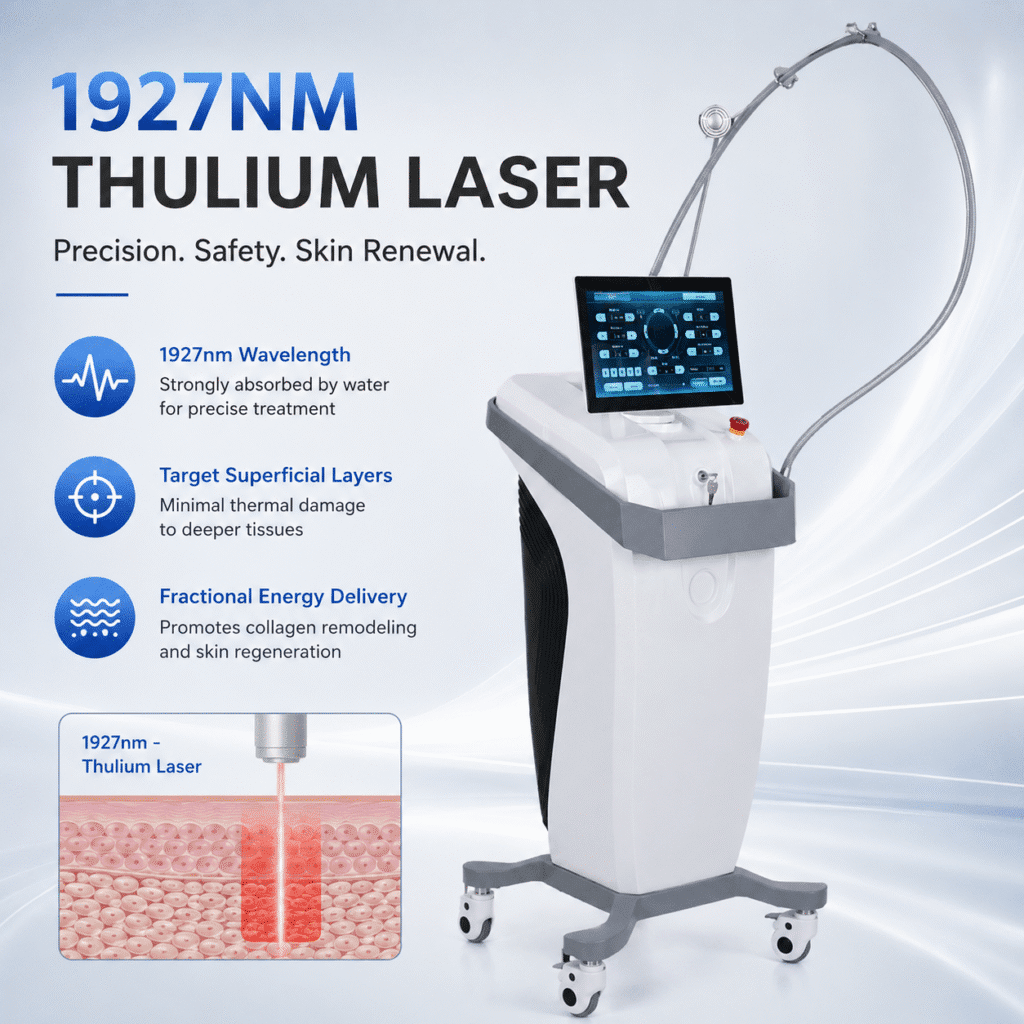
그만큼 A0426 diode laser hair-removal device lists 755, 810, 940, and 1064 nm wavelength choices, multiple spot sizes, and a cooling system.
Compare the forecast with the accepted order for:
- number of systems;
- wavelength arrangement;
- handpiece and spot size;
- electrical version;
- protective and room requirements;
- demo configuration;
- quoted configuration;
- training plan; and
- order and launch timing.
An A0426 unit forecast can be correct while the component preparation is wrong. Report console accuracy and configuration accuracy separately.
21. Diagnose Body-Category Forecast Accuracy
“Body device” is too broad for useful error analysis. Separate at least:
- multifunction body care;
- roller or massage-based services;
- RF/cavitation pathways;
- muscle-focused systems;
- cooling-based contouring; and
- other distinct body-service approaches supported in the market.
Different technologies can compete for the same budget while serving different menus. A buyer who changes from one body subcategory to another creates a correct top-level body forecast but an incorrect product and support forecast.
Also track whether the project begins with one pilot unit, one dedicated room, or a proposed multi-location rollout.
22. Measure B0155 Forecast Accuracy
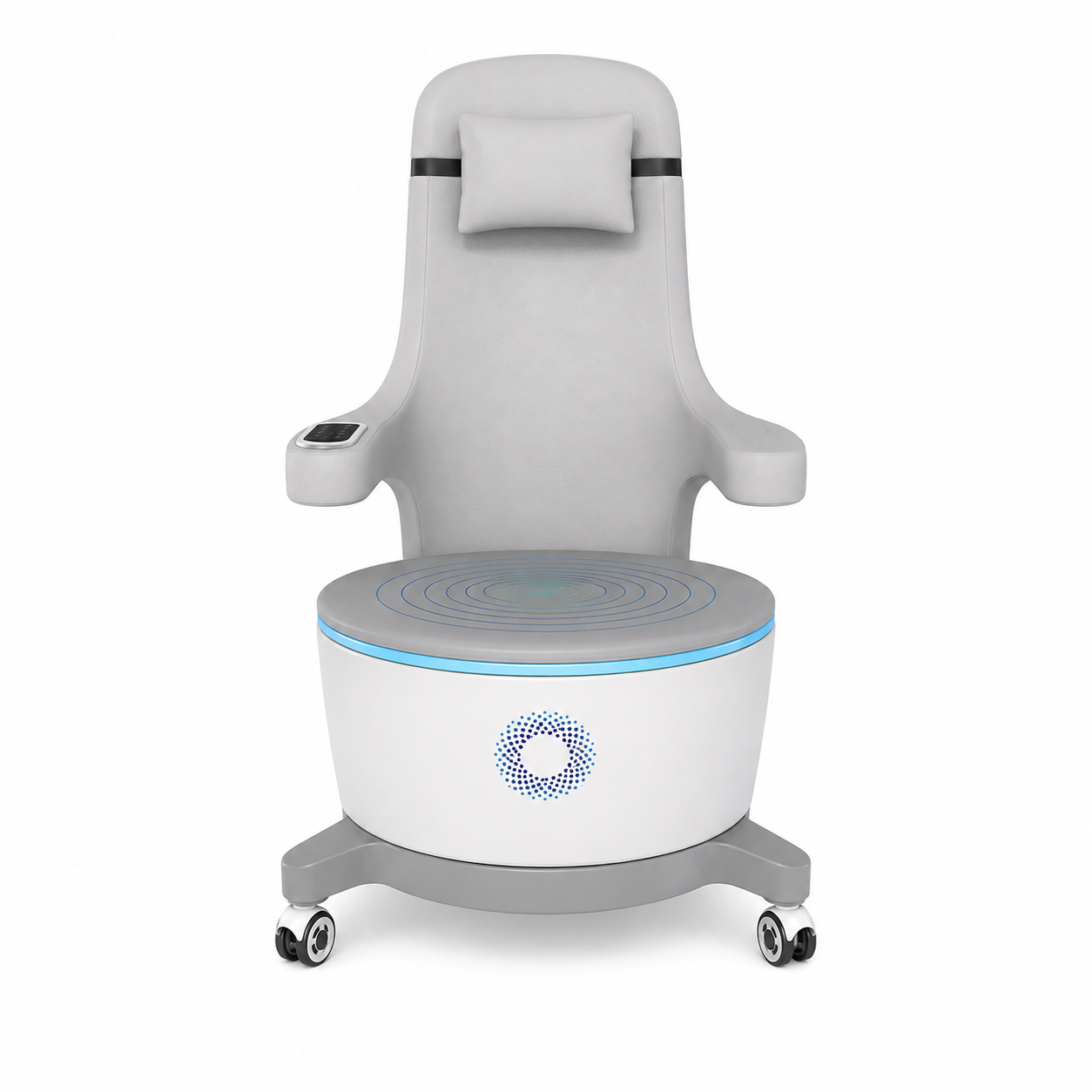
그만큼 B0155 데스크탑 엔도스 벨라프로 lists vacuum roller, RF, rotating massage, and 80K cavitation functions across different handle roles. Forecast the selected package rather than treating every B0155 opportunity as identical.
측정하다:
- expected and ordered systems;
- intended facial or body service roles;
- 선택된 핸들;
- room, storage, cleaning, and changeover readiness;
- operator training;
- accepted accessory set;
- pilot or rollout quantity; and
- order period.
Frequent handle changes may indicate that the early forecast is being recorded before the service menu is defined. A stable final package by buyer type can support better configuration probabilities.
23. Compare Category Accuracy Fairly
Use the same headline measures but interpret them within category context.
| 측정하다 | 얼굴 마사지 | 제모 | 몸 |
|---|---|---|---|
| Unit error | Separate foundation and advanced systems | Measure console quantity and site readiness | Separate body subcategories and pilots |
| Timing | Track menu launch and training | Track room, configuration, demo, and local milestones | Track menu choice, room allocation, and rollout stage |
| 구성 | Functions, accessories, tips, liquids, cartridges | Wavelengths, handpieces, spot sizes, electrical version | Handles, functions, accessories, and workflow |
| Coverage | Watch repeat and walk-in demand entered late | Watch projects quoted before technical qualification | Watch category substitutions hidden under “body” |
| Main comparison risk | Mixing core and advanced facial demand | Treating price requests as mature demand | Combining distinct body technologies |
Do not rank categories solely by which produces the lowest error. A smaller specialist category can show volatile percentages even when the underlying process is disciplined.
24. Segment Accuracy by Buyer Type and Region
Compare category forecasts across:
- first-time salon buyers;
- established facial salons;
- clinics and med spas;
- body studios;
- multi-service centers;
- single-site and multi-location groups;
- direct buyers and reseller projects;
- new and mature regions; and
- new and existing accounts.
Historical conversion from an established account should not automatically set the probability for a new regional reseller. Use a broader cohort when samples are small, then refine as enough mature cases accumulate.
25. Track Forecast Error Reasons
Assign one primary error reason and optional contributing reasons.
| Error family | 예시 | Corrective direction |
|---|---|---|
| 자격 | Category need or buyer readiness overstated | Strengthen entry criteria |
| 단계 | Opportunity advanced without evidence | Tighten stage requirements |
| 수량 | Pilot and rollout units blended | Separate confirmed and conditional units |
| 구성 | Model, handles, cartridges, or options unresolved | Improve configuration review |
| Timing | Date lacked a buyer milestone | Use dated decision dependencies |
| 광고 | Value basis or complete offer changed | Standardize value and package assumptions |
| Buyer decision | Budget, site, staffing, or strategy changed | Record external event and re-entry trigger |
| Internal execution | Late update, missing follow-up, duplicate, or stale record | Improve ownership and data controls |
| Unforecast demand | Order arrived without prior eligible forecast | Improve opportunity capture and repeat-order visibility |
Use evidence levels. A confirmed buyer statement should not be blended with an owner’s assumption.
26. Review Large Errors Individually
Category dashboards identify patterns, but large errors need case review. Investigate:
- highest unit over-forecast;
- highest unit under-forecast;
- largest value variance;
- longest timing slip;
- category or model substitution;
- materially different final configuration;
- unexpected order; and
- opportunity removed from the pipeline after a prior commitment signal.
Reconstruct the evidence available at the forecast date. Do not judge the forecast using facts learned later. The question is whether the original decision was reasonable and whether a repeatable improvement exists.
27. Calibrate Probabilities by Category
Use mature historical cohorts to compare actual conversion for combinations such as:
- category and stage;
- category and configuration completeness;
- buyer type and region;
- new or existing account;
- demo completed or pending;
- quote issued or not issued; and
- buyer milestone confirmed or missing.
If A0648 opportunities at a reviewed-configuration stage convert differently from A0426 opportunities at the same stage, use separate calibration where sample size supports it.
Do not create dozens of precise-looking probabilities from tiny samples. Group similar cases, publish the sample size, and use ranges or scenarios when evidence is limited.
28. Improve Timing Forecasts with Milestones
Connect the expected order period to a buyer event:
- final comparison meeting;
- demonstration;
- configuration approval;
- room completion;
- staff recruitment or training;
- 현지 리뷰;
- finance or budget approval;
- pilot decision;
- head-office approval; or
- planned service launch.
When the milestone moves, update the current forecast while preserving the old snapshot. Repeated slippage by milestone and category will show where the timing model needs adjustment.
29. Use Accuracy Results for Product Planning
Forecast findings should change decisions only when the evidence is relevant.
예시로는 다음과 같은 것들이 있습니다.
- stable A0648 demand and configuration → consider clearer core-package availability;
- under-forecast repeat facial demand → improve installed-account and reorder visibility;
- A0426 configuration misses → strengthen technical review and demo-to-quote alignment;
- hair-removal timing slips → require room and staff milestones before near-term commitment;
- B0155 handle variance → create buyer-specific package templates;
- body-category substitution → improve category discovery and comparison tools;
- advanced facial over-forecast → separate professional-readiness probability from general facial demand; and
- frequent unforecast orders → improve pipeline capture before expanding local stock.
Accuracy evidence should inform assortment, availability, demos, training, components, and support together.
30. Build a Category Accuracy Dashboard
| Dashboard section | Measures |
|---|---|
| Headline by category | Forecast units, actual units, unit error, absolute error, value error, and bias |
| Timing | On-month, on-quarter, early, late, and slipped beyond horizon |
| Coverage | Forecasted orders, unforecast orders, and late-entry orders |
| 제품 | Category match, model match, substitution, and no-fit outcomes |
| 구성 | Exact, equivalent, partial, and materially different matches |
| Segment | Buyer type, region, account type, stage, and horizon |
| Error cause | Primary reason, evidence strength, owner, and corrective action |
| 경향 | Current period versus prior mature cohorts |
Show sample sizes and raw counts. Use separate views for facial foundation, advanced facial, hair removal, and body subcategories before rolling them into executive totals.
31. Establish a Review Cadence
Weekly operational review
Check new evidence, milestone changes, close-date movement, quantity changes, and unresolved configurations. This improves the current forecast but does not alter past snapshots.
Monthly accuracy review
Close the mature month, reconcile forecast and actual records, classify errors, and correct data-quality problems.
Quarterly category review
Compare facial, hair-removal, and body accuracy, recalibrate probabilities, review package and demo implications, and assign improvement actions.
Annual planning review
Combine forecast accuracy with quotation patterns, win-loss findings, installed base, serviceability, maintenance, support capacity, and assortment strategy.
32. Avoid Common Forecast Accuracy Errors
- Measuring only total value across all categories.
- Editing historical snapshots after the outcome is known.
- Excluding lost or delayed opportunities from the original cohort.
- Counting alternate configurations as cumulative unit demand.
- Treating pilot and possible rollout quantities as equally committed.
- Comparing current-month and six-month forecasts with one target.
- Using percentages without actual unit counts.
- Applying MAPE where actual category volume is zero or very small.
- Calling a timing slip a product loss.
- Combining foundation and advanced facial opportunities.
- Reporting all body technologies as one interchangeable category.
- Rewarding high accuracy when forecast coverage is poor.
33. Category Forecast Accuracy Checklist
- Dated forecast snapshots are immutable and include a defined horizon.
- Forecast and actual records use the same category, unit, value, and timing definitions.
- Facial foundation, advanced facial, hair removal, and body subcategories remain visible.
- Units, value, timing, model, configuration, and coverage are measured separately.
- Multi-device and multi-site projects preserve category-line and pilot-versus-rollout outcomes.
- A0648, A0426, B0155, A0204, and A0152 use relevant configuration fields.
- Accuracy metrics use mature cohorts, clear denominators, and sample sizes.
- Every material error has an evidence-based reason.
- Probability calibration considers category and configuration maturity.
- Product, demo, stock, training, component, and support actions are reviewed together.
자주 묻는 질문
1. What is beauty device sales forecast accuracy?
It measures how closely a prior forecast matches actual category, units, value, timing, model, configuration, and supporting requirements for the same scope and forecast horizon.
2. Why should facial, hair-removal, and body accuracy be measured separately?
The categories have different buyer profiles, configurations, decision cycles, readiness conditions, and operational needs. Errors can cancel at total level while leaving the distributor prepared for the wrong products.
3. Which forecast accuracy metric is most useful?
No single metric is sufficient. Use forecast and actual units, absolute error, bias, WAPE where appropriate, timing accuracy, forecast coverage, and model or configuration match together.
4. Why can MAPE be misleading for beauty device categories?
Category unit counts can be small or zero. Percentage error becomes extreme for one-unit outcomes and cannot be calculated when actual volume is zero. Show raw counts and use weighted measures carefully.
5. How should an opportunity that orders in a later quarter be measured?
It is a timing error for the original quarter and an actual order for the later period. Keep it linked to the original snapshot so both the miss and eventual conversion remain visible.
6. What should be measured for A0426 forecasts?
Compare system quantity, wavelength arrangement, handpiece, spot size, electrical version, room and protective setup, demo and quote configuration, training plan, order date, and launch timing.
7. How should B0155 forecast accuracy be measured?
Measure the console count and the selected handle package, intended service roles, room and workflow readiness, accepted accessories, pilot or rollout quantity, training, and order period.
8. Should advanced facial devices share the same probability as facial foundation devices?
Not automatically. Advanced devices can require different professional, site, component, consumable, training, procedure, and local-review evidence. Calibrate them separately when enough mature data exists.
9. How often should forecast probabilities be recalibrated?
Review them quarterly or when a meaningful mature cohort becomes available. Avoid frequent changes based on a few cases, and preserve the sample size and method behind each update.
10. How can SHEFMON support category forecasting discussions?
Distributors can share relevant buyer profiles, models, configuration questions, forecast categories, expected units, regions, and support needs. Current product information can help clarify which configurations belong in each category forecast.
결론
Beauty device sales forecast accuracy becomes useful when facial, hair-removal, and body categories remain visible and when units, value, timing, model, configuration, and coverage are measured separately. A correct total does not prepare the distributor for the right product mix.
Use A0648 as a relevant facial-foundation example, keep A0204 and A0152 visible as advanced facial pathways, measure A0426 as a configured hair-removal system, and analyze B0155 through its selected body-service package. Freeze historical snapshots, compare mature cohorts, explain errors with evidence, and recalibrate only when the sample supports the change.
검토 SHEFMON beauty device portfolio, consult the SHEFMON 사후 지원 개요, 또는 셰프몬에게 연락하세요 with your category definitions, model forecasts, configuration fields, buyer segments, regions, timing assumptions, and support requirements. SHEFMON can provide relevant product information for clearer category planning.