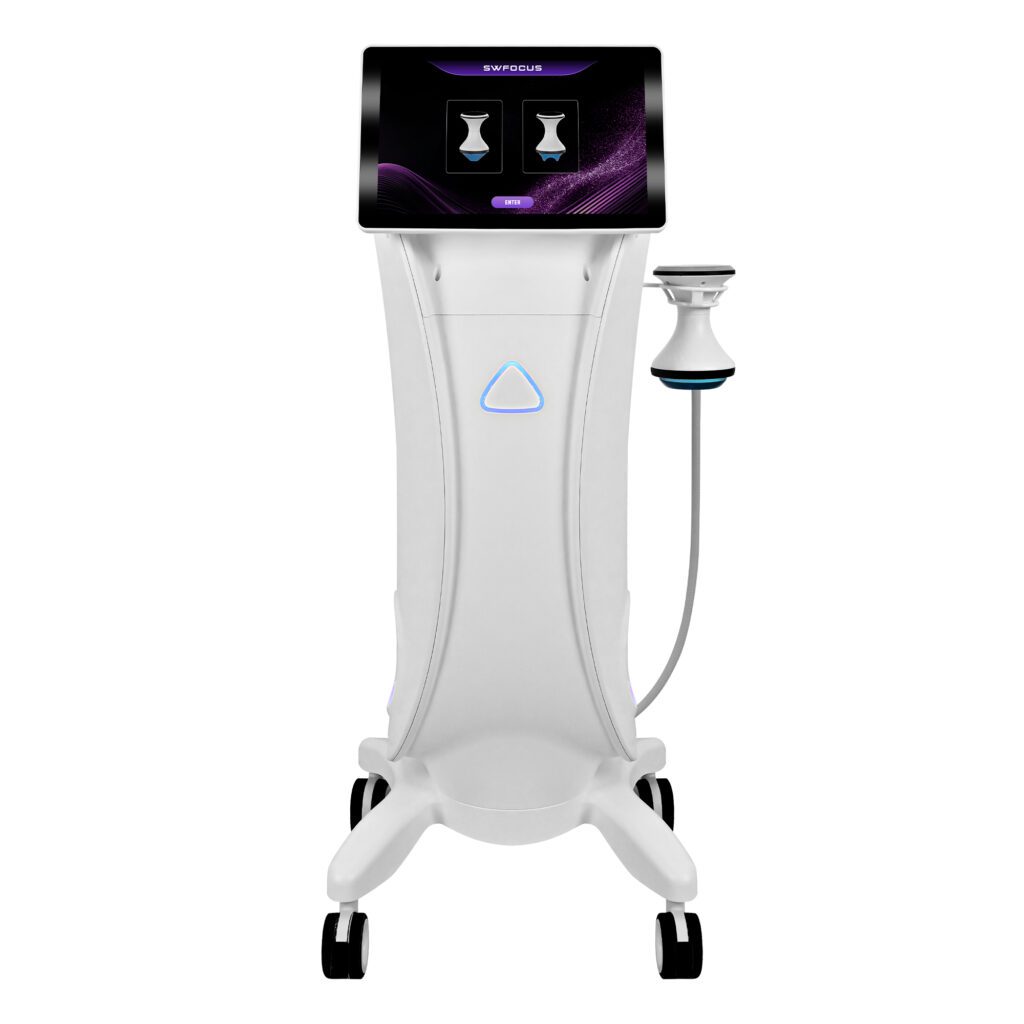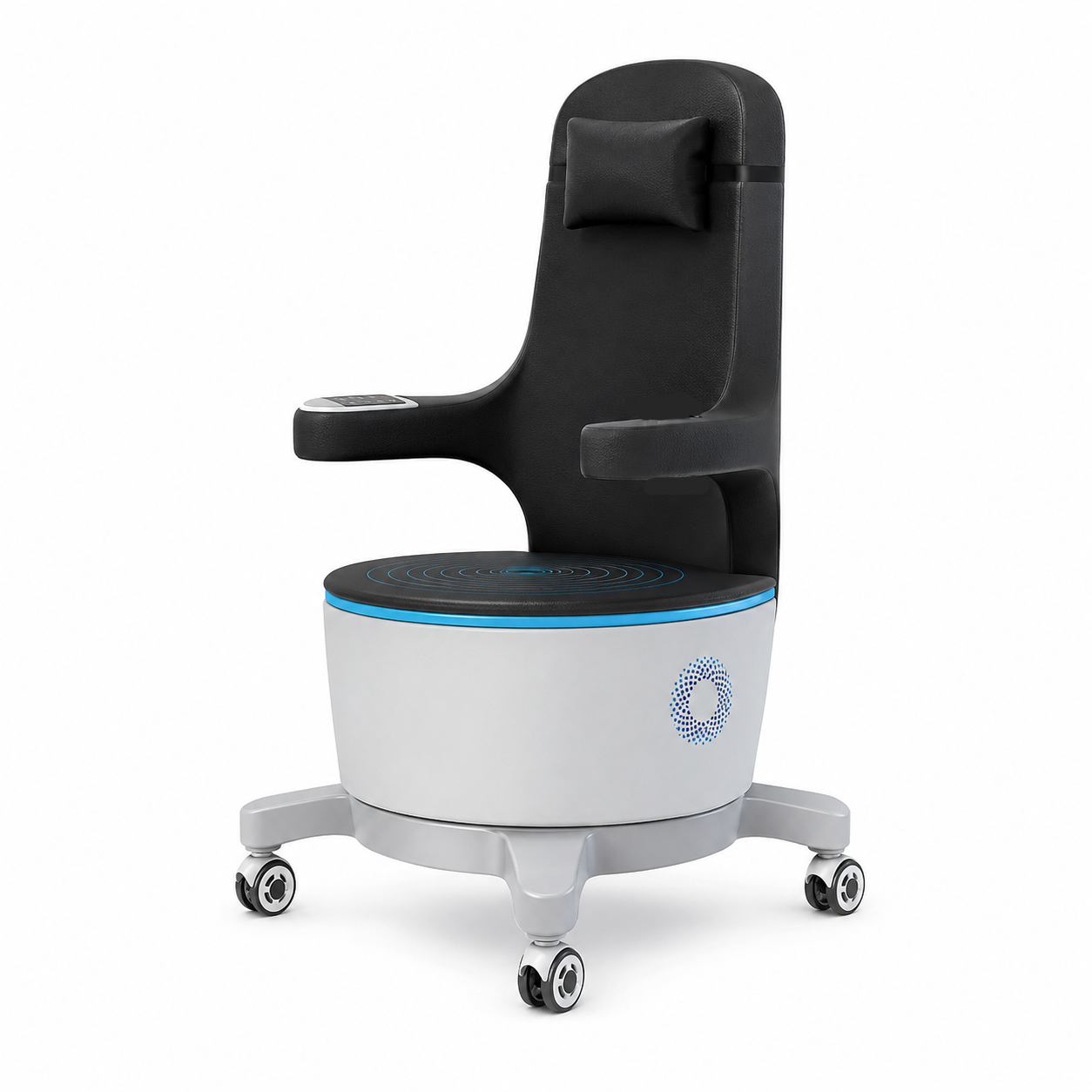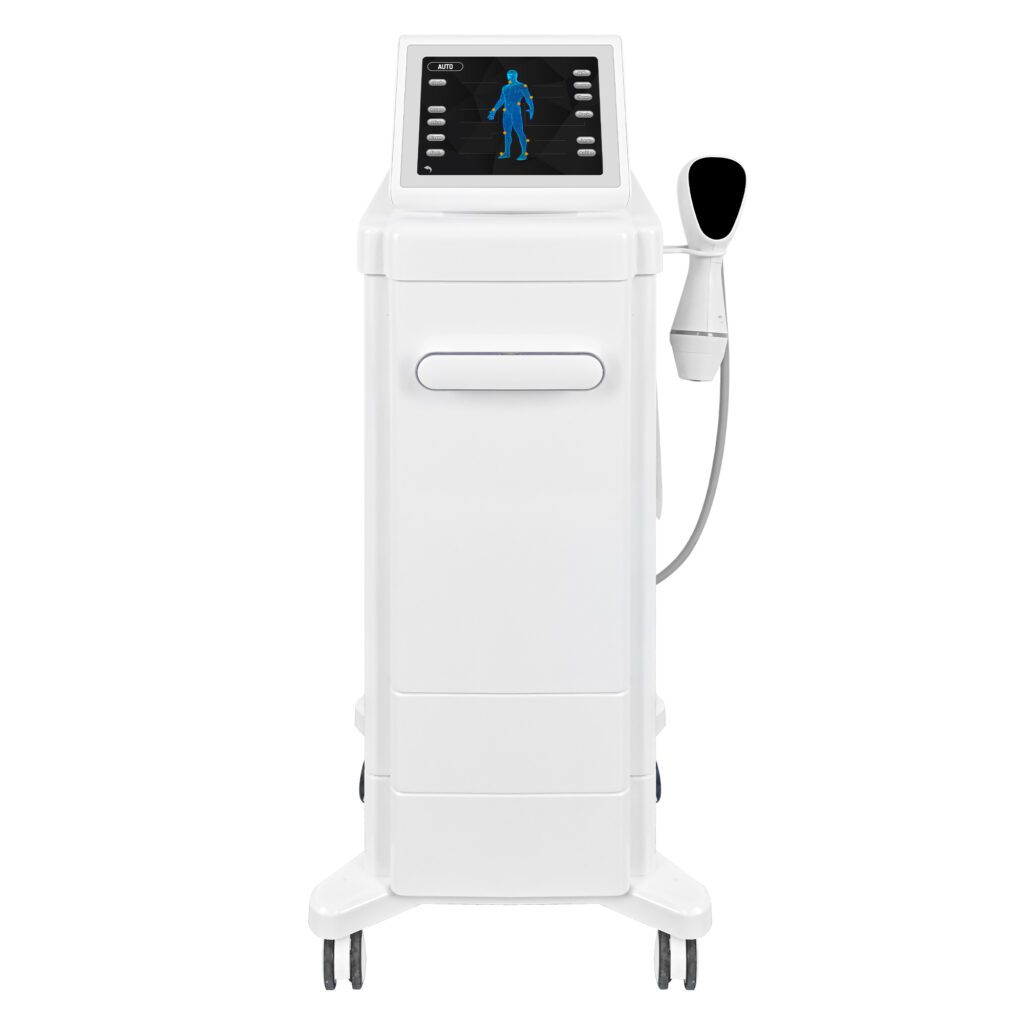

When several salespeople quote professional beauty devices, the same buyer request can produce very different offers. One representative may quote only a model name, another may include every option shown on a product page, and a third may reuse an old package with different handles or consumables. Even if the prices are reasonable, the buyer cannot compare the offers confidently and the distributor cannot hand the accepted quote to the order team without interpretation.
Quote consistency means that the same confirmed requirements lead to the same technical configuration, included-item structure, and document logic across the sales team. Price, discount, freight, stock, and lead time may vary under controlled commercial rules, but those variations must not change the identity of the device package. This guide explains how distributors can build consistent quotation practices for SHEFMON facial, hair-removal, HIFU, RF-microneedling, and body-care devices.
요약 보고서
- Define consistency as the same technical offer for the same confirmed buyer requirements.
- Use one controlled quote template, configuration library, option dictionary, and approval route.
- Make salespeople select an exact model and configuration instead of composing the technical package in free text.
- Separate stable product data from temporary commercial conditions.
- Give every quote a unique ID, revision, issue date, validity date, owner, and status.
- Present included equipment, selected options, starter consumables, recommended reorders, and exclusions in separate sections.
- Use category-specific quote schedules for hydro facial, diode laser, HIFU, RF microneedling, and body-care devices.
- Allow regional and account-level differences only through recorded fields and approval rules.
- Compare quote revisions field by field, then freeze the buyer-accepted revision for order handoff.
- Audit differences between salespeople to find weak templates, missing data, and training needs.
1. What Quote Consistency Means
A consistent quotation does not require every buyer to receive the same device or the same price. It requires the organization to reach offers through the same controlled method.
If two salespeople receive the same buyer brief, market, quantity, service objective, room conditions, and requested options, they should select the same base model and compatible configuration. Their documents should classify included and optional items in the same way, use the same approved product facts, and state the same unresolved conditions.
Permitted commercial differences should be visible and authorized. These may include account-specific discount, currency, freight route, tax treatment, payment terms, stock position, or quote validity. The distributor needs to distinguish a legitimate commercial decision from accidental variation.
2. Recognize the Forms of Quote Inconsistency
Inconsistency can enter a quote at several levels.
| Inconsistency type | 예 | Buyer or operational impact |
|---|---|---|
| 모델 신원 | One quote uses A0423 while another says A0423/A0426 | Buyer cannot tell which device is offered |
| 구성 | Handle power, cartridge set, or needle-head arrangement differs without explanation | Supply may not match the intended service |
| Inclusion status | One salesperson calls an item standard while another prices it as optional | Package comparison and margin become unreliable |
| Product fact | Dimensions, electrical data, or component names differ across documents | Room and delivery planning can be wrong |
| Commercial term | Discount or validity changes without authority | Approval and profitability controls weaken |
| 언어 | “Complete,” “full set,” or “professional package” has no defined content | Buyer expectations depend on the salesperson’s wording |
| Revision | Changes are made without a new revision number | Teams may act on an obsolete offer |
| Handoff | Accepted quote is summarized in chat instead of transferred as a locked record | Purchasing must reconstruct the order |
The goal is not merely to make quotations look alike. The contents must identify the same approved device package in the same way.
3. Establish a Quote Consistency Standard
Write a short internal standard that every sales channel follows. It should answer:
- Which buyer information is mandatory before a technical offer can be released?
- Which product source supplies model, configuration, component, and compatibility facts?
- Who may create or change a device package?
- Which commercial fields may salespeople adjust directly?
- Which changes require technical, supply, regional, or commercial approval?
- How are quote IDs and revisions assigned?
- Which statuses can a quotation use?
- What record becomes authoritative after buyer acceptance?
A useful operating principle is: sales chooses from approved technical offers and negotiates within approved commercial limits. Any request outside those limits enters an exception workflow rather than being written directly into the quote.
4. Separate Four Layers of Quotation Data
Quote consistency becomes easier when the document is assembled from four distinct layers.
| Data layer | Typical fields | Change pattern | 메인 컨트롤 |
|---|---|---|---|
| 제품 | Official model, category, core specifications, dimensions | Relatively stable | Approved product record |
| 구성 | Selected handles, cartridges, heads, options, included quantities | Changes by saleable package | Configuration code and revision |
| Market | Voltage, plug, language, documents, regional eligibility | Changes by destination | Approved market profile |
| 광고 | Quantity, price, currency, discount, stock, freight, payment and validity | Changes by offer and date | Commercial authority and time stamp |
Salespeople should not retype the first three layers from memory. They should select approved records. The quotation process then adds commercial terms to that defined technical offer.
5. Require a Complete Buyer Brief Before Quoting
The same process cannot produce consistent results from incomplete inputs. A quote request should capture:
- buyer name, business type, market, and delivery destination;
- salon, med spa, skin clinic, hair-removal center, body studio, multi-service center, or reseller profile;
- intended service category and treatment-menu role;
- expected operators and professional setting;
- available room, electrical supply, and relevant utilities;
- preferred format, functions, and optional features;
- existing device categories and service gaps;
- required opening consumables and expected reorder pattern;
- quantity and rollout plan;
- requested documents, training, or onboarding;
- target decision and delivery timing;
- commercial requirements that need approval.
If the buyer asks for “the full package,” the salesperson must translate that phrase into explicit selections. The system should not allow an undefined package label to reach an issued quote.
6. Give Every Quote a Controlled Identity
Assign each quotation:
- unique quote number;
- opportunity or buyer-project ID;
- owning salesperson and sales team;
- issuing legal entity or regional office;
- creation date and issue date;
- validity end date;
- currency and language;
- revision number;
- draft, pending review, issued, revised, accepted, expired, withdrawn, or rejected status;
- referenced configuration revision;
- approval record.
Do not overwrite an issued PDF. A buyer-requested change should create a new revision that retains the previous one. The document header and filename should display the quote ID and revision clearly.
7. Use One Quote Architecture Across the Sales Team
A controlled template should contain the same sections in the same order.
Buyer and project
Identify the buyer, delivery market, project, service objective, and sales contact.
Selected equipment
State the official model, approved configuration, quantity, and short business role.
Included supply
List the main unit, standard handles, selected modules, accessories, opening consumables, documents, and any training item included in the offer.
Selected options
List additions or alternatives chosen by the buyer. Each option should have an identifier, quantity, compatibility check, and price treatment.
Exclusions and assumptions
Clarify commonly expected items that are outside the package and any buyer information on which the quote depends.
Commercial terms
Show unit and total price, currency, discount, payment, freight basis, taxes where applicable, validity, availability, and timing.
Review and acceptance
Record approval status, revision, buyer acceptance route, and the documents incorporated into the offer.
This architecture lets managers compare quotations without learning each salesperson’s preferred format.
8. Create a Shared Language Dictionary
Uncontrolled sales terms create false differences. Define words such as:
- standard configuration;
- selected option;
- starter consumable;
- recommended reorder;
- replacement component;
- compatible;
- available on confirmation;
- excluded;
- estimated availability;
- quote validity;
- package;
- bundle;
- training included;
- remote support;
- buyer-supplied requirement.
Avoid undefined labels such as “all accessories,” “complete machine,” “latest configuration,” or “everything shown.” If the sales team uses package names such as Core, Growth, or Advanced, each name must point to a dated configuration schedule.
9. Build Category-Specific Quote Schedules
A universal quote header is useful, but the technical schedule must change by device category.
| 기기 카테고리 | Fields that must be resolved before release | Example SHEFMON model |
|---|---|---|
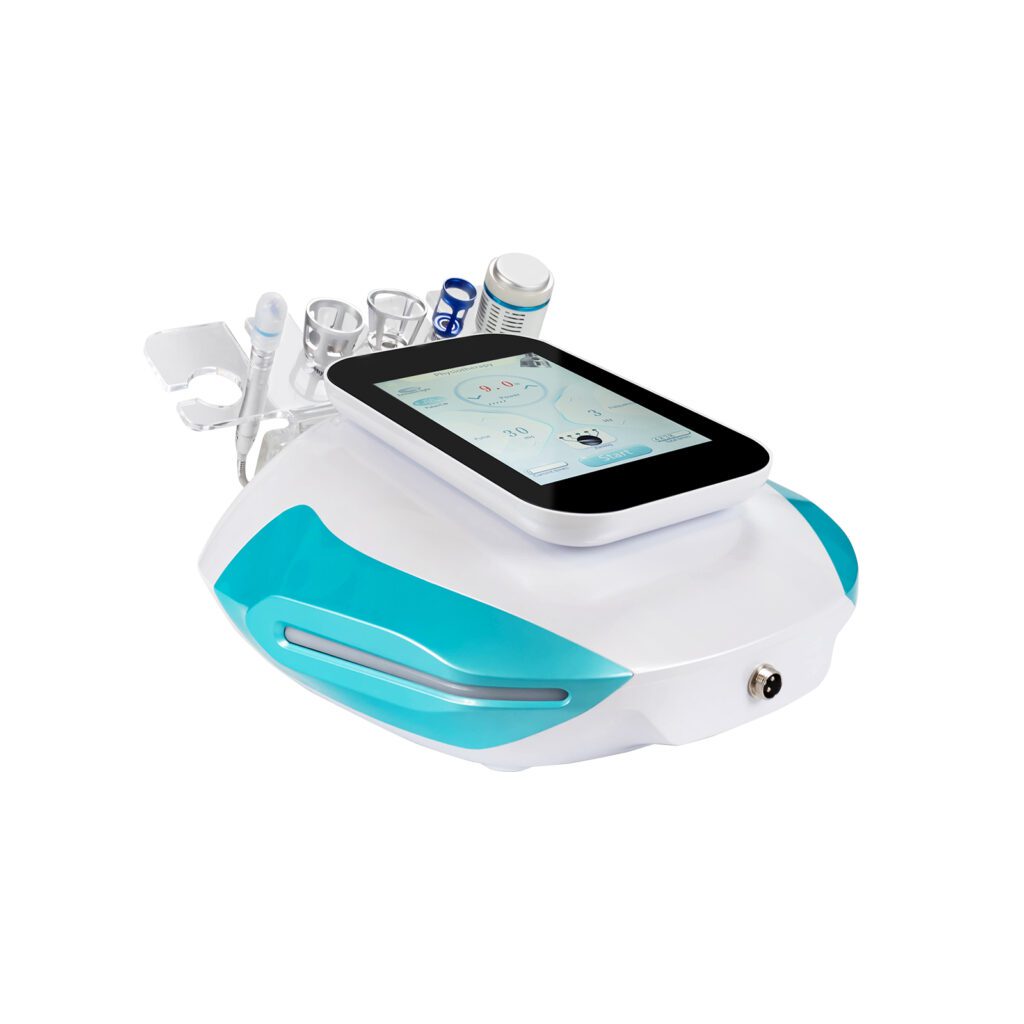
| Hydro and multifunction facial care | Installed functions, supplied tools, tips, containers, opening consumables, cleaning-related accessories | A0648 9-in-1 hydro facial system |
| Diode-laser hair removal | Exact model, wavelength profile, handle power, spot size, cooling, electrical version, supplied accessories | A0423 다이오드 레이저 그리고 A0426 다이오드 레이저 |
| 하이푸 | Installed handle or module set, cartridge depths, standard and optional status, quantities, stated capacity | A0204 multifunction HIFU |
| RF 마이크로니들링 | Handle arrangement, needle-head types, opening quantities, electrical version, compatible reorders | A0152 desktop RF microneedling |
| 다기능 바디 케어 | Body and smaller-area handles, installed functions, handle sizes or roles, accessory set | B0155 desktop body-care system |
Salespeople may see only the fields relevant to their selected category. The system should still prevent release until every required field has an approved value or a documented confirmation status.
10. Quote A0648 as a Defined Facial Package
The A0648 is presented as a 9-in-1 hydro and facial-care platform. A consistent quote must go beyond that headline. Each salesperson should select the same approved configuration record containing:
- the named installed functions;
- supplied handpieces and tools;
- tips, containers, tubing, cables, and accessories;
- opening quantities of disposable or replaceable items;
- items available separately;
- items shown in media that are not part of the quoted package;
- electrical and language profile;
- cleaning and setup information supplied with the unit.
If one representative lists every visible tool while another writes only “9-in-1 machine,” their offers are not equivalent. The common configuration schedule should populate both the detailed supply section and the concise buyer summary.
11. Keep A0423 and A0426 Quotations Distinct
The current A0423 and A0426 pages publish several overlapping choices for wavelength, handle power, spot size, frequency, display, and cooling. Their package dimensions and gross weights are not the same. Similar published values do not make them one interchangeable quote line.
Every laser quote should require:
- 정확한 모델;
- approved wavelength profile;
- selected handle-power version;
- selected spot size or confirmed supplied set;
- handle quantity;
- cooling configuration and related checks;
- market electrical profile;
- included accessories and documentation;
- operator, room, and local-review status;
- technical source date.
Block wording such as “A0423/A0426 laser” or “all wavelengths and spot sizes” unless it refers to a verified, specifically defined offer. A price comparison is meaningful only after the two quotations identify equivalent or deliberately different configurations.
12. Quote A0204 with a Cartridge and Module Schedule
The A0204 page distinguishes different HIFU-related handles, modules, cartridges, depths, and standard or optional relationships. A salesperson should not transform that broad product-page list into an assumption that every item is included.
Attach a schedule with one row per selected component:
| 필드 | Quote consistency purpose |
|---|---|
| Component identifier | Gives every team the same reference |
| Handle or module | Shows which service function is installed or supplied |
| Cartridge depth or size | Defines the selected treatment component |
| Inclusion status | Separates standard, chosen option, reorder, and pending item |
| 수량 | Prevents package ambiguity |
| Compatibility reference | Confirms the component belongs to the selected configuration |
| Stated shot capacity | Preserves the published basis where relevant |
| Reorder route | Connects the first sale to later supply |
| Verification date | Shows which product record supported the offer |
A buyer may receive a core configuration or a broader advanced configuration. Those packages need separate codes, contents, prices, and approval status.
13. Quote A0152 with Consumable Continuity
The A0152 page lists several handle arrangements and 12-pin, 24-pin, 40-pin, and nano head types. Quote consistency therefore extends beyond the initial equipment line.
The first quote should state the installed handle arrangement, compatible head types, opening quantity of each selected head, electrical version, accessories, and approved reorder references. The distributor should then store the accepted configuration with the buyer account.
When another salesperson later prepares a consumables quote, the system should retrieve that installed configuration. The representative should not choose a head by product-name similarity. Consistency across the equipment sale and later reorder protects both the buyer relationship and the distributor’s component records.
14. Quote B0155 by Handle Package
The B0155 page describes body and smaller-area handles with different combinations of vacuum, RF, roller, light, rotating action, or cavitation. A package name is useful only when it identifies the supplied handle set.
Create approved packages based on clear business roles, such as a focused body-care setup or a broader facial-and-body setup. For each package, lock:
- 구성 코드;
- included handles and quantities;
- installed functions;
- included accessories;
- optional additions;
- room and workflow notes;
- opening supplies where relevant;
- current price connection and approval level.
Salespeople can explain the package in language suited to the buyer, but they must not change its component list while keeping the same package name.
15. Separate Technical and Commercial Approval
One approval cannot cover every type of decision.
| 검토 | What it checks | Typical release block |
|---|---|---|
| Product review | Correct category, model, and positioning | Model does not fit the buyer brief |
| Technical review | Configuration, option validity, component compatibility, electrical profile | Unverified or incompatible selection |
| Supply review | Current orderability, opening quantities, timing basis | Item status is unclear |
| Commercial review | Price, discount, currency, margin, payment, freight, validity | Value exceeds salesperson authority |
| Regional review | Market profile, language, document and local presentation requirements | Destination requirements are unresolved |
| Sales-operations review | Required fields, template, ID, revision, attachments, approvals | Quote record is incomplete |
The commercial approver should not release a technically incomplete package simply because the discount is acceptable. Likewise, a technically valid package still needs commercial approval when its terms exceed defined limits.
16. Define Allowed Variation by Sales Role
Use a field-level authority table.
| 필드 | Salesperson may select | Approval required | Salesperson may not rewrite |
|---|---|---|---|
| Buyer and project data | 예 | No, unless account ownership rules apply | Buyer legal data after validation |
| Approved model and configuration | Yes, from eligible choices | Exception configuration | Official model identity |
| Included components | Populated from configuration | Any addition or removal | Compatibility and component status |
| 수량 | 예 | Large-project threshold if defined | Unit definition |
| Price and discount | Within assigned limits | Outside assigned limits | Approved price basis |
| Currency and payment | From permitted profiles | Nonstandard term | Controlled term definitions |
| Freight and delivery | From approved options | Special route or commitment | Logistics evidence |
| 제품 설명 | Approved version or controlled short form | New claim or positioning | Confirmed specifications |
| Validity | Within policy | Extended validity | Issue and expiry dates |
This approach gives salespeople enough freedom to serve buyers while preventing accidental technical redesign.
17. Control Regional Differences
Regional teams may legitimately use different currencies, languages, contacts, freight routes, tax treatment, assortment, and approved market profiles. Those differences should be stored as regional overlays, not embedded in private sales templates.
A regional quote profile can define:
- issuing entity and contact details;
- active currency and tax presentation;
- approved payment and delivery terms;
- permitted device configurations;
- voltage, plug, language, and document profile;
- local support route;
- approval thresholds;
- mandatory disclaimers or buyer conditions;
- template language and date format.
The official model and selected component relationships should remain stable. Regional adaptation should not rename a model in a way that breaks the link to its configuration and installed-base record.
18. Stop Using Previous Quotes as Templates
Copying an old quotation feels efficient because it preserves formatting and familiar language. It also carries old buyer names, expired prices, superseded configurations, wrong market profiles, and hidden inclusions into a new offer.
Use a “renew from source” rule:
- create a new quote under the new project ID;
- select the active model and configuration from the current library;
- load the current regional profile and commercial basis;
- copy only approved buyer-specific selections that remain valid;
- rerun compatibility and approval checks;
- issue a new quote ID or formally linked renewal.
An old quote can serve as historical context. It should not become the product source for a new quotation.
19. Manage Exceptions Without Breaking Consistency
Some buyer requests will fall outside the standard library. Give salespeople a defined exception route instead of encouraging creative free text.
An exception request should state:
- buyer and opportunity;
- active base model or category;
- requested difference;
- business reason;
- affected component, market, or term;
- source or evidence supplied;
- technical, supply, regional, and commercial reviewers;
- decision, conditions, and expiry;
- whether the result becomes a reusable configuration or remains project-specific.
Mark the affected quote line as pending until approval. If the request is rejected, preserve the reason and offer an approved alternative where possible.
20. Compare Revisions Before Release
Every revised quote should include a change summary. A structured comparison can show:
- model or configuration changes;
- added or removed options;
- quantity changes;
- included-item changes;
- consumable changes;
- market-profile changes;
- price and discount changes;
- freight, payment, timing, or validity changes;
- assumptions resolved or newly introduced;
- approvals added or invalidated.
A technical change can require a new price and new approvals. A price-only change should not silently alter the configuration. The revision process should evaluate those dependencies automatically where possible.
21. Freeze the Accepted Quote for Order Handoff
When the buyer accepts, lock the quote revision and create the order handoff from that record. The handoff should include:
- accepted quote ID and revision;
- buyer and delivery details;
- exact model and configuration revision;
- included-item schedule;
- selected options and opening consumables;
- 시장 및 전기 프로필;
- commercial terms and payment status;
- confirmed timing basis;
- documents, training, or support commitments;
- approved exceptions;
- remaining pre-delivery conditions.
If the buyer changes the order after acceptance, create a controlled amendment. Do not edit the locked record or rely on a chat message to redefine the package.
22. Use Automation for Rules and People for Judgment
Automated checks are valuable for:
- mandatory fields;
- active model and configuration status;
- required market profile;
- component compatibility;
- quantity and unit format;
- price-list date;
- discount threshold;
- quote validity;
- duplicate or missing quote ID;
- missing approvals;
- mismatch between configuration and included-item schedule.
Human review remains necessary for unusual buyer use cases, new configurations, professional-scope questions, local requirements, exceptions, and ambiguous source data. Automation should route uncertainty, not turn an unknown value into an approved one.
23. Measure Consistency Across Sales Teams
Track both outcomes and causes.
| 미터법 | What it reveals |
|---|---|
| First-pass approval rate | Whether sales submissions contain complete, valid information |
| Average quote revisions before issue | Template, data, or training friction |
| Technical corrections after issue | Risk in product and configuration control |
| Commercial corrections after issue | Weak price, discount, or validity control |
| Configuration exception rate | Gaps in the active offer library or weak qualification |
| Quote-to-order discrepancy rate | Whether accepted offers transfer accurately |
| Expired-data incidents | Failure to refresh product or commercial inputs |
| Difference rate for equivalent briefs | Direct measure of cross-team consistency |
| Consumable reorder mismatch rate | Weak link between initial configuration and installed-base records |
| Approval turnaround time | Whether control delays buyer response unnecessarily |
Review differences by category, region, salesperson, and root cause. Use the findings to improve the source records and workflow rather than merely asking teams to “be more careful.”
24. Roll Out the System in Stages
Stage 1: Standardize the document
Adopt one quote ID structure, revision method, status list, and section order.
Stage 2: Control the most important device categories
Start with active categories that contain several options or generate frequent corrections. Build category-specific schedules and approved packages.
Stage 3: Add approval limits
Define which technical and commercial choices salespeople can make directly and which require review.
Stage 4: Connect installed configurations
Store the buyer’s accepted equipment configuration so future consumable, component, and replacement quotes use the correct reference.
Stage 5: Measure and refine
Analyze revision reasons and cross-team differences. Add rules only where they prevent real errors or remove repeated manual work.
25. Quote Consistency Checklist
- Buyer, market, service objective, room, and operator information are complete.
- The quote has a unique ID, revision, owner, issue date, validity date, and status.
- One exact model is selected for every device line.
- The configuration code and revision are shown.
- Category-specific technical selections are complete.
- Standard items, selected options, starter consumables, reorders, and exclusions are separated.
- 포함된 수량과 단위는 명시되어 있습니다.
- Compatibility checks use the selected model and configuration.
- Market, electrical, plug, language, and document profiles are resolved.
- Product facts come from current controlled sources.
- Price, currency, discount, stock, freight, payment, and validity show current commercial status.
- Required technical, supply, regional, commercial, and sales-operations approvals are present.
- The current revision identifies every change from the prior issue.
- The accepted revision can transfer to order processing without reinterpretation.
자주 묻는 질문
1. Does quote consistency mean every salesperson must offer the same price?
No. It means equivalent buyer requirements produce the same technical configuration and document structure. Prices and terms may vary within authorized account, regional, quantity, freight, and timing rules. The reason and approval for the variation should be recorded.
2. What is the minimum product information required in a beauty device quote?
State the exact model, selected configuration and revision, included equipment, options, quantities, opening consumables, exclusions, market profile, and verification basis. Category-specific choices such as wavelength, handle power, cartridge depth, or needle-head type must also be resolved.
3. Can salespeople create their own beauty device packages?
They can propose a package through the configuration and approval process. Once approved, it should receive a code, included-item schedule, effective date, and commercial link. A salesperson should not change a shared package privately while using the same name.
4. How should a distributor handle two quotations for the same buyer?
Use one project ID and distinguish each alternative by configuration and quote revision or option number. Explain the technical and commercial difference explicitly. Do not issue two documents that use the same package name for different contents.
5. Why should technical and commercial approvals be separate?
A valid discount does not prove that a handle or cartridge is compatible, and a valid configuration does not authorize an exceptional price or payment term. Separate reviews make each decision visible and prevent one approval from masking another problem.
6. How should optional components appear in the quote?
Place them in a separate selected-options or optional-items section with component identity, quantity, compatibility status, and price treatment. Do not mix unselected possibilities into the included supply list.
7. Can an old quote be reused for a repeat buyer?
Use it as a reference, then rebuild the new offer from current configuration, market, and commercial records. Confirm the buyer’s installed version and current needs. Assign a new quote identity or a formally linked renewal revision.
8. What should happen when SHEFMON product information is unclear?
Mark the affected field as confirmation required and hold that promise from the issued offer. Contact SHEFMON with the exact model, requested configuration, component, market, and question, then record the confirmed answer and date.
9. How can managers test whether sales teams are quoting consistently?
Give several representatives the same complete buyer brief and compare the resulting model, configuration, inclusions, exclusions, and approvals. Investigate every unexplained difference. Repeat the exercise by device category and region.
10. Which quotation should control order processing?
Use the buyer-accepted quote revision together with its locked configuration schedule and approved amendments. Emails and chat summaries may provide context, but they should not replace the controlled accepted record.
결론
Consistent beauty device quotations begin with consistent buyer inputs and controlled technical choices. A distributor needs one quote architecture, shared terms, category-specific schedules, clear commercial authority, formal revisions, and a locked acceptance record. This structure lets every salesperson respond in a recognizable way while still serving different buyer profiles and markets.
Review the 셰프몬 뷰티 디바이스 카테고리 when building an approved model and package library. To confirm a device configuration, handle set, cartridge selection, consumable relationship, or multi-category buyer package, 셰프몬에게 연락하세요 with the exact model, intended services, destination market, and requested inclusions.