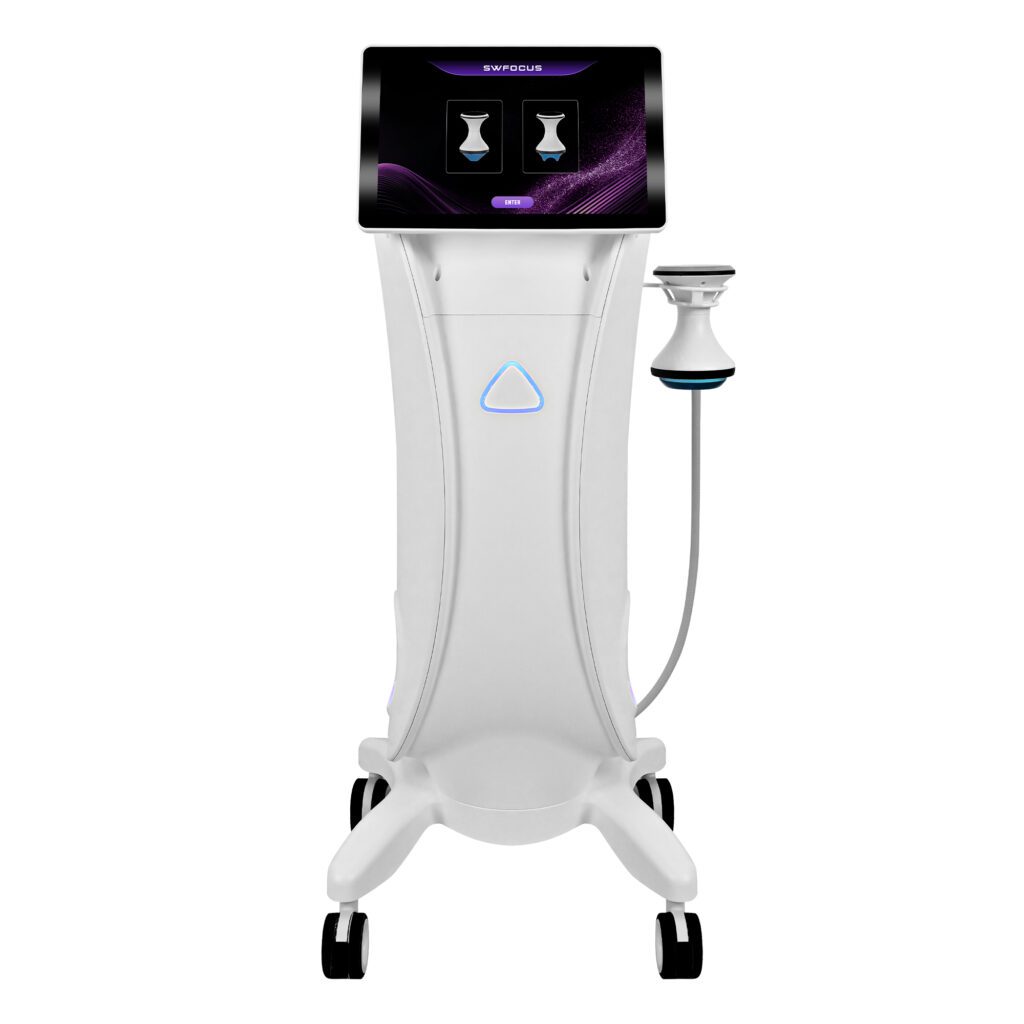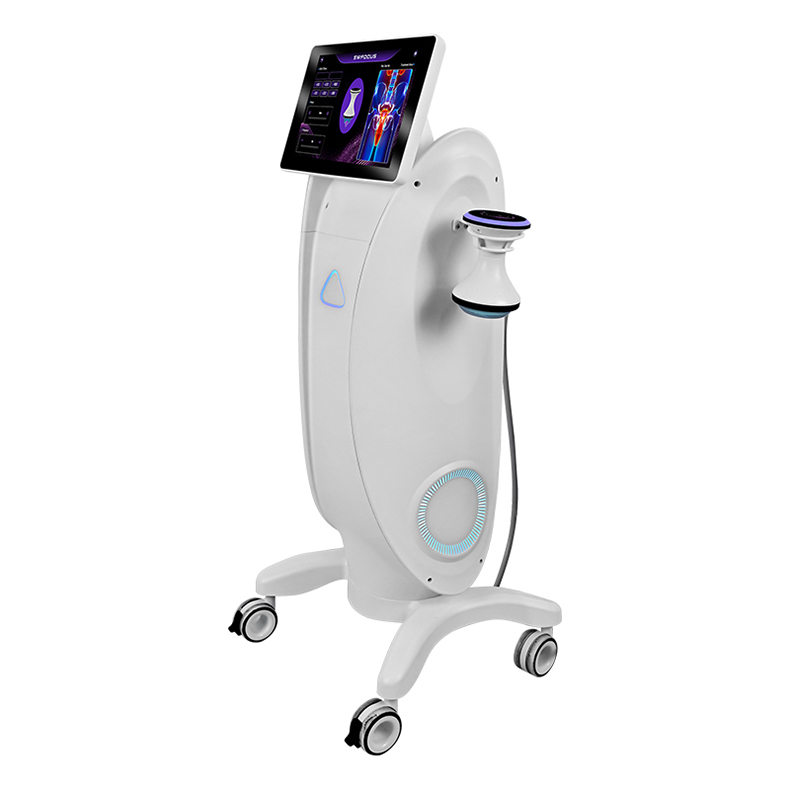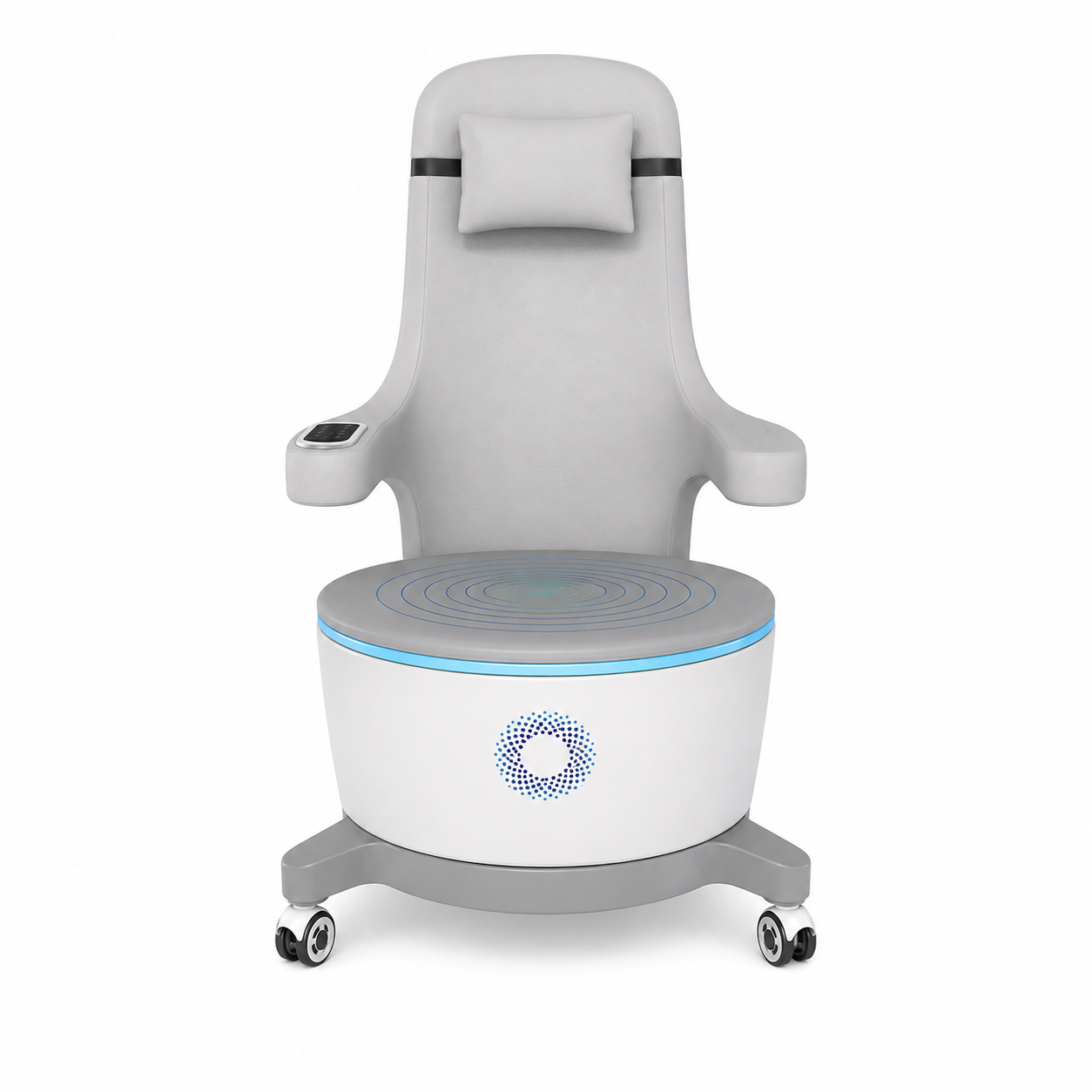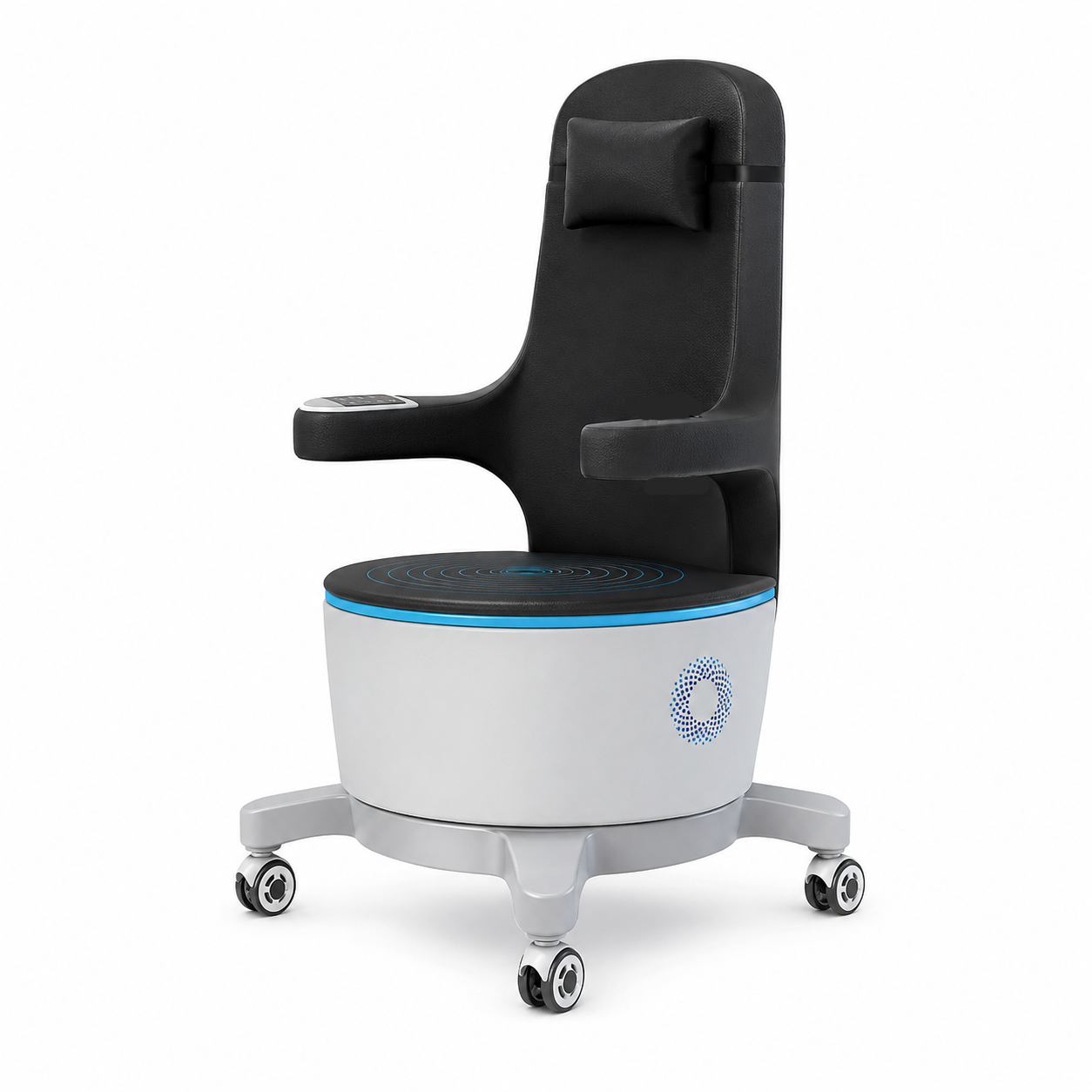

A beauty device prototype is valuable only when the team knows what it was built to prove. A polished enclosure may answer questions about size and operator reach while saying nothing about cooling or production assembly. A functional bench unit may demonstrate one subsystem without representing the final software, wiring, handpiece, or package. If every prototype is reviewed as though it were a finished product, teams record false approvals and overlook the evidence they actually need.
Product and engineering teams therefore need stage-specific review checklists. The checklist should identify the prototype, its intended questions, included and excluded functions, temporary parts, software build, test conditions, findings, and next decision. It should also separate product-fit questions from technical feasibility and manufacturing readiness.
This guide provides a practical review structure for industrial concept models, mechanical samples, subsystem rigs, engineering prototypes, integrated units, verification articles, and pilot-production devices. SHEFMON models are used only as public category examples; the examples do not describe confidential SHEFMON development records.
요약 보고서
A useful beauty device prototype review should:
- Identify the prototype before examining it. Record the unit ID, build purpose, hardware, software, handpieces, components, deviations, and date.
- State the questions the build must answer. A prototype without learning objectives invites opinions that cannot support a decision.
- Use a checklist matched to prototype maturity. Concept, engineering, verification, and pilot units should not face the same acceptance expectations.
- Separate product and engineering judgments. Product teams evaluate buyer fit, service role, workflow, configuration, and portfolio position; engineering teams evaluate feasibility, interfaces, limits, reliability, and implementation.
- Review the complete configured system when appropriate. Console, software, handles, accessories, consumables, cables, documentation, and packaging must eventually be evaluated together.
- Mark every nonproduction element. Hand-built parts, temporary wiring, alternate components, disabled protections, test software, and manual workarounds limit the conclusions that can be drawn.
- Capture objective evidence. Measurements, test conditions, build records, photographs, software identifiers, and issue references are more useful than pass, looks good, or works.
- Convert observations into controlled findings. Each issue needs consequence, priority, owner, planned action, affected build, and closure evidence.
- Define the next-build entry criteria. The review should explain what must change or be proven before another prototype is authorized.
- Never confuse prototype success with production readiness. Repeatable sourcing, assembly, inspection, testing, configuration, documentation, and support require separate evidence.
The checklist is complete when it supports a clear decision: continue, revise and rebuild, run a targeted investigation, enter formal verification, begin a pilot build, or stop the selected direction.
1. Begin with a Prototype Definition
The word prototype can refer to a foam mockup, a 3D-printed enclosure, an open-frame electronics rig, a fully integrated engineering unit, a verification article, or a pilot-built machine. Before the review, define:
- prototype type and maturity;
- build identifier and date;
- questions it was created to answer;
- requirements or risks under evaluation;
- included functions and configurations;
- excluded or incomplete elements;
- production-intent and temporary parts;
- hardware, software, and interface versions;
- handpieces, applicators, accessories, and consumables;
- assembly method and builder;
- tests already performed; and
- restrictions on operation, transport, demonstration, or retention.
This record prevents the prototype from becoming an undocumented reference for quotations or later builds.
2. Match the Checklist to the Prototype Stage
| Prototype stage | Primary questions | Conclusions it cannot support alone |
|---|---|---|
| Industrial concept model | Does the form fit the buyer, room, operator, storage, and product role? | Functional performance, thermal capacity, reliability, production readiness |
| Mechanical or appearance sample | Do dimensions, surfaces, holders, access, movement, and assembly concepts work? | Complete electrical, software, or subsystem performance |
| Subsystem rig | Can a selected technical principle achieve defined behavior? | Whole-machine interaction or sellable configuration |
| Engineering prototype | Can hardware, software, mechanics, and main functions integrate? | Formal compliance with every requirement or repeatable manufacture |
| Design-intent or verification article | Does the controlled design meet specified acceptance criteria? | Stable volume production unless built with the released process |
| Pilot-production unit | Can intended people, parts, instructions, tools, and tests produce the design? | Ongoing process capability without sufficient production evidence |
The team may use different names, but it should preserve the distinction between learning, design proof, and manufacturing proof.
3. Prepare a Prototype Review Cover Sheet
The cover sheet should travel with the physical unit and its digital records. Include:
- project and model name;
- prototype serial or unique identifier;
- build stage;
- design baseline or drawing revision;
- BOM revision;
- software and firmware build;
- connected handpiece and accessory revisions;
- regional settings such as voltage, plug, language, and labels;
- 승인된 예외 사항;
- unapproved substitutions discovered during the build;
- owner and storage location;
- permitted users and operating limits; and
- review date and participants.
A visible label on the machine should distinguish development, verification, pilot, and released units. It should also prevent a nonproduction prototype from being shipped or demonstrated as standard stock.
4. Define Review Questions and Acceptance Criteria
Each prototype should answer a finite set of questions. Examples include:
- Can the proposed enclosure contain the required subsystems?
- Can the operator reach the screen and handpieces from the intended position?
- Does the cooling loop maintain the defined condition under a specified operating profile?
- Does the vacuum or fluid path deliver the required behavior without leakage?
- Does the console recognize the approved handpiece and load the correct interface?
- Can production assemble and test the unit using the planned method?
For each question, state the method, condition, measurement, and acceptable outcome. If a value is not yet known, state what evidence will help set it rather than inventing an arbitrary threshold.
5. Divide Responsibilities between Product and Engineering
| 검토 영역 | Product-team responsibility | Engineering-team responsibility |
|---|---|---|
| 구매자 적합성 | Confirm target business, user, service role, and purchasing logic | Identify technical implications of the use context |
| 워크플로우 | Evaluate setup, operation, changeover, storage, and service flow | Confirm sequence, states, interfaces, and physical feasibility |
| Scope | Confirm core, optional, future, regional, and excluded items | Identify architecture and verification impact of each item |
| 구성 | Define sellable package and buyer-facing distinctions | Confirm hardware, software, accessory, and production compatibility |
| 성능 | Confirm that criteria support the product promise | Measure behavior under controlled conditions and explain limits |
| Risk and quality | Confirm that product decisions consider intended use and market | Implement and test applicable controls with qualified specialists |
| Production | Confirm release expectations and commercial completeness | Establish drawings, BOMs, assembly, inspection, and test evidence |
The functions should review the same prototype together while making decisions within their competence.
6. Verify Prototype Identity before Power-Up
Before testing, the reviewer should be able to trace the unit to its build record. Confirm:
- chassis and enclosure revision;
- control board and power-module revision;
- display and interface hardware;
- software build and language;
- energy, cooling, vacuum, fluid, or mechanical modules as applicable;
- connectors, sensors, switches, and protective elements;
- handpiece or applicator identifiers;
- tubing, bottles, filters, tips, cartridges, or consumables;
- power cord and regional electrical configuration;
- temporary wires, adapters, jumpers, weights, supports, or external equipment; and
- previous damage, rework, or test history.
If the unit cannot be identified, observations may still guide troubleshooting, but they should not be used as formal acceptance evidence.
7. Record Every Prototype Deviation
Prototype deviations are normal during learning. Hidden deviations are dangerous because they make a result appear representative when it is not.
기록:
- item and normal design intent;
- temporary condition or substitute;
- reason;
- affected functions and tests;
- risk or limitation;
- person who approved its use;
- removal or correction plan; and
- whether later testing must be repeated.
Examples include a larger temporary fan, bench power supply, manually controlled pump, unfinished housing, modified cable, disabled alarm, early software screen, alternate supplier part, or hand-assembled connection. A passing result may apply only to that temporary arrangement.
8. Industrial Concept Model Checklist
For an early physical or digital concept, product teams should review:
- fit with the target buyer and product tier;
- desktop, vertical, cart, or portable format;
- expected room placement and operator position;
- screen height, angle, visibility, and reach;
- handpiece, cable, bottle, tip, and accessory storage;
- movement, stability, handle position, and wheel concept where applicable;
- client and operator paths around the unit;
- cleaning surfaces and visible joints;
- brand and category recognition; and
- distinction from other models in the portfolio.
Engineering teams should review:
- credible internal volume for all subsystems;
- ventilation and cooling paths;
- separation of liquid and electrical areas;
- structural support and center of gravity;
- connector and service-access zones;
- cable and tubing bend space;
- anticipated manufacturing processes; and
- features that create avoidable tooling or assembly complexity.
The output should be a selected direction, defined changes, and unresolved feasibility questions for the next build.
9. Mechanical and Appearance Sample Checklist
Check the physical sample against the intended CAD and dimensions:
- overall height, width, depth, and weight estimate;
- panel fit, gaps, flushness, and alignment;
- surface finish, color, texture, and cleanability;
- screen, button, connector, holder, and bottle placement;
- fasteners, covers, hinges, doors, and access panels;
- base stability and wheel locking;
- handle-holder retention and cable routing;
- internal mounting, clearance, and tool access;
- ventilation openings and filter access;
- assembly order and risk of cosmetic damage;
- package orientation and lifting points; and
- service removal of likely replacement modules.
Identify which observations depend on prototype processes such as 3D printing, hand finishing, temporary fasteners, or low-volume molding. Those processes may not predict production appearance or tolerance.
10. Subsystem Prototype Checklist
A subsystem rig should have a defined boundary and interface assumptions. Review:
- required input and expected output;
- component and supplier versions;
- electrical, mechanical, thermal, software, optical, vacuum, or fluid interfaces;
- instrumentation and calibration status;
- operating conditions and duration;
- normal and worst-case load assumptions;
- sensor and control behavior;
- failure response;
- repeatability across runs;
- variation across relevant samples;
- noise, heat, vibration, leakage, or drift as applicable; and
- effect of integrating the subsystem into the enclosure.
A successful open-frame test may change once airflow, cable length, mounting stiffness, neighboring heat sources, or software timing changes. Record these integration assumptions explicitly.
11. Electrical and Power Review Checklist
For the stage being evaluated, confirm:
- input voltage and frequency configuration;
- power supply and board identifiers;
- normal, peak, startup, and standby demand;
- grounding and protective arrangements;
- wire gauge, routing, termination, and strain relief;
- connector keying and retention;
- fuse or protection-device selection;
- power distribution to each subsystem;
- sensor signals and fault response;
- effect of connecting each approved handpiece;
- accessible test points; and
- production method for confirming correct assembly.
Any activity involving electrical, optical, thermal, or other hazards should be planned and reviewed by appropriately qualified personnel under controlled conditions.
12. Thermal and Cooling Review Checklist
Define the operating profile before interpreting temperature or cooling results. Record ambient conditions, starting temperature, output settings, duty pattern, connected configuration, measurement locations, and duration.
검토:
- heat sources and estimated loads;
- fan, heat sink, water loop, pump, radiator, or other cooling elements;
- inlet and outlet paths;
- recirculation and blocked-vent conditions where relevant;
- temperature sensors and alarm thresholds;
- handpiece or contact-surface cooling behavior where applicable;
- warm-up and recovery;
- sound and vibration effects;
- leak and condensation risk;
- filter and coolant access;
- shutdown or derating behavior; and
- production checks that can reveal cooling faults.
A cold-start demonstration is not enough when the intended workflow includes repeated or extended operation.
13. Vacuum, Pressure, and Fluid-System Checklist
For facial, body, or other systems that use vacuum, pressure, liquid, or drainage, review:
- pump, valve, bottle, filter, tube, fitting, and seal identity;
- routing, retention, bend radius, and pinch points;
- supply and waste path separation;
- connection and disconnection workflow;
- measurement setup for vacuum, pressure, and flow;
- behavior across intended settings and handles;
- leakage during operation, movement, and storage;
- priming, drainage, air entry, and blockage response;
- fluid proximity to electronics;
- cleaning and changeover access;
- replaceable-part instructions; and
- factory leak and functional tests.
Prototype fluid systems should be inspected after testing, not only while the main function appears to operate.
14. Handpiece and Applicator Checklist
For each handpiece, applicator, cartridge, or tip, confirm:
- exact identifier and revision;
- intended function and configuration status;
- mechanical fit and connector engagement;
- electrical, cooling, vacuum, fluid, or communication interface;
- console recognition or manual-selection logic;
- software mode, units, ranges, and limits;
- cable or hose length and movement;
- holder fit and retention;
- surface, grip, weight, and operator reach;
- replacement, pairing, or calibration process where applicable;
- cleaning, storage, and disposal information as relevant;
- individual functional test; and
- packaging and transport protection.
Review all released combinations. Passing one handle does not demonstrate compatibility of the full package.
15. Software and User-Interface Checklist
Record the software build before testing. Then review:
- startup and shutdown sequence;
- model, hardware, and handpiece compatibility;
- language and translation status;
- mode names and navigation;
- parameter units, ranges, defaults, and boundaries;
- confirmation before activation;
- live status and feedback;
- warnings, alarms, and error codes;
- behavior when a connector, sensor, fluid, cooling, or other condition changes;
- user access and protected settings;
- maintenance and service screens;
- recovery after interruption;
- update and version-identification process; and
- production loading and final confirmation.
Screen appearance should be reviewed together with actual hardware response and operator workflow.
16. Integrated Engineering Prototype Checklist
An integrated unit should be evaluated as a system rather than a collection of passing subsystems.
확인하다:
- all approved subsystems are present and identified;
- interfaces match the current architecture;
- power and cooling remain adequate with combined operation;
- software controls the correct hardware and handpieces;
- parameters and states remain synchronized;
- fault conditions lead to the defined response;
- cables, tubing, connectors, and moving parts do not interfere;
- enclosure changes have not reduced subsystem performance;
- operator workflow is complete from setup to shutdown;
- cleaning and maintenance tasks are possible;
- repeated operation does not reveal drift or accumulated heat; and
- issues from earlier builds have been retested.
Integration review should include prohibited combinations and transitions, not only the ideal sequence.
17. Product-Team Workflow Checklist
Product reviewers should follow representative tasks:
- Receive and identify the configured unit.
- Place it in the intended room or simulated space.
- Confirm package contents.
- Connect power, handles, bottles, accessories, or consumables.
- Start the unit and select language or user settings.
- Navigate to the intended service mode.
- Adjust permitted parameters.
- Change handles or functions.
- Respond to a warning or routine interruption.
- Complete shutdown, cleaning, storage, and client changeover.
- Perform routine maintenance tasks.
- Find model, software, consumable, and support information.
Record task time only when the method and user profile are defined. More important, note confusion, unnecessary movement, hidden information, repeated steps, and dependence on engineering assistance.
18. Configuration-Completeness Checklist
The prototype record should state whether the unit represents:
- standard package;
- approved optional package;
- regional version;
- customer-specific OEM/ODM sample;
- verification configuration;
- pilot-production configuration; or
- experimental combination not intended for sale.
Compare the physical unit with the configuration list:
- console hardware;
- software and language;
- voltage, plug, and power cord;
- standard and optional handpieces;
- tips, cartridges, bottles, filters, and accessories;
- labels and model identification;
- manuals and training material; and
- packaging and packing list.
Missing documentation can be acceptable on an early engineering build, but it must be visible as unfinished scope.
19. Design-for-Assembly Checklist
Ask production engineering or experienced assemblers to evaluate:
- logical assembly sequence;
- part orientation and mistake prevention;
- fastener number, access, and control;
- wire, cable, and tubing routing;
- connector differentiation and retention;
- risk of pinching, abrasion, leakage, or cosmetic damage;
- need for temporary holding or repeated adjustment;
- subassembly inspection and test points;
- software-loading access;
- calibration or setup steps where applicable;
- tools, fixtures, and skills required;
- rework and disassembly effects; and
- time-consuming operations that indicate design difficulty.
An engineer assembling a unique prototype can compensate for unclear design. A production operator should not need undocumented judgment to achieve the same result.
20. Design-for-Service Checklist
Service reviewers should check:
- access to diagnostics and error records;
- identification of hardware and software versions;
- access to filters, coolant, bottles, pumps, boards, fans, connectors, or other service items;
- replaceable-module boundaries;
- tools and disassembly sequence;
- risk of damaging unrelated parts;
- cable and connector labeling;
- spare-part identifiers;
- post-repair test method;
- restoration of seals, routing, and safety-related controls;
- remote-support information; and
- service record requirements.
A prototype that works but cannot be diagnosed or repaired may require architectural change before detailed release.
21. Reliability and Repeated-Use Checklist
Prototype review should explore behavior over repeated cycles appropriate to the development stage. Define the use profile rather than describing a unit as stable.
찾아보세요:
- temperature accumulation;
- drift in output, vacuum, pressure, flow, or speed;
- connector loosening;
- cable or tubing wear;
- handle-holder damage;
- fluid leakage;
- pump, fan, motor, or relay changes;
- software slowdown, reset, or state error;
- screen or control inconsistency;
- noise and vibration changes;
- fastener, wheel, panel, or bracket movement; and
- maintenance or cleaning effects.
Early testing can reveal weaknesses, but formal reliability conclusions require an approved plan, representative samples, defined conditions, and suitable evidence.
22. Packaging and Transport Prototype Checklist
A packaging sample should be evaluated with the complete configured product. Review:
- protection for console, screen, handpieces, accessories, and fragile interfaces;
- internal movement and contact points;
- loading and unloading sequence;
- package dimensions and weight;
- lifting and handling information;
- wheel, bottle, cable, and holder immobilization;
- accessory and document compartments;
- package labels and model identification;
- regional power cord and manual control;
- reuse for return or service where planned;
- visible damage after relevant transport trials; and
- unpacking completeness and setup workflow.
Packaging review should identify the actual model and option package. An empty enclosure or incomplete accessory set does not represent shipment behavior.
23. Verification-Article Readiness Checklist
Before a prototype becomes a formal verification article, confirm:
- requirements and acceptance criteria are approved;
- the design baseline is identified;
- drawings, BOM, software, and configuration agree;
- components and assembly represent the intended design;
- deviations are absent or formally assessed;
- test methods and equipment are ready;
- fixtures and instruments are identified and suitable;
- sample selection and conditions are defined;
- handpieces, accessories, and consumables are controlled;
- preconditioning and previous testing are recorded;
- traceability links each test to a requirement; and
- failures, retests, and changes will follow a controlled process.
A prototype with unresolved temporary elements may be useful for method development but should not quietly become release evidence.
24. Pilot-Production Prototype Checklist
The pilot unit should be built as close as practical to intended production conditions. Review:
- approved production drawings and BOM;
- supplier and incoming-part status;
- line presentation and part identification;
- assembly instructions and operator understanding;
- tools, fixtures, and controlled settings;
- software loading and version checks;
- in-process inspections;
- functional and final tests;
- nonconformance and rework handling;
- model, serial, and configuration traceability;
- label, manual, accessory, and packaging accuracy;
- build time and bottlenecks;
- defects and repeated workarounds; and
- differences between pilot and planned routine production.
The pilot review should produce actions for design, process, supplier, test, training, and documentation owners.
25. Quality-Control Evidence Checklist
The public SHEFMON quality-control page describes material testing, precision-parts assembly, circuit-board aging and power testing, functional aging, and prototype inspection. These process areas illustrate the types of records a prototype should help define for later production.
Review whether the build identifies:
- critical incoming characteristics;
- assembly controls that prevent hidden errors;
- board, power, function, aging, or subsystem checks as applicable;
- measurable limits rather than subjective descriptions;
- equipment and fixture requirements;
- configuration confirmation;
- result records and traceability;
- nonconformance handling; and
- final release authority.
The article does not claim that SHEFMON uses the exact checklist presented here.
26. Capture Findings in a Controlled Issue Log
| Finding field | 목적 |
|---|---|
| Issue ID | Provides a stable reference across builds and meetings |
| Prototype and configuration | Identifies where the issue occurred |
| Observation and evidence | Records what happened under which conditions |
| Expected result | Links the issue to a requirement, risk, or review question |
| Consequence | Explains effect on user, function, design, test, production, or support |
| Classification and priority | Supports sequencing and gate decisions |
| Owner and due stage | Assigns responsibility and closure timing |
| Proposed action | States investigation, correction, document update, or decision needed |
| Retest requirement | Defines how closure will be demonstrated |
| Status and approval | Preserves the final disposition |
Use neutral observations. “Vacuum fell below the defined limit after the stated test condition” is more actionable than “pump is bad.”
27. Classify Prototype Findings Correctly
Possible classes include:
- requirement or scope issue;
- industrial-design issue;
- mechanical or tolerance issue;
- electrical or power issue;
- thermal or cooling issue;
- vacuum, pressure, or fluid issue;
- software or user-interface issue;
- handpiece or compatibility issue;
- supplier or component issue;
- assembly or test-process issue;
- documentation or training issue;
- serviceability issue;
- packaging issue; and
- observation requiring more evidence.
Classification directs the issue to the right owner. Priority should reflect consequence and project dependency rather than who reported it.
28. Decide the Disposition of Each Finding
| 처분 | When it fits | 필수 기록 |
|---|---|---|
| Correct in current build | The change is controlled and retesting the same unit is meaningful | Change description and before/after evidence |
| Correct in next build | The unit cannot represent the revised design reliably | New revision, next-build requirement, and planned test |
| Run targeted investigation | Root cause or design direction remains uncertain | Experiment plan, owner, conditions, and decision rule |
| Accept as prototype limitation | The issue is inherent to the nonproduction build and does not invalidate its purpose | Limitation, affected conclusions, and future control |
| Change requirement or scope | Evidence shows the approved input needs reconsideration | Authorized change and impact analysis |
| Defer to future release | The item has value but is outside the current product boundary | Controlled backlog reference and rationale |
| Stop the direction | Evidence shows unacceptable feasibility, risk, or product fit | Decision authority and alternative action |
Accepting a prototype limitation does not accept the same condition in the released product.
29. Require Objective Closure Evidence
An issue is not closed merely because a component was changed or a designer says the problem is fixed. Closure should identify:
- revised drawing, BOM, code, instruction, or requirement;
- prototype or sample containing the change;
- test or inspection method;
- test condition and configuration;
- result against acceptance criteria;
- regression effect on connected functions;
- reviewer and approval date; and
- future production or verification control.
If the correction cannot be represented on the current prototype, carry the issue into the next-build entry criteria.
30. Hold a Next-Build Readiness Review
Before authorizing another prototype, confirm:
- the new build has a defined purpose;
- previous findings are closed, carried forward, or explicitly excluded;
- revised requirements and design records are approved;
- parts and suppliers match the intended revision;
- software and hardware compatibility is confirmed;
- build deviations are planned rather than discovered late;
- test methods and equipment are available;
- the number of units supports the learning goals;
- responsible reviewers are scheduled; and
- the decision expected from the build is clear.
Building quickly without this review can reproduce the same uncertainty at higher cost.
31. Control Prototype Demonstrations to Buyers
A distributor or buyer may reasonably want to see a prototype, but the demonstration must preserve its status.
Before the session, identify:
- what the unit is intended to demonstrate;
- unfinished or nonproduction elements;
- current function and configuration limits;
- software and language status;
- safe operating boundaries and authorized operator;
- statements that may or may not be made;
- feedback questions to capture;
- photography, sample, or confidentiality rules where agreed; and
- whether any commercial commitment can follow.
Afterward, separate buyer observations from approved engineering changes. Interest in a feature is evidence to evaluate, not automatic scope approval.
32. Review OEM/ODM Prototypes against the Agreement
그만큼 SHEFMON OEM/ODM page describes customization areas such as exterior and mechanical design, internal layout, airflow and moisture considerations, handpiece connections, interface and language, functions, logo, packaging, manuals, and prototyping.
For an OEM/ODM sample, the review should distinguish:
- standard platform elements;
- customer-specific requirements;
- buyer-supplied logos, artwork, translations, or other material;
- appearance approval versus technical approval;
- prototype-only versus production-intent parts;
- agreed functions and excluded functions;
- verification affected by customization;
- packaging and documentation status;
- buyer comments and approval authority; and
- changes that require new cost, timing, or feasibility review under the parties’ agreement.
A signed appearance sample should not be interpreted as approval of unfinished technical elements, and technical operation should not imply approval of branding or packaging.
33. A0648 Category Example: Facial-System Prototype Checklist
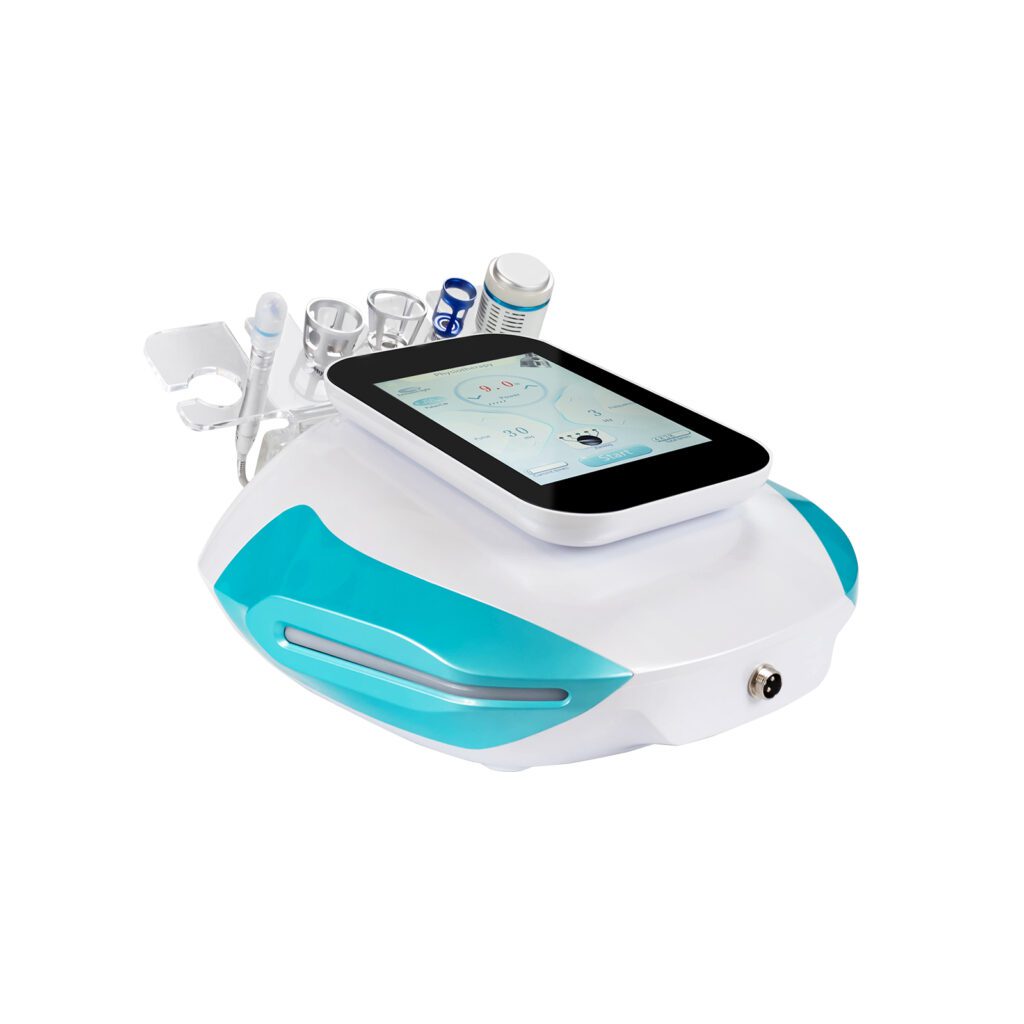
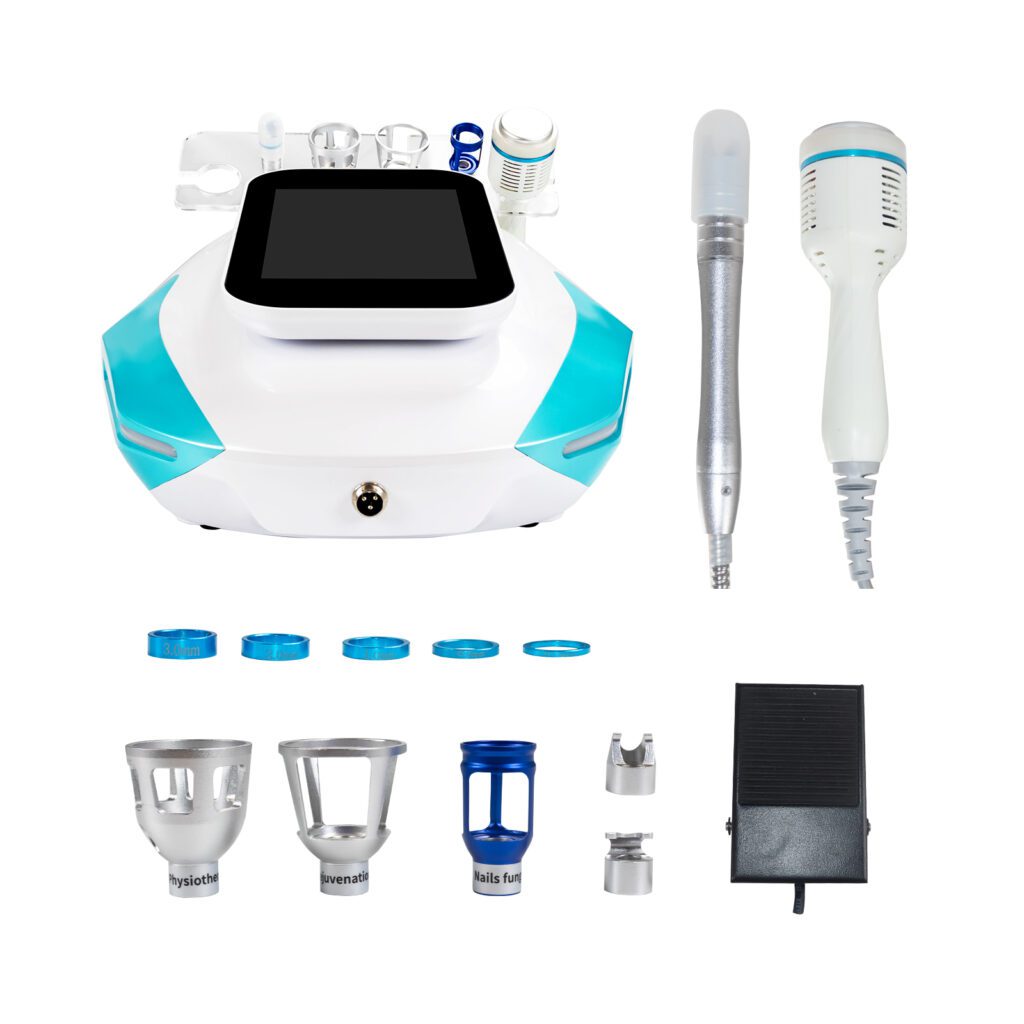
그만큼 SHEFMON A0648 hydro microdermabrasion system is publicly presented as a multifunction platform associated with cleansing, exfoliation, extraction, hydration, and related facial functions.
For a new prototype in this category, review:
- exact handle and tip package;
- bottle identity, position, connection, and retention;
- tubing routing and service access;
- vacuum and fluid behavior under defined conditions;
- leakage, drainage, priming, and blockage response;
- separation of fluid paths from electronics;
- interface mapping for every approved function;
- holder, cable, and accessory storage;
- cleaning and changeover tasks; and
- production leak, flow, vacuum, and configuration tests.
These are hypothetical review areas, not descriptions of private A0648 engineering records.
34. A0426 Category Example: Hair-Removal Prototype Checklist
Public information for the SHEFMON A0426 diode laser hair-removal system identifies several wavelength and spot-size choices together with cooling, touchscreen, and language details.
For a new prototype in this category, check:
- approved wavelength and handpiece configuration;
- power and cooling subsystem identity;
- thermal behavior under the defined duty profile;
- water or cooling-path routing and leak status where applicable;
- connector, cable, hose, and holder arrangement;
- spot-size identity and software mapping;
- parameter units, ranges, limits, and fault response;
- language and regional settings;
- handpiece replacement and version traceability; and
- verification and production-test configuration.
The review should use the exact unit and option combination rather than assume every listed choice is present simultaneously.
35. B0155 Category Example: Multifunction Body Prototype Checklist
그만큼 셰프몬 B0155 데스크탑 엔도스 벨라프로 page presents a multifunction format listing vacuum roller, RF, rotating massage, and 80K cavitation functions.
For a new multifunction body prototype, examine:
- intended product role and approved function set;
- power allocation and subsystem interaction;
- allowed and prohibited operating states;
- handle and connector recognition;
- software-mode clarity;
- cable organization and desktop stability;
- independent test evidence for each subsystem;
- repeated-use heat, noise, vibration, and connection behavior;
- cleaning and changeover workflow;
- accessory packing and storage; and
- training burden compared with specialized devices.
Integration findings matter because individual functions can pass while combined packaging, power, workflow, or software remains unresolved.
36. Prototype Review Meeting Checklist
- The prototype and every attached configuration item are identified.
- The review purpose and expected decision are stated.
- Requirements, risks, and previous issues are available.
- Prototype deviations and temporary elements are visible.
- Product and engineering reviewers understand their responsibilities.
- Test conditions, instruments, software, and operator are recorded.
- Results are separated from opinions and future ideas.
- Each finding has an issue ID, consequence, owner, priority, and due stage.
- The team decides whether failed testing must be repeated after correction.
- Prototype limitations are not converted into production acceptance.
- Scope or requirement changes follow authorization.
- Buyer comments are evaluated before entering the design.
- The next build has defined entry criteria.
- The decision is recorded as continue, revise, investigate, verify, pilot, or stop.
- Prototype storage, modification, demonstration, and disposal status are controlled.
37. Common Prototype Review Mistakes
피하다:
- calling every physical sample an engineering prototype;
- reviewing a unit without version and deviation records;
- using one successful demonstration as proof of reliability;
- judging performance without defined conditions;
- testing one handpiece and approving the entire configuration;
- treating a cold start as representative of repeated use;
- approving software from screenshots without hardware interaction;
- accepting manual workarounds as future production steps;
- mixing buyer preferences with approved requirements;
- closing issues without retest evidence;
- using verification articles built from uncontrolled parts; and
- assuming a pilot unit proves ongoing process consistency by itself.
These errors make later design, quality, production, and commercial records difficult to reconcile.
자주 묻는 질문
1. What should every beauty device prototype review begin with?
Begin with the prototype identity, purpose, configuration, revisions, deviations, prior test history, and questions to be answered. Reviewers cannot interpret a result reliably without knowing what the unit represents.
2. Does every prototype need to be fully functional?
No. A concept or mechanical model may be intentionally nonfunctional. It is useful when its learning objective is clear and the team avoids drawing conclusions about systems it does not represent.
3. What is the difference between an engineering prototype and a pilot unit?
An engineering prototype primarily evaluates design integration and technical behavior. A pilot unit should use intended production parts, instructions, tools, personnel, inspections, tests, and traceability as far as practical to evaluate manufacturing readiness.
4. Can a prototype with temporary parts be tested?
Yes, when every deviation is identified and the team limits conclusions accordingly. Testing may need to be repeated after production-intent parts are installed.
5. Who should attend a prototype review?
Attendance depends on the decision, but it commonly includes product, relevant engineering disciplines, quality, production, sourcing, service, documentation, and qualified market specialists. OEM/ODM buyers may join reviews tied to their agreed deliverables.
6. How should teams record prototype problems?
Use an issue log with the prototype configuration, objective observation, expected result, consequence, owner, priority, action, retest method, status, and approval. Avoid unsupported root-cause statements.
7. When can a prototype issue be accepted as a limitation?
Only when the condition comes from the prototype method, does not invalidate the intended learning, and has a defined control in a later build. Acceptance as a prototype limitation is not acceptance for the released product.
8. When is a prototype ready for formal verification?
It is ready when the design baseline, requirements, configuration, parts, software, test methods, equipment, samples, deviations, and traceability are sufficiently controlled for the planned evidence.
9. Can a factory show an unfinished prototype to a distributor?
It can when the purpose, unfinished elements, operating limits, configuration status, allowed claims, and feedback questions are controlled. The demonstration should not present development features as released availability.
10. How can a buyer discuss prototype requirements with SHEFMON?
Prepare the target product, intended functions, configuration, customization areas, destination markets, approval responsibilities, sample questions, and evidence expected from the prototype. Then 셰프몬에게 연락하세요 to discuss an appropriate standard-product or OEM/ODM path.
결론
Prototype reviews are most valuable when each build answers defined questions at the right level of maturity. Product teams protect buyer fit, product role, workflow, configuration, and scope. Engineering teams establish feasibility, interface behavior, measurable limits, and design evidence. Production, quality, sourcing, service, and documentation teams make sure later builds can move toward a repeatable released product.
A strong checklist identifies the unit, exposes deviations, records conditions, classifies findings, requires objective closure, and defines the next decision. It allows teams to learn quickly without claiming that an early sample proves more than it actually does.
탐색해 보세요 셰프몬 뷰티 디바이스 포트폴리오, review its OEM/ODM 역량, 또는 셰프몬에게 연락하세요 to discuss a standard configuration or controlled prototype-development requirement.