
A beauty device can keep the same model name while its board, screen, software, handpiece, pump, cable, housing, labels, or package changes. If the factory cannot identify which combination belongs to each unit, teams begin making different products under one name. Production installs an updated board with old software, sales promises a new handle for an earlier console, service sends a replacement part that does not fit, and distributors cannot tell which manual applies.
Engineering change management prevents this conflict by connecting every approved modification to a controlled product baseline, compatibility decision, verification record, production effective point, inventory disposition, and installed-base plan. The process must cover technical files and the physical units built from them.
This guide explains how beauty device factories can manage engineering change requests, approvals, revisions, configurations, effectivity, production deployment, service support, and OEM/ODM variants. It focuses on the product and manufacturing system rather than catalog editing or website content management.
요약 보고서
To manage engineering changes without creating conflicting beauty device versions, a factory should:
- Maintain one approved product baseline. Drawings, BOMs, software, handpieces, test methods, labels, manuals, and packaging must reference the same released configuration.
- Separate request, decision, and implementation. An engineering change request raises the issue; an approved change order defines exactly what will change and how it will be deployed.
- Identify every affected item and relationship. A component change can affect assemblies, software, parameters, suppliers, fixtures, service parts, documentation, and existing devices.
- Distinguish revision from configuration. A revision tracks controlled change to an item; a configuration defines the approved combination delivered to a buyer or market.
- Use explicit effectivity. The factory must know the serial number, lot, production order, or date from which the new baseline applies.
- Decide how old material will be handled. Use as is, rework, return, scrap, reserve for service, or consume only in named older configurations.
- Verify compatibility and regression impact. Form, fit, function, software, performance, workflow, production test, and service consequences need appropriate evidence.
- Control temporary deviations separately. A one-time substitute or rework authorization should not become an undocumented permanent version.
- Preserve installed-base support. Earlier units need identifiable parts, software, manuals, and compatibility records even after the factory releases a successor.
- Close the change through physical verification. The change is complete only after released files, suppliers, inventory, production, test, documentation, and support systems reflect the approved decision.
The desired outcome is not zero product variation. It is a product family in which every legitimate version can be identified, built, tested, ordered, repaired, and supported without guessing.
1. Why Conflicting Device Versions Appear
Version conflict usually develops through several individually reasonable actions:
- engineering updates a board but does not revise the software compatibility record;
- purchasing substitutes a component based on price or availability;
- production keeps using an older work instruction;
- quality changes a test limit without updating product requirements;
- a new handle is demonstrated before the console configuration is released;
- one market receives different labels, voltage, or language under the same order code;
- an OEM buyer approves a custom screen that is loaded on standard units;
- service replaces an assembly without checking hardware and software generation; or
- old and new stock are stored under the same part number.
The problem is not change itself. The problem is loss of identity and control across the product lifecycle.
2. Use Precise Change-Control Terms
| 용어 | 목적 | Key output |
|---|---|---|
| Engineering Change Request (ECR) | Describes a problem, opportunity, or proposed modification for evaluation | Impact analysis and recommended decision |
| Engineering Change Order (ECO) | Authorizes a defined set of changes to controlled items | Approved revisions, actions, owners, and effectivity |
| Engineering Change Notice (ECN) | Communicates an approved change to affected functions | Release information and implementation instructions |
| 개정 | Identifies a controlled change to a part, document, software build, or assembly | New item state with traceable history |
| 구성 | Defines an approved combination of hardware, software, handles, region, and documentation | Buildable and orderable product identity |
| Effectivity | States when or where a change begins to apply | Serial, lot, order, date, or other controlled boundary |
| Deviation or concession | Authorizes a limited departure without changing the permanent baseline | Quantity, duration, scope, controls, and expiry |
Companies may use different names, but the responsibilities should remain distinct.
3. Establish a Single Approved Product Baseline
The baseline should connect:
- model and configuration code;
- assembly and part drawings;
- bill of materials;
- approved suppliers and specifications;
- firmware and software;
- parameter or configuration data;
- handpieces, applicators, accessories, and consumables;
- manufacturing and inspection instructions;
- production fixtures and test limits;
- labels and serial-number rules;
- user, training, and service documentation;
- packaging and packing list; and
- released markets and languages.
Every production order should point to one baseline. A shared folder containing several files called final does not create configuration control.
4. Give Every Controlled Item a Stable Identifier
Parts and documents need identifiers that survive revision. Control can include:
- part or document number;
- 개정;
- description;
- 생명주기 상태;
- 소유자;
- applicable models and configurations;
- supplier and manufacturer reference;
- software or firmware dependency;
- parent assembly;
- approved substitute relationship;
- release and obsolete dates; and
- successor or predecessor.
If two items are not interchangeable in production or service, they should not be hidden under the same uncontrolled identity.
5. Define Which Events Require an ECR
Engineering change control can be triggered by:
- requirement or scope change;
- design-review finding;
- verification failure;
- pilot-build issue;
- production defect or repeated rework;
- supplier discontinuation or proposed substitution;
- reliability or service evidence;
- software defect or interface improvement;
- new handle, applicator, or consumable;
- market, label, language, or electrical requirement;
- cost or assembly improvement;
- OEM/ODM request;
- packaging or shipping damage; and
- correction of inaccurate product data.
Teams need thresholds for changes that require formal review. Silent editing of a released drawing, BOM, code branch, or test method should never be the normal route.
6. Classify the Proposed Change
| Change class | 예 | Typical control question |
|---|---|---|
| 형태 | Housing shape, connector location, label layout | Does appearance, installation, packaging, or service access change? |
| Fit | Dimension, mounting, cable, tube, seal, handpiece interface | Can old and new items connect or assemble correctly? |
| 기능 | Output, mode, parameter, sensor response, workflow | Does intended behavior or acceptance evidence change? |
| 소프트웨어 | Interface, algorithm, language, database, diagnostic logic | Which hardware and configuration builds remain compatible? |
| Material or supplier | Resin, board, pump, screen, motor, cable, adhesive | Does performance, inspection, durability, or supply evidence change? |
| Manufacturing | Tooling, process, routing, torque, calibration, test | Does the product design remain the same while process evidence changes? |
| 구성 | Handle set, voltage, plug, language, package | Is a new orderable combination being created or modified? |
| 선적 서류 비치 | Manual, label, specification, service instruction | Is this a correction, or does it reveal a product difference? |
One request may belong to several classes. Splitting unrelated changes makes implementation and rollback easier.
7. Write a Complete Engineering Change Request
An ECR should record:
- requester, date, and source;
- affected product, configuration, and item;
- current condition;
- problem or opportunity;
- 증거;
- proposed outcome;
- urgency and consequence of no change;
- suspected affected functions;
- known inventory or installed-base exposure;
- temporary containment; and
- decision owner.
The request should explain the need without assuming that the requester’s preferred solution is the only answer.
8. Create a Cross-Functional Change Review
The review group should match the impact. It may include:
- product management;
- systems, mechanical, electrical, software, or industrial engineering;
- quality and verification;
- production engineering;
- sourcing and supplier quality;
- planning, warehouse, and logistics;
- service and spare-parts teams;
- documentation and training;
- sales configuration or distributor support;
- OEM/ODM project management; and
- qualified specialists for market, professional, or other applicable requirements.
One department should not approve a change whose consequences belong to several owners.
9. Perform Full Impact Analysis
| Impact area | Questions to answer |
|---|---|
| Requirements and risk | Which requirements, risks, controls, or claims are affected? |
| Product architecture | Do power, cooling, space, data, vacuum, fluid, optical, RF, ultrasound, or mechanical limits change? |
| 호환성 | Can old and new parts, software, handles, and accessories be mixed? |
| 확인 | Which tests, samples, conditions, and regression checks are required? |
| Supply | Which suppliers, parts, tooling, lead times, and purchase orders are affected? |
| Production | Which BOMs, instructions, fixtures, settings, inspections, and tests change? |
| 목록 | What happens to raw material, WIP, finished goods, returns, and service stock? |
| Orders | Which quotations, accepted orders, samples, or buyer approvals are affected? |
| 설치 기반 | Do earlier units need updates, parts, warnings, or preserved support? |
| 선적 서류 비치 | Which labels, manuals, training, service, packaging, and product data change? |
The analysis should name evidence and owners rather than rely on a simple yes/no checklist.
10. Determine Whether the Model Identity Changes
Not every engineering change requires a new model number. A new identity may be justified when the change creates a materially different product role, incompatible architecture, different intended use, distinct market version, or a configuration that buyers and service teams must distinguish permanently.
A revision may be sufficient when the product remains interchangeable within approved limits and the change can be controlled through effectivity and records.
The decision should consider:
- buyer-visible difference;
- 호환성;
- service and spare parts;
- software support;
- documentation;
- market and professional requirements;
- quotation and order clarity; and
- likelihood of incorrect mixing.
Keeping the same model name should never mean hiding a technically important revision.
11. Separate Revision from Configuration
A revision describes the controlled state of one item. A configuration describes a released combination.
For example, a console may contain:
- enclosure revision C;
- control board revision B;
- display revision A;
- software build 3.4;
- parameter file revision 07;
- handle package H2;
- English language pack revision 05;
- 220 V regional kit; and
- manual revision D.
The order code or configuration record should connect these elements. Tracking only the model name or only the latest BOM cannot show what a particular unit contains.
12. Define Hardware and Software Compatibility
Every hardware change should ask whether software behavior changes. Every software change should ask which hardware it supports.
Maintain a compatibility record for:
- control board revision;
- display module;
- sensors and communication devices;
- power, cooling, vacuum, fluid, motor, or energy subsystems;
- handpiece and applicator revisions;
- firmware;
- user-interface software;
- parameter database;
- language package; and
- service or diagnostic tools.
Block or clearly identify unsupported combinations. A unit that starts successfully is not necessarily fully compatible.
13. Control Handpiece, Applicator, and Consumable Changes
Changes to connected or consumed items can affect:
- mechanical fit and retention;
- electrical or communication interface;
- cooling, vacuum, pressure, fluid, or energy delivery;
- recognition and software mapping;
- parameter boundaries;
- holders, cables, tubes, and storage;
- packaging and reorder data;
- production tests;
- cleaning, replacement, or disposal information; and
- installed-device compatibility.
The change order should state whether the new item replaces the old one universally, only for future units, or only for a named configuration.
14. Revise Drawings and BOMs as One Change Set
The ECO should list every document and item moving to a new state. Compare:
- part drawings;
- assembly drawings;
- schematics;
- wiring and tubing diagrams;
- software and parameter references;
- bill of materials;
- approved supplier list;
- assembly instructions;
- inspection and test procedures;
- labels and packaging; and
- service and spare-parts lists.
Do not release the updated drawing while the BOM still calls for the previous part. The change set needs coordinated approval and release.
15. Control Supplier-Driven Substitutions
An alternative part may look equivalent while changing startup behavior, heat, noise, flow, connector life, screen color, software timing, or production test results.
Before approval, document:
- original and proposed supplier items;
- reason for substitution;
- specification comparison;
- form, fit, and function;
- interface and tolerance effects;
- material and process differences;
- reliability and lifecycle impact;
- supplier capability and inspection;
- verification or trial-build evidence;
- old-stock disposition; and
- effectivity.
Purchasing availability should trigger engineering review, not bypass it.
16. Define Verification and Regression Scope
The change review should decide:
- requirements to verify;
- risk controls to reassess;
- test methods and acceptance criteria;
- sample configuration and quantity rationale;
- worst-case or boundary conditions;
- affected functions to regression test;
- production-test updates;
- documentation and workflow checks;
- qualified market review; and
- evidence needed before effectivity.
A local part change can affect several system behaviors. Testing only the changed item may be insufficient.
17. Use Controlled Prototype or Trial Builds
Before full implementation, a trial build can confirm:
- part fit and assembly sequence;
- hardware and software compatibility;
- performance and system interaction;
- production tools and fixtures;
- inspection and test limits;
- operator instructions;
- rework or retrofit feasibility;
- package and documentation impact; and
- serial or configuration identification.
The build record should identify temporary deviations. A successful hand-built sample does not automatically authorize unrestricted production.
18. Write an Executable ECO
An approved ECO should contain:
- change number and title;
- reason and source;
- affected models and configurations;
- old and new item or document revisions;
- implementation tasks;
- verification and approval evidence;
- inventory disposition;
- WIP and finished-goods instructions;
- supplier and purchasing actions;
- software and production-loading actions;
- service and installed-base actions;
- documentation updates;
- effectivity rule;
- owners and completion dates; and
- final closure authority.
The ECO must be precise enough for departments to execute without reconstructing the decision from meeting notes.
19. Choose the Correct Effectivity Method
| Effectivity method | Appropriate use | Main control need |
|---|---|---|
| Serial-number effectivity | Individually serialized devices | First new unit and prevention of gaps or overlap |
| Lot or batch effectivity | Components or consumables produced in controlled groups | Lot identity and relationship to device configuration |
| Production-order effectivity | Change begins with a named work order | Material allocation and order closure |
| Date effectivity | All controlled locations change on a defined date | Time-zone, stock, supplier, and system coordination |
| Customer-order effectivity | Buyer-specific approved configuration | Exact quotation, order, sample, and production link |
| Exhaustion effectivity | Old approved stock is used before changeover | Interchangeability proof and stock segregation |
| Immediate effectivity | Old condition cannot continue | Containment, stop-use or stop-build authority, and rapid communication |
Avoid vague instructions such as “use the new version when available.”
20. Prevent Gaps and Overlap at the Effective Point
The release plan should identify:
- last unit built to the old baseline;
- first unit built to the new baseline;
- work orders open during transition;
- parts issued to the line;
- units in assembly or test;
- finished goods awaiting shipment;
- returned or reworked units;
- software-loading stations;
- labels and manuals at the line; and
- records proving which version each unit received.
Serial or lot history should make the transition reconstructable later.
21. Decide the Disposition of Old Material
| Material state | Possible disposition | 필수 제어 |
|---|---|---|
| Unused raw parts | Use as is, rework, return, reserve, or scrap | Quantity, location, compatibility, approval |
| Work in process | Complete to old baseline, convert, or stop | Unit identity, rework instruction, retest |
| Finished goods | Ship, update, relabel, hold, or recall internally | Order/configuration match and buyer communication where needed |
| Service stock | Preserve for old units, replace, or rework | Installed-base mapping and issue rules |
| Supplier stock | Continue, modify, return, or cancel | Purchase-order and supplier instruction |
| Obsolete documentation | Withdraw from use and archive | Successor reference and access control |
Physical segregation and system status should agree. A red label in the warehouse cannot compensate for an active old part in the purchasing system.
22. Control Work in Process and Rework
For every affected WIP unit, record:
- serial or temporary build identity;
- current baseline;
- parts and software already installed;
- permitted completion route;
- rework instruction;
- inspection after rework;
- regression or final test;
- updated labels and documentation;
- released configuration after rework; and
- approval to return to normal flow.
Rework should not produce a third undocumented configuration between the old and new versions.
23. Protect Open Quotations and Accepted Orders
An engineering change can affect commercial commitments. Review:
- samples already approved;
- quotations still open;
- deposits or accepted orders;
- buyer-specific specifications;
- scheduled production;
- language, voltage, handle, and package selection;
- promised compatibility;
- shipping documentation; and
- required buyer approval for substitution.
Do not replace a confirmed component, handpiece, or package silently because the new version is considered better. The accepted order must remain traceable to the delivered configuration.
24. Maintain Installed-Base Records
For devices already delivered, retain:
- serial number;
- hardware and software configuration;
- regional and customer variant;
- handpiece and accessory package;
- later upgrades or repairs;
- compatible spare parts and consumables;
- applicable manuals and service instructions;
- known restrictions; and
- support entitlement where relevant.
The newest BOM should not overwrite history. Service teams need the actual configuration of the unit in front of them.
25. Decide Backward and Forward Compatibility
For each changed item, state whether:
- the new item works in old devices;
- the old item works in new devices;
- software must be updated first;
- an adapter or kit is required;
- performance or features differ;
- replacement is one-way;
- mixing is prohibited; and
- service testing changes after replacement.
Compatibility statements should name model, hardware, software, and item revisions. “Compatible with A-series” is rarely precise enough.
26. Manage Software Updates by Configuration
Software release records should identify:
- build number;
- supported hardware revisions;
- parameter or database revision;
- supported handles and consumables;
- languages;
- changed functions and resolved issues;
- verification and regression evidence;
- production-loading method;
- update and rollback rules;
- field eligibility; and
- service confirmation after update.
A single software file should not be applied across hardware generations without documented support.
27. Preserve Service and Spare-Part Paths
When a production part changes, service may need:
- old part retained for earlier units;
- new replacement with an approved retrofit kit;
- software update;
- adapter, bracket, cable, seal, or label;
- revised repair instruction;
- updated diagnostic or test method;
- technician training;
- post-repair verification; and
- supersession mapping in the parts system.
The production successor is not automatically a drop-in service replacement.
28. Control Manuals, Labels, Training, and Packaging
Review whether the engineering change affects:
- model and revision identification;
- screen images and workflow;
- parameters and units;
- handpiece, accessory, and consumable lists;
- setup and connection;
- cleaning and maintenance;
- warnings and troubleshooting;
- replacement parts;
- package contents;
- regional labels and translations; and
- training demonstrations.
Documents should use the same effective boundary as the product. A new manual must not be packed with an old configuration unless it remains accurate for that unit.
29. Separate Temporary Deviations from Permanent Changes
A deviation may authorize a defined quantity, order, location, or period to use an alternate condition. It should state:
- affected item and baseline;
- reason;
- quantity or serial range;
- customer or market restrictions;
- risk and approval;
- additional inspection or test;
- identification of affected units;
- expiry or closure condition; and
- whether a permanent ECR is required.
Repeatedly renewing a deviation is evidence that the factory should decide whether to reject the condition or convert it into a properly engineered change.
30. Manage Emergency Changes without Losing Traceability
An urgent change may respond to a serious production, supplier, quality, or field issue. The accelerated path should still include:
- stop-build, stop-ship, or containment authority where necessary;
- affected-unit identification;
- temporary safe instruction;
- qualified impact and risk review;
- approved corrective baseline;
- verification appropriate to urgency and consequence;
- effectivity;
- communication to production, service, and buyers as applicable;
- later completion of full records; and
- closure review.
Emergency speed changes the timeline, not the need to know what was built.
31. Sequence the Implementation
A practical release sequence may be:
- Approve the design and verification evidence.
- Release new part, drawing, BOM, software, and process revisions.
- Notify suppliers and control purchase orders.
- Segregate or disposition old inventory.
- Update work instructions, fixtures, inspection, and tests.
- Load controlled software and configuration data.
- Train affected production and service personnel.
- Update labels, manuals, packaging, and product records.
- Confirm the first effective unit or lot.
- Audit early production and close the ECO.
Dependencies should determine the exact order. Releasing the BOM before the test fixture is ready can create unverified production.
32. Verify the First Effective Units
The first units after change should receive focused review. Confirm:
- correct parts and revisions;
- correct software and parameter data;
- handpiece and accessory compatibility;
- assembly instruction use;
- inspection and functional-test results;
- 라벨 및 설명서;
- package contents;
- serial or lot effectivity;
- absence of unauthorized old/new mixing; and
- closure of trial-build findings.
Early-unit review checks implementation, not only the design decision.
33. Close the ECO with Evidence
Closure should confirm:
- all controlled files are released;
- obsolete files are withdrawn;
- suppliers received the correct revision;
- affected purchase orders are resolved;
- inventory and WIP disposition is complete;
- production tools and instructions are updated;
- software loading is controlled;
- verification and production results are approved;
- documentation and training are current;
- installed-base and service mapping is available; and
- effectivity records identify the first new units.
Open actions should not disappear because the main drawing has been released.
34. Audit for Conflicting Versions
Periodic audits can compare a sampled unit with:
- serial-number record;
- physical components;
- board and display revisions;
- software and language build;
- handpiece package;
- BOM and production order;
- inspection and test record;
- labels and manual;
- package contents; and
- service database.
Also inspect warehouses, production stations, shared folders, supplier portals, and service stock for obsolete items that still appear active.
35. Use Metrics That Reveal Change-Control Weakness
Useful measures may include:
- changes implemented before approval;
- ECO closure time by impact class;
- old/new part mixing events;
- software-hardware mismatch findings;
- rework caused by late effectivity;
- obsolete files found at points of use;
- supplier shipments to old revision;
- service requests caused by unclear supersession;
- open deviations past expiry;
- first-article failures after change; and
- configuration corrections after order confirmation.
The goal is to find weak transitions, not to discourage valid engineering improvement.
36. Adapt the Process for OEM/ODM Variants
그만큼 SHEFMON OEM/ODM page describes customization across exterior and mechanical design, handpiece connections, interface and language, function, logo, packaging, manuals, and prototyping. These areas can create a controlled customer configuration without changing the standard product.
An OEM/ODM change record should identify:
- customer and project code;
- standard baseline retained;
- customer-specific parts, software, graphics, labels, and documents;
- buyer approval responsibilities;
- sample or prototype reference;
- affected verification;
- production and order code;
- inventory ownership and reuse rules;
- effective customer orders; and
- rules for future changes or transfer to the standard platform.
Customer-specific files should not be stored as unlabeled alternatives inside the standard production folder.
37. A0648 Example: Fluid-System and Handle Changes
공식 페이지 SHEFMON A0648 hydro microdermabrasion system presents a nine-function facial platform associated with hydro dermabrasion, vacuum, and other facial functions.
For a new product in this category, a pump, valve, bottle, tube, seal, tip, or handle change could affect:
- vacuum and flow;
- leakage and drainage;
- fluid compatibility;
- holder and internal routing;
- cleaning instructions;
- software mode or label;
- production leak and functional test;
- packaging and starter accessories; and
- service replacements for earlier units.
The ECO should state whether old and new fluid-path parts may be mixed and which serial range uses each set. These are illustrative questions, not private A0648 change records.
38. A0426 Example: Handpiece, Cooling, and Software Revisions
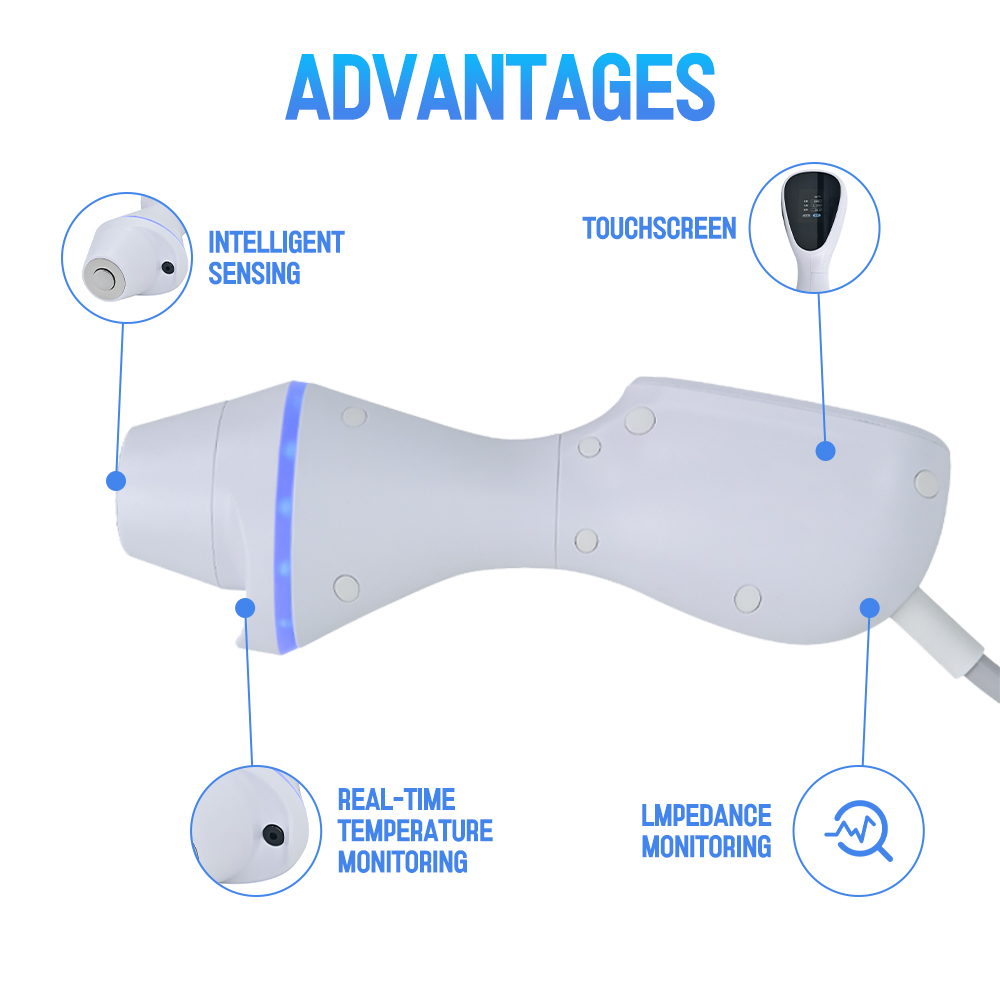
SHEFMON’s page for the A0426 다이오드 레이저 제모 시스템 publishes multiple wavelength and spot-size choices plus cooling, touchscreen, and language information.
For a new device in this category, a changed handpiece or cooling component may require review of:
- wavelength and spot-size identity;
- console power and cooling capacity;
- connector and hose interface;
- software recognition and parameter map;
- thermal and fault-response regression;
- production configuration and test;
- language and screen information;
- replacement-handpiece compatibility; and
- field update or service restrictions.
A visible model name alone cannot distinguish these dependencies.
39. B0155 Example: Multifunction Platform Configuration
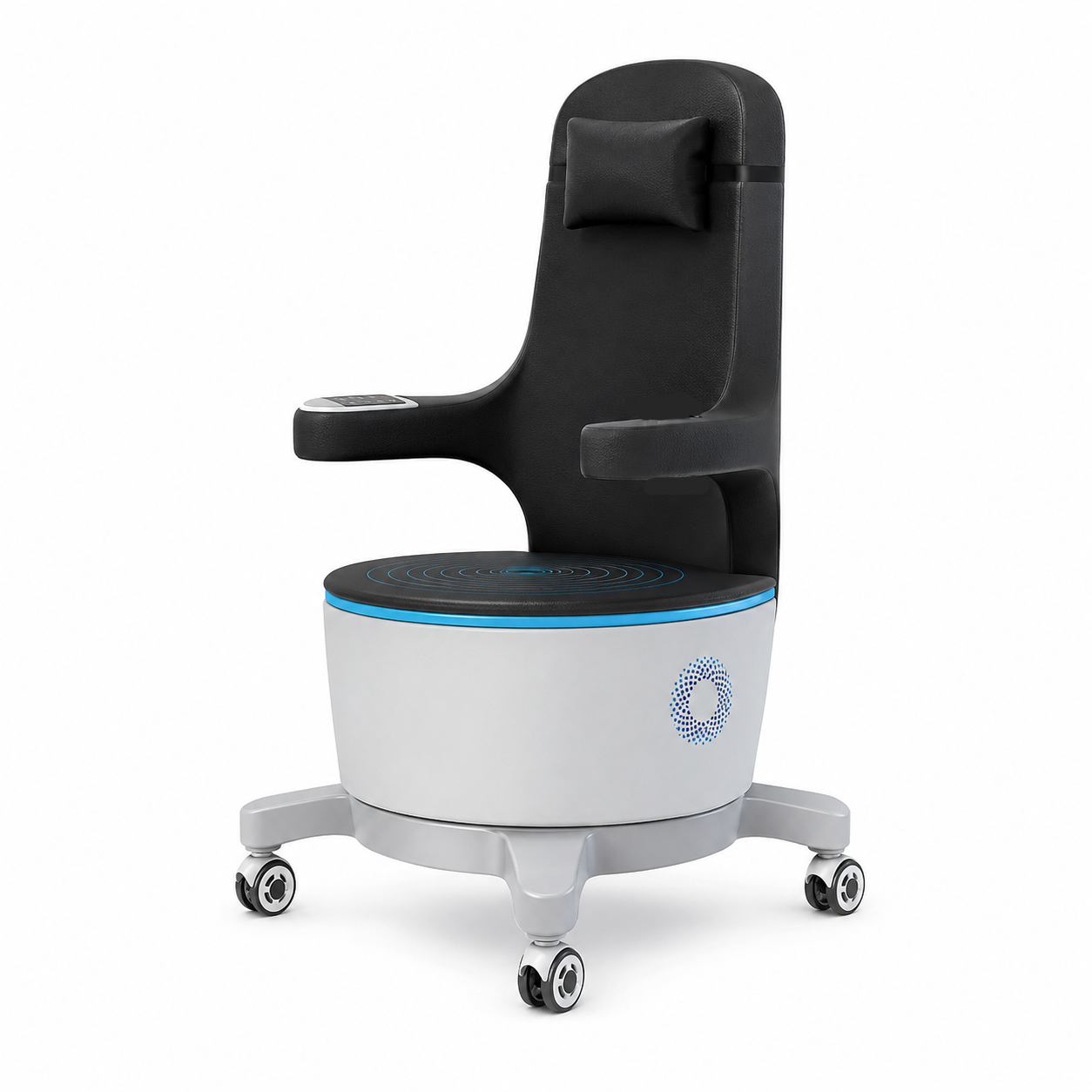
공식 셰프몬 B0155 데스크탑 엔도스 벨라프로 listing identifies a desktop, multifunction arrangement that combines vacuum roller, RF, rotating massage, and 80K cavitation elements.
For a new multifunction platform, one subsystem change can affect:
- shared power and cooling;
- connector and handpiece identity;
- software mode availability;
- permitted simultaneous states;
- cable and accessory storage;
- individual and integrated production tests;
- training and manual content;
- package definition; and
- overlap with earlier handpiece generations.
The configuration record should show which function and handle package each console revision supports.
40. Common Engineering Change Failures
피하다:
- editing released files without an ECR or ECO;
- using the same part number for incompatible items;
- changing hardware without checking software;
- changing software without defining supported hardware;
- allowing purchasing to approve substitutes alone;
- setting effectivity as “next production” without a unit boundary;
- mixing old and new stock at the line;
- shipping a new configuration against an old approved order;
- replacing historical BOMs with the latest BOM;
- treating a production part as an automatic service replacement;
- leaving deviations open indefinitely;
- updating the device but not its test, labels, manual, or package; and
- closing the ECO before verifying the first effective units.
Each failure reduces the factory’s ability to explain what a buyer owns and what production should build.
41. Engineering Change Control Checklist
- The current product baseline and affected configurations are identified.
- The ECR states the problem, evidence, proposed outcome, and exposure.
- Change type and cross-functional owners are assigned.
- Form, fit, function, software, supplier, process, documentation, and market impacts are reviewed.
- Requirements, risk controls, verification, and regression needs are approved.
- Model, revision, part-number, and configuration decisions are explicit.
- Hardware, software, handpiece, and consumable compatibility is documented.
- All affected drawings, BOMs, code, parameters, suppliers, and processes are included in one change set.
- Old raw material, WIP, finished goods, supplier stock, and service stock have dispositions.
- Accepted orders and buyer-approved samples are reviewed.
- Effectivity uses a serial, lot, work order, date, customer order, or approved exhaustion rule.
- Last old and first new units can be identified.
- Production instructions, fixtures, inspections, and tests are ready before use.
- Software loading and version confirmation match the configuration.
- Manuals, labels, training, service, and packaging follow the same effective boundary.
- Installed units retain their historical configurations and support paths.
- Temporary deviations have quantity, expiry, controls, and closure.
- First effective units are audited and the ECO closes with objective evidence.
자주 묻는 질문
1. What is the difference between an ECR and an ECO?
An ECR proposes and analyzes a change. An ECO authorizes the exact revised items, implementation actions, verification, inventory disposition, effectivity, and owners. Names vary among factories, but proposal and execution should remain distinct.
2. Does every component change require a new device model number?
No. Many changes can be controlled through part and product revisions. A new model or configuration identity becomes useful when buyer-visible function, compatibility, intended role, regional status, or service support must remain permanently distinct.
3. What is engineering-change effectivity?
Effectivity defines the boundary at which the approved change begins to apply. It may use a serial number, component lot, production order, date, customer order, or controlled exhaustion of interchangeable stock.
4. Can old and new components be used at the same time?
Only when interchangeability and mixed use have been evaluated and explicitly approved. The BOM, work instruction, production test, unit history, and service mapping should show which combinations are allowed.
5. How should factories handle a supplier substitution?
Compare specifications, interfaces, materials, tolerances, performance, reliability, inspection, software effects, production tests, inventory, and service compatibility. Release it through the appropriate ECO rather than a purchasing note.
6. When does a software change require hardware regression testing?
Whenever the change can affect command mapping, timing, sensors, handpiece recognition, parameters, alarms, communication, output control, diagnostics, or hardware-version support. The regression scope should follow impact analysis.
7. What should happen to old finished devices after a change?
The factory should decide whether they remain approved to ship, require update or relabeling, must be held, or need another disposition. Each unit must still match its confirmed order and retain an identifiable configuration.
8. How are installed devices protected after a revision?
Keep their serial-linked hardware and software history, compatible consumables, spare parts, manuals, service instructions, upgrade records, and restrictions. Do not overwrite old configurations with the newest baseline.
9. Can an urgent change bypass normal control?
It can use an accelerated path, but affected units, containment, risk review, approved correction, verification, effectivity, communication, and final records are still required. Urgency should not create an untraceable version.
10. How can an OEM/ODM buyer confirm a changed configuration with SHEFMON?
Provide the project code, approved sample or specification, requested difference, affected orders, destination markets, hardware and software expectations, packaging, and documentation needs. Then 셰프몬에게 연락하세요 to confirm feasibility, approval, and effectivity for the project.
결론
Engineering changes remain manageable when every product state has a controlled identity. The factory needs to know the approved baseline, why it changed, which items and configurations are affected, what evidence supports the decision, when the change becomes effective, and how earlier units will continue to be supported.
The decisive controls are coordination and physical traceability. Drawings, BOMs, software, suppliers, inventory, production instructions, tests, labels, manuals, orders, spare parts, and installed-device records must move together. When the first new unit can be distinguished from the last old unit without guesswork, the change has a credible implementation boundary.
탐색해 보세요 셰프몬 뷰티 디바이스 포트폴리오, review its OEM/ODM 역량, 또는 셰프몬에게 연락하세요 to discuss a controlled standard configuration, product revision, or customer-specific development requirement.