








최적화된 솔루션, 전문적인 밸브 지식 및 업계 뉴스를 공유하세요
원하시는 관련 용어나 키워드를 입력하시면 검색 결과에 관련 기사가 표시됩니다. 원하시는 답변을 찾지 못하시면 언제든지 문의해 주세요. 기꺼이 도와드리겠습니다. 또는 beauty@shefmon.com으로 직접 이메일을 보내주셔도 됩니다.
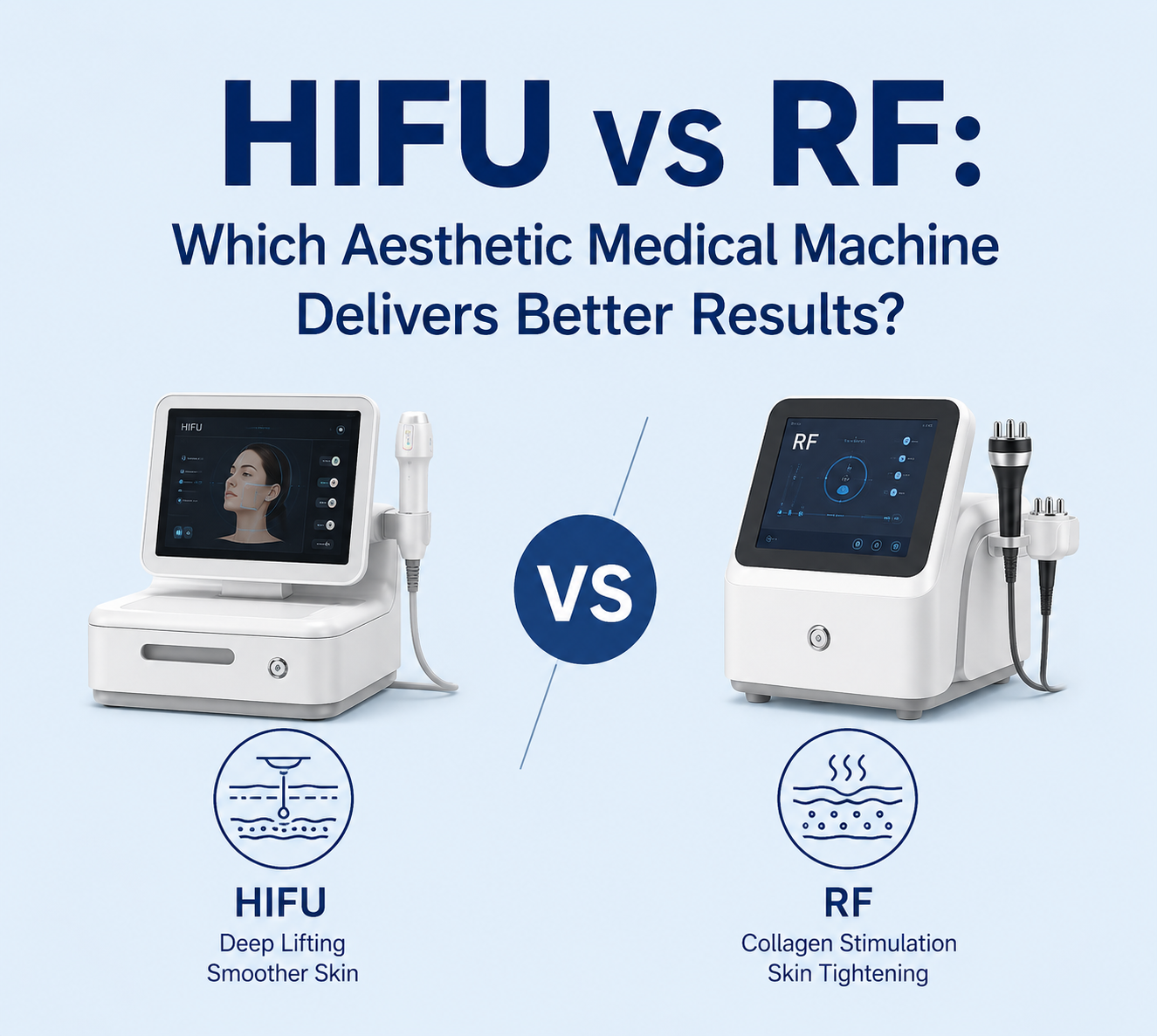
HIFU와 RF: 어떤 미용 의료기기가 더 나은 결과를 제공할까요?
- 셰프몬
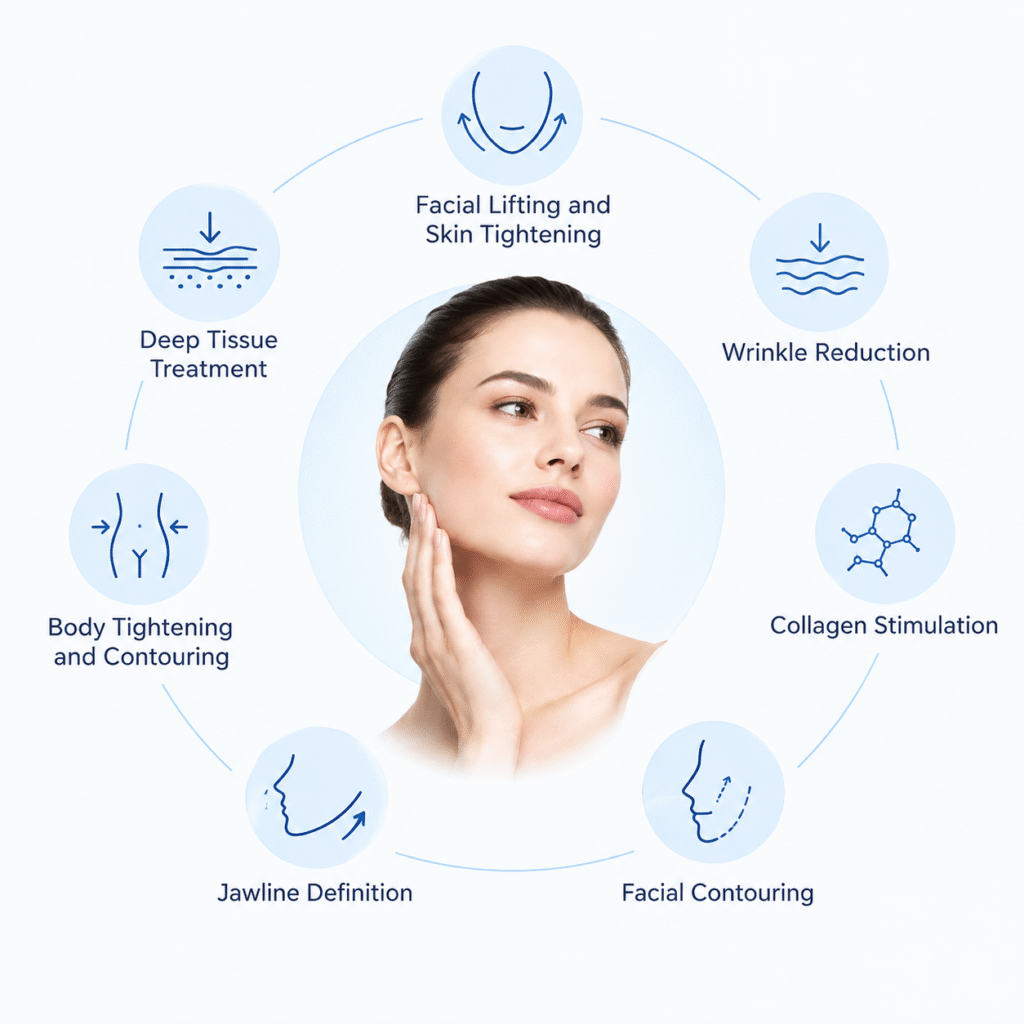
비침습적 미용 시술에 대한 수요가 지속적으로 증가함에 따라, 클리닉과 메디컬 스파는 수술 없이 피부 탄력, 리프팅, 노화 방지 효과를 개선할 수 있는 첨단 기술에 대한 투자를 늘리고 있습니다. 가장 인기 있는 시술로는 고강도 집속 초음파(HIFU)와 고주파(RF) 시스템이 있습니다. 두 기술 모두 미용 의학 분야에서 널리 사용되고 있지만, 작용 방식과 제공하는 이점은 서로 다릅니다. 클리닉 운영자, 미용 전문가, 그리고 투자자에게는 적합한 미용 의료 기기를 선택할 때 HIFU와 RF의 차이점을 이해하는 것이 필수적입니다. 이 글에서는 두 기술의 치료 메커니즘, 결과, 환자 경험, 그리고 사업적 가치를 비교하여 어떤 시술이 더 나은 결과를 제공하는지 판단하는 데 도움을 드리고자 합니다.
1. HIFU와 RF의 작동 원리 이해하기
1.1 HIFU 기술이란 무엇인가?
HIFU 또는 고강도 집속 초음파, 고강도 집속 초음파(HIFU)는 집중된 초음파 에너지를 이용하여 피부 아래 깊은 조직층에 작용합니다. 표면적인 치료법과는 달리, HIFU는 안면거상술 시 일반적으로 시술하는 표층 근육건막계(SMAS)와 동일한 조직층에 도달할 수 있습니다.
집중된 초음파 에너지는 조직 내에 제어된 열 응고점을 생성하여 콜라겐 생성을 자극하고 시간이 지남에 따라 자연스러운 리프팅 및 타이트닝 반응을 유발합니다.
고강도 집속 초음파(HIFU)는 심부 조직까지 도달할 수 있는 능력 덕분에 오늘날 가장 효과적인 비수술적 리프팅 기술 중 하나로 여겨집니다.
1.2 RF 기술이란 무엇인가?
고주파(RF) 기술은 전자기 에너지를 이용하여 피부와 피하 조직 내에 제어된 열을 발생시킵니다. 이 열은 콜라겐 재생을 촉진하고 혈액 순환을 개선하며 피부 탄력을 강화합니다.
HIFU와 달리 RF는 일반적으로 SMAS층까지 도달하기보다는 진피 및 상부 조직층에서 작용합니다. 기기 종류에 따라 RF는 단극, 양극, 다극 또는 마이크로니들링 보조 시스템을 통해 전달될 수 있습니다.
RF 시술은 일반적으로 피부 탄력 개선, 주름 감소, 피부결 개선 및 안면 회춘에 사용됩니다.
2. 치료 깊이 및 기술 비교
2.1 HIFU는 더 깊은 조직층을 목표로 합니다
HIFU와 RF의 가장 큰 차이점 중 하나는 시술 깊이입니다.
HIFU 카트리지는 다음과 같은 다양한 깊이를 대상으로 시술할 수 있습니다.
- 표피층의 경우 1.5mm
- 더 깊은 진피 조직의 경우 3.0mm
- SMAS 층의 두께는 4.5mm입니다.
피부 깊숙한 곳까지 도달할 수 있는 HIFU의 능력 덕분에 처진 피부를 리프팅하고 얼굴 윤곽을 개선하는 데 특히 효과적입니다.
2.2 RF는 피부 리모델링에 중점을 둡니다.
RF(고주파)는 주로 진피와 상부 피하 조직을 가열합니다. 발생한 열은 콜라겐 수축 및 재생을 자극하여 피부를 더욱 탄력 있고 매끄럽게 만들어 줍니다.
RF는 일반적으로 HIFU만큼 깊은 곳까지 도달할 수는 없지만, 시술 부위에 더욱 균일한 열을 전달하여 전반적인 피부 질 개선에 매우 효과적입니다.
3. 치료 결과 비교
3.1 어떤 기술이 더 나은 리프팅 효과를 제공합니까?
주된 목표가 안면 리프팅일 경우, HIFU가 일반적으로 유리합니다.
HIFU는 SMAS층을 표적으로 하기 때문에 다음과 같은 부위에서 눈에 띄는 리프팅 효과를 낼 수 있습니다.
- 턱선
- 궁둥이
- 목
- 눈썹 부위
환자들은 안면거상술의 비수술적 대안을 원할 때 HIFU를 선택하는 경우가 많습니다.
3.2 어떤 기술이 피부결 개선에 더 효과적일까요?
피부결, 탄력, 잔주름 개선에 있어서 RF는 종종 탁월한 결과를 제공합니다.
균일한 가열 효과는 진피 전체에 걸쳐 광범위한 콜라겐 생성을 촉진하여 다음과 같은 효과를 가져옵니다.
- 잔주름을 줄여줍니다
- 피부를 매끄럽게 가꿔줍니다
- 피부 탄력을 향상시키세요
- 모공 모양을 개선합니다
리프팅보다는 피부 질 개선에 중점을 두는 환자에게는 RF 시술이 더 적합한 선택일 수 있습니다.
4. 치료 경험 및 회복
4.1 치료 중 편안함
미용 의료 기기를 선택할 때 환자의 편안함은 중요한 고려 사항입니다.
HIFU 시술은 에너지가 특정 조직 깊이에 집중되기 때문에 더 깊은 열감과 따끔거림을 유발할 수 있습니다. 일부 환자는 특히 피부가 얇은 부위에서 시술 중 가벼운 불편함을 느낄 수 있습니다.
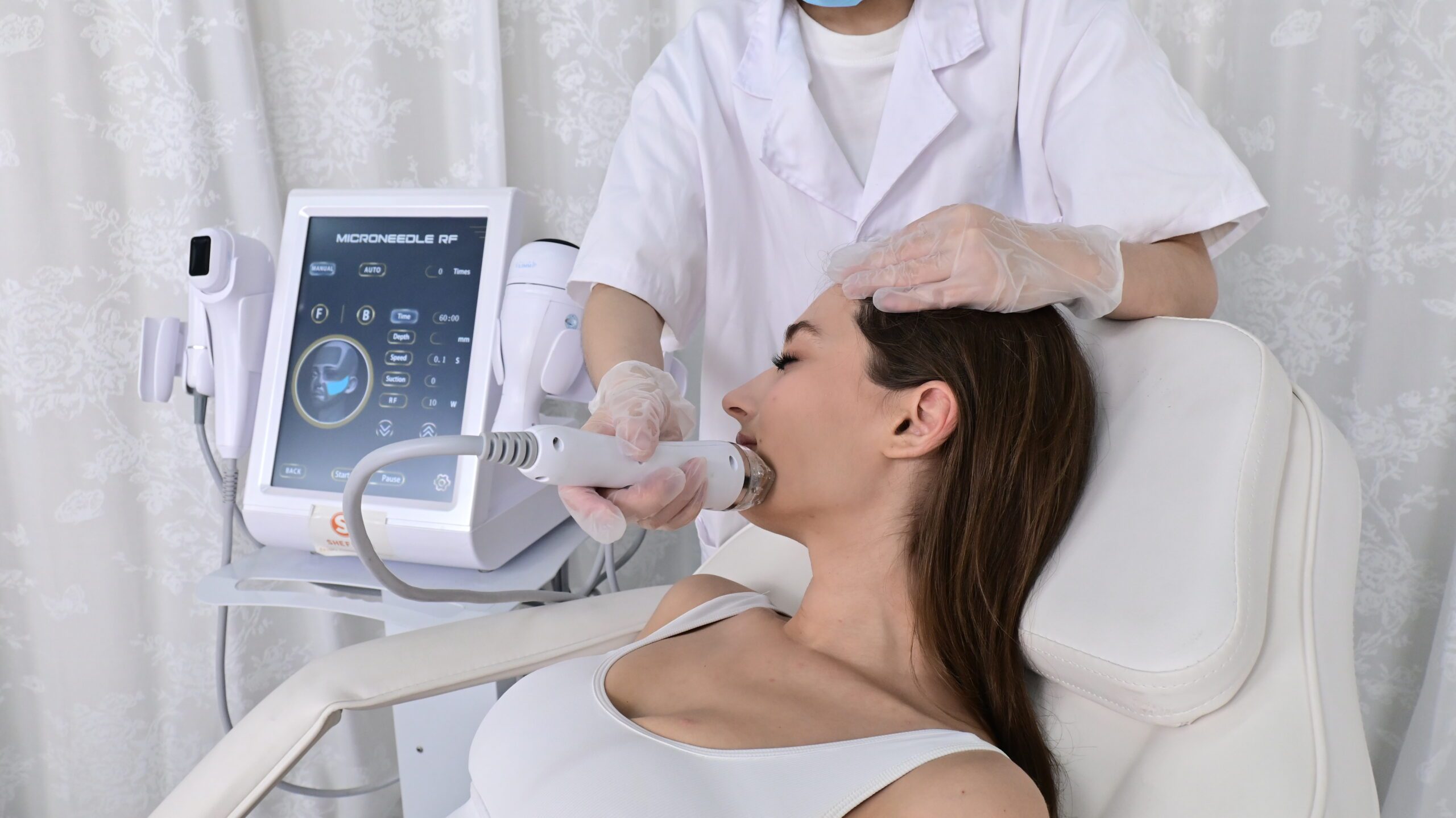
고주파(RF) 시술은 열이 피부 전체에 고르게 전달되기 때문에 일반적으로 더 편안하게 느껴집니다. 많은 환자들이 고주파 시술을 따뜻하고 편안한 경험으로 묘사합니다.
4.2 가동 중지 및 복구
HIFU와 RF는 모두 비침습적 시술로, 회복 시간이 최소화되는 것으로 알려져 있습니다.
HIFU 시술 후 환자는 일시적인 발적, 가벼운 부기 또는 압통을 경험할 수 있습니다.
고주파 치료는 일반적으로 회복 시간이 거의 또는 전혀 필요하지 않으므로 환자는 시술 직후 일상생활로 복귀할 수 있습니다.
5. 장기적인 결과 및 치료 빈도
5.1 HIFU는 일반적으로 더 적은 시술 횟수가 필요합니다.
HIFU가 여전히 인기를 누리는 이유 중 하나는 비교적 적은 횟수의 시술로도 오래 지속되는 효과를 얻을 수 있다는 점입니다.
많은 환자들이 단 한 번의 시술 후에도 눈에 띄는 개선 효과를 보이며, 이후 2~3개월 동안 지속적인 콜라겐 생성이 일어납니다.
연령 및 피부 상태에 따라 유지 관리 시술은 12~18개월에 한 번만 필요할 수 있습니다.
5.2 RF 시술은 여러 번 시술받을수록 효과가 좋습니다.
RF 치료 최적의 결과를 얻으려면 일반적으로 여러 차례의 시술이 필요합니다.
많은 병원에서 다음과 같이 권장합니다.
- 4~8회 치료 세션
- 주간 또는 격주 일정
- 정기 유지보수 세션
RF 시술은 더 많은 시술 횟수가 필요하지만, 점진적인 개선 과정을 통해 많은 고객들이 만족하는 자연스러운 결과를 얻을 수 있습니다.

6. 어떤 기계가 더 나은 사업적 가치를 제공합니까?
6.1 HIFU는 프리미엄 안티에이징 고객에게 매력적입니다
HIFU 시술은 종종 고가의 안티에이징 서비스로 인식됩니다. 리프팅 및 윤곽 개선 효과를 원하는 고객은 일반적으로 높은 시술 비용을 기꺼이 지불합니다.
안면 회춘 및 비수술적 리프팅에 중점을 둔 클리닉의 경우, HIFU는 수익성 높은 주력 서비스가 될 수 있습니다.
6.2 RF는 더욱 다양한 치료 옵션을 제공합니다
RF 시스템은 다음과 같은 더 광범위한 치료 적용 분야를 제공하는 경우가 많습니다.
- 안면 회춘
- 피부 조임
- 주름 감소
- 바디 컨투어링
- 여드름 흉터 개선 (함께) RF 마이크로니들링)
이러한 다재다능함 덕분에 클리닉은 더 광범위한 문제를 치료하고 더 많은 고객층을 확보할 수 있습니다.
결론
HIFU와 RF를 비교할 때, 각 기술이 서로 다른 치료 목표를 가지고 있기 때문에 만능 해결책이라고 할 수는 없습니다. 일반적으로 HIFU는 심부 조직 리프팅, 안면 윤곽 개선, 그리고 오래 지속되는 안티에이징 효과에 더 적합합니다. SMAS층을 직접적으로 자극하는 능력 덕분에 가장 효과적인 비수술적 리프팅 기술 중 하나로 꼽힙니다. 반면 RF는 피부결, 탄력, 그리고 전반적인 피부 상태 개선에 탁월합니다. 편안한 시술 경험, 폭넓은 임상 적용 범위, 그리고 얼굴과 몸 모두에 적용 가능한 뛰어난 활용성을 제공합니다. 각 시스템의 장점을 이해함으로써, 미용 전문가들은 고객의 기대에 부응하고 사업 성공을 극대화할 수 있는 적합한 장비를 선택할 수 있습니다.