









최적화된 솔루션, 전문적인 밸브 지식 및 업계 뉴스를 공유하세요

원하시는 관련 용어나 키워드를 입력하시면 검색 결과에 관련 기사가 표시됩니다. 원하시는 답변을 찾지 못하시면 언제든지 문의해 주세요. 기꺼이 도와드리겠습니다. 또는 beauty@shefmon.com으로 직접 이메일을 보내주셔도 됩니다.

임상 현장에서의 비침습적 냉동지방분해법을 이용한 체형 교정

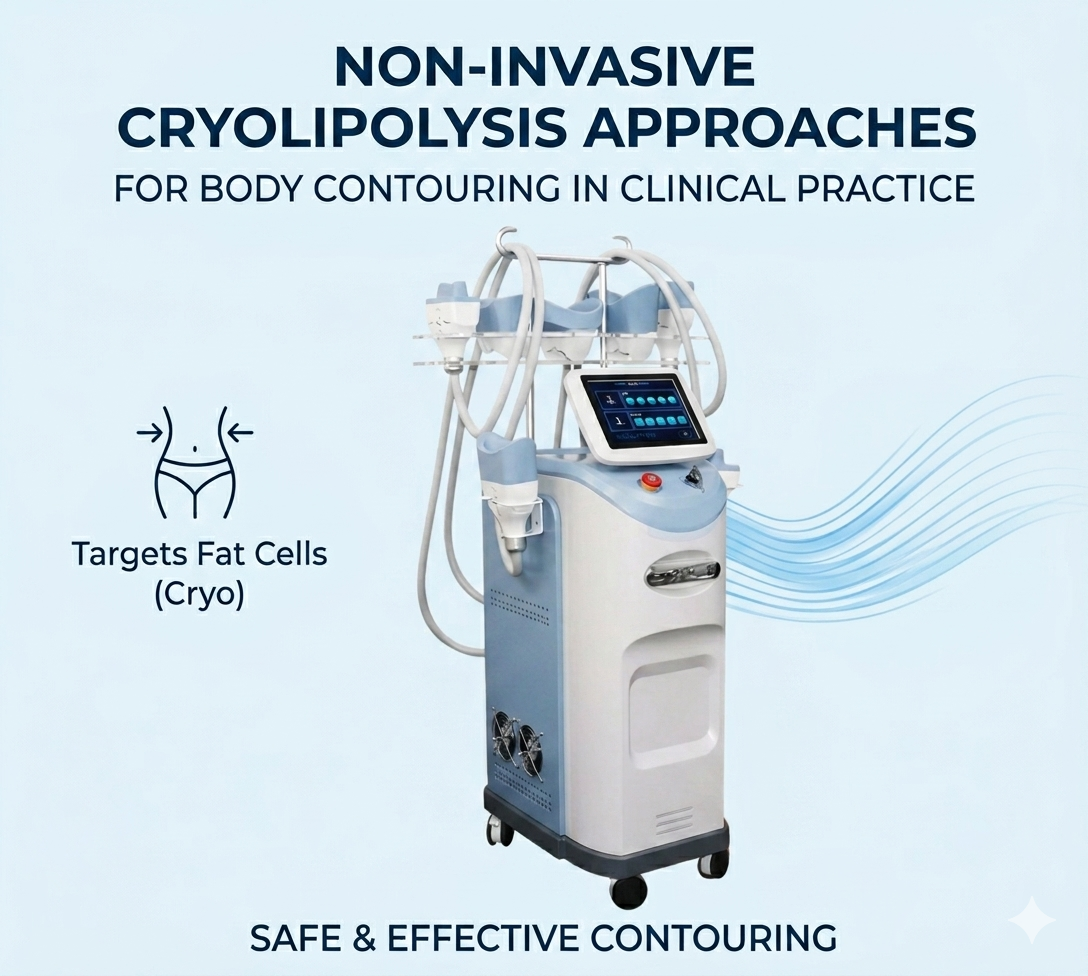
크라이오리폴리시스 has become a widely used non-invasive approach in clinical body contouring programs, particularly for patients seeking localized fat reduction without surgery or downtime. In modern aesthetic practice, it is typically applied as a controlled cooling procedure designed to target subcutaneous fat while preserving surrounding tissues. Over time, this approach has been refined through improvements in applicator design, temperature control, and treatment uniformity, making it a practical option for clinics focused on body shaping services.

Non-Invasive Cryolipolysis Approaches for Body Contouring in Clinical Practice - shefmon

1. Clinical Role of Cryolipolysis in Body Contouring

1.1 Targeted Fat Reduction Strategy

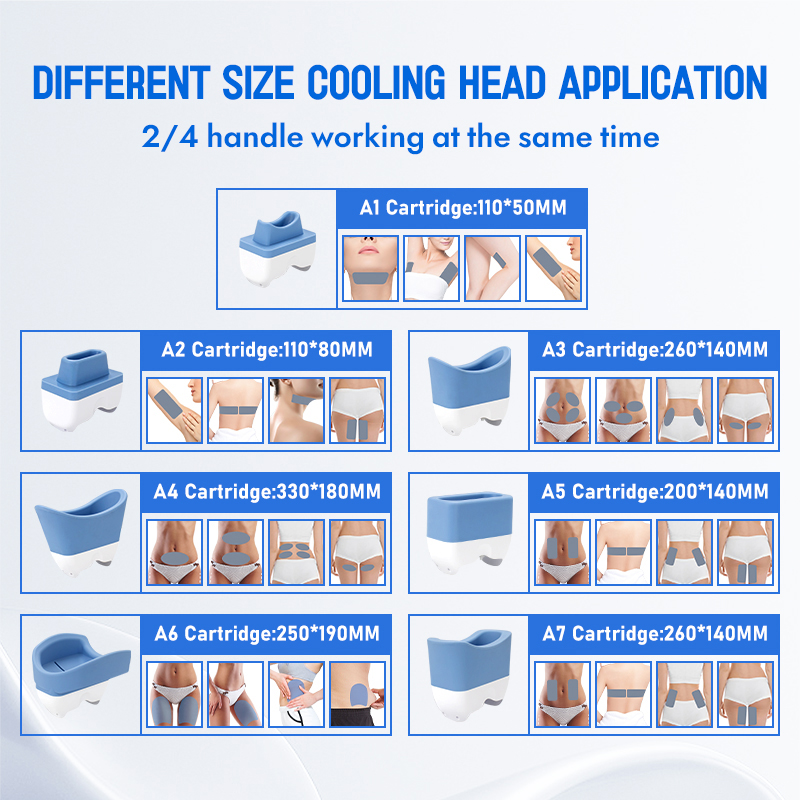
In clinical settings, cryolipolysis is primarily used for localized fat deposits that are resistant to diet and exercise. Common treatment areas include the abdomen, flanks, thighs, upper arms, and submental region. The method is based on the principle that fat cells are more sensitive to cold temperatures than other types of tissue.

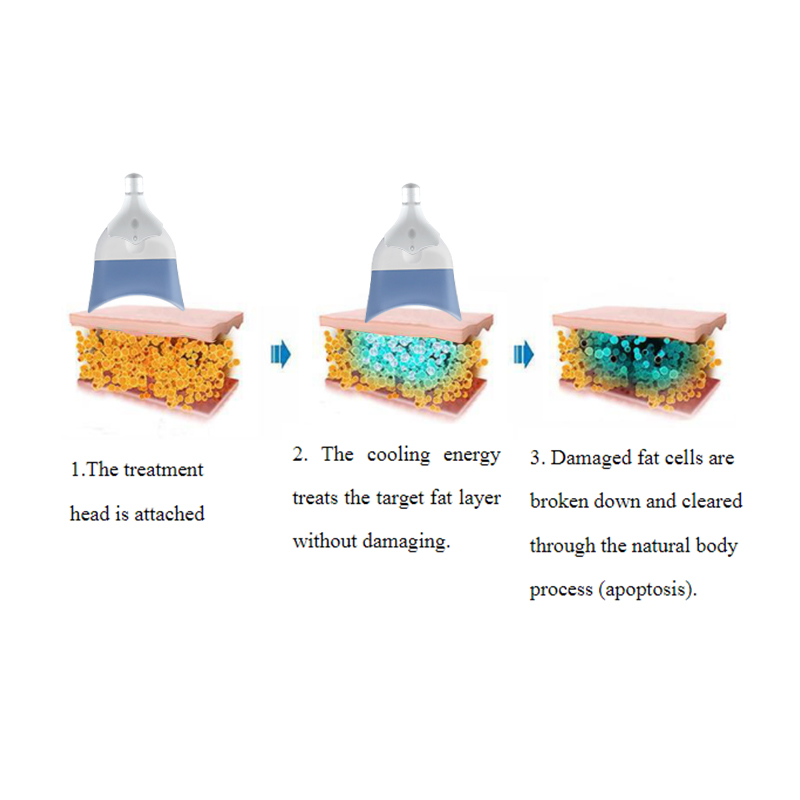
By applying controlled cooling, fat cells undergo gradual structural damage and are naturally eliminated by the body’s metabolic processes over time.

1.2 Non-Surgical Alternative in Aesthetic Medicine

Cryolipolysis is positioned as a non-surgical alternative to invasive fat reduction procedures. It does not require anesthesia, incisions, or recovery time. For clinics, this makes it a low-risk procedure that can be integrated into outpatient aesthetic services.

1.3 Gradual Tissue Remodeling Process

Unlike surgical fat removal, results from cryolipolysis develop gradually. The body’s lymphatic system processes affected fat cells over several weeks. This gradual response is often preferred in clinical practice because it produces subtle and natural-looking contour changes.

2. Cooling Technology and Treatment Mechanism

2.1 Controlled Thermal Exposure

The effectiveness of cryolipolysis depends on precise temperature control. Fat cells are exposed to low temperatures within a defined range that initiates apoptosis without damaging surrounding skin or muscle tissue.

Consistency in cooling distribution is essential to ensure predictable outcomes across different treatment areas.

2.2 Full-Area Cooling Design Concepts

Modern treatment approaches increasingly focus on improving cooling coverage. Systems that provide more uniform contact with the treatment area help reduce temperature inconsistencies and improve overall efficiency.

This contributes to more balanced fat reduction across the treated zone.

2.3 Tissue Response and Metabolic Clearance

After treatment, the body gradually processes and removes disrupted fat cells through natural metabolic pathways. This process is supported by lymphatic drainage and circulatory activity, which helps clear cellular debris from the treated region.

3 2

3. Clinical Applications in Body and Facial Contouring

3.1 Body Contouring Applications

Cryolipolysis is commonly used in clinical body shaping protocols, including:

  • Abdominal fat reduction
  • Flank and waist contouring
  • Thigh shaping
  • Upper arm refinement
  • Back fat reduction

These areas are typically difficult to address through exercise alone, making non-invasive treatment particularly relevant.

3.2 Facial and Submental Treatment Areas

With appropriately designed applicators, cryolipolysis can also be applied to smaller anatomical regions such as the submental area (double chin). These treatments focus on improving facial definition and jawline contour.

3.3 Combination with Skin Tightening Strategies

In some clinical protocols, cryolipolysis is combined with other energy-based treatments to improve skin firmness. This combined approach is used to address both fat reduction and mild skin laxity within a single treatment plan.

4. Treatment Experience and Clinical Workflow

4.1 Procedure Characteristics

Cryolipolysis treatments are generally well tolerated by patients. Sensations during the procedure may include cooling and mild pressure at the treatment site, which typically subsides after the initial phase of exposure.

No anesthesia or post-treatment immobilization is required.

4.2 Session Duration and Efficiency

Treatment time varies depending on the size and number of areas being addressed. In most clinical workflows, sessions are structured to allow efficient patient throughput while maintaining consistent treatment parameters.

4.3 Recovery and Aftercare

One of the key advantages of cryolipolysis is the absence of significant downtime. Patients can typically resume normal daily activities immediately after treatment. Post-treatment recommendations may include maintaining hydration and supporting lymphatic circulation.

7 1

5. Patient Selection and Clinical Considerations

5.1 Suitable Patient Profiles

Cryolipolysis is generally recommended for individuals who are close to their ideal body weight but have localized fat deposits. It is not intended as a primary weight loss method but rather as a contouring procedure.

5.2 Exclusion Considerations

Patients with cold sensitivity disorders or certain metabolic conditions may require alternative treatment approaches. Proper patient evaluation is essential before initiating therapy.

5.3 Expectation Management

Clinicians typically emphasize gradual improvement rather than immediate transformation. Multiple sessions may be recommended depending on treatment goals and anatomical considerations.

6. Position of Cryolipolysis in Modern Aesthetic Practice

6.1 Integration into Non-Invasive Treatment Portfolios

Cryolipolysis is often included as part of a broader non-invasive body contouring offering, alongside radiofrequency, ultrasound, and other energy-based modalities.

6.2 Demand in Clinical and Aesthetic Markets

Demand for non-surgical body shaping continues to grow in both medical and aesthetic markets. Patients increasingly prefer treatments that offer visible improvement without recovery time.

6.3 Evolving Treatment Protocols

Ongoing improvements in device design and temperature control continue to refine treatment protocols, leading to better consistency and broader clinical application.

결론

크라이오리폴리시스 represents a well-established non-invasive approach in clinical body contouring practice. By utilizing controlled cooling to selectively target fat cells, it provides a predictable method for localized fat reduction and body shaping. Its non-surgical nature, minimal downtime, and gradual treatment response make it a practical option for modern aesthetic clinics. As technology continues to evolve, cryolipolysis remains an important component of comprehensive body contouring strategies in clinical environments.

인기상품