





The Short Answer: How Much Does an MNRF Machine Cost?
Across public 2026–2027 equipment listings, a reasonable planning range for an RF microneedling machine is approximately US$450 to US$70,000+. Most factory-direct professional systems occupy a much narrower section of that market.
| Market tier | Public price reference and typical position |
|---|---|
| Compact entry-level equipment | À propos US$450–US |
| Professional factory-direct MNRF systems | À propos US |
| Distributor-supported professional platforms | À propos US$9,000–US$15,000. The price often includes local training, documentation, service and inventory. |
| Premium branded clinical systems | À propos US$25,000–US$70,000+. Brand recognition, market authorization, clinical evidence, financing and local service can account for much of the premium. |
These are broad public market references, not SHEFMON quotations. An exact price depends on the machine configuration, RF handpieces, cartridge package, cooling option, destination, documentation, customization and shipping terms.
The important point is the shape of the market. A professional factory-direct MNRF machine does not need to cost US$50,000, but a US$600 listing should not be treated as equivalent to a fully supported clinical platform simply because both pages use the words “RF microneedling.”
Why Two MNRF Machines Can Look Similar and Cost Ten Times Apart
MNRF is short for microneedling radiofrequency. Small needle electrodes enter tissue to a selected depth and deliver RF energy around the conductive portion of the needle. That combination makes an MNRF platform more complex than a motorized microneedling pen: the machine has to coordinate needle movement, selected depth, RF delivery, cartridge contact and the operator interface.
Yet equipment photographs tend to flatten those differences. Two consoles may have a large touchscreen, a white housing and a gold-colored cartridge, so the cheaper one looks like an obvious bargain. The commercial differences often sit outside the photograph.
A low factory price usually buys the hardware in its most basic form. A higher factory-direct price may add two RF handpieces, more cartridge formats, a cooling hammer, a larger console or OEM work. A distributor-supported price may absorb local stock, training staff, field service and replacement equipment. A premium brand may be selling something else again: a treatment name that clients already recognize.
That last advantage is real, but it is not necessary for every clinic. A business that wins clients through its own practitioners, consultation and reputation may prefer a well-specified OEM platform. A clinic whose clients arrive requesting a particular branded treatment is buying brand demand as well as equipment.
Where SHEFMON A0152 and A0157 Sit in the Market
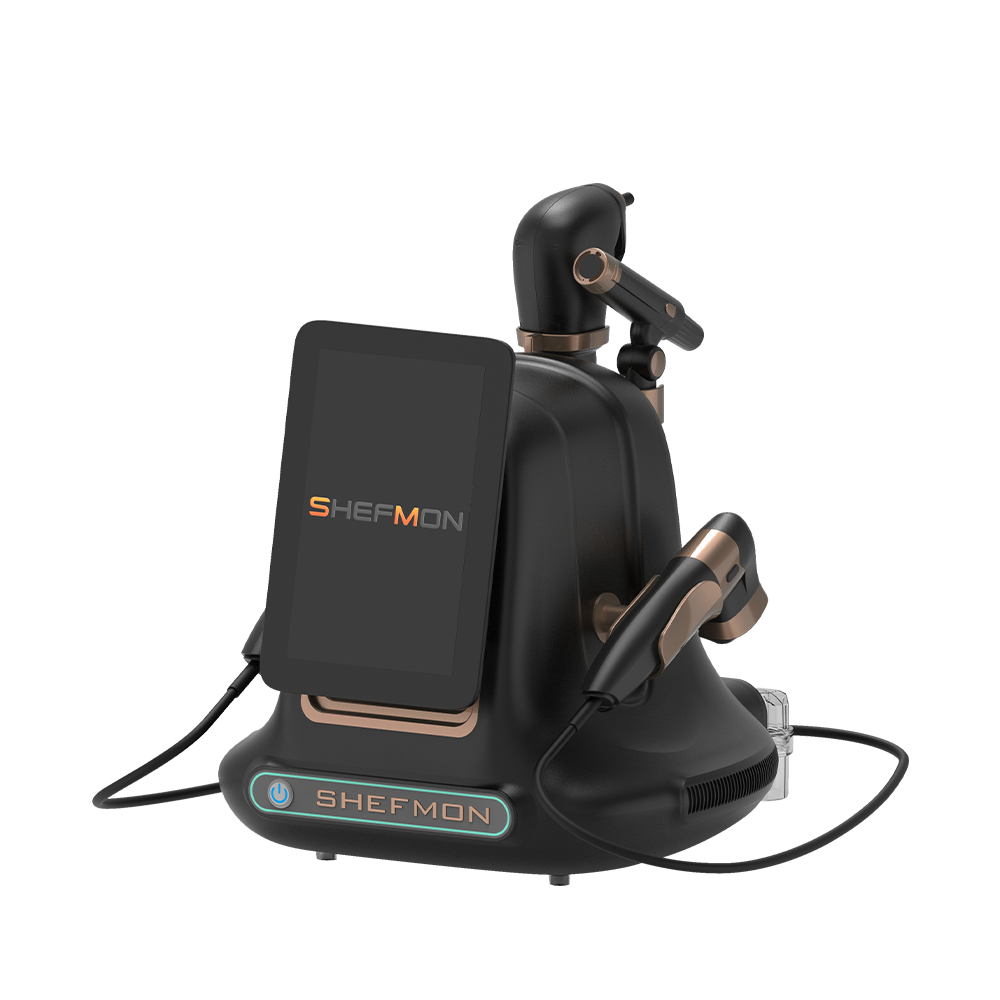
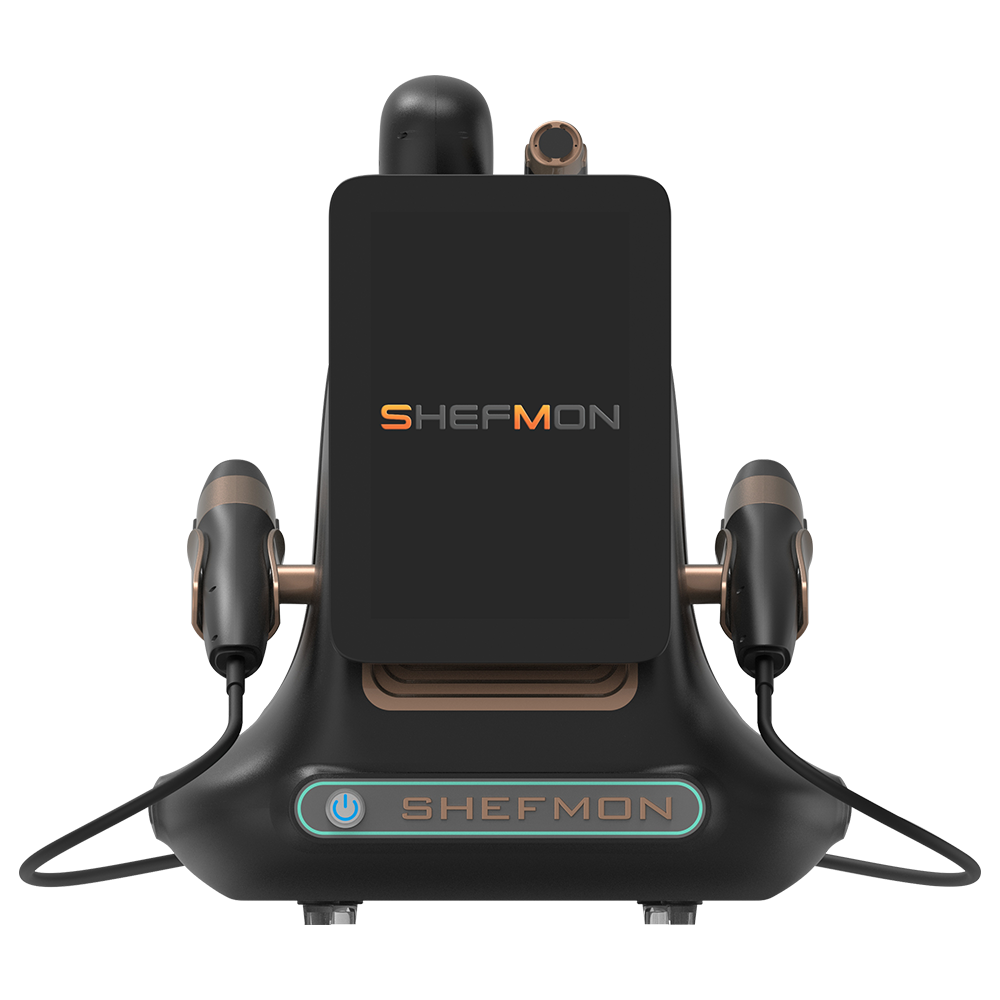
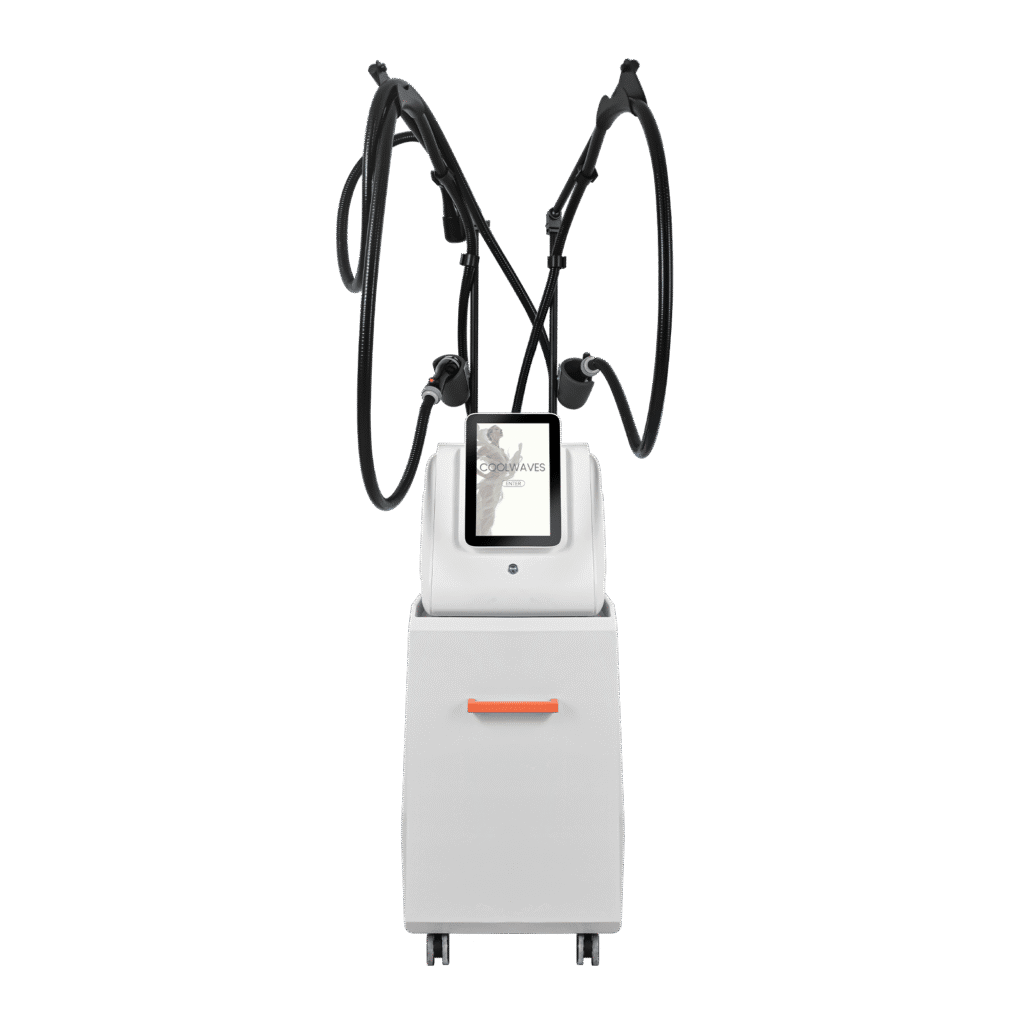
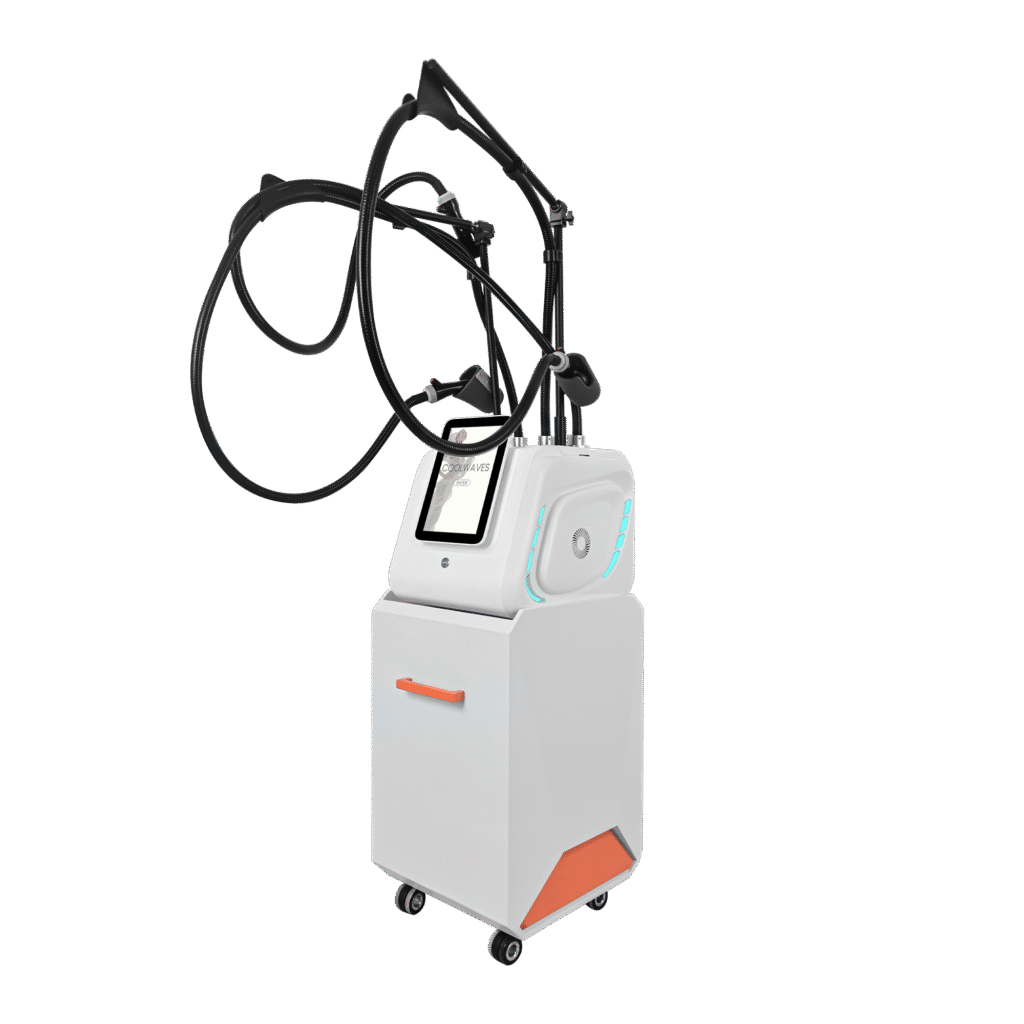
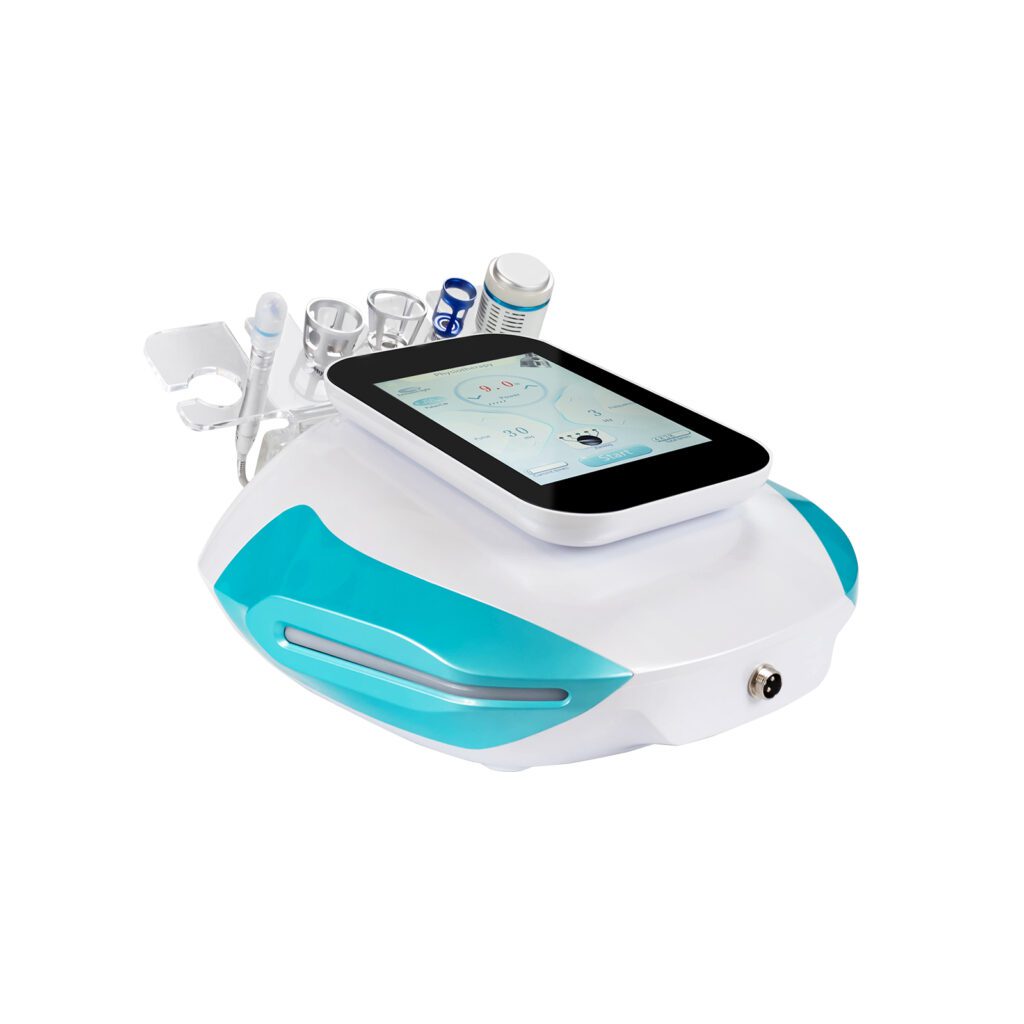
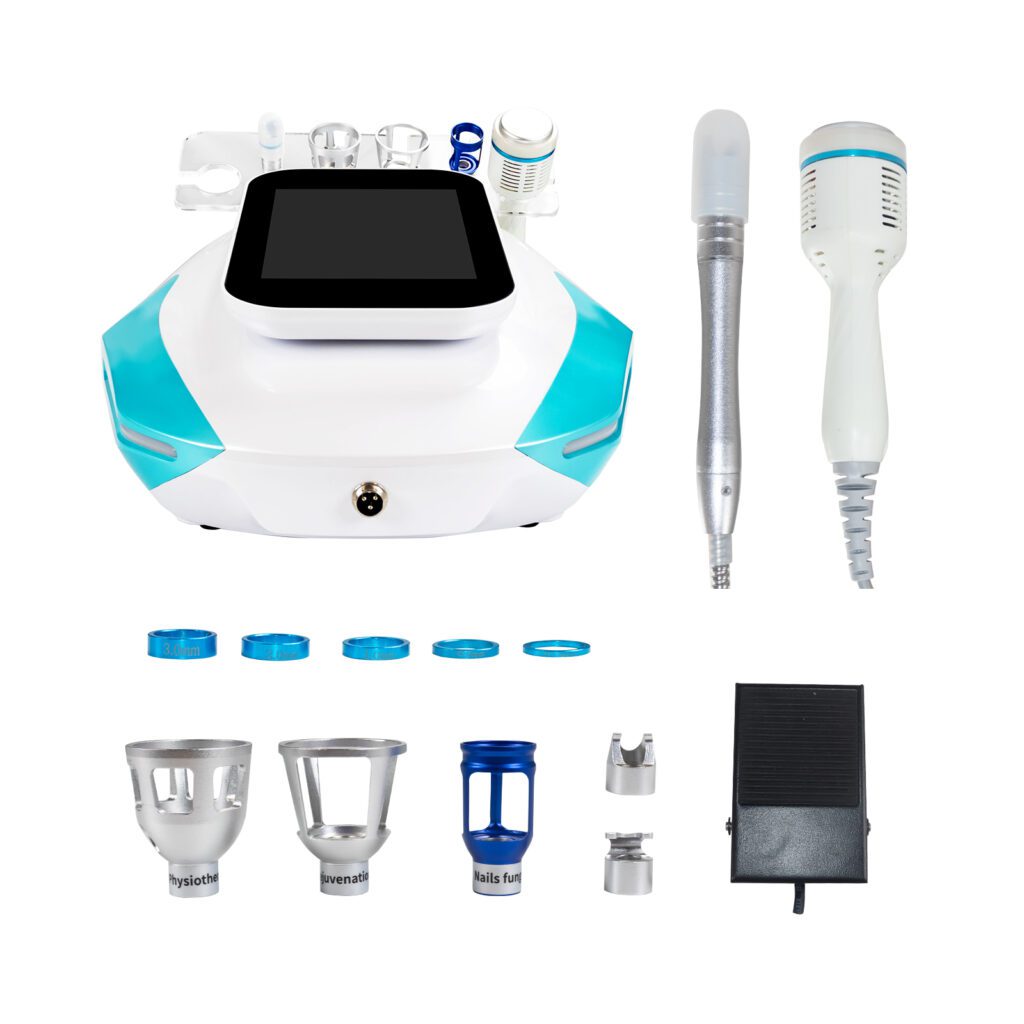
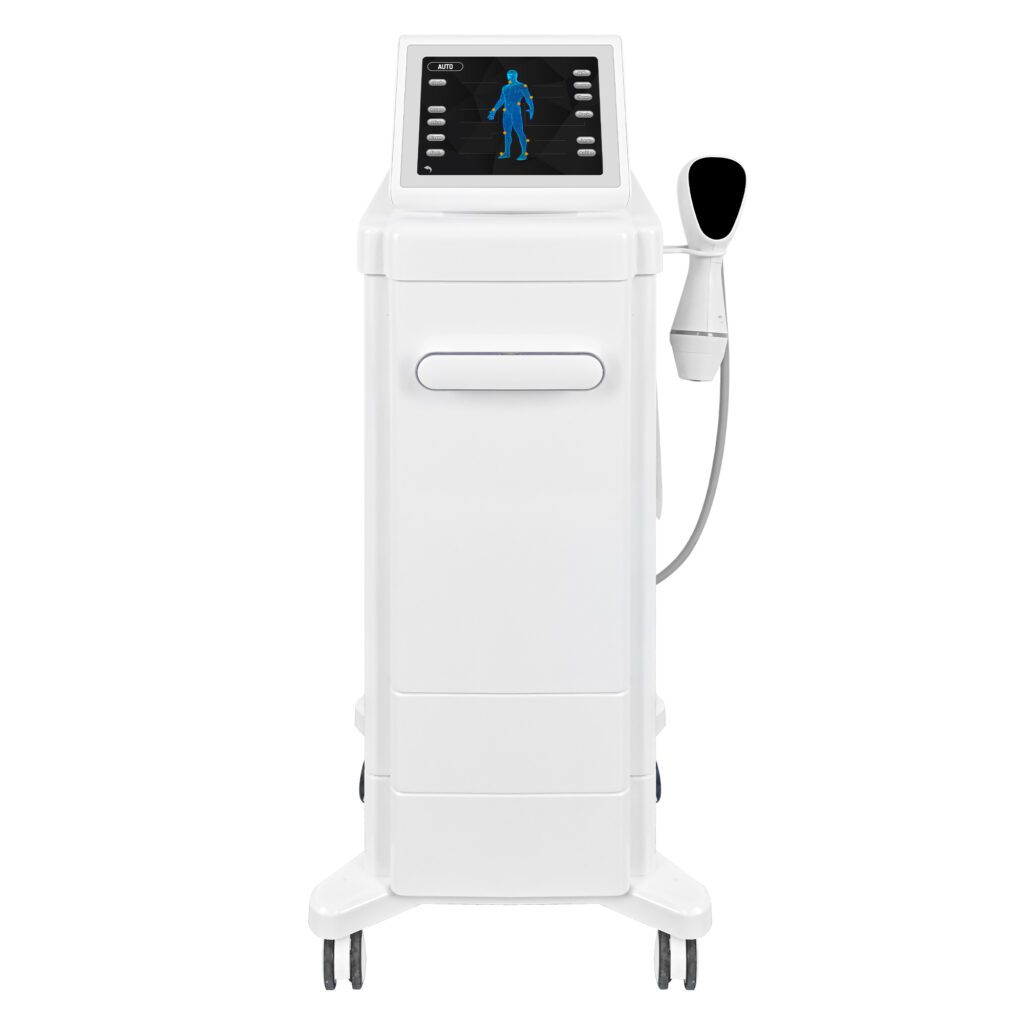
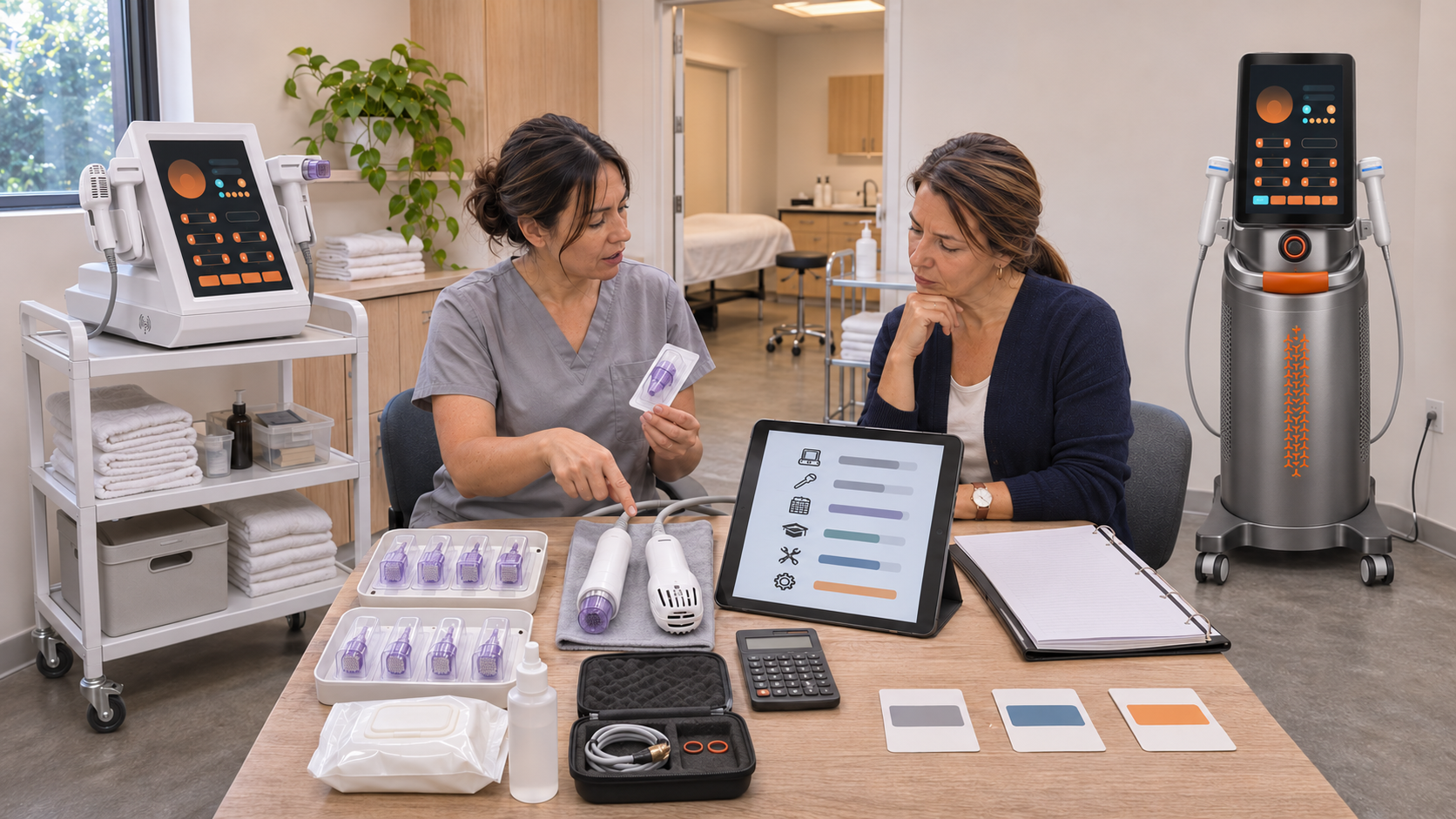
SHEFMON’s current MNRF microneedling machine range centers on two versions of the Depth 8 platform: the compact A0152 MNRF de bureau and the vertical A0157 MNRF.
The two machines are closer in treatment-platform specifications than their appearance suggests. Both current listings describe:
- a 1–7 mm mechanical depth profile;
- une description supplémentaire du profil thermique de 1 mm ;
- computerized treatment-depth control;
- 12P, 24P, 40P and nano or nanocrystalline head directions;
- an isolated needle design with a 0.5 mm conductive tip;
- a 300 W maximum RF power listing;
- un écran tactile de 15 pouces ;
- 110 V/60 Hz and 220 V/50 Hz versions; and
- configurations sélectionnables à une poignée, à deux poignées et à marteau de refroidissement.
“Depth 8” should not be read as 8 mm needle travel or as a recommended setting. The product pages list a 1–7 mm mechanical profile plus an additional 1 mm thermal-profile description. Actual use must stay within the delivered manual, training, legal scope and model-specific market documentation.
| Modèle SHEFMON | The practical difference |
|---|---|
| A0152 MNRF de bureau | A 45 × 39 × 55 cm desktop console with a listed gross weight of 11.5 kg. It suits a clinic that wants the Depth 8 platform without dedicating floor space to a full-height machine. |
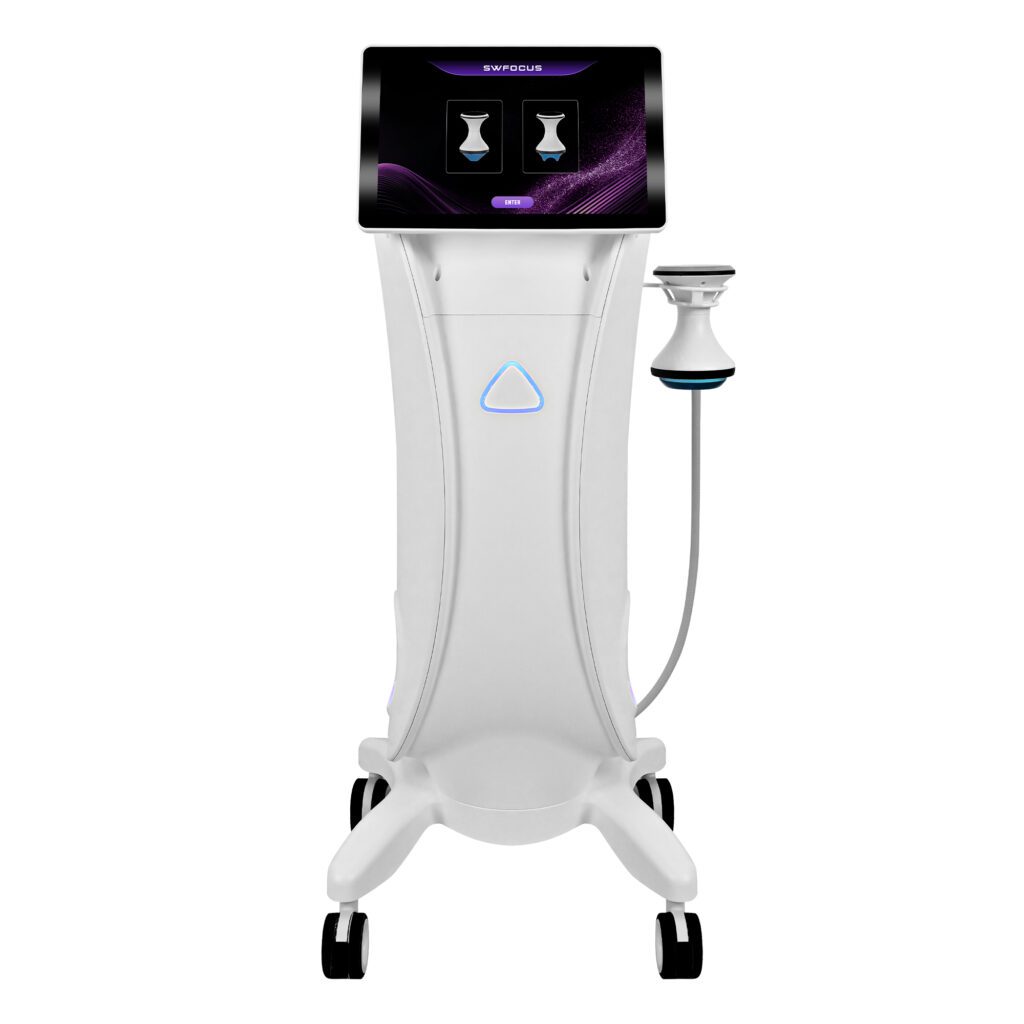
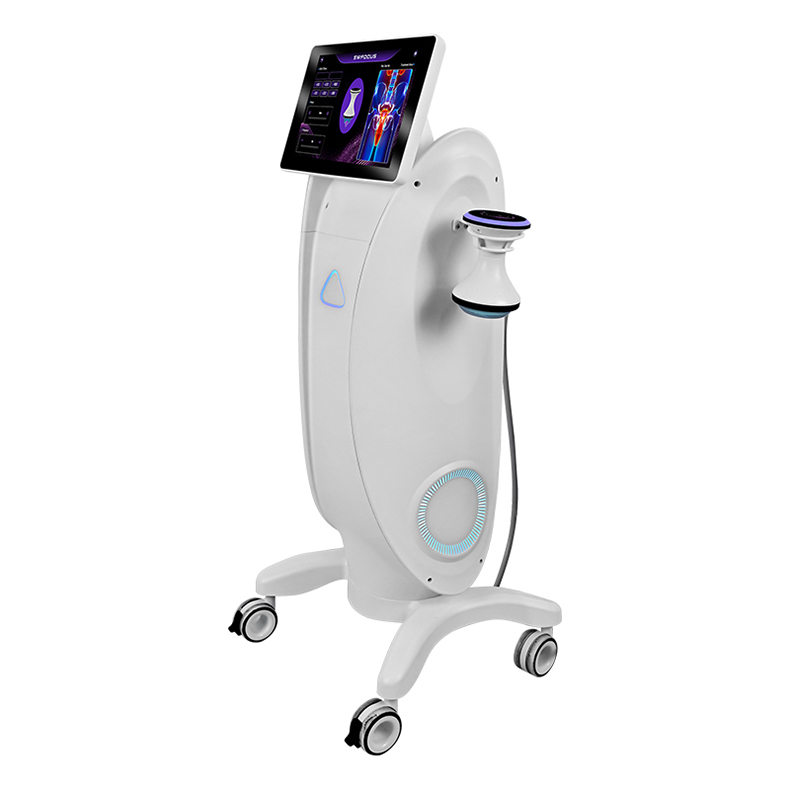
| A0157 Vertical MNRF | A 66 × 53 × 141 cm floor-standing format. It gives the treatment room a permanent, clinic-style equipment presence while keeping the same broad tip and handpiece direction. |
For many buyers, the choice is therefore not “basic versus powerful.” It is compact versus vertical. A0152 makes sense when treatment-room space is expensive or the machine needs to move between rooms. A0157 fits a clinic that wants a dedicated RF microneedling station and prefers a full-height presentation.
SHEFMON does not publish a fixed price on these product pages because the handpiece package and order scope can change the quotation. Within the wider market, both models belong in the professional factory-direct category rather than the premium branded tier. Buyers can request the current configuration and price directly from SHEFMON.
The Cheapest Quote Is Rarely the Cheapest Treatment Platform
An MNRF machine earns money one appointment at a time, so the more revealing number is not the console price. It is the cost attached to every completed session.
Needle cartridges sit at the center of that calculation. If a machine is inexpensive but cartridges are costly, difficult to source or tied to one distributor, the saving can disappear quickly. The opposite can also be true: a more expensive console with stable consumable pricing may become the lower-cost platform after a year of regular use.
A realistic launch budget combines five things:
Machine and selected handpieces + initial cartridge stock + freight and import costs + training and launch preparation + local compliance expenses
That is enough detail for planning. It does not require turning the quotation into a thirty-point interrogation. Experienced buyers already understand voltage, freight and warranties; what matters here is whether the commercial structure remains workable after the first invoice.
Consider a simple planning example. A clinic lands a factory-direct MNRF package for US$4,500. It charges US$250 for an appointment and spends US$45 on the single-use cartridge and other variable treatment items. The contribution before rent, payroll, marketing and tax is US$205. On that simplified basis, approximately 22 completed appointments recover the equipment and launch cost.
That is not a revenue promise. Local treatment prices, staffing, client acquisition, downtime and consumable costs vary widely. The example simply shows why a well-used US$4,500 platform can be commercially stronger than a US
What the Cartridge Package Changes
Pin count is often marketed as a ladder—more pins must be better. In practice, different cartridges create different treatment footprints and commercial uses.
The 12P direction is suited to smaller, more controlled placement. The 24P direction sits naturally in facial resurfacing and texture-focused service descriptions. The 40P direction creates a larger footprint for body work, while a nano or nanocrystalline head is positioned for more superficial treatment directions. These names do not authorize a treatment protocol by themselves, but they explain why a four-head platform can support a broader menu than a single-cartridge machine.
For a clinic, this affects how often the machine can be booked. A facial-only platform competes for one section of the menu. A configurable face-and-body platform can support several consultation paths, provided the delivered documentation and the operator’s scope support those uses.
For a distributor, cartridge continuity matters just as much as console sales. Repeat consumable demand can strengthen the category, but only when stock remains available and compatibility is controlled. A cartridge that looks physically similar is not automatically compatible with another handpiece or software version.
Desktop or Vertical: Which Format Produces the Better Return?
The vertical machine looks more expensive because it occupies the room like a major platform. The desktop machine looks easier to buy because it can sit on a counter. Neither format automatically produces better RF delivery or better client outcomes.
The better return comes from fit.
A0152 is the more natural fit for:
- one- or two-room skin clinics;
- businesses adding RF microneedling alongside existing facial services;
- distributors building a compact professional equipment range; and
- clinics that need to move a console between treatment rooms.
A0157 is the more natural fit for:
- dedicated RF microneedling rooms;
- larger clinics that want the system permanently staged;
- distributors serving buyers who prefer floor-standing equipment; and
- businesses where equipment presence contributes to the perceived value of the room.
The difference is less about technical ambition than operating style. A busy compact clinic does not become less professional by choosing a desktop machine. A premium treatment center may reasonably value the visual presence and cable management of a vertical console even when the core listed specifications are similar.
What Results Can an MNRF Business Honestly Market?
RF microneedling is commonly positioned around skin texture, the appearance of acne scars, wrinkles, enlarged pores, mild laxity and selected body-texture concerns. It combines the controlled injury created by microneedles with localized RF heating, which is why it occupies a different category from ordinary surface RF or a basic microneedling pen.
That does not make every result claim interchangeable. Treatment outcome depends on the individual, treatment area, device, cartridge, energy delivery, number of sessions, professional technique and aftercare. A factory product page cannot replace market-specific indications, clinical evidence or practitioner judgment.
For marketing, the strongest language is usually the most precise: describe the service offered, the type of concern it is intended to address and the fact that results vary. Avoid promises of permanent tightening, guaranteed scar removal or a universal number of sessions. They may create attention, but they also weaken trust with the kind of client who is willing to pay for a professional procedure.
Price Should Never Push RF Microneedling Into the Wrong Setting
An affordable factory-direct machine does not turn RF microneedling into a casual salon facial. In October 2025, the U.S. Food and Drug Administration issued a Communication de sécurité sur le microneedling RF after reports of serious complications including burns, scarring, fat loss, disfigurement and nerve damage. The FDA describes RF microneedling as a medical procedure and states that it should not be used at home.
Rules differ across countries, but the commercial conclusion is universal: the business model must include qualified operation, appropriate client assessment, infection control, single-use cartridge handling where specified, sharps disposal, aftercare and a pathway for managing complications. These are not decorative compliance paragraphs. They determine whether an MNRF service can be offered responsibly and repeatedly.
The FDA also states that microneedling devices are not authorized simply for delivering cosmetics, topical medications, vitamin solutions, drugs or blood products into the skin. A popular combination on social media is not automatically part of a device’s authorized use.
For buyers selling into the United States or another regulated medical-device market, neither a factory certificate nor a general company claim establishes that a particular model is legally marketable for a specific indication. Market status attaches to the legal manufacturer, exact device and intended use.
When Paying More Makes Sense—and When It Does Not
Paying more makes sense when the added money buys something the business will actually use: local clinical training, same-country service, a market authorization required for sale, an evidence package, financing, or a treatment brand that already brings clients through the door.
It makes less sense when the premium buys only a larger housing, a familiar-looking interface or an oversized maximum specification that has no place in the clinic’s real service menu.
The same logic applies at the bottom of the market. Paying less is sensible when the clinic has the expertise to evaluate a factory-direct system, the model fits local rules and the supplier can maintain parts and consumables. It becomes false economy when the machine is bought on a listing photograph and arrives with a different handpiece package, unclear cartridge supply or no usable operating documentation.
SHEFMON’s A0152 and A0157 give buyers a straightforward middle path: two professional formats built around the same published MNRF platform, with the choice driven mainly by room layout and commercial presentation. Services OEM/ODM de SHEFMON can also support branding, interface, language, housing and packaging projects for suitable distributor orders.
Final View: Set the Budget Around the Business, Not the Maximum Specification
For most clinics and distributors considering a factory-direct platform, the relevant MNRF machine price is not the full US$450–US$70,000+ market span. It is the professional OEM range where configuration, cartridge supply and support can be matched to a real service plan.
A0152 is the practical choice when space, mobility and a lower-profile installation matter. A0157 is the better presentation when the machine will live permanently in a dedicated room. Their current published depth, cartridge, touchscreen and maximum-power specifications are broadly aligned, so there is no reason to turn the decision into a false contest over which body style is “more advanced.”
The right MNRF purchase is the one that still makes sense after the excitement of the first month: the room uses it, the operator trusts it, clients understand the service, cartridges remain available and the price leaves enough margin to run the treatment professionally.
View the complete SHEFMON MNRF microneedling range ou contacter SHEFMON for the current A0152 and A0157 configuration, factory price and OEM/ODM options.