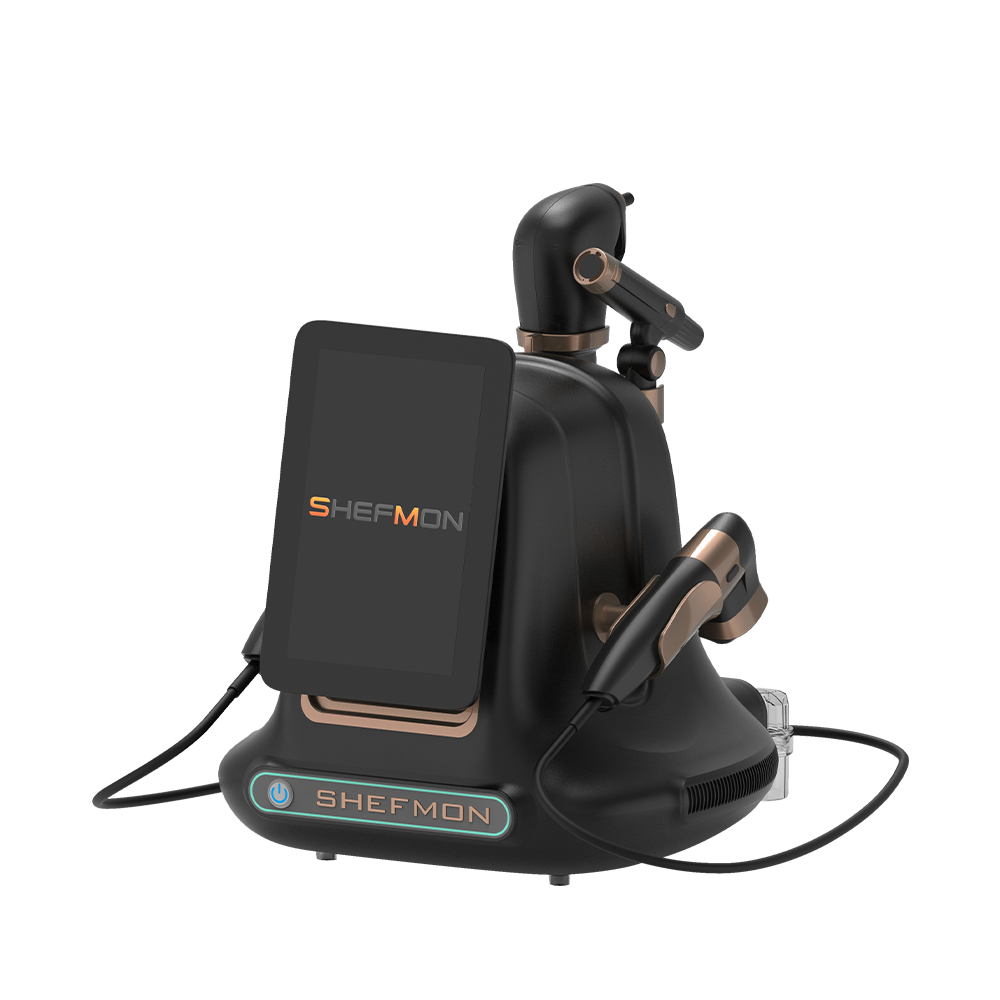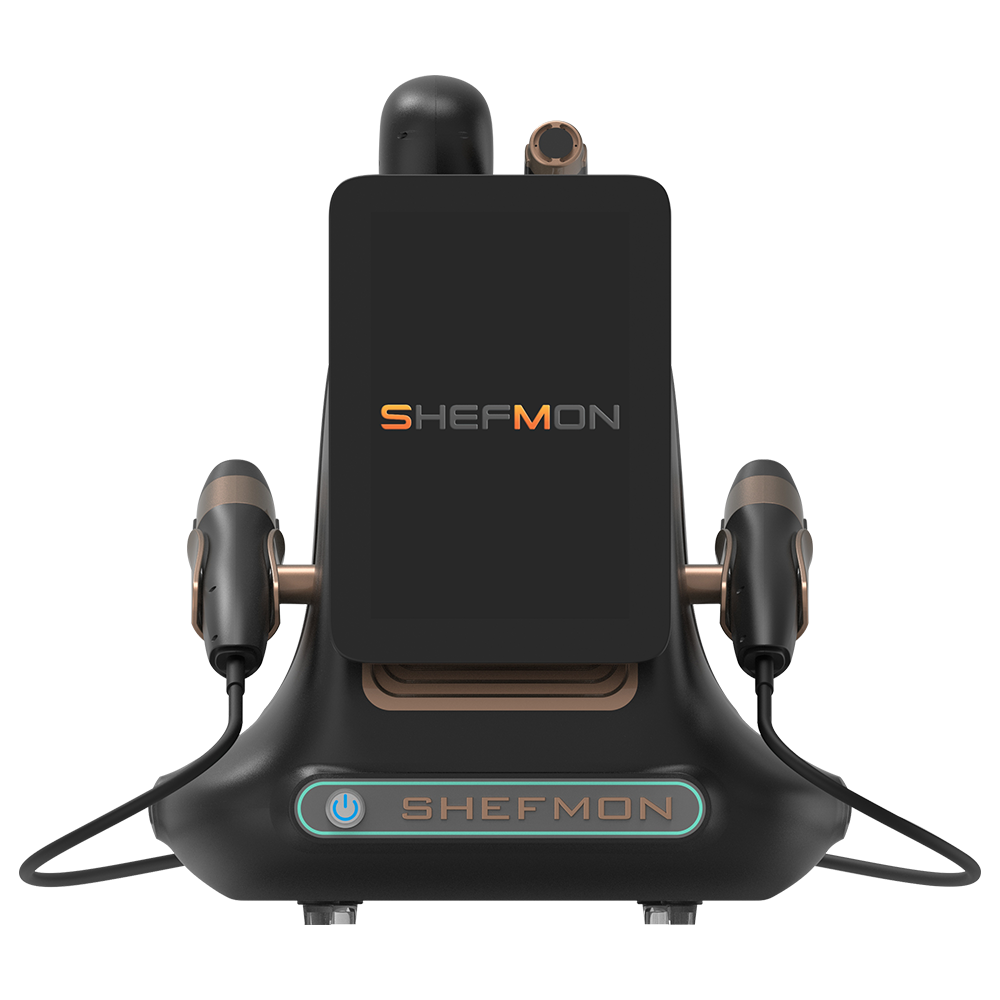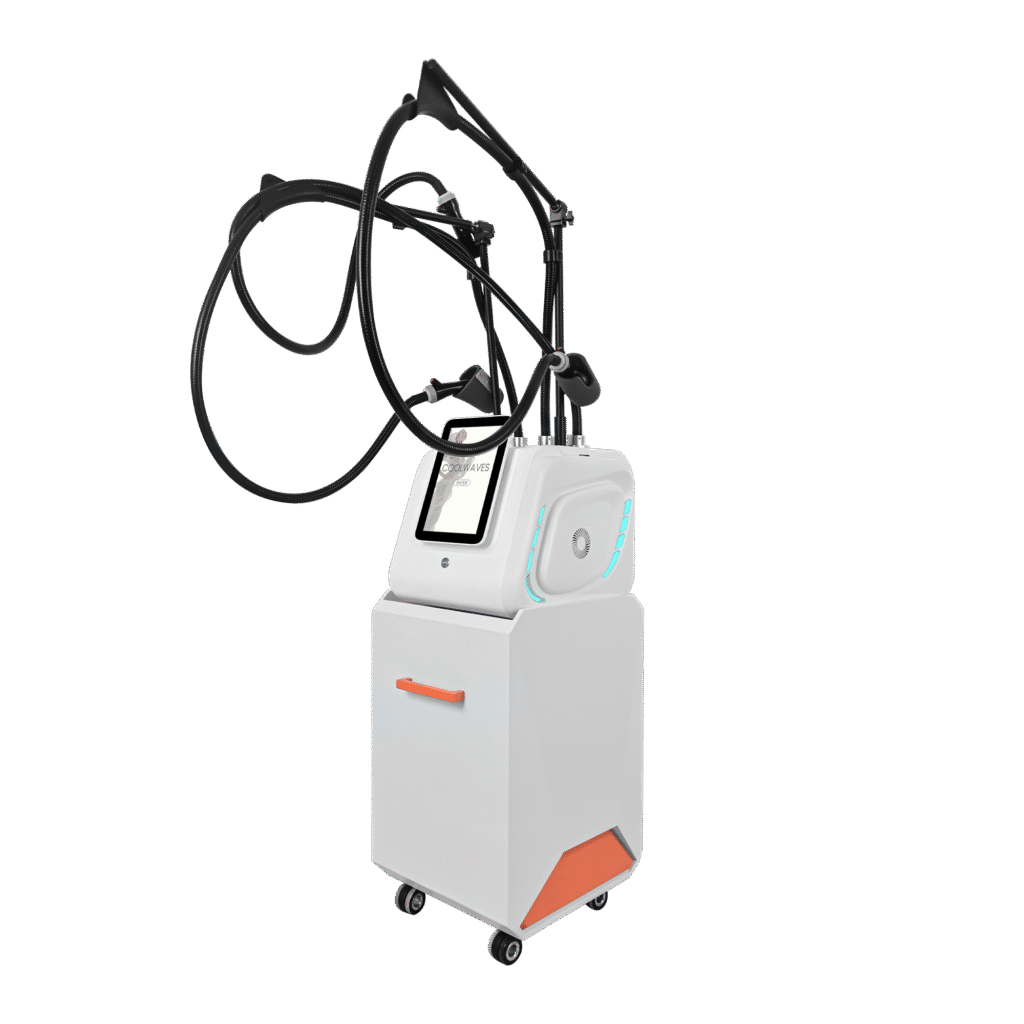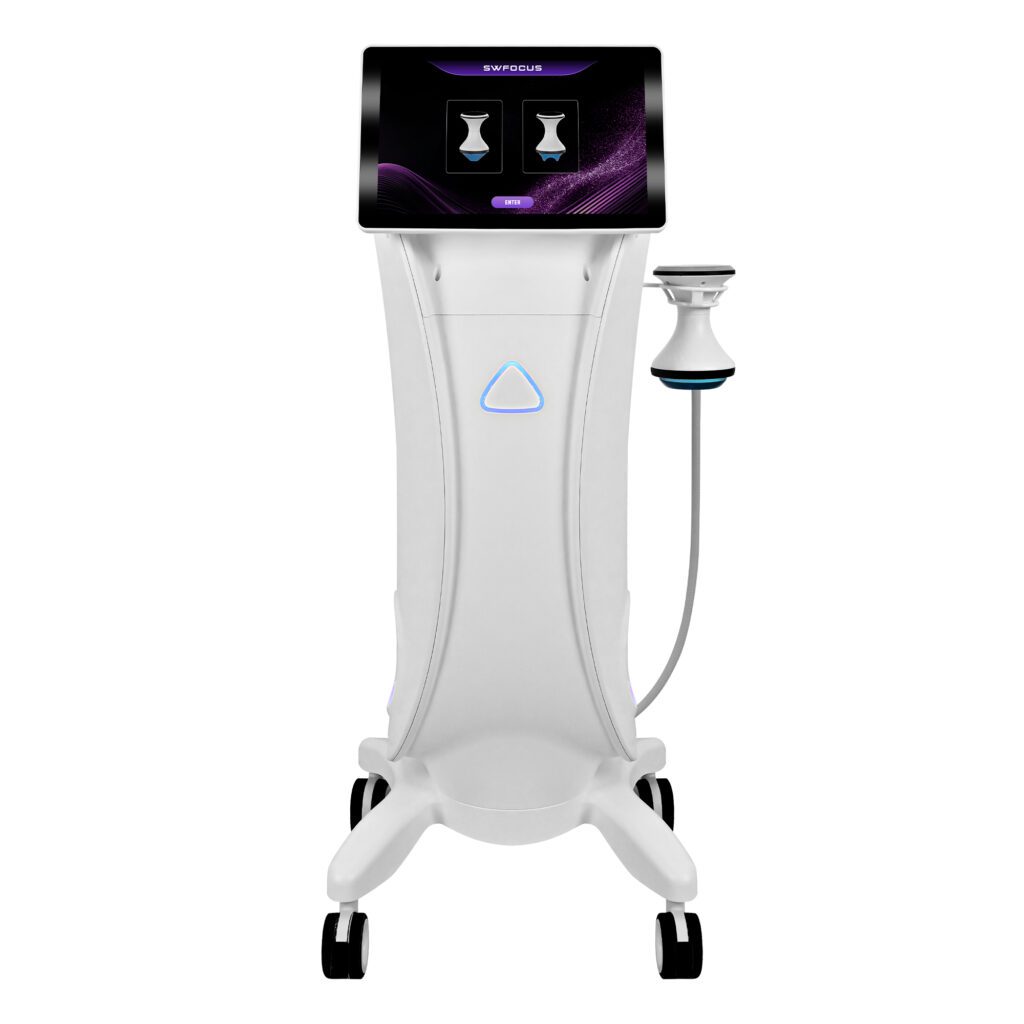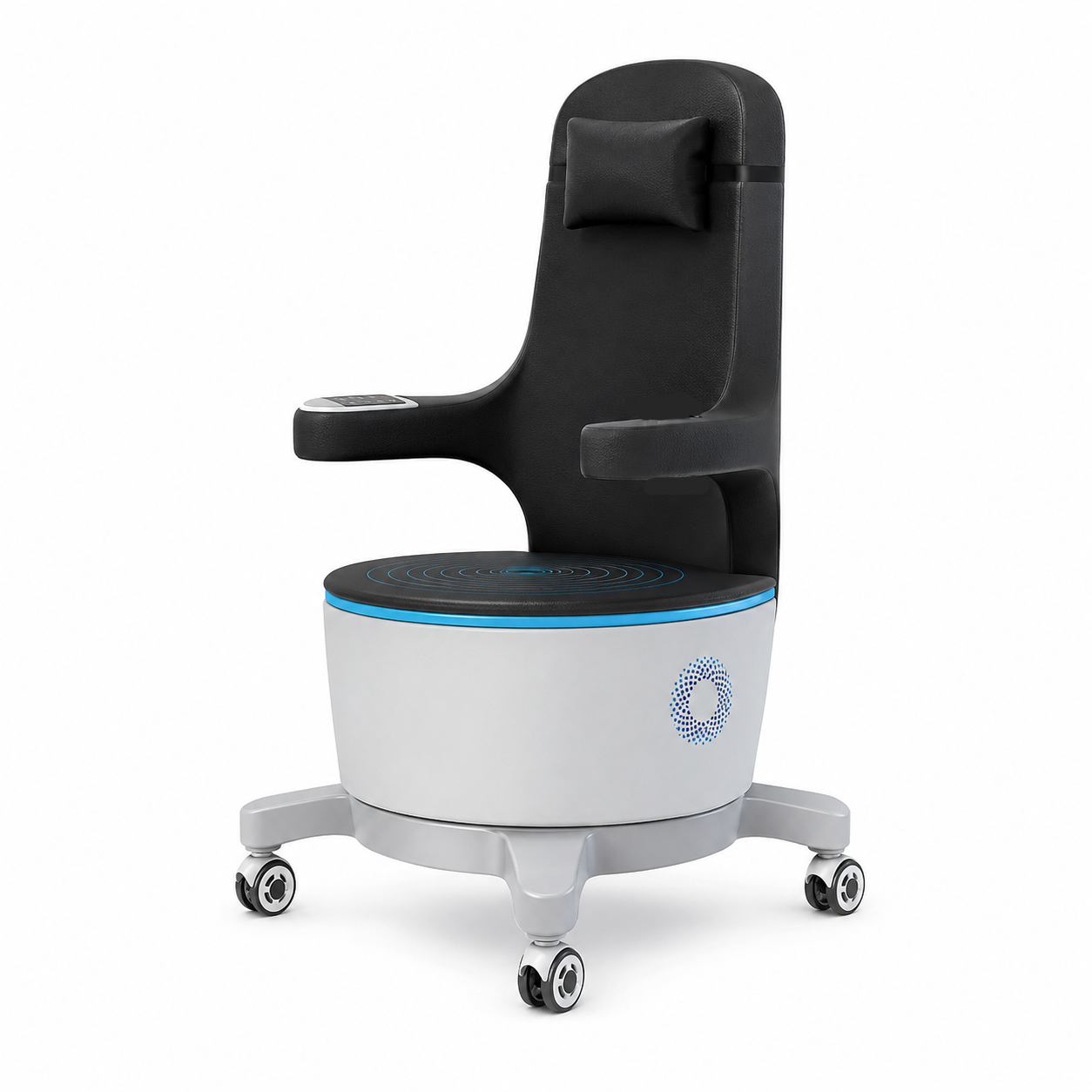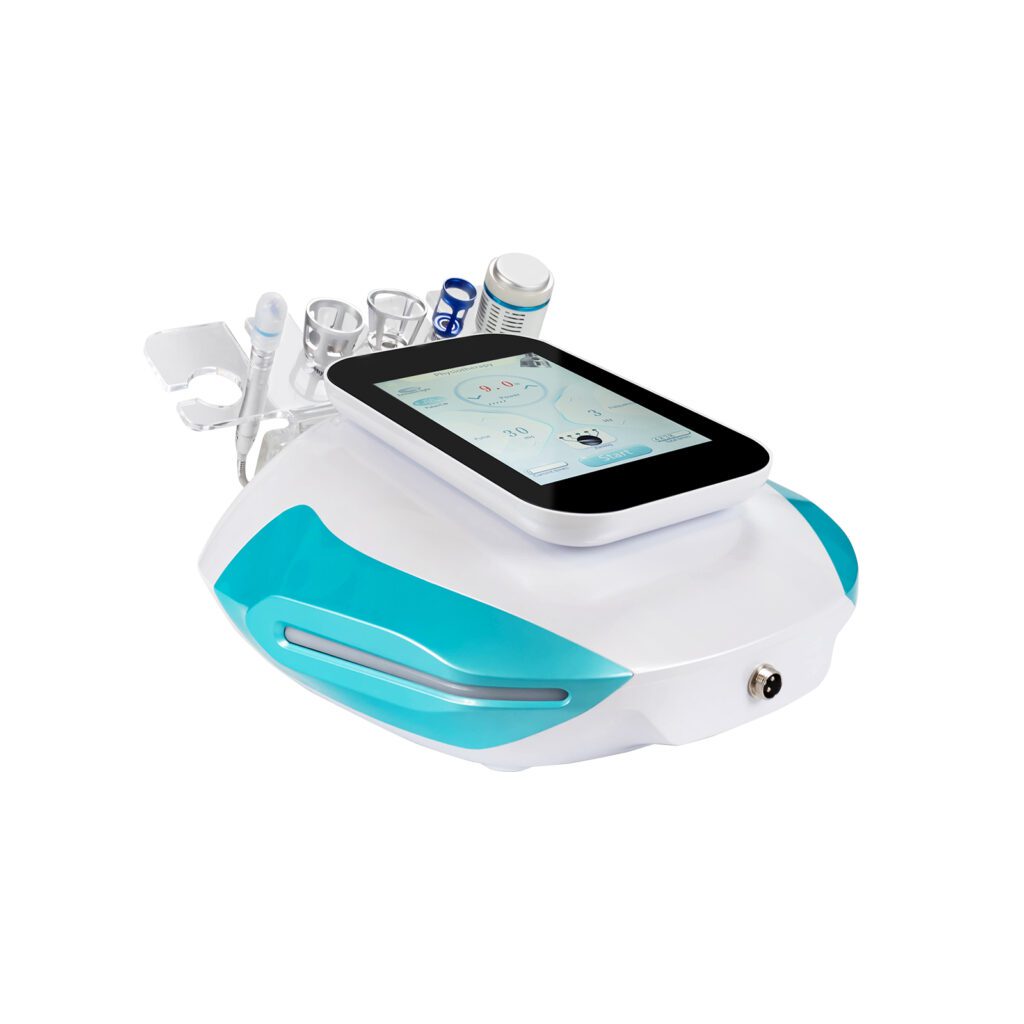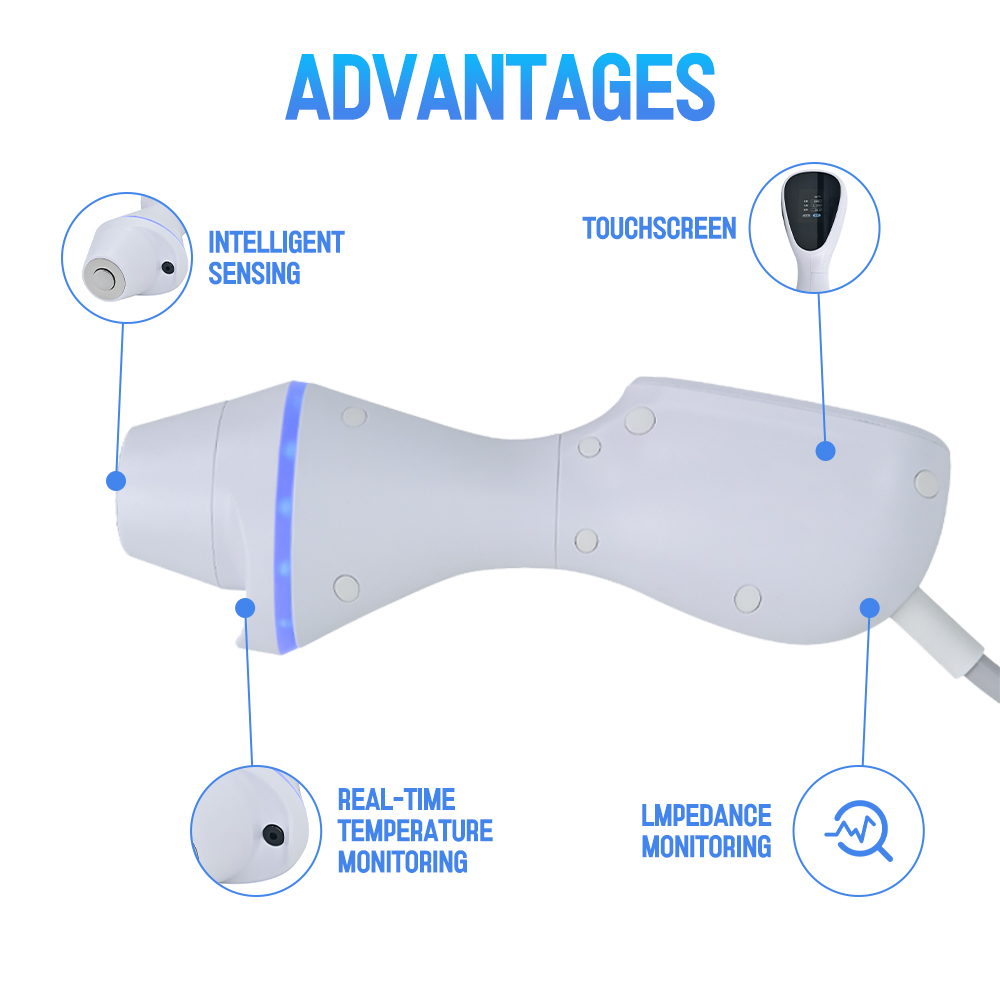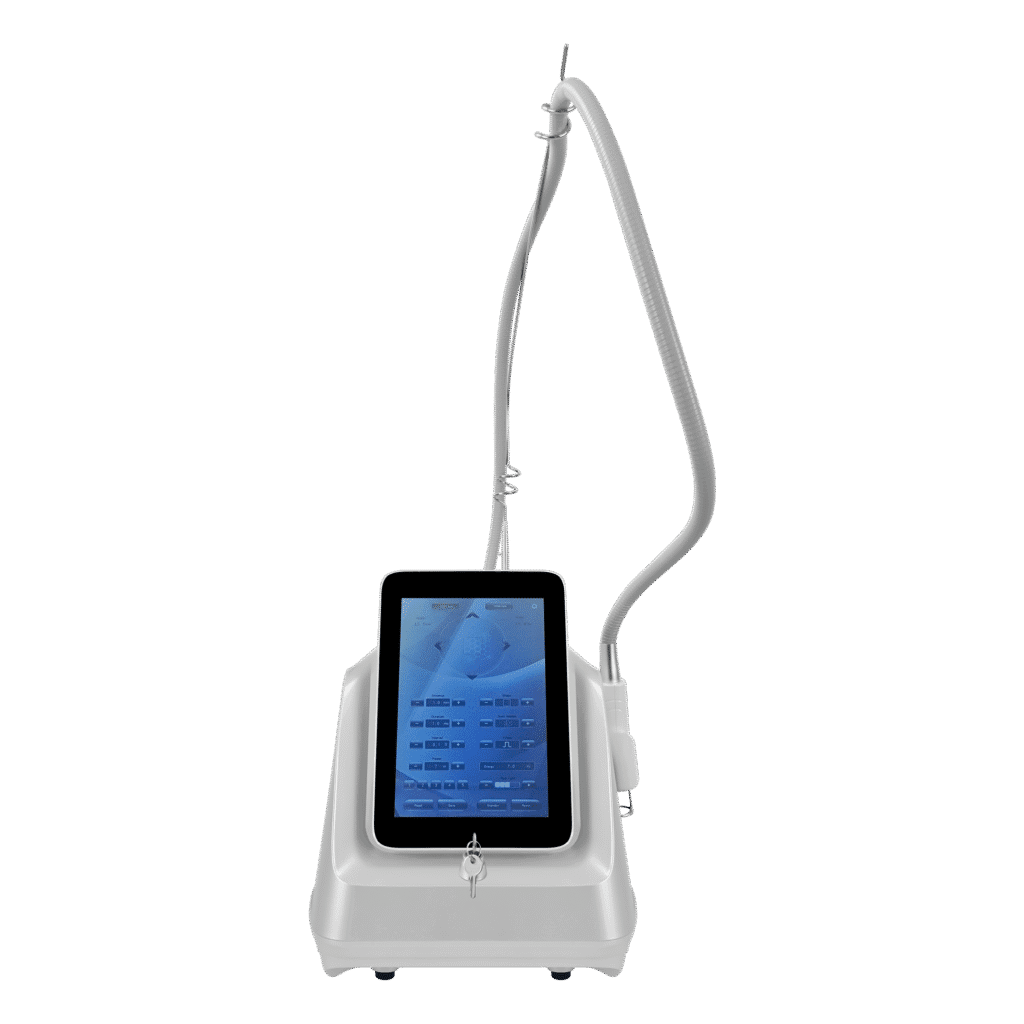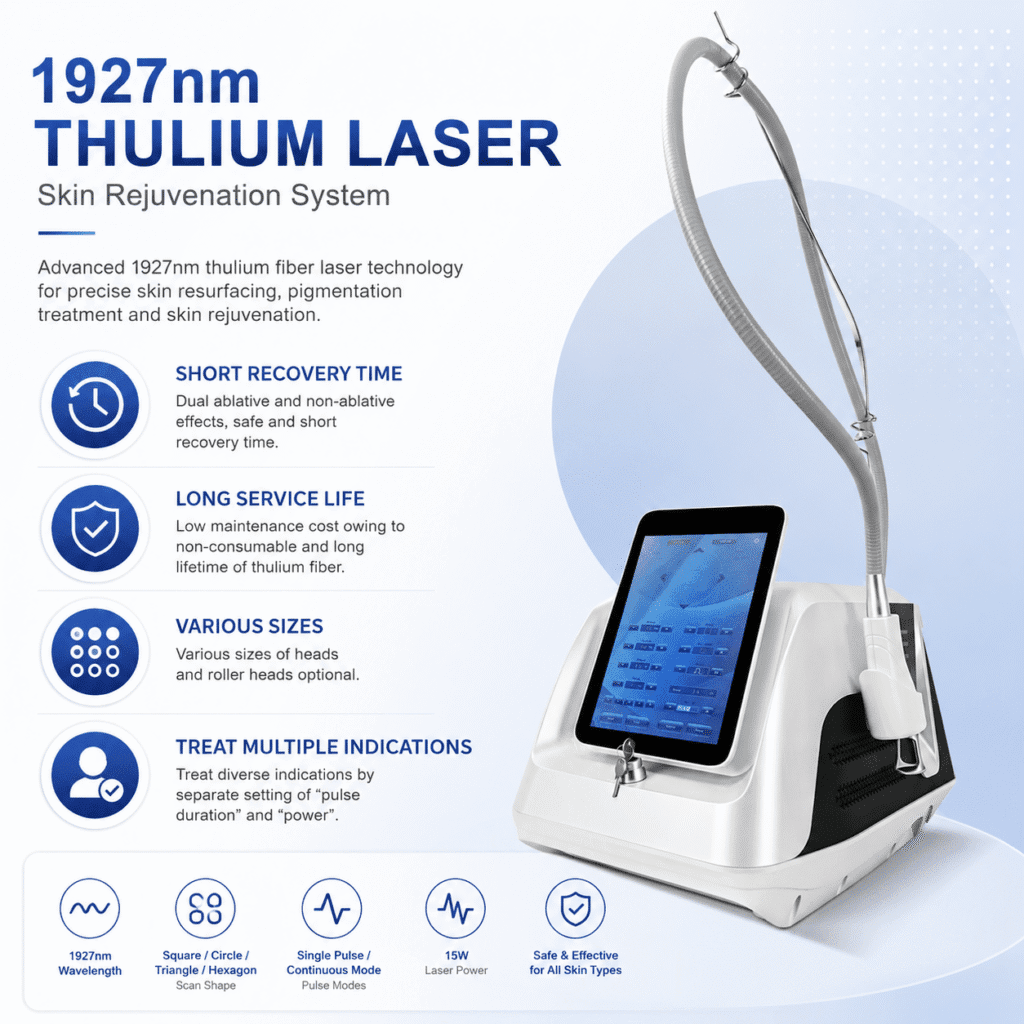

A professional beauty device rarely travels as one solid object. The saleable system may include a console, several handpieces, power cords, foot controls, tubing, bottles, holders, filters, tips, cartridges, protective caps, consumables, manuals, tools, and optional modules. Some items are heavy, some fragile, some sensitive to dust or moisture, and some can damage one another if they move inside the package.
This makes packaging validation a system-level engineering activity. An outer carton that looks acceptable after shipment does not prove that an optical window stayed aligned, a roller remained round, a connector avoided side loading, a fluid bottle did not leak, or the correct regional accessory kit arrived with the device. Validation must evaluate protection, containment, configuration accuracy, usability, traceability, and repeatable factory packing together.
This guide explains how beauty device factories, product teams, quality teams, packaging engineers, logistics teams, service teams, and distributors can validate packaging for multi-component equipment systems before release. It focuses on the packaged product actually supplied to the buyer—not an empty-box test, an individually protected engineering sample, or a generic carton shared across undefined configurations.
Résumé exécutif
An effective beauty device packaging-validation program should:
- Define the complete packaged configuration. Identify the console, handles, accessories, consumables, cables, documents, regional items, packaging materials, arrangement, and revisions under review.
- Map component-specific damage mechanisms. Heavy consoles, optical or energy-delivery handles, rollers, tubing, bottles, touchscreens, connectors, tips, and printed materials need different controls.
- Model the actual distribution journey. Consider factory handling, palletization, parcel or freight movement, hubs, storage, last-mile delivery, stairs, doorways, unpacking, and return shipment as applicable.
- Set acceptance criteria before testing. Define allowable package damage, prohibited product damage, configuration-completeness rules, functional retests, cosmetic limits, leakage checks, and documentation requirements.
- Validate the worst relevant package. Weight, center of gravity, option mix, empty space, split-carton arrangement, regional contents, and customized branding can change package behavior.
- Test the complete product-package system. Use production-representative components and intended pack-out instructions; do not substitute specially reinforced samples without documenting the difference.
- Inspect and functionally retest after exposure. Hidden failures can occur even when foam and cartons appear normal.
- Prove repeatable pack-out. Normal operators should be able to select, orient, protect, reconcile, close, label, and trace the correct components consistently.
- Control packaging changes. New handles, suppliers, foam density, cartons, inserts, labels, pallet patterns, shipping modes, or regional kits may trigger review or revalidation.
- Monitor delivered systems. Freight damage, missing items, leakage, connector damage, cosmetic defects, and unpacking problems should feed the next packaging decision.
The objective is not to make a package indestructible. It is to demonstrate that a defined packaging system provides appropriate protection and configuration control through the distribution conditions the released product is expected to face.
1. What Is Packaging Validation for a Beauty Device System?
Packaging validation is the documented process of showing that a defined product-package configuration can be packed consistently, withstand justified distribution and storage conditions, arrive complete and identifiable, and preserve the required condition and function of its contents.
The validation object includes:
- the device and every shipped component;
- protective caps, bags, films, wraps, restraints, and separators;
- foam, molded pulp, corner blocks, trays, dividers, and inserts;
- inner boxes, accessory cartons, outer cartons, crates, and pallets;
- closures, tapes, straps, stretch wrap, and fasteners;
- labels, serial-number relationships, handling marks, and documents;
- component orientation and loading sequence;
- instructions used by packers and recipients; and
- the shipping unit, whether one carton, multiple linked cartons, a crate, or a palletized system.
Changing any of these elements can change the validated package.
2. Packaging Design, Packaging Verification, and Packaging Validation Are Different
| Activity | Question principale | Typical output |
|---|---|---|
| Conception d'emballage | How should the system be contained, protected, identified, handled, and opened? | Drawings, material specifications, prototypes and pack-out concept |
| Packaging verification | Does the packaging meet its defined design requirements? | Dimensional, material, fit, print, closure or component-level evidence |
| Packaging validation | Does the complete product-package system perform through representative packing, distribution, storage and receiving conditions? | Approved protocol, exposed samples, inspection and functional results, deviations and conclusion |
| Routine pack-out inspection | Was this order packed according to the released configuration? | Checklist, weight, scan, photograph, seal or reconciliation record |
| Freight-damage investigation | Why did a delivered shipment fail? | Evidence, cause, containment, corrective action and monitoring |
A routine packing checklist cannot replace packaging validation. Conversely, a successful laboratory simulation cannot ensure that factory operators will always include the correct handpiece or manual. Both system performance and operational execution need evidence.
3. Why Multi-Component Beauty Systems Create Special Risks
Multi-component products contain different masses, shapes, surfaces, interfaces, and sensitivities in one shipping unit.
Typical interactions include:
- a heavy console crushing a smaller accessory compartment;
- a handpiece moving far enough to strike the enclosure or another handle;
- a cable transmitting impact into a connector or strain relief;
- a bottle leaking onto electronics, documents, labels, or foam;
- a roller, tip, optical face, electrode, or cartridge contacting an abrasive surface;
- detached holders or tools becoming loose projectiles;
- tubing being kinked by a lid, strap, or foam joint;
- casters, arms, screens, doors, or knobs carrying unintended package loads;
- small consumables migrating between gaps and becoming “missing” during unpacking; and
- an optional module changing weight distribution or leaving unsupported empty space.
Packaging should manage both external hazards and internal component-to-component hazards.
4. Freeze the Packaged Configuration Baseline
Create a packaging configuration record before validation.
| Baseline field | Information to control |
|---|---|
| Product identity | model, hardware revision, software-relevant hardware and serial-number method |
| Main unit | dimensions, mass, center-of-gravity considerations, fragile surfaces and permitted support points |
| Functional components | handles, applicators, cables, tubing, bottles, pedals, holders, modules and tools |
| Consommables | tips, filters, cartridges, needles, pads, caps, solution containers or other supplied items |
| Regional items | power cord, plug, language, manual, labels and market-specific accessories |
| Matériaux d'emballage | part numbers, drawings, dimensions, material grades, density or strength characteristics and suppliers |
| Pack arrangement | location, orientation, separation, routing, restraint and packing sequence for every item |
| Shipping unit | carton, split cartons, crate, pallet, gross mass, dimensions and stacking pattern |
| Closure and labeling | tape, straps, seals, shipping labels, handling marks and linked-carton identity |
| Revision status | effective product, package, artwork, instruction and validation revisions |
The record should identify optional content rather than using “all accessories included” as a specification.
5. Build a Component-to-Hazard Map
Start with how each component can be damaged, not with a list of available laboratory tests.
| Composant | Relevant packaging hazards | Possible evidence after exposure |
|---|---|---|
| Main console | drop shock, vibration, compression, tipping, caster load, enclosure rubbing | dimensional/visual inspection, stability, startup, full function and internal inspection as justified |
| Touchscreen or display | point load, flex, abrasion, impact, temperature, connector movement | display condition, touch response, boot and screen-function checks |
| Laser/light handpiece | impact, optical-face contact, thermal history, cable bend, connector load | physical inspection, connection, cooling/flow and output-related checks by qualified personnel |
| Vacuum/roller handle | roller deformation, bearing load, hose kink, contamination, impact | rotation, vacuum, noise, fit, hose and connector inspection |
| Fluid bottles and tubing | leakage, puncture, cap loosening, freezing/heat, kink, residue | leak check, cap/seal condition, routing, connection and flow/vacuum checks |
| Tips, cartridges or consumables | migration, crushing, contamination, lot mix-up, missing quantity | sealed-condition review, count, identity, compatibility and traceability |
| Power cord and foot control | plug damage, cable compression, abrasion, missing regional item | identity, visual condition, connection and function |
| Manuals and labels | moisture, tearing, wrong language, wrong revision, separation from system | content, revision, readability and configuration reconciliation |
The map should link every significant hazard to a protective feature and a post-exposure evaluation.
6. Describe the Real Distribution Journey
A distribution profile can include:
- movement from final inspection to the packing station;
- internal handling and warehouse storage;
- pallet build or parcel induction;
- road, air, sea, rail, courier, or mixed transport;
- sorting hubs and transfers;
- stacking, compression, vibration, shock, tilt, and manual handling;
- environmental exposure during transport or storage;
- customs or distributor-warehouse handling;
- last-mile delivery;
- movement through loading docks, elevators, corridors, stairs, and treatment-room doors;
- unpacking, installation, temporary storage, or repacking; and
- possible return or service shipment.
Choose recognized test methods with qualified packaging and laboratory specialists based on package type, mass, dimensions, transport mode, route, market, carrier practice, and applicable buyer or regulatory requirements. A test sequence copied from a small consumer parcel may not represent a tall, heavy beauty system shipped by freight.
7. Define the Shipping Unit Clearly
Validation should state whether the saleable system is:
- one carton containing the complete kit;
- a main-machine carton plus accessory carton;
- multiple cartons linked by one order or serial identity;
- a wooden or composite crate;
- a palletized carton or crate;
- multiple devices on one pallet; or
- a mixed shipment with separate consumables.
For split-carton systems, validate both physical protection and relationship control. Carton 1 of 2 and carton 2 of 2 should remain identifiable, and the receiving process should detect an incomplete set before installation.
8. Identify the Most Demanding Valid Configuration
“Worst case” is not always the heaviest version. Consider:
- maximum and minimum gross mass;
- highest and lowest center of gravity;
- the largest, longest, or most fragile handle set;
- the configuration with the most empty space;
- a heavy optional component placed near a weak area;
- regional cords, manuals, or accessories that change fit;
- customized housings or holders with different dimensions;
- screen, arm, caster, bottle, or connector exposure;
- pallet edge or top-layer position; and
- package materials at permitted dimensional or property limits.
A family may need more than one validation configuration when different variants create different hazards.
9. Establish Packaging Requirements and Acceptance Criteria
Acceptance criteria should be approved before exposure and distinguish packaging condition from product condition.
| Acceptance area | Example decision rule structure |
|---|---|
| Containment | All components remain inside intended barriers and compartments |
| Restraint | No component migrates beyond defined limits or contacts a prohibited surface |
| Package integrity | Closure, carton, crate, insert and pallet remain capable of protecting and handling the product |
| Product condition | No prohibited crack, deformation, loosening, abrasion, leakage, contamination or cosmetic damage |
| Configuration | Correct items, quantities, revisions, language, regional cord and documents are present |
| Functional condition | Defined startup, self-check, subsystem, handle, interface and performance checks pass after exposure |
| Traçabilité | Device, cartons, accessories and records retain required identity relationships |
| Receiving usability | Intended recipient can open, identify, remove and inspect the system without avoidable damage |
| Evidence quality | Exposure, events, inspections, deviations, photographs, raw results and conclusion are complete |
Allowable carton scuffing should not be confused with acceptable product damage. Cosmetic limits should identify viewing conditions, zones, reference standards, and decision authority where appearance is commercially important.
10. Define Preconditioning and Sample Status
Packaging materials and products may respond differently after exposure to temperature or humidity. The validation plan should define:
- storage and conditioning before testing;
- whether the unit contains allowed residual fluid;
- bottle fill state and closure condition;
- battery state if applicable;
- temperature-sensitive components;
- product stabilization time;
- package-material conditioning;
- orientation during storage;
- test start window after conditioning; and
- recovery conditions before inspection.
Use conditions justified for the intended distribution profile. Preconditioning should not be added as a ritual without explaining what risk it represents.
11. Select Production-Representative Samples
Each sample record should include:
- product and serial identity;
- component and accessory list;
- product and packaging revisions;
- component, carton, foam, insert, and closure lots where relevant;
- package supplier and production site;
- packer and packing date;
- actual gross mass and dimensions;
- rework, prior test, or repair history;
- pre-test visual and functional status; and
- any deviation from released production intent.
Engineering prototypes can support development, but release validation should explain why the tested hardware, surfaces, mass, center of gravity, handles, and package materials represent production.
12. Prove That Normal Operators Can Pack the System
Pack-out validation should observe normal trained personnel using released instructions and tools.
Review whether they can:
- select the correct packaging revision;
- identify the order configuration;
- install shipping locks and protective caps;
- drain, cap, seal, or prepare fluid paths as required;
- route hoses and cables without kinks or sharp bends;
- protect optical faces, electrodes, rollers, screens, and connectors;
- place every component in its assigned location and orientation;
- reconcile quantities and regional items;
- apply closures, straps, labels, and seals correctly;
- record device and carton identity; and
- handle exceptions without improvising an unapproved arrangement.
A package assembled by its designer does not prove that the released factory process is unambiguous.
13. Validate Restraint, Separation, and Load Paths
Good packaging controls how force moves through the system.
Confirmez que :
- approved structural zones carry package loads;
- touchscreens, knobs, connectors, ports, doors, casters, arms, and holders do not become load-bearing points unintentionally;
- heavy and fragile components are separated;
- foam compression remains within the intended range;
- accessories cannot escape their cavities;
- cable and hose bends respect defined limits;
- surfaces cannot rub during vibration;
- loose items cannot strike the device;
- package closure does not preload fragile components; and
- stacking or pallet loads transfer through suitable structure.
Post-test witness marks, rubbed surfaces, compressed foam, shifted dividers, and loose fasteners can reveal load paths even when no immediate failure is visible.
14. Evaluate Shock and Handling Exposure
Shock evaluation should represent justified handling risks and package orientations. The protocol should define:
- package weight and handling category;
- drop, impact, tip, rotational, or other relevant events;
- sequence and orientation;
- height, velocity, or severity as applicable;
- corners, edges, faces, pallet positions, or crate points evaluated;
- instrumentation where needed;
- pre-existing package damage rules;
- inspection checkpoints; and
- stop and continuation criteria.
Do not rotate the package into an unrealistic event merely to increase severity without technical rationale. Conversely, do not omit the vulnerable bottom, screen side, caster end, or high-center-of-gravity direction because it is inconvenient to test.
15. Evaluate Vibration and Repetitive Motion
Vibration can create damage mechanisms that a single shock does not reveal:
- cable and hose fretting;
- connector loosening;
- fastener back-out;
- surface abrasion;
- foam settling;
- accessory migration;
- bottle-cap loosening;
- roller or bearing brinelling;
- caster or holder movement;
- label rubbing; and
- carton fatigue.
The selected vibration profile, duration, loading, orientation, and restraint should relate to the intended transport system. Inspect the package and product for progressive movement and wear, not only catastrophic breakage.
16. Evaluate Compression, Stacking, and Pallet Stability
Compression and stacking assessment should consider:
- warehouse and vehicle stacking assumptions;
- pallet pattern and overhang;
- carton orientation;
- gross mass and stack height;
- time under load;
- environmental effects on carton strength;
- top-load transfer through inserts;
- strap or stretch-wrap forces;
- pallet deck gaps and edge support;
- tall-product tipping stability; and
- mixed-load interaction.
For multi-carton systems, a small accessory carton should not be placed where the main unit or pallet load can crush it unless the design specifically supports that arrangement.
17. Control Fluid-Path and Bottle Risks
Hydro facial, vacuum, spray, cooling, and other fluid-related devices need explicit shipment preparation.
Définir:
- whether every circuit must be drained, purged, dried, capped, or filled;
- which residual volume is acceptable;
- bottle fill level and cap torque or closure method;
- secondary containment;
- orientation limits;
- tube routing and kink protection;
- port and connector caps;
- cleaning state before packing;
- response to freezing or high-temperature exposure where relevant; and
- leak inspection after each critical exposure.
Absorbent material can reveal a leak, but it should not be used to make an uncontrolled leak acceptable.
18. Protect Handles, Applicators, and Energy-Delivery Components
Handpieces often combine fragile surfaces with heavy cables and connectors. The package should control:
- optical windows and contact surfaces;
- electrodes and treatment heads;
- cartridges, tips, needles, or caps;
- cable bend radius and strain-relief loading;
- connector pins, threads, latches, and seals;
- internal cooling or fluid connections;
- roller and bearing surfaces;
- detachable buttons or triggers;
- cleanliness barriers; and
- identity and compatibility with the shipped console.
Validate each materially different handpiece. Passing one compact handle does not automatically cover a heavier or longer applicator using the same carton cavity.
19. Validate Small Parts, Consumables, and Accessory Kits
Small items often cause high customer dissatisfaction because they are easily missed, misplaced, or damaged.
Use controls such as:
- a defined kit BOM;
- compartment or bag identity;
- sealed sub-kits;
- quantity and lot traceability where needed;
- scan, count, weight, or vision checks;
- tamper or closure evidence;
- compatible-item labeling;
- protection from dust, moisture, crushing, and abrasion;
- a recipient-facing contents list; and
- an escalation process for substitutions.
Package validation should confirm that small items remain findable and identifiable after transport, not merely that they were placed in the box initially.
20. Validate Multi-Carton Identity and Completeness
When a system ships in separate boxes, control:
- parent order or system identifier;
- carton number and total carton count;
- model and regional configuration;
- serial-number relationship;
- accessory-carton identity;
- carrier labels and duplicate-label risk;
- partial-shipment status;
- warehouse scan and loading confirmation;
- receiving reconciliation; and
- action when one carton is delayed or damaged.
A physically protected accessory carton still represents a packaging-system failure if it cannot be matched to the main machine.
21. Inspect at Planned Checkpoints
Inspection can occur:
- before conditioning;
- after conditioning;
- before each distribution sequence;
- after shock or handling events;
- after vibration;
- after compression or stacking;
- after environmental exposure;
- after unpacking; and
- after functional retesting.
The sequence should balance learning with test validity. Opening a package between every event may change its condition; never opening it may hide when damage occurred. Define checkpoints and resealing rules in the protocol.
22. Perform Post-Exposure Product and Functional Evaluation
After the package is opened, evaluate more than exterior appearance.
The post-exposure plan may include:
- item and quantity reconciliation;
- label, serial, document, and regional-version check;
- enclosure, screen, caster, arm, holder, door, fastener, connector, cable, tube, bottle, seal, tip, and handpiece inspection;
- evidence of movement, rubbing, impact, load, leakage, contamination, or moisture;
- startup and self-check;
- user-interface and control response;
- handpiece recognition and connection;
- cooling, flow, vacuum, motion, RF, ultrasound, light, laser, or other relevant subsystem checks by qualified personnel;
- performance measurements linked to package-related risks;
- error-log review;
- noise, vibration, temperature, or drift observations; and
- comparison with pre-test baselines.
The required retest should be risk-based and capable of detecting hidden transport damage. A power-on screen alone is rarely enough for a complex device.
23. Evaluate Unpacking, Installation, and Repacking
The recipient experience is part of the packaging system. Confirm that intended personnel can:
- identify the correct orientation and opening point;
- remove straps, fasteners, lids, and inserts safely;
- lift or roll the product using the defined method;
- find every accessory and document;
- avoid pulling a cable, tube, screen, or handle as a lifting point;
- identify shipping locks and protective caps that must be removed;
- recognize visible freight damage;
- retain necessary evidence for a claim;
- dispose of or store packaging appropriately; and
- repack the device for an approved return or service shipment when required.
If return shipping is expected, validate a realistic reverse-logistics method. A one-time factory pack may be difficult for a buyer to reproduce.
24. Use Architecture-Specific Packaging Questions
Public SHEFMON pages show why packaging validation should follow the actual product architecture. The examples below illustrate review questions only; they do not disclose SHEFMON’s confidential packaging specifications, validation protocols, shipping results, or approved release configurations.
Hydro microdermabrasion and facial-fluid systems
The public Système de microdermabrasion hydro SHEFMON A0648 is presented as a vertical multi-function device with vacuum and cleansing, exfoliation, extraction, and hydration positioning. Relevant packaging questions include bottle restraint, cap and seal control, tubing routing, residual-liquid preparation, tip containment, handpiece separation, upright handling, caster or base protection, and leak-related post-test checks.
Diode laser hair-removal systems
The public SHEFMON A0426 diode laser system lists multiple wavelength, spot-size and cooling-related options, as well as a touchscreen and regional electrical choices. Validation should identify the exact handpiece and electrical configuration, protect contact and optical surfaces, control cable and connector loads, preserve cooling-path condition, restrain a tall main unit, and include post-exposure checks capable of detecting hidden functional change.
Multi-handle body platforms
The public SHEFMON B0155 Endos de bureau Velapro is presented as a desktop 5-in-1 system that can combine different handles, including vacuum-roller, rotating, RF-related, and cavitation functions. Packaging validation should address different handle masses and shapes, roller and bearing protection, hose and cable routing, accessory-to-console compatibility, cavity fit for each approved kit, and the effect of optional handles on weight distribution and empty space.
25. Record Every Packaging Failure and Anomaly
Use one event register for laboratory, pilot, production, freight, and receiving findings.
| Event field | Information required |
|---|---|
| Sample and configuration | product, package revision, component set and shipment unit |
| Exposure point | conditioning, drop, vibration, compression, handling, storage, unpacking or delivery |
| Observation | package damage, movement, product damage, missing item, leakage, label issue or functional change |
| Preuve | photographs, measurements, logs, instrument data, damaged parts and witness marks |
| Immediate action | stop, continue, contain, inspect, retest, quarantine or notify |
| Portée | affected variants, lots, suppliers, routes, inventory and shipped units |
| Cause status | confirmed, probable, under investigation or unknown |
| Corrective action | design, material, pack arrangement, instruction, training, handling or logistics change |
| Confirmation | repeat exposure, regression, pilot evidence or monitored shipment result |
| Disposition | closed, conditional, accepted with rationale or release-blocking |
Do not classify a damaged product as “carrier abuse” until the expected distribution profile and package performance have been assessed.
26. Separate Package Failure from Product Weakness
Transport testing can reveal several root-cause classes:
- insufficient cushioning or restraint;
- incorrect package-material properties;
- weak closure, carton, crate, or pallet design;
- pack-out error;
- component placed in the wrong cavity;
- product structure not suitable for normal shipping loads;
- missing shipping lock or protective feature;
- unrepresentative test setup;
- environmental condition outside the design profile; or
- distribution event outside the authorized scope.
The corrective action should match the mechanism. Adding more foam may transfer load into a fragile screen, increase compression on a connector, or create a new thermal or moisture issue.
27. Revalidate after Important Changes
Review packaging evidence when changes affect:
- device dimensions, mass, center of gravity, enclosure, casters, screen, arms, doors, holders, or connectors;
- handle, cable, tube, bottle, accessory, or consumable set;
- product supplier or material;
- foam, insert, carton, crate, pallet, bag, cap, tape, strap, or closure;
- packaging supplier, tooling, process, or manufacturing site;
- pack-out arrangement or instruction;
- branding, labels, manuals, regional cord, or language kit;
- shipment orientation, pallet pattern, stack height, carrier, route, or transport mode;
- order quantity or multi-unit shipment format;
- storage conditions or shelf time; or
- field evidence showing damage or missing-content risk.
Use a documented impact assessment to decide whether evidence remains applicable, bridging work is adequate, or full revalidation is needed.
28. Transfer the Validated Package into Production Control
Release documentation should include:
- package BOM and approved suppliers;
- drawings and material specifications;
- component arrangement and orientation;
- photographic or illustrated packing instructions;
- preparation steps for fluid paths, locks, caps, screens, casters, handles, and cables;
- required tools and settings;
- kit and document reconciliation method;
- gross-weight or dimensional checks where useful;
- closure, tape, strap, seal, label, and pallet instructions;
- serial and carton relationship rules;
- in-process and final inspection points;
- nonconformance and deviation process;
- approved storage and handling conditions; and
- training and competency records.
Pilot packing should confirm that the released documentation produces the same package tested during validation.
29. Monitor Packaging Performance after Launch
Track packaging outcomes by:
- product and configuration;
- packaging revision and supplier;
- component kit;
- shipping unit and pallet pattern;
- route, carrier, mode, and destination where available;
- damage location and type;
- missing, wrong, or displaced item;
- leakage or contamination;
- cosmetic versus functional effect;
- installation or unpacking issue;
- claim, replacement, repair, or return outcome; and
- confirmed cause and corrective action.
A low claim count does not prove that all damage is absent; distributors or buyers may silently absorb small failures. Use service, sales, installation, warehouse, and customer-support feedback together.
30. Packaging Validation Checklist
Before releasing a multi-component beauty device package, confirm that:
- The exact product and package configuration is identified.
- Every included and optional component has a controlled location.
- Product, accessory, regional and documentation revisions agree.
- Package materials have specifications, suppliers and part identities.
- The shipping unit and split-carton relationship are defined.
- Component-specific damage mechanisms have been mapped.
- The intended distribution journey has been documented.
- Relevant package variants and worst cases have been selected.
- Acceptance criteria were approved before exposure.
- Cosmetic, structural, completeness and functional criteria are separate.
- Samples are production-representative and traceable.
- Normal operators packed samples using released methods.
- Fluid paths, bottles, tubes, caps and seals have defined shipment preparation.
- Handles, cables, connectors, rollers and treatment surfaces are protected.
- Small parts and consumables remain contained and findable.
- Load paths avoid fragile product features.
- Shock and handling exposure reflects the justified shipping profile.
- Vibration evaluates repetitive movement and abrasion risks.
- Compression, stacking and pallet stability are addressed.
- Environmental preconditioning has a documented rationale.
- Inspection checkpoints and resealing rules are defined.
- Post-exposure evaluation includes risk-based functional retesting.
- Hidden damage and performance drift can be detected by the method.
- Unpacking and receiving usability have been evaluated.
- Return or service repacking is controlled where required.
- Failures, anomalies and deviations remain visible in the record.
- Corrective actions address confirmed damage mechanisms.
- Repeat or regression evidence supports the correction.
- Production documents reproduce the validated pack-out.
- Packaging changes trigger documented impact review.
- Delivered-condition feedback is linked to package revision and route.
- Release approval states scope, exclusions, conditions and monitoring.
Questions fréquemment posées
1. Is a drop test enough to validate beauty device packaging?
Usually not. Drop or shock testing addresses selected handling events, but multi-component systems may also need vibration, compression, environmental conditioning, pallet stability, configuration checks, unpacking evaluation, and post-exposure functional testing. The required program depends on the package and distribution profile.
2. Can one package test cover every product configuration?
Only when a documented comparison shows that the tested configuration represents the others for mass, center of gravity, component fit, fragility, load paths, empty space, package materials, shipping method, and failure modes. Different handpiece or regional kits may require bridging tests or separate validation.
3. Should packaging tests use a real beauty device or a weighted dummy?
Weighted dummies can help during development or equipment setup, but they may not reproduce enclosure flex, internal mounts, screens, connectors, fluid paths, handles, or functional damage. Release validation should use production-representative product unless a technically justified surrogate supports a specific question.
4. What should be checked after transport simulation?
Check the packaging, component positions, protective materials, labels, documents, item completeness, cosmetic condition, structural condition, connectors, cables, tubing, bottles, handles, and relevant device functions. Compare important measurements with pre-test baselines where hidden change is possible.
5. How many samples are required for packaging validation?
There is no universal quantity. The plan should consider configuration coverage, package variation, product value, failure consequences, destructive sequences, material and process variability, laboratory method, and the decision the evidence must support.
6. Does minor outer-carton damage mean the test failed?
Not automatically. Acceptance criteria should define allowable shipping-container damage and confirm whether the package can still contain, protect, identify, and handle the product. Product damage, loss of containment, unsafe handling, or compromised traceability may be unacceptable even if the carton damage looks minor.
7. How should bottles and residual liquids be handled during validation?
Test the intended shipment state. Define whether circuits are drained or capped, the allowed residual volume, bottle fill and closure, secondary containment, orientation, temperature conditions, and leak checks. A dry test does not represent a product that is shipped with liquid present.
8. Must custom-branded packaging be revalidated?
Brand artwork alone may have limited structural impact, but new cartons, coatings, print processes, labels, manuals, accessory kits, inserts, dimensions, suppliers, or pack arrangements can change performance or configuration control. Use a documented impact assessment rather than assuming that “branding only” covers every change.
9. Who should approve packaging validation?
Approval commonly needs packaging or mechanical engineering, product engineering, quality, production, logistics, and relevant service or regulatory input. The exact authority depends on the product, organization, destination market, and applicable requirements.
10. What packaging evidence should a distributor request?
A distributor can request a configuration-specific package description, carton count, dimensions and mass, pack list, handling and storage requirements, unpacking instructions, validation summary, damage-claim process, and change status. The request should identify the exact model, handles, voltage, language, branding, accessories, route, and shipment method.
Conclusion
Packaging validation for multi-component beauty equipment is not an outer-carton exercise. It is evidence that a particular console, handle set, accessory kit, regional configuration, protective system, pack-out process, and shipping unit continue to work together after representative distribution exposure.
The strongest program begins with a frozen packaged configuration, maps damage mechanisms by component, models the real logistics journey, sets acceptance criteria before exposure, uses production-representative samples, and inspects both visible and hidden outcomes. It then transfers the tested arrangement into repeatable factory instructions and continues learning from delivered systems.
SHEFMON’s public Capacités OEM/ODM include packaging, manuals, branding, mechanical design and prototypes, while the public aperçu du contrôle de la qualité describes production and inspection activities. These pages provide useful starting points, but packaging evidence should always be reviewed for the exact ordered configuration.
To discuss packaging for a facial, laser, body, or multi-function product, explore the Gamme d'appareils de beauté SHEFMON et contacter SHEFMON. Share the model, handle set, optional components, regional contents, branding, order volume, shipping mode, destination, and service-return expectations so the packaging discussion can be tied to the system you intend to supply.