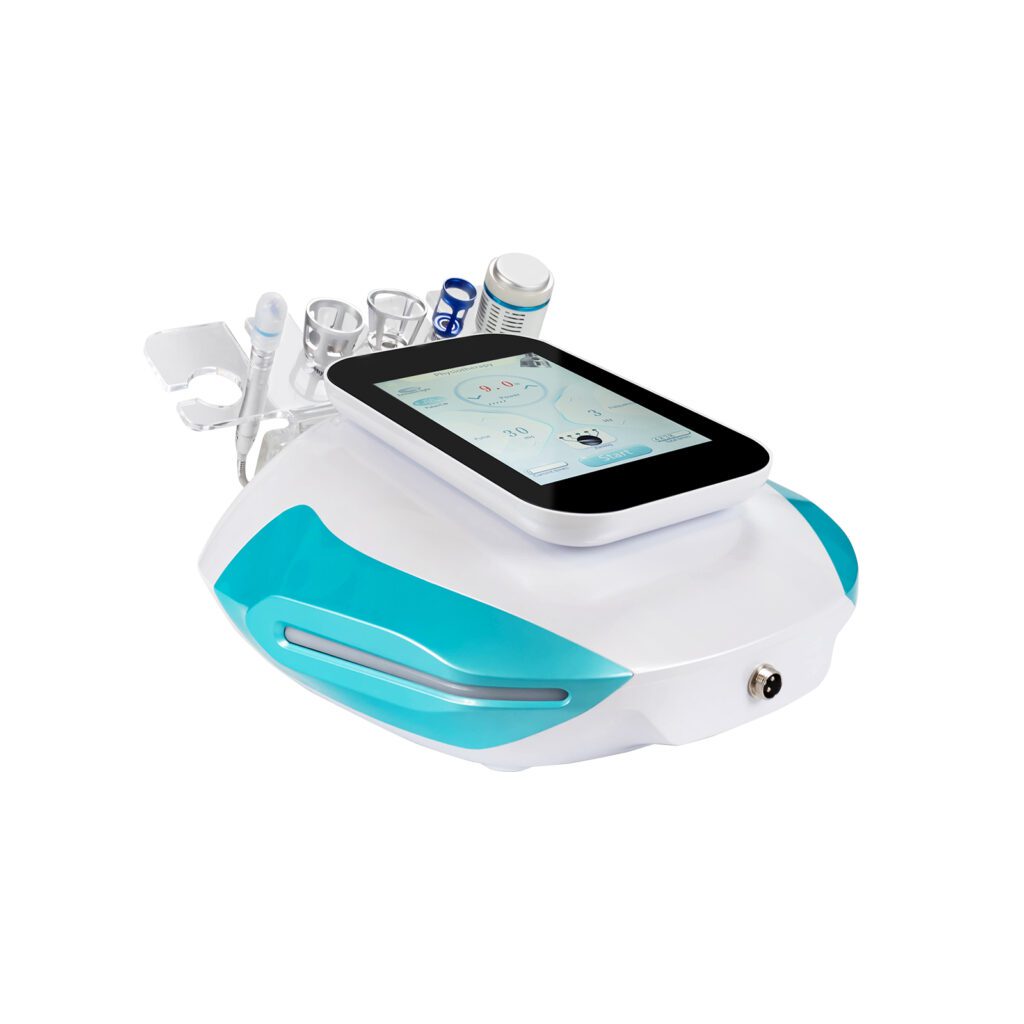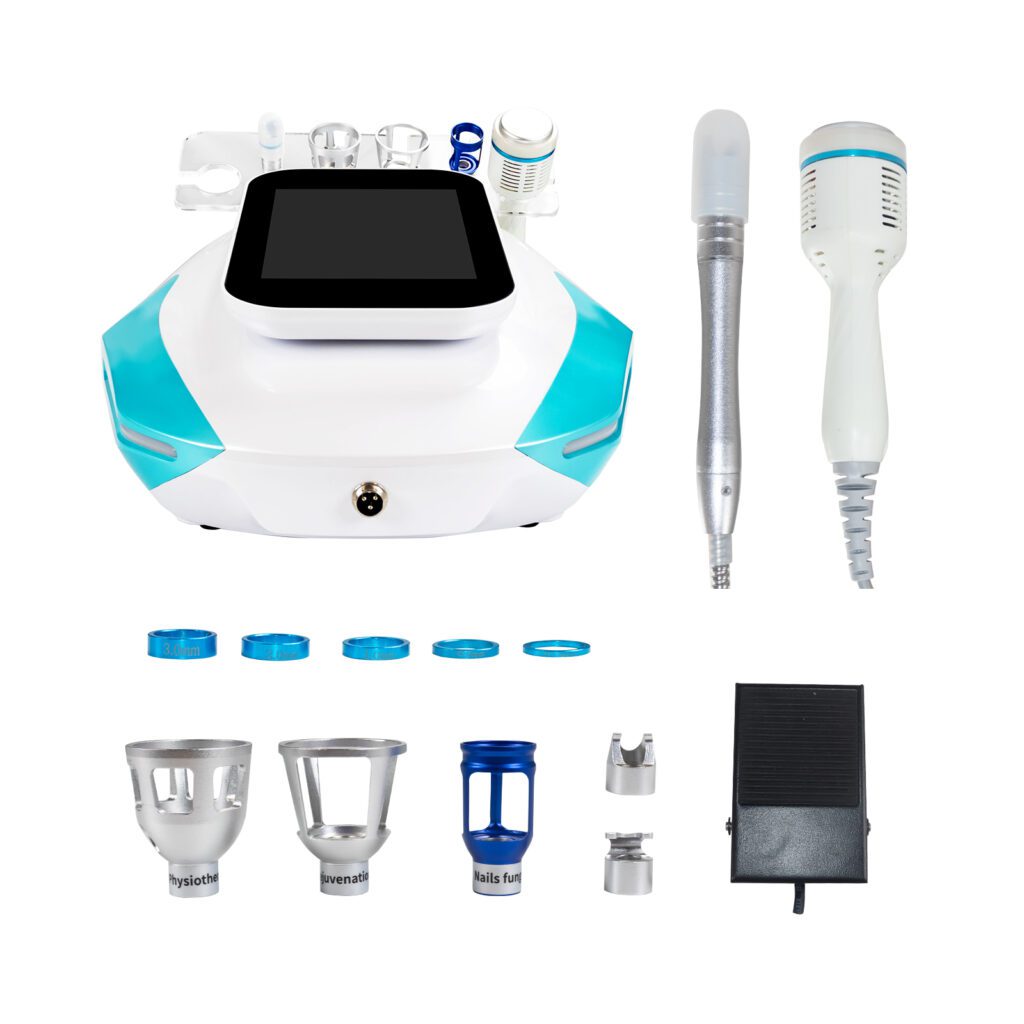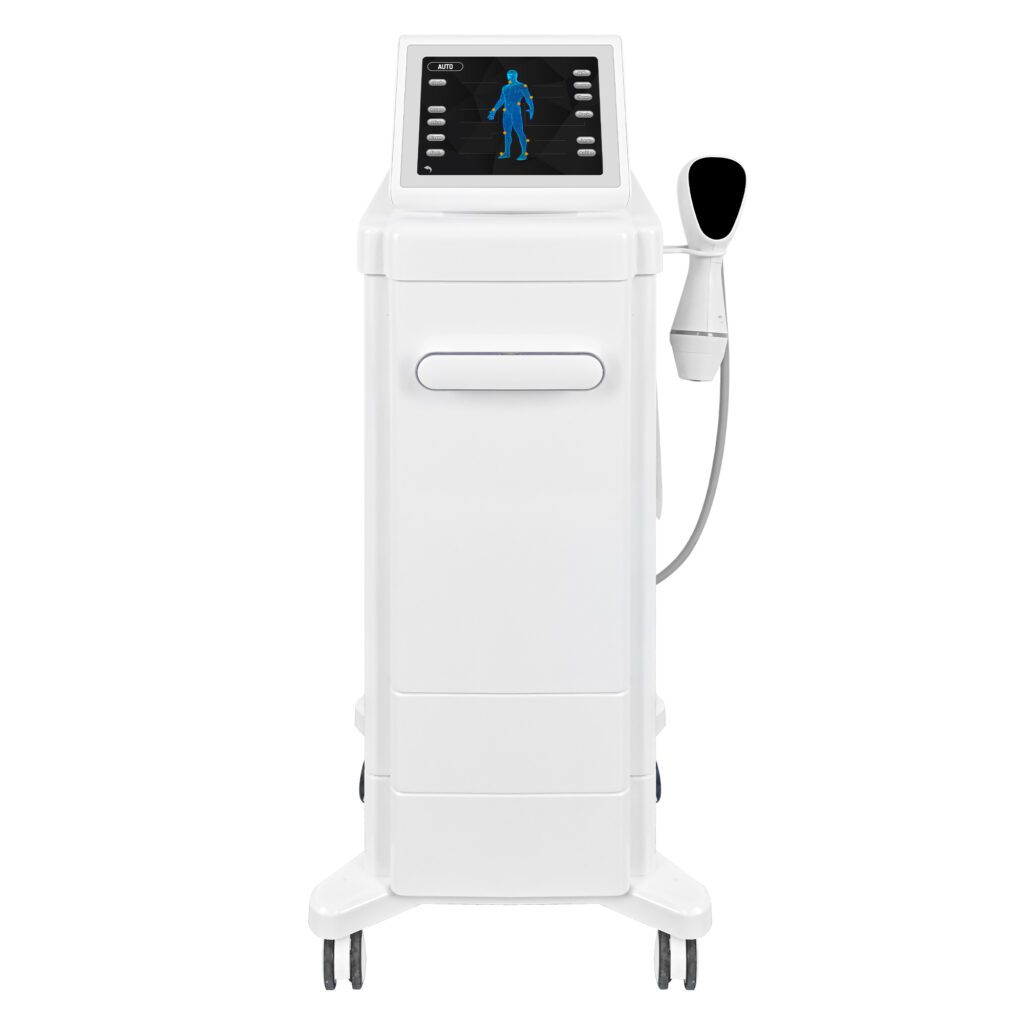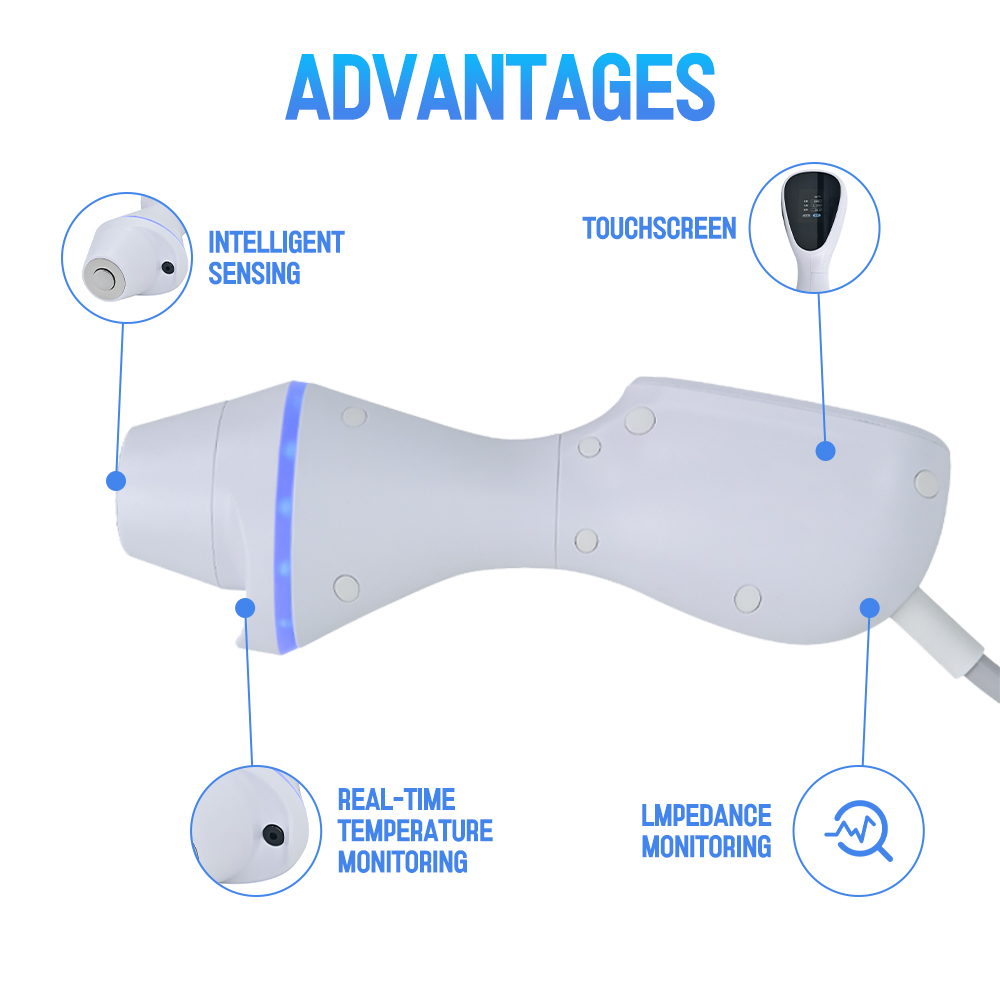
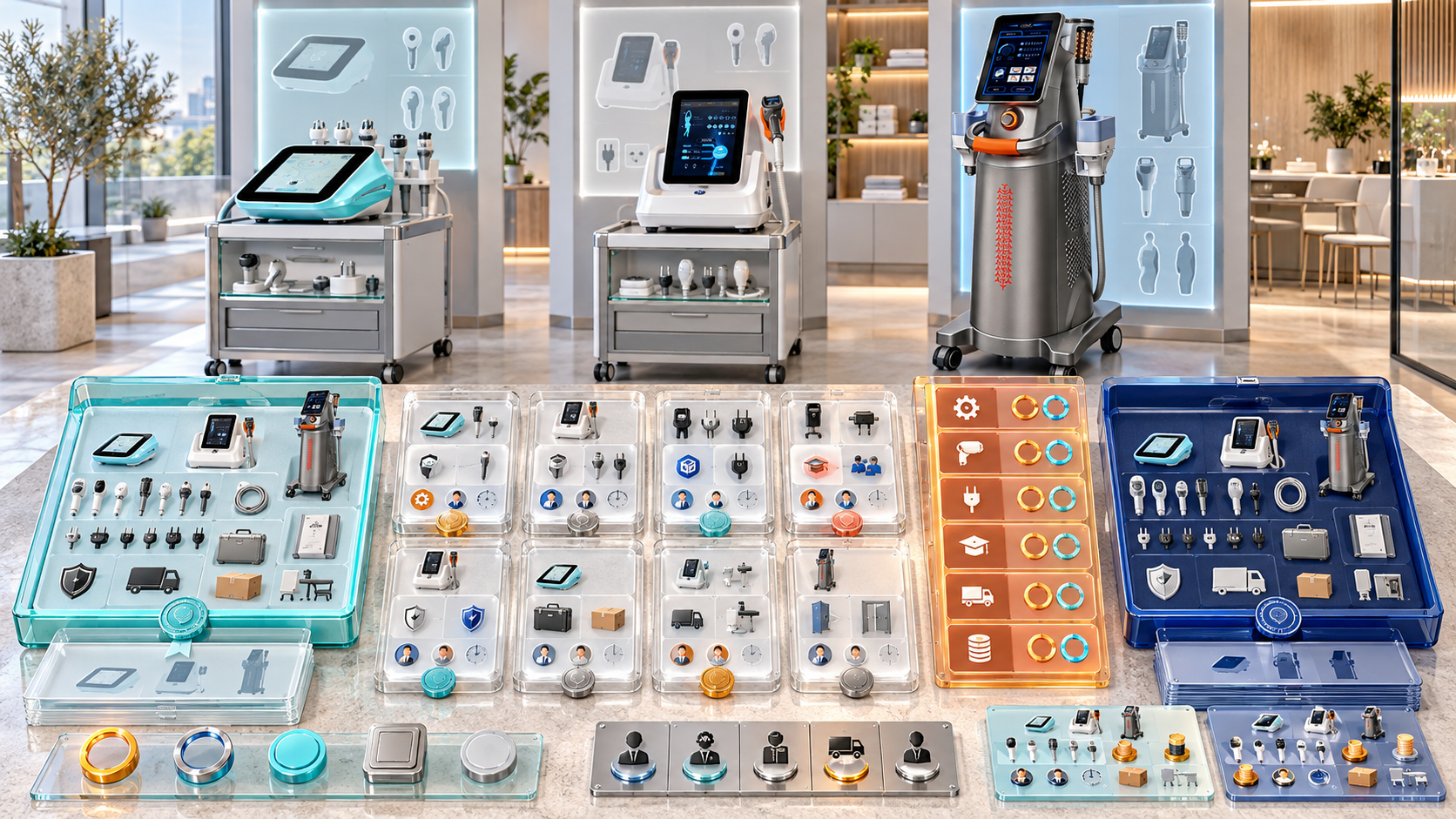
Beauty device packages become difficult to sell when every salesperson names them differently. One team may call an offer a “starter package,” another may call the same devices a “professional solution,” and a regional office may use “complete clinic package” even though the contents cover only facial services. Buyers cannot compare offers, quotations lose their connection to catalog pages, and internal teams may interpret a familiar name as the wrong configuration.
A controlled naming system gives every package a stable identity and a clear public name while keeping content, version, market, and price records separate. This guide shows distributors how to name SHEFMON facial, hair-removal, HIFU, RF-microneedling, body-care, and multi-category packages so that sales decks, demonstrations, quotations, and orders describe the same offer.
Résumé exécutif
- Give every package a permanent internal ID before creating a buyer-facing name.
- Build names from controlled elements such as application, buyer role, scope, tier, and format.
- Keep the public package name separate from its content revision, regional overlay, configuration schedule, and price version.
- Use terms such as Starter, Core, Growth, Advanced, and Premium only when each has written inclusion rules.
- Name packages by the business or service role they actually cover rather than by the number of functions claimed.
- Keep A0423 and A0426 package names model-specific when configuration or format matters.
- Make A0204 and A0152 packages visibly distinct because HIFU and RF microneedling represent different equipment categories.
- State the actual B0155 handle set instead of allowing one broad body-package name to imply unlimited contents.
- Reserve Complete, Clinic, Medical, Professional, and similar scope words for offers that meet documented criteria.
- Control translations, renames, aliases, retirement, and cross-channel use through one package-name register.
1. What a Beauty Device Package Name Must Do
A useful package name should help a buyer and the sales team answer four questions:
- Which business or service category does the package support?
- How broad is its equipment scope?
- Which tier or buyer stage does it represent?
- Which controlled package record should be opened for the exact contents?
Par exemple, Facial Foundation — Core communicates more than Package A. It still does not define the included model, tools, supplies, or commercial terms. Those details belong in the linked package record and quotation.
The name guides understanding; it must not replace the specification.
2. Why Informal Package Names Create Sales Errors
Uncontrolled names cause predictable problems:
- the same name refers to different device lists;
- two names refer to the same package;
- Starter implies a lower price but not a defined scope;
- Professional implies suitability that has not been reviewed;
- Complete suggests categories or operating items that are absent;
- a promotional name becomes an unofficial permanent product identity;
- a translated name changes the package meaning;
- a salesperson substitutes a similar model without renaming or revising the package;
- a quotation uses an old package name after the contents change;
- an order team sees the name but not the controlling version.
Naming rules prevent ambiguity at the first point where buyers encounter the offer.
3. Separate Package Identity, Name, Content, and Price
| Element | But | Exemple |
|---|---|---|
| Package ID | Permanent internal identity | PKG-FAC-001 |
| Public package name | Buyer-facing meaning | Facial Foundation — Core |
| Content revision | Exact devices and included items | Rev 3 |
| Configuration schedule | Valid model-level choices | A0648 configuration F1 |
| Regional overlay | Market-specific language or approved variation | GCC-English overlay 2 |
| Price version | Current commercial values and dates | USD price set 2026-10 |
| Promotional label | Time-limited campaign text | Autumn Salon Launch Offer |
Do not place every control element inside one long public name. A quotation can show the readable name followed by the stable ID and content revision.
4. Give Every Package a Stable ID
Create the ID before publishing the name. A practical structure can include:
- package family code;
- sequential number;
- optional controlled variant code.
Exemples :
PKG-FAC-001for a facial foundation package;PKG-HAIR-003for a hair-removal package;PKG-BODY-004for a body-care package;PKG-MULTI-006for a multi-category business package.
The ID should not contain a price, year, salesperson, temporary promotion, or buyer name. Those values change more often than the package identity.
5. Build a Package-Name Register
| Field | But |
|---|---|
| Package ID | Anchors the record permanently |
| Approved public name | Controls buyer-facing use |
| Short name | Fits quotation and system fields |
| Package family | Links it to the correct product collection |
| Defined buyer profile | Explains intended business fit |
| Scope statement | Describes categories covered |
| Tier definition | Justifies Starter, Core, Growth, or Advanced language |
| Controlling content revision | Identifies exact devices and components |
| Approved aliases | Helps staff search old or local terms |
| Prohibited aliases | Stops ambiguous names from returning |
| Regional names | Maps approved translations or local display text |
| Owner and approver | Controls naming decisions |
| Effective and retirement dates | Prevents outdated use |
| Channel status | Shows where the name may appear |
The register should point to the package content. It should not duplicate the entire device specification.
6. Use a Consistent Naming Grammar
A flexible naming pattern is:
[Application or Buyer Role] + [Scope Descriptor] + [Tier]
Exemples :
- Facial Foundation — Core
- Hair Removal Department — Growth
- Body Studio — Core
- Advanced Rejuvenation — Dual Technology
- Multi-Service Aesthetic Center — Growth
Not every name needs all three elements. The grammar provides order, while the naming register defines which combinations are allowed.
7. Define the Package Family First
Start from a stable application family:
- Facial Cleansing and Hydration;
- Facial Tone and Contour;
- Hair Removal;
- Advanced Rejuvenation;
- Broad Body Care;
- Muscle-Focused Body Services;
- Cooling-Based Body Contouring;
- Multi-Category Aesthetic Business.
A family keeps packages aligned with the distributor catalog. It also prevents a single model from receiving unrelated commercial identities in different channels.
8. Use Buyer-Role Terms Carefully
Buyer-role terms can help when the operating context is part of the package definition:
- Facial Salon;
- Beauty Studio;
- Hair Removal Studio;
- Body Studio;
- Skin Clinic;
- Med Spa;
- Multi-Service Aesthetic Center;
- Distributor Demonstration Portfolio.
Do not use a buyer type simply because it sounds more premium. If a package is named Skin Clinic Advanced Rejuvenation, its equipment categories, operator expectations, room requirements, and local review path should support that position.
9. Define Scope Descriptors
Scope words should describe the package’s business role.
| Descriptor | Intended meaning |
|---|---|
| Fondation | Establishes one primary service category |
| Cœur | Covers the defined everyday role of one category |
| Ciblé | Adds a focused application or concern pathway |
| Département | Supports a distinct operational service area |
| Dual Technology | Contains two clearly different equipment categories |
| Multi-Category | Covers more than one service family |
| Expansion | Adds a new category to an existing business |
| Démonstration | Supports controlled product presentation rather than client services |
The descriptor must match the package charter and actual contents.
10. Define Tier Words with Objective Criteria
Tier terms should reflect documented scope rather than sales enthusiasm.
| Étage | Possible controlled definition |
|---|---|
| Démarreur | Minimum approved entry offer for one clearly bounded category |
| Cœur | Standard package supporting the category’s main business role |
| Croissance | Adds capacity, a second device role, or planned expansion components |
| Avancé | Includes a more specialized category with added operating requirements |
| Prime | Highest approved package within the same family, with defined added value |
Write separate criteria for every family. A Premium facial package and Premium body package should not be assumed to have the same device count, price, or operating complexity.
11. Avoid Ranking Packages Only by Price
Price changes with currency, freight, options, promotions, and commercial approvals. It is a poor foundation for permanent naming.
A Growth package should differ from a Core package through a stable business feature such as:
- added service category;
- additional capacity;
- broader approved configuration;
- opening component plan;
- multi-room coverage;
- defined implementation support;
- expansion pathway.
Store prices in controlled price records and quotations, not inside the enduring package name.
12. Avoid Ranking Packages Only by Device Count
“Two-machine package” or “five-device solution” can help describe quantity, but it does not explain the service coverage. Device count can also become misleading when a multifunction platform changes the number of business roles.
Use count only when it is stable and meaningful:
- Three-Device Facial and Body Launch Package;
- Two-Room Hair Removal Package;
- Four-Model Distributor Demonstration Set.
If quantity varies by site or quotation, keep it out of the main package name and state it in the configuration schedule.
13. Control Words That Imply Completeness
Utiliser Complet, Full-Service, All-in-One, ou Head-to-Toe only when the scope is documented precisely.
Before approving one of these words, ask:
- Which service categories are included?
- Which important adjacent categories are excluded?
- Are required handles and operating components defined?
- Does the package include only devices, or also opening supplies and implementation items?
- Does the name apply to one room, one site, or the whole business?
- Could a buyer reasonably expect something that is not supplied?
When the answer is unclear, use a narrower name such as Facial and Body Expansion Package.
14. Control Professional, Clinic, and Medical Language
Words that imply a professional setting or level of care need governance.
- Professionnel should indicate the intended B2B equipment context, not promise results.
- Clinic should be used only for a defined clinic buyer pathway and suitable categories.
- Med Spa should map to the buyer profile and applicable operating review.
- Medical should not be added as a prestige term or broad sales claim.
Names should never substitute for buyer qualification, operator requirements, local rules, or model-specific review.
15. Keep Outcome Claims Out of Package Names
Avoid package names that guarantee clinical, financial, or client outcomes:
- Guaranteed Slimming Package;
- Permanent Hair Removal Profit System;
- Instant Lifting Solution;
- Zero-Risk Clinic Package;
- Best-Selling Revenue Package.
Use application-based wording instead:
- Body Contouring Service Package;
- Hair Removal Department Package;
- Facial Firming and Rejuvenation Portfolio;
- Clinic Equipment Expansion Package.
The public description can explain intended applications with appropriate evidence and context.
16. Decide Whether Model Numbers Belong in the Name
Use a model number when the exact device is central to buyer comparison or order control:
- A0648 Facial Foundation Package;
- A0426 Hair Removal Package;
- A0204 HIFU Configuration Package.
Use a category-led name when the package identity can support controlled model variants:
- Facial Foundation — Core;
- Hair Removal Department — Growth.
If models may vary, the name must connect to a configuration schedule that identifies the approved choice. Never substitute one model while leaving a model-specific package name unchanged.
17. Keep Similar Models Visible in Package Names
Le SHEFMON A0423 diode-laser system et Système laser à diode SHEFMON A0426 are separate product records. Similar specifications do not make their package names interchangeable.
Use either:
- A0423 Hair Removal Department Package;
- A0426 Hair Removal Department Package;
or a controlled variant structure:
- Hair Removal Department — Variant A0423;
- Hair Removal Department — Variant A0426.
The package record should then define the exact configuration, handle, spot-size choice, included accessories, destination profile, and current commercial basis.
18. Keep Content Revision Out of the Marketing Name
Package content changes need revisions, but buyers do not need a new creative name every time.
Utiliser:
Facial Foundation — Core | PKG-FAC-001 | Content Rev 3
Éviter:
New Improved Facial Core Plus 2026 Version 3
The stable public name supports recognition. The ID and content revision provide precision. Rename only when the package’s buyer meaning or category scope changes materially.
19. Separate Regional Names from Package Identity
A regional office may need a translated or locally familiar display name. Keep one global package ID and map approved regional names to it.
Enregistrer:
- language and market;
- approved local name;
- literal English back-translation;
- words intentionally adapted for local use;
- prohibited claims or misleading terms;
- controlling global package ID;
- content and regional overlay revision;
- approver and effective date.
Do not create a new package identity merely because the public wording changes language.
20. Separate Promotions from Permanent Names
Campaign text can sit above or beside the controlled package name:
Autumn Salon Launch Offer
Facial Foundation — Core | PKG-FAC-001 | Rev 3
When the campaign ends, the permanent identity remains. This prevents discounted or seasonal labels from entering quotations, orders, and installed-base records as if they were product specifications.
21. Name A0648 Facial Packages by Business Role
Le SHEFMON A0648 9-in-1 hydro microdermabrasion system is positioned as a multifunction facial-care platform. Suitable naming patterns include:
- A0648 Facial Foundation Package;
- Facial Cleansing and Hydration — Core;
- Facial Salon Launch Package — A0648;
- Two-Room Facial Foundation Package — A0648.
The content record should define the quoted tools, opening solutions or tips, quantities, room allocation, and exclusions. Avoid using “9-in-1” as the only package name because a function count does not explain the buyer’s service plan or exact supplied package.
22. Name Hair Removal Packages by Model and Operating Scope
Hair-removal package names should reveal the department role and exact model when relevant.
Exemples :
- A0423 Hair Removal Studio — Core;
- A0426 Hair Removal Department — Growth;
- Two-Room Hair Removal Package — A0426;
- Distributor Hair Removal Demonstration Set — A0423/A0426.
Do not use Laser Complete Package without defining the model, configuration, handle and spot-size selection, destination profile, room plan, and included items.
23. Keep A0204 and A0152 Package Names Distinct
Le Système HIFU focalisé SHEFMON A0204 et Système de micro-aiguillage RF SHEFMON A0152 belong to different equipment categories. Their names should not collapse into a vague “Advanced Facial Machine Package.”
Use category-specific names:
- A0204 HIFU Service Package;
- A0152 RF Microneedling Service Package;
- Advanced Rejuvenation — HIFU Pathway;
- Advanced Rejuvenation — RF Microneedling Pathway;
- Advanced Rejuvenation — Dual Technology, when both controlled device lines are included.
The A0204 record should specify handles and cartridges. The A0152 record should specify handle arrangement, needle-head formats, and the distinction between device configuration and recurring quantities.
24. Name B0155 Packages by Body-Service Scope
Le SHEFMON B0155 desktop body-care system page presents multiple handle functions and target-area formats. Clear package names include:
- B0155 Body Studio — Core;
- Broad Body Care Package — B0155;
- Facial and Body Area Package — B0155, if the quoted handle set supports the stated scope;
- Body Department Expansion Package — B0155.
The package record must list included, optional, and excluded handles. The name should not make every handle shown on a product page appear automatically included.
25. Name Multi-Device Packages by Service Coverage
| Package purpose | Clear naming pattern | Possible device scope |
|---|---|---|
| Launch facial services | Facial Foundation — Core | A0648 |
| Add hair removal | Facial and Hair Expansion — Growth | A0648 + A0423 ou A0426 |
| Add broad body care | Facial and Body Studio — Growth | A0648 + B0155 |
| Build advanced clinic lanes | Advanced Rejuvenation — Dual Technology | A0204 + A0152 |
| Cover several departments | Multi-Service Aesthetic Center — Professional | Controlled facial, hair, advanced, and/or body lines |
| Show a distributor portfolio | Multi-Category Demonstration Portfolio | Named demonstration models and configurations |
These names describe portfolio coverage. They do not state that different devices should be used together in one appointment.
26. Define Starter, Growth, and Advanced Within Each Family
Do not create one global tier ladder and assume it fits every category.
Facial family
- Starter: one approved facial foundation configuration.
- Croissance: added capacity or a second distinct facial technology.
- Advanced: a separately qualified advanced category, not simply more handpieces.
Hair-removal family
- Starter: one approved model and configuration for a bounded operating plan.
- Croissance: added capacity, room coverage, or defined higher-volume configuration.
- Advanced: a documented configuration or operating scope requiring additional review.
Body family
- Starter: one clear body-service role.
- Croissance: broader handle or capacity scope.
- Advanced: an additional specialist body category rather than an inflated function count.
Write these definitions into the name register so sales teams cannot improvise them.
27. Keep Package Names Consistent Across Channels
Map the approved name to:
- website collection and package pages;
- distributor catalog;
- sales deck;
- demonstration schedule;
- buyer requirement form;
- modèle de devis ;
- configuration schedule;
- purchase order and order record;
- onboarding documents;
- later component and support records.
Each channel may use a shorter display label, but all labels should resolve to the same package ID and content revision.
28. Design Short Names for System Limits
Quotation and order systems may have strict character limits. Create an approved short name rather than allowing every user to abbreviate differently.
| Full name | Approved short name | Package ID |
|---|---|---|
| Facial Cleansing and Hydration — Core | Facial Hydro Core | PKG-FAC-001 |
| Hair Removal Department — A0426 Growth | Hair A0426 Growth | PKG-HAIR-003 |
| Advanced Rejuvenation — Dual Technology | Adv Rejuv Dual | PKG-ADV-004 |
| Broad Body Care — B0155 Core | Body B0155 Core | PKG-BODY-002 |
The ID protects identity when the short name loses nuance.
29. Build Search Aliases Without Publishing Them
Sales teams and buyers may use legacy, misspelled, or informal terms. Store them as search aliases:
- old public name;
- previous translation;
- common abbreviation;
- model-led nickname;
- retired campaign name;
- buyer-used phrase.
Aliases should help users find the current package. They should not appear as approved names in new sales materials.
30. Control Package Renaming
Rename a package only when the current name is misleading, inconsistent, legally unsuitable, difficult to translate, or no longer aligned with its documented business scope.
Use a controlled process:
- identify the current package ID and all active content revisions;
- document the reason for renaming;
- test the new name against naming rules;
- approve translations and short names;
- set an effective date;
- update all buyer-facing channels;
- preserve the old name as an alias;
- review open quotations and demonstrations;
- leave accepted quotes and historical orders unchanged;
- verify that new orders use the current name and same stable ID.
A rename should not conceal a content change. Revise content separately when devices or components change.
31. Retire Names Without Deleting History
When a package is withdrawn:
- mark its public name retired;
- record the retirement date and reason;
- stop new quotations from selecting it;
- keep old names searchable;
- preserve historical quote and order relationships;
- identify the current replacement only if there is a valid mapping;
- do not imply that the replacement has identical contents;
- maintain the final content revision for installed-base reference.
Deletion breaks audit trails and can confuse later component or support enquiries.
32. Assign Naming Ownership
| Rôle | Decision responsibility |
|---|---|
| Portfolio owner | Defines package family and commercial role |
| Product specialist | Confirms model and category accuracy |
| opérations de vente | Maintains IDs, names, aliases, and channel mapping |
| Regional reviewer | Approves translation and local display wording |
| Équipe commerciale | Controls price and campaign labels separately |
| Sales manager | Enforces use in sales materials and quotations |
| Order team | Confirms the name maps to the correct ID and revision |
Salespeople can propose names, but no individual should create a permanent package identity inside a single quotation.
33. Audit Package Names
Review the website, catalog, active decks, demonstrations, quotations, and order templates. Look for:
- one name linked to several content sets;
- several names linked to one package ID;
- tier words without definitions;
- Complete or Professional used without scope rules;
- model substitutions hidden under stable names;
- outdated content revisions;
- promotional names used as permanent identities;
- regional names without global mapping;
- unapproved abbreviations;
- retired names in active quotations;
- names that imply unsupported outcomes;
- orders containing a name but no package ID or revision.
Correct identity and scope conflicts before cosmetic style differences.
34. Measure Naming Quality
Les indicateurs utiles comprennent :
- packages with a stable ID;
- active packages with one approved public name;
- packages with defined family and tier rules;
- quotations using the approved name, ID, and revision;
- duplicate or ambiguous names found in audits;
- regional names with approved mappings;
- retired names used in new materials;
- model substitutions made without a package revision;
- buyer questions caused by unclear package scope;
- order corrections caused by name-to-content mismatch.
The goal is not creative uniformity. It is reliable interpretation across the buyer journey.
35. Package Naming Checklist
Before approving a new beauty device package name, confirm that:
- the package has a permanent internal ID;
- the product family and buyer role are defined;
- the scope descriptor matches actual contents;
- any tier word has written criteria;
- the name does not depend on a temporary price or promotion;
- device count is used only when stable and meaningful;
- Complete, Professional, Clinic, or similar words have documented support;
- the name does not promise outcomes or profitability;
- model numbers are included where they prevent ambiguity;
- A0423 and A0426 variants remain distinguishable;
- A0204 and A0152 categories remain distinct;
- the B0155 handle set is defined in the content record;
- full name, short name, aliases, and translations map to one ID;
- content revision and price version remain separate;
- website, catalog, deck, demo, quote, and order use the approved mapping;
- renaming and retirement rules are documented;
- the quotation identifies the controlling package revision.
Questions fréquemment posées
1. What is the best structure for a beauty device package name?
Use a controlled combination of application or buyer role, scope descriptor, and tier. Link the readable name to a stable package ID and a separate content revision.
2. Should the device model number appear in every package name?
No. Include it when the exact model is central to comparison or order accuracy. A category-led package can omit it when the linked configuration schedule controls the approved model variant.
3. Can Starter, Professional, and Premium be used freely?
They should be used only after the distributor defines objective criteria for each term within that package family. Without criteria, these words create inconsistent expectations.
4. Is a package name enough for a quotation?
No. The quotation should also identify the package ID, content revision, exact model configurations, quantities, inclusions, options, exclusions, destination profile, and commercial terms.
5. How should A0423 and A0426 packages be named?
Keep the model visible through model-led names or controlled variants. Do not use one shared name if it hides which model and configuration the buyer will receive.
6. Can one package have different names in different markets?
Yes, when each regional name is approved and mapped to the same global package ID. Translation must preserve application, tier, scope, and exclusions.
7. Does a content revision require a new public name?
Usually no. Keep the stable name and update the content revision. Rename when the buyer meaning, service scope, or package family changes materially.
8. How should promotional package names be handled?
Use the campaign label alongside the controlled permanent name, ID, and revision. Do not let a temporary promotion become the only identity in quotations or orders.
9. Should retired package names be deleted?
No. Preserve them as historical names and search aliases, block them from new offers, and retain their relationship to past quotations, orders, and installed configurations.
10. Who should approve package names?
Portfolio, product, sales-operations, and relevant regional owners should approve the parts within their authority. The process should confirm category accuracy, buyer meaning, translation, system fit, and channel consistency.
Conclusion
Beauty device package names work best when they express a stable buyer meaning and connect to precise controlled records. A distributor should separate the public name from the package ID, content revision, configuration schedule, regional overlay, price version, and promotion. Clear rules for application families, scope words, tiers, models, translations, renames, and retirement allow every sales channel to describe the same offer.
Explorez Gamme d'appareils de beauté SHEFMON when defining facial, hair-removal, HIFU, RF-microneedling, body-care, and multi-category package families. To confirm the current models and configuration details behind a distributor package, contacter SHEFMON with the intended buyer profile, service categories, destination, proposed package name, and draft content list.