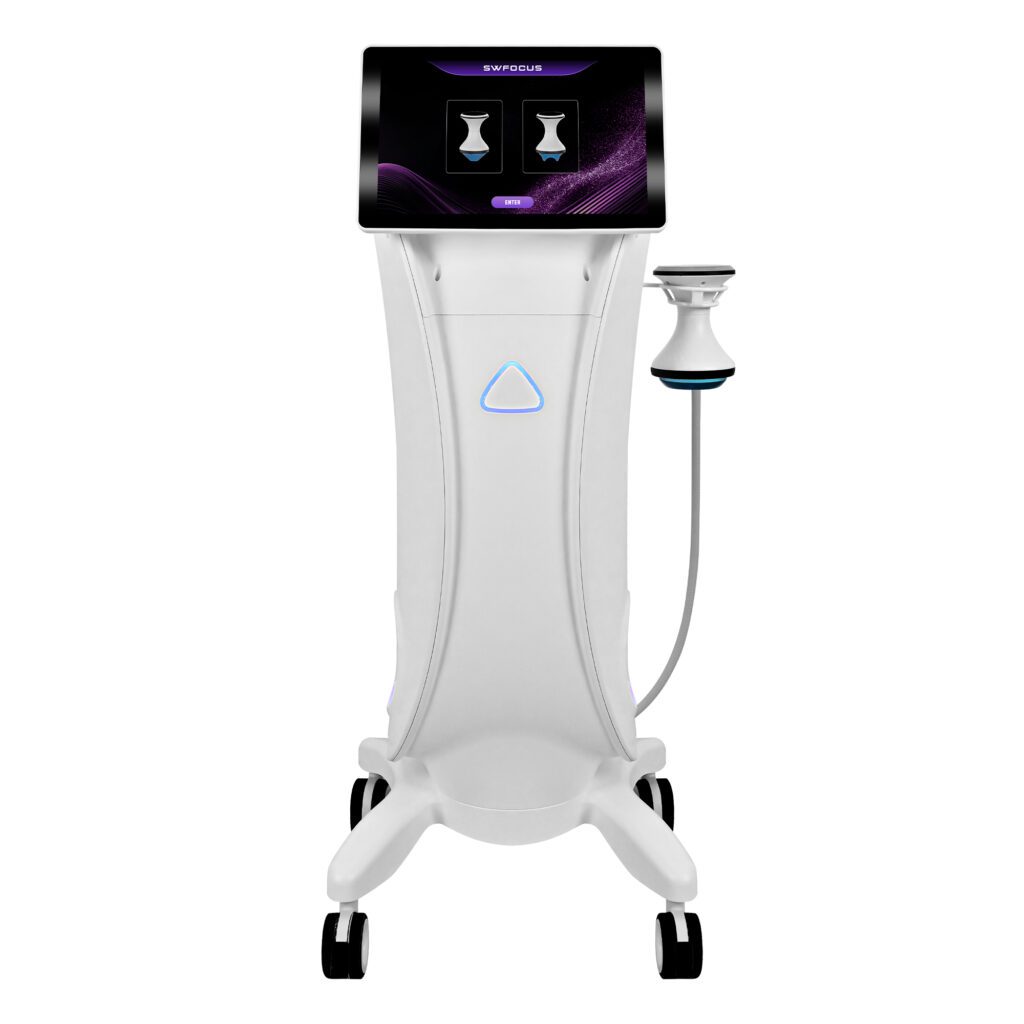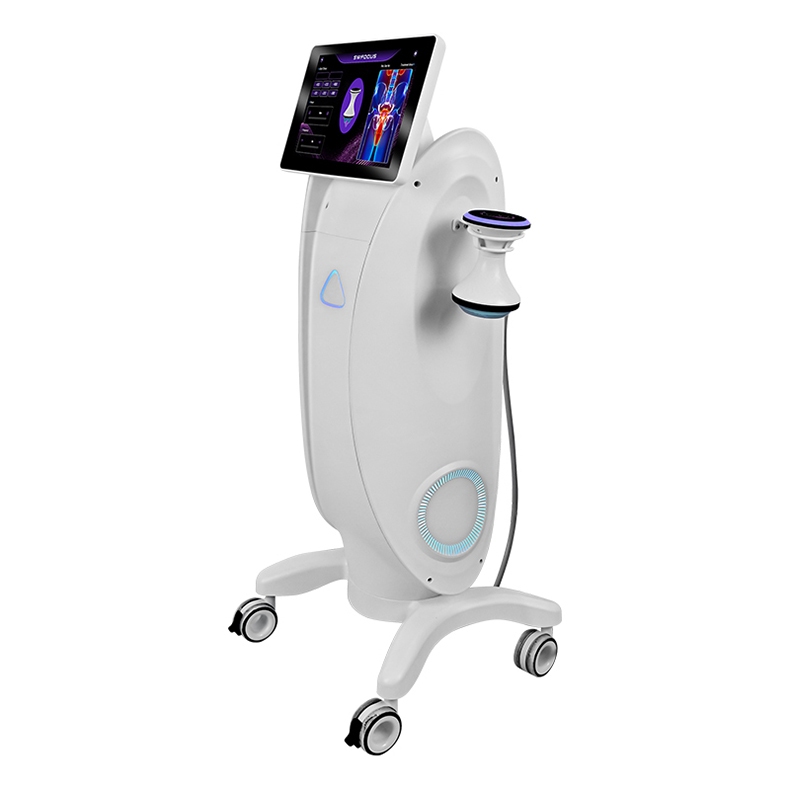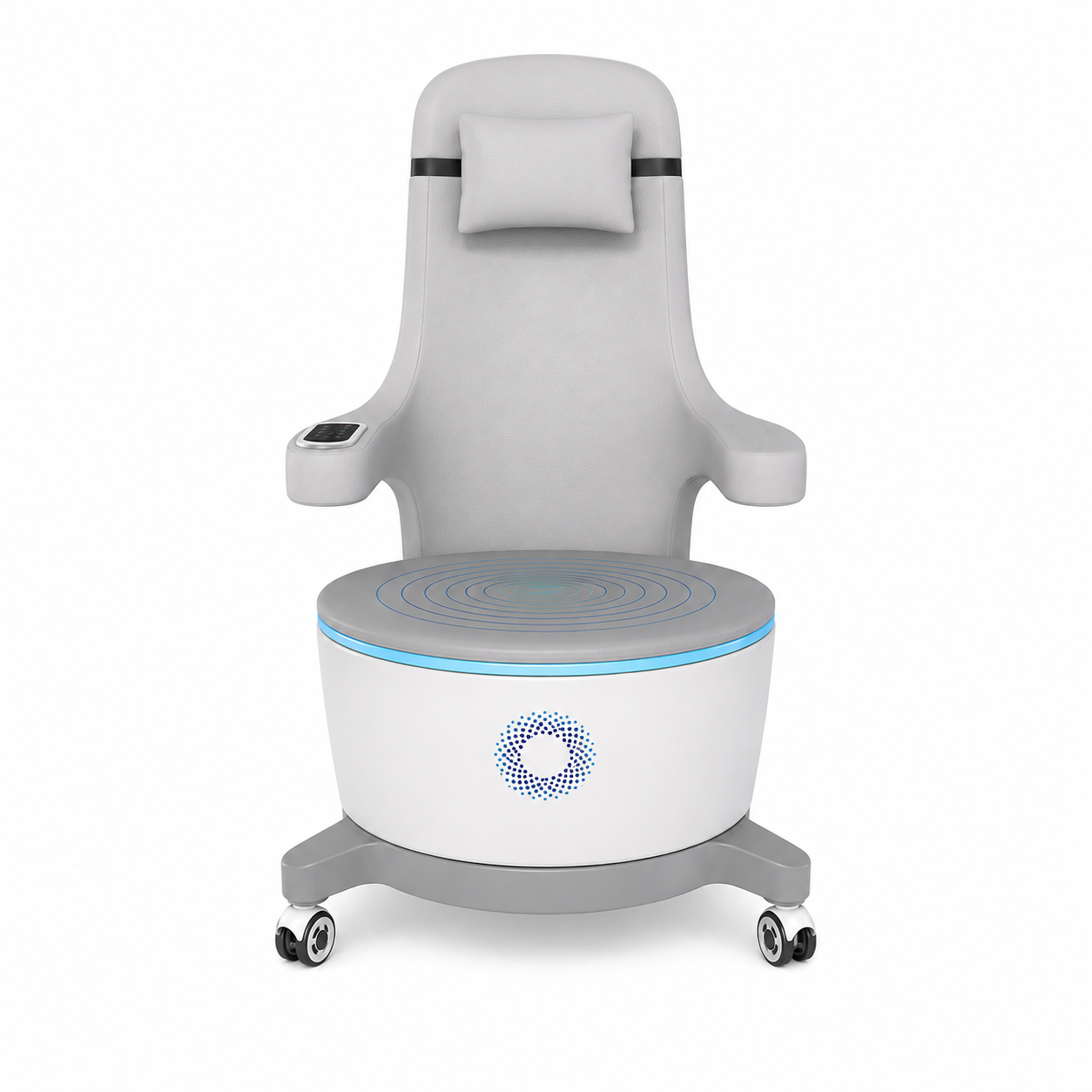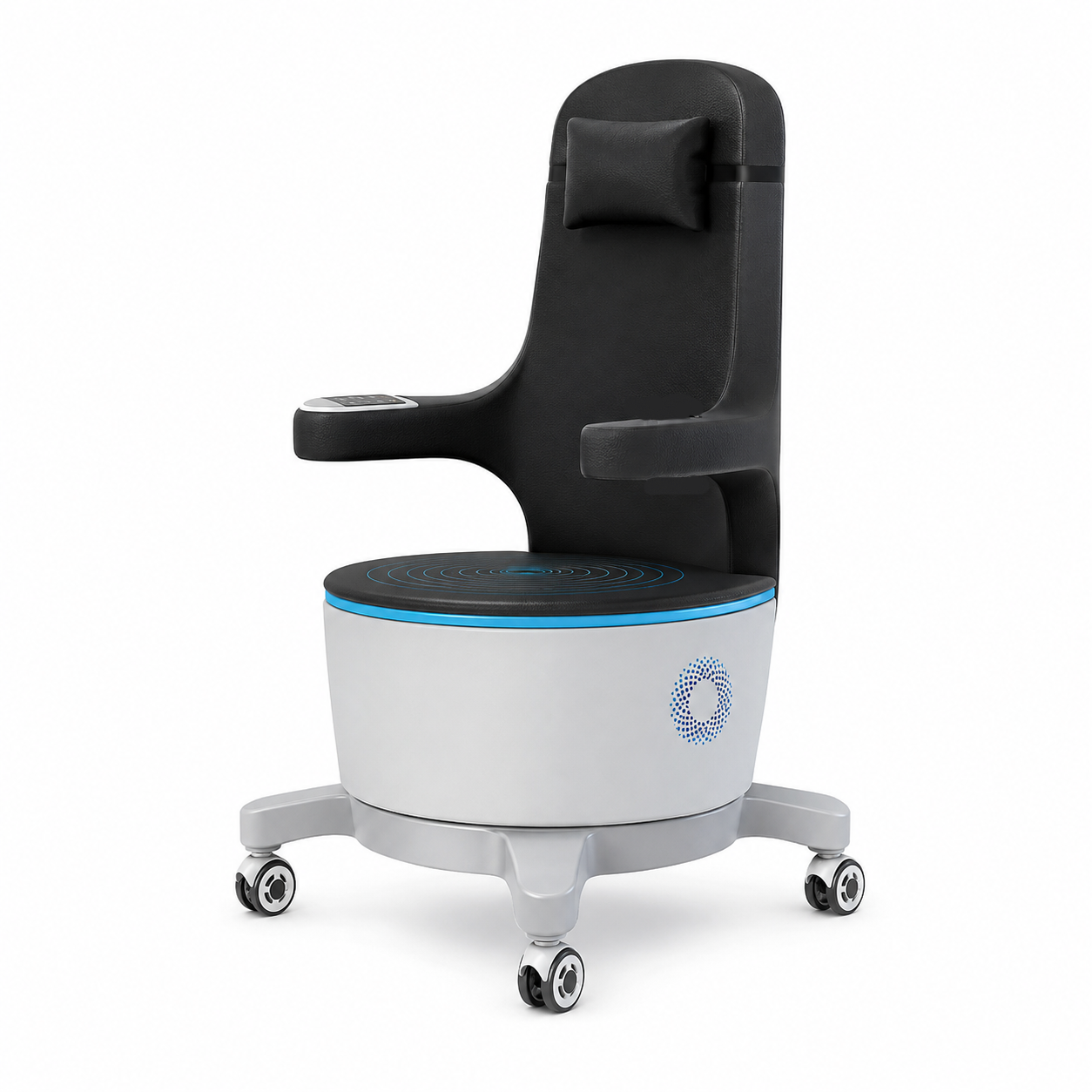










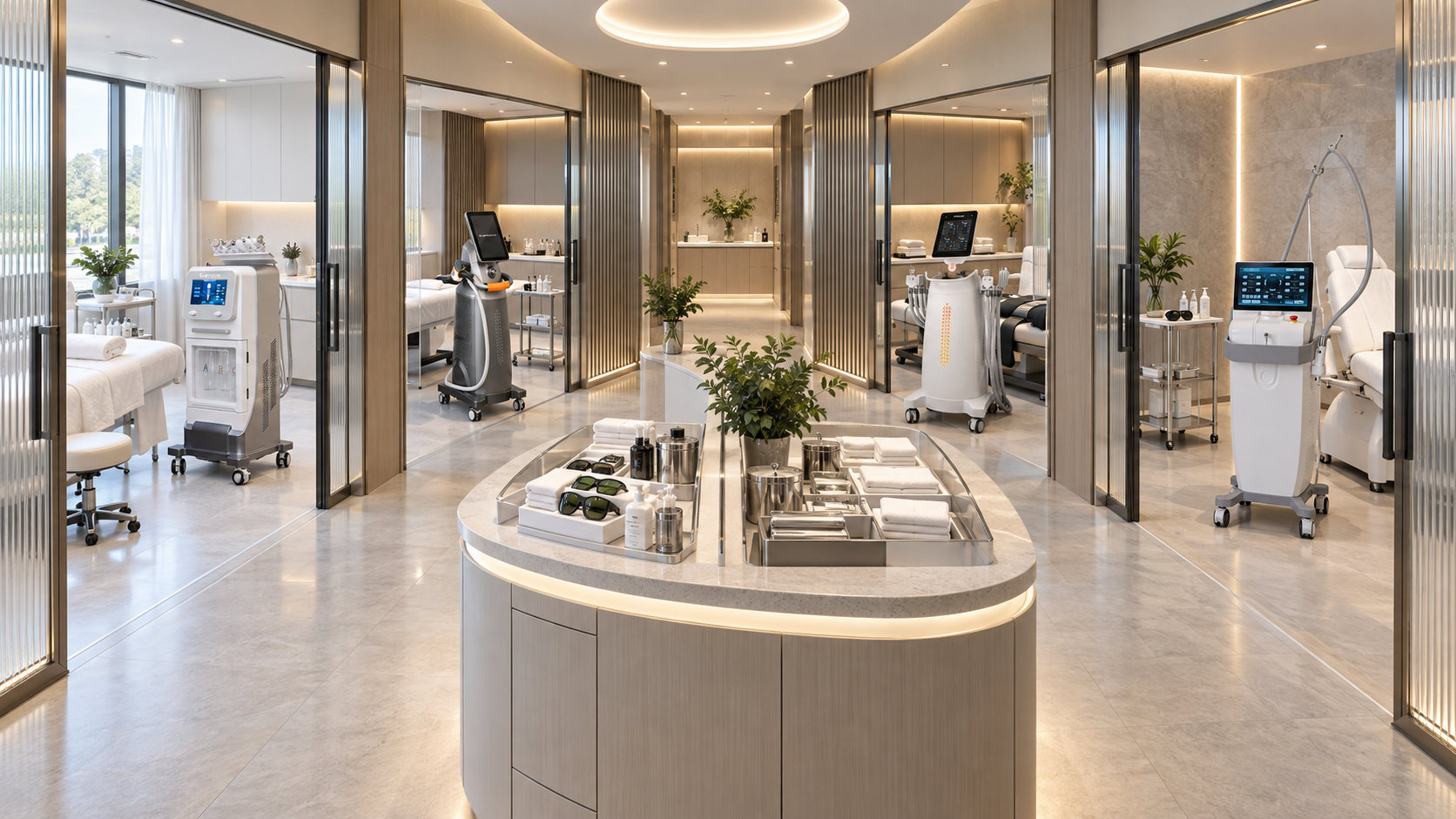
A multi-service aesthetic center should not organize its menu around every function printed on every machine. It should organize around departments that clients can understand and staff can operate consistently. Each department needs a defined client goal, a suitable room, authorized operators, a consultation route, a controlled service menu, and its own records.
This planning method prevents a common problem: buying several professional beauty devices first and trying to invent departments afterward. It also helps an established facial salon add hair or body services without turning its menu into a confusing list of technologies.
This guide explains how to translate demand into departments, assign representative Appareils de beauté SHEFMON to each department, separate shared systems from technology-specific controls, and open the center in manageable stages.
Résumé exécutif
- Begin with client demand, staff capability, rooms, and operating requirements before selecting the number of devices.
- Give every department one primary purpose and a written boundary with adjacent departments.
- A practical center may separate facial maintenance, facial technology, hair reduction, multifunction body care, muscle-focused body services, and advanced procedures.
- A0648 can support facial maintenance, A0272-F can support a distinct facial-technology department, and A0423 can anchor hair reduction.
- B0155 can support multifunction body care, while A0241 should remain a separate muscle-focused category.
- A0152 RF microneedling belongs in an advanced procedure department only when professional scope, hygiene, component tracking, aftercare, and escalation are ready.
- Reception, general registration, purchasing, maintenance reporting, and approved marketing can be shared across the center.
- Suitability assessment, operator authorization, device settings, consumables, aftercare, and incident response should remain specific to each technology.
- Open departments in stages and review demand, room use, documentation, downtime, and client routing before adding the next category.
- A device portfolio supports business planning; it does not establish treatment order, parameters, same-day combinations, or suitability for an individual client.
1. Start with a Demand Map, Not a Machine List
Collect enquiries, consultation requests, declined bookings, referral reasons, and repeat-client questions for several weeks. Group them by the goal the client describes rather than by a device name seen online.
| Signal de demande | Possible department | Representative SHEFMON direction | Planning question |
|---|---|---|---|
| Regular requests for cleansing and hydration-oriented care | Soins du visage | Plateforme d'hydromicrodermabrasion A0648 | Can the center maintain solution, tip, filter, cleaning, and facial-turnover controls? |
| Interest in a separate facial tone or contour category | Facial technology | Dispositif EMS/RF facial A0272-F | Can staff explain how this differs from a maintenance facial? |
| Consistent enquiries by body area for unwanted hair | réduction capillaire | Laser à diode A0423 | Are room access, eyewear, cooling checks, operator scope, and records ready? |
| Requests for mechanical or multifunction body care | Body care | B0155 Endos de bureau Velapro | Which supplied functions will become real services, and who owns each workflow? |
| Demand for a muscle-focused body category | Muscle services | A0241 EMS/RF platform | Is there enough demand to justify a separate menu, room block, and operator pathway? |
| Demand for an advanced skin procedure | Advanced procedures | Système de micro-aiguillage RF A0152 | Does the center have the professional, hygiene, consumable, record, and escalation structure? |
Demand alone is not enough. A department should open only when the center can deliver the complete operating pathway. A long waiting list cannot compensate for unsuitable facilities or missing authorization.
2. Write a Charter for Every Department
A department charter is a one-page definition used by management, reception, operators, and marketing. It should answer:
- Which client goal does this department address?
- Which device and exact configuration belong to it?
- Which services are inside its scope?
- Which similar goals must be referred elsewhere?
- Who may consult, approve, operate, supervise, and follow up?
- Which room, accessories, consumables, records, and cleaning process are required?
- Which booking gate applies: direct booking, consultation first, or professional approval?
- What wording may staff use to describe the service?
- What happens when a client is unsuitable, an unexpected response occurs, or the device develops a fault?
A department is not simply a room with a machine. It is a controlled service unit with a clear entry point and exit route.
3. Decide What the Center Shares
Some systems should be centralized so clients experience one coordinated business. Other decisions must stay with the department that understands the technology.
| Shared center system | Department-specific control |
|---|---|
| Reception, general enquiries, client registration, privacy process, and appointment reminders | Technology-specific consultation, suitability decision, consent where applicable, and approval |
| Purchasing process and central stock ledger | Approved tips, heads, applicators, cartridges, solutions, contact materials, and protective items |
| Employment onboarding and general incident reporting | Model-specific competency, authorization, supervision, settings, and stop criteria |
| General cleaning policy and maintenance reporting | Device cleaning, fluid-path care, component checks, room reset, and pre-use inspection |
| Brand tone and marketing approval | Accurate service language, permitted claims, department boundaries, and aftercare |
| Central device register and support contacts | Treatment record, area, device component, settings, operator, response, and follow-up |
This split allows one reception team and one management structure to support several departments without letting a general script replace specialist assessment.
4. Plan the Facial Maintenance Department Around Repeatable Care
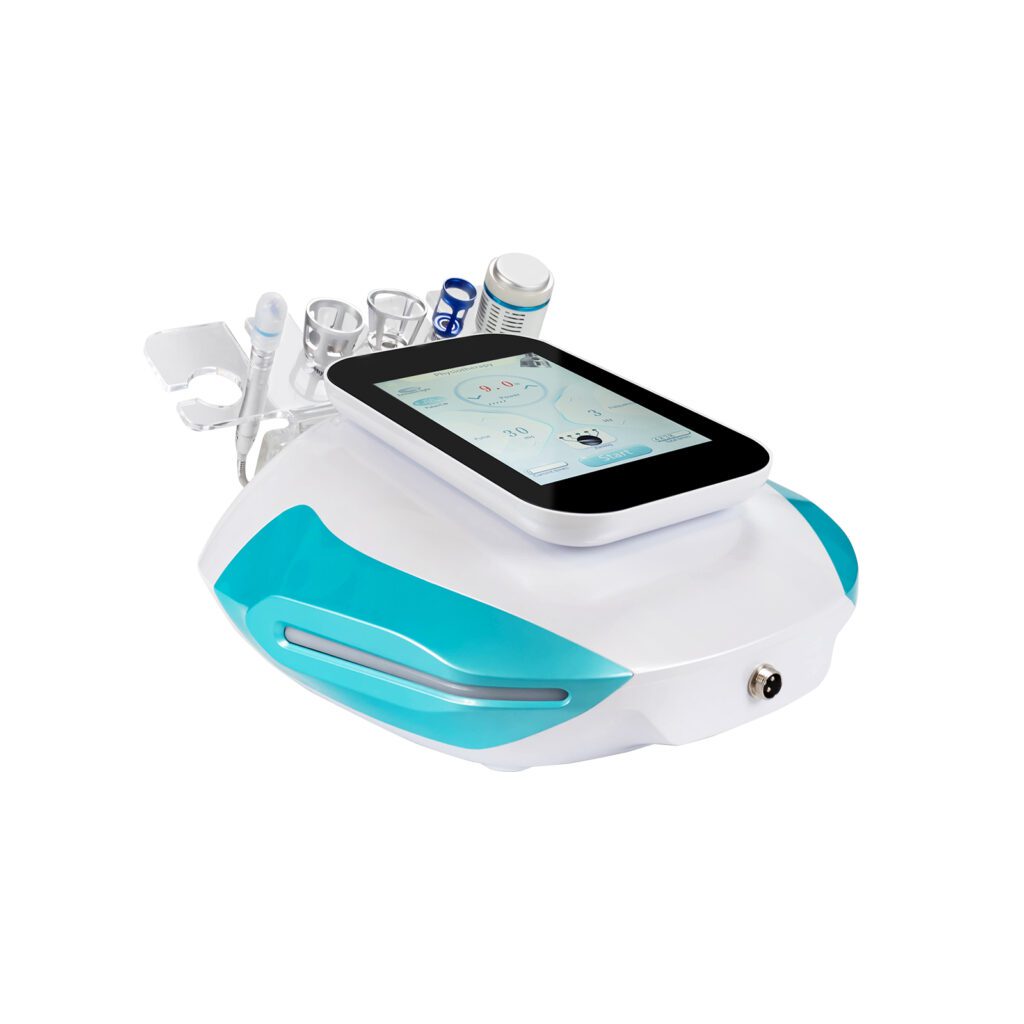
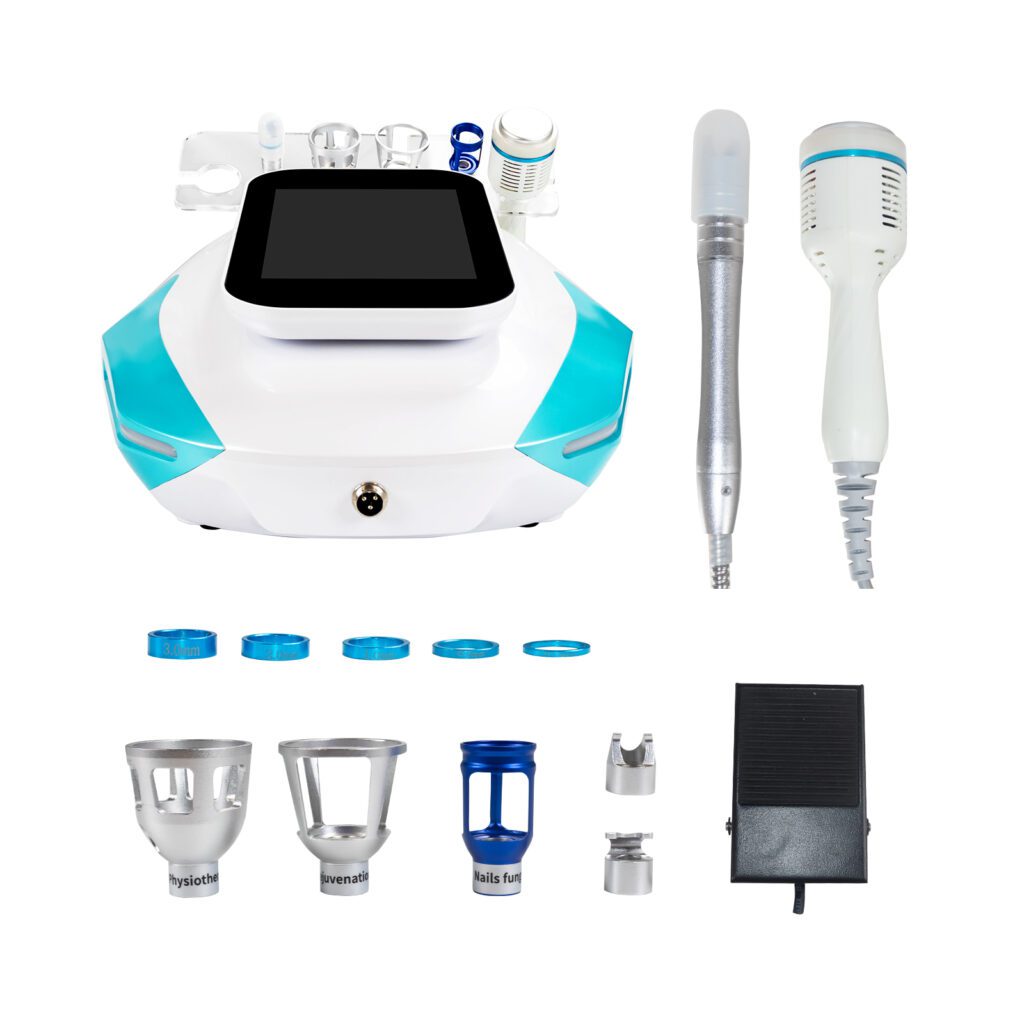
Le Page produit A0648 describes a nine-function hydradermabrasion platform and highlights cleansing, exfoliation, extraction, and hydration. That makes it a logical candidate for a facial-maintenance department.
The department can use a short, goal-led menu such as:
- Soin nettoyant essentiel pour le visage;
- Hydration-Focused Facial;
- Facial Maintenance Review.
Do not turn every handle into a separate public service. First confirm the delivered functions, compatible solutions, tips, filters, fluid-path care, cleaning, storage, replacement parts, and operator training. Then publish only the services the center can deliver consistently.
Facial maintenance often works well as an accessible entry department, but it should not be presented as compulsory preparation for every hair, body, or advanced service.
5. Keep Facial Technology Separate from Facial Maintenance
Le A0272-F page describes facial electrical stimulation used with RF. Its department role is different from cleansing and hydration, even when both categories serve facial clients.
A facial-technology department might offer:
- Facial Technology Consultation;
- Facial Tone Session, subject to the center’s approved process;
- Facial Technology Review.
Create separate assessment, placement, accessory, cleaning, settings, and follow-up records. Marketing should explain the category in clear language without copying fixed courses, universal-suitability claims, prices, or guaranteed outcomes from promotional material.
If reception cannot explain the difference between A0648 and A0272-F in one sentence, the two departments need clearer positioning before launch.
6. Build Hair Reduction as a Controlled Specialist Department
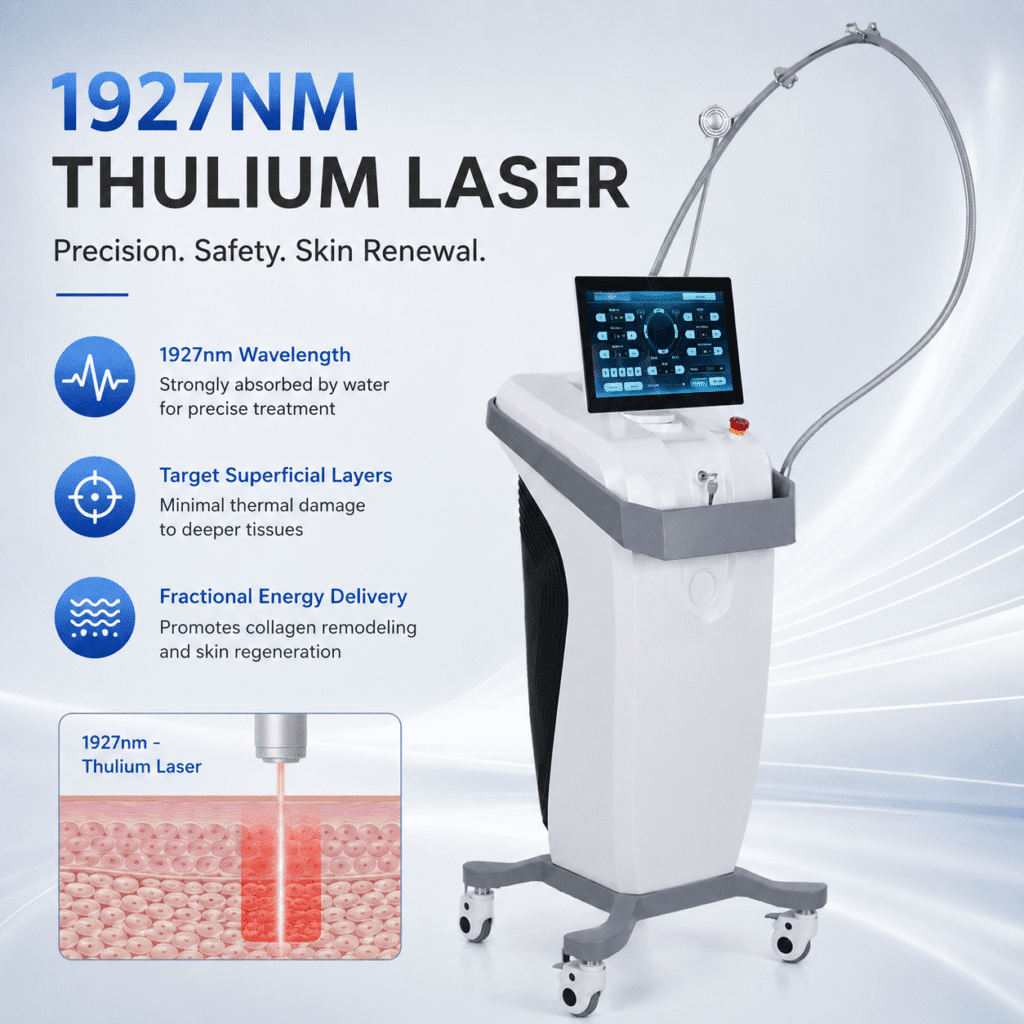
Le courant A0423 listing shows 755, 810, and 1064 nm configurations, an optional 940 nm option, several spot-size choices, and multiple cooling elements. Buyers should confirm the exact wavelength arrangement, handle, spot size, power, cooling, voltage, and included items in the quotation and delivery records.
A hair-reduction department needs more than an area-based price list. Plan for:
- trained and authorized operators;
- a technology-specific client and treatment-area assessment;
- controlled room access and suitable protective eyewear;
- approved parameter selection and complete settings records;
- water and cooling-system checks;
- cleaning, inspection, maintenance, and fault procedures;
- appointment times that include preparation and room reset;
- aftercare, follow-up, and an adverse-event route.
Avoid promising suitability for every skin or hair type, painless treatment, permanent results, or a universal number of sessions. Final service language must reflect the delivered configuration, available evidence, local requirements, and professional scope.
7. Define the Multifunction Body-Care Department by Selected Functions
Le B0155 product page lists a larger body vacuum roller, a smaller face/arm/neck roller, rotating handles, RF-related functions, light, and 80K cavitation. A multifunction platform can support several body-care directions, but its department should not launch every listed function at once.
Begin with one or two documented services, for example:
- Body Care Consultation;
- Targeted Mechanical Body Care;
- one clearly defined function-led option after its training, contact materials, cleaning, and client-selection process are ready.
The operating plan should identify which handle is used, where it is stored, how it is cleaned, which contact product is approved, who may use it, and what record is required. Avoid unsupported medical, rehabilitation, detoxification, metabolic, lymphatic, pain-relief, or weight-loss claims.
8. Give Muscle-Focused Services Their Own Department
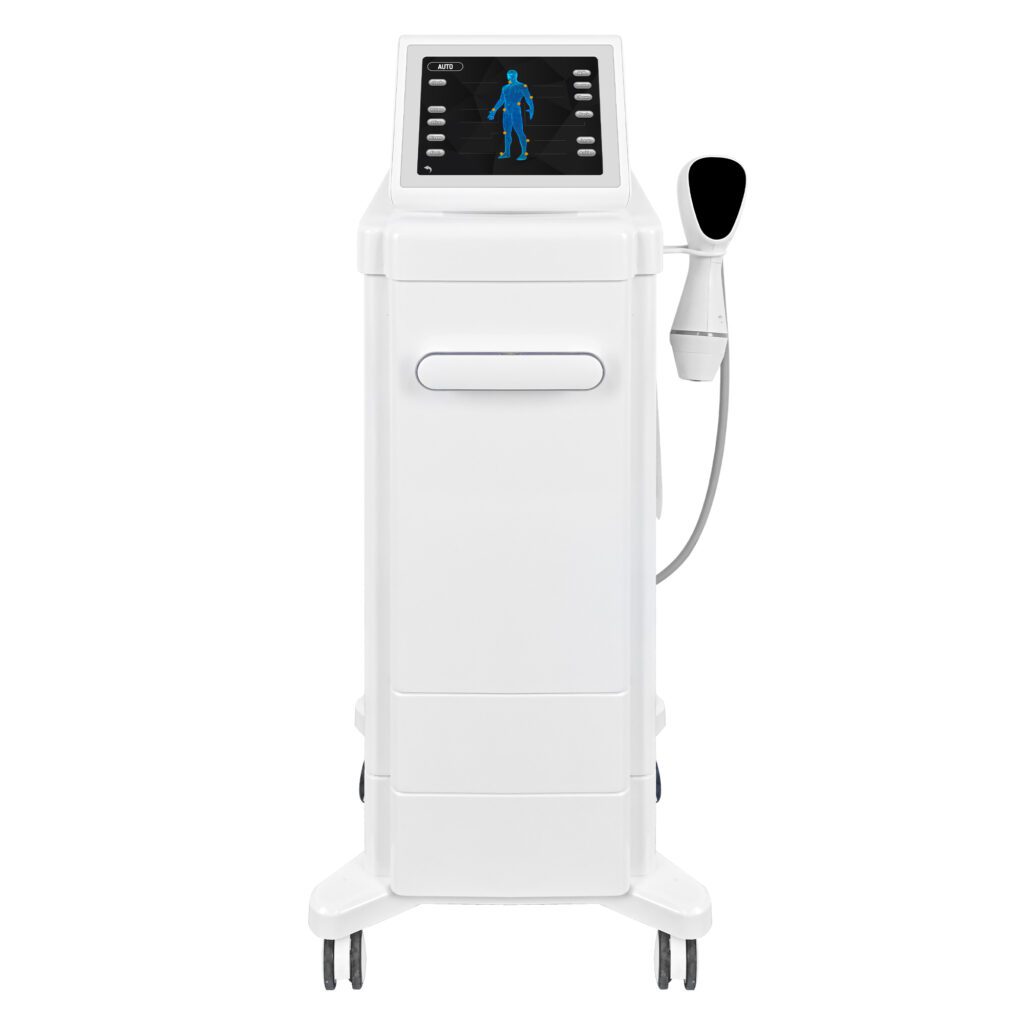
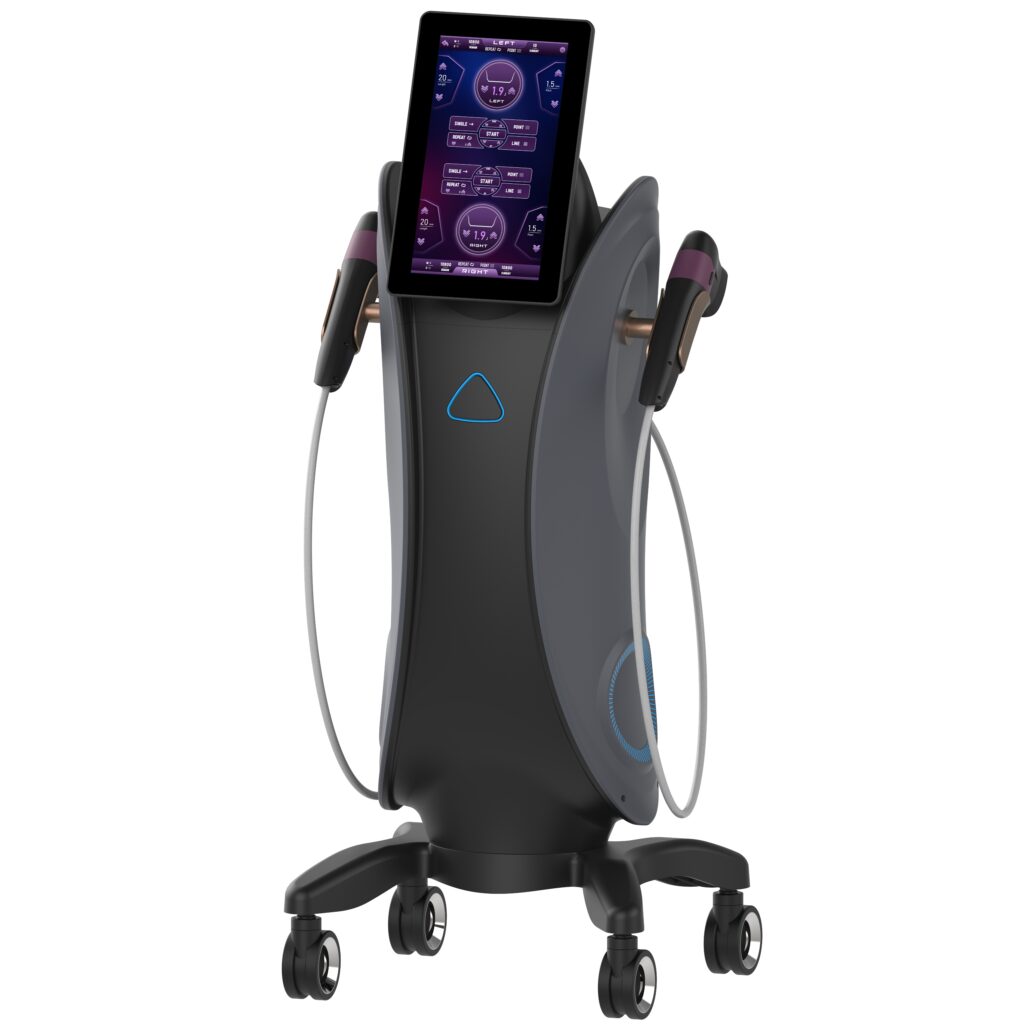
Le A0241 product page presents an electromagnetic muscle-stimulation platform with RF and lists body areas such as the abdomen, buttocks, arms, and thighs.
This category should not be hidden inside a generic “slimming” department. Use a distinct route such as:
- Muscle Service Consultation;
- Muscle-Focused Body Session, under approved placement and settings guidance;
- Program Review, with continued suitability and documented response.
The online page contains inconsistent configuration language, including a specification section that lists four handles plus an optional pelvic-floor component and other text that refers to two applicators. Require the quotation, packing list, manual, and training record to describe the same delivered configuration before creating the menu.
Avoid exercise-equivalent promises, automatic weight-loss language, fixed courses copied from promotional text, and universal-safety statements.
9. Open an Advanced Procedure Department Only When It Is Operationally Ready
Le A0152 RF microneedling page lists computerized depth control, a 1-to-7 mm depth profile plus an additional heat profile, 12-pin, 24-pin, 40-pin, and nano heads, and several handle options.
An advanced department should have:
- a qualified assessment and approval route;
- a documented operator and supervisory structure;
- the exact delivered handle and compatible-head configuration;
- controlled procedure-room hygiene;
- single-use stock and lot tracking where applicable;
- sharps handling and disposal;
- consent, settings, area, photography, and follow-up records where applicable;
- aftercare and a complication-escalation pathway;
- inspection, maintenance, and technical-support procedures.
The center must independently verify intended use, local device status, permitted treatment areas, professional requirements, and approved parameters. An advanced procedure department should be added because governance and demand support it, not because the menu needs a premium-looking category.
10. Create Department Boundaries Clients Can Understand
Give each department a one-sentence purpose:
| Department | Client-facing role | Keep outside this department |
|---|---|---|
| Soins du visage | Cleansing and hydration-oriented ongoing care | Muscle-focused facial technology and advanced procedures |
| Facial technology | Consultation-led facial tone and technology services | Routine cleansing and hydration menu |
| réduction capillaire | Area-based professional hair-reduction pathway | General facial or body add-ons |
| Soins corporels multifonctionnels | Selected mechanical and device-based body-care services | Muscle stimulation and advanced procedures |
| Muscle services | Catégorie corporelle axée sur les muscles | Generic mechanical body care and automatic weight-loss promises |
| Advanced procedures | Professionally governed skin procedure pathway | Walk-in upgrades and routine facial add-ons |
These boundaries reduce duplicate services. They also help reception route clients according to goals instead of guessing which machine is “stronger.”
11. Zone Rooms by Workflow and Control Level
Rooms should be assigned according to movement, privacy, hygiene, utilities, storage, noise, access, and turnover. Device size alone is not a sufficient room-planning method.
| Room zone | Suitable direction | Planning priorities |
|---|---|---|
| Routine facial room | A0648 | Water and solution workflow, tip storage, fluid-path care, cleaning, and fast but complete turnover |
| Facial technology room | A0272-F | Privacy, accessory placement, contact materials, screening records, and cable management |
| Controlled laser room | A0423 | Access, eyewear, cooling checks, electrical supply, maintenance access, settings records, and event response |
| General body room | B0155 or A0241 in separately scheduled blocks | Bed clearance, operator movement, handle or applicator storage, privacy, cleaning, and electrical capacity |
| Advanced procedure room | A0152 | Controlled access, procedure hygiene, single-use stock, sharps process, documentation, and escalation supplies |
One room may support more than one department when its controls remain suitable and the changeover process is documented. Room sharing does not mean that consultation forms, device records, or service names should be combined.
12. Build a Staff Authorization Matrix Before Opening Bookings
Use named permissions rather than assuming that every trained employee can perform every task.
| Task | Reception | General beauty operator | Specialist operator | Professional lead |
|---|---|---|---|---|
| Record the client’s stated goal | Oui | Oui | Oui | Oui |
| Book the correct department consultation | Under an approved script | Oui | Oui | Oui |
| Decide technology-specific suitability | Non | Only within documented scope | Within documented scope | Within professional scope |
| Select device settings | Non | Authorized models only | Authorized specialist models | Authorized models within scope |
| Approve an advanced procedure | Non | Non | According to local structure | Required where applicable |
| Manage escalation | Refer immediately | Escalate | Act within scope and escalate | Lead within professional scope |
The actual matrix must reflect local law, insurance, device instructions, training evidence, supervision, and verified competency. Attendance at a training session is one input; it is not the complete authorization process.
13. Use Different Booking Gates for Different Departments
A single “Book Now” rule is rarely suitable for every department.
- Routine booking: selected maintenance services after the center’s standard screening route.
- Consultation first: facial technology, hair reduction, multifunction body care, and muscle-focused services when a technology-specific decision is required.
- Professional approval: advanced procedures or any category that requires a higher level of assessment in the destination market.
- Department follow-up: reviews or continued appointments created according to that department’s documented pathway.
The online system should show why a consultation is required and prevent reception from bypassing the gate to fill an empty appointment slot.
14. Turn Departments into a Clear Service Menu
Use client goals in menu headings and place device names in the supporting description. A clear structure could be:
| Section du menu | Example entries | Direction de l'appareil |
|---|---|---|
| Soins du visage | Essential Cleansing Facial; Hydration-Focused Facial; Maintenance Review | A0648 |
| Facial Technology | Facial Technology Consultation; Facial Tone Session; Technology Review | A0272-F |
| Réduction capillaire | Hair Reduction Consultation; area-based services; progress review | A0423 |
| Soins du corps | Body Care Consultation; Targeted Mechanical Body Care | B0155 |
| Muscle Services | Muscle Service Consultation; Muscle-Focused Body Session; Program Review | A0241 |
| Advanced Procedures | Advanced Skin Consultation; approved procedure; professional follow-up | A0152 |
Do not create a service for every button, handle, wavelength, or tip. A compact menu is easier to explain, audit, and improve.
15. Design a Client Route Between Departments
The shared intake should record the client’s main goal and send the enquiry to the most relevant department. The receiving operator then completes the technology-specific assessment.
A practical route is:
- reception records the goal in the client’s own words;
- the booking system applies the correct consultation gate;
- the department assesses suitability and explains its service boundary;
- an authorized operator delivers or declines the service;
- the department records aftercare and follow-up;
- any new goal is referred to another department for a separate decision.
A referral is not an automatic add-on. It does not prove that two devices should be used in one visit, establish treatment order, or replace an individual assessment.
16. Estimate Capacity Before Buying the Next Device
Calculate department capacity with actual room and staff constraints. Review:
- available operating hours per room;
- consultation, preparation, service, cleaning, and reset time;
- the number of authorized operators on each shift;
- time needed for aftercare, records, and escalation;
- consumable availability and reorder lead time;
- planned maintenance and realistic downtime;
- demand by service area rather than total social-media enquiries;
- cancellation and no-show patterns;
- whether another device would create capacity or simply duplicate an underused service.
A device is not a new department until the center can schedule the full workflow around it.
17. Choose a Department Plan That Matches Business Maturity
| Center plan | Departments | Modèles représentatifs | Best suited to |
|---|---|---|---|
| Two-department foundation | Facial maintenance + one proven specialist category | A0648 + A0423, A0272-F, or B0155 | A salon moving into a broader aesthetic model without overloading staff and rooms |
| Four-department growth center | Facial maintenance + facial technology + hair reduction + body care | A0648 + A0272-F + A0423 + B0155 | An established business with distinct operators, consultation routes, and room blocks |
| Advanced modular center | Core departments + one muscle or advanced procedure department | Core portfolio + A0241 or A0152 | A mature center with verified demand, appropriate staff, suitable facilities, and stronger governance |
The advanced plan is modular. A center does not need every category at launch. Select the next department by evidence of demand and operational readiness.
18. Use a Staged Opening Sequence
Stage 1: Stabilize the entry department
Open the service family that matches the strongest existing demand. Confirm consultation, room turnover, records, consumables, cleaning, and support.
Stage 2: Add one non-overlapping category
Choose a department with a clearly different client goal. Define its room, staff permissions, booking gate, and menu before marketing it.
Stage 3: Centralize support systems
Create one device register, stock process, maintenance calendar, marketing approval process, and technical-support contact list.
Stage 4: Introduce a specialist or advanced department
Add muscle-focused or advanced procedure services only after the center has the required staff, rooms, documentation, aftercare, and escalation.
Stage 5: Audit before expanding again
Review demand, utilization, suitability decisions, records, consumables, cleaning, complaints, unexpected effects, downtime, and staff competency.
19. Specify Each Department When Requesting a Quotation
Send suppliers a department brief rather than asking for “a complete beauty center package.” Include:
- target client goal and planned menu category;
- country and intended business setting;
- available room dimensions, access, storage, power, and water where relevant;
- staff qualifications and intended operator roles;
- model and exact base configuration requested;
- optional handles, heads, tips, cartridges, or applicators listed separately;
- consumables, replacement items, wear parts, and expected reorder method;
- training, manuals, cleaning, maintenance, warranty, and technical support needs;
- delivery schedule and staged opening plan.
Ask SHEFMON to identify the current supplied configuration in writing. The website can guide initial comparison, but the quotation, packing list, manual, and training documents should agree before the center builds its final service menu.
20. Prevent Departments from Drifting into One Another
Review the menu when two departments begin using the same service name, benefit language, consultation form, or pricing logic. Common warning signs include:
- every facial service is described as cleansing, lifting, tightening, and rejuvenating;
- every body device appears under one generic slimming heading;
- reception recommends a device before a department assessment;
- advanced procedures are sold as upgrades to routine facials;
- staff move accessories or consumables between devices because they look similar;
- the center promotes packages without defining separate suitability decisions;
- operators are trained on one model but scheduled across several unverified configurations.
Reposition, merge, or remove unclear services before adding another device. More categories do not make the center more complete when clients and staff cannot distinguish them.
21. Review Each Department After 90 Days
Use an early operating review to check whether the original plan works in practice.
| Review area | Questions à poser |
|---|---|
| Demande | Which goals produced qualified consultations and appropriate bookings? |
| Routing | Did reception send enquiries to the correct department without promising suitability? |
| Capacity | Were rooms, operators, cleaning time, and follow-up sufficient? |
| Archives | Can the center trace the device, operator, area, component, settings, aftercare, and response where required? |
| Inventory | Were approved consumables and replacement components available without unsafe substitution? |
| Qualité | Were complaints, unexpected responses, cancellations, faults, and downtime reviewed? |
| Menu clarity | Could clients and staff explain how adjacent departments differed? |
| Expansion | Is the next department supported by evidence, or would it duplicate current capacity? |
Keep, improve, narrow, pause, or expand the department according to this evidence.
22. Department Planning Checklist
Before a department goes live, confirm that:
- it has one defined client purpose and a written boundary;
- demand has been documented rather than assumed;
- the exact device configuration is recorded;
- standard and optional components are separated in the quotation;
- its room supports access, privacy, power, water, storage, cleaning, and turnover as applicable;
- every staff task has an authorization level;
- consultation and booking gates are active;
- service names describe client goals accurately;
- settings, components, cleaning, and maintenance records are ready;
- consumables and replacements have approved reorder routes;
- aftercare, stop criteria, unexpected-response, and escalation processes are documented;
- reception has an approved explanation and referral script;
- marketing avoids guaranteed outcomes and unsupported claims;
- the launch date allows training, acceptance checks, and a controlled opening;
- management has scheduled an operating review.
Questions fréquemment posées
1. How many beauty device departments should a new center open?
Usually, the right number is the number the business can staff, house, document, and support consistently. A two-department foundation can be stronger than six incomplete departments. Add categories after the first workflows are stable.
2. Which department should open first?
Choose the department supported by the clearest existing demand and the strongest operating readiness. Facial-led salons may begin with A0648. A business with established area-based demand and qualified staff may prioritize hair reduction. The answer should follow evidence rather than a universal sequence.
3. Can A0648 and A0272-F belong to one facial department?
They can sit under one broader facial division, but their service paths should remain distinguishable. A0648 supports cleansing and hydration-oriented maintenance, while A0272-F represents a separate facial-technology category with its own screening, placement, records, and operator decisions.
4. Should B0155 and A0241 use the same body menu?
No. B0155 is a multifunction body-care platform, while A0241 supports a muscle-focused category. Separate menu names, consultation questions, staff authorization, device records, and service expectations reduce confusion.
5. Does every department need a dedicated room?
Not always. Departments may share a suitable room in controlled time blocks when access, hygiene, storage, electrical supply, privacy, cleaning, and turnover remain appropriate. Each technology still needs its own workflow and records.
6. How should reception decide where to send a client?
Reception should capture the client’s stated goal and use an approved routing guide. It should book the relevant department consultation without deciding clinical or technology-specific suitability.
7. When is a center ready to add RF microneedling?
Only when qualified assessment, professional scope, procedure-room hygiene, correct configuration, single-use stock control, sharps disposal, consent, records, aftercare, complication management, and technical support are established.
8. Can a center market a multi-device package across departments?
It can market access to several service categories, but the package should state that each department makes its own suitability decision. The package itself does not define same-day use, order, areas, settings, or outcomes.
9. What information should be recorded for each device department?
Record the model, serial number, delivered configuration, location, authorized operators, approved service cards, inspections, cleaning, maintenance, faults, support history, compatible components, and current manual and training version. Treatment records should meet the requirements of the service and local rules.
10. What should a buyer send SHEFMON for a department-based recommendation?
Send the planned departments, client goals, current devices, rooms, electrical details, staff qualifications, country, preferred configurations, consumable needs, training requirements, support expectations, and staged opening schedule.
Conclusion
Planning beauty device departments means turning client demand into clearly controlled service pathways. A0648 can anchor facial maintenance, A0272-F can support facial technology, A0423 can establish hair reduction, B0155 can support selected multifunction body care, and A0241 can create a distinct muscle-focused category. A0152 belongs in a separately governed advanced procedure department when the center is ready.
The strongest multi-service centers share reception, records infrastructure, purchasing, maintenance reporting, and approved marketing while keeping technology-specific assessment, authorization, components, settings, aftercare, and escalation within each department. This structure makes expansion easier to manage and the service menu easier to understand.
Explore the current Gamme d'appareils de beauté SHEFMON ou contacter SHEFMON with your proposed departments, rooms, staff profile, and launch sequence to compare suitable configurations.