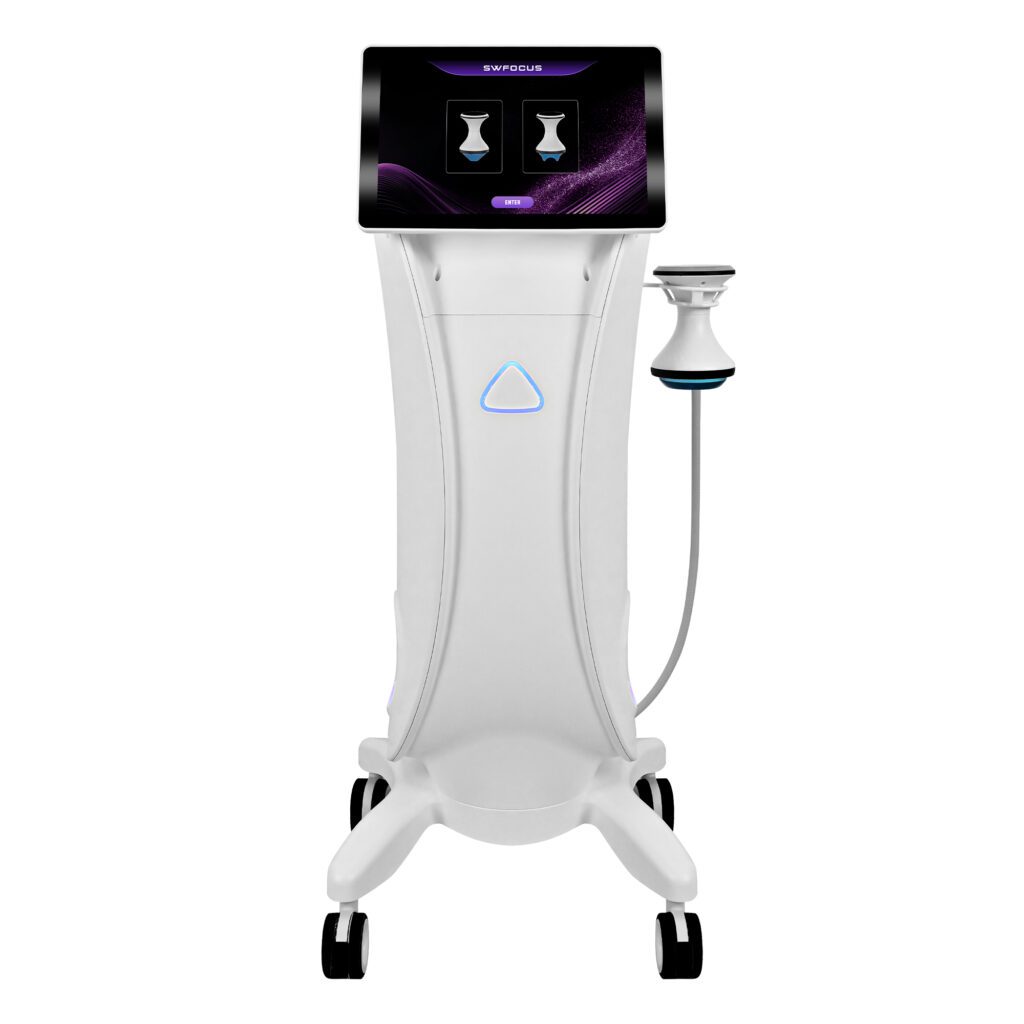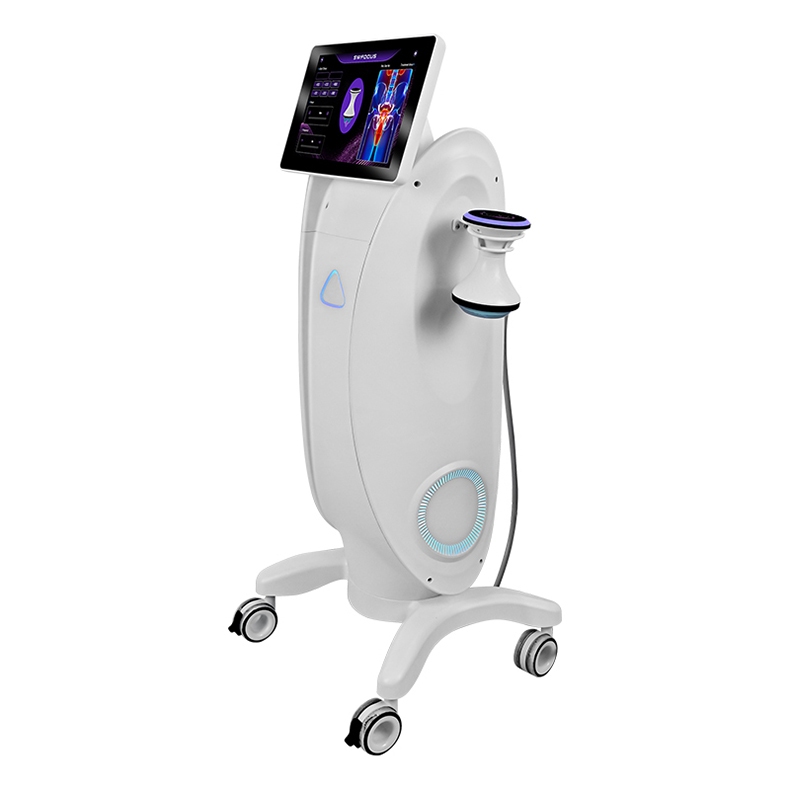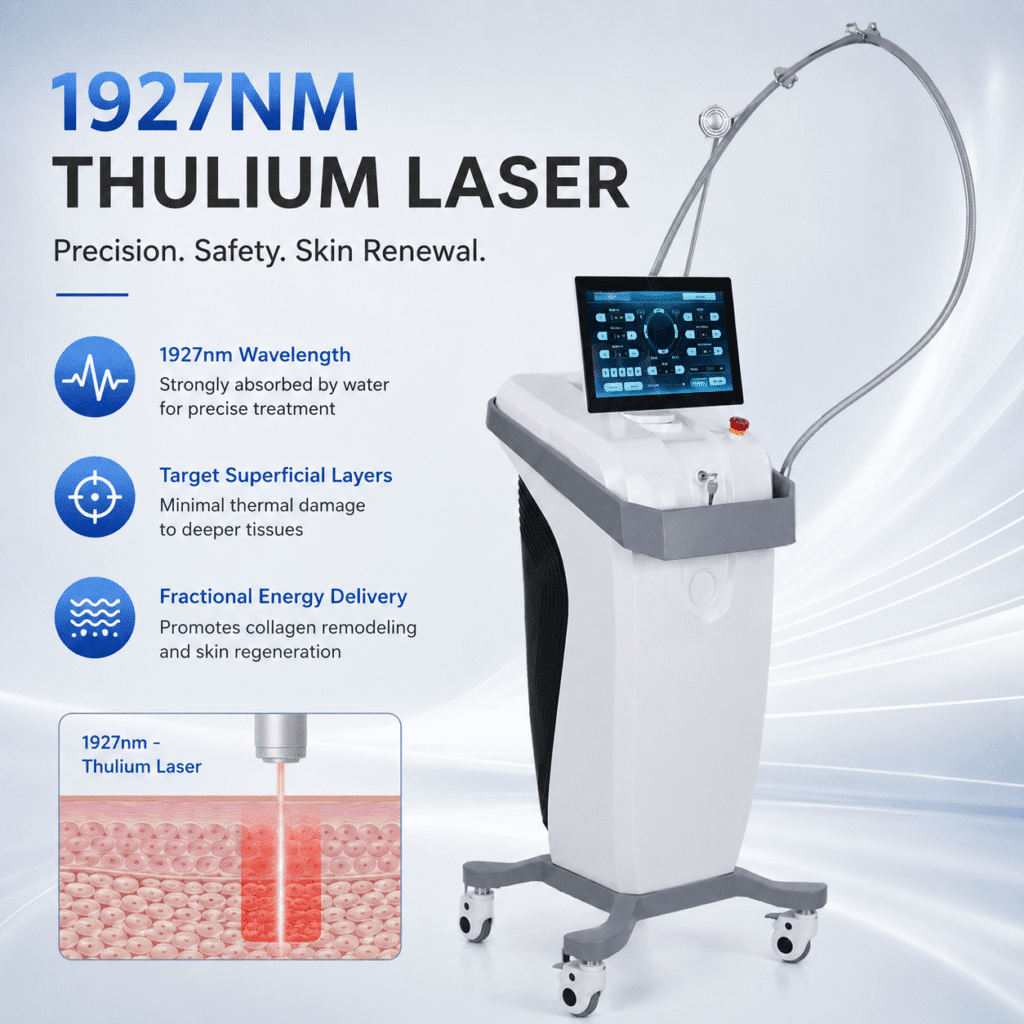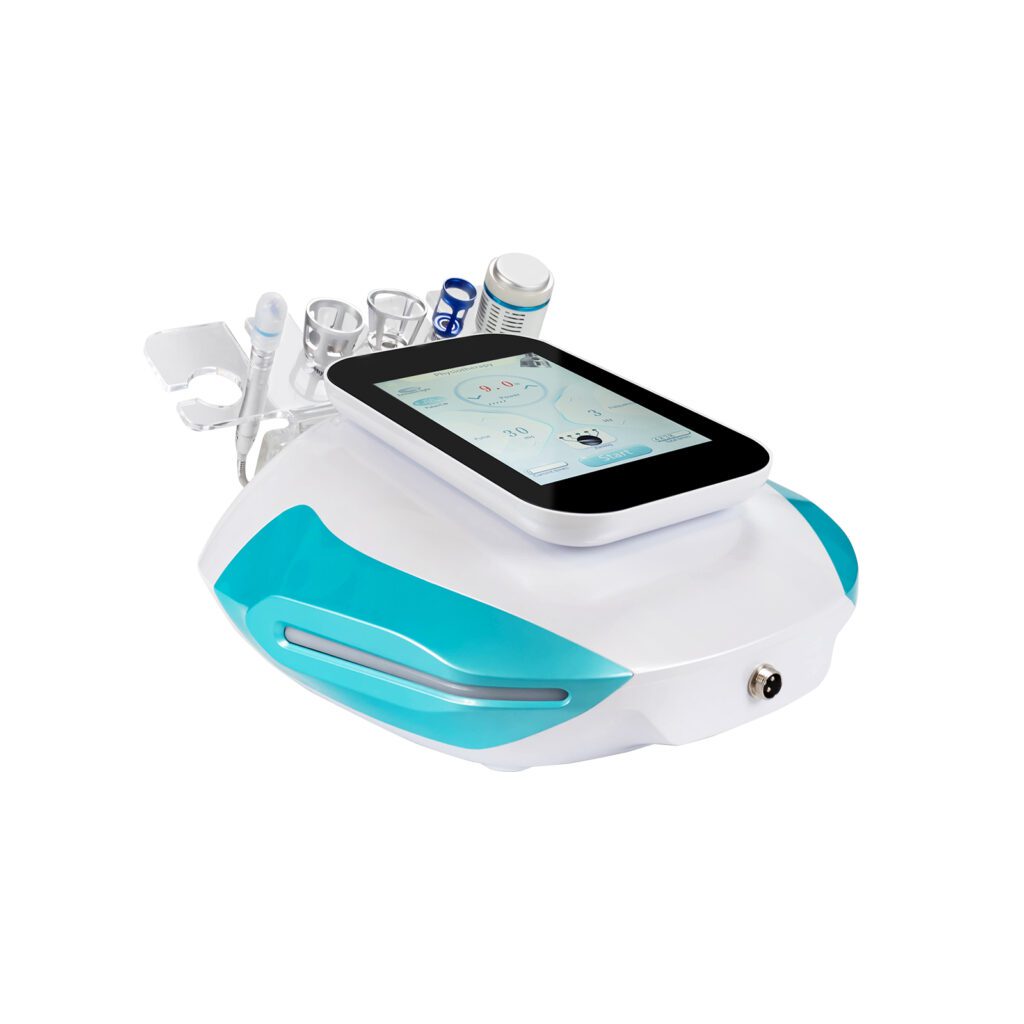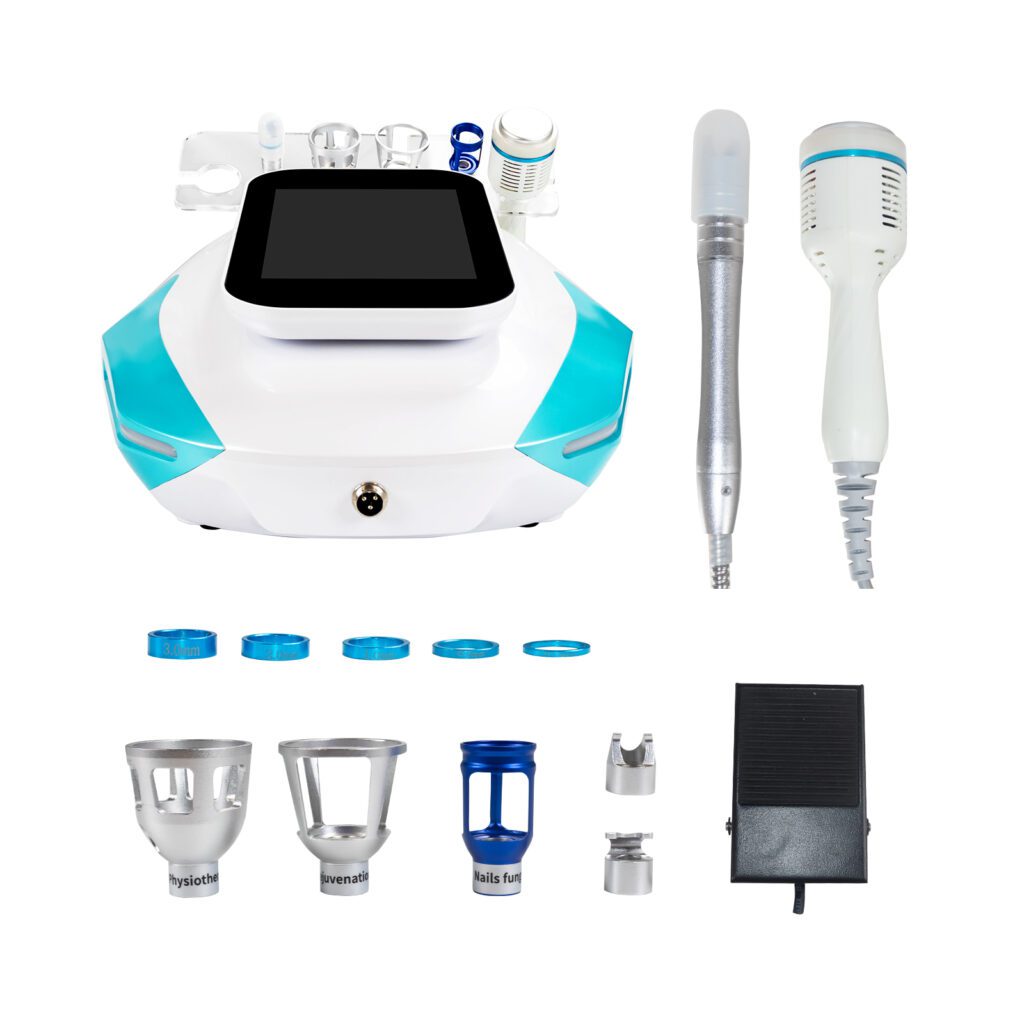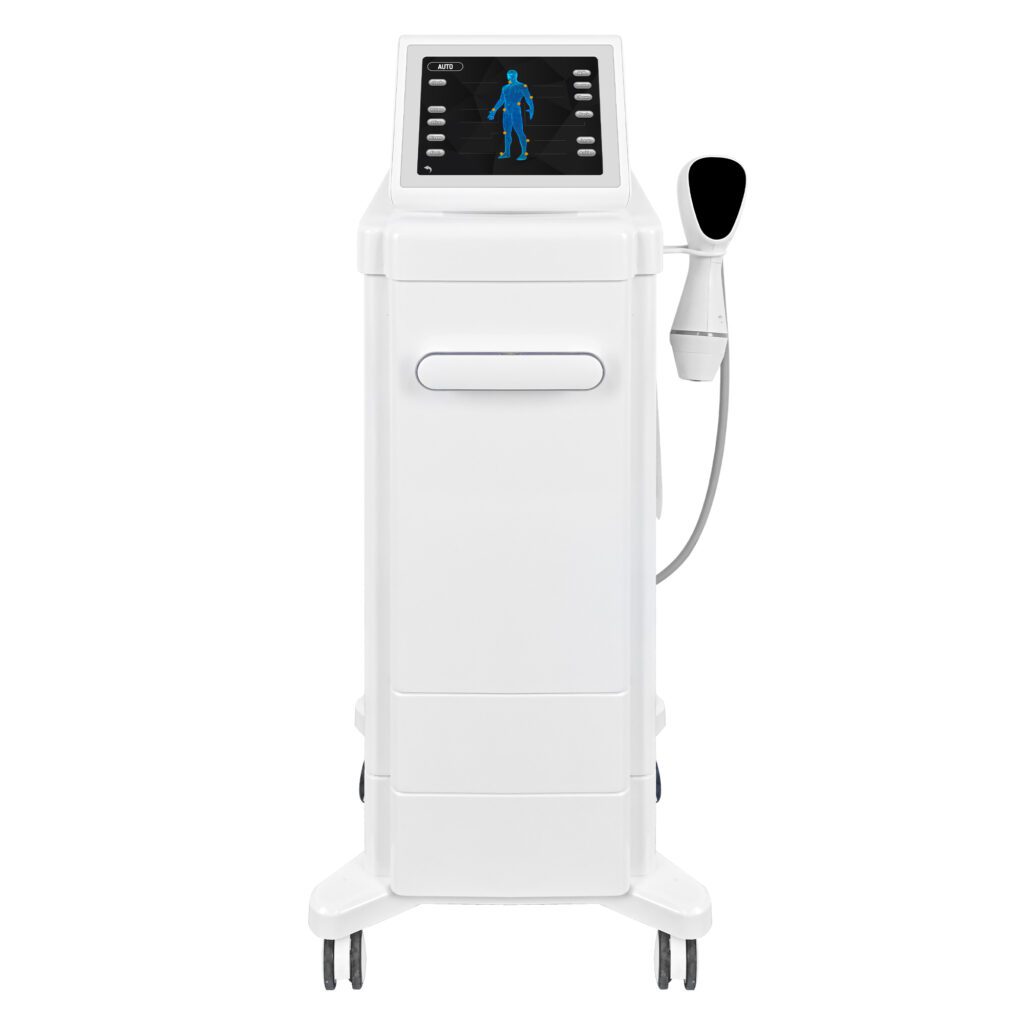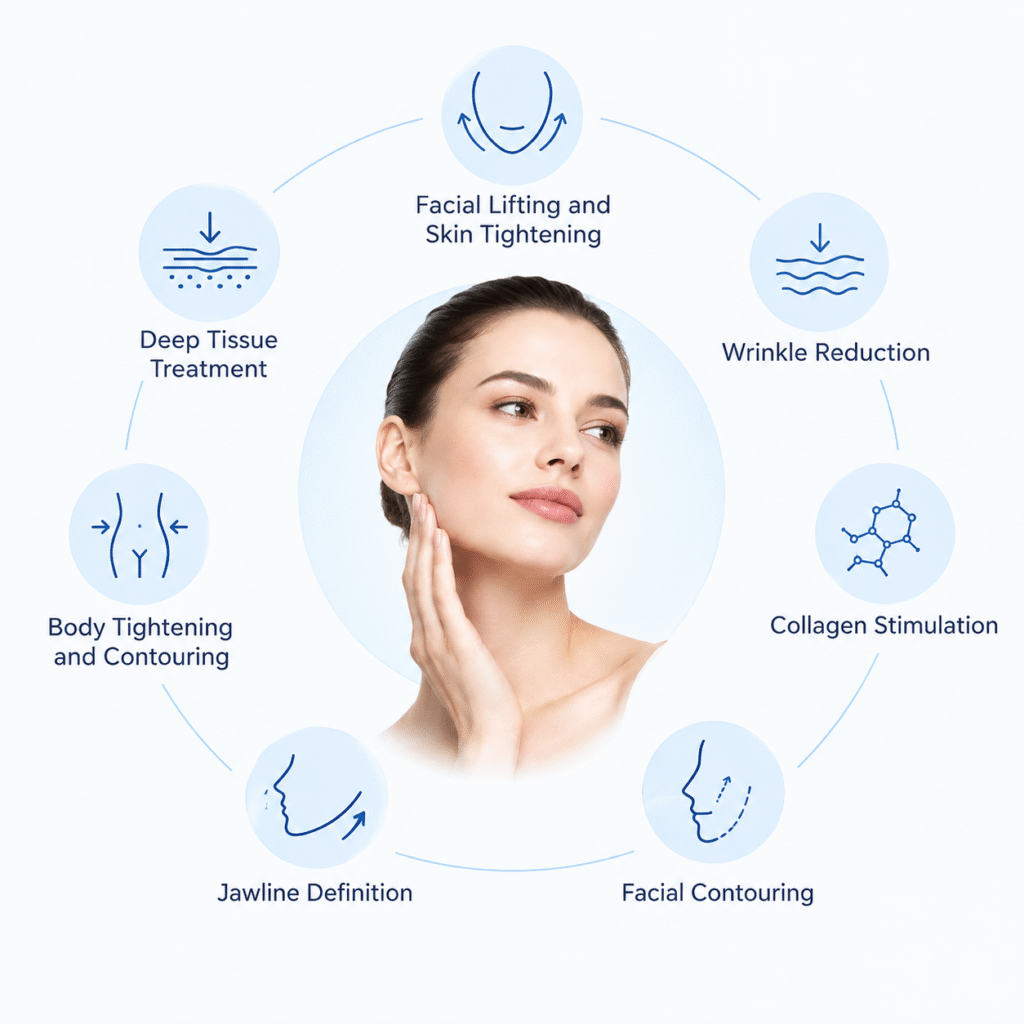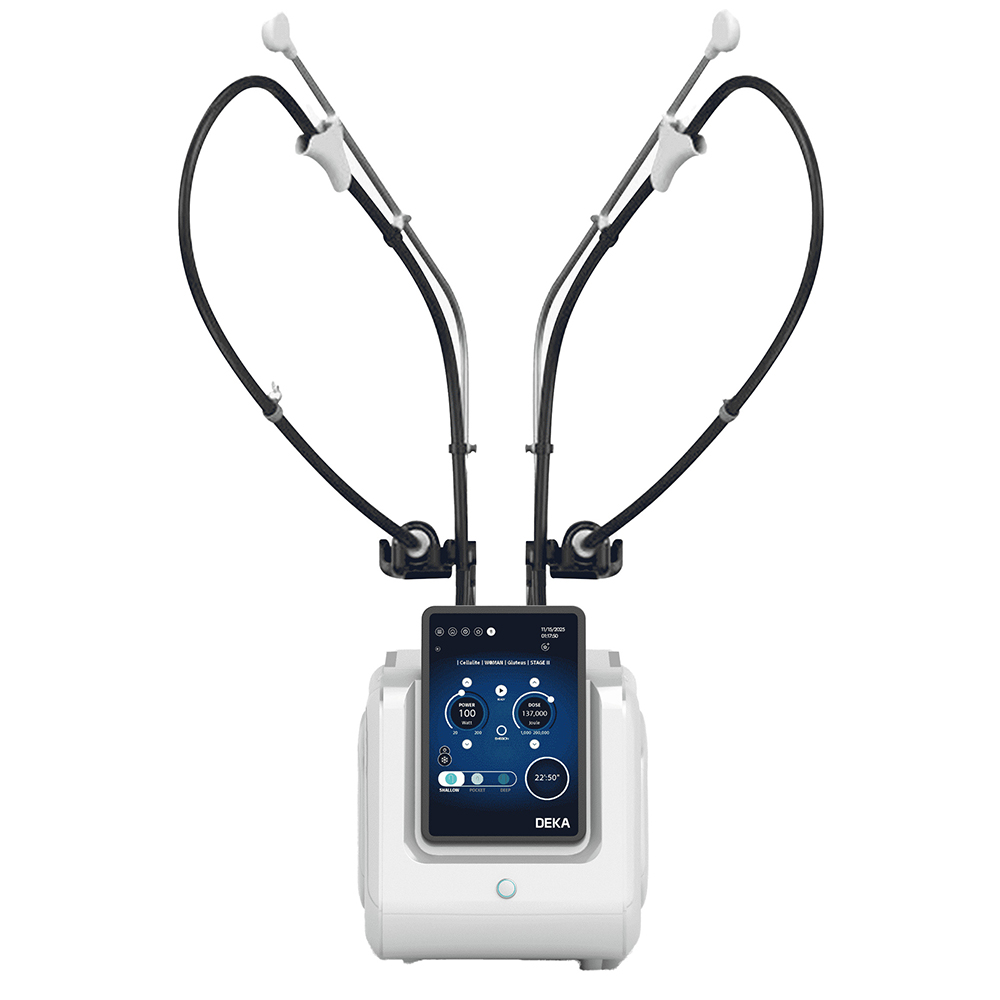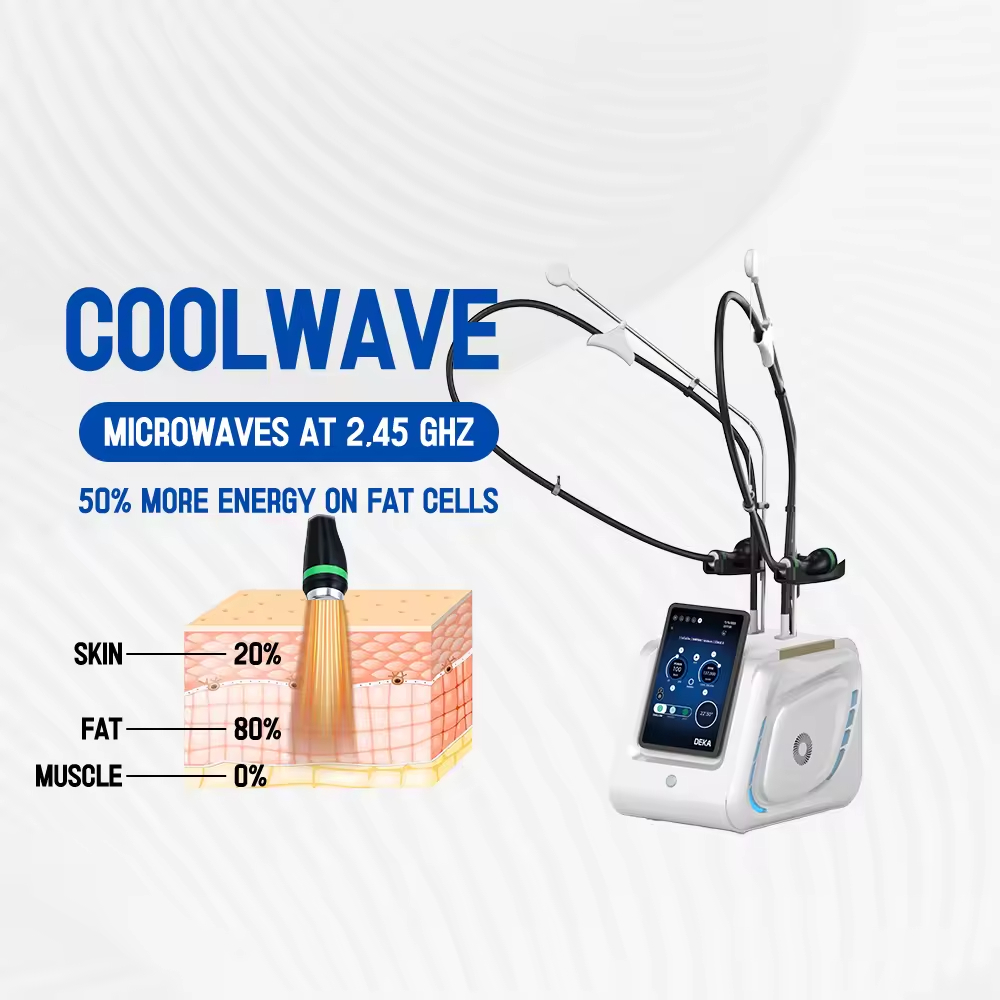









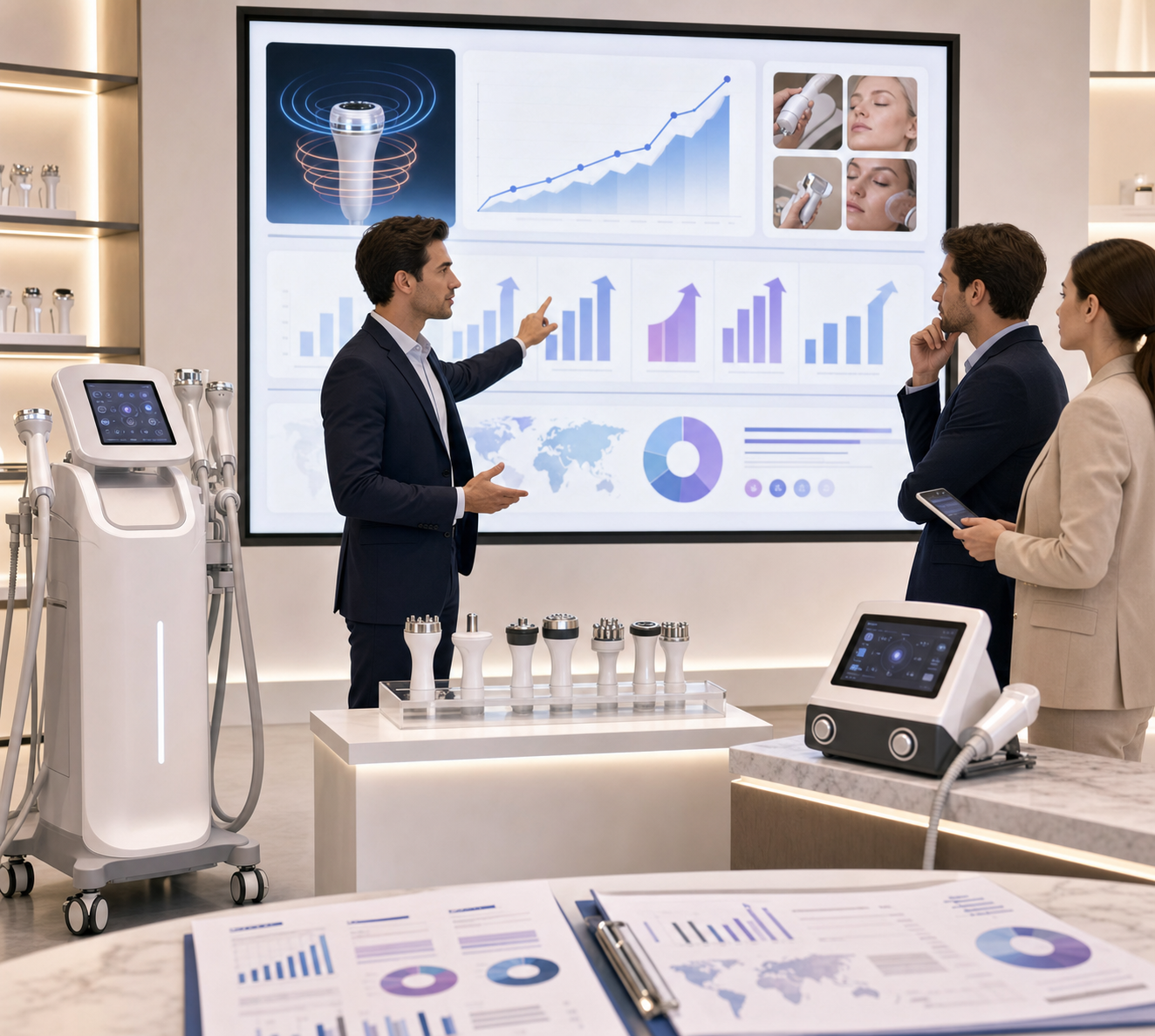
Les appareils de radiofréquence pour l'esthétique restent parmi les catégories les plus suivies sur le marché des dispositifs esthétiques et des équipements pour salons de beauté. La raison est simple : la technologie RF répond directement aux besoins des consommateurs en matière de raffermissement, de tonification, d'amélioration de la qualité de la peau, de maintien du contour du visage, de soins du cou, de raffermissement corporel et de lutte contre le vieillissement.
Cependant, le marché des équipements de beauté à radiofréquence n'est plus une simple phase de croissance rapide où n'importe quel appareil portant la mention “ RF ” se vend facilement. Il se segmente, se renforce la concurrence, se réglemente et s'oriente davantage vers le service. Les instituts de beauté s'interrogent désormais sur des aspects plus concrets : la valeur ajoutée des traitements, la sécurité, le retour sur investissement, la formation, le service après-vente, les consommables et l'acceptation par la clientèle.
Ce rapport analyse les tendances de développement du marché des équipements de beauté par radiofréquence et explique où les fabricants, les distributeurs, les agents régionaux et les acheteurs de salons de beauté pourront trouver des opportunités au cours des prochaines années.
Résumé exécutif
Les études de marché publiques indiquent que les dispositifs esthétiques à radiofréquence (RF) et, plus largement, ceux utilisant l'énergie, présentent encore un fort potentiel de croissance. Straits Research estime le marché mondial des dispositifs esthétiques à radiofréquence à 1,57 milliard USD en 2025 et prévoit une croissance de 1,73 milliard USD en 2026 à 3,83 milliards USD en 2034, soit un TCAC de 10,44 %. Precedence Research estime le marché américain des dispositifs esthétiques à radiofréquence à 479,22 millions USD en 2025 et prévoit une croissance d'environ 1,31 milliard USD en 2035. Grand View Research estime le marché mondial des dispositifs esthétiques utilisant l'énergie à 7,5 milliards USD en 2025 et prévoit une croissance de 8,1 milliards USD en 2026 à 15,7 milliards USD en 2033.
Ces chiffres proviennent de différents champs de recherche, mais ils convergent vers la même tendance générale : l’esthétique basée sur les radiofréquences et l’énergie reste structurellement importante.
Principales conclusions :
- La demande en équipements de beauté RF est soutenue par les préférences en matière de lutte contre le vieillissement, de raffermissement de la peau, de remodelage du visage, de soins du cou et d'esthétique non invasive.
- Les appareils RF professionnels sont plus avantageux lorsqu'ils sont proposés sous forme de cures de traitement plutôt que de séances individuelles.
- Les salons de beauté adoptent des comportements d'achat plus rationnels. Ils prennent en compte le retour sur investissement, le prix des soins, la formation, la sécurité, les consommables et le service après-vente.
- La radiofréquence évolue des machines monofonctionnelles vers des systèmes de traitement combinés, un contrôle intelligent des paramètres, la consultation numérique et le regroupement de projets.
- Les préoccupations liées à la sécurité du microneedling par radiofréquence et l'attention accrue des autorités réglementaires inciteront le marché à adopter une meilleure formation, une utilisation prévue plus claire et des allégations plus responsables.
- La radiofréquence à usage domestique et la radiofréquence professionnelle coexisteront, mais elles répondent à des problématiques différentes en termes de prix, de puissance, de sécurité et de logique de traitement.
- Les distributeurs disposent encore de belles opportunités s'ils proposent une différenciation des produits, une formation locale, un service technique, des pièces détachées, des conseils en matière de conformité et un soutien aux projets de salons.
1. Pourquoi les appareils de beauté RF restent une catégorie à forte attention
Les appareils de beauté à radiofréquence restent attractifs car ils répondent à plusieurs besoins de longue date des consommateurs.
Les clients veulent :
- Une peau d'apparence plus ferme.
- Un meilleur contour du visage.
- Atténuation des signes précoces du vieillissement.
- Soins du cou et de la mâchoire.
- Raffermissement et entretien de la peau.
- Raffermissement de la peau du corps.
- Options esthétiques non chirurgicales.
- Des traitements avec un temps de récupération limité.
Pour les instituts de beauté, les équipements de radiofréquence sont intéressants car ils permettent de proposer des prestations plus complètes que de simples nettoyages ou hydratations. Un institut peut ainsi positionner la radiofréquence comme un soin anti-âge précoce, raffermissant, pour préserver l'ovale du visage, pour soigner le cou, pour tonifier le corps ou encore comme un programme d'entretien mensuel haut de gamme.
Pour les distributeurs, la radiofréquence est intéressante car elle favorise les ventes de produits de moyenne et haute gamme, les formations, la vente de consommables et d'accessoires, ainsi que les relations à long terme avec les salons de coiffure. Il ne s'agit pas seulement d'une catégorie de produits, mais aussi d'une catégorie de projets.
2. La croissance du marché est stimulée par la demande anti-âge
Le principal moteur de la demande en équipements RF est la lutte contre le vieillissement. De nombreuses clientes de salons de beauté, âgées de 30 ans et plus, commencent à se soucier de la fermeté, de l'élasticité, des ridules, du contour du visage, des rides du cou et du relâchement cutané. Cela confère aux appareils RF un positionnement commercial évident.
La demande en produits anti-âge est durable car :
- C'est lié aux tendances démographiques.
- Cela concerne aussi bien les soins du visage que ceux du corps.
- Il prend en charge les forfaits de cours.
- Il peut être vendu comme un service de maintenance plutôt que comme une réparation ponctuelle.
- Cela permet aux salons d'augmenter la valeur moyenne des transactions.
- Il convient aux centres de soins de la peau haut de gamme, aux spas médicaux et aux salons de beauté de prestige.
Pour les distributeurs, les appareils anti-âge à radiofréquence constituent l'une des catégories les plus importantes à intégrer à leur portefeuille de produits. Cependant, leur commercialisation doit s'accompagner d'un positionnement réaliste des traitements. Promettre des résultats instantanés ou permanents de manière excessive peut nuire à la confiance et engendrer des risques publicitaires.
3. La préférence pour les traitements non invasifs favorise l'adoption de la radiofréquence
Les consommateurs privilégient de plus en plus les traitements esthétiques qui ne nécessitent ni chirurgie, ni longue convalescence, ni période de rétablissement difficile. Les appareils de radiofréquence profitent de cette tendance, car de nombreux traitements sont présentés comme non invasifs ou minimalement invasifs, selon le type d'appareil.
Cette tendance soutient la demande pour :
- Dispositifs faciaux RF non invasifs.
- Dispositifs de raffermissement corporel par radiofréquence.
- Systèmes combinant radiofréquences et vide.
- Fonctions RF avec microcourant ou EMS.
- Dispositifs de micro-aiguillage RF dans les milieux médicaux ou esthétiques professionnels où cela est autorisé.
- Plateformes anti-âge multitechnologiques.
Le potentiel du marché est particulièrement important lorsque la radiofréquence est intégrée à un programme de soins cutanés global, et non proposée comme une simple séance. Les clients sont plus enclins à accepter la radiofréquence lorsqu'elle est associée à une analyse de la peau, un nettoyage, une hydratation, une séance de récupération par LED, l'application d'un sérum et un suivi.
4. Les marchés des radiofréquences professionnelles et domestiques sont différents.
On parle souvent ensemble des équipements professionnels de salon de coiffure à radiofréquence et des appareils de beauté à radiofréquence à usage domestique, mais il s'agit de marchés différents.
Les appareils RF professionnels possèdent généralement :
- Production d'énergie plus élevée ou contrôle des paramètres plus avancé.
- Exigences de formation des opérateurs.
- Protocoles de traitement plus rigoureux.
- Tarifs des salons ou cliniques.
- Logique du forfait de cours.
- Responsabilité accrue en matière de dépistage des contre-indications et de sécurité.
- Besoins accrus en matière de service après-vente.
Les appareils RF à usage domestique possèdent généralement :
- Puissance réduite et limitations de sécurité intégrées plus nombreuses.
- Prix d'entrée plus bas.
- Positionnement commercial auprès des consommateurs.
- Autoconsommation plus fréquente.
- Personnalisation moins professionnelle.
- Forte dépendance au marketing de marque et à l'expérience utilisateur.
L'utilisation de la radiofréquence à domicile ne remplace pas nécessairement la radiofréquence professionnelle. Sur de nombreux marchés, elle permet même de sensibiliser les consommateurs aux principes de la radiofréquence. Les clients qui essaient la radiofréquence à domicile pourraient ensuite se tourner vers des traitements plus intensifs et professionnels s'ils sont convaincus de la qualité des soins. Les instituts de beauté peuvent tirer parti de cette sensibilisation, mais ils doivent expliquer clairement les différences en matière de protocole, de formation, de sécurité, de personnalisation et de valeur ajoutée des traitements.
5. Les équipements de beauté RF passent de la vente de machines individuelles à la vente de projets.
Un changement majeur du marché est que les salons ne se contentent plus d'acheter un appareil. Ils veulent savoir comment cet appareil peut devenir un projet rentable.
Les salons demandent :
- Quel nom de traitement devons-nous utiliser ?
- Quel groupe de clients devrions-nous cibler ?
- Combien de séances faut-il vendre dans un cours ?
- Quel prix pouvons-nous facturer ?
- Comment expliquer la technologie RF aux clients ?
- Quelles contre-indications le personnel doit-il vérifier ?
- Quels produits ou traitements de soutien faut-il associer ?
- Comment suivons-nous les progrès ?
- Combien de temps faudra-t-il pour rentabiliser la machine ?
- Quel service après-vente est disponible ?
Cela signifie que les distributeurs RF doivent vendre des systèmes complets, et non se contenter de proposer des spécifications techniques. Une machine dotée d'un matériel performant, mais sans formation, sans protocole de traitement, sans conseils tarifaires et sans assistance après-vente, aura plus de mal à trouver preneur sur un marché mature.
6. Les salons de beauté deviennent des acheteurs RF plus rationnels
Au début, certains salons achetaient des appareils RF car cette catégorie semblait avant-gardiste. Aujourd'hui, les acheteurs sont beaucoup plus prudents.
Avant d'acheter un équipement RF, les salons évaluent de plus en plus :
- Demande locale en matière de produits anti-âge.
- Structure d'âge des clients.
- Acceptation du prix.
- Tarification RF des concurrents.
- Conception du forfait de traitement.
- Retour sur investissement et délai de récupération.
- Difficulté de formation des opérateurs.
- Dispositifs de sécurité.
- Processus de garantie et de réparation.
- Disponibilité des pièces détachées.
- Coût des consommables.
- Réputation du fournisseur.
- Conformité et limites des revendications.
Cette maturité des acheteurs est bénéfique aux distributeurs sérieux. Elle réduit les achats impulsifs mais accroît la demande pour des fournisseurs professionnels capables d'apporter un véritable soutien.
7. La technologie RF se segmente de plus en plus
Le marché des équipements de beauté RF comprend plusieurs types de produits, chacun avec des acheteurs et des niveaux de risque différents.
Les segments communs comprennent :
- RF monopolaire.
- RF bipolaire.
- RF multipolaire.
- RF fractionnée.
- Micro-aiguillage RF.
- Systèmes RF et corps sous vide.
- Dispositifs combinant RF et EMS.
- RF avec contrôle du refroidissement.
- Radiofréquence avec préréglages de paramètres numériques.
- Machines de soins du visage multifonctions avec modules RF.
Chaque segment a un positionnement différent. Les salons de beauté communautaires peuvent privilégier les systèmes RF doux ou multifonctions pour l'entretien anti-âge. Les centres de soins de la peau haut de gamme peuvent opter pour des plateformes RF professionnelles avec des protocoles plus intensifs. Les spas médicaux ou les cliniques esthétiques peuvent envisager des systèmes de microneedling RF ou de radiofréquence fractionnée plus avancés, lorsque la loi l'autorise et que le personnel est dûment formé.
Les distributeurs ne doivent pas considérer tous les appareils RF comme une seule et même catégorie. La sélection des produits doit correspondre au type de client, aux compétences de l'opérateur, à la licence d'exploitation et à la demande locale.
8. Les traitements combinés prennent de plus en plus d'importance
L'utilisation de la radiofréquence (RF) est de plus en plus fréquente dans le cadre de forfaits de soins combinés. Cette tendance est parfois appelée « empilement de soins », mais dans le jargon des salons de beauté, cela signifie proposer un parcours de soins complet.
Les combinaisons courantes comprennent :
- Analyse de la peau et radiofréquence.
- Soin hydrofacial plus radiofréquence.
- RF plus LED.
- RF plus microcourant.
- RF plus perfusion de sérum.
- RF plus soins rafraîchissants et apaisants.
- Suivi des mesures corporelles par radiofréquence et plus.
- Produits de soins à domicile RF plus.
Les traitements combinés aident les salons :
- Améliorer l'expérience client.
- Augmenter la valeur du colis.
- Expliquez les résultats plus clairement.
- Réduire la comparaison avec les séances sur machine unique à bas prix.
- Soutenir les ventes de cours.
- Renforcer le positionnement haut de gamme.
Pour les distributeurs, la logique de combinaison crée des opportunités de ventes croisées. Un distributeur qui vend des appareils RF peut également vendre des analyseurs de peau, des appareils LED, des équipements d'hydratation, des dispositifs de refroidissement et des produits de traitement.
9. L'analyse cutanée par IA renforcera la conversion des projets RF
L'analyse cutanée par IA et les outils de consultation numérique prennent une importance croissante dans la vente de projets de radiofréquence. Les traitements par radiofréquence nécessitent souvent des explications. Les clients ne comprennent pas toujours immédiatement la nécessité d'un traitement ou la justification d'un prix plus élevé.
L'analyse de la peau aide les salons :
- Afficher les signes du vieillissement cutané.
- Identifier les problèmes de fermeté, de texture, de pores et de qualité de la peau.
- Expliquez pourquoi un client correspond à un programme de raffermissement ou anti-âge.
- Suivre les progrès sur plusieurs séances.
- Améliorer la conversion des paquets.
- Plans de maintenance des supports.
Pour les distributeurs de produits RF, proposer des appareils RF associés à des outils d'analyse cutanée peut accroître le chiffre d'affaires et améliorer la rentabilité des salons. Cette approche est particulièrement pertinente pour les centres et salons de soins de la peau haut de gamme qui souhaitent passer des soins du visage classiques aux programmes anti-âge professionnels.
10. Les fonctions de contrôle intelligent et de sécurité deviendront plus importantes.
À mesure que les appareils RF se généralisent, les acheteurs accorderont plus d'attention à la sécurité et au contrôle.
Les caractéristiques importantes peuvent inclure :
- Niveaux d'énergie réglables.
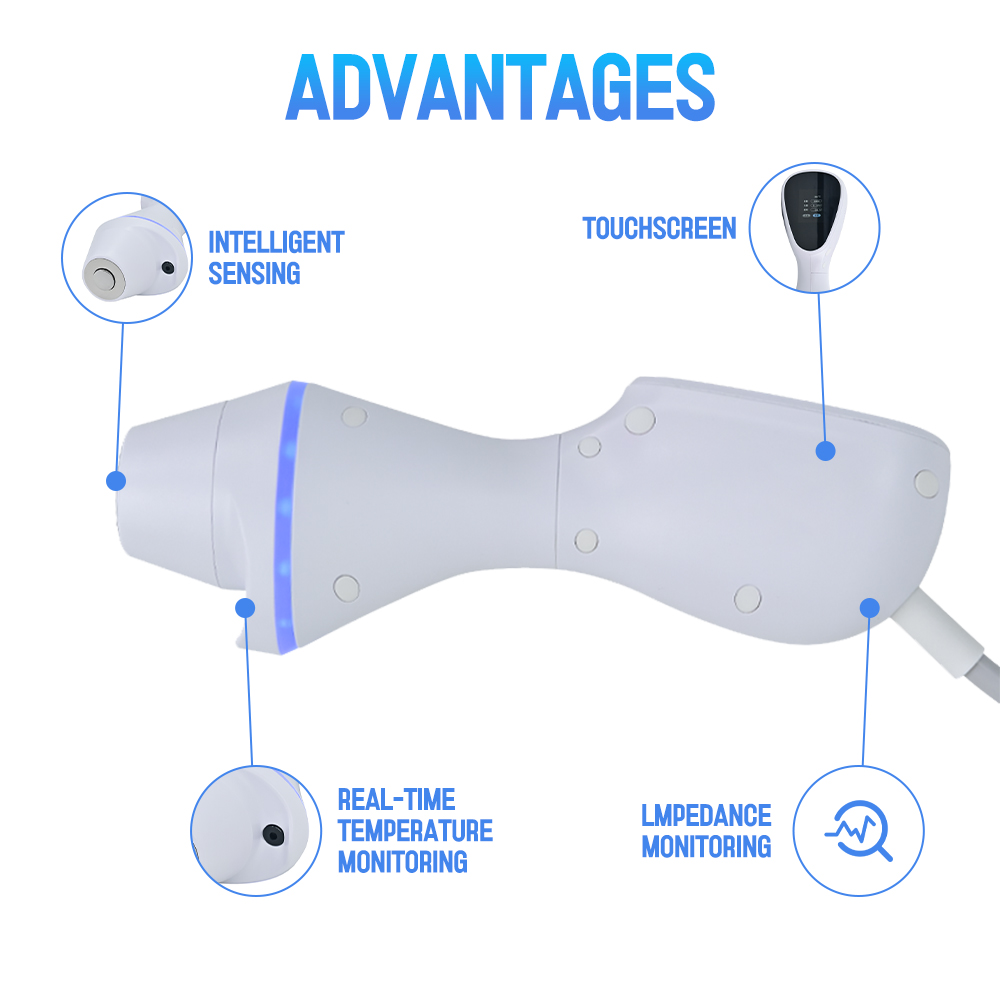
- Surveillance de la température.
- Détection des contacts.
- Contrôle du refroidissement.
- Protocoles prédéfinis.
- Sélection de la zone de traitement.
- Contrôle d'accès opérateur.
- Alertes d'erreur.
- Historique d'utilisation.
- Mode entraînement.
- Rappels de maintenance.
Les fonctionnalités intelligentes contribuent à réduire les erreurs de l'opérateur et à améliorer la régularité de la production. Elles permettent également aux distributeurs de positionner leurs produits de manière plus avantageuse que les machines génériques bas de gamme.
Dans un marché concurrentiel, les dispositifs de sécurité et de contrôle ne sont pas seulement des arguments de vente techniques. Ils font partie intégrante de la confiance envers la marque.
11. L'attention portée à la sécurité du microneedling par radiofréquence influencera le marché
Le microneedling par radiofréquence est une technique plus avancée qui combine le microneedling et l'énergie RF. Elle est souvent utilisée dans les centres médico-esthétiques et les cliniques d'esthétique, mais elle exige une sécurité accrue, une formation plus poussée des opérateurs et le respect des réglementations en vigueur.
Le 15 octobre 2025, la FDA a publié une communication de sécurité concernant les risques potentiels liés à certaines utilisations du microneedling par radiofréquence. La FDA a pris note de signalements de complications graves telles que brûlures, cicatrices, fonte graisseuse, défiguration et lésions nerveuses.
Cela ne signifie pas que la demande en équipements RF va diminuer. Cela signifie que le marché sera plus attentif. Les acheteurs poseront davantage de questions sur :
- Usage prévu.
- Entraînement.
- Qualification de l'opérateur.
- Contrôle de la profondeur et de l'énergie du traitement.
- Contre-indications.
- Sélection du patient ou du client.
- Signalement des événements indésirables.
- Documentation.
- Allégations et publicité.
Pour les distributeurs, cela représente à la fois un risque et une opportunité. Les fournisseurs qui négligent la sécurité risquent de perdre la confiance de leurs clients. Ceux qui proposent une formation solide, des protocoles clairs, une documentation complète et des déclarations responsables peuvent se démarquer.
12. La conformité et les allégations publicitaires façonneront le développement du marché
Le contrôle réglementaire et publicitaire influencera le marché des radiofréquences. La réglementation des dispositifs radiofréquences peut varier selon la technologie, l'usage prévu, le marché et les allégations.
La FDA précise que la réglementation des dispositifs esthétiques peut varier en fonction de leur usage prévu et de leur impact sur la structure ou le fonctionnement du corps. La FTC indique que les allégations relatives à la santé doivent être véridiques, non trompeuses et étayées.
Les fournisseurs, distributeurs et salons de radiofréquences doivent éviter les affirmations non fondées telles que :
- Levage garanti.
- Élimination permanente des rides.
- Les demandes de remboursement de soins médicaux ne sont pas couvertes par le champ d'application.
- Allégations de perte de poids sans preuves adéquates.
- Les allégations concernant les cicatrices ou l'acné ne sont pas étayées par l'usage prévu.
- Le même résultat est obtenu pour chaque client.
- Des déclarations sans risque.
La stratégie la plus sûre pour commercialiser les radiofréquences est de les présenter comme une catégorie de traitement professionnel, avec des avantages réalistes, une formation adéquate, des contre-indications claires et une éducation responsable du client.
13. Le retour sur investissement du salon déterminera la vitesse d'achat RF
Les équipements RF peuvent prendre en charge des projets de grande envergure, mais les salons doivent tout de même calculer le retour sur investissement.
Les principaux facteurs de retour sur investissement sont les suivants :
- Coût d'achat de la machine.
- Frais de livraison, taxes, installation et formation.
- Consommables et accessoires.
- Temps d'opération du personnel.
- Temps passé en salle de soins.
- Maintenance et pièces détachées.
- Prix du traitement.
- Taux de conversion des colis.
- Volume de traitement hebdomadaire.
- Nombre de séances nécessaires pour atteindre le seuil de rentabilité.
- Délai de récupération.
La radiofréquence peut être rentable si le salon bénéficie d'une forte demande en soins anti-âge et propose des forfaits. Elle devient risquée en cas de faible adhésion de la clientèle, de personnel incapable d'expliquer le procédé ou de prix trop bas face à la concurrence locale.
Les distributeurs devraient fournir des calculateurs de retour sur investissement et des scénarios prudents au lieu de ne présenter que des exemples de revenus optimistes.
14. Le marché des produits anti-âge haut de gamme reste dynamique.
Les équipements RF bénéficient généralement d'une meilleure marge tarifaire que les équipements de nettoyage classiques, car ils sont associés à des problématiques à plus forte valeur ajoutée. Toutefois, leur prix dépend du positionnement.
L'espace tarifaire RF est plus favorable lorsque :
- Le salon accueille une clientèle âgée de 30 ans et plus.
- Ce projet répond à une préoccupation visible en matière de vieillissement.
- Une analyse ou une consultation de la peau est incluse.
- Le traitement est vendu sous forme de cure.
- Le personnel peut expliquer des résultats réalistes.
- Le salon bénéficie d'un positionnement de marque haut de gamme.
- Les concurrents ne se contentent pas de proposer des remises.
- Le fournisseur offre une bonne formation et un soutien marketing de qualité.
L'espace tarifaire RF est plus restreint lorsque :
- Les clients ne le perçoivent que comme un accessoire pour la machine.
- Le salon propose des séances individuelles à prix avantageux.
- Les concurrents proposent des remises importantes sur les traitements similaires.
- Le personnel ne peut pas expliquer la valeur.
- Les affirmations sont vagues ou irréalistes.
- L'appareil ne présente aucune différenciation.
Le packaging des projets est essentiel pour conquérir le marché des prix RF.
15. Les salons communautaires et les centres haut de gamme ont besoin de produits RF différents
La demande en radiofréquences n'est pas la même selon les types de salons.
Les salons communautaires ont besoin de :
- Appareils RF faciles à utiliser.
- Investissement modéré.
- Formation claire.
- Des protocoles sûrs et doux.
- Soins du visage et du cou.
- Assistance après-vente rapide.
- Retour sur investissement réaliste.
Les centres de soins de la peau haut de gamme ont besoin de :
- Plateformes RF plus professionnelles.
- Contrôle avancé des paramètres.
- De meilleurs protocoles de traitement.
- Intégration de l'analyse cutanée.
- Emballage de projet haut de gamme.
- Image de marque plus forte.
- Suivi numérique et dossiers clients.
Les spas médicaux ou les cliniques esthétiques peuvent avoir besoin de :
- Systèmes plus performants.
- Formation plus stricte.
- Documentation supplémentaire.
- Contrôle de conformité renforcé.
- Supervision médicale lorsque nécessaire.
Les distributeurs devraient développer des gammes de produits RF adaptées aux différents niveaux d'acheteurs au lieu de proposer un seul modèle à tous les salons.
16. Les équipements corporels à radiofréquence ont un potentiel de croissance, mais nécessitent une meilleure validation.
Les appareils de radiofréquence pour le corps peuvent contribuer au raffermissement corporel, au maintien de la silhouette, à la gestion de l'apparence de la cellulite et aux soins corporels après une variation de poids, le cas échéant. Ils conviennent aux instituts de beauté, aux centres de soins haut de gamme, aux centres post-partum et à certains salons communautaires.
Les opportunités offertes par les organismes RF comprennent :
- Programmes de raffermissement abdominal.
- Soins des bras et des cuisses.
- Soutien de la taille et du contour du corps.
- Gestion du corps après l'accouchement, le cas échéant.
- Projets combinant radiofréquence corporelle et aspiration.
- Boîtier RF et suivi des mesures.
Cependant, les traitements par radiofréquence corporelle nécessitent généralement une meilleure information des clients, des cabines individuelles, des séances plus longues et une gestion des résultats plus réaliste. Les distributeurs devraient aider les salons à évaluer la demande locale avant de promouvoir les appareils de traitement corporel de grande taille.
17. L'homogénéisation des produits constitue un défi majeur pour le marché.
De nombreuses machines RF se ressemblent dans les catalogues. Cela engendre une pression à la baisse sur les prix et complique la tâche des distributeurs pour maintenir leurs marges.
L'homogénéisation apparaît dans :
- Conception de la pièce à main similaire.
- Descriptions de fonctions similaires.
- Allégations de traitement similaires.
- Noms d'appareils similaires.
- Modèles multifonctions similaires à bas prix.
- Images marketing similaires.
Les distributeurs peuvent lutter contre l'homogénéisation en proposant :
- Configurations exclusives.
- De meilleurs protocoles.
- Certification de formation.
- Assistance technique locale.
- Stock de pièces détachées.
- Améliorations de la garantie.
- Marques de distributeur.
- Modèles de forfaits de traitement.
- Études de cas clients réussies.
- Classification claire des produits.
Sur le marché des radiofréquences, la différenciation repose de plus en plus sur les services et la conception des systèmes, et non plus uniquement sur le matériel.
18. Le service après-vente est un facteur de différenciation clé sur le marché des radiofréquences.
Les appareils RF comprennent un système de chauffage, de distribution d'énergie, des pièces à main, des câbles, des cartes électroniques, des systèmes de refroidissement et des paramètres utilisateur. Tout dysfonctionnement peut interrompre les services en salon et nuire à la confiance des clients.
Les salons se soucient de :
- Durée de la garantie.
- Remplacement de la pièce à main.
- Disponibilité des pièces détachées.
- Délai de réparation.
- Dépannage à distance.
- Remise à niveau de la formation.
- Consignes de maintenance.
- Fournitures de consommables et d'accessoires.
- Mises à jour logicielles ou de paramètres.
Les distributeurs disposant d'un service technique local auront un avantage certain sur les vendeurs se contentant d'expédier les machines. Le service après-vente est particulièrement important dans le domaine de la radiofréquence, car toute interruption de service peut perturber directement les livraisons importantes.
19. Opportunités de distribution sur le marché des radiofréquences
Les distributeurs RF peuvent créer des opportunités dans plusieurs domaines.
Opportunité 1 : Forfaits de projets anti-âge.
Les distributeurs peuvent fournir aux salons des modèles de programmes de soins pour le raffermissement par radiofréquence, le remodelage du visage, les soins du cou et l'entretien.
Opportunité 2 : Forfaits RF et analyse de la peau.
Cela aide les salons à améliorer leurs services de consultation et la conversion de leurs forfaits.
Opportunité 3 : Solutions RF avec LED, hydratation et refroidissement.
Cela permet de créer un parcours de soins complet et d'augmenter le chiffre d'affaires total.
Opportunité 4 : Formation et certification locales.
La formation renforce la confiance et réduit les abus.
Opportunité 5 : Pièces de rechange et réseaux de service.
Une assistance rapide améliore la fidélisation de la clientèle.
Opportunité 6 : Gammes de produits RF segmentées.
Les appareils RF d'entrée de gamme, standard et haut de gamme aident les distributeurs à répondre aux besoins de différents types d'acheteurs.
Opportunité 7 : Conseils en matière de conformité et de réclamations.
Les distributeurs qui aident les salons à commercialiser leurs produits de manière responsable réduisent les risques et établissent des relations plus solides à long terme.
20. Opportunités pour les fabricants sur le marché des radiofréquences
Les fabricants peuvent améliorer leur compétitivité en misant sur la qualité de leurs produits et le soutien aux acheteurs.
Les principales orientations de développement comprennent :
- Production d'énergie plus stable.
- Meilleure surveillance de la température.
- Pièces à main ergonomiques.
- Caractéristiques de refroidissement et de confort.
- Protocoles prédéfinis.
- Interface utilisateur claire.
- Dossiers de traitement.
- Maintenance simplifiée.
- Conception modulaire de la pièce à main.
- Des manuels et des vidéos de formation de meilleure qualité.
- Des emballages plus résistants pour différents marchés.
- Assistance en marque blanche pour les distributeurs.
Les fabricants devraient également élaborer une documentation produit plus complète, des informations sur l'utilisation prévue, des politiques de garantie et des procédures après-vente claires. Ces éléments permettent aux distributeurs de vendre de manière plus professionnelle.
21. Risques liés au marché des radiofréquences
Le marché des équipements de beauté RF présente de fortes opportunités, mais aussi plusieurs risques.
Les principaux risques comprennent :
- Allégations exagérées.
- Formation insuffisante des opérateurs.
- Brûlures ou inconfort dus à une mauvaise utilisation.
- Service après-vente insuffisant.
- Composants de mauvaise qualité.
- Homogénéisation du produit.
- Guerre des prix.
- Incertitude en matière de conformité.
- Pression sur les stocks.
- Dépendance excessive à un seul modèle.
- Avis clients négatifs dus à des attentes irréalistes.
- Les préoccupations liées à la sécurité du microneedling par radiofréquence affectent la confiance des clients.
Les distributeurs et les salons doivent considérer la radiofréquence comme une pratique professionnelle. Plus le traitement énergétique est puissant, plus la formation, le dépistage, la documentation et un marketing responsable sont essentiels.
22. Tendances de développement futures sur 3 à 5 ans
Le marché des équipements de beauté RF devrait évoluer dans plusieurs directions au cours des 3 à 5 prochaines années.
Tendance 1 : Demande continue de produits anti-âge.
La radiofréquence restera importante car les préoccupations liées au raffermissement, au lissage et au contour du visage ne sont pas des tendances à court terme.
Tendance 2 : Davantage de protocoles combinés.
La radiofréquence sera combinée à l'analyse de la peau, à l'hydratation, à la LED, aux microcourants, au refroidissement et aux soins à domicile.
Tendance 3 : Un contrôle de sécurité plus intelligent.
La surveillance de la température, les préréglages, les alertes d'erreur et les historiques d'utilisation deviendront des arguments de vente plus importants.
Tendance 4 : Plus de segmentation.
Les salons de beauté communautaires, les centres de soins de la peau haut de gamme, les spas médicaux et les centres de bien-être corporel choisiront différents produits RF.
Tendance 5 : Sensibilisation accrue à la conformité.
Les recommandations de la FDA et de la FTC, les réglementations locales et les communications en matière de sécurité inciteront les acheteurs à être plus attentifs à l'utilisation prévue et aux allégations.
Tendance 6 : La concurrence entre distributeurs axée sur le service.
La formation, le support après-vente, les pièces détachées, l'emballage des projets et les outils de retour sur investissement auront plus d'importance que le simple prix de gros.
Tendance 7 : Les radiofréquences professionnelles et domestiques coexistent.
La radiofréquence à usage domestique permettra d'éduquer les consommateurs, tandis que la radiofréquence professionnelle se concentrera sur des protocoles plus robustes, la personnalisation et une valeur ajoutée basée sur la formation.
Tendance 8 : Les soins du corps et du cou par radiofréquence connaissent une croissance sélective.
Le raffermissement corporel, les soins du cou, le remodelage de la mâchoire et la gestion de la peau après une variation de poids peuvent créer une demande supplémentaire lorsque l'acceptation par les clients est évidente.
23. Recommandations stratégiques pour les distributeurs
Les distributeurs RF devraient envisager les actions suivantes :
1. Élaborer une gamme de produits RF segmentée pour les acheteurs d'entrée de gamme, standard et haut de gamme.
2. Évitez de vendre des produits RF uniquement en fonction des paramètres de la machine.
3. Fournir les protocoles de traitement et les guides de consultation.
4. Associez la radiofréquence à l'analyse de la peau, aux LED, aux appareils d'hydratation ou de refroidissement.
5. Développer les capacités locales de formation et de services techniques.
6. Gardez des pièces de rechange et des pièces à main disponibles.
7. Créer des calculateurs de retour sur investissement et des modèles de tarification.
8. Aider les salons à valider la demande locale en matière de soins anti-âge avant l'achat.
9. Évitez les affirmations non étayées comparant un avant et un après.
10. Sensibiliser les salons aux contre-indications, aux attentes réalistes et aux soins post-traitement.
11. Développer des modèles exclusifs ou des options de marque privée.
12. Suivre les commentaires des clients et les problèmes de service.
Le distributeur qui aide les salons à réussir après l'achat d'équipements RF fidélisera davantage de clients que celui qui ne conclut que la première vente.
24. Recommandations stratégiques pour les salons de beauté
Les salons de beauté qui envisagent d'utiliser des équipements RF devraient :
- Étudier la demande locale en matière de produits anti-âge.
- Analyser les tranches d'âge des clients et leur pouvoir d'achat.
- Comparez les prix et les forfaits RF de la concurrence.
- Calculer le retour sur investissement selon des hypothèses prudentes.
- Choisissez un appareil adapté aux compétences du personnel et à l'étendue des services.
- Confirmer la formation et le support après-vente.
- Vérifier l'utilisation prévue et la documentation.
- Évitez les affirmations exagérées.
- Proposez la radiofréquence sous forme de cours, et non pas comme une simple session.
- Utilisez une analyse de la peau ou une consultation pour améliorer le taux de conversion.
- Suivre l'utilisation, la conversion des forfaits et les commentaires des clients.
RF peut être un projet très rentable, mais il convient de l'acquérir avec un plan de lancement clair.
Conclusion
Le marché des appareils de radiofréquence pour la beauté présente encore un potentiel de croissance important, soutenu par la demande en matière de soins anti-âge, la préférence pour les solutions esthétiques non invasives, la modernisation des services en salon et le développement des appareils esthétiques à base d'énergie. Cependant, ce marché gagne en maturité et en exigences.
La croissance future du marché des radiofréquences ne dépendra pas uniquement de machines moins chères ou d'un plus grand nombre de fonctionnalités. Elle reposera sur une technologie plus sûre, un positionnement plus clair des traitements, une meilleure présentation des offres, une formation renforcée, un service après-vente fiable, des promesses réalistes et un retour sur investissement concret pour les salons.
Pour les distributeurs et les fabricants, la radiofréquence reste un secteur porteur, mais le succès viendra de la capacité à aider les salons à transformer les appareils de radiofréquence en projets de traitement rentables, reproductibles et commercialisés de manière responsable.
FAQ
Le marché des équipements de beauté RF est-il toujours en croissance ?
Oui. Les rapports de marché publics sur les appareils esthétiques à radiofréquence et les appareils esthétiques à énergie continuent de prévoir une croissance jusqu'au début des années 2030. La demande est soutenue par les préférences en matière de lutte contre le vieillissement, de raffermissement de la peau, de remodelage du visage, de soins du corps et de traitements non invasifs.
Pourquoi les appareils de beauté RF sont-ils populaires dans les salons ?
Les appareils de radiofréquence sont prisés car ils permettent de réaliser des traitements de raffermissement, de tonification, de maintien du contour du visage, de soin du cou, de lutte contre le vieillissement et de raffermissement corporel. Ces prestations justifient généralement des tarifs plus élevés et des forfaits plus complets.
Quelle est la différence entre les appareils RF professionnels et les appareils RF à usage domestique ?
Les appareils RF professionnels offrent généralement des protocoles plus robustes, un service de qualité supérieure, une formation des opérateurs, des tarifs adaptés aux salons de beauté et une logique de traitement plus élaborée. Les appareils RF à usage domestique sont généralement des outils grand public de plus faible puissance, dotés de paramètres de sécurité simplifiés et destinés à la vente au détail.
À quels risques les distributeurs d'équipements RF doivent-ils prêter attention ?
Les distributeurs doivent être attentifs aux allégations exagérées, à la formation insuffisante, aux problèmes de sécurité, à un service après-vente défaillant, à une utilisation prévue imprécise, à l'homogénéisation des produits, aux guerres de prix, aux pénuries de pièces détachées et aux risques de non-conformité.
Quelles sont les opportunités pour les distributeurs d'équipements de beauté RF ?
Les opportunités pour les distributeurs comprennent des forfaits de soins anti-âge, des ensembles RF plus analyse de la peau, des systèmes RF plus LED ou d'hydratation, des formations locales, un service après-vente, la fourniture de pièces détachées, des modèles en marque blanche et des conseils de conformité pour les salons.