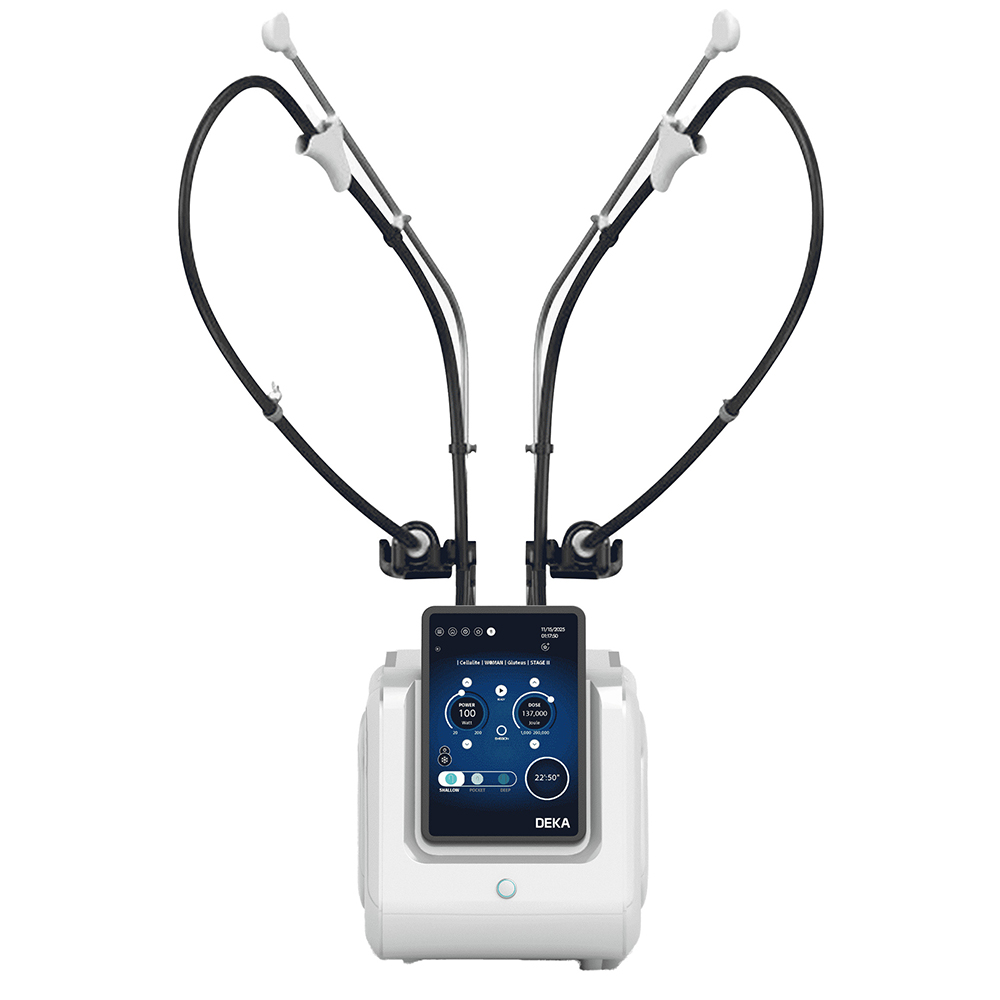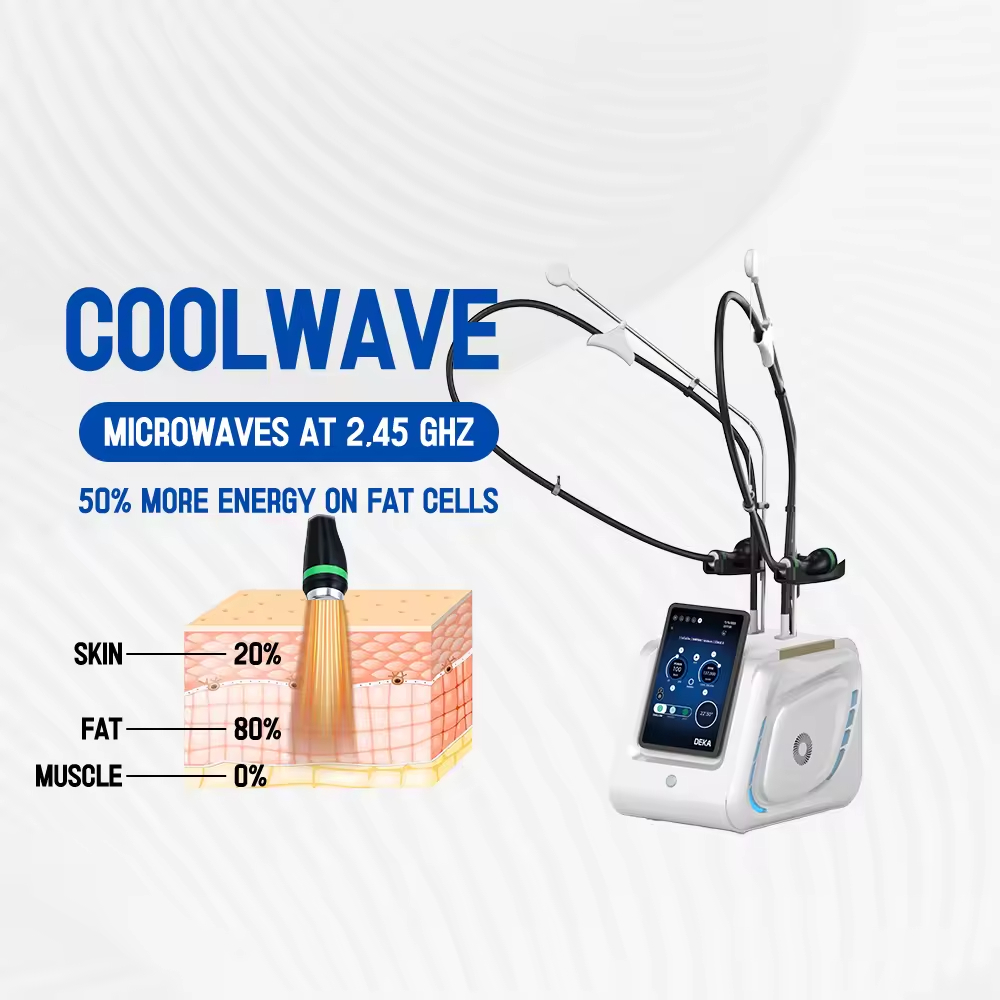










L'industrie des équipements esthétiques a évolué vers des stratégies intégrées de fabrication et de marque, rendant le rôle des fournisseurs de machines de cryolipolyse plus crucial que jamais. Pour les distributeurs, les marques et les nouveaux acteurs du marché, il est essentiel de comprendre le fonctionnement des fournisseurs afin de sélectionner des partenaires OEM/ODM fiables et de bâtir des gammes de produits pérennes. Plutôt que de se concentrer sur les machines individuelles, la véritable valeur réside dans la compréhension des capacités de production, de l'intégration technologique et du potentiel de personnalisation au sein des équipements modernes de remodelage corporel.
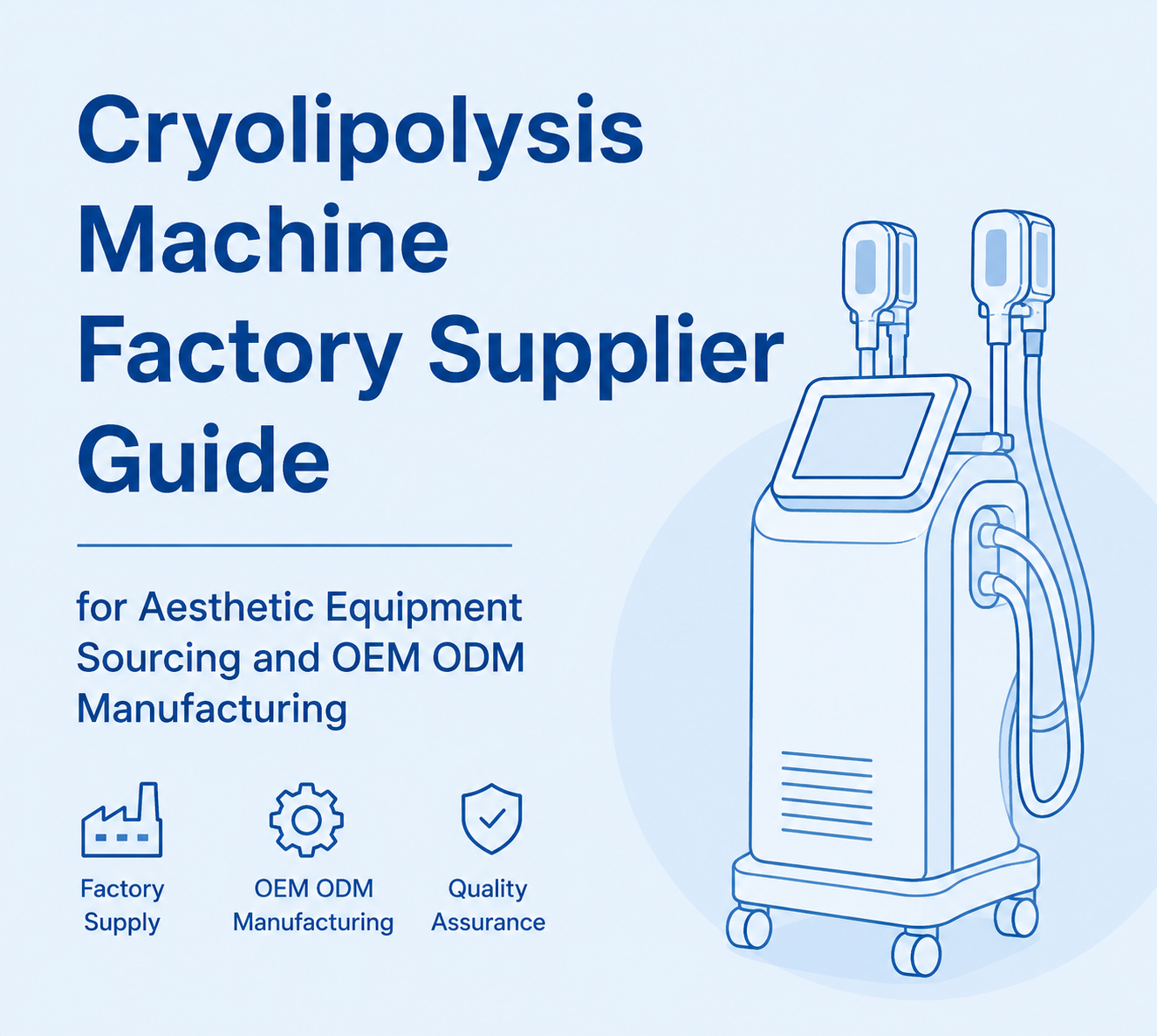
1. Rôle d'un fournisseur de machines de cryolipolyse dans la chaîne d'approvisionnement
1.1 Fonction de fabrication et de développement de systèmes
UN machine de cryolipolyse Le rôle du fournisseur d'usine ne se limite pas à la production d'appareils de cryolipolyse. Il englobe l'ingénierie système, l'intégration matérielle et le contrôle qualité tout au long du cycle de production. Les fournisseurs conçoivent des équipements conformes aux normes de sécurité et favorisant le développement de technologies multiples dans le domaine des traitements esthétiques.
Concrètement, cela signifie transformer la cryolipolyse d'un concept monofonctionnel en une plateforme évolutive pouvant être adaptée à différents marchés et besoins de traitement.
1.2 Position dans les modèles commerciaux OEM et ODM
Dans les structures OEM et ODM, les fournisseurs industriels constituent la base de la création de produits. L'OEM permet la personnalisation de la marque sur des modèles existants, tandis que l'ODM prend en charge un développement plus poussé incluant la conception de la structure, des fonctionnalités et de l'interface.
Cette flexibilité permet aux entreprises d'entrer sur le marché de l'esthétique sans avoir à mettre en place d'infrastructure de production, tout en proposant des équipements différenciés sous leur propre marque.
2. Principes d'ingénierie des systèmes de cryolipolyse
2.1 Refroidissement contrôlé et réponse des cellules adipeuses
La cryolipolyse repose sur la sensibilité des cellules graisseuses aux basses températures. Grâce à un refroidissement contrôlé, ces cellules subissent une cristallisation et une apoptose, tandis que les tissus environnants restent intacts. Au fil du temps, l'organisme élimine naturellement ces cellules par le biais du métabolisme.
Les fournisseurs des usines sont responsables de veiller à ce que les systèmes de refroidissement restent stables, précis et uniformément répartis dans les zones de traitement.
2.2 Systèmes de contrôle technique clés dans la fabrication
Un fournisseur professionnel de machines de cryolipolyse se concentre sur de multiples systèmes de contrôle d'ingénierie, notamment :
- Régulation précise de la température pour un équilibre sûr entre refroidissement et chauffage
- Contrôle de la pression sous vide pour un contact tissulaire constant
- Fonctionnement multicanal pour une capacité de traitement simultané
- Systèmes de protection thermique pour garantir la sécurité des utilisateurs
- Gestion stable de la fréquence de sortie pour des performances constantes
Ces systèmes garantissent la fiabilité des dispositifs lors d'une utilisation clinique ou commerciale de longue durée.
2.3 Tendances en matière d'intégration de systèmes dans la conception des équipements
Les tendances actuelles en matière de fabrication privilégient l'intégration aux dispositifs monofonctionnels. Les systèmes de cryolipolyse sont de plus en plus souvent associés à des technologies complémentaires telles que le massage mécanique, la thérapie par le vide et la stimulation thermique. Ceci témoigne d'une évolution plus générale vers des plateformes multifonctionnelles dans la conception des équipements esthétiques.
3. La technologie des rouleaux à billes internes comme exemple d'intégration mécanique
3.1 Principe de micro-vibration par compression mécanique
Les systèmes de rouleaux à billes internes utilisent des composants rotatifs en silicone pour créer des micro-vibrations par compression à la surface de la peau. Cette stimulation mécanique améliore la circulation, favorise le drainage lymphatique et stimule l'activation des tissus sans recourir à des émissions énergétiques.
Elle représente une technologie complémentaire souvent intégrée à la cryolipolyse dans des plateformes multifonctionnelles.
3.2 Rôle fonctionnel dans les systèmes de remodelage corporel
Du point de vue de la fabrication, les modules à rouleaux à billes internes permettent d'élargir la gamme fonctionnelle des systèmes de remodelage corporel. Ils sont utilisés pour des applications telles que le raffermissement de la peau, la relaxation musculaire et l'amélioration de la récupération post-traitement.
Ce type de module mécanique illustre comment les fournisseurs combinent différentes technologies au sein de plateformes unifiées afin d'accroître la polyvalence des équipements.
3.3 Exemple d'approche de conception de système intégré
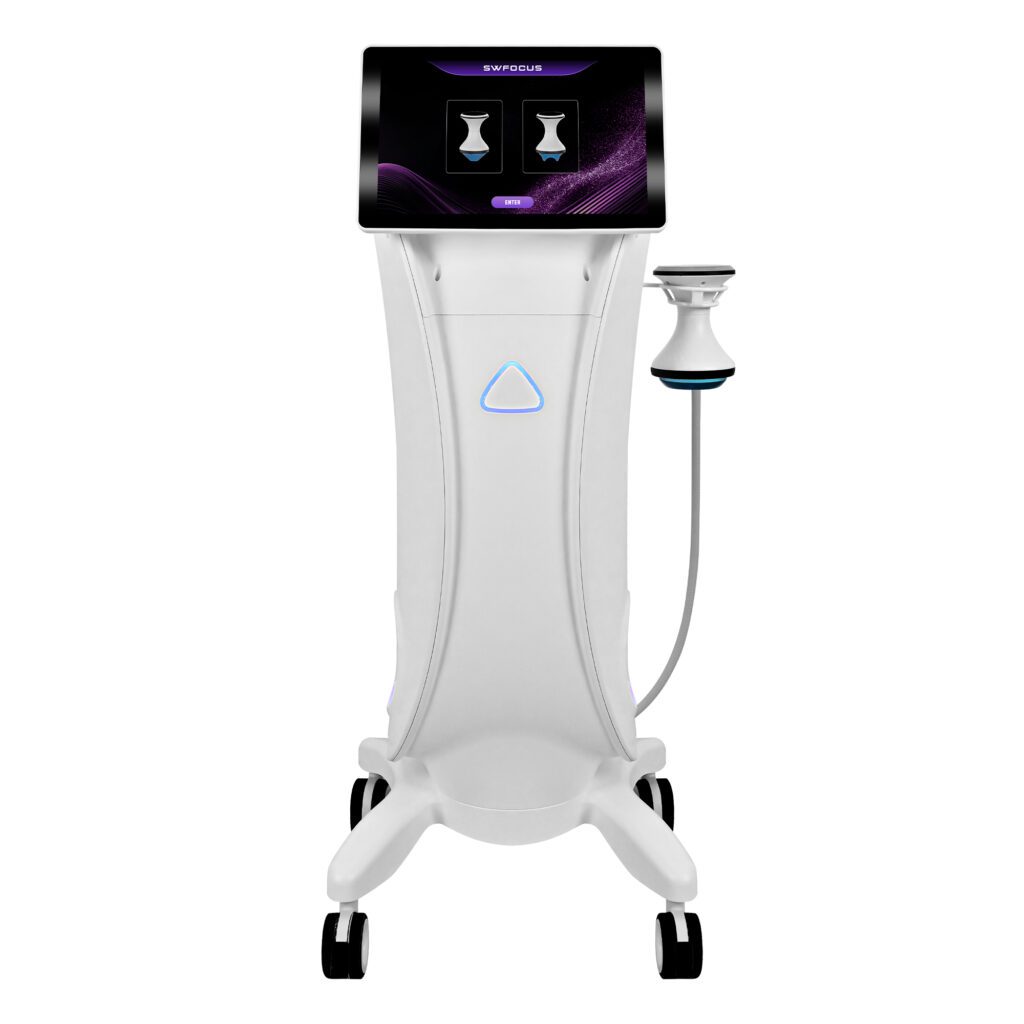
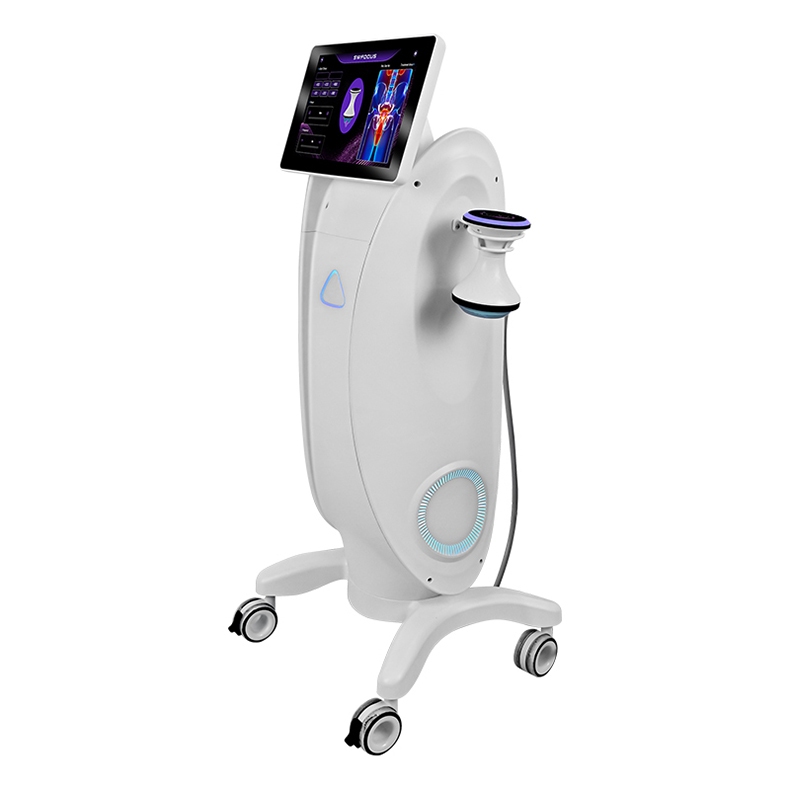
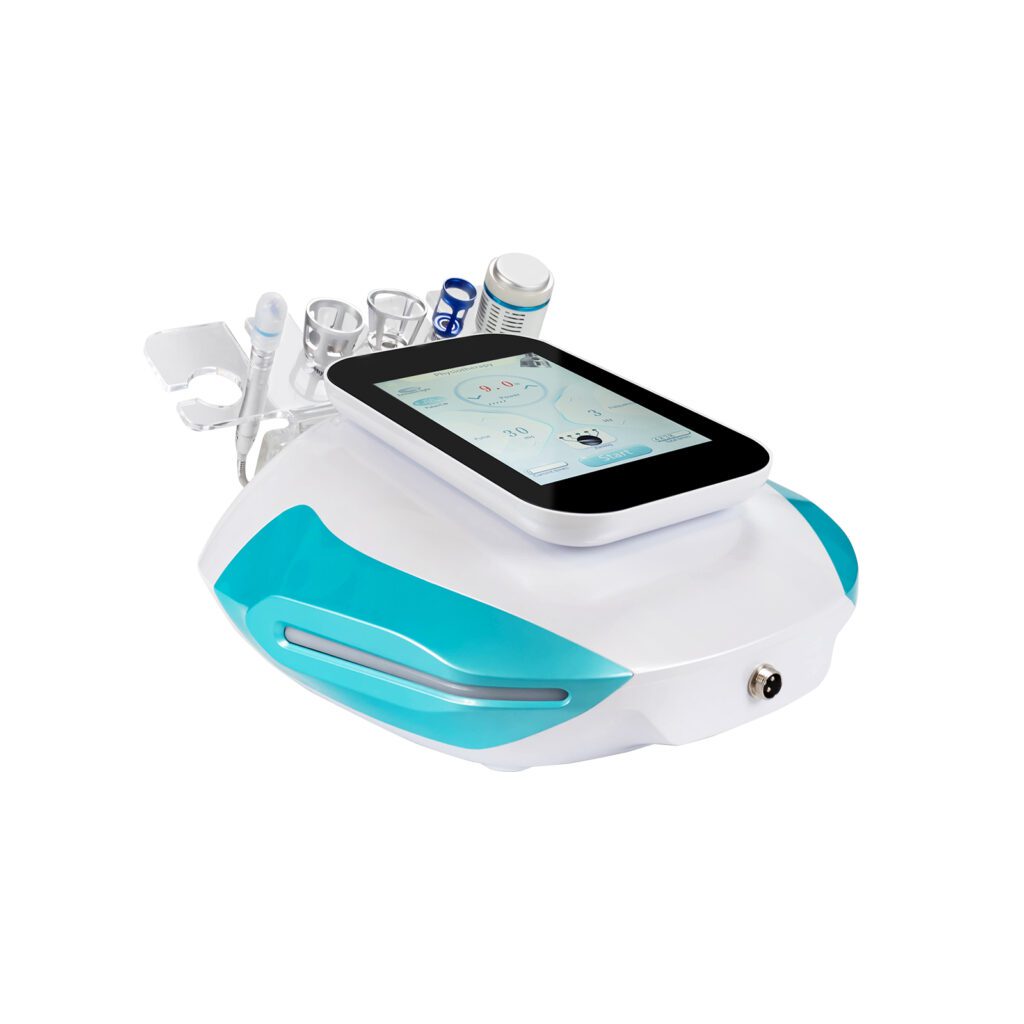
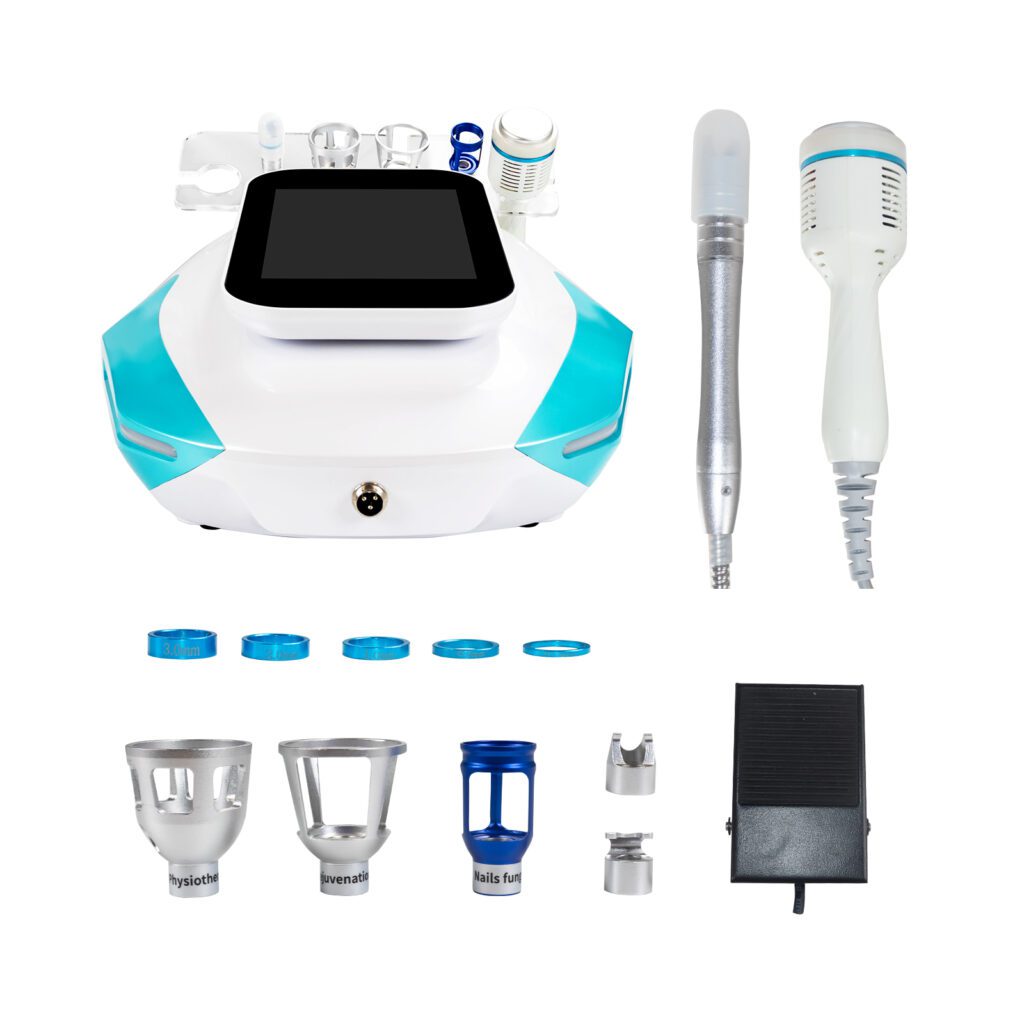
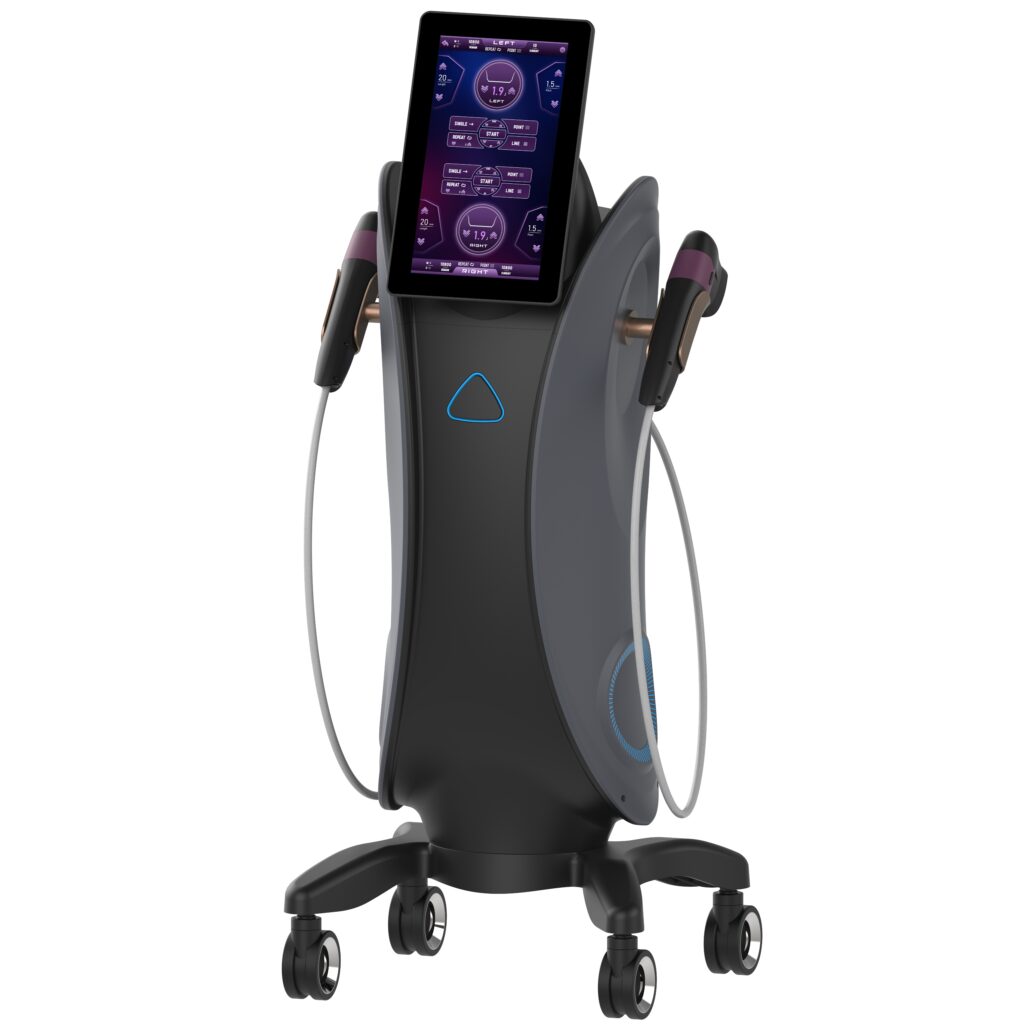
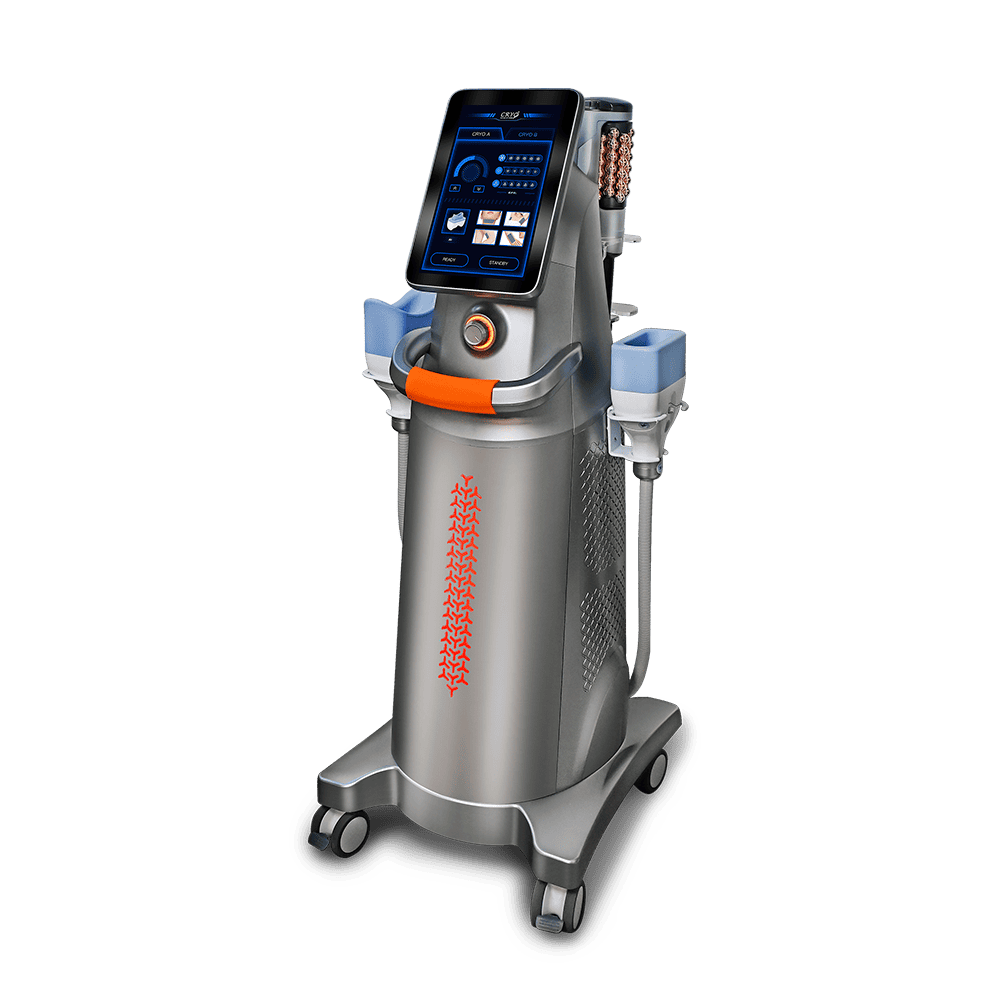
Le S26 Appareil de massage amincissant à rouleaux de cryolipolyse 2 en 1 Endos Velapro Ce concept d'intégration est illustré ici. Dans ce type de dispositifs, la cryolipolyse permet de réduire la graisse tandis que les modules à rouleaux favorisent la circulation sanguine et le soin de la peau, reflétant ainsi la manière dont les fabricants développent des systèmes multifonctionnels plutôt que des appareils autonomes.
4. Normes de fabrication et processus de personnalisation OEM/ODM
4.1 Contrôle de la production et assurance qualité
Un fournisseur fiable de machines de cryolipolyse applique des protocoles de production rigoureux, incluant la sélection des composants, la vérification de l'assemblage et les tests de performance. Chaque unité doit passer plusieurs étapes d'inspection afin de garantir sa stabilité, sa sécurité et sa conformité.
Les principaux points de contrôle de la fabrication comprennent la sécurité électrique, l'efficacité du refroidissement, la stabilité du vide et la durabilité opérationnelle à long terme.
4.2 Capacités de personnalisation pour les marchés mondiaux
Les services OEM/ODM permettent aux acheteurs de personnaliser de multiples aspects de la conception des équipements, tels que :
- Conception extérieure du logement et de la structure
- Paramètres de l'interface et de la langue du logiciel
- Combinaisons fonctionnelles et modes de traitement
- Éléments de marque et identité de marque privée
Cette flexibilité est essentielle pour les entreprises ciblant différents marchés régionaux avec des exigences de positionnement uniques.
4.3 Conformité et normes internationales
Les fournisseurs des usines doivent également se conformer aux certifications internationales telles que les normes CE et ISO. Ces certifications garantissent que les équipements répondent aux exigences de sécurité et peuvent être distribués légalement sur les marchés mondiaux.
5. Demande du marché et valeur stratégique des partenariats entre usines
5.1 Demande croissante de remodelage corporel non invasif
L'essor mondial des traitements esthétiques non invasifs a fait croître la demande en systèmes de cryolipolyse. Les utilisateurs privilégient les méthodes de réduction de la graisse qui évitent la chirurgie et les périodes de convalescence, faisant de la cryolipolyse l'une des technologies les plus répandues du secteur.
5.2 Importance des partenaires de fabrication évolutifs
Collaborer avec un fournisseur industriel stable permet aux entreprises d'accroître efficacement leur production, de garantir la constance de leurs produits et de conquérir de nouveaux marchés. La capacité de production et le soutien technique sont des facteurs clés de la réussite à long terme d'une entreprise.
5.3 Tendance vers des plateformes d'équipements multifonctionnelles
Le secteur évolue vers des plateformes intégrées qui combinent plusieurs méthodes de traitement au sein d'un même système. Cette tendance accroît l'efficacité opérationnelle et élargit l'offre de services sans nécessiter de multiples appareils.
Conclusion
Un fournisseur d'usines de machines de cryolipolyse joue un rôle essentiel dans l'écosystème des équipements esthétiques en fournissant des capacités de fabrication, d'intégration de systèmes et Personnalisation OEM/ODM Il est essentiel de comprendre le fonctionnement de ces fournisseurs pour élaborer des stratégies d'approvisionnement efficaces et développer des gammes de produits compétitives. Face à l'évolution du secteur vers des plateformes multifonctionnelles et des technologies intégrées, la réussite des partenariats repose sur la sélection de fournisseurs capables d'allier fiabilité technique, personnalisation flexible et capacité de production modulable.