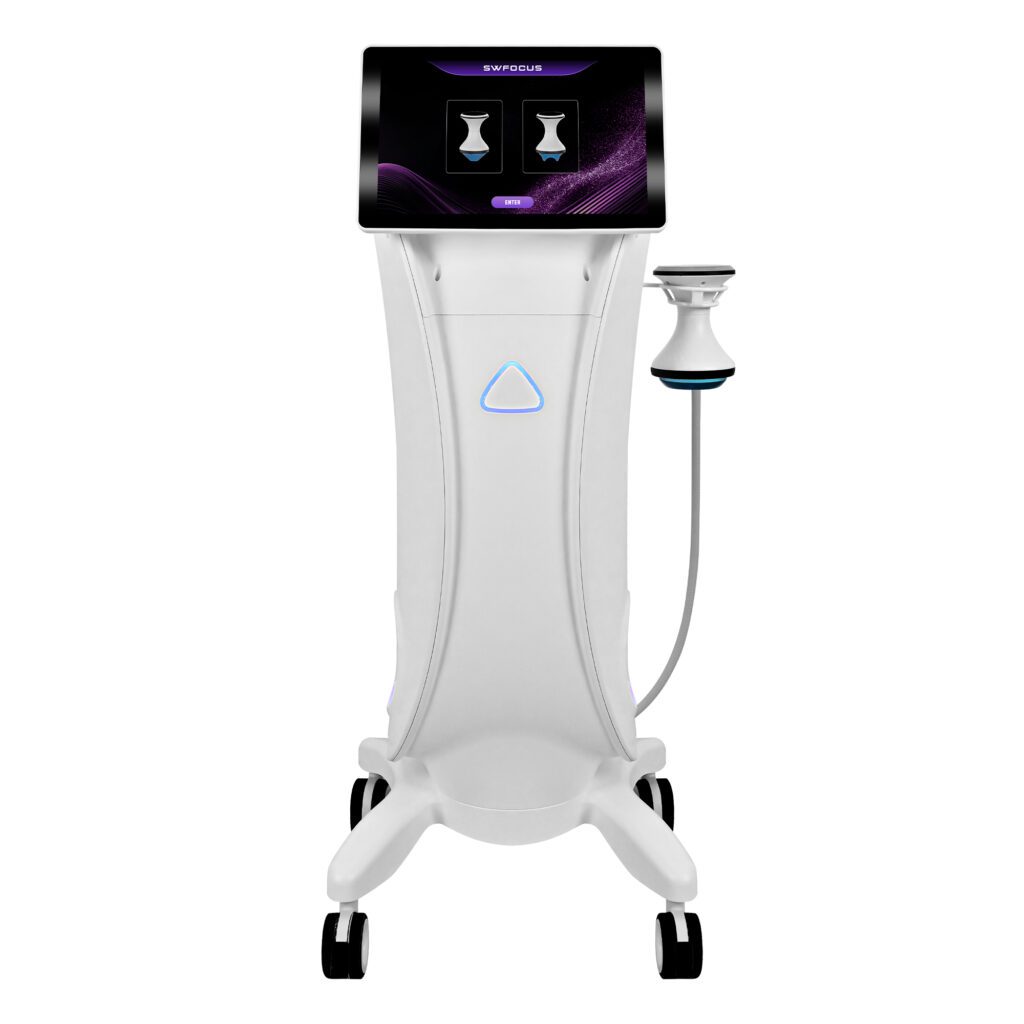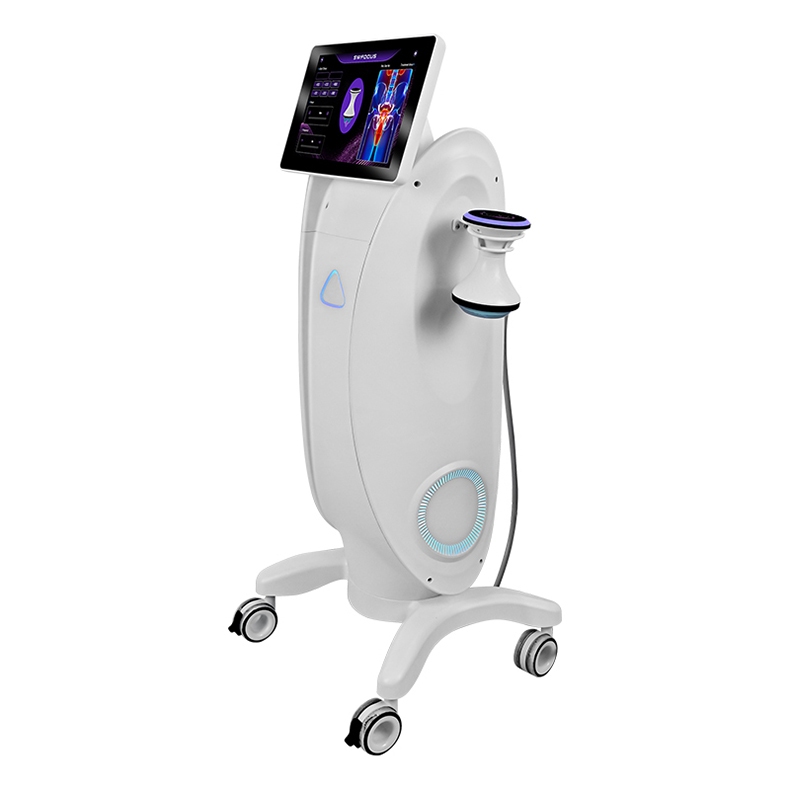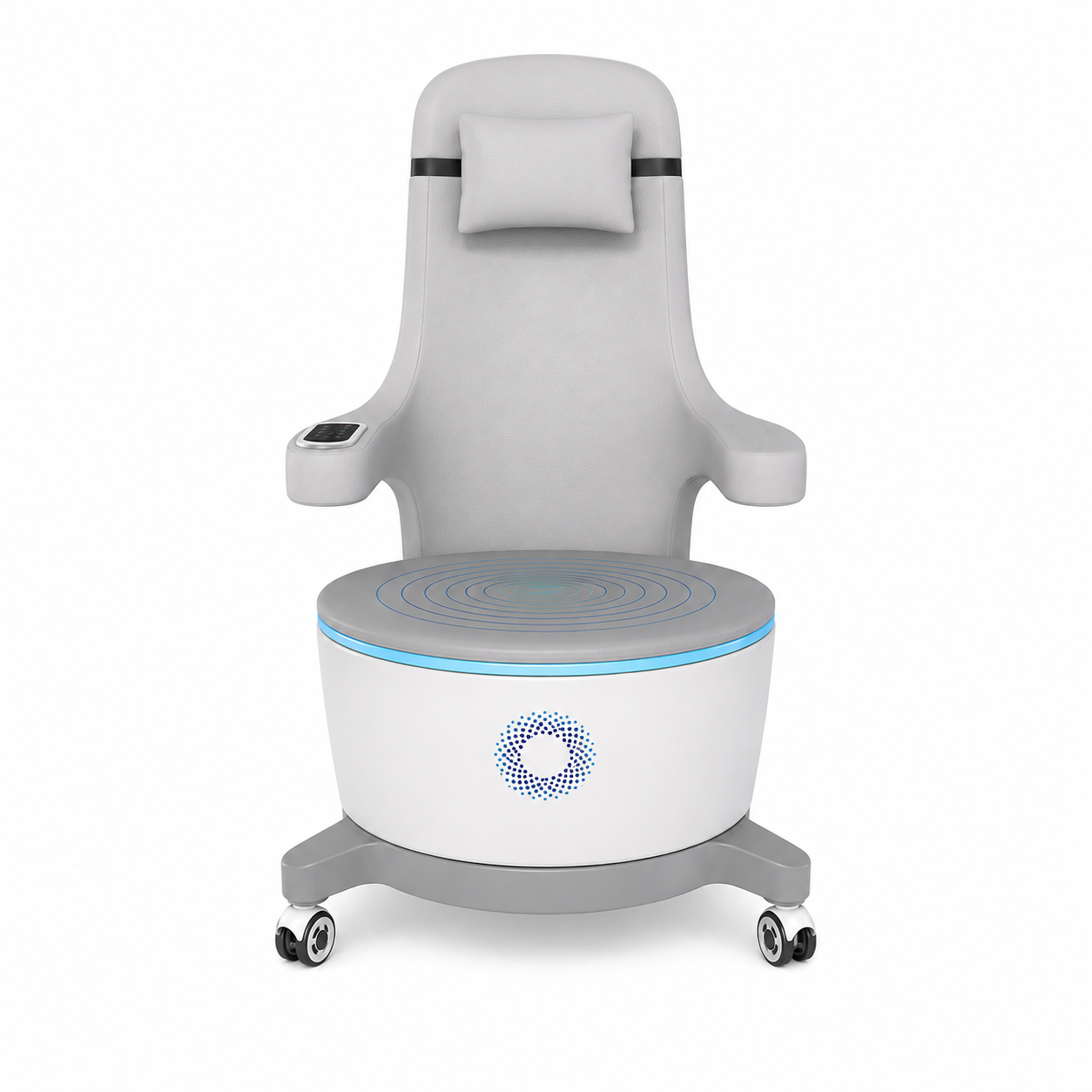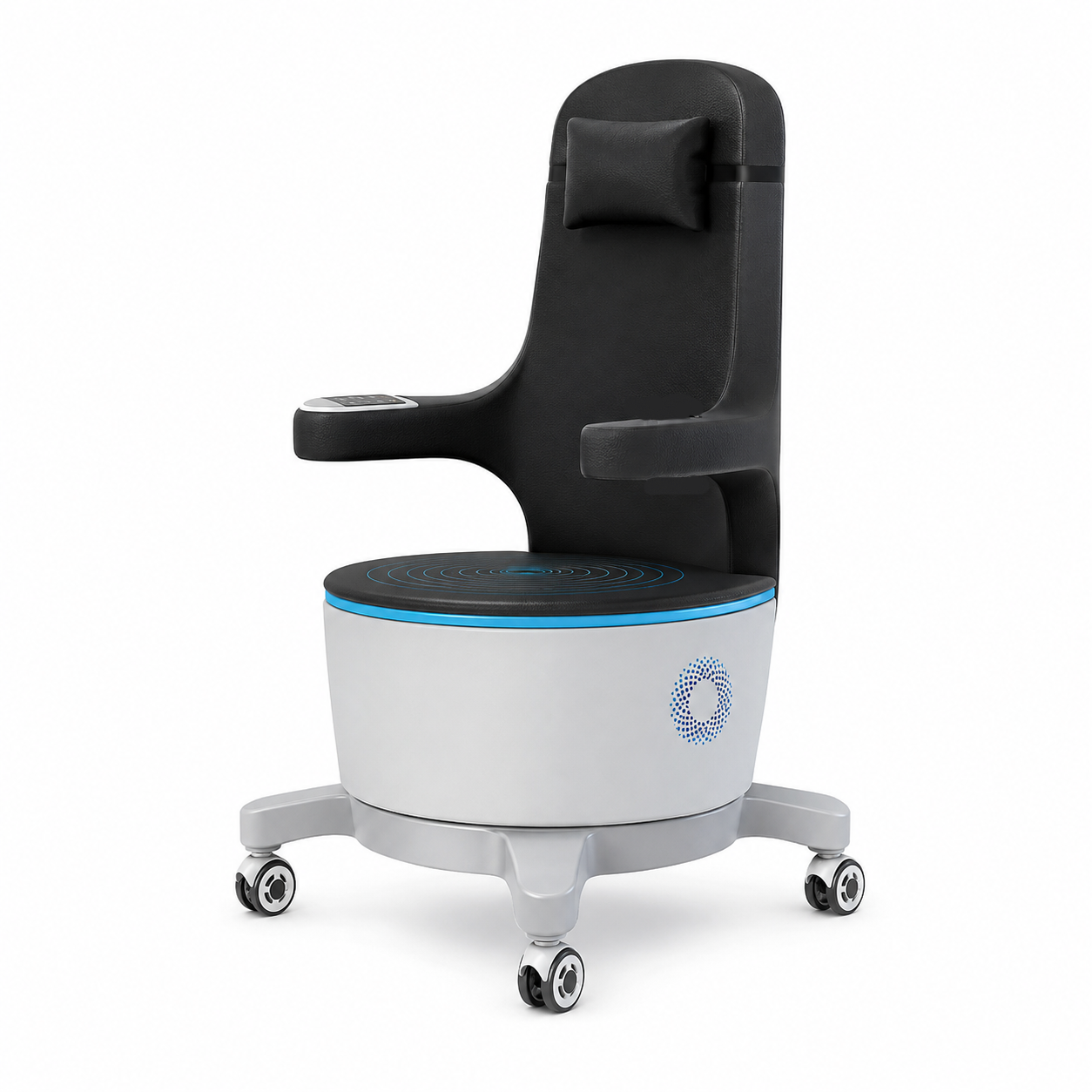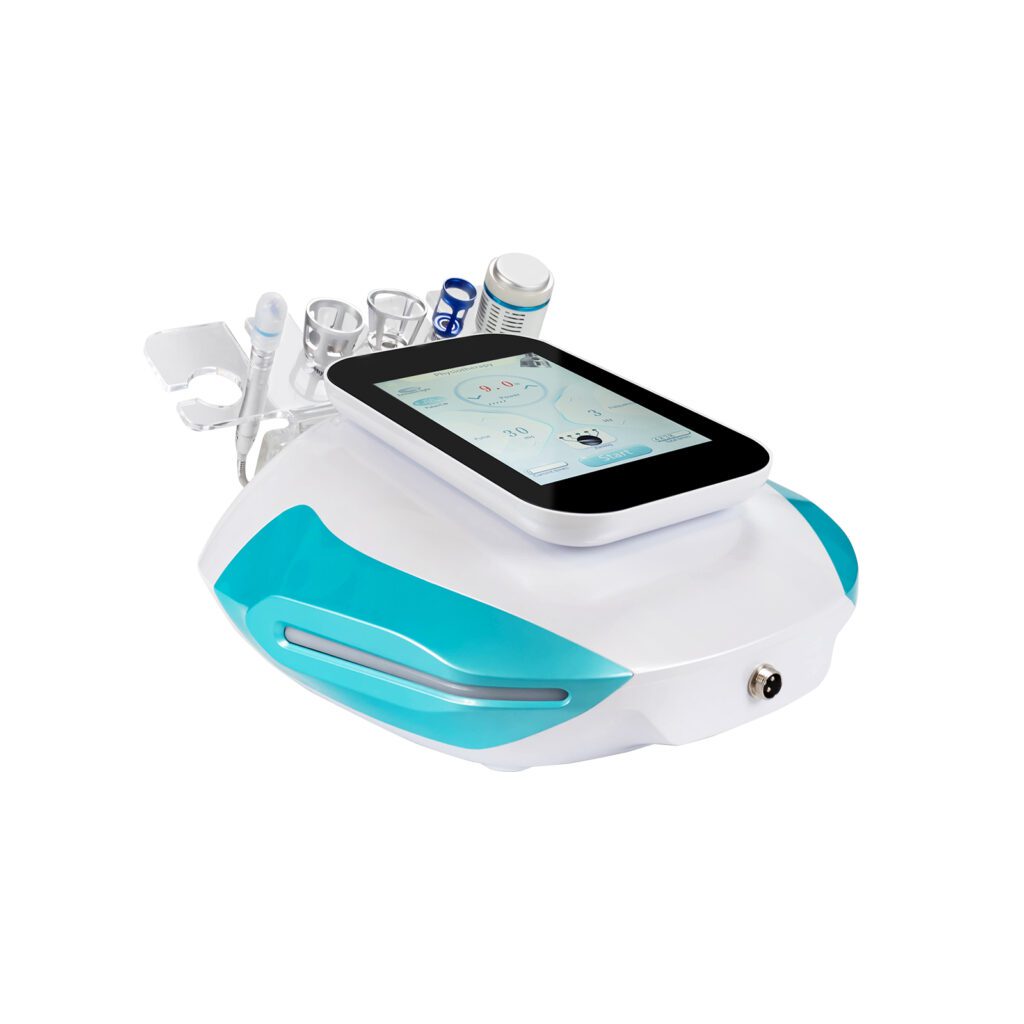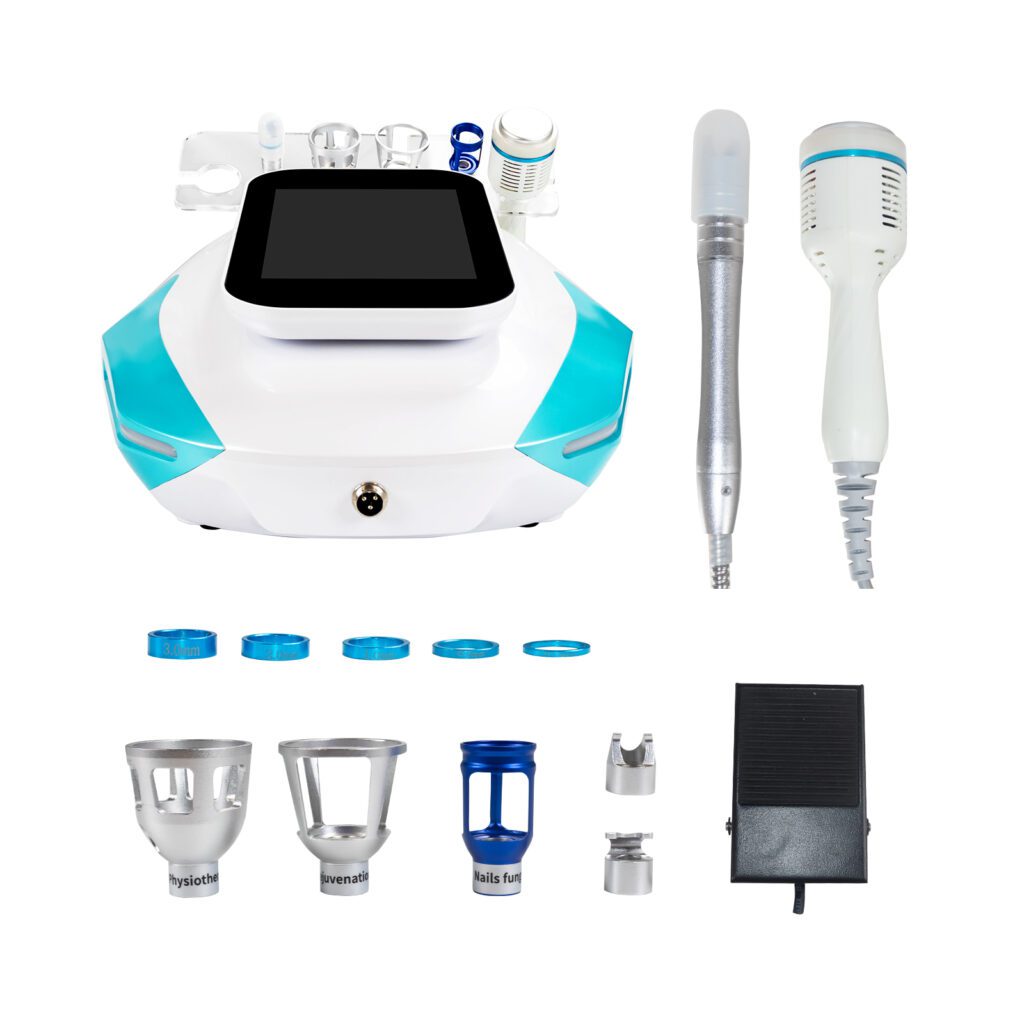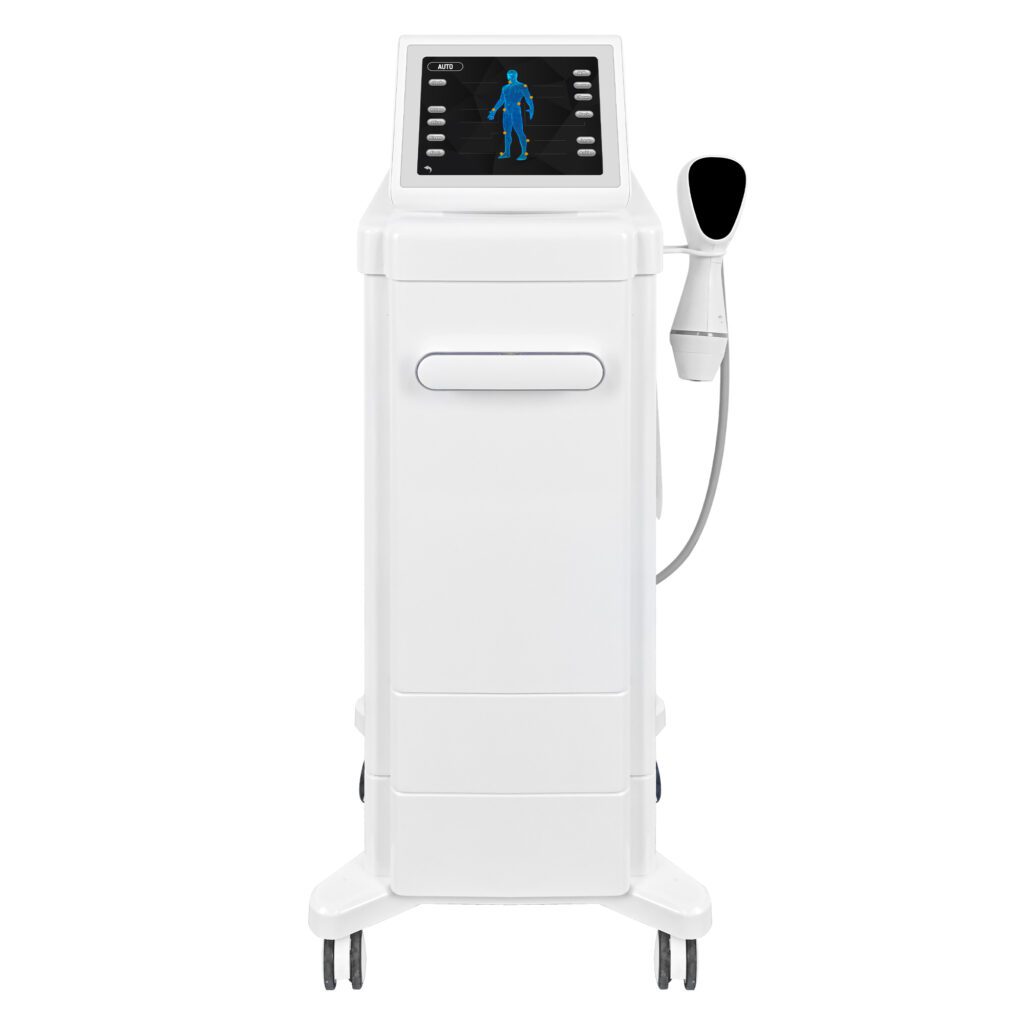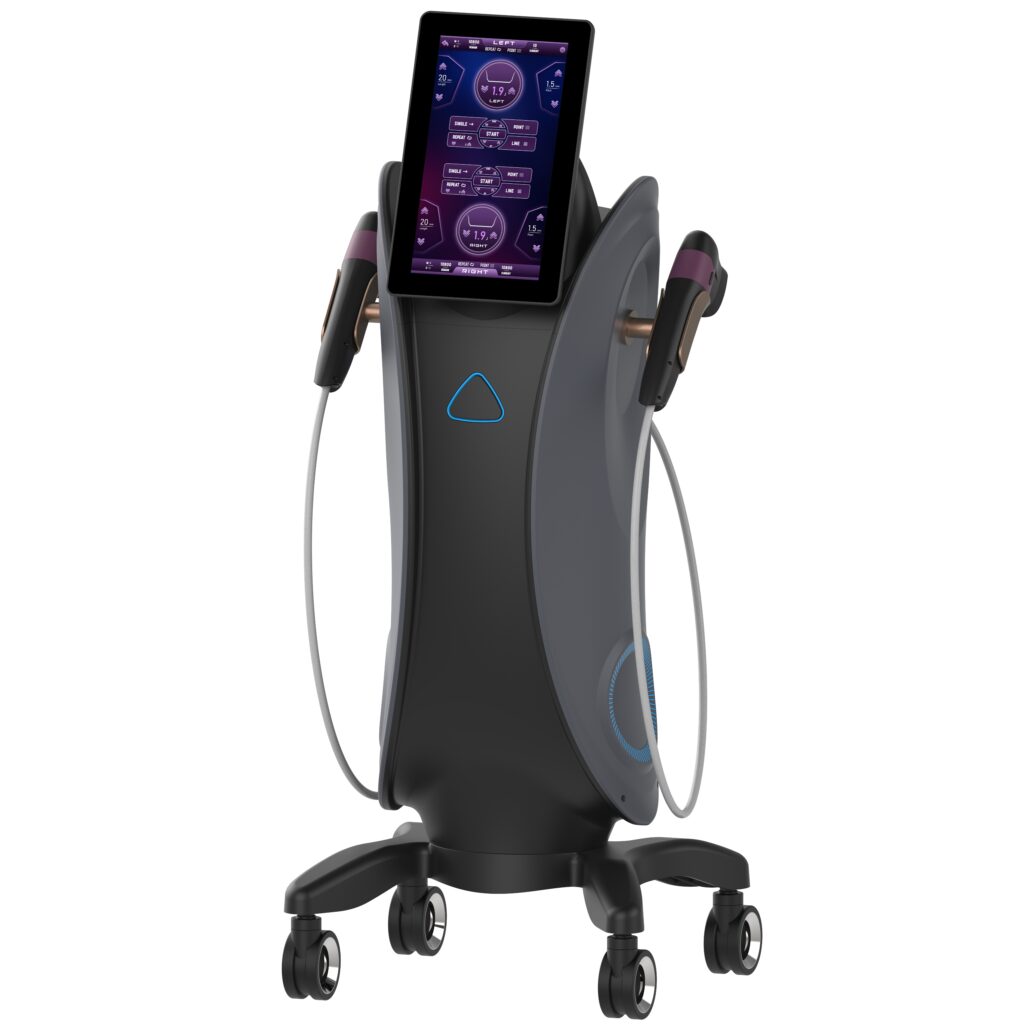









La magnétothérapie, également connue sous le nom de thérapie par champs électromagnétiques pulsés (PEMF), La thérapie par impulsions magnétiques est une méthode de traitement non invasive qui utilise des impulsions magnétiques contrôlées pour soulager la douleur, favoriser la régénération tissulaire et améliorer la circulation sanguine. Elle est largement utilisée dans les cliniques de réadaptation, les programmes de récupération sportive et les centres de bien-être pour les personnes souffrant de douleurs musculaires, de raideurs articulaires ou d'inflammations post-traumatiques. Bien qu'il ne s'agisse pas d'un traitement médical, de nombreux utilisateurs constatent des améliorations notables en termes de confort, de mobilité et de rapidité de récupération lorsqu'elle est pratiquée régulièrement dans le cadre d'un programme de soins plus global.
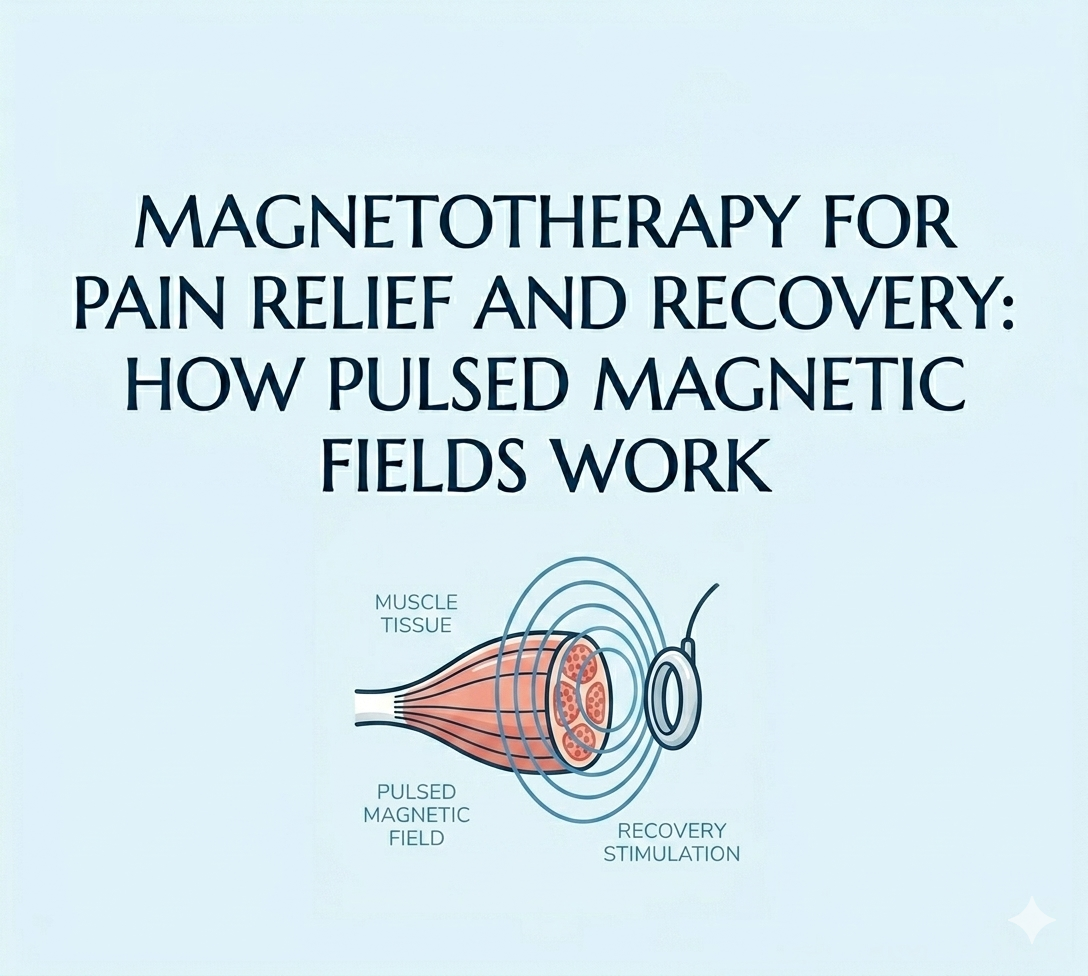
1. Qu'est-ce que la magnétothérapie et comment fonctionne-t-elle ?
La magnétothérapie utilise des champs électromagnétiques pulsés pour stimuler les tissus biologiques au niveau cellulaire. Les appareils génèrent généralement des impulsions magnétiques de basse fréquence qui pénètrent profondément dans les muscles, les articulations et les tissus conjonctifs, sans être invasifs ni douloureux.
1.1 Stimulation de l'énergie cellulaire
Le principe de base de la thérapie PEMF repose sur l'idée que les cellules humaines dépendent d'un équilibre électrique pour fonctionner correctement. Lorsque les tissus sont endommagés ou enflammés, l'activité cellulaire peut être perturbée. On pense que les impulsions magnétiques contribuent à rétablir cet équilibre en influençant la charge électrique des cellules, ce qui peut favoriser l'amélioration du métabolisme cellulaire et de la production d'énergie.
1.2 Pénétration profonde des tissus
Contrairement aux traitements superficiels comme les crèmes ou les compresses chaudes, les champs magnétiques peuvent atteindre les couches profondes des tissus. Cela permet à la thérapie de cibler plus efficacement les muscles, les ligaments et les articulations, la rendant particulièrement pertinente pour les douleurs chroniques et les affections musculo-squelettiques.
2. Soulagement de la douleur et réduction de l'inflammation
L'une des principales raisons pour lesquelles les gens ont recours à la magnétothérapie est de réduire la douleur et l'inflammation. Cet effet est souvent lié à une amélioration de la circulation sanguine et à une diminution de la pression dans les tissus enflammés.
2.1 Mécanismes de modulation de la douleur
La stimulation magnétique peut contribuer au soulagement de la douleur par plusieurs voies :
- Amélioration de la circulation locale dans les zones touchées
- Réduire l'inflammation des tissus mous et des articulations
- Contribue à détendre les muscles tendus ou hyperactifs
- Soutien à la régulation du signal nerveux
Ces effets combinés peuvent réduire l'inconfort causé par une blessure, une surutilisation ou des affections musculo-squelettiques chroniques.
2.2 Réduction de l'œdème et de la pression tissulaire
L'inflammation entraîne souvent une accumulation de liquide dans les tissus, ce qui accroît la pression et la douleur. La magnétothérapie peut contribuer à stimuler la microcirculation et le drainage lymphatique, aidant ainsi l'organisme à réduire naturellement l'œdème et à favoriser une guérison plus harmonieuse.
3. Circulation, oxygénation et soutien à la guérison
Une bonne circulation sanguine est essentielle à la réparation des tissus, car l'oxygène et les nutriments sont indispensables au processus de cicatrisation. La magnétothérapie est souvent présentée comme une méthode permettant d'améliorer la circulation sanguine dans les tissus superficiels et profonds.
3.1 Flux sanguin et microcirculation
Les impulsions magnétiques peuvent favoriser une meilleure microcirculation, contribuant ainsi à une meilleure oxygénation des tissus endommagés. Ceci peut s'avérer particulièrement bénéfique dans les zones où la circulation sanguine est réduite suite à une blessure ou à une raideur.
3.2 Utilisation de l'oxygène et élimination des déchets
Une meilleure circulation sanguine favorise également l'élimination des déchets métaboliques comme l'acide lactique. Cela peut contribuer à réduire la fatigue musculaire et à améliorer la récupération globale après un effort physique ou une blessure.
4. Applications de récupération et de réadaptation musculaire
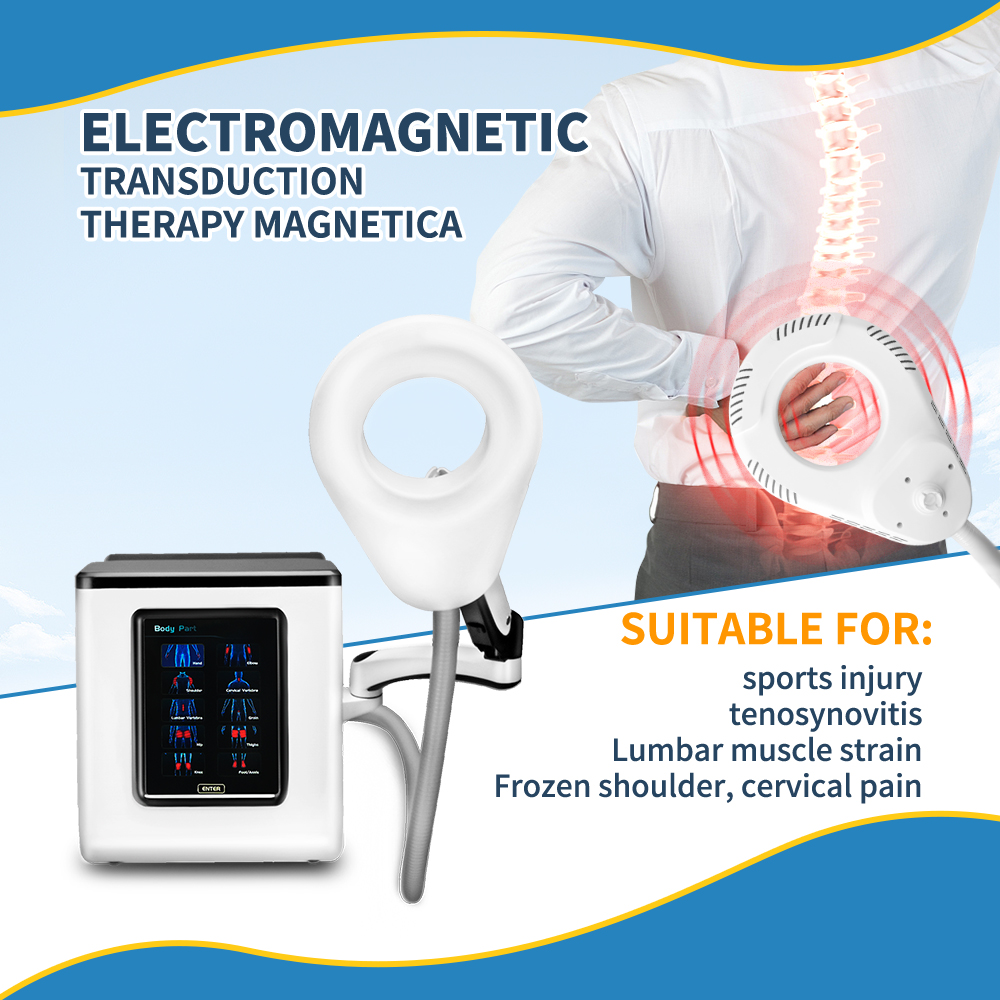
La magnétothérapie est couramment utilisée en rééducation sportive et en réadaptation physique. Elle est souvent intégrée aux protocoles de récupération pour réduire le temps d'arrêt et améliorer la mobilité fonctionnelle.
4.1 Relaxation et récupération musculaire
La stimulation magnétique peut aider :
- Réduire la tension musculaire après l'exercice
- Favoriser une récupération plus rapide des courbatures
- Améliorer la relaxation et la souplesse musculaires
- Réduire la fatigue après l'entraînement
4.2 Mobilité articulaire et soutien fonctionnel
Pour les personnes souffrant de raideurs articulaires ou de mobilité réduite, la magnétothérapie peut contribuer à améliorer l'amplitude des mouvements en réduisant l'inflammation et en favorisant la souplesse des tissus. Elle s'avère ainsi utile en rééducation après des entorses, des foulures ou des blessures de surmenage.
5. Utilisations courantes de la magnétothérapie
La magnétothérapie est utilisée dans diverses affections physiques et applications de bien-être.
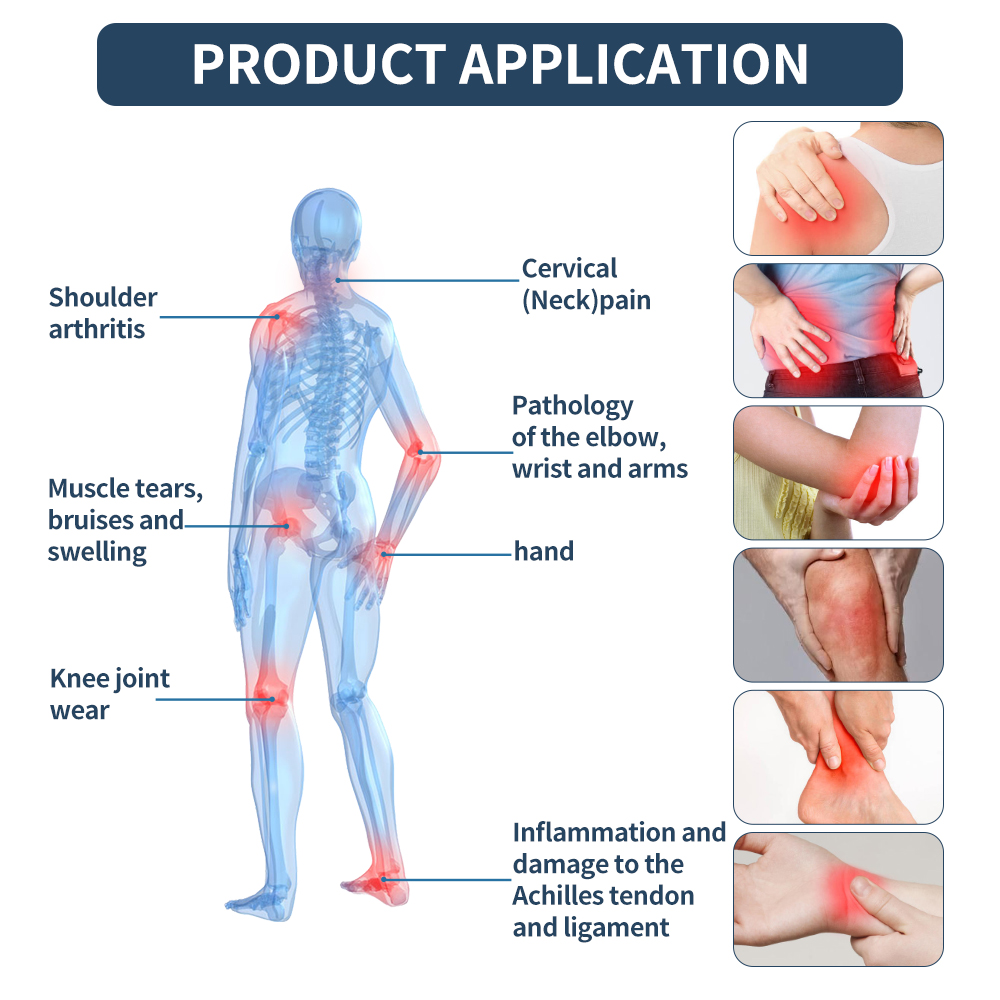
5.1 Affections musculo-squelettiques
- Douleurs dorsales et tensions lombaires
- raideur de la nuque
- Douleurs aux épaules et aux articulations
- Lésions musculaires et blessures de surmenage
5.2 Récupération sportive et de remise en forme
- Douleurs musculaires après l'entraînement
- Blessures liées au sport
- Récupération entre les séances d'entraînement
5.3 Circulation et inconfort chronique
- Mauvaise circulation sanguine locale
- rigidité à long terme
- Récupération lente des tissus
6. La magnétothérapie donne-t-elle de réels résultats ?
L'efficacité de la magnétothérapie varie selon les individus et l'affection traitée. De nombreux utilisateurs constatent une amélioration de la douleur et de la mobilité, mais les résultats sont généralement progressifs plutôt qu'immédiats.
6.1 Avantages déclarés
- Réduction de la douleur et de l'inconfort
- Amélioration de la flexibilité et de la mobilité
- Récupération plus rapide après un stress physique
- Meilleure circulation et réduction de l'enflure
6.2 Limitations importantes
- Ne remplace pas un traitement médical
- Ce n'est pas une solution miracle pour les blessures graves.
- Fonctionne mieux en tant que thérapie de soutien
- Les résultats dépendent de la cohérence et de la réponse individuelle
7. Sécurité, confort et effets secondaires possibles
La magnétothérapie est généralement considérée comme non invasive et bien tolérée. La plupart des utilisateurs ne ressentent aucune douleur pendant le traitement, et les séances sont souvent décrites comme relaxantes.
7.1 Sensations typiques
- une douce sensation de pulsation ou de vibration
- Légère chaleur dans la zone traitée
- Relaxation musculaire pendant ou après l'utilisation
7.2 Effets secondaires possibles
Les effets secondaires sont rares mais peuvent inclure :
- fatigue temporaire
- Légers maux de tête chez les utilisateurs sensibles
- Léger inconfort si l'intensité est trop élevée.
Les personnes porteuses d'un stimulateur cardiaque, d'un dispositif électronique implanté ou souffrant de certaines affections médicales doivent éviter la magnétothérapie, sauf autorisation d'un professionnel de la santé.
Conclusion
Magnétothérapie La thérapie par champs électromagnétiques pulsés (PEMF) utilise des champs électromagnétiques pulsés pour soulager la douleur, améliorer la circulation sanguine et favoriser la régénération tissulaire. Bien qu'elle ne constitue pas un traitement médical à part entière, elle peut apporter un soutien précieux aux personnes souffrant de douleurs musculaires, de raideurs articulaires ou de blessures sportives. Utilisée régulièrement et associée à une rééducation adaptée et à de saines habitudes de vie, elle représente une option non invasive efficace pour optimiser la récupération, améliorer le confort et favoriser la santé musculo-squelettique globale.