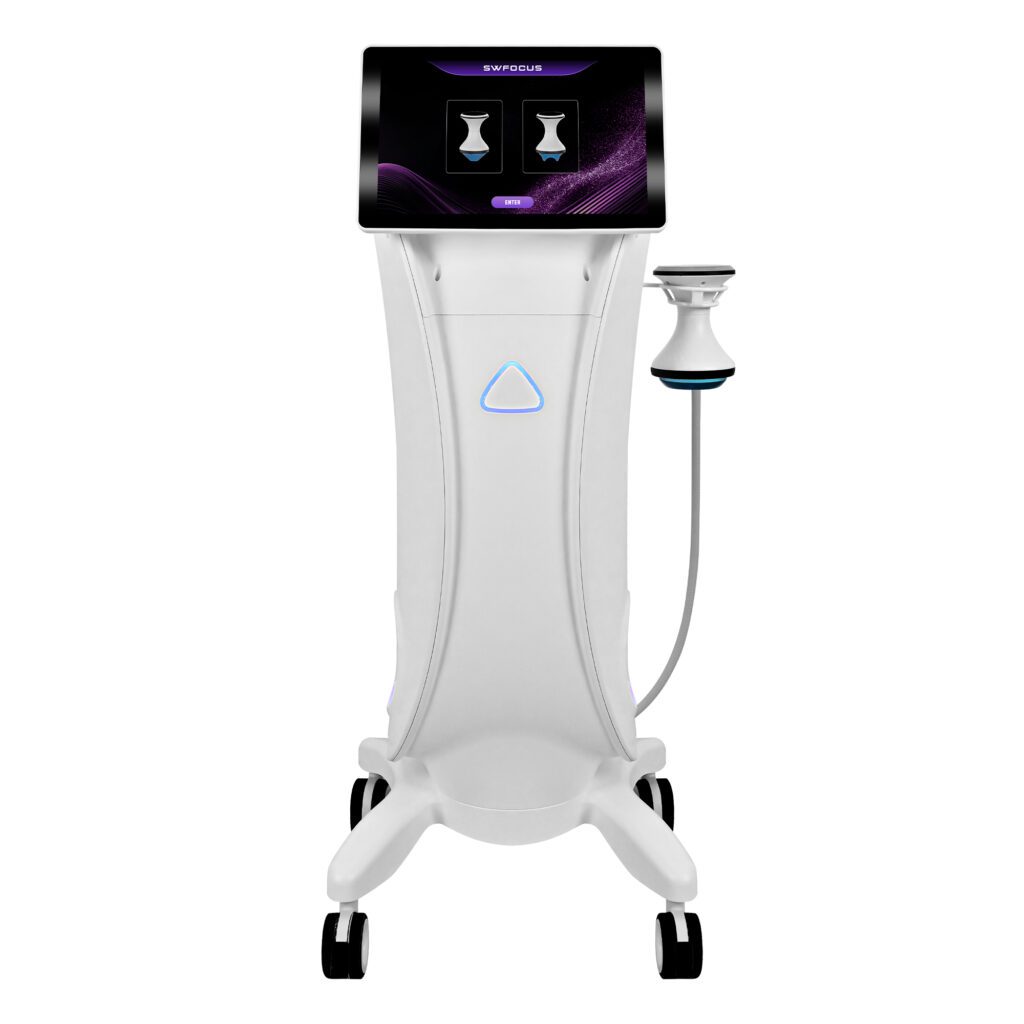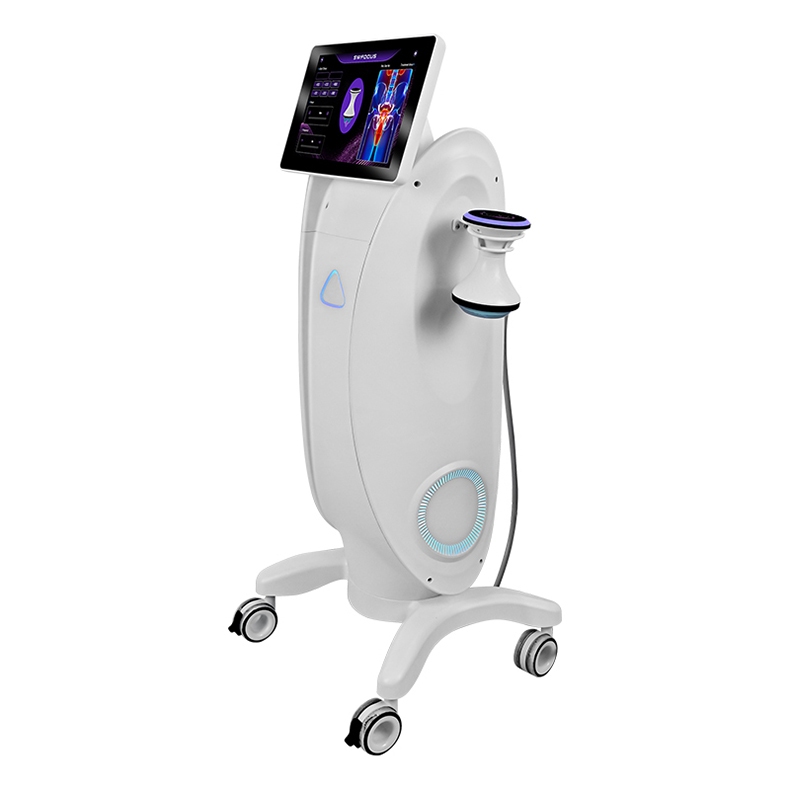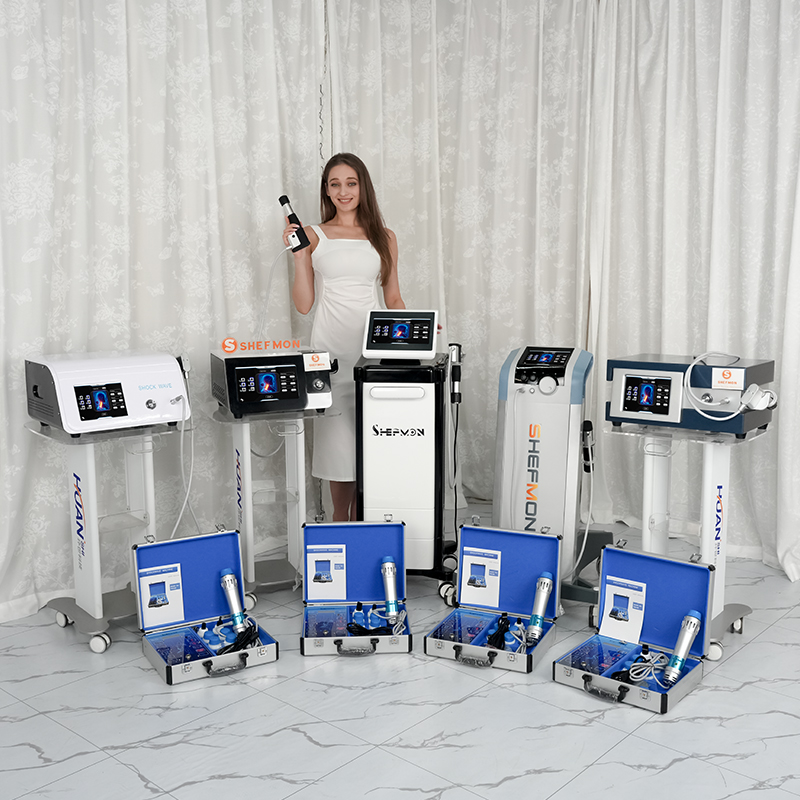
Qu'est-ce que la physiothérapie par ondes de choc ?
Définition et contexte médical
La physiothérapie par ondes de choc, également connue sous le nom de Thérapie par ondes de choc extracorporelles (ESWT)L'électrocoagulation est une méthode de traitement moderne et non invasive qui utilise des ondes acoustiques de haute énergie pour stimuler la guérison des tissus lésés ou douloureux. Initialement développée au début des années 1980 pour la fragmentation des calculs rénaux, cette technologie est depuis devenue un outil précieux en orthopédie et en médecine de réadaptation.
Aujourd'hui, l'ESWT est largement utilisée dans les cliniques, les centres de réadaptation sportive et les cabinets de physiothérapie car elle offre une combinaison unique de soulagement de la douleur, régénération des tissus et amélioration de la mobilité—sans avoir besoin de chirurgie ni de médicaments.
Ce qui distingue la thérapie par ondes de choc, c'est sa capacité à cibler les couches profondes des tissus, souvent inaccessibles aux thérapies traditionnelles. Imaginez-la comme l'envoi de « micro-séismes » contrôlés dans les tissus endommagés : ces ondes stimulent les processus de réparation au niveau cellulaire, un effet que ni le massage ni les ultrasons ne peuvent égaler.
Évolution de la technologie ESWT
Au cours des dernières décennies, la thérapie par ondes de choc a connu des progrès technologiques rapides. Initialement réservée aux appareils hospitaliers encombrants, elle se décline aujourd'hui en systèmes compacts, précis et personnalisables pour différentes applications cliniques.
Les recherches ont étendu son utilisation au-delà de l'urologie à des domaines tels que :
- Lésions tendineuses
- affections douloureuses chroniques
- Rééducation sportive
- Troubles orthopédiques
Cette évolution a transformé l'ESWT en l'une des technologies de physiothérapie les plus demandées au monde, d'autant plus que les patients recherchent de plus en plus des alternatives non invasives à la chirurgie.
Comment fonctionne la thérapie par ondes de choc
Principes scientifiques à l'origine des ondes de choc
Les ondes de choc sont des ondes sonores de haute énergie caractérisées par une augmentation rapide de la pression suivie d'une phase négative. Ces ondes se propagent dans les tissus et délivrent une énergie mécanique directement aux zones ciblées.
Contrairement aux ultrasons classiques, les ondes de choc ont pression de pointe jusqu'à 1000 fois supérieurece qui les rend beaucoup plus efficaces pour stimuler la réparation des tissus profonds.
Lorsque ces ondes atteignent la zone touchée, elles créent :
- contrainte mécanique
- Microtraumatismes (contrôlés et bénéfiques)
- Cavitation (formation et implosion de bulles)
Ce processus déclenche la réponse de guérison naturelle du corps.
Effets biologiques sur les tissus humains
C’est là que ça devient intéressant. La thérapie par ondes de choc ne se contente pas de masquer la douleur ; elle la combat réellement. corrige le problème sous-jacent.
Des études scientifiques montrent que l'ESWT peut :
- Stimuler la formation de nouveaux vaisseaux sanguins (néovascularisation)
- Augmenter la production de collagène
- Favoriser la régénération cellulaire
- Décomposer les dépôts calcifiés
Considérez cela comme une remise à zéro du système de réparation de votre corps, notamment dans les zones où la guérison est au point mort en raison d'une inflammation chronique ou d'une surutilisation.
Types d'appareils de thérapie par ondes de choc
Technologie des ondes de choc focalisées
La thérapie par ondes de choc focalisées délivre de l'énergie à une profondeur précise dans le corps. Elle est couramment utilisée pour traiter des affections plus profondes telles que :
- Douleur à la hanche
- Lésions des tendons profonds
- Problèmes d'épaule calcifiés
Cette méthode permet aux cliniciens de cibler des tissus spécifiques sans affecter les zones environnantes.
Technologie des ondes de choc radiales
La thérapie par ondes de choc radiales diffuse l'énergie vers l'extérieur, ce qui la rend idéale pour :
- Conditions de surface
- raideur musculaire
- vastes domaines de traitement
La plupart des cliniques modernes utilisent une combinaison des deux technologies pour optimiser l'efficacité des traitements.
Principaux avantages de la physiothérapie par ondes de choc
Mécanismes de réduction de la douleur
L'une des principales raisons pour lesquelles les patients choisissent la thérapie par ondes de choc est soulagement rapide et efficace de la douleurDes études cliniques montrent une réduction significative de la douleur quelques semaines après le traitement.
Les ondes de choc fonctionnent grâce à :
- Interrompre les signaux de douleur
- Réduire l'inflammation
- Stimuler la libération d'endorphines
Les patients décrivent souvent cet effet comme « enfin un soulagement après des mois, voire des années, de souffrance ».
Régénération et cicatrisation des tissus
Au-delà du soulagement de la douleur, l'ESWT accélère la guérison en activant les mécanismes de réparation du corps. Ceci est particulièrement utile pour les affections chroniques où la guérison est ralentie.
Dans des affections comme la fasciite plantaire ou les lésions tendineuses, des études ont montré Améliorations modérées à importantes de la fonction et de la douleur au fil du temps.
Ce double avantage – soulagement de la douleur et guérison – est ce qui rend la thérapie par ondes de choc si puissante.
Applications cliniques et domaines de traitement
Troubles musculo-squelettiques
La thérapie par ondes de choc est couramment utilisée pour traiter :
- Fasciite plantaire
- coude du tennis
- tendinite de l'épaule
- Douleur au genou
- tendinopathie d'Achille
Ces pathologies résistent souvent aux traitements traditionnels, faisant des ondes de choc extracorporelles une alternative privilégiée.
Blessures sportives et réadaptation
Les athlètes adorent la thérapie par ondes de choc — et pour cause.
Cela aide :
- Accélérer la récupération
- Réduisez les temps d'arrêt
- Améliorer les performances
Des athlètes professionnels aux coureurs du week-end, l'ESWT devient une méthode de plus en plus populaire. solution incontournable pour la gestion des blessures.
Thérapie par ondes de choc versus traitements traditionnels
Tableau comparatif des méthodes de traitement
| Méthode de traitement | Caractère invasif | Temps de récupération | Efficacité | Niveau de risque |
|---|---|---|---|---|
| Thérapie par ondes de choc | Non invasif | Minimal | Haut | Faible |
| Chirurgie | Très invasif | Long | Haut | Haut |
| Médicament | Non invasif | soulagement à court terme | Modéré | Moyen |
| Physiothérapie | Non invasif | Modéré | Modéré | Faible |
Pourquoi les cliniques privilégient les ondes de choc extracorporelles (ESWT)
Les cliniques privilégient de plus en plus la thérapie par ondes de choc car elle offre :
- Des résultats plus rapides
- Satisfaction accrue des patients
- Risque moindre comparé à la chirurgie
C'est une situation gagnant-gagnant pour les praticiens et les patients.
Explication du déroulement du traitement
Que se passe-t-il pendant une séance ?
Une séance type dure environ 15 à 30 minutes. Pendant le traitement :
- Un gel est appliqué sur la peau
- L'appareil délivre des ondes de choc contrôlées.
- Le praticien adapte l'intensité en fonction du confort du patient.
La plupart des patients décrivent cette sensation comme légèrement désagréable mais supportable.
Combien de séances sont nécessaires ?
Les plans de traitement varient, mais la plupart des patients nécessitent :
- 3 à 6 séances
- Intervalles hebdomadaires
Les améliorations sont souvent perceptibles après seulement quelques traitements.
Sécurité, risques et effets secondaires
Qui devrait éviter le traitement
Bien que la thérapie par ondes de choc soit généralement sans danger, elle ne convient pas à tout le monde.
Évitez les ondes de choc extracorporelles si vous présentez les symptômes suivants :
- Grossesse
- Troubles de la coagulation sanguine
- Infections actives
- Tumeurs dans la zone de traitement
Les effets secondaires courants comprennent une légère douleur, des rougeurs ou des ecchymoses, qui disparaissent généralement en quelques jours.
Choisir la bonne machine à ondes de choc
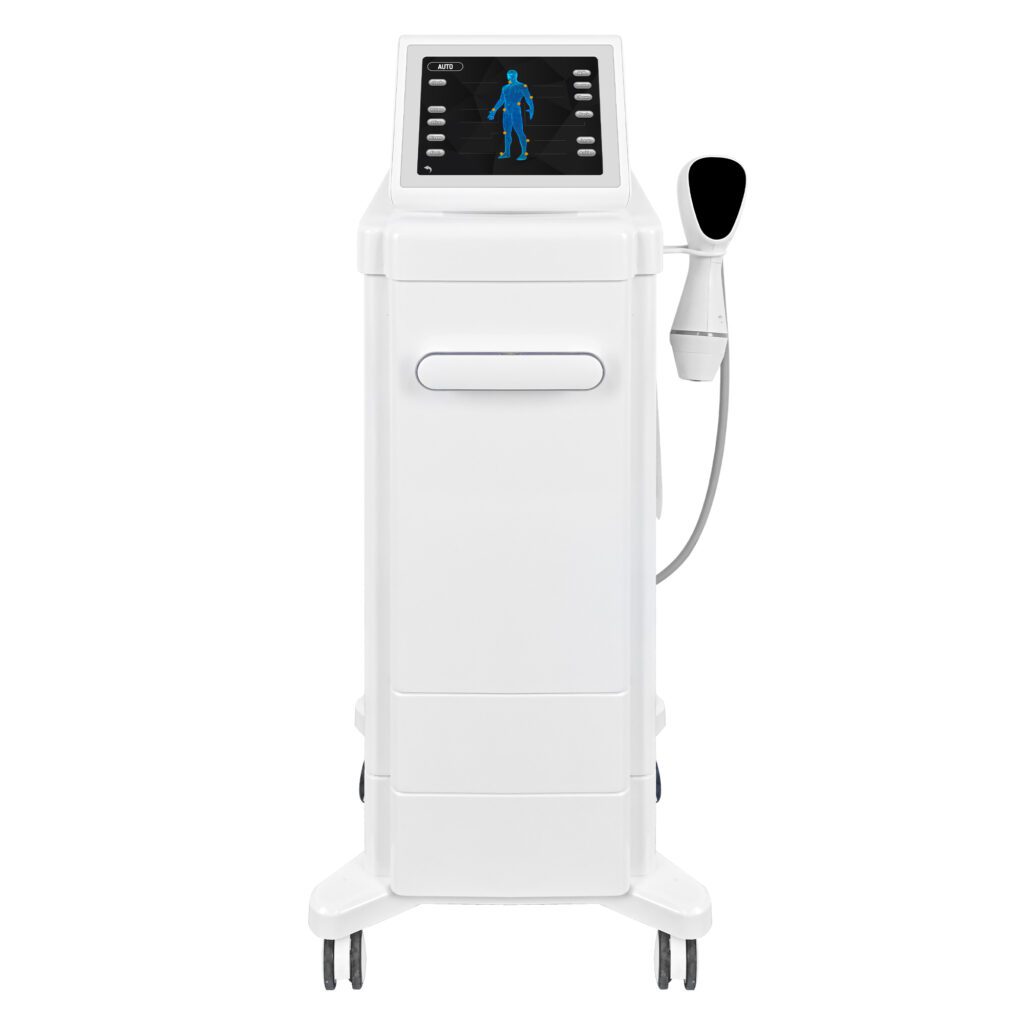
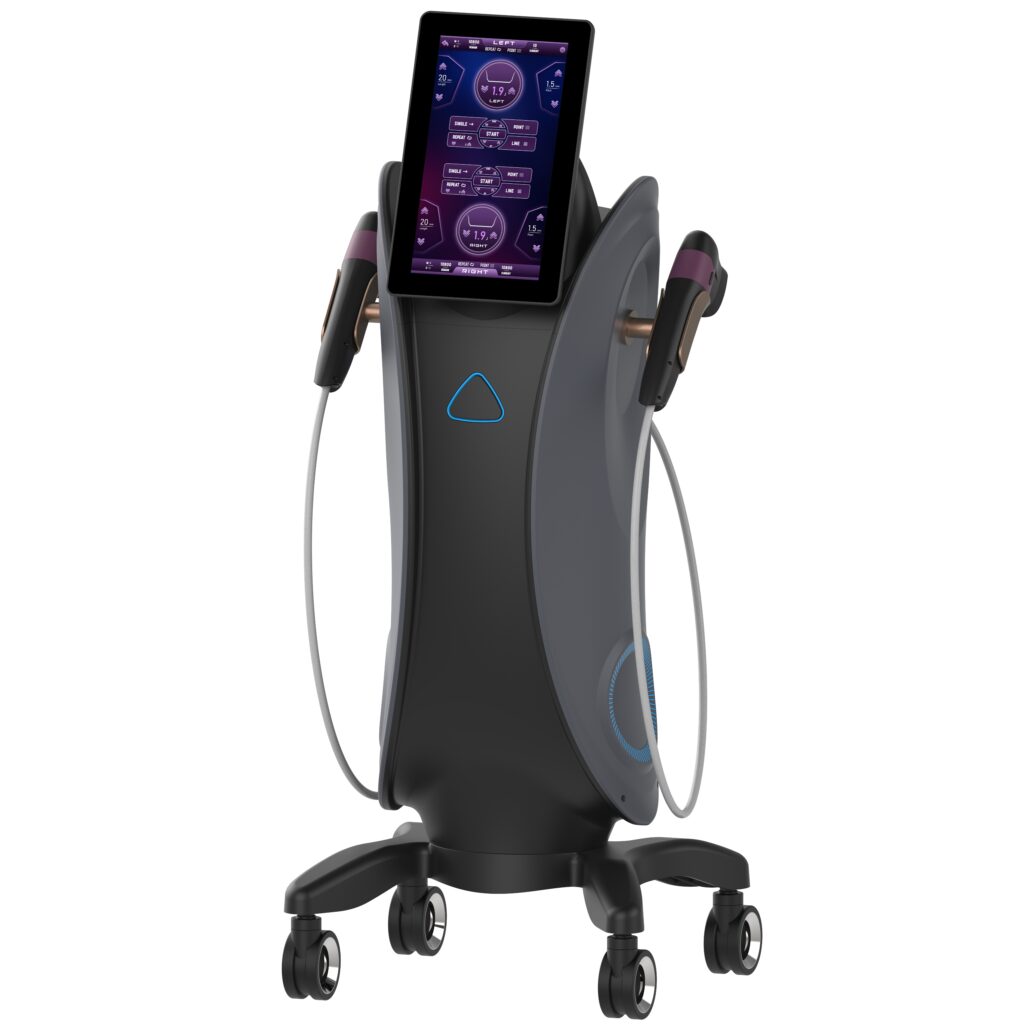
Caractéristiques à rechercher dans les appareils professionnels
Lors du choix d'un appareil à ondes de choc, tenez compte des éléments suivants :
- Niveaux d'énergie et adaptabilité
- Types d'applicateurs
- interface utilisateur
- Durabilité et conception
Les machines de haute qualité offrent de meilleurs résultats et une fiabilité à long terme.
Pourquoi investir dans un équipement à ondes de choc (pour les cliniques et les distributeurs)
Retour sur investissement et demande du marché
La demande de traitements non invasifs explose, et la thérapie par ondes de choc se situe au cœur de cette tendance.
Les cliniques qui investissent dans l'ESWT bénéficient de :
- marges de traitement élevées
- Visites répétées des patients
- Demande mondiale croissante
Pour les distributeurs et les partenaires OEM/ODM comme BEAUTÉ DE SHEFMONCela représente une formidable opportunité de croissance sur le marché en plein essor de l'esthétique médicale et de la réadaptation.
Conclusion
physiothérapie par ondes de choc est plus qu'un simple traitement, c'est un une technologie révolutionnaire Elle redéfinit notre approche de la gestion de la douleur et de la réadaptation. En combinant science, innovation et efficacité concrète, elle offre une alternative performante aux interventions invasives et à la prise de médicaments au long cours.
Alors que la demande des patients continue d'évoluer vers des solutions sûres, non invasives et efficacesLa thérapie par ondes de choc est appelée à devenir une pierre angulaire des cliniques de physiothérapie modernes du monde entier.
FAQ
1. La thérapie par ondes de choc est-elle douloureuse ?
Il peut provoquer un léger inconfort pendant le traitement, mais la plupart des patients le tolèrent bien et trouvent que les résultats en valent la peine.
2. En combien de temps la thérapie par ondes de choc agit-elle ?
De nombreux patients constatent une amélioration après 1 à 3 séances, avec des progrès continus pendant plusieurs semaines.
3. La thérapie par ondes de choc est-elle approuvée par la FDA ?
Oui, la thérapie par ondes de choc est approuvée par la FDA pour plusieurs affections médicales, notamment les troubles musculo-squelettiques.
4. La thérapie par ondes de choc peut-elle remplacer la chirurgie ?
Dans de nombreux cas, oui. Elle est souvent utilisée comme alternative non invasive avant d'envisager des options chirurgicales.
5. Combien de temps durent les résultats ?
Les résultats peuvent être durables, surtout lorsqu'ils sont associés à une réadaptation appropriée et à des changements de mode de vie.