









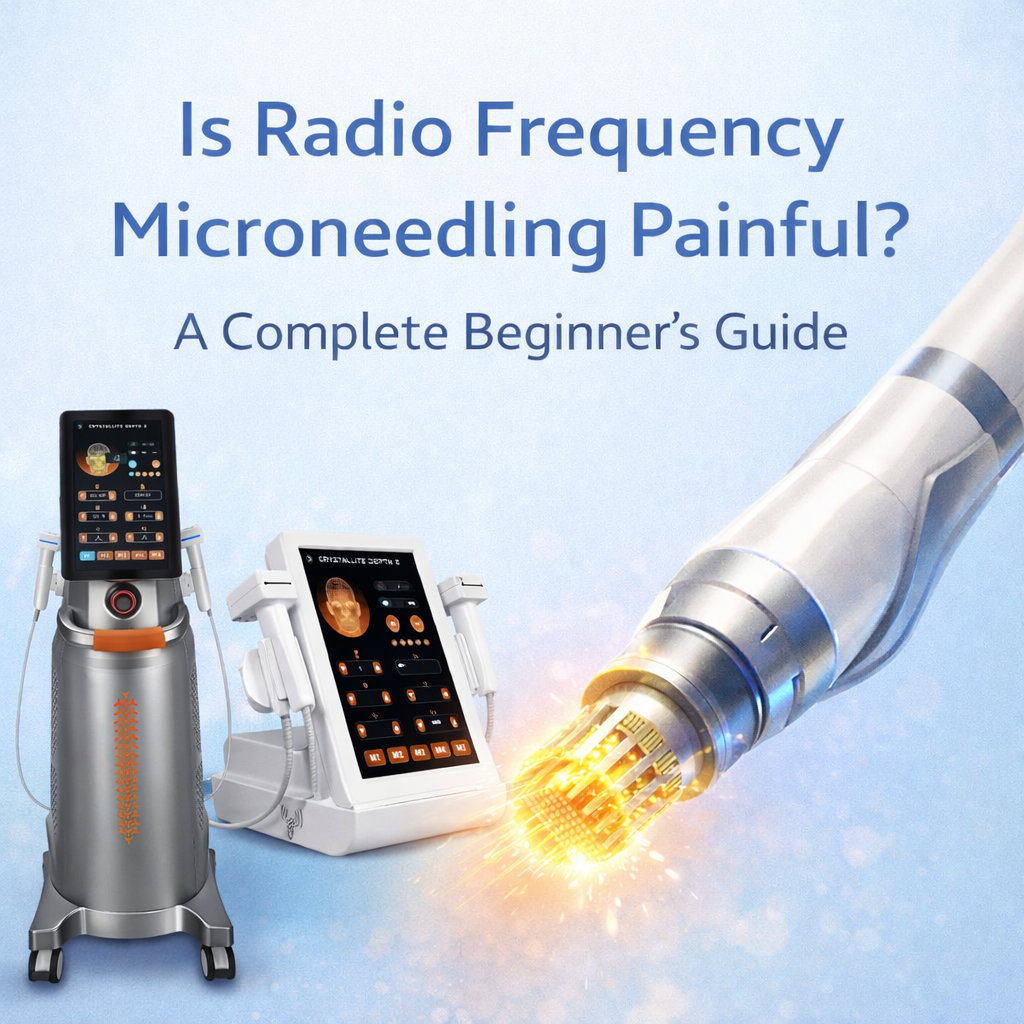
micro-aiguilletage par radiofréquence (RF) est devenu l'un des traitements de rajeunissement cutané non chirurgicaux les plus populaires dans les cliniques esthétiques. Combinant le microneedling traditionnel à l'énergie de la radiofréquence, cette technologie stimule la production de collagène, raffermit la peau et améliore son grain. Cependant, de nombreuses personnes qui souhaitent essayer ce traitement se posent une question importante : Le microneedling par radiofréquence est-il douloureux ? Dans ce guide, nous expliquerons le fonctionnement du microneedling par radiofréquence, les sensations ressenties pendant le traitement et comment les cliniques minimisent l'inconfort, afin que les débutants puissent comprendre à quoi s'attendre.
1. Comprendre le microneedling par radiofréquence
1.1 Qu'est-ce que le microneedling RF ?
Le microneedling par radiofréquence est un traitement cosmétique qui utilise des aiguilles ultrafines pour créer des micro-lésions contrôlées dans la peau tout en délivrant de la chaleur par radiofréquence dans les couches profondes du dermeCette double action stimule la production de collagène et d'élastine, ce qui contribue à atténuer les rides, les cicatrices d'acné, le relâchement cutané et le grain de peau irrégulier.
De minuscules aiguilles créent des microcanaux dans la peau, tandis que l'énergie de radiofréquence chauffe les tissus sous-jacents. Ce procédé active le processus naturel de guérison du corps et favorise la régénération cutanée à long terme.
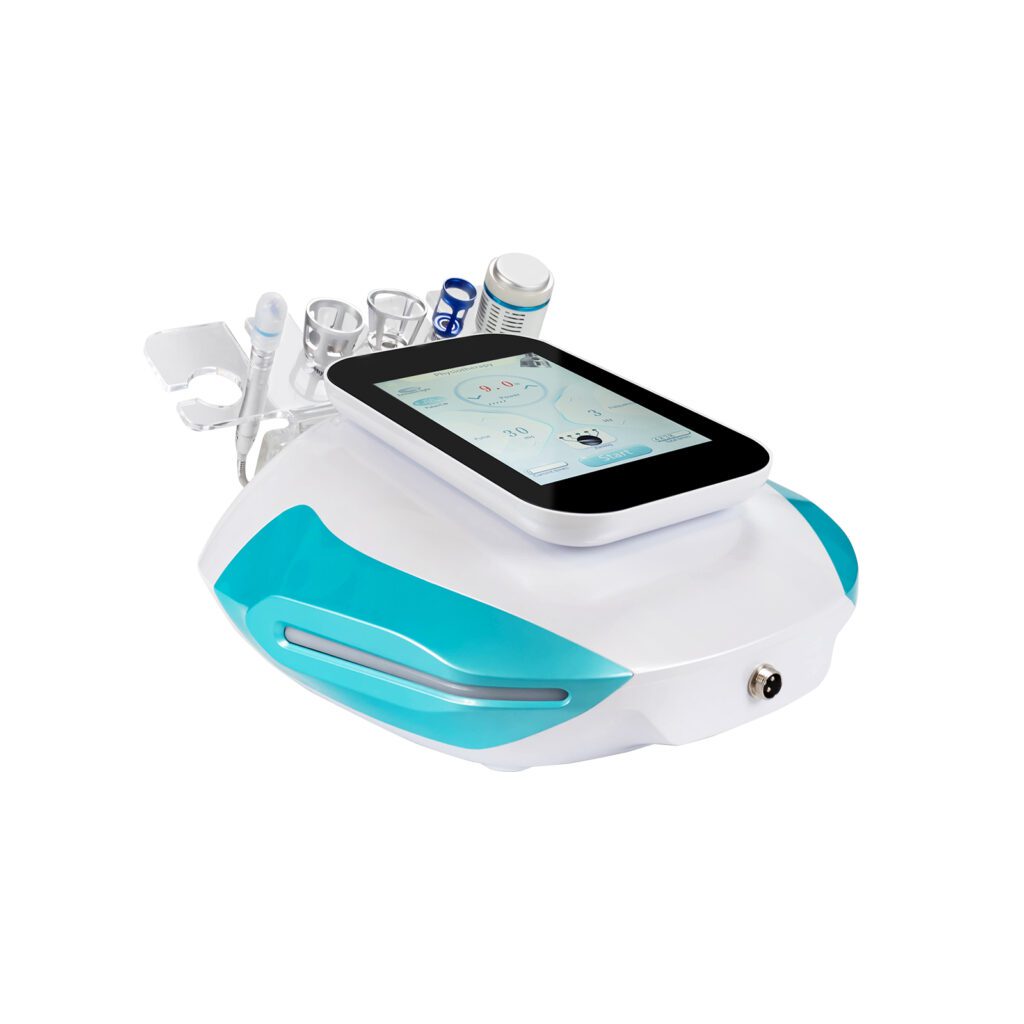
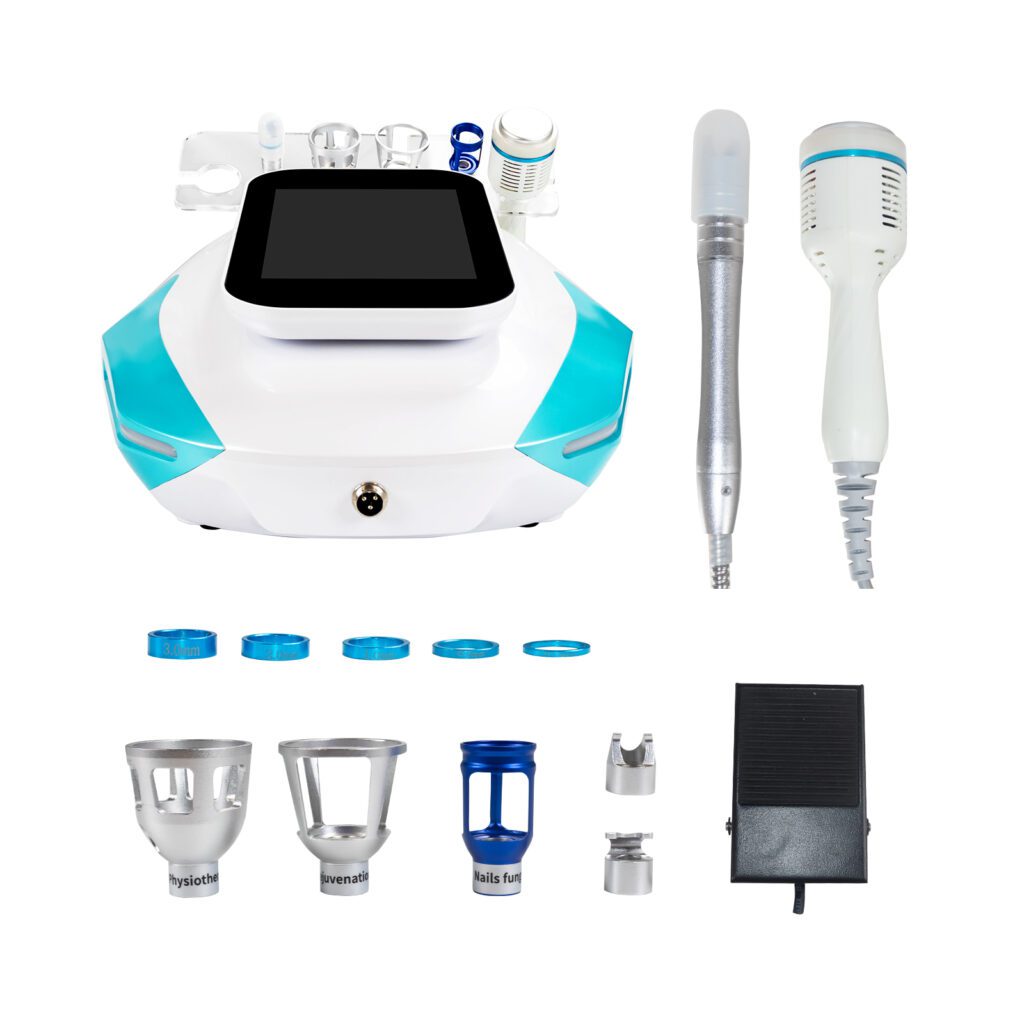
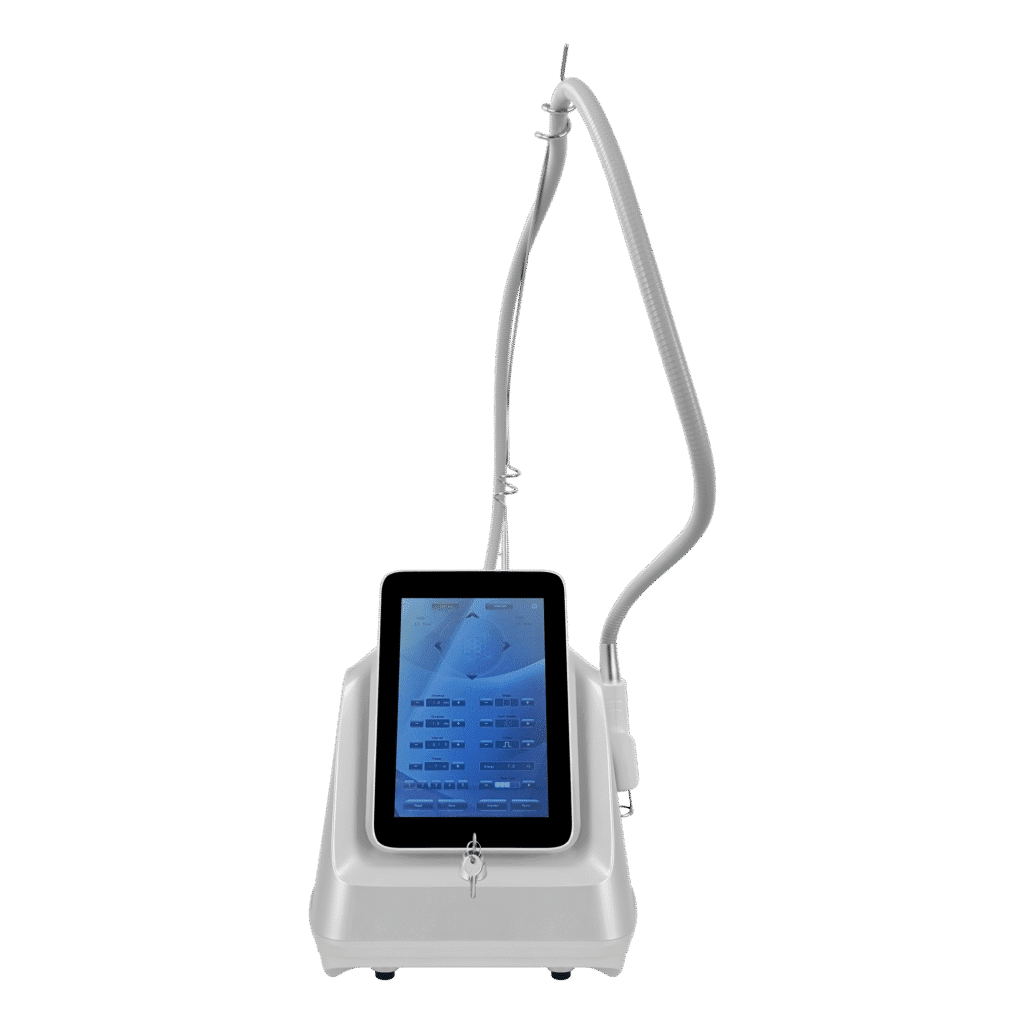
Les appareils modernes utilisés dans les cliniques professionnelles permettent souvent de régler la profondeur d'aiguille et les niveaux d'énergie, ce qui permet aux praticiens de personnaliser les traitements en fonction des différentes affections cutanées. À titre d'exemple, citons un système professionnel conçu pour les cliniques esthétiques :
https://shefmon.com/product/a0157-mmrf-deepth-8-microneedling-rf/
1.2 Pourquoi le microneedling par radiofréquence est-il si populaire ?
Comparé à de nombreux autres traitements de rajeunissement cutané, le microneedling par radiofréquence offre plusieurs avantages :
Temps d'arrêt minimes
Raffermissement cutané non chirurgical
Amélioration des cicatrices d'acné et des rides
Augmentation de la production de collagène et d'élastine
Convient à de nombreux types de peau
Grâce à ces avantages, le microneedling par radiofréquence est largement utilisé dans les cliniques dermatologiques et les spas médicaux.

machine de micro-aiguilletage RF fractionnaire
2. Le microneedling par radiofréquence est-il réellement douloureux ?
2.1 Ce que la plupart des patients ressentent pendant le traitement
Le microneedling par radiofréquence est généralement considéré légèrement désagréable plutôt que véritablement douloureuxLa plupart des patients décrivent cette sensation comme une combinaison de de minuscules piqûres, de la chaleur et une légère pression pendant la procédure.
Cette sensation provient de deux facteurs :
L'action mécanique des micro-aiguilles pénétrant la peau
La chaleur générée par l'énergie radiofréquence sous la peau
Toutefois, cette intensité est généralement gérable et temporaire.
2.2 Le rôle de la crème anesthésiante
Avant le traitement, les cliniques appliquent généralement un crème anesthésiante topique pendant 20 à 45 minutes pour réduire l'inconfort. Grâce à l'anesthésie locale, la plupart des personnes ressentent très peu de douleur pendant la séance.
Les niveaux de douleur ressentis avec la crème anesthésiante sont généralement rapportés comme étant d'environ 3 à 5 sur 10ce qui rend le traitement supportable pour la plupart des patients.
Sans anesthésie locale, le traitement pourrait être plus intense car les aiguilles pénètrent dans des couches plus profondes de la peau.
2.3 Quelles zones sont les plus sensibles ?
Toutes les zones du visage ne réagissent pas de la même manière pendant le traitement. Certaines zones sont plus sensibles car la peau y est plus fine ou plus riche en terminaisons nerveuses.
Les zones sensibles communes comprennent :
Autour des yeux
Lèvre supérieure
Nez et front
Les zones de peau plus épaisse, comme les joues ou la mâchoire, sont généralement moins inconfortables.
3. Facteurs influençant le niveau de douleur
3.1 Réglages de la profondeur et de l'énergie de l'aiguille
Le profondeur des micro-aiguilles Le réglage de la profondeur de pénétration influence grandement la sensation ressentie lors du traitement. Plus ce réglage est profond, plus l'énergie RF est délivrée en profondeur dans le derme, stimulant ainsi un remodelage plus intense du collagène et pouvant accroître la sensation.
Les praticiens professionnels ajustent la profondeur en fonction de la zone traitée et de l'état de la peau.
3.2 Tolérance individuelle à la douleur
Chacun ressent la douleur différemment. Parmi les facteurs qui influencent l'inconfort, on peut citer :
Tolérance personnelle à la douleur
sensibilité cutanée
Niveau d'anxiété pendant le traitement
Expérience antérieure en matière de chirurgie esthétique
Pour certaines personnes, le traitement peut se traduire par une légère irritation, tandis que d'autres peuvent percevoir des sensations plus fortes.
3.3 Technologie des dispositifs
Les appareils modernes de microneedling par radiofréquence sont conçus pour réduire l'inconfort grâce à un meilleur contrôle et une plus grande précision de l'énergie. Les systèmes avancés permettent aux praticiens de diffuser l'énergie de manière uniforme et sûre, améliorant ainsi le confort et les résultats du traitement.
Les appareils professionnels utilisés en clinique, tels que le système de micro-aiguillage RF de bureau, sont conçus avec une profondeur réglable et une puissance de sortie stable :
https://shefmon.com/product/a0152-desktop-mmrf-deepth-8-microneedling-rf/

4. À quoi s'attendre après le traitement
4.1 Effets immédiats après le traitement
Après un traitement par micro-aiguilles RF, la peau peut présenter des réactions temporaires telles que :
Légère rougeur
Léger gonflement
Sensibilité similaire à un léger coup de soleil
Ces réactions sont normales et disparaissent généralement en quelques secondes. 24 à 72 heures.
4.2 Processus de récupération cutanée
Durant la phase de cicatrisation, la peau commence à produire de nouvelles fibres de collagène et d'élastine. Certaines personnes peuvent remarquer :
Légère sensation de tiraillement de la peau
Sécheresse ou desquamation légère
Amélioration de l'éclat du teint après quelques jours
Les améliorations les plus notables apparaissent généralement en 2 à 4 semaines, tandis que le remodelage du collagène peut se poursuivre pendant plusieurs mois.
5. Comment réduire l'inconfort pendant le microneedling par radiofréquence
5.1 Choisissez un praticien expérimenté
Un praticien expérimenté peut adapter les réglages de l'appareil et la profondeur de l'aiguille à votre type de peau. Une technique appropriée améliore considérablement la sécurité et le confort.
5.2 Respecter les directives de pré-traitement
Les patients doivent éviter certains produits avant le traitement, tels que :
Rétinoïdes
exfoliants chimiques
Acides forts
Exposition au soleil
Ces produits peuvent accroître la sensibilité cutanée et rendre la procédure plus désagréable.
5.3 Soins post-opératoires appropriés
Les soins post-opératoires sont essentiels pour une convalescence confortable. Les étapes recommandées comprennent :
Utilisez des produits de soin doux pour la peau
Appliquer régulièrement une crème hydratante
Évitez l'exposition au soleil
Utilisez une crème solaire à large spectre
Des soins appropriés favorisent une cicatrisation plus rapide de la peau et améliorent les résultats du traitement.
Conclusion
Donc, Le microneedling par radiofréquence est-il douloureux ? Pour la plupart des gens, la réponse est Non, c'est plus désagréable que douloureux.Grâce à l'application d'une crème anesthésiante locale et aux appareils modernes, le traitement est généralement bien toléré et gérable.
Le microneedling par radiofréquence demeure l'un des traitements de rajeunissement cutané non chirurgicaux les plus efficaces actuellement disponibles. En stimulant la production de collagène et en améliorant le grain de peau, il permet d'atténuer les rides, les cicatrices d'acné et le relâchement cutané, avec un temps de récupération minimal.
Pour les personnes qui envisagent cette intervention pour la première fois, comprendre les sensations impliquées et choisir une clinique professionnelle peut rendre l'expérience sûre, confortable et très enrichissante.