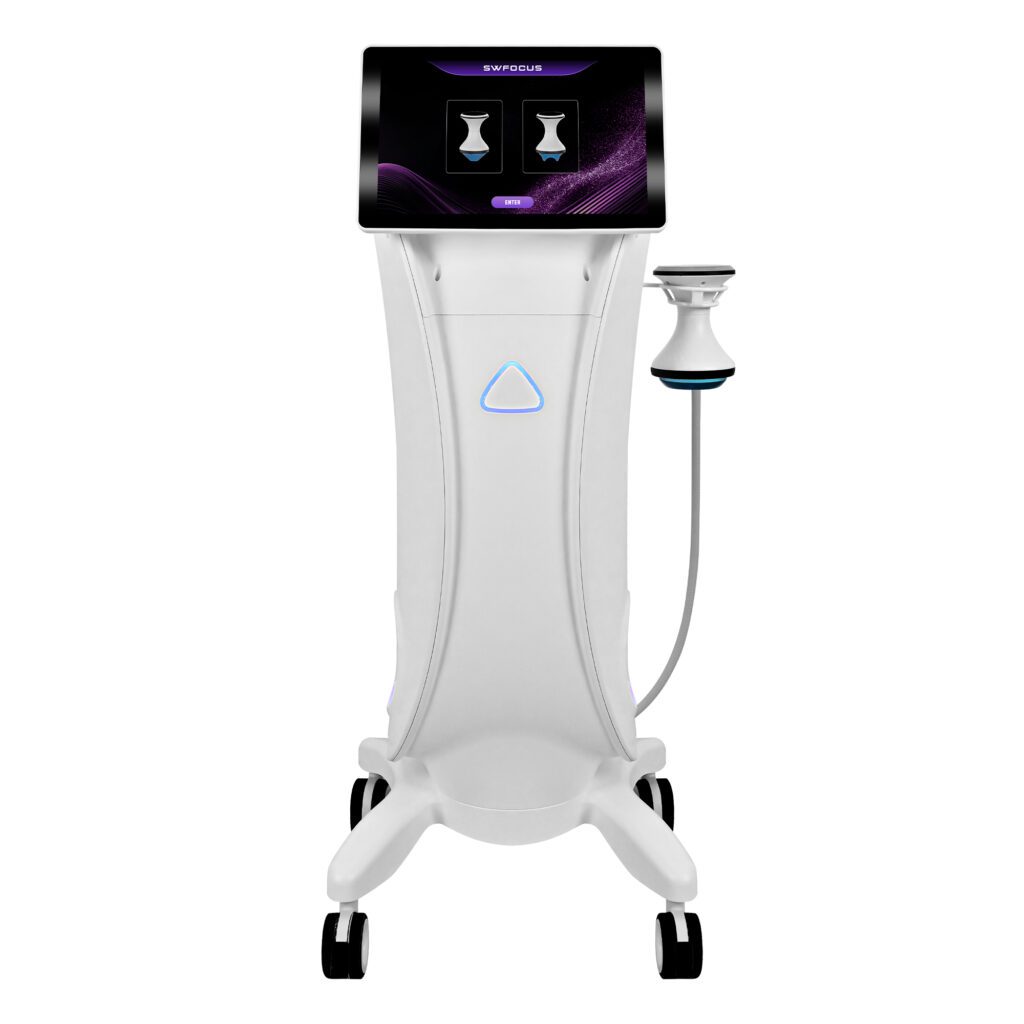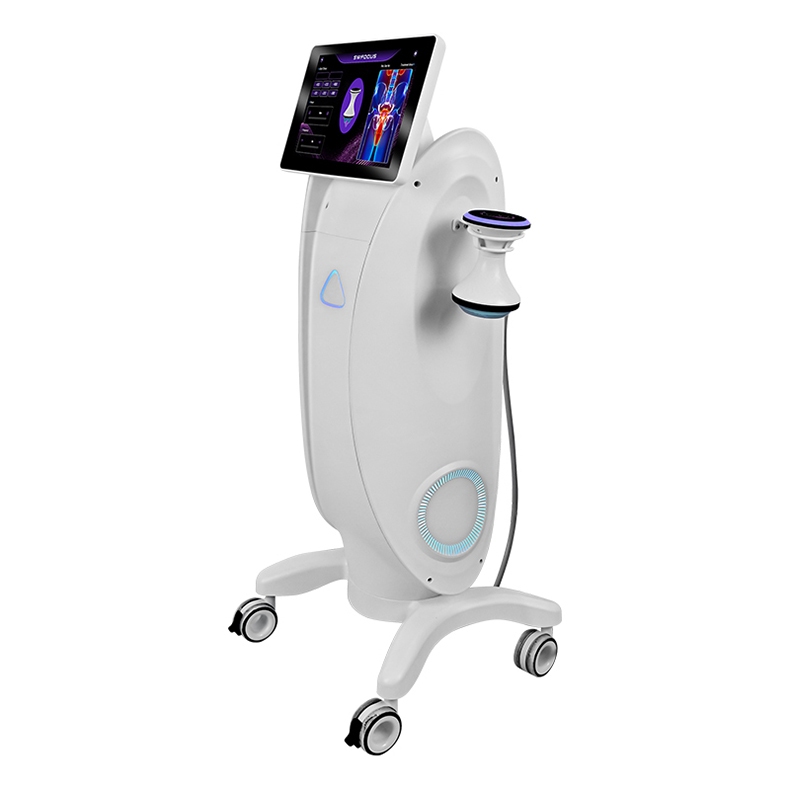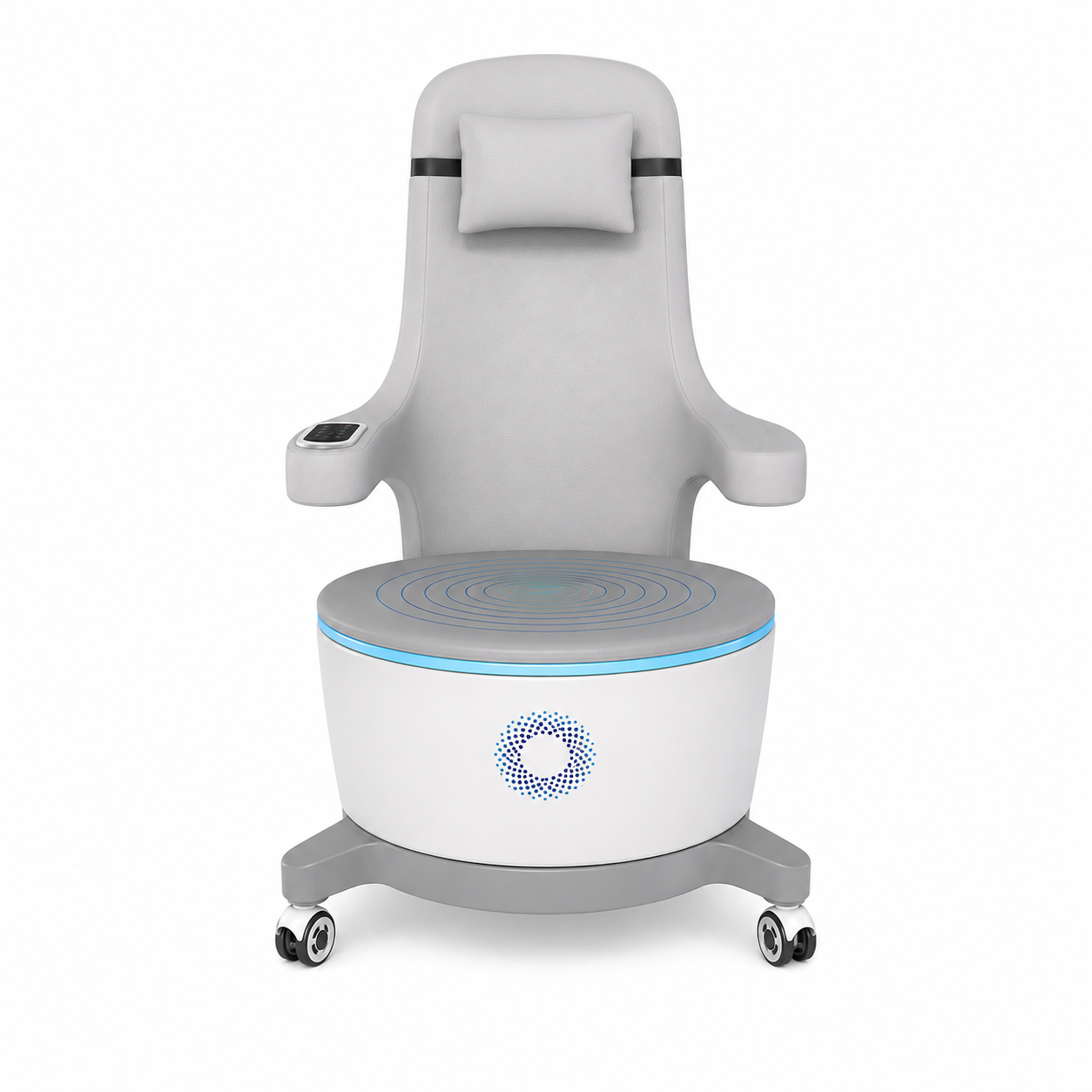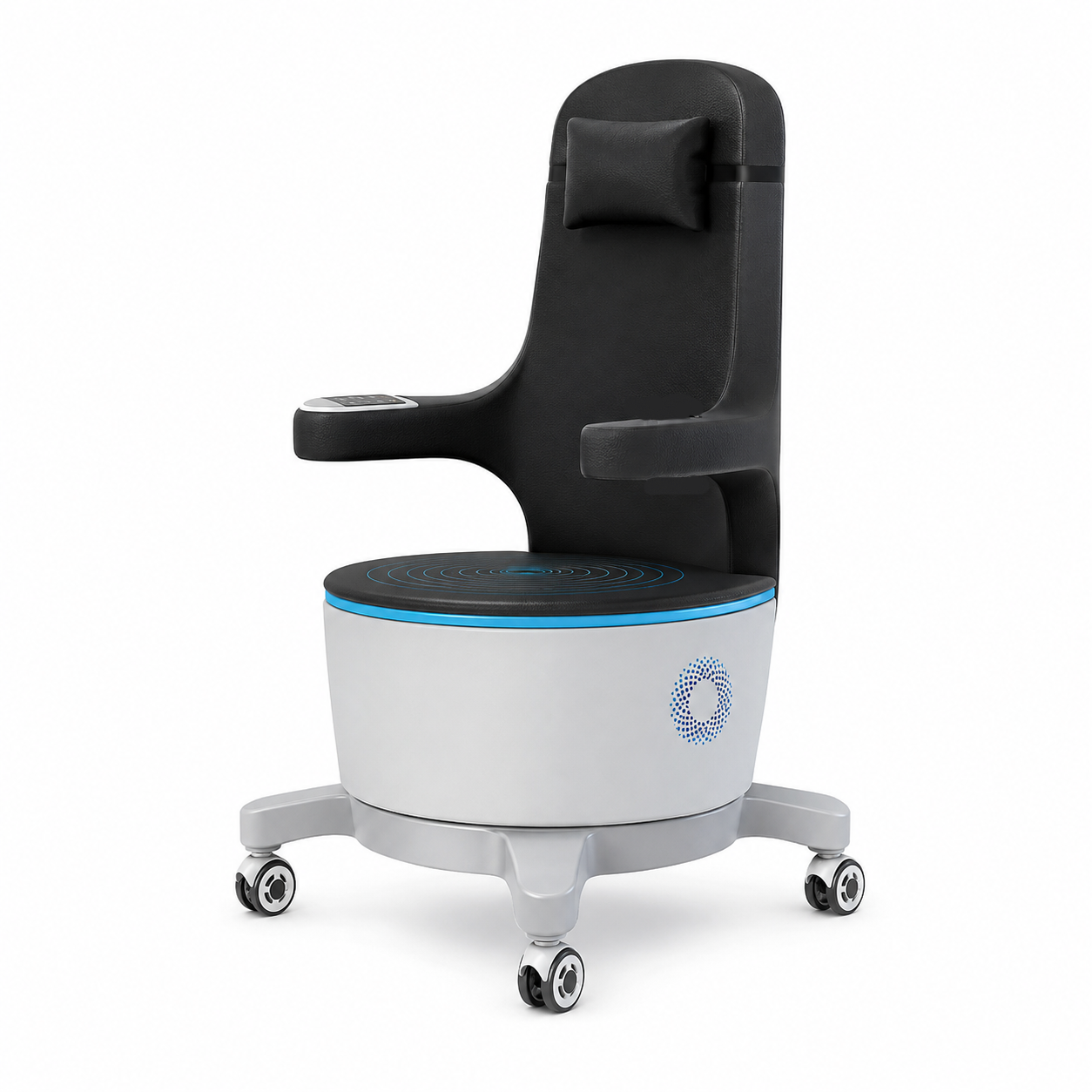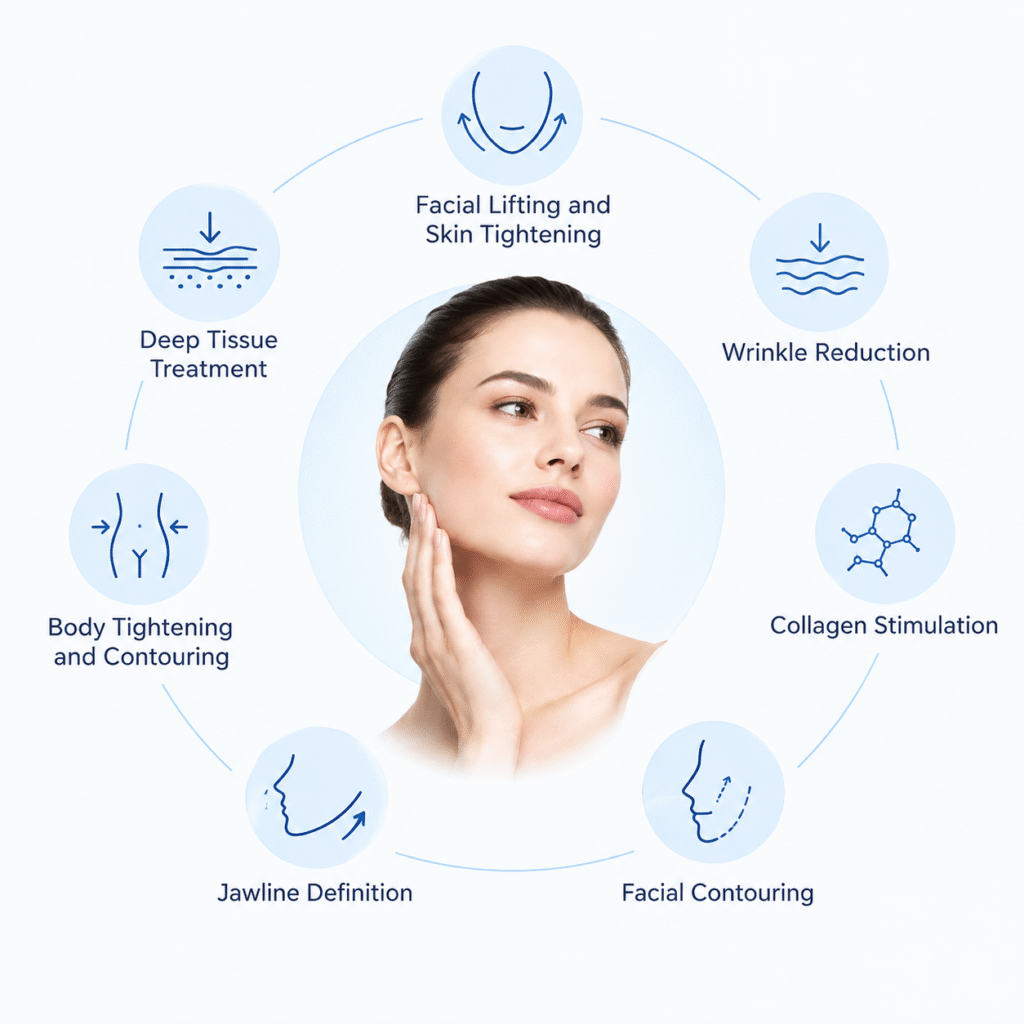










Ultrasons focalisés de haute intensité (HIFU) est devenue l'une des technologies les plus utilisées dans les traitements esthétiques non invasifs. Elle est couramment employée pour le raffermissement de la peau, le lifting du visage et les procédures anti-âge dans les cliniques esthétiques du monde entier. À mesure que la technologie évolue, des appareils tels que Hifu 7D et HIFU 9D Ces deux technologies offrent des capacités de traitement améliorées, une précision accrue et une diffusion d'énergie plus rapide. Bien qu'elles reposent sur le même principe des ultrasons, elles diffèrent par leur conception, leur polyvalence et leurs applications cliniques. Comprendre ces différences permet aux cliniques de choisir l'équipement le plus adapté aux traitements esthétiques modernes.
1. Comprendre la technologie HIFU dans les traitements esthétiques
1.1 Principe de l'énergie ultrasonore focalisée
La technologie HIFU agit en délivrant une énergie ultrasonore concentrée dans des couches spécifiques de la peau. Cette énergie crée des points de coagulation thermique contrôlés en profondeur dans les tissus, stimulant ainsi la production de collagène et initiant un remodelage naturel des tissus. Au fil du temps, les fibres de collagène se régénèrent, ce qui raffermit et lifte progressivement la peau. L'un des principaux avantages des traitements HIFU réside dans leur capacité à atteindre des couches profondes, comme le SMAS, également ciblé lors des liftings chirurgicaux. L'énergie étant délivrée sous la surface de la peau sans endommager l'épiderme, les traitements HIFU sont considérés comme sûrs, non invasifs et ne nécessitent que peu ou pas de temps de convalescence. Cette technologie est donc particulièrement intéressante pour les cliniques proposant des traitements de raffermissement cutané sans chirurgie.
1.2 Évolution des systèmes HIFU multidimensionnels
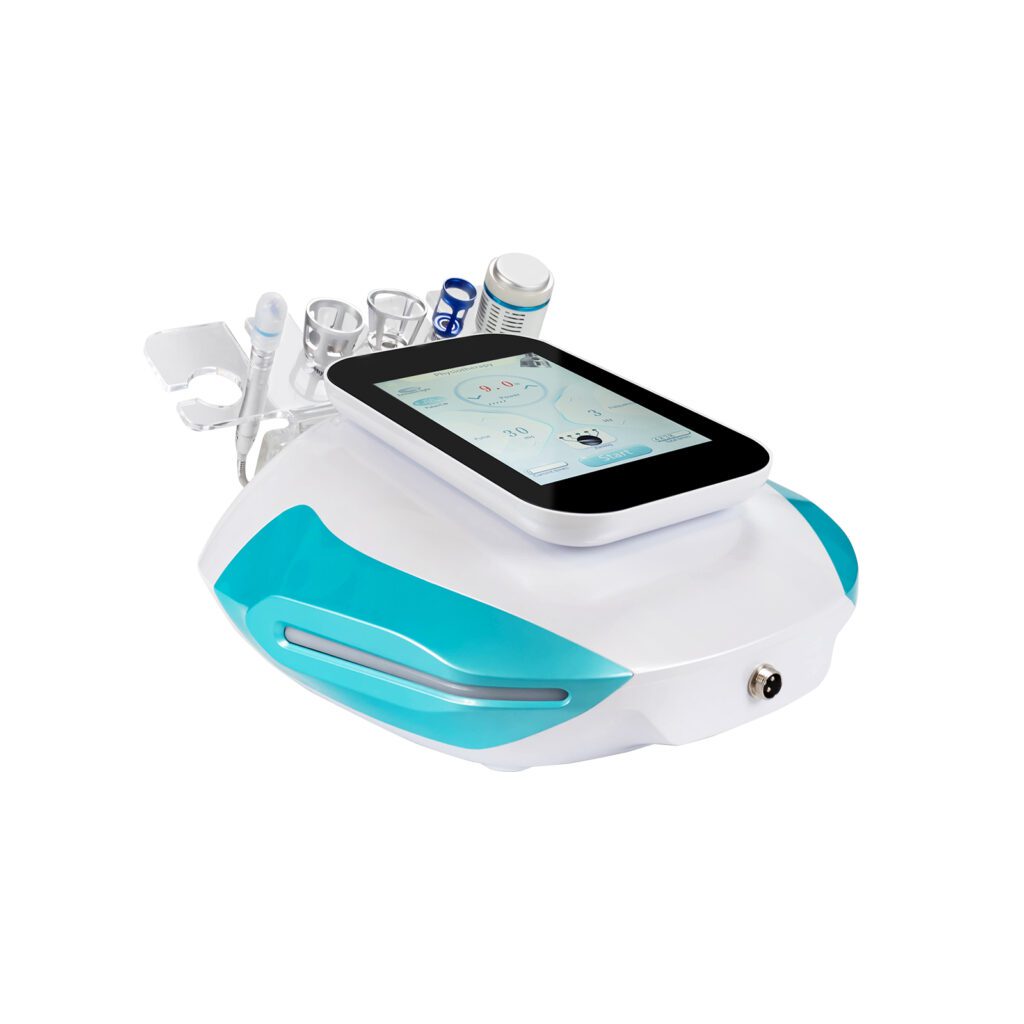
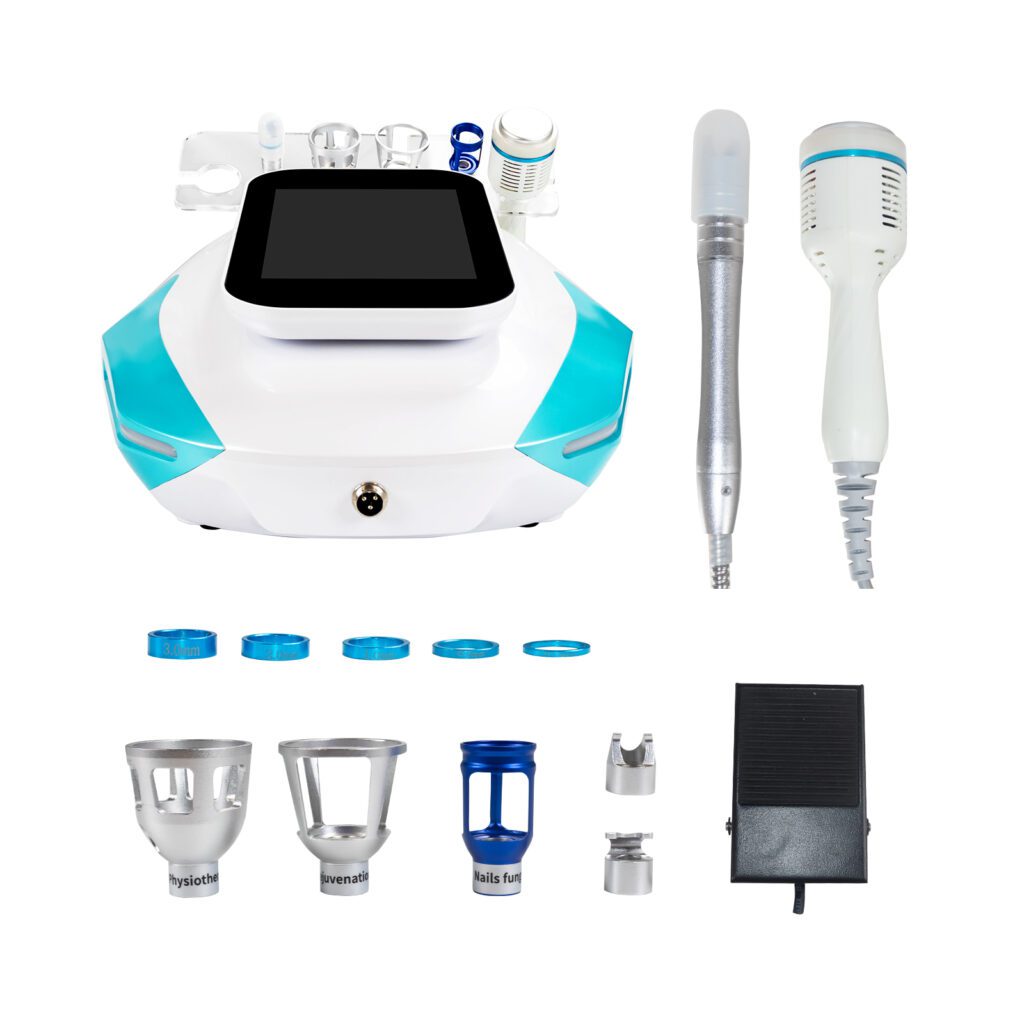
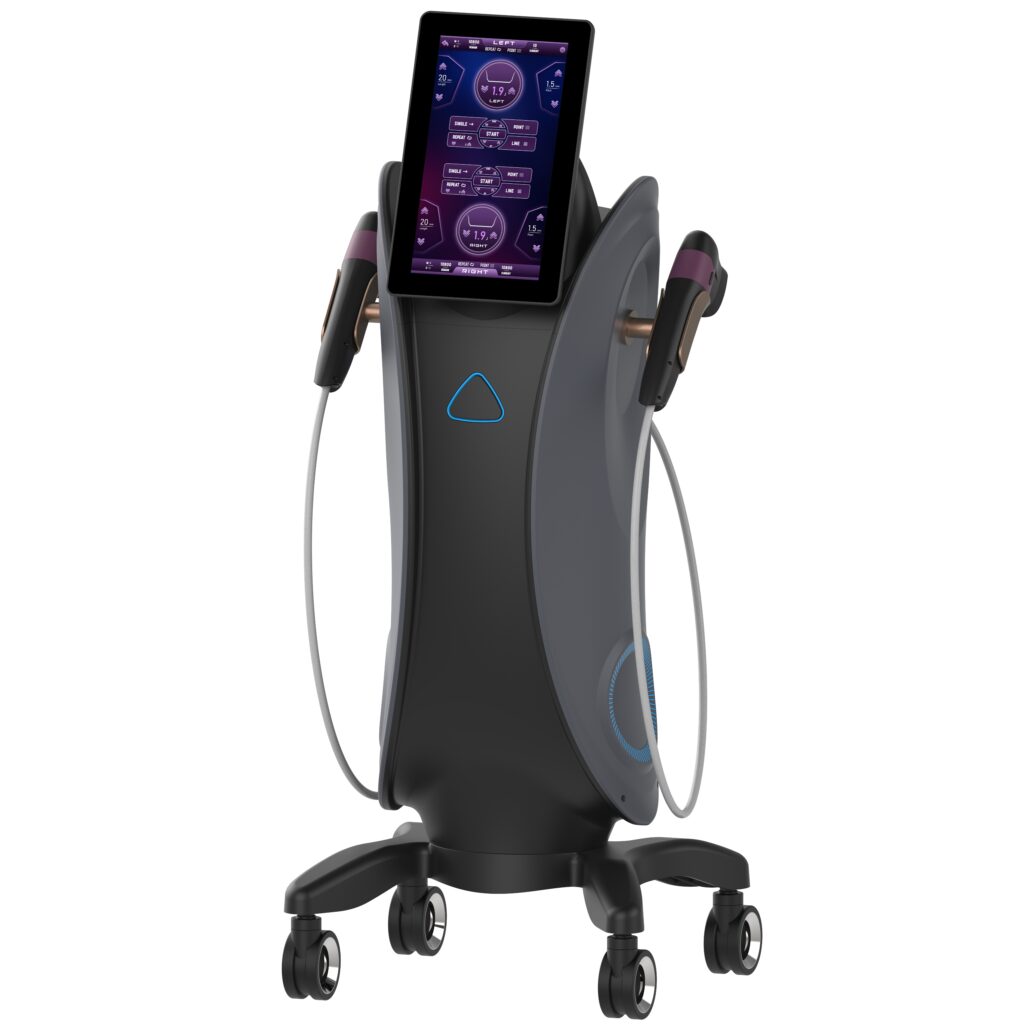
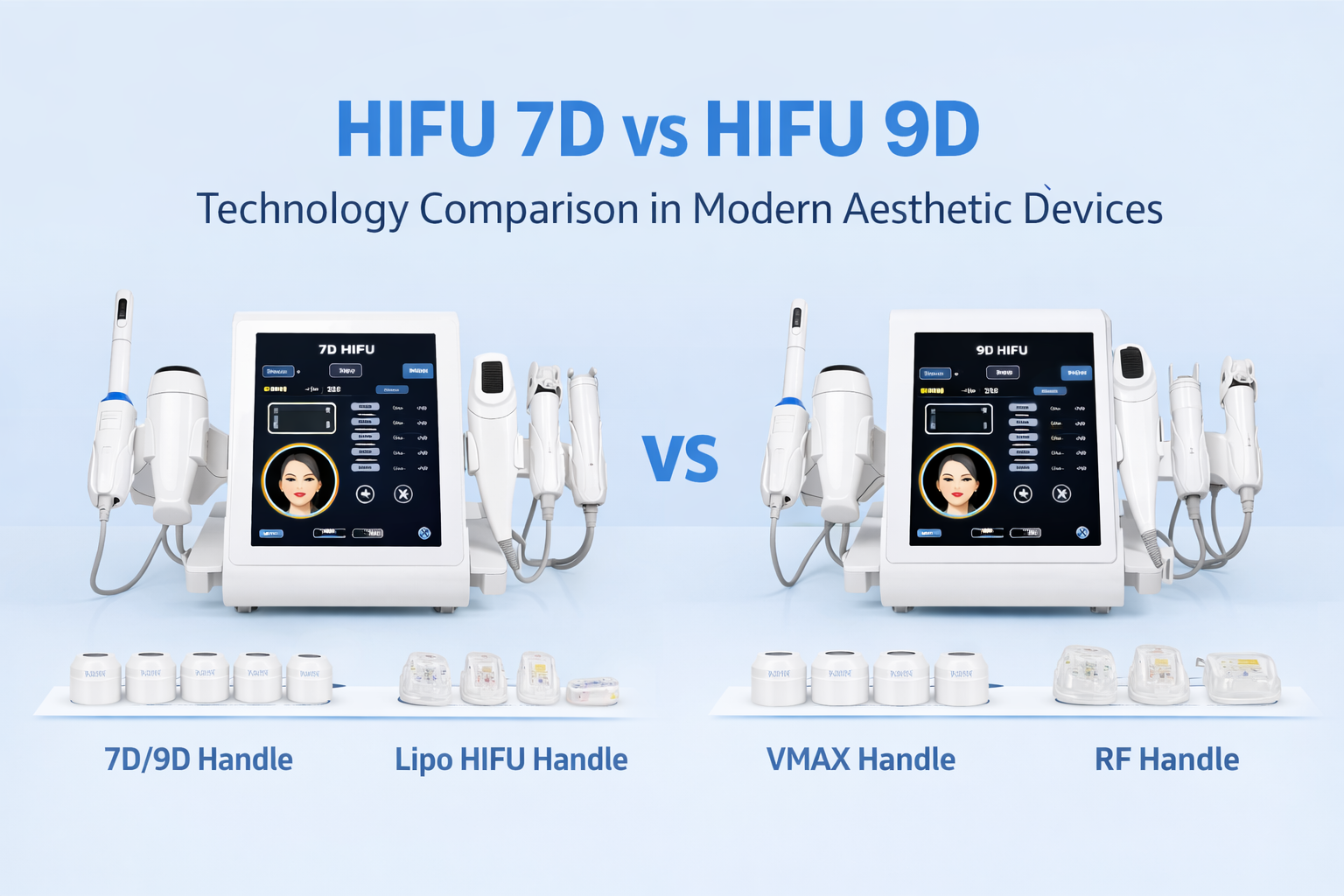
Les premiers appareils HIFU offraient un nombre limité de lignes de traitement et de réglages de profondeur. Avec les progrès technologiques, les fabricants ont développé des systèmes multidimensionnels capables de diffuser l'énergie sur plusieurs lignes et à différentes profondeurs, de manière plus efficace. Cette innovation a permis d'accélérer les traitements et de personnaliser les procédures en fonction de l'état de la peau de chaque patient. Les appareils esthétiques modernes, tels que… Machine HIFU focalisée 9D/7D 5 en 1 Combinez différentes cartouches de traitement et pièces à main pour prendre en charge les applications de lifting facial, de réduction des rides et de remodelage corporel.
https://shefmon.com/product/a0204-9d-7d-focused-hifu-machine-5-in-1/
2. Qu'est-ce que la technologie Hifu 7D ?
2.1 Système de traitement multicartouches
La technologie HIFU 7D est un système utilisant plusieurs cartouches de traitement conçues pour différentes profondeurs de peau et zones à traiter. Chaque cartouche cible une couche spécifique de la peau, permettant ainsi aux praticiens de personnaliser la procédure en fonction des besoins du patient. Ces cartouches peuvent être utilisées sur des zones telles que le front, les joues, l'ovale du visage et le cou. Les différentes zones du visage nécessitant des profondeurs de traitement différentes, l'utilisation de plusieurs cartouches confère aux appareils HIFU 7D une grande flexibilité et les rend particulièrement adaptés aux procédures de rajeunissement facial précises.
2.2 Lifting facial de précision et ciblé
Un autre avantage des systèmes HIFU 7D réside dans leur grande précision. L'appareil délivre l'énergie ultrasonore selon des lignes contrôlées, ciblant précisément les zones à traiter sans affecter les tissus environnants. Cette technologie est ainsi particulièrement adaptée aux zones délicates comme le contour des yeux et les sillons nasogéniens. De nombreuses cliniques esthétiques privilégient les appareils HIFU 7D pour les traitements nécessitant un ciblage précis et des effets lifting ciblés, notamment pour atténuer les premiers signes du vieillissement.
3. Qu'est-ce que la technologie HIFU 9D ?
3.1 Modes de traitement élargis
La technologie HIFU 9D représente une évolution de la plateforme HIFU, offrant des capacités de traitement accrues par rapport aux systèmes précédents. Dans de nombreux cas, les appareils 9D intègrent davantage de cartouches ou de pièces à main permettant aux praticiens de traiter à la fois le visage et le corps avec la même plateforme. Les équipements esthétiques professionnels, tels que… Machine HIFU focalisée 9D/7D 5 en 1 Intègre de multiples fonctions pour offrir des options de traitement flexibles aux cliniques proposant des services avancés de raffermissement cutané.
https://shefmon.com/product/a0205-9d-7d-focused-hifu-machine-5-in-1/
3.2 Distribution d'énergie plus rapide et couverture plus étendue
Une autre amélioration des systèmes HIFU 9D réside dans leur capacité à émettre simultanément plusieurs faisceaux d'ultrasons. Cette émission d'énergie multi-faisceaux accroît la vitesse du traitement et permet aux praticiens de couvrir des zones plus étendues avec une plus grande efficacité. De ce fait, les interventions peuvent être plus courtes tout en assurant une répartition homogène de l'énergie sur la peau. Grâce à ces caractéristiques, les appareils HIFU 9D sont souvent privilégiés par les cliniques qui recherchent des séances de traitement plus rapides et un champ d'application plus vaste.

4. Principales différences entre HIFU 7D et HIFU 9D
4.1 Profondeur et polyvalence du traitement
L'une des principales différences entre les deux systèmes réside dans leur flexibilité de traitement. Les appareils HIFU 7D sont généralement conçus pour des traitements faciaux précis, grâce à plusieurs cartouches spécialisées adaptées à des zones spécifiques du visage. Ces systèmes conviennent particulièrement aux cliniques spécialisées dans les soins anti-âge du visage. Les appareils HIFU 9D, quant à eux, offrent souvent des profondeurs de traitement et des pièces à main supplémentaires, utilisables pour le remodelage du visage et du corps. Cette fonctionnalité étendue permet aux cliniques de proposer une gamme de services plus large avec un seul appareil.
4.2 Rapidité et efficacité du traitement
Une autre différence réside dans l'efficacité du traitement. Les systèmes HIFU 7D délivrent généralement l'énergie par une ou plusieurs lignes contrôlées, privilégiant ainsi la précision. À l'inverse, de nombreux systèmes HIFU 9D utilisent une technologie d'émission d'énergie multi-lignes, ce qui accélère le traitement et permet aux praticiens de couvrir des zones plus étendues lors de chaque séance. Cette caractéristique peut s'avérer particulièrement avantageuse dans les cliniques à forte activité, où la réduction du temps de traitement améliore l'organisation du travail et la prise en charge des patients.
4.3 Champ d'application
Bien que les deux technologies soient conçues pour le raffermissement et le lifting cutanés, leurs applications pratiques peuvent légèrement différer. Les appareils HIFU 7D sont souvent utilisés pour le lifting du visage, la réduction des rides et le raffermissement cutané de zones ciblées du visage. Les systèmes HIFU 9D peuvent étendre ces applications au remodelage corporel et aux traitements de raffermissement cutané de zones telles que l'abdomen ou les bras. Pour les cliniques souhaitant proposer des traitements esthétiques complets, cette gamme d'applications élargie peut constituer un atout majeur.
5. Choisir entre HIFU 7D et HIFU 9D pour les cliniques
5.1 Cliniques spécialisées dans le rajeunissement du visage
Les cliniques spécialisées dans les soins du visage peuvent trouver les systèmes HIFU 7D particulièrement adaptés. La précision de la diffusion de l'énergie et les cartouches spécifiques permettent aux praticiens de réaliser des traitements minutieux sur les zones sensibles du visage, tout en garantissant une sécurité et une précision optimales. Ces systèmes sont particulièrement efficaces pour atténuer les ridules, le relâchement cutané léger et les premiers signes de l'âge.
5.2 Cliniques proposant des traitements multi-domaines
Pour les cliniques proposant des traitements de remodelage du visage et du corps, les systèmes HIFU 9D offrent une plus grande flexibilité. Grâce à un choix élargi de cartouches et à une vitesse de traitement accrue, les praticiens peuvent traiter un plus large éventail de problèmes esthétiques avec un seul appareil. Cette polyvalence rend les machines HIFU 9D particulièrement intéressantes pour les cliniques souhaitant diversifier leur offre de soins et optimiser l'utilisation de leur équipement.

Conclusion
Les technologies HIFU 7D et HIFU 9D représentent toutes deux des avancées significatives dans le domaine des traitements esthétiques non invasifs. Bien qu'elles partagent le même principe de base, à savoir l'énergie ultrasonore focalisée pour stimuler la production de collagène et raffermir la peau, elles diffèrent par leur configuration de traitement, leur polyvalence et leur champ d'application. Les systèmes HIFU 7D sont souvent optimisés pour les liftings faciaux de précision, tandis que les appareils HIFU 9D offrent des capacités de traitement étendues et une diffusion d'énergie plus rapide, pour des applications aussi bien sur le visage que sur le corps. Pour les cliniques esthétiques, le choix entre ces technologies dépend de l'objectif du traitement, de la demande des patients et de leur stratégie de services. Comprendre les différences technologiques entre ces systèmes permet aux praticiens de sélectionner l'équipement le mieux adapté à des traitements esthétiques efficaces et polyvalents.