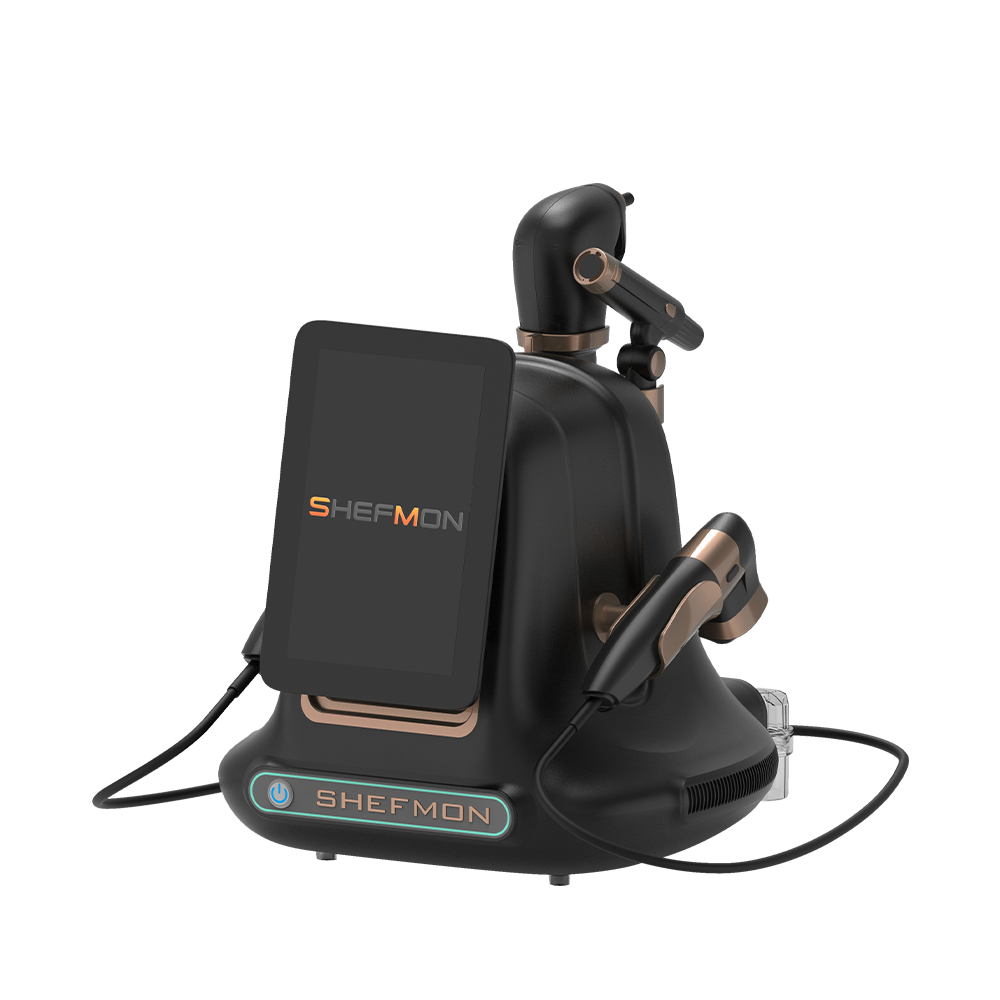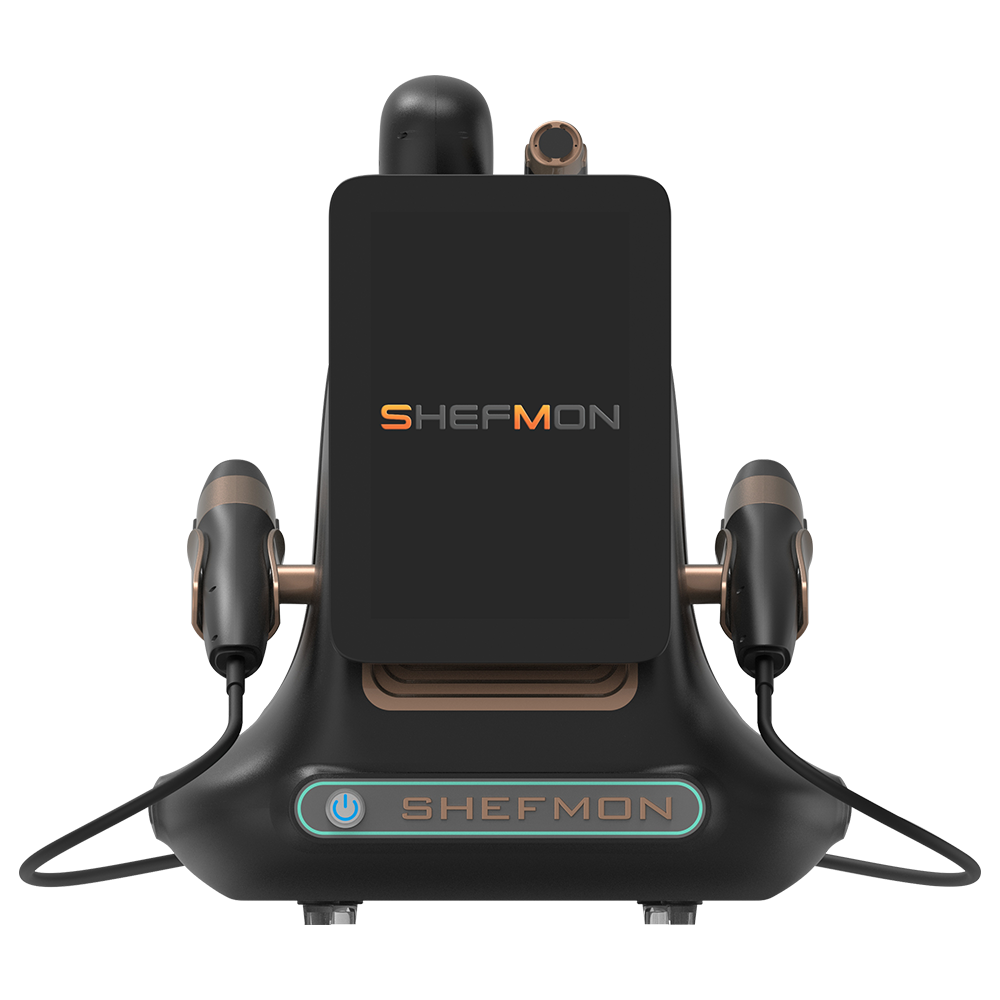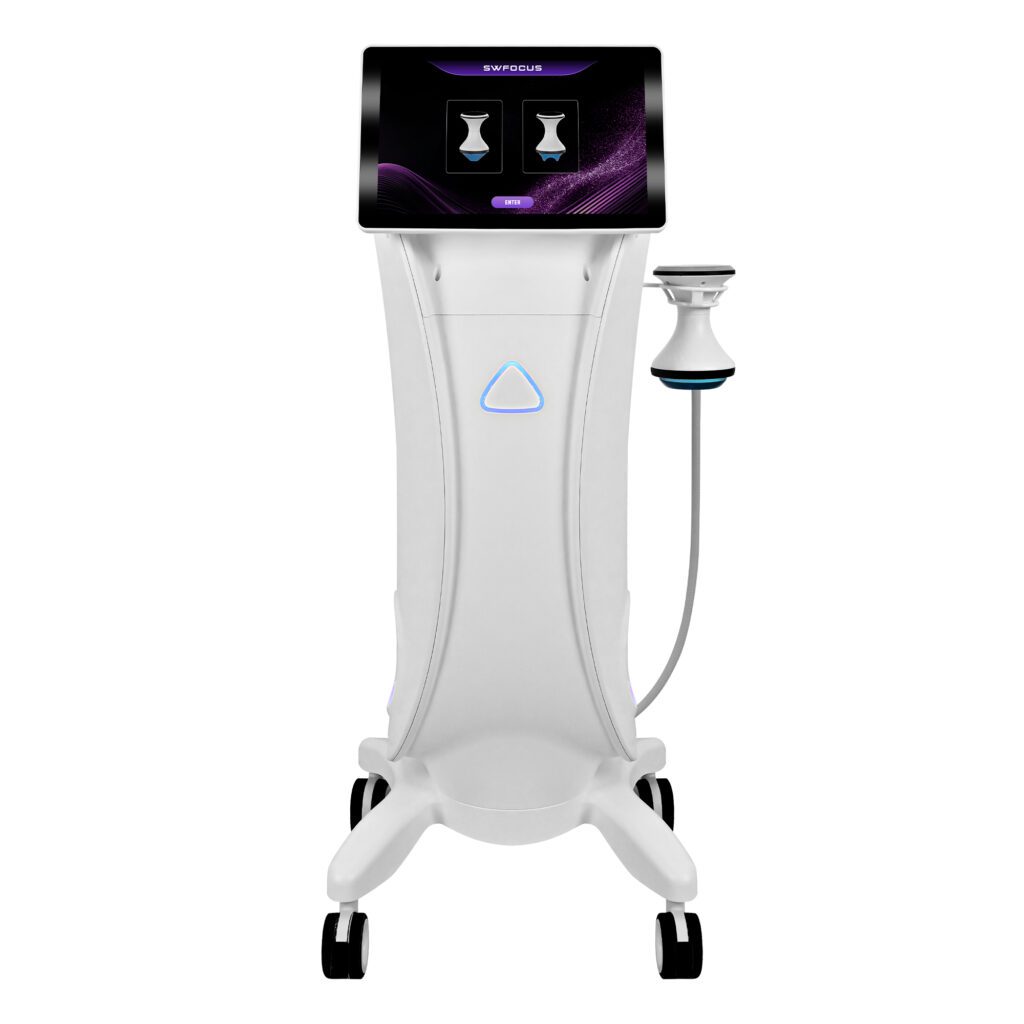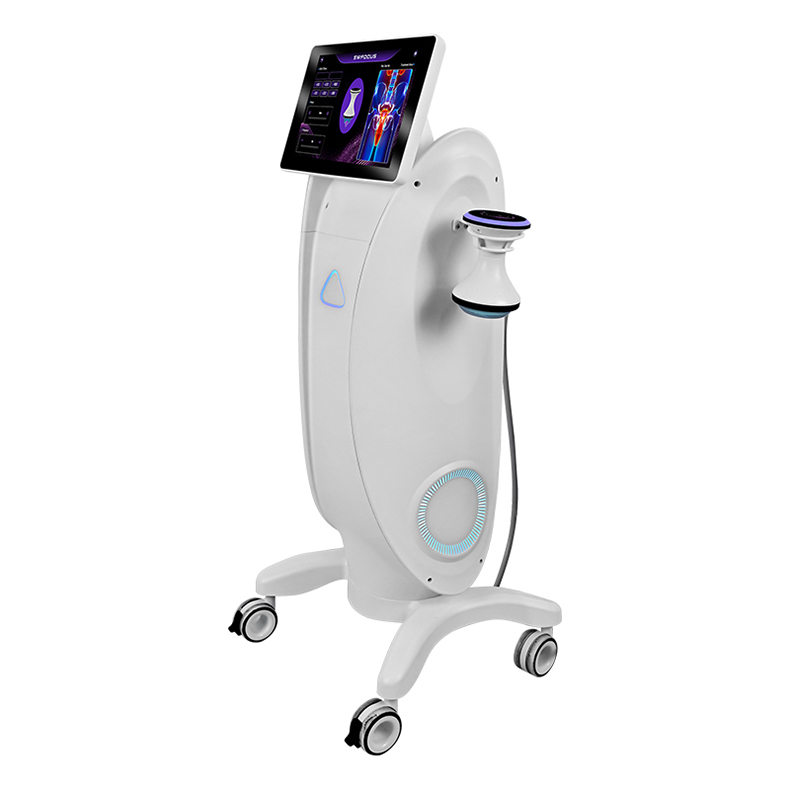










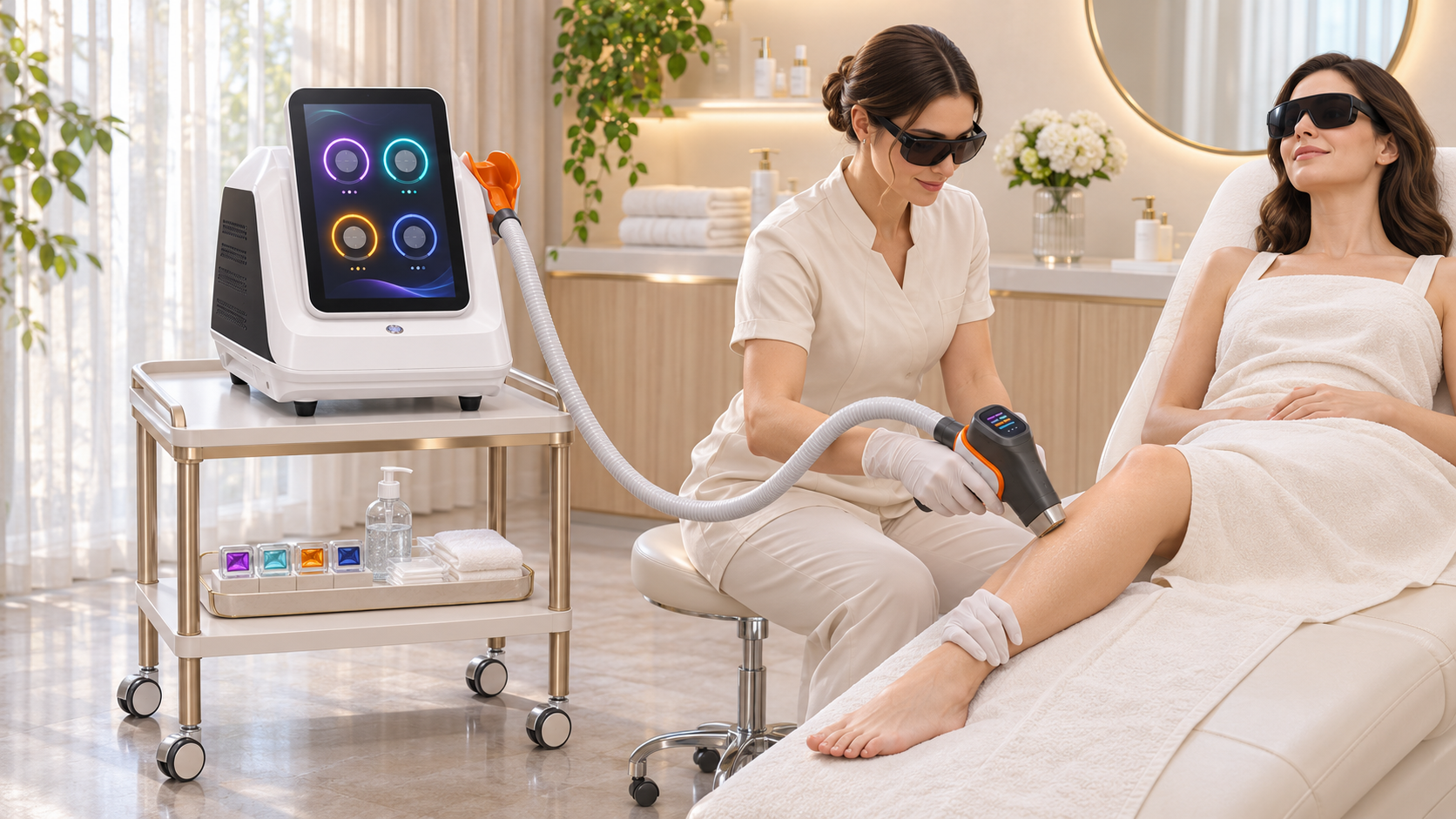
The A0423 is a professional diode laser machine developed for businesses that want to offer a focused hair-reduction service rather than add another general-purpose beauty device. Its product positioning combines 755nm, 810nm, 940nm and 1064nm wavelength choices with 600W or 1200W handpiece options, three listed spot sizes and a multi-stage cooling system.
Those headline numbers are useful, but they are not a complete purchase specification. A buyer still needs to confirm whether the quoted handpiece is a three-wavelength or four-wavelength configuration, whether the wavelengths are combined in one diode stack, which spot size is supplied and what the stated power represents. This guide introduces the Máquina láser de diodo SHEFMON A0423 at product level and shows salons, clinics and distributors how to turn the public specification into a controlled order.
Resumen ejecutivo
- Product purpose: professional diode laser hair-reduction services in an appropriately controlled treatment environment.
- Published wavelength positioning: 755nm, 810nm, 1064nm and an optional 940nm wavelength. Buyers should not assume that every A0423 quotation includes all four.
- Published configuration choices: 600W or 1200W handpiece power and 15×15mm, 15×20mm or 15×30mm spot sizes.
- Published operating platform: 1–10Hz repetition frequency, 12.1-inch touchscreen, built-in water tank and 100–240V, 50/60Hz input.
- Enfriamiento: semiconductor refrigeration, water cooling and TEC cooling, with a listed probe-temperature range of -15°C to 5°C.
- Mejor ajuste: trained professional hair-removal studios, suitably qualified salons, med spas, skin clinics and distributors that can support installation, training and after-sales service.
- Main buying rule: order an exact configuration—not simply “A0423”—and attach the approved wavelength profile, handpiece, spot size, electrical version, software language, accessories and documentation to the quotation.
1. What Is the SHEFMON A0423 Diode Laser Machine?
The A0423 is a compact professional console in SHEFMON’s hair-removal equipment range. It uses diode-laser energy for hair-reduction services and is intended for trained operators in professional settings. It is not a home-use device, and the model number alone does not define every component that a buyer will receive.
The product page presents several selectable fields. Handpiece power can be quoted as 600W or 1200W. Spot-size options are listed as 15×15mm, 15×20mm and 15×30mm. The page also describes 755nm, 810nm and 1064nm as a combined wavelength arrangement and identifies 940nm as optional. That creates more than one possible commercial configuration under the A0423 name.
This distinction matters to three types of buyer:
- A salon needs to know whether the supplied configuration matches its service menu, room, staff capability and expected appointment mix.
- A clinic needs traceable technical documents, safety information and a configuration that fits its governance and local rules.
- A distributor needs a repeatable SKU definition so that catalogs, quotations, demo units, replacement handpieces and customer deliveries stay aligned.
The A0423 should therefore be evaluated as a configurable product platform. Its value comes from the relationship among its wavelength profile, handpiece, spot window, energy controls, cooling system and operator workflow—not from any one marketing number.
2. Published A0423 Specifications
The table below records the values currently published on the SHEFMON A0423 product page. It is a product-page summary, not a substitute for the approved manual, test report, quotation or market-specific compliance file.
| Especificación | Published A0423 information | What the buyer should confirm |
|---|---|---|
| Tipo de producto | Diode laser hair-removal beauty machine | Intended use and permitted claims for the destination market |
| longitudes de onda | 810nm, or combined 755nm/810nm/1064nm; 940nm described as optional | Exact three- or four-wavelength profile, diode-stack arrangement and wavelength proportions |
| Alimentación de la pieza de mano | 600W o 1200W | Whether this is electrical input, rated module power or measured optical output |
| System power supply | 3500W | Peak draw, nominal draw, circuit requirement and plug type |
| Tamaño del punto | 15×15mm, 15×20mm or 15×30mm | Supplied window or windows and compatibility with the selected handpiece |
| Frecuencia de repetición | 1–10 Hz | Available range by mode, energy and pulse width |
| Mostrar | Pantalla táctil de 12,1 pulgadas | Interface language and software version |
| Published energy field | “Max power: 100 J/cm” on the product page | Correct parameter name and unit, normally documented as energy density where applicable |
| Published pulse-width field | 10–200ns on the product page | Correct unit and validated range; another SHEFMON category page describes 10–200ms, so the order document must resolve the discrepancy |
| Input | 100–240 V, 50/60 Hz | Market voltage, plug, grounding and room circuit |
| Temperatura de la sonda | -15°C a 5°C | Test conditions, setpoint behavior and operating limits |
| flujo de agua | 5 litros por minuto | Normal range, alarm behavior and maintenance requirement |
| tanque de agua | Built in | Approved coolant or water specification and change interval |
| Enfriamiento | Semiconductor refrigeration + water cooling + TEC cooling | Full cooling path, contact tip material and performance under the intended duty cycle |
| Tamaño del paquete | 63×47×61cm | Final carton dimensions for the ordered configuration |
| Peso bruto | 34,5 kilos | Final shipping weight and accessories included |
Two published claims need especially careful handling. The page promotes 24-hour continuous work and a 20-million-shot handpiece life. These should be treated as manufacturer-listed positioning, not as unconditional operating or warranty promises. Ask for the duty-cycle test conditions, cooling requirements, shot-count definition, excluded components and replacement-handpiece terms before using either claim in a sales forecast.
3. How the Four Wavelengths Should Be Understood
A multi-wavelength label does not mean that an operator independently selects four separate lasers on screen. It may describe a handpiece whose diode bars emit a combined spectrum in fixed proportions. Before purchase, ask whether the wavelengths fire together, whether a single-wavelength option also exists and how the optical spectrum is verified.
755nm: stronger melanin interaction at a shorter wavelength
Within a hair-removal portfolio, 755nm is commonly discussed for relatively superficial targets and finer or less deeply seated pigmented hair in suitable lighter-skin profiles. Its greater interaction with epidermal melanin also means that operator judgment, skin assessment, sun-exposure history and conservative protocol selection remain important. It should not be marketed as a universal setting for every client.
810nm: the central diode-laser workhorse
The 810nm region is widely associated with diode-laser hair reduction and provides the central positioning of the A0423. Buyers often use it as the general-purpose component of a multi-wavelength handpiece. Actual performance still depends on delivered optical energy, pulse duration, spot size, contact, cooling and technique; the wavelength number alone does not establish treatment speed or results.
940nm: an optional component that must be specified
SHEFMON’s product page identifies 940nm as optional and describes lower melanin absorption plus an oxyhemoglobin-related positioning. A buyer should not convert that page language into a guaranteed vascular mechanism or superior outcome. Instead, request the spectrum report, the 940nm proportion in the stack and the supplier’s approved intended-use wording. If the quotation does not expressly include 940nm, the product title alone is not proof that it will be delivered.
1064nm: deeper-penetration positioning
The 1064nm component is generally discussed as a deeper-penetrating wavelength with lower melanin absorption than shorter wavelengths. It is often considered when professionals design protocols for darker skin profiles or deeper hair. That does not make a multi-wavelength diode automatically safe for every skin tone. The operator still needs appropriate training, client assessment, validated parameters, cooling and a response-monitoring protocol.
The practical question: what is inside the quoted handpiece?
For each offered version, the supplier should be able to state:
- whether the handpiece is single-, three- or four-wavelength;
- whether the wavelengths are combined simultaneously or selectable;
- the nominal wavelength tolerance and percentage composition;
- the diode-bar source and module revision;
- the measured optical output and its test method;
- the supported spot size or interchangeable windows; and
- the exact replacement-handpiece part number.
This information is more valuable than repeating “four wavelengths” in a catalog without defining the delivered hardware.
4. 600W vs 1200W Handpiece Options
The A0423 page lists 600W and 1200W handpiece choices. A higher number may support a different commercial positioning, but it should not be interpreted as double the clinical outcome, half the treatment time or automatically higher delivered fluence. “Handpiece power” can refer to different electrical or module ratings across suppliers.
Ask for measured optical power at the treatment window, energy-density range, pulse-duration range, repetition rate under load and beam-uniformity data. These values should be supplied for the exact spot size and handpiece revision in the quotation.
| Perfil del comprador | Sensible configuration discussion | Main verification point |
|---|---|---|
| New professional studio | Start with expected areas and daily bookings before choosing 600W or 1200W | Confirm that the selected configuration supports the intended service mix and local requirements |
| Established laser studio | Compare throughput, cooling recovery and handpiece ergonomics under a realistic schedule | Obtain sustained-output and duty-cycle evidence rather than relying on rated power alone |
| Clinic or med spa | Prioritize traceability, controls, documentation and approved protocol support | Review technical file, risk controls, training and service records |
| Distribuidor | Define separate SKUs if both powers will be sold | Lock replacement-handle compatibility, catalog language and spare-parts mapping |
The correct choice is the version that can be documented, supported and operated consistently. An oversized specification creates little value if the buyer cannot verify its output or obtain the correct replacement handpiece later.
5. Spot Size, Repetition Rate and Treatment Workflow
The listed 15×15mm, 15×20mm and 15×30mm spot sizes give buyers a way to discuss different treatment-area needs. A larger window can support faster coverage of broad areas, while a smaller window can be easier to position around narrower contours. It is not safe to assume that every window is included, interchangeable or available with both handpiece-power versions.
The 1–10Hz published repetition range also requires context. Maximum repetition rate may not be available at every energy and pulse-width combination. Operator movement, overlap, skin response and cooling determine whether a faster setting can be used appropriately. A specification sheet should include the allowed parameter relationships rather than present maximum figures as if they can all be achieved simultaneously.
Before selecting a spot size, map the proposed menu:
- small areas such as the upper lip, chin or underarm;
- medium areas such as forearms or bikini line;
- large areas such as legs, back or chest; and
- mixed-area packages that require efficient changeover and consistent records.
This is service planning, not a universal treatment prescription. Exact parameters, intervals and eligibility decisions must come from qualified professional protocols and local scope-of-practice rules.
6. Cooling Architecture and Client Comfort
The A0423 product page lists semiconductor refrigeration, water cooling and TEC cooling, a built-in tank, 5L/min water flow and a probe-temperature range of -15°C to 5°C. SHEFMON’s broader diode-laser page also describes sapphire contact cooling as part of the treatment interface.
Cooling has two jobs. The internal circuit removes heat from the laser module and supports output stability. Contact cooling at the treatment window helps manage the skin surface and the client experience. Neither function should be reduced to a single negative-temperature number.
Buyers should request:
- the test conditions behind the probe-temperature range;
- room-temperature and humidity limits;
- startup and cool-down time;
- water-flow, temperature and low-level alarms;
- approved coolant or water quality;
- filter and water-change intervals;
- guidance for inspecting the sapphire or contact window; and
- sustained-output results at the intended duty cycle.
A cold tip does not eliminate the risk of burns, pigment change or other adverse events. It also does not validate a treatment parameter. Cooling must work together with screening, appropriate settings, full contact, controlled overlap and active observation of the skin response.
7. Who Is the A0423 Designed For?
Hair-removal studios
A dedicated studio can use A0423 as its principal device when the ordered configuration fits its client mix and appointment plan. The compact format and published spot-size choices support both small-area and larger-area menu planning. The studio still needs a laser-controlled room, trained staff, consultation records, maintenance procedures and a referral or escalation pathway.
Salons adding a professional laser service
The A0423 can be relevant to salons that already have demand for recurring hair-reduction packages. Before purchasing, the salon must confirm that local law allows the service, who may operate the equipment and whether medical oversight, registration or specific facility controls are required. A salon’s existing facial room should not automatically be treated as a laser-ready room.
Spas médicos y clínicas dermatológicas
These buyers may value the model’s wavelength choices and cooling, but their purchasing review should be more rigorous than a product-page comparison. The clinic should assess the intended use, technical documentation, device registration or authorization status in its market, operator credentials, incident reporting, infection-control workflow and service support.
Distributors and private-label buyers
For a distributor, A0423 can fill a compact diode-laser position below a larger vertical console. The business opportunity depends on configuration control and support: each unit should have a defined SKU, approved claims, compatible replacement handle, market electrical profile, software language, documentation pack and traceable serial record. SHEFMON’s OEM and ODM service can be discussed for branding and localization, subject to feasibility, quantity and written approval.
8. A0423 vs A0426: Compact Console or Vertical System?
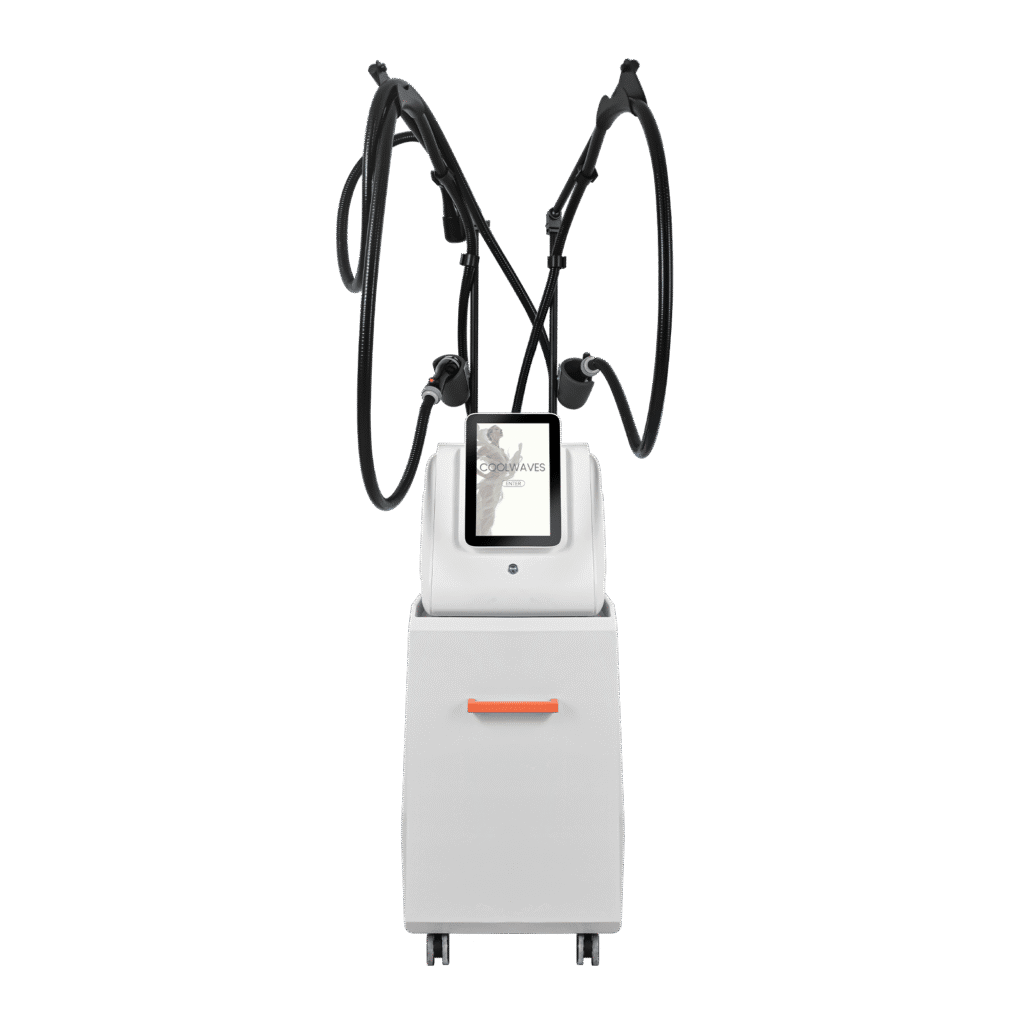
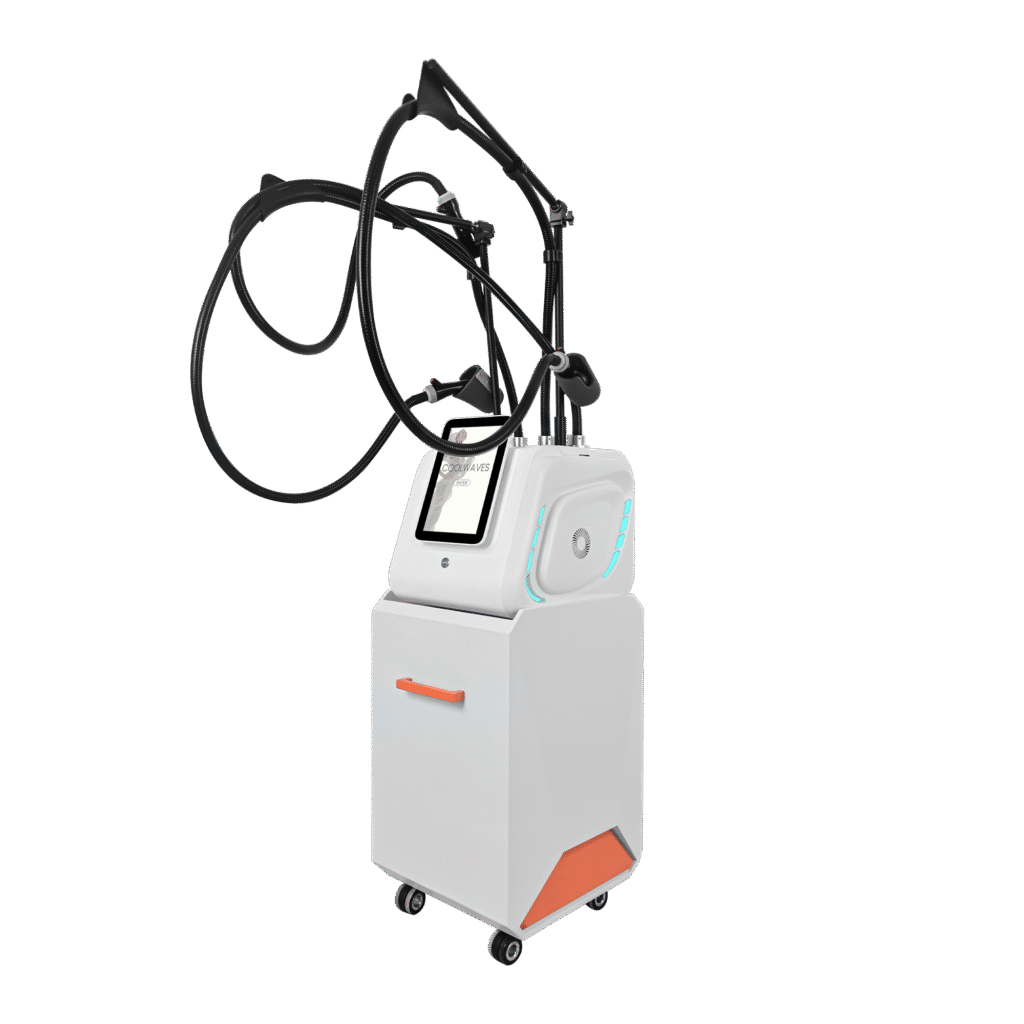
SHEFMON also lists the A0426 multi-wavelength diode laser machine. The two public pages share several headline values, including wavelength positioning, handpiece-power choices, spot sizes, repetition rate and cooling language. Their clearest published difference is form factor and shipping profile.
| Selection point | A0423 | A0426 |
|---|---|---|
| Console format | Compact desktop-style console | Taller vertical console |
| Published package size | 63×47×61cm | 67×54×141cm |
| Published gross weight | 34,5 kilos | 59,2 kg |
| Practical fit | Smaller rooms, portable placement within a controlled facility, lower shipping volume | Dedicated room, larger clinic-style presentation, floor-standing workflow |
These dimensions do not prove that one model has higher throughput or better treatment performance. Buyers should compare exact configured optical output, handpiece revision, cooling test, accessory pack and service terms. A distributor should never treat A0423 and A0426 handpieces as interchangeable merely because the public specifications look similar.
9. What Should Be Included in the Quotation?
An acceptable quotation should identify more than the base model. Ask for a controlled configuration sheet containing:
- Model and revision: A0423 plus hardware and software revision.
- Wavelength profile: exact single-, three- or four-wavelength arrangement and whether 940nm is included.
- Handpiece: 600W or 1200W version, serial or part number and measured-output specification.
- Tamaño del punto: supplied window or set, with compatibility confirmed.
- Electrical version: voltage, frequency, plug, grounding and peak circuit demand.
- Interfaz: screen language, software version and operator-access levels.
- Enfriamiento: water or coolant requirement, filters, alarms and environmental limits.
- Accessories: exact quantity and specification of eyewear, keys, foot control, funnels, filters, cables and any other supplied items.
- Documents: user manual, maintenance schedule, labels, packing list, training materials and market-specific regulatory documents.
- Service terms: warranty scope, exclusions, remote diagnosis, repair workflow and response time.
- Replacement parts: compatible handpiece, sapphire window, pump, filters and other service parts.
- Packing: final carton size, gross weight and shipping marks for the approved configuration.
Protective eyewear should be specified by wavelength range and optical-density requirement for the exact laser—not described merely as “laser glasses.” The facility’s laser-safety assessment should determine who wears it, where it is stored and how damage or expiry is checked.
10. Safety, Training and Regulatory Review
Professional laser equipment must be used within the law and scope of practice of the destination market. The buyer is responsible for confirming device authorization, operator qualification, facility registration, supervision and advertising rules before offering services.
El U.S. Food and Drug Administration’s medical-laser overview notes that laser procedures can involve incomplete treatment, pain, infection, bleeding, scarring and changes in skin color. The FDA also explains that laser products can create eye and skin hazards and are subject to performance, labeling and radiation-control requirements. A manufacturer’s general certificate or website badge is not proof that a specific A0423 configuration is authorized for sale in every country.
El American Academy of Dermatology’s laser hair-removal guidance warns that burns, permanent skin-color changes and scars can occur in inexperienced hands. It also explains that results vary with hair color and thickness, treatment area, laser type and skin color, and that repeated treatments may be needed.
A professional A0423 program should therefore include:
- client identity, consent and treatment records;
- skin and hair assessment plus recent tanning and sun-exposure review;
- medication, photosensitivity and relevant medical-history screening;
- a controlled laser room with warning signs and restricted access;
- wavelength-appropriate eye protection for everyone in the room;
- an approved parameter-selection and test-area policy where indicated;
- skin-response monitoring and clear stop criteria;
- before-care, after-care and sun-protection instructions;
- adverse-event documentation and referral procedures; and
- maintenance, calibration and operator-training records.
The device’s presets can support workflow, but they do not replace professional judgment or an approved protocol.
11. Maintenance and Total Cost of Ownership
The purchase price is only one part of an A0423 investment. Buyers should model the service life of the handpiece, water-system maintenance, replacement filters, contact-window wear, shipping of repairs, software support and downtime.
A practical daily and periodic plan can include:
- checking the handpiece, cable, connector and contact window before use;
- confirming water level, flow and alarm status;
- cleaning the exterior and treatment interface according to the approved method;
- recording error codes, abnormal sound, temperature drift or output concerns;
- changing approved water or coolant and filters on schedule;
- inspecting the sapphire window for chips, scratches or residue;
- verifying output or calibration at the manufacturer’s specified interval; and
- keeping the device serial number, handpiece ID and service history linked.
Ask how the shot counter is stored and whether it follows the console or handpiece. Confirm what happens when a handpiece reaches its rated life, what warranty applies to diode bars, and whether a replacement must match a specific hardware or software revision.
12. OEM and Distributor Configuration Control
OEM branding should begin only after the technical base unit is fixed. Logo printing, startup-screen branding, language localization, manual design, packaging and carton artwork are useful commercial options, but none should obscure the model, safety labels, serial data or required regulatory information.
A distributor should create a SKU for each repeatable combination. For example, an A0423 four-wavelength 1200W configuration with a defined spot size and EU electrical pack should not share the same SKU as a three-wavelength 600W configuration for another market. Keep demo units, replacement handpieces and marketing claims mapped to the same revision.
Before approving production, sign off:
- the configuration sheet and bill of materials;
- label and nameplate artwork;
- logo position and housing color;
- Interfaz y lenguaje del manual;
- packaging and accessory list;
- destination-market documents;
- pre-shipment inspection criteria; and
- spare-parts and after-sales plan.
This makes OEM a controlled product program rather than a logo-only exercise.
13. A0423 Procurement Checklist
Use this shortlist before paying a deposit or approving a sample:
- Is 940nm included, optional or absent from this exact quote?
- Are the wavelengths combined, selectable or offered through different handpieces?
- What percentage of the optical spectrum comes from each wavelength?
- Does 600W or 1200W describe electrical input, diode-module rating or measured optical output?
- What are the validated fluence, pulse-width and repetition-rate ranges, with correct units?
- Which spot size is included, and are alternatives interchangeable?
- What sustained-output and cooling tests support the proposed daily workflow?
- What is the approved water or coolant and maintenance interval?
- Which safety accessories are supplied, and are the eyewear specifications adequate for all wavelengths?
- What is the exact voltage, plug and circuit requirement?
- Which documents apply to the destination market and exact configuration?
- What training is supplied, who delivers it and how is completion recorded?
- What are the handpiece warranty, shot-life definition and replacement cost?
- Which parts are stocked, and how are remote diagnosis and repairs handled?
- Will the final inspection verify configuration, output, cooling, alarms, labels and packing list?
Preguntas frecuentes
1. Is A0423 a four-wavelength diode laser machine?
It can be positioned with 755nm, 810nm, 940nm and 1064nm wavelengths, but SHEFMON’s current product page describes 940nm as optional. The buyer should obtain a quotation that explicitly identifies the supplied three- or four-wavelength profile and the diode-stack composition.
2. Can the operator select each wavelength separately?
Not necessarily. A multi-wavelength handpiece may emit a combined spectrum in fixed proportions. Ask SHEFMON to confirm whether the quoted version fires wavelengths together or allows independent selection, and request the spectrum specification.
3. What is the difference between the 600W and 1200W handpieces?
They are two published handpiece-power options. The number alone does not define optical output or treatment speed. Compare measured optical power, energy range, sustained output, cooling performance, handpiece revision and warranty for the exact configuration.
4. Which spot sizes are listed for A0423?
The product page lists 15×15mm, 15×20mm and 15×30mm. Confirm which window is included, whether multiple windows are supplied and whether each size is compatible with the selected handpiece.
5. Is A0423 suitable for all skin and hair types?
No device should be presented as automatically safe or effective for everyone. Suitability and results depend on skin profile, hair color and thickness, treatment area, recent sun exposure, settings, technique and other individual factors. Qualified screening and an approved protocol are required.
6. Does the cooling temperature guarantee a painless treatment?
No. The published -15°C to 5°C probe range describes the product’s cooling positioning under stated conditions; it does not guarantee a pain-free service or prevent adverse effects. Comfort and safety also depend on settings, contact, overlap, client response and operator technique.
7. Can a beauty salon buy and operate A0423?
That depends on local law, device status, operator licensing and facility requirements. A salon should verify its legal scope, training, supervision, laser-room controls and insurance before purchasing or advertising the service.
8. How many treatments will a client need?
There is no universal number. Hair-growth cycles and individual factors mean that a course is commonly required, but the schedule must be set by a qualified professional. The AAD notes that results and treatment needs vary by client and laser type.
9. What should a distributor request before ordering A0423?
Request the exact wavelength and handpiece configuration, verified output ranges, spot size, electrical version, software language, accessory list, replacement-parts mapping, test records, training, warranty and market-specific documentation. Use a unique SKU for each repeatable configuration.
10. Does SHEFMON offer OEM or private-label support for A0423?
SHEFMON offers OEM and ODM services that may include logo, interface, language, packaging and other customization. Availability, minimum quantity, engineering work, sample approval and compliance implications should be confirmed in writing for the A0423 project.
Conclusión
The A0423 755nm 810nm 940nm 1064nm diode laser machine gives professional buyers a compact, configurable hair-reduction platform with two published handpiece-power choices, three spot-size options, touchscreen operation and multi-stage cooling. Its strongest purchase case is not simply “four wavelengths.” It is the ability to define a configuration that matches the buyer’s service menu, room, staff, local rules and support plan.
Before ordering, resolve the optional 940nm status, wavelength composition, actual optical output, pulse-width unit, supplied spot size, electrical pack, safety accessories and documentation. Salons and clinics can then build a responsible professional service; distributors can create controlled SKUs and replacement-part mappings without confusing different A0423 versions.
Revisar el Página del producto A0423 o contacte con SHEFMON a través de su beauty-equipment product platform to request an exact configuration, technical document pack and OEM discussion for your market.