









Comparta soluciones optimizadas, conocimiento profesional sobre válvulas y novedades de la industria.
Introduce los términos o palabras clave que necesitas consultar y los artículos relevantes aparecerán en los resultados de búsqueda. Si no encuentras la respuesta que buscas, no dudes en contactarnos y estaremos encantados de ayudarte. También puedes enviar un correo electrónico directamente a beauty@shefmon.com.
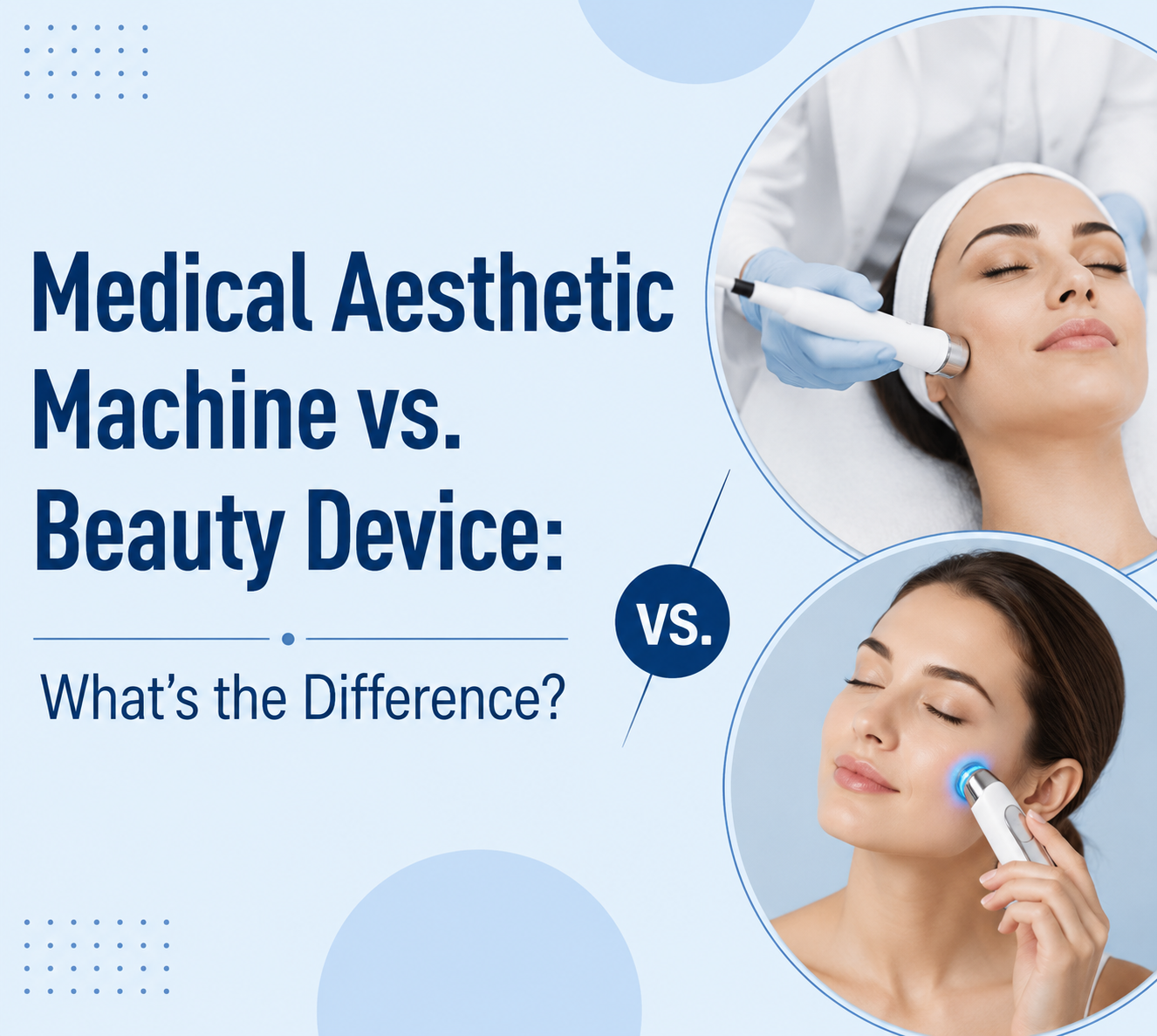
Máquina de estética médica vs. Dispositivo de belleza: ¿Cuál es la diferencia?
- Shefmon
En la industria del cuidado de la piel y la belleza, que se expande rápidamente, los términos “máquina de estética médica” y “dispositivo de belleza” Aunque a menudo se usan indistintamente, representan dos categorías tecnológicas muy diferentes. Ambas están diseñadas para mejorar la apariencia de la piel, reducir los signos del envejecimiento y potenciar su salud en general, pero difieren significativamente en cuanto a potencia, entorno de uso previsto, normativas y resultados del tratamiento. Para los propietarios de clínicas, distribuidores e incluso consumidores de productos para el cuidado de la piel, comprender esta distinción es fundamental para tomar las decisiones de compra o tratamiento adecuadas. Este artículo ofrece una comparación estructurada para aclarar sus principales diferencias y aplicaciones prácticas.
1. ¿Qué es una máquina de medicina estética?
1.1 Definición y función
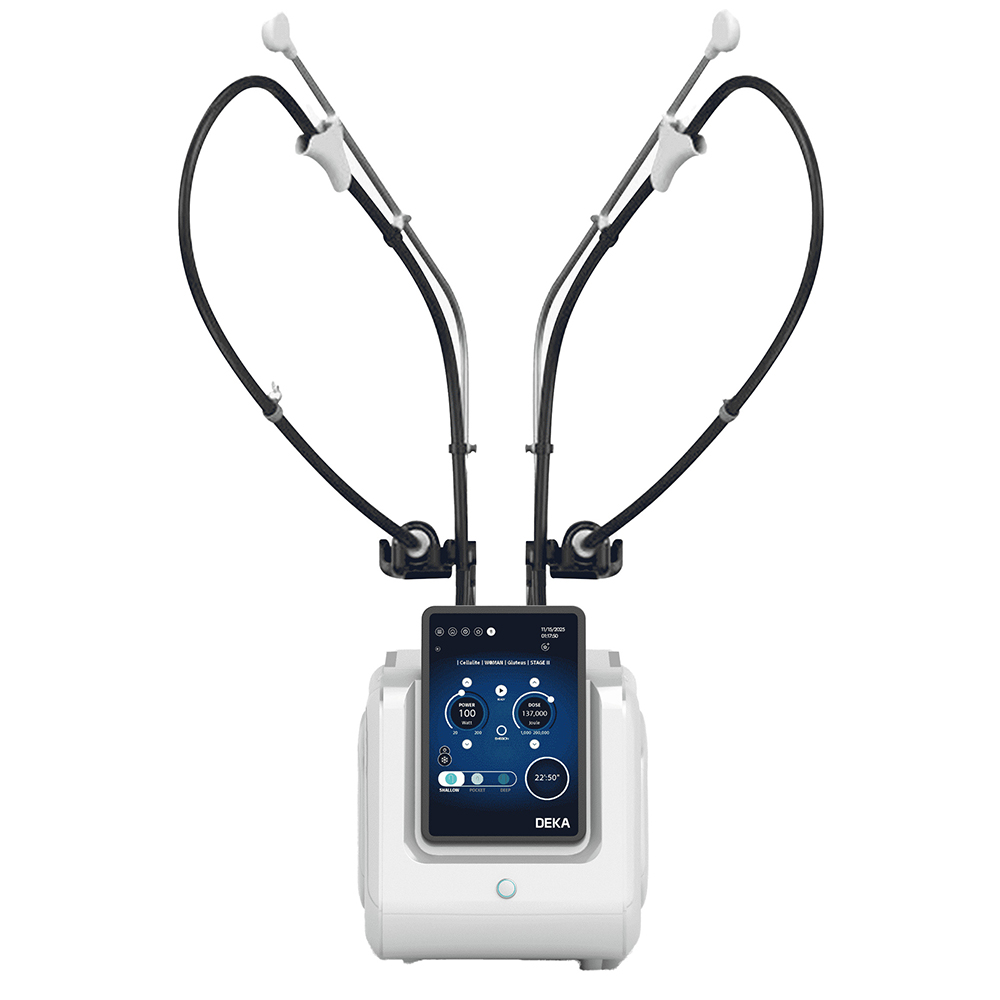
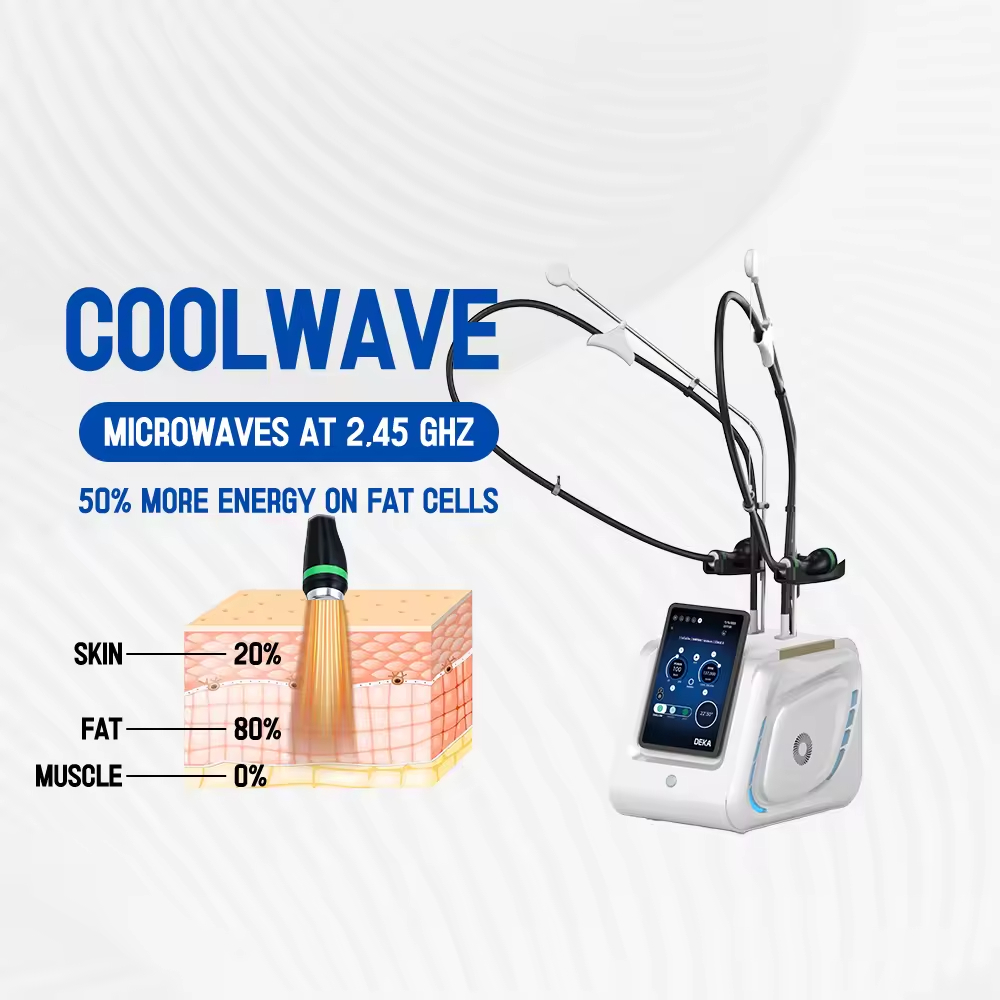
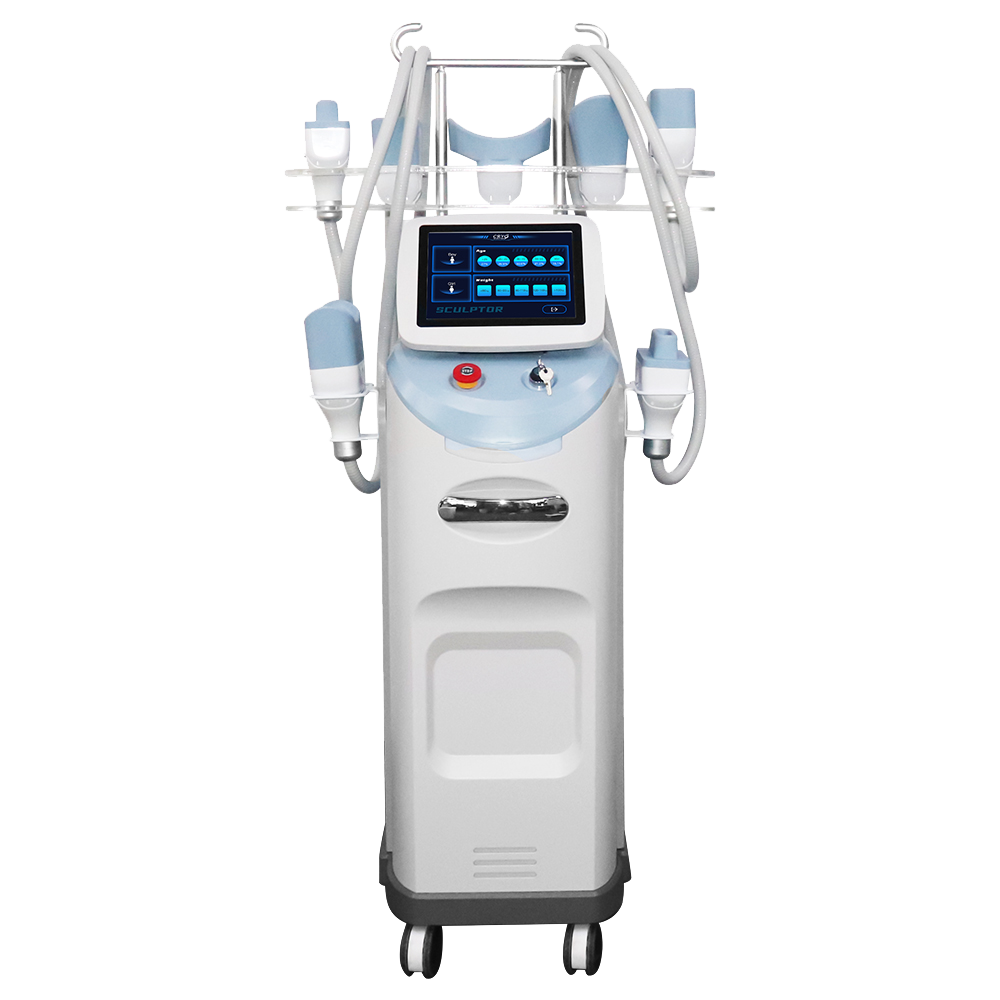
Una máquina de medicina estética es un dispositivo profesional utilizado en entornos clínicos como clínicas dermatológicas, spas médicos y hospitales estéticos. Está diseñada para administrar tratamientos de alta intensidad que actúan sobre las capas más profundas de la piel, proporcionando resultados correctivos visibles y duraderos, en lugar de mejoras superficiales.
1.2 Tecnologías básicas
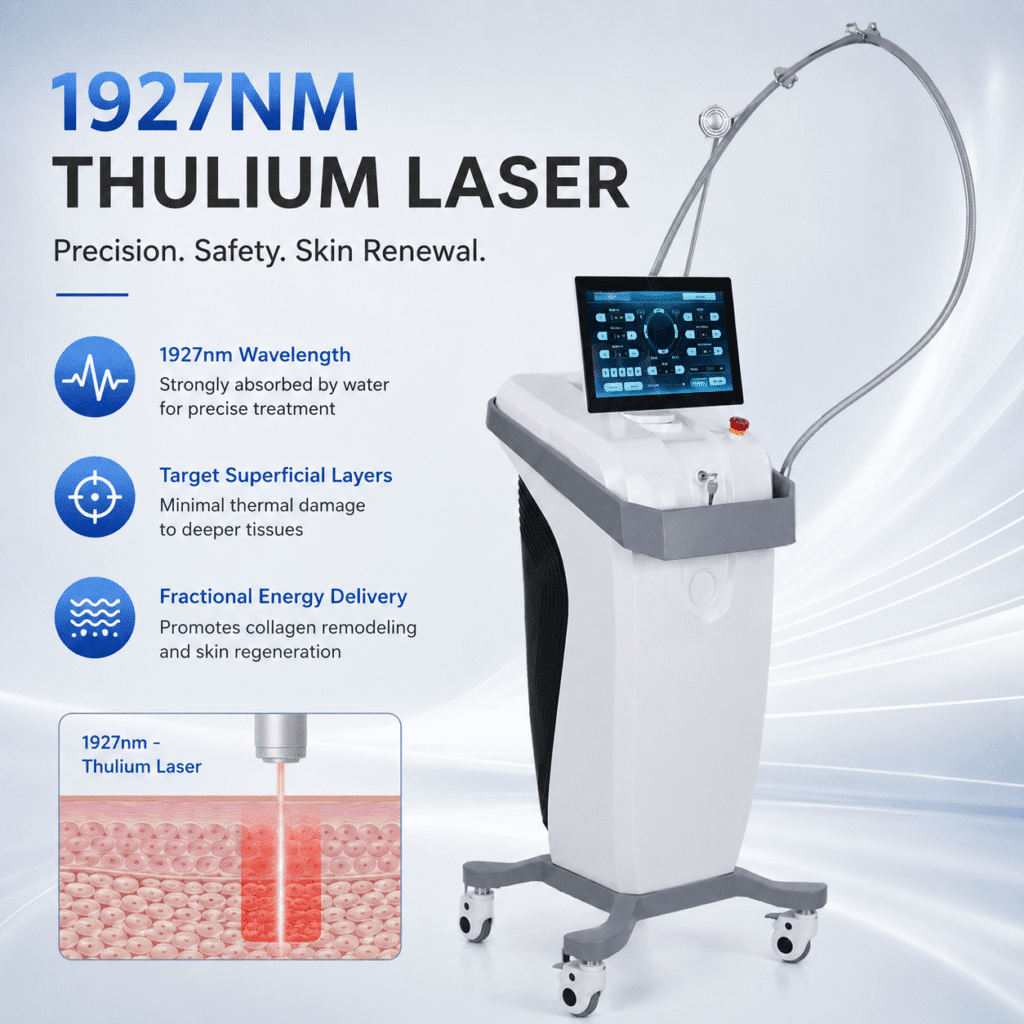
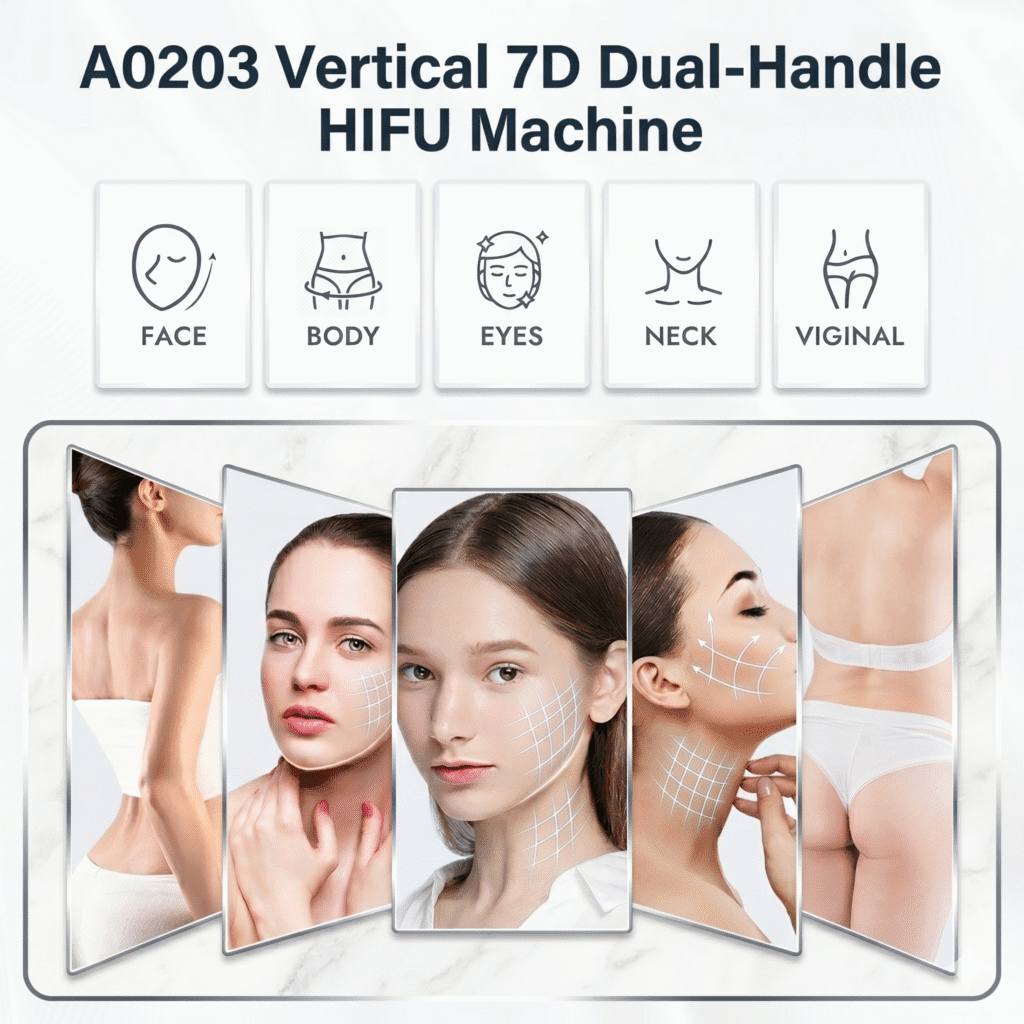
Las máquinas de estética médica a menudo integran tecnologías avanzadas como sistemas láser, radiofrecuencia (RF), ultrasonido focalizado de alta intensidad (HIFU) y luz pulsada intensa (IPL). Estas tecnologías permiten la administración precisa de energía a capas específicas de la piel, lo que posibilita tratamientos como el estiramiento de la piel, la eliminación de manchas, la reducción de arrugas y el contorno corporal.
1.3 Requisitos operativos
Debido a su alta potencia y a los riesgos potenciales que conlleva un uso indebido, estas máquinas deben ser operadas por profesionales capacitados, como dermatólogos o técnicos certificados. En muchos mercados, también están sujetas a estrictas aprobaciones regulatorias, incluyendo la certificación CE médica o la autorización de la FDA, según el tipo de dispositivo.
1.4 Características clave
Los equipos de medicina estética se caracterizan por su alta potencia, gran penetración, eficacia clínica y un coste relativamente elevado. Suelen formar parte de la cartera de tratamientos básicos de una clínica y requieren mantenimiento continuo y formación profesional.
2. ¿Qué es un dispositivo de belleza?
2.1 Definición y función
Un dispositivo de belleza es un aparato para el cuidado de la piel de uso doméstico o en salones de belleza. Su propósito es complementar la rutina diaria de cuidado de la piel, mejorar gradualmente su estado y mantenerla sana, en lugar de realizar tratamientos correctivos intensivos.
2.2 Tipos comunes
Los dispositivos de belleza incluyen cepillos de limpieza facial, Dispositivos de microcorriente EMS, Dispositivos de radiofrecuencia para tensar la piel en casa, mascarillas de terapia de luz LED y exfoliantes faciales ultrasónicos. Estos dispositivos se centran en el cuidado de la piel de forma no invasiva y suave.
2.3 Facilidad de uso y seguridad
A diferencia de los aparatos de estética médica, los dispositivos de belleza están diseñados para ser utilizados de forma segura por personas no profesionales. Suelen funcionar a niveles de energía más bajos e incorporan controles de seguridad para minimizar el riesgo de daños en la piel o un uso indebido.
2.4 Características clave
Los dispositivos de belleza son compactos, portátiles, asequibles y fáciles de usar. Se utilizan principalmente para el mantenimiento, la hidratación, el efecto lifting y la mejora gradual de la textura de la piel, más que para ofrecer resultados clínicos espectaculares.

3. Principales diferencias entre las máquinas de medicina estética y los dispositivos de belleza
3.1 Nivel de energía y profundidad tecnológica
La diferencia fundamental radica en la potencia energética y la profundidad del tratamiento. Los equipos de medicina estética funcionan con niveles de energía más altos y pueden penetrar más profundamente en la dermis y las capas subcutáneas, lo que los hace adecuados para tratar afecciones cutáneas más severas. Los dispositivos de belleza, por el contrario, funcionan con niveles de energía más bajos, diseñados para tratamientos superficiales o cercanos a la superficie, centrándose en una estimulación suave en lugar de cambios estructurales en la piel.
3.2 Resultados del tratamiento
Los equipos de medicina estética ofrecen resultados más rápidos, visibles y duraderos. Un solo tratamiento profesional puede mejorar significativamente las arrugas, la pigmentación o la flacidez de la piel. Los dispositivos de belleza, en cambio, proporcionan mejoras graduales y acumulativas. Sus resultados son sutiles y requieren un uso diario o semanal constante a lo largo del tiempo.
3.3 Entorno de uso y usuarios
Los aparatos de estética médica se utilizan exclusivamente en entornos profesionales como clínicas y spas médicos, y son operados por especialistas capacitados. Los dispositivos de belleza están diseñados para uso personal en el hogar o en salones de belleza no médicos, y no requieren formación profesional.
3.4 Seguridad y regulación
Los equipos de estética médica están sujetos a estrictas normativas médicas y certificaciones de seguridad debido a su alta potencia y aplicaciones clínicas. Los dispositivos de belleza cumplen con los estándares de la electrónica de consumo, priorizando la facilidad de uso y los mecanismos de seguridad integrados para el público en general.
3.5 Costo y modelo de negocio
Los equipos de medicina estética representan una inversión considerable para las clínicas, con importantes costes iniciales, gastos de mantenimiento y capacitación del personal. Generalmente se utilizan como herramientas para generar ingresos en la práctica profesional. Los dispositivos de belleza son productos de coste relativamente bajo dirigidos a consumidores individuales y al mercado minorista masivo.
4. ¿Cuál deberías elegir?
La elección entre una máquina de estética médica y un dispositivo de belleza depende totalmente del uso previsto. Para clínicas dermatológicas, spas médicos o negocios de estética que buscan ofrecer tratamientos avanzados, las máquinas de estética médica son esenciales por su eficacia clínica y sus capacidades de nivel profesional. Para usuarios particulares que buscan el cuidado diario de la piel, la prevención de los signos de envejecimiento prematuro o una ligera mejora cutánea, los dispositivos de belleza son más adecuados por su comodidad, precio asequible y seguridad.
En las rutinas modernas de cuidado de la piel, el enfoque combinado se está volviendo cada vez más popular. Muchos usuarios reciben tratamientos profesionales periódicos con máquinas de medicina estética, a la vez que mantienen los resultados en casa con dispositivos de belleza. Esta sinergia entre el tratamiento clínico y el cuidado diario ayuda a prolongar los resultados y a mejorar la salud general de la piel de forma más eficaz.
Conclusión
Las máquinas de estética médica y los dispositivos de belleza cumplen funciones distintas dentro del ecosistema del cuidado de la piel. Las primeras se centran en tratamientos profesionales de alta intensidad que ofrecen resultados clínicos, mientras que los segundos priorizan el mantenimiento seguro, cómodo y gradual de la piel en casa. Comprender estas diferencias permite tanto a las empresas como a los consumidores tomar decisiones más informadas, garantizando el equilibrio adecuado entre la eficacia del tratamiento, la seguridad y la salud de la piel a largo plazo.