









Métodos para el estrechamiento vaginal: Guía completa
Comprender la laxitud vaginal
¿Qué causa la flacidez vaginal?
Seamos realistas: este es uno de esos temas en los que la gente piensa pero de los que rara vez habla abiertamente. La laxitud vaginal, o flacidez, es increíblemente común y no es algo misterioso ni anormal. Los principales culpables son: parto, envejecimiento, y cambios hormonales. Durante el parto vaginal, los tejidos se estiran considerablemente y, si bien el cuerpo se recupera, no siempre vuelve a su firmeza original. Con el tiempo, el colágeno y la elastina —las proteínas responsables de la firmeza— disminuyen de forma natural, al igual que ocurre con la piel.
Los cambios hormonales, especialmente durante la menopausia, también pueden debilitar las paredes vaginales y los tejidos circundantes. Según observaciones clínicas, estos cambios pueden afectar no solo la sensibilidad física, sino también la fuerza general del suelo pélvico.
La cuestión es la siguiente: tu cuerpo no está "fallando", sino evolucionando. Pero eso no significa que tengas que vivir con molestias o insatisfacción si existen soluciones. Piensa en ello como en el tono muscular de cualquier otra parte del cuerpo: sin mantenimiento ni intervención, las cosas pueden cambiar.
Síntomas y preocupaciones comunes
Las mujeres que experimentan laxitud vaginal suelen reportar disminución de la sensibilidad durante las relaciones sexuales, menor satisfacción sexual e incluso incontinencia urinaria leve. Estos no son solo problemas físicos; pueden afectar la autoestima, las relaciones y el bienestar mental.
En algunos estudios, las mujeres también describieron una sensación de flacidez que afectaba su calidad de vida. Esto subraya un punto importante: el estrechamiento vaginal no es puramente estético, sino que puede tener beneficios funcionales reales.
¿Por qué las mujeres buscan el estrechamiento vaginal?
Razones físicas vs. emocionales
La motivación para el estrechamiento vaginal es muy variada. Algunas mujeres buscan mejorar las sensaciones físicas o afrontar los cambios posparto. Otras se guían por factores emocionales: la confianza, la intimidad o incluso recuperar el control sobre su cuerpo.
Es similar a ir al gimnasio o invertir en productos para el cuidado de la piel. No se trata de "arreglarse", sino de mejorar cómo te sientes.
Necesidades médicas frente a necesidades cosméticas
También existe una distinción clave entre necesidad médica y mejora cosmética. Por ejemplo:
- Médico: incontinencia urinaria, debilidad del suelo pélvico
- Cosmético: mejora de la firmeza o satisfacción sexual
Comprender esta diferencia ayuda a determinar qué opción de tratamiento es la más adecuada.
Métodos no quirúrgicos para el estrechamiento vaginal
Ejercicios del suelo pélvico (Kegels)
Comencemos con el método más sencillo y accesible: ejercicios de Kegel. Estos ejercicios actúan sobre los músculos del suelo pélvico, los mismos que se utilizan para interrumpir la micción a mitad del chorro.
Si se realizan con constancia, los ejercicios de Kegel pueden mejorar significativamente el tono muscular, lo que se traduce en un mayor control y una sensación de mayor firmeza. ¿Lo mejor de este método? Es totalmente gratuito y sin riesgos.
Pero aquí está el truco: la constancia es clave. Hacerlos de vez en cuando no es suficiente. Es como ir al gimnasio una vez al mes y esperar tener abdominales marcados.
Conos y pesas vaginales
Si quieres intensificar tu entrenamiento pélvico, las pesas o conos vaginales añaden resistencia, lo que ayuda a fortalecer los músculos más rápidamente. Estos dispositivos funcionan como mancuernas, pero para el suelo pélvico.
Son especialmente útiles para las mujeres que tienen dificultades para identificar o activar los músculos correctos durante los ejercicios de Kegel.
Tecnologías de tensado vaginal basadas en energía
Tratamientos de radiofrecuencia (RF)
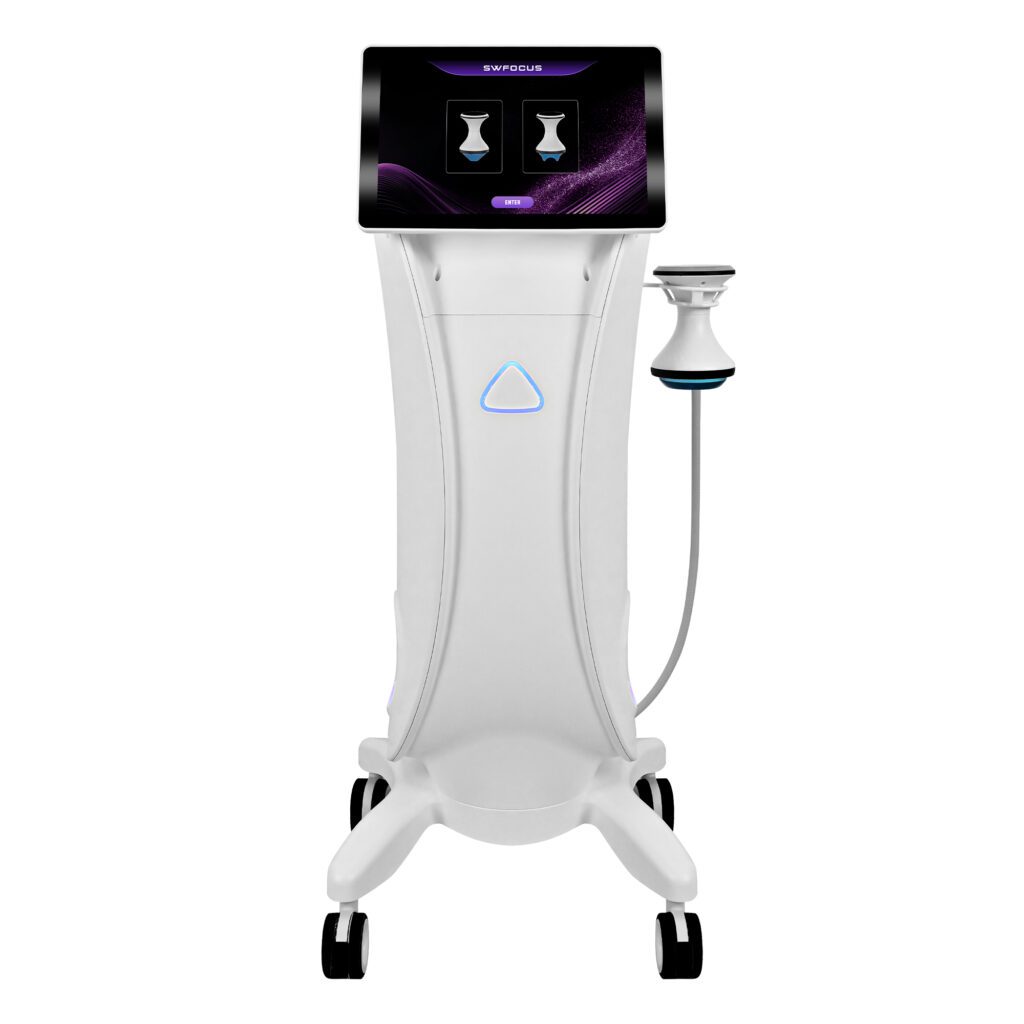
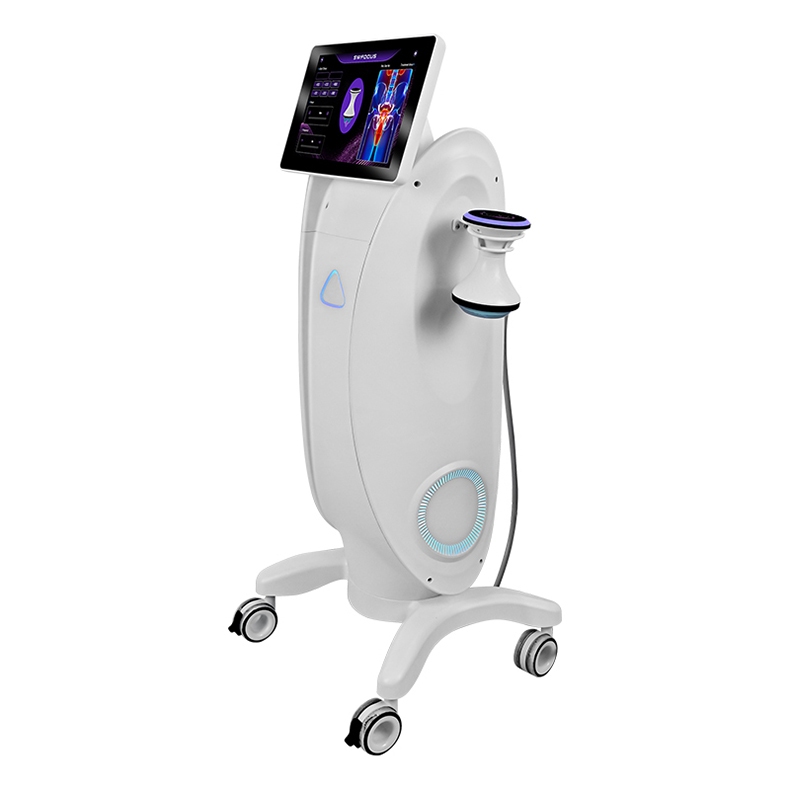
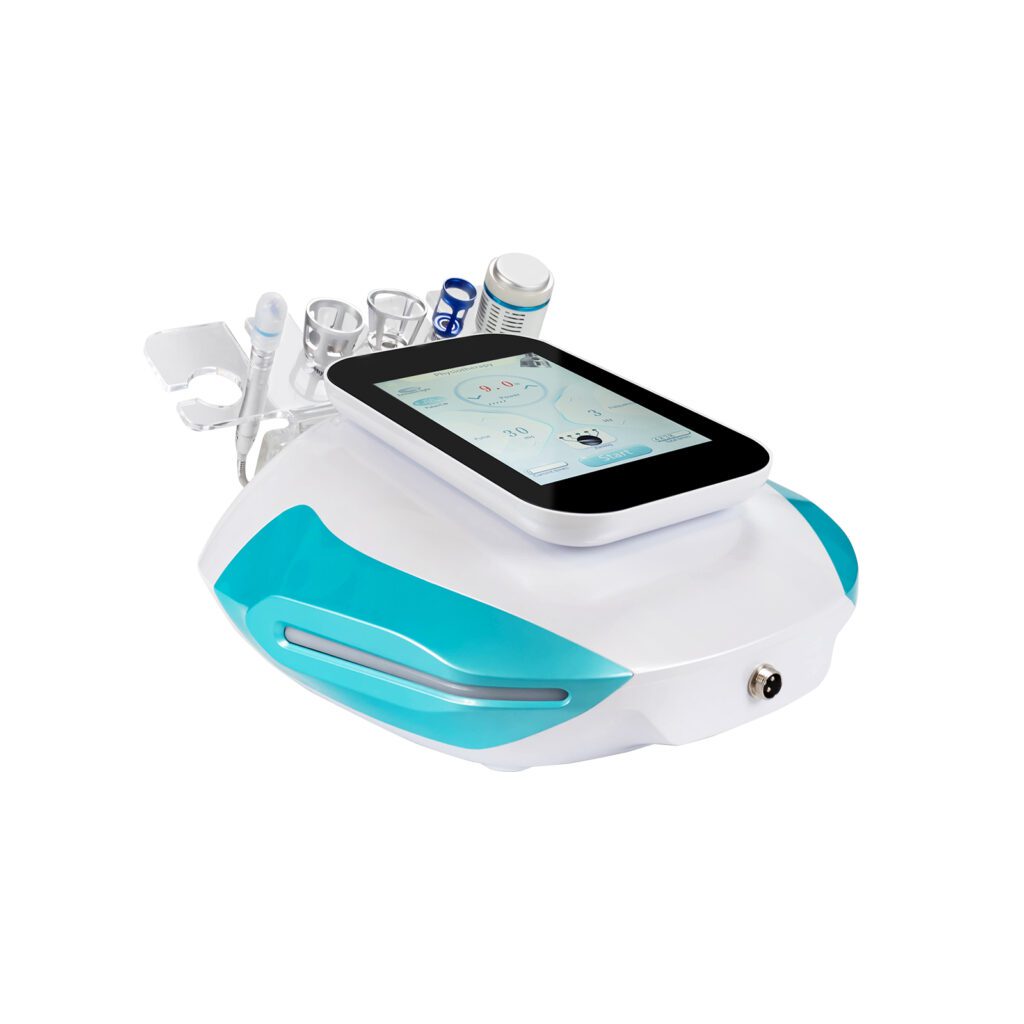
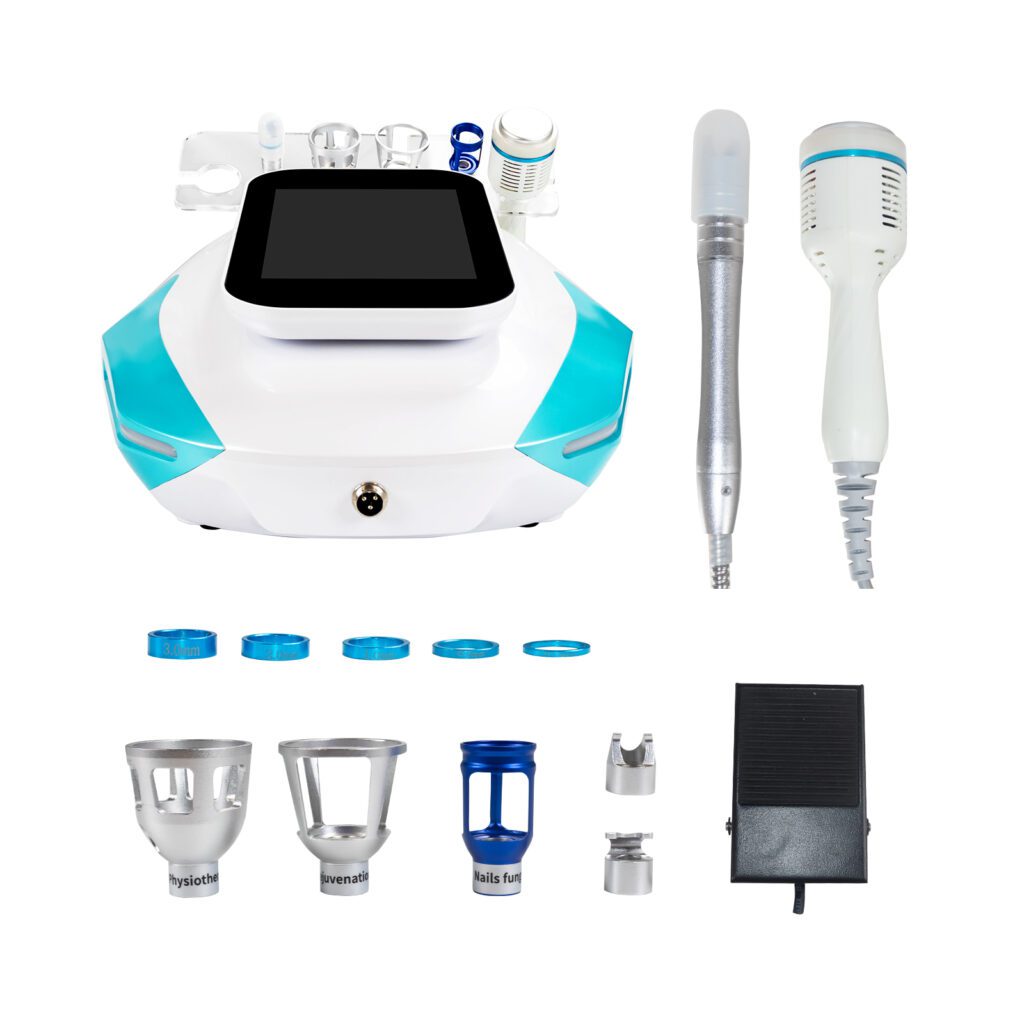
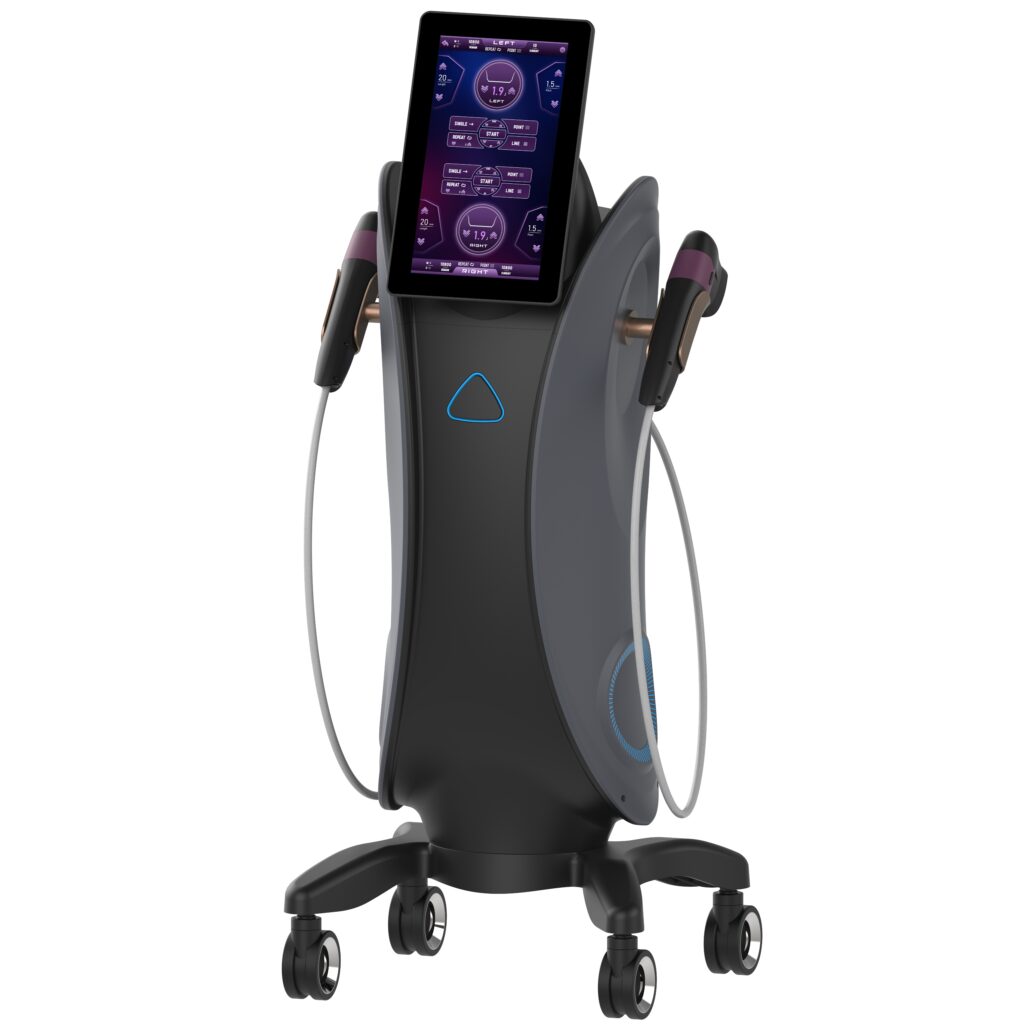
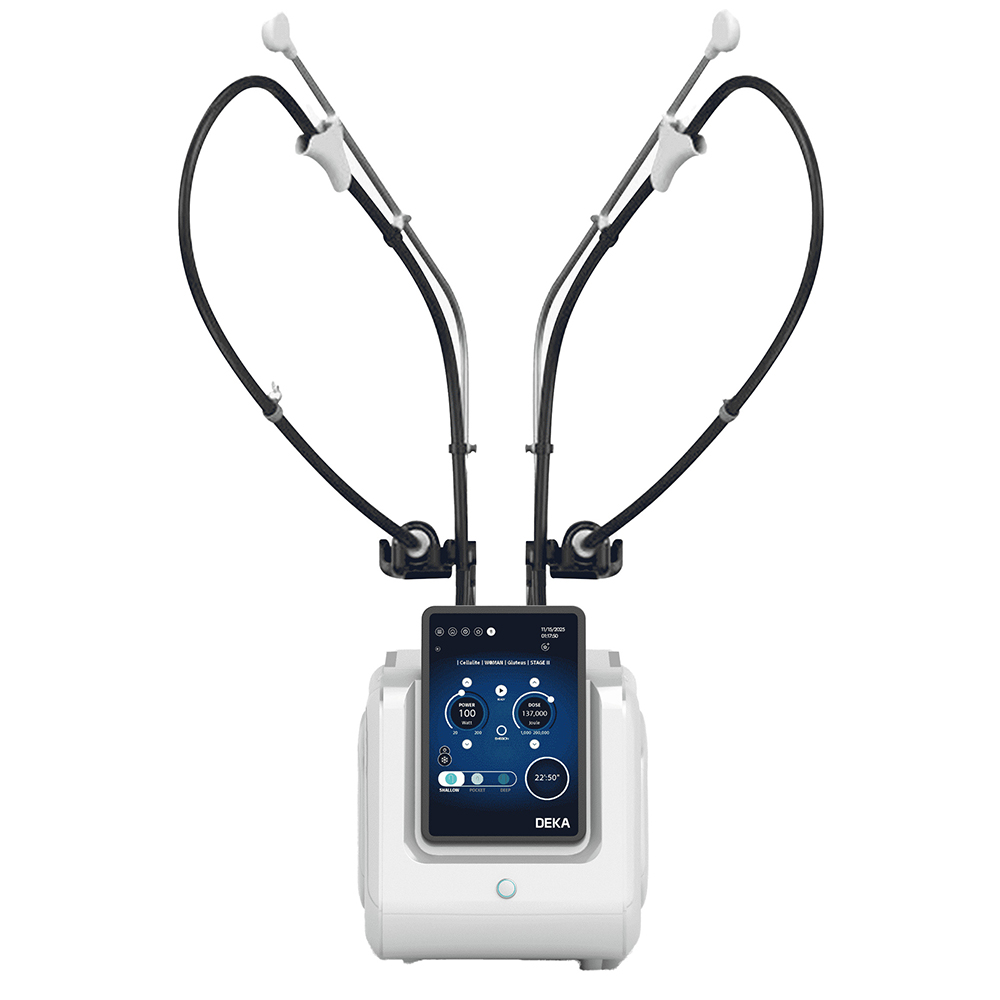
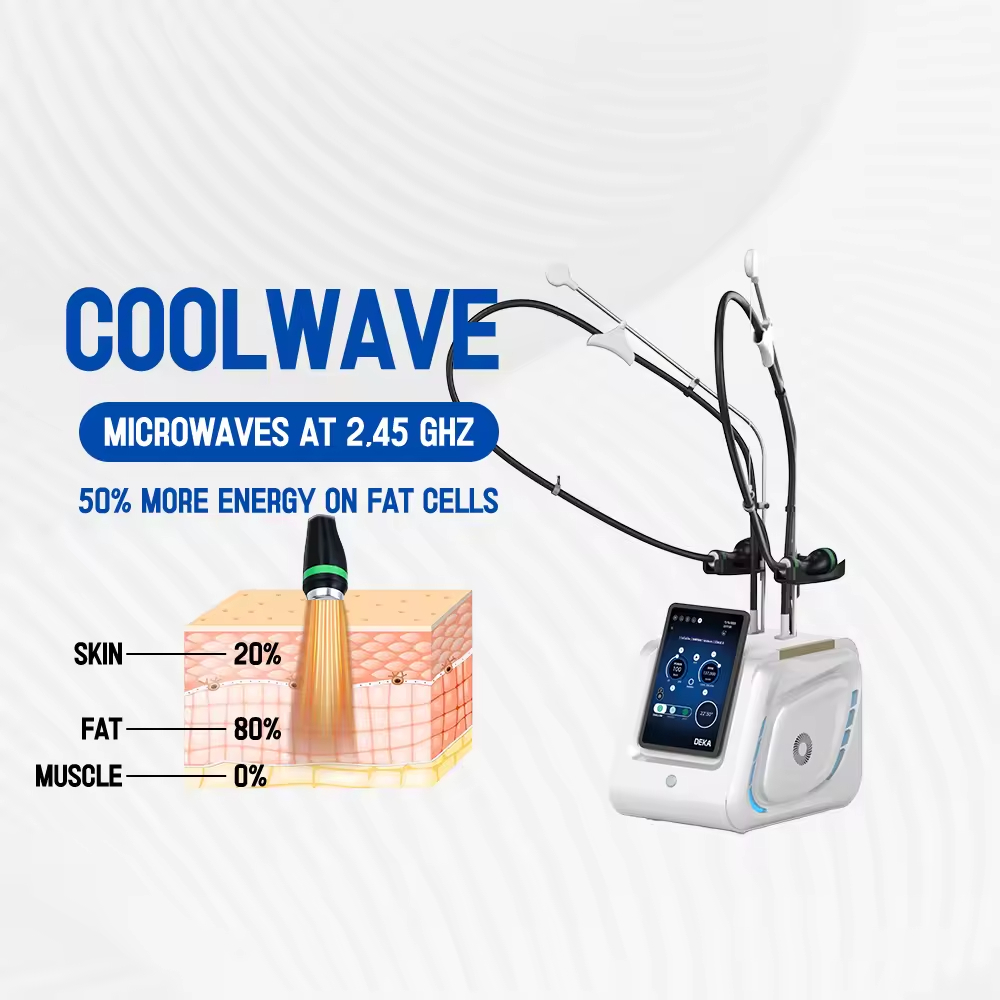
Los tratamientos de radiofrecuencia (RF) se encuentran entre las opciones no quirúrgicas más populares en la actualidad. Estos dispositivos administran calor controlado a los tejidos vaginales, estimulando la producción de colágeno y reafirmando la zona.
Eficacia clínica y resultados
Los estudios clínicos muestran resultados prometedores. En un estudio, 67% de mujeres reportaron mejoría después de un mes, aumentando a 87% después de seis meses.. Se trata de un salto significativo, lo que sugiere beneficios acumulativos a lo largo del tiempo.
Otro estudio en el que participaron más de 100 pacientes halló mejoras en la función sexual, la satisfacción y la firmeza vaginal general tras los tratamientos de radiofrecuencia.
Funciona así: el calor desencadena la remodelación del colágeno, de forma similar a como actúan los tratamientos para reafirmar la piel del rostro.
Tratamientos con láser fraccionado de CO2
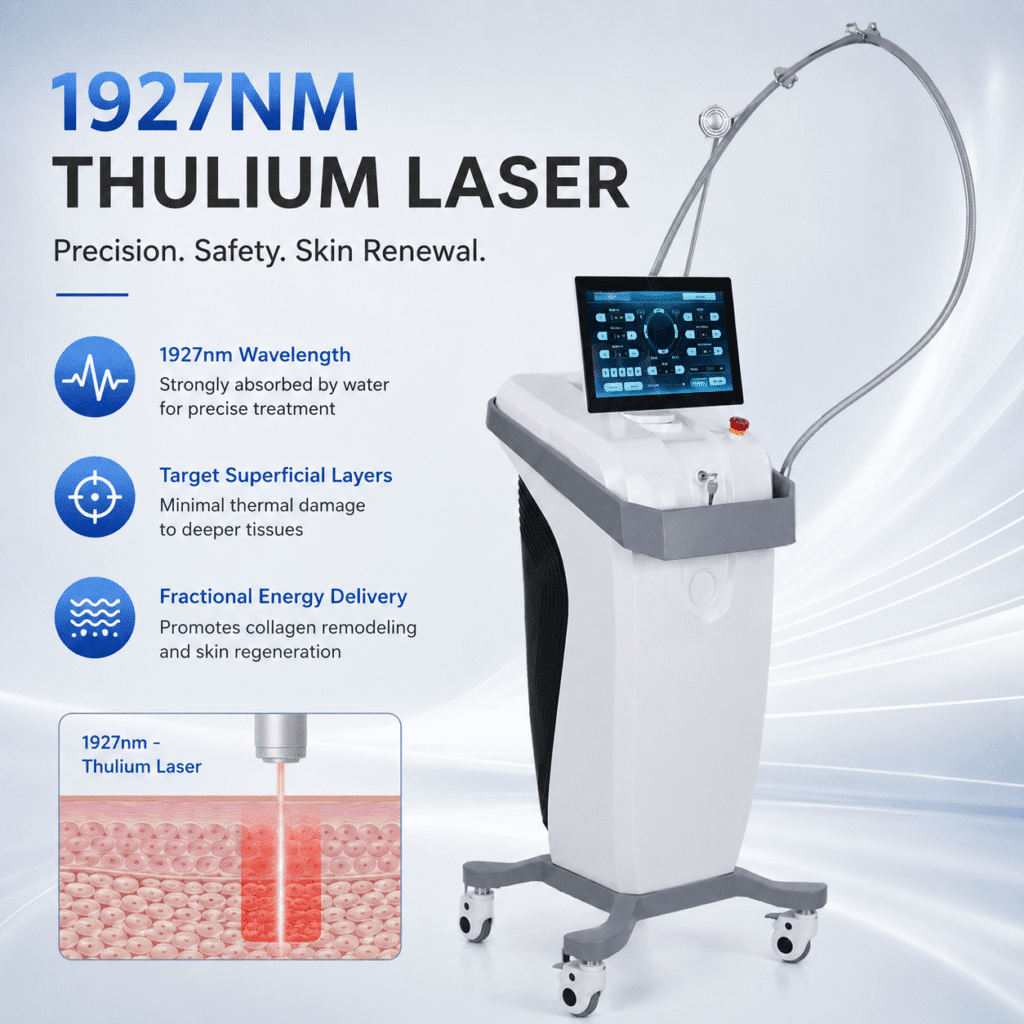
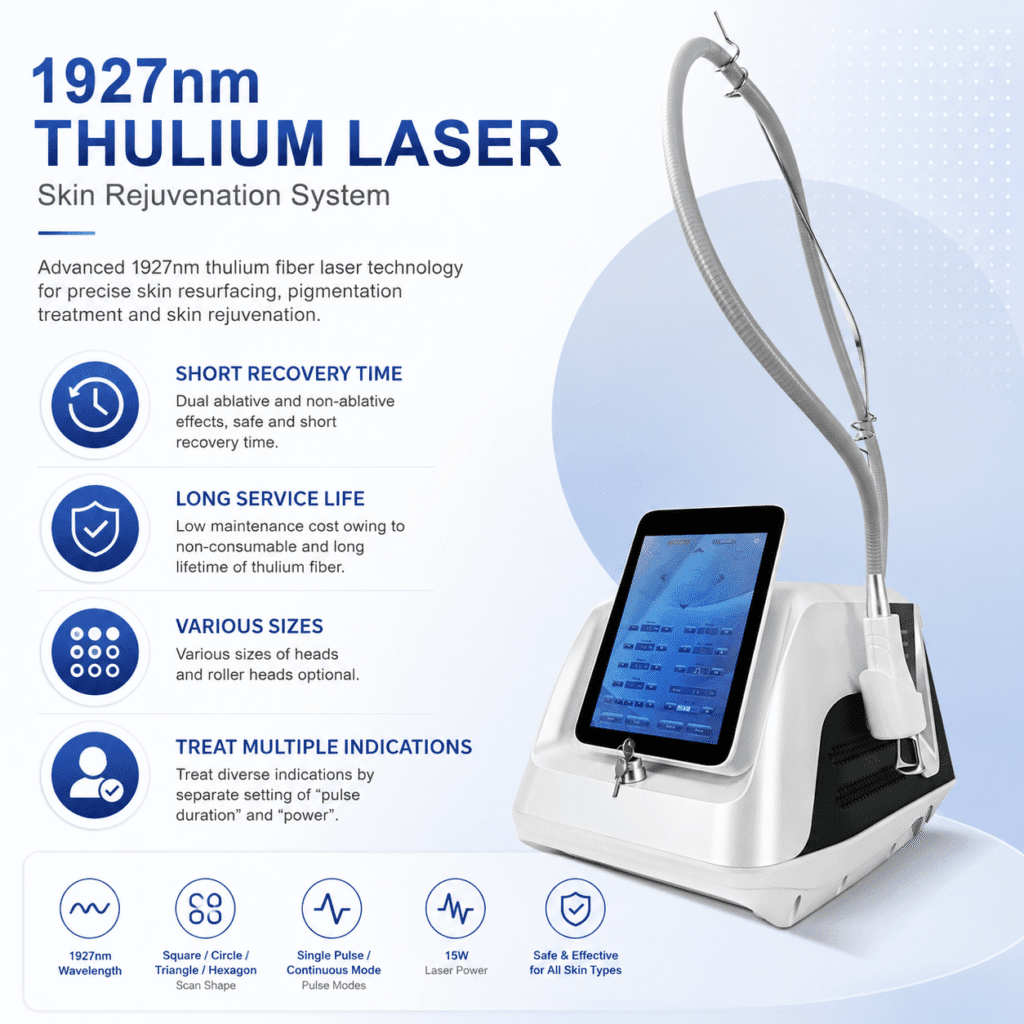
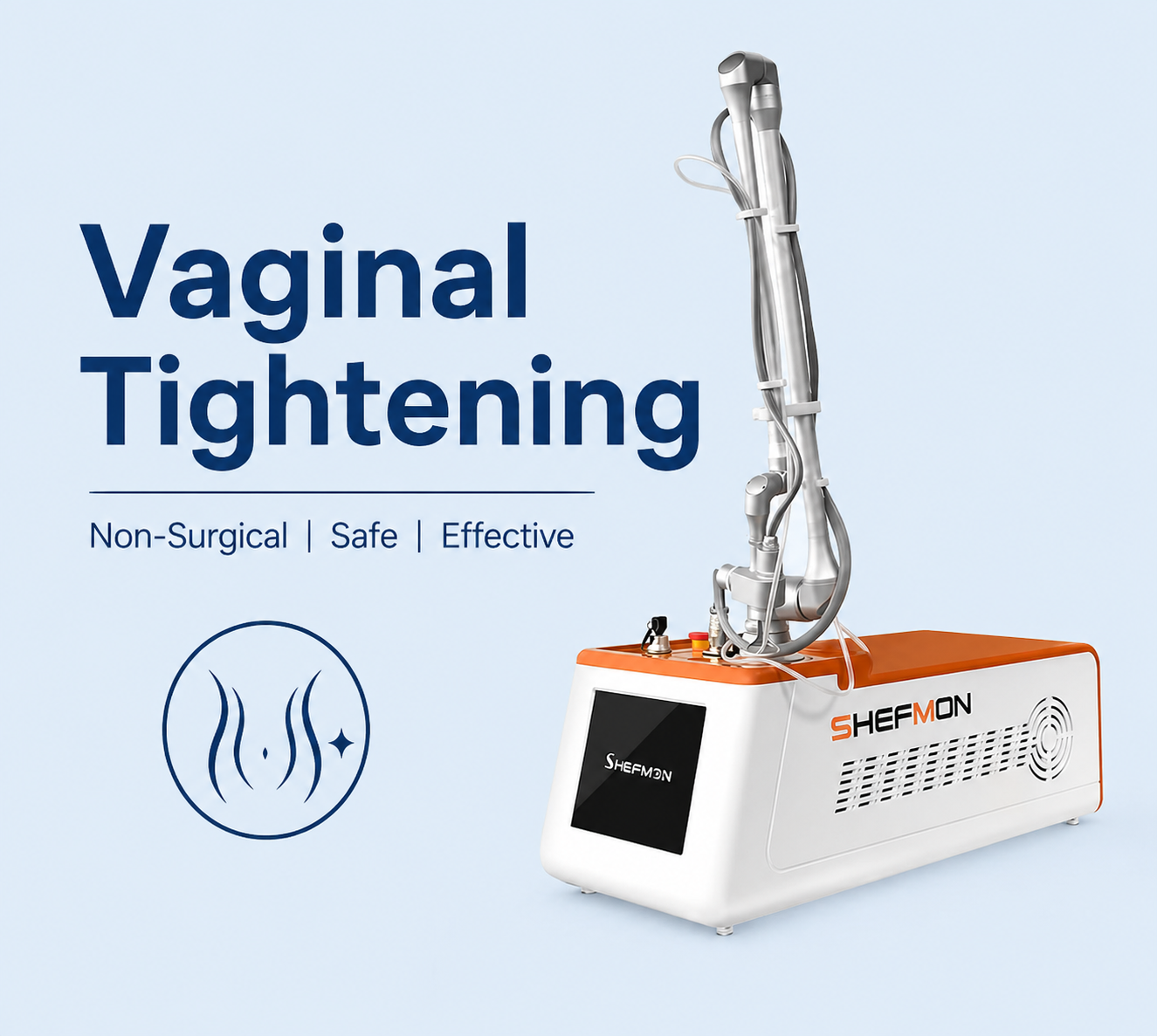
Los láseres fraccionados de CO2, como el que aparece en el enlace del producto, son otra opción avanzada. Estos dispositivos crean microlesiones en el tejido, estimulando la curación natural y la producción de colágeno.
Mecanismo y beneficios
Los tratamientos láser penetran en capas más profundas, promoviendo la regeneración de los tejidos y mejorando la elasticidad. Una revisión de 59 estudios que involucran a más de 3.600 mujeres Se ha descubierto que los dispositivos láser y de radiofrecuencia pueden mejorar los síntomas relacionados con la laxitud y la atrofia vaginal.
Sin embargo, los resultados pueden variar dependiendo del dispositivo, la habilidad del profesional y el estado del paciente.
Opciones de tensado vaginal quirúrgico
Vaginoplastia explicada
Para quienes buscan resultados más espectaculares y duraderos, la cirugía es una opción. Vaginoplastia Consiste en estrechar el canal vaginal eliminando el exceso de tejido y suturando los músculos para unirlos más entre sí.
A diferencia de los métodos no invasivos, este altera directamente la estructura, no solo el colágeno.
Recuperación y riesgos
La cirugía requiere un periodo de recuperación, generalmente de varias semanas, y conlleva riesgos potenciales como infecciones o cicatrices. Sin embargo, también ofrece los resultados más notables y permanentes.
Es una cuestión de prioridades: invasividad frente a eficacia.
Comparación de todos los métodos
Tabla comparativa de eficacia
| Método | Invasividad | Duración de los resultados | Costo | Nivel de riesgo |
|---|---|---|---|---|
| Ejercicios de Kegel | Ninguno | En curso | Gratis | Muy bajo |
| Pesos vaginales | Bajo | Moderado | Bajo | Bajo |
| Tratamientos de radiofrecuencia | No invasivo | 6–12 meses | Medio | Bajo |
| Láser de CO2 | No invasivo | 6–12 meses | Medio-alto | Medio |
| Cirugía | Alto | A largo plazo | Alto | Alto |
Costo vs. Resultados
Los tratamientos basados en energía pueden costar alrededor de $3.000 por sesión, Dependiendo de la ubicación y del proveedor, la cirugía es más costosa inicialmente, pero puede eliminar la necesidad de sesiones repetidas.
Seguridad, riesgos y advertencias de la FDA
Lo que dicen los expertos
Aquí es donde las cosas se ponen interesantes, y un poco controvertidas. La FDA ha emitido advertencias sobre los tratamientos vaginales basados en energía, afirmando que Su seguridad y eficacia no están completamente establecidas..
Los expertos destacan que, si bien algunos estudios muestran beneficios, se necesitan más ensayos clínicos a gran escala.
Posibles efectos secundarios
Entre los posibles riesgos se incluyen:
- Quemaduras
- Cicatrización
- Dolor durante las relaciones sexuales
- Malestar crónico
Estos riesgos son poco frecuentes, pero es importante tenerlos en cuenta.
Elegir el método correcto
Factores a considerar
Elegir el método adecuado depende de:
- Edad y estado de salud
- Gravedad de la laxitud
- Presupuesto
- Resultados deseados
No existe una solución que sirva para todos los casos.
Consulta y expectativas
Siempre consulte con un ginecólogo o especialista cualificado. Las expectativas poco realistas suelen provocar decepción, por lo que la claridad es fundamental.
Tendencias futuras en el rejuvenecimiento vaginal
Tecnologías láser avanzadas
El futuro se inclina hacia dispositivos basados en energía más seguros y precisos Con un mejor control de la temperatura y una acción dirigida a tejidos más profundos. Las innovaciones buscan reducir los riesgos y, al mismo tiempo, mejorar los resultados.
Conclusión
Estrechamiento vaginal No se trata solo de estética, sino de comodidad, confianza y calidad de vida. Desde ejercicios sencillos hasta tecnologías láser avanzadas, las opciones actuales son más diversas que nunca.
Cada método tiene sus ventajas y desventajas, y la mejor opción depende de las necesidades individuales. Si bien los tratamientos no quirúrgicos están ganando popularidad, es fundamental abordarlos con cautela e información, especialmente ante los debates actuales sobre su seguridad y eficacia.
Preguntas frecuentes
1. ¿Realmente funcionan los tratamientos para tensar la vagina?
Algunos métodos, como los ejercicios de Kegel y los tratamientos de radiofrecuencia, muestran mejoras medibles, pero los resultados varían según la persona y la técnica.
2. ¿Es seguro el tensado vaginal con láser?
Puede ser seguro cuando lo realizan profesionales cualificados, pero los organismos reguladores advierten que los datos de seguridad a largo plazo son limitados.
3. ¿Cuánto duran los resultados?
Los métodos no quirúrgicos suelen durar entre 6 y 12 meses, mientras que la cirugía ofrece resultados más duraderos.
4. ¿Existen métodos naturales para reafirmar la vagina?
Sí, los ejercicios de Kegel y el entrenamiento del suelo pélvico son métodos naturales eficaces.
5. ¿Qué método es el mejor después del parto?
En función de la gravedad, a menudo se recomiendan inicialmente opciones no invasivas como los ejercicios de Kegel o los tratamientos de radiofrecuencia.