A medida que las soluciones no invasivas para la salud pélvica ganan aceptación en entornos médicos y estéticos, las sillas de EMS para suelo pélvico se han convertido en una inversión importante para clínicas, centros de rehabilitación y consultorios de salud femenina. Sin embargo, no todas las sillas de EMS para suelo pélvico son iguales. Más allá de las especificaciones básicas, las clínicas deben evaluar la tecnología, la eficacia del tratamiento, la idoneidad para el paciente, la eficiencia operativa y el valor a largo plazo. Comprender estas consideraciones clave ayuda a las clínicas a seleccionar equipos que ofrezcan resultados clínicos reales, a la vez que impulsan el crecimiento sostenible del negocio.
1. Tecnología de tratamiento y profundidad de estimulación
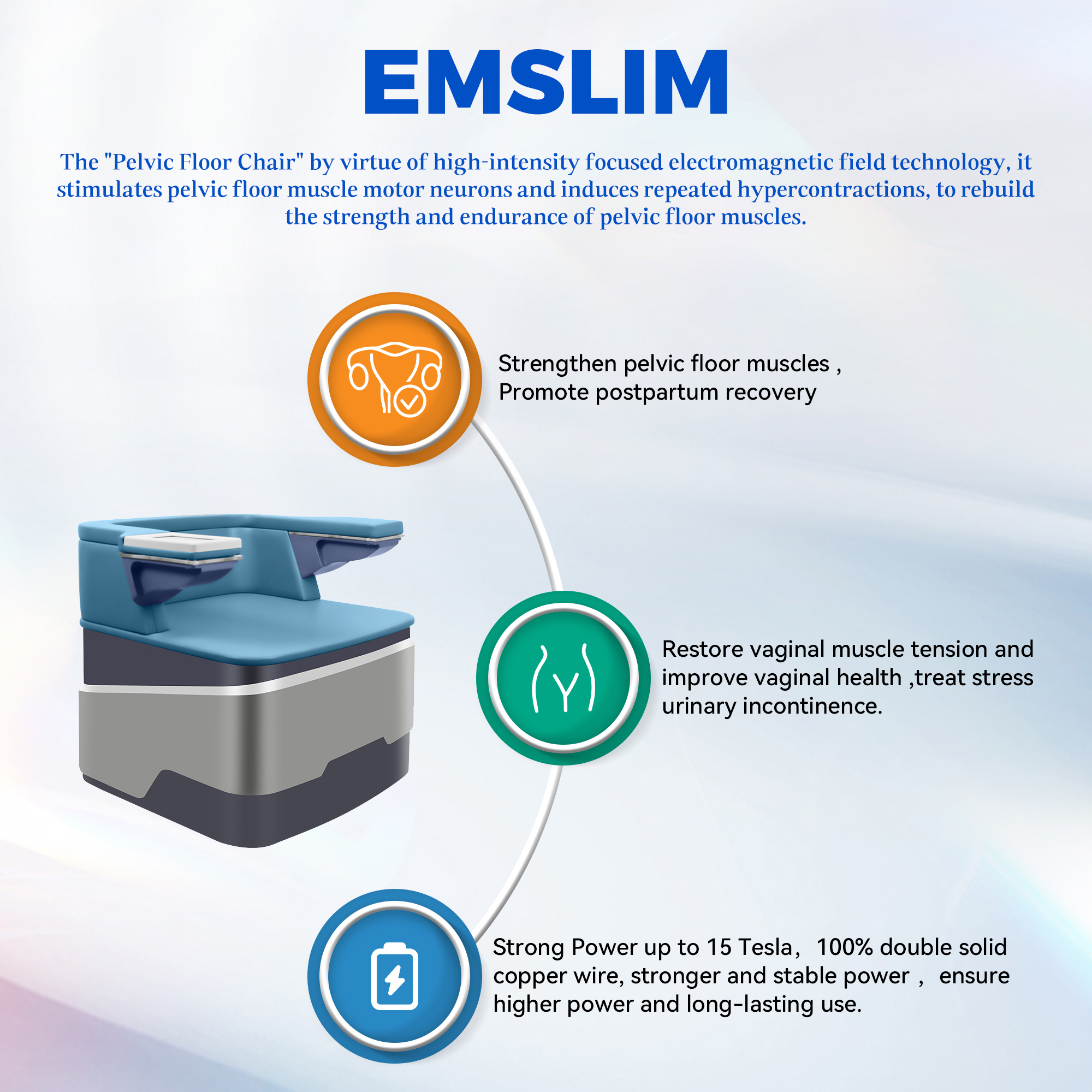
El valor fundamental de una silla EMS para el suelo pélvico reside en su tecnología de estimulación. Las clínicas deberían priorizar los sistemas que utilizan tecnología de pulsos electromagnéticos focalizados en lugar de la estimulación eléctrica superficial.
1.1 Capacidad de estimulación electromagnética enfocada
Las sillas EMS de suelo pélvico de alta calidad generan energía electromagnética focalizada que penetra profundamente en los músculos del suelo pélvico. Esto permite la estimulación de toda la región pélvica, incluyendo las capas musculares profundas que son difíciles de activar con ejercicios voluntarios o la terapia eléctrica tradicional. Una sesión de tratamiento puede inducir aproximadamente de 10 000 a 12 000 contracciones musculares supramáximas del suelo pélvico, lo que proporciona un entrenamiento significativamente más intenso que los ejercicios manuales de Kegel. Esta tecnología es especialmente importante para las clínicas que tratan la incontinencia urinaria de esfuerzo, la debilidad pélvica posparto y el deterioro del suelo pélvico relacionado con la edad.
2. Indicaciones clínicas y cobertura del paciente
Antes de comprarlo, las clínicas deben evaluar si el dispositivo satisface una amplia gama de necesidades de los pacientes.
2.1 Aplicaciones para el posparto y la salud de la mujer
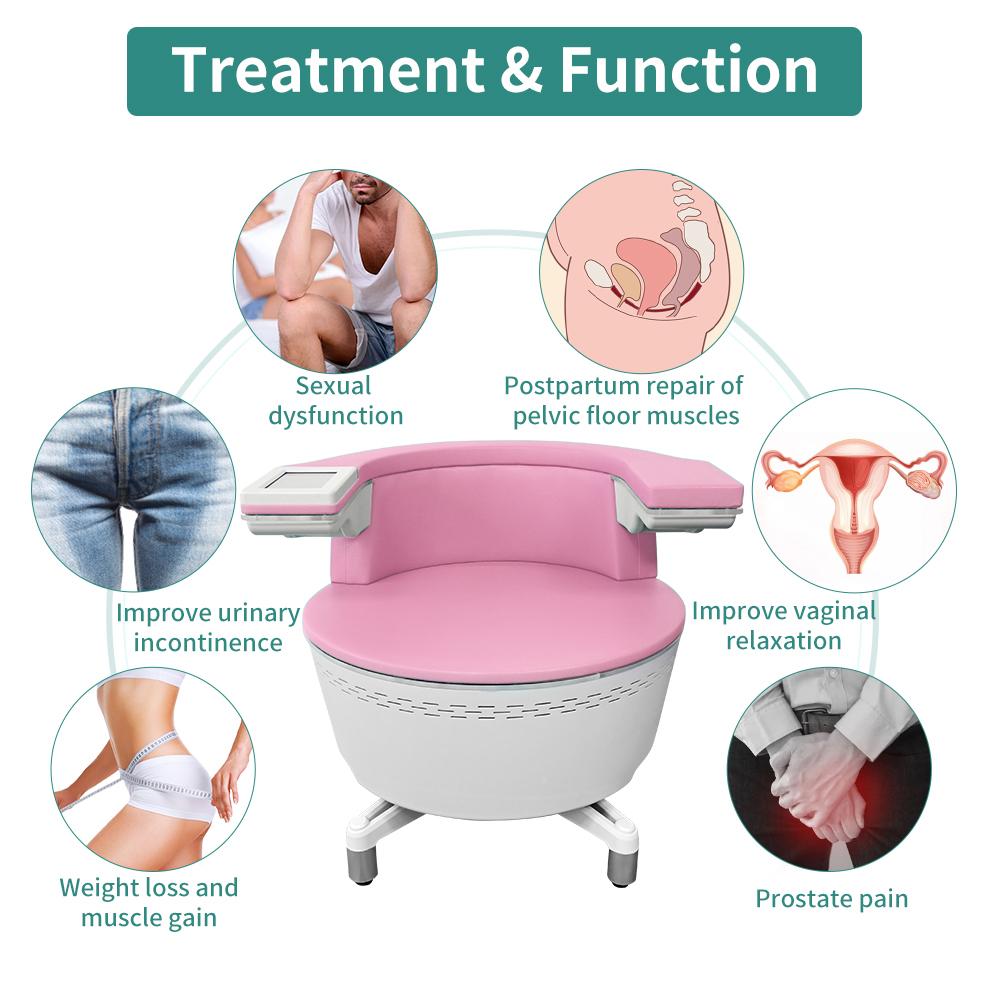
Las sillas EMS para el suelo pélvico se utilizan comúnmente para la recuperación posparto. Sistemas eficaces ayudan a restaurar el tono muscular pélvico, mejorar el control de la vejiga y reducir las pérdidas de orina causadas por la tos, los estornudos o la actividad física. Las sillas diseñadas específicamente para la salud femenina también pueden favorecer la recuperación de la tensión muscular vaginal y la estabilidad pélvica después del parto.
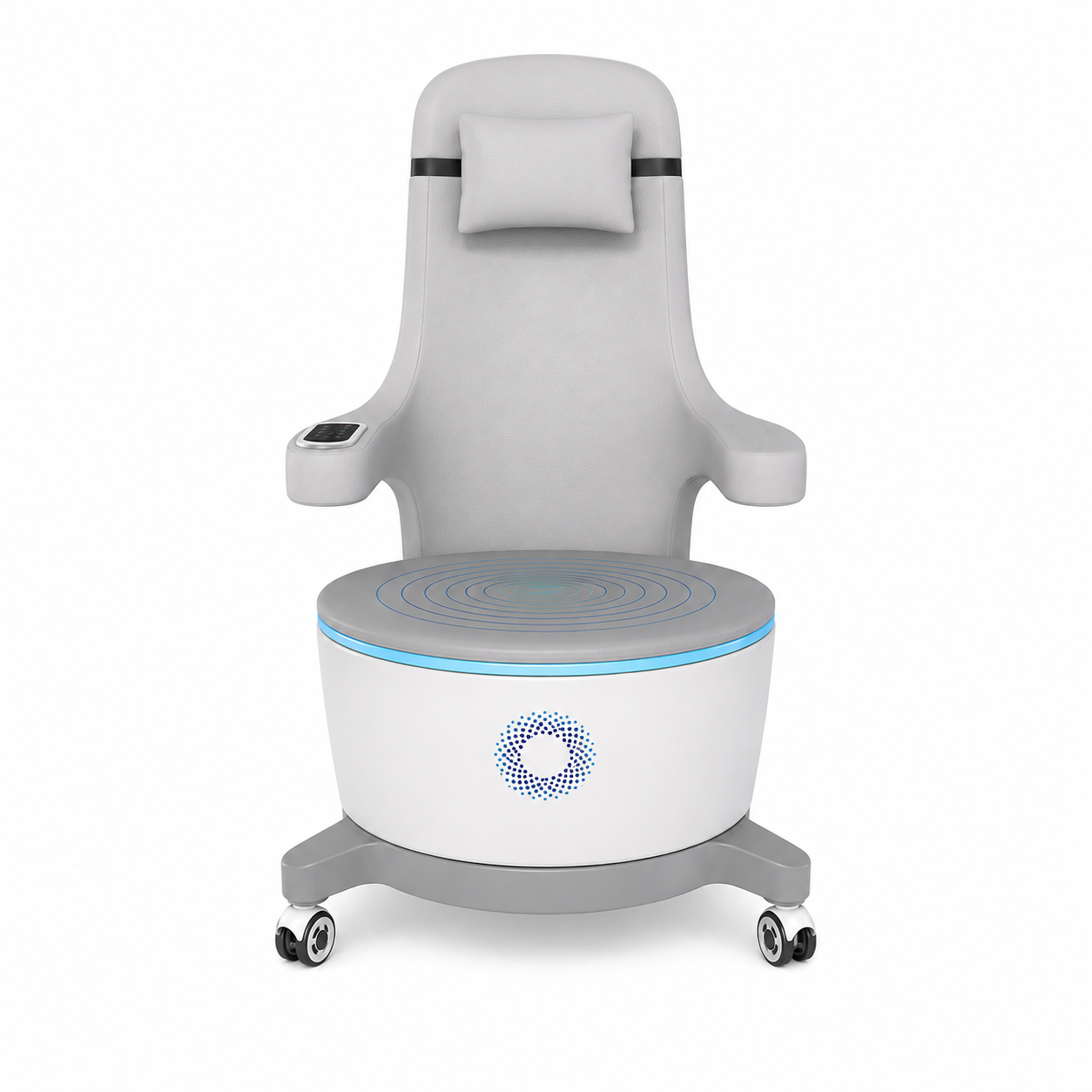
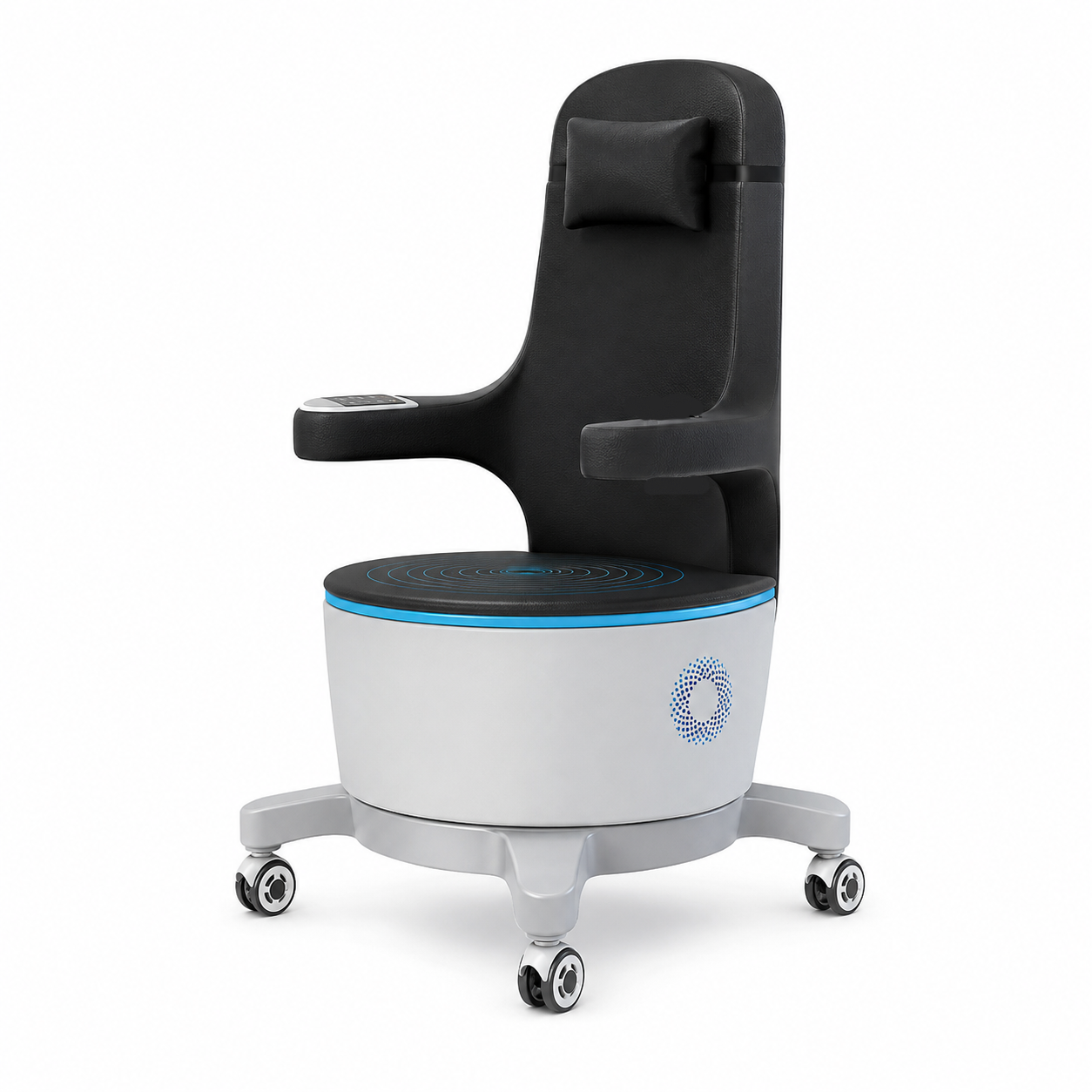
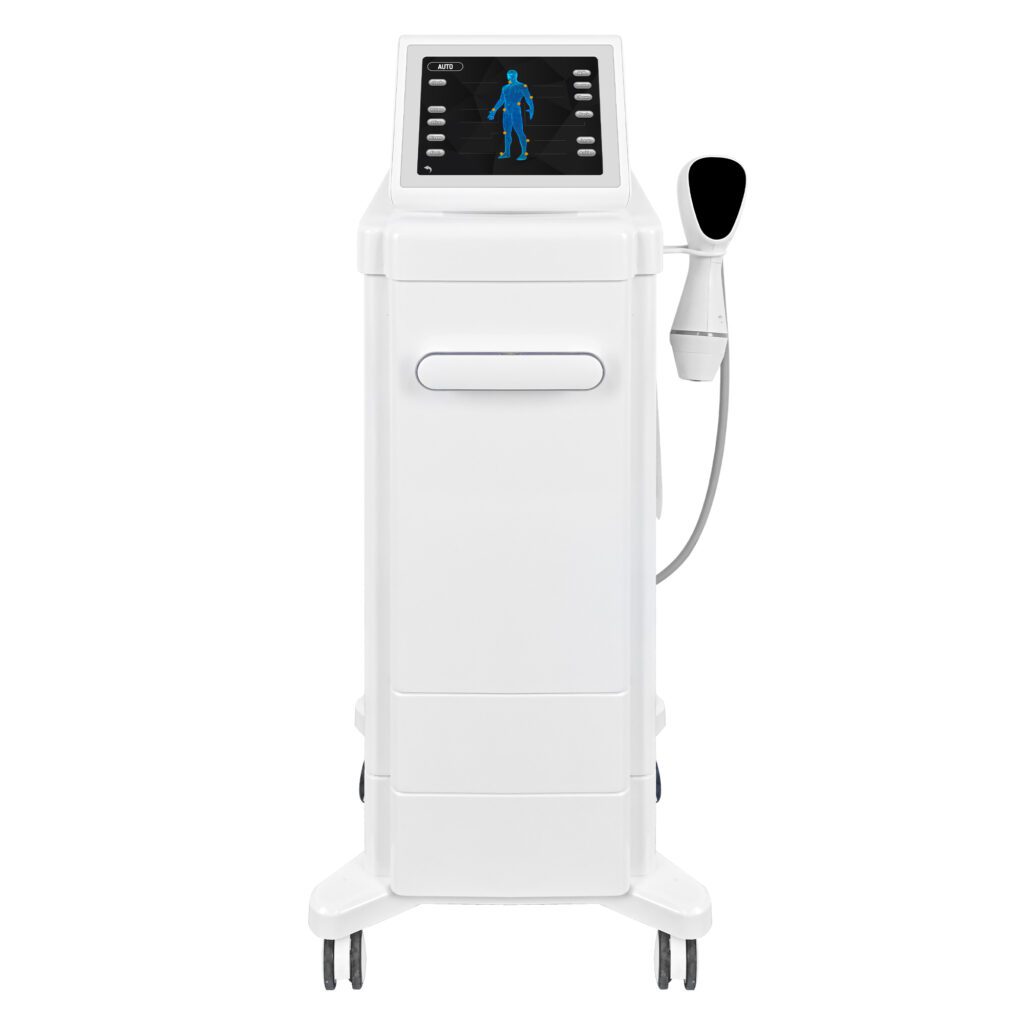
Dispositivos como la silla de suelo pélvico EMS de reparación posparto para mujeres E0435 están diseñados para abordar la recuperación posparto, la incontinencia urinaria de esfuerzo y el fortalecimiento de los músculos pélvicos a través de estimulación electromagnética no invasiva.
https://shefmon.com/product/e0435-womens-postpartum-repair-new-ems-chair-pelvic-floor-chair-ems-seat-ems-pelvic-floor-muscle-stimulator/
2.2 Apoyo del suelo pélvico relacionado con la menopausia y el envejecimiento
Las clínicas que atienden a personas de mediana edad y mayores deben considerar la eficacia de la silla para favorecer la salud pélvica a largo plazo. Un entrenamiento EMS eficaz para el suelo pélvico puede aumentar el flujo sanguíneo pélvico, mejorar la elasticidad muscular y favorecer la salud vaginal durante la menopausia, lo que hace que el equipo sea relevante para un grupo demográfico más amplio.
3. Experiencia de tratamiento y comodidad del paciente
La comodidad y conveniencia del paciente afectan directamente la aceptación del tratamiento y las visitas repetidas.
3.1 Tratamientos no invasivos y con ropa
Las sillas de EMS para suelo pélvico deben permitir que los pacientes permanezcan completamente vestidos durante el tratamiento. Una sesión estándar dura aproximadamente 30 minutos y no requiere anestesia, cirugía ni medicación. Esta facilidad de uso mejora la adherencia del paciente y permite a las clínicas integrar los tratamientos sin problemas en sus horarios de servicio.
3.2 Ventaja del entrenamiento pasivo
Dado que las contracciones musculares se inducen automáticamente, los pacientes no necesitan realizar ejercicios activamente. Esto es especialmente beneficioso para quienes tienen dificultades para activar correctamente los músculos del suelo pélvico o movilidad limitada.
4. Eficacia del tratamiento y resultados clínicos
Las clínicas deben evaluar qué tan rápido los pacientes pueden experimentar mejoras notables.
4.1 Respuesta temprana y mejora progresiva
Las sillas EMS de suelo pélvico de alta calidad suelen ofrecer mejoras notables en el control de la vejiga tras las primeras sesiones. Con el tratamiento continuo, las pérdidas de orina, los accidentes y otros síntomas relacionados con el suelo pélvico disminuyen gradualmente. Esta rápida respuesta aumenta la satisfacción del paciente y fomenta la finalización del plan de tratamiento.
La silla de rehabilitación muscular del suelo pélvico con estimulación electromagnética E0436 EMS está diseñada para fortalecer los músculos subyacentes del suelo pélvico a través de contracciones supramáximas repetidas, lo que favorece una mejoría clínica gradual y sostenible.
https://shefmon.com/product/e0436-electromagnetic-stimulation-pelvic-floor-muscle-rehabilitation-ems-chair/
5. Normas de seguridad y control del tratamiento
La seguridad es una consideración fundamental en cualquier compra clínica.
5.1 Salida de energía controlada
Las clínicas deben garantizar que la silla proporcione una salida electromagnética estable y controlable. La estimulación constante previene las molestias y mantiene una activación muscular eficaz. Los sistemas bien diseñados equilibran la intensidad y la seguridad, lo que los hace adecuados para sesiones repetidas.
5.2 Perfil de riesgo no invasivo
Dado que las sillas de EMS para el suelo pélvico no requieren sondas invasivas ni contacto eléctrico con la piel, reducen significativamente el riesgo de infección y el tiempo de recuperación. Esto las hace adecuadas tanto para entornos médicos como de bienestar.
6. Eficiencia operativa y flujo de trabajo clínico
Más allá del rendimiento clínico, el equipo debe integrarse sin problemas en las operaciones diarias.
6.1 Gestión del tiempo y rendimiento
Las sesiones de treinta minutos permiten a las clínicas programar varios pacientes al día sin interrumpir otros tratamientos. La operación pasiva también reduce la carga de trabajo del personal, ya que se requiere una supervisión mínima durante las sesiones.
6.2 Consideraciones sobre el espacio y la instalación
Las clínicas deben evaluar el tamaño, la movilidad y los requisitos de instalación de la silla. Los sistemas compactos basados en silla son más fáciles de colocar en consultorios, salas de salud femenina o áreas de rehabilitación.
7. Valor a largo plazo y retorno de la inversión
Por último, las clínicas deben considerar si la inversión respalda objetivos comerciales a largo plazo.
7.1 Potencial de ingresos de múltiples aplicaciones
Los sillones de EMS para suelo pélvico pueden atender diversas indicaciones, como el manejo de la incontinencia urinaria, la rehabilitación posparto, el mantenimiento de la salud pélvica y servicios centrados en el bienestar. Esta versatilidad permite a las clínicas atraer a diversos grupos de pacientes.
7.2 Satisfacción y retención del paciente
Los tratamientos no invasivos con resultados visibles fomentan las visitas recurrentes y las derivaciones positivas. Una alta satisfacción del paciente se traduce en una mayor retención e ingresos sostenibles a largo plazo.
Conclusión
Al adquirir una silla de SEM para suelo pélvico, las clínicas deben considerar más allá de las características superficiales y centrarse en la profundidad de la tecnología, la aplicabilidad clínica, la comodidad del paciente, la seguridad y la eficiencia operativa. Los sistemas que proporcionan estimulación electromagnética focalizada, satisfacen una amplia gama de necesidades de salud pélvica y se integran fluidamente en los flujos de trabajo clínicos ofrecen el mayor valor a largo plazo. Al evaluar cuidadosamente estos factores, las clínicas pueden invertir en equipos de SEM para suelo pélvico que mejoren los resultados de los pacientes, a la vez que promueven una prestación de servicios consistente y rentable.