La recuperación después del parto es un proceso que va mucho más allá de las primeras semanas. Muchas mujeres experimentan cambios en fuerza del suelo pélvico y control urinario Debido a la tensión del embarazo y el parto. Si bien los ejercicios tradicionales del suelo pélvico, como los de Kegel, son útiles, las tecnologías modernas ofrecen opciones más eficientes y basadas en la evidencia para acelerar la recuperación y recuperar la confianza. En este artículo, exploraremos los tratamientos posparto más efectivos, cómo funcionan y qué mujeres pueden beneficiarse más de ellos.

1. Comprender la debilidad del suelo pélvico posparto
1.1 ¿Qué le sucede al suelo pélvico durante el embarazo y el parto?
El suelo pélvico es un grupo de músculos, ligamentos y tejido conectivo que sostienen la vejiga, el útero y el recto. Durante el embarazo, estas estructuras se estiran debido al crecimiento del útero y los cambios hormonales. El parto vaginal, especialmente el parto prolongado, los bebés grandes o el parto asistido, puede debilitar aún más estos músculos. El resultado puede ser:
Incontinencia urinaria (pérdidas al toser, reír o hacer ejercicio)
Presión o pesadez pélvica
Reducción de la sensibilidad durante las relaciones sexuales
Dificultad con la estabilidad del núcleo
Debido a que el suelo pélvico es tan central para el funcionamiento diario, reducir la debilidad y restablecer el control es un objetivo principal de la recuperación posparto.
2. Enfoques tradicionales: ejercicios de Kegel y del suelo pélvico
2.1 Por qué hacer ejercicio por sí solo puede no ser suficiente
El entrenamiento de los músculos del suelo pélvico, comúnmente conocido como ejercicios de Kegel, consiste en contraer y relajar los músculos que controlan el flujo de orina. Para algunas mujeres, esto funciona bien. Sin embargo, muchas tienen dificultades para identificar y activar correctamente los músculos adecuados, lo que limita su progreso. Sin un reclutamiento muscular adecuado y una práctica constante, los resultados pueden ser lentos e incompletos.
2.2 El papel de la orientación profesional
Los fisioterapeutas capacitados en salud femenina pueden guiar la técnica adecuada, supervisar el progreso y adaptar los programas de ejercicio. Sin embargo, incluso con entrenamiento experto, algunas mujeres se benefician de las tecnologías que... mejorar la activación muscular más allá de la contracción voluntaria.
3. Tecnología EMS: Un cambio radical para la fuerza del suelo pélvico
3.1 ¿Qué es EMS y cómo funciona?
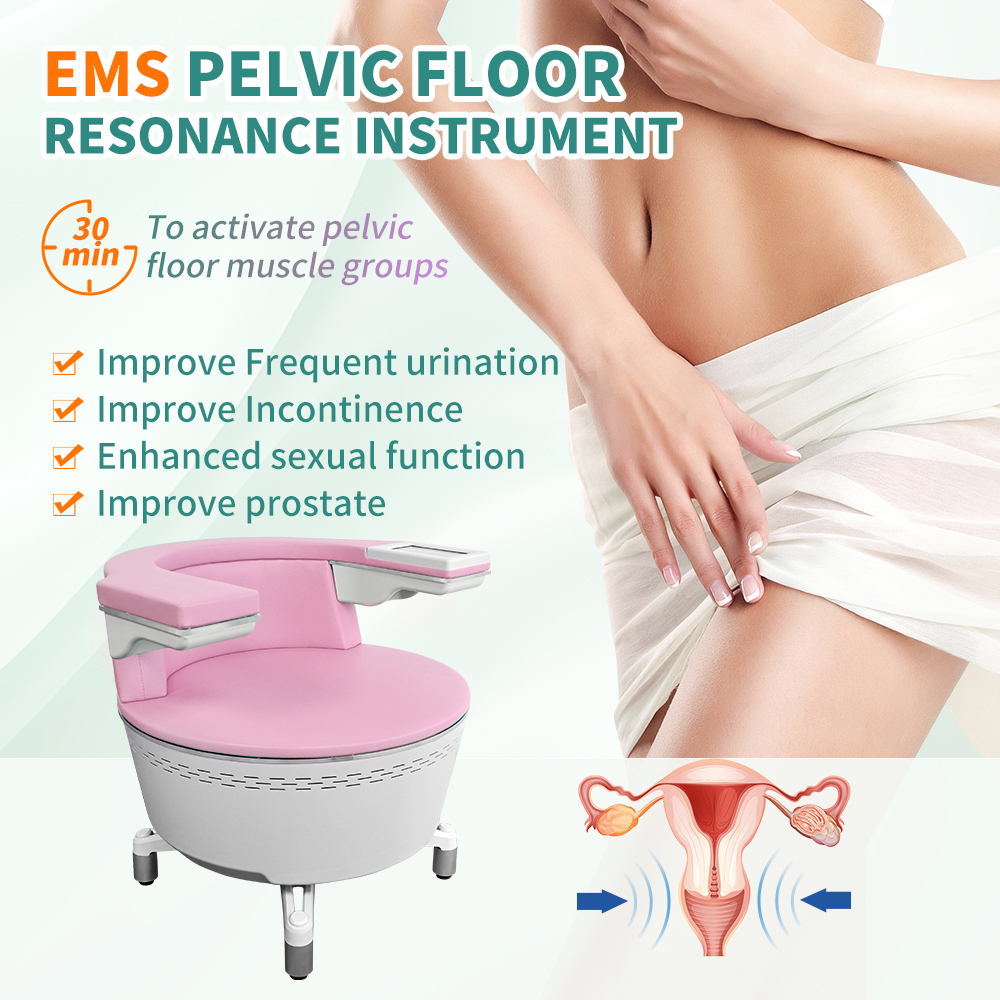
La tecnología de electroestimulación muscular (EMS) utiliza pulsos electromagnéticos para estimular contracciones musculares por debajo del nivel de control consciente. Esto permite que los músculos del suelo pélvico se contraigan a una intensidad mucho mayor que la de los ejercicios de Kegel típicos. Las sesiones son pasivas y cómodas, lo que hace que la EMS sea muy atractiva para las nuevas mamás.
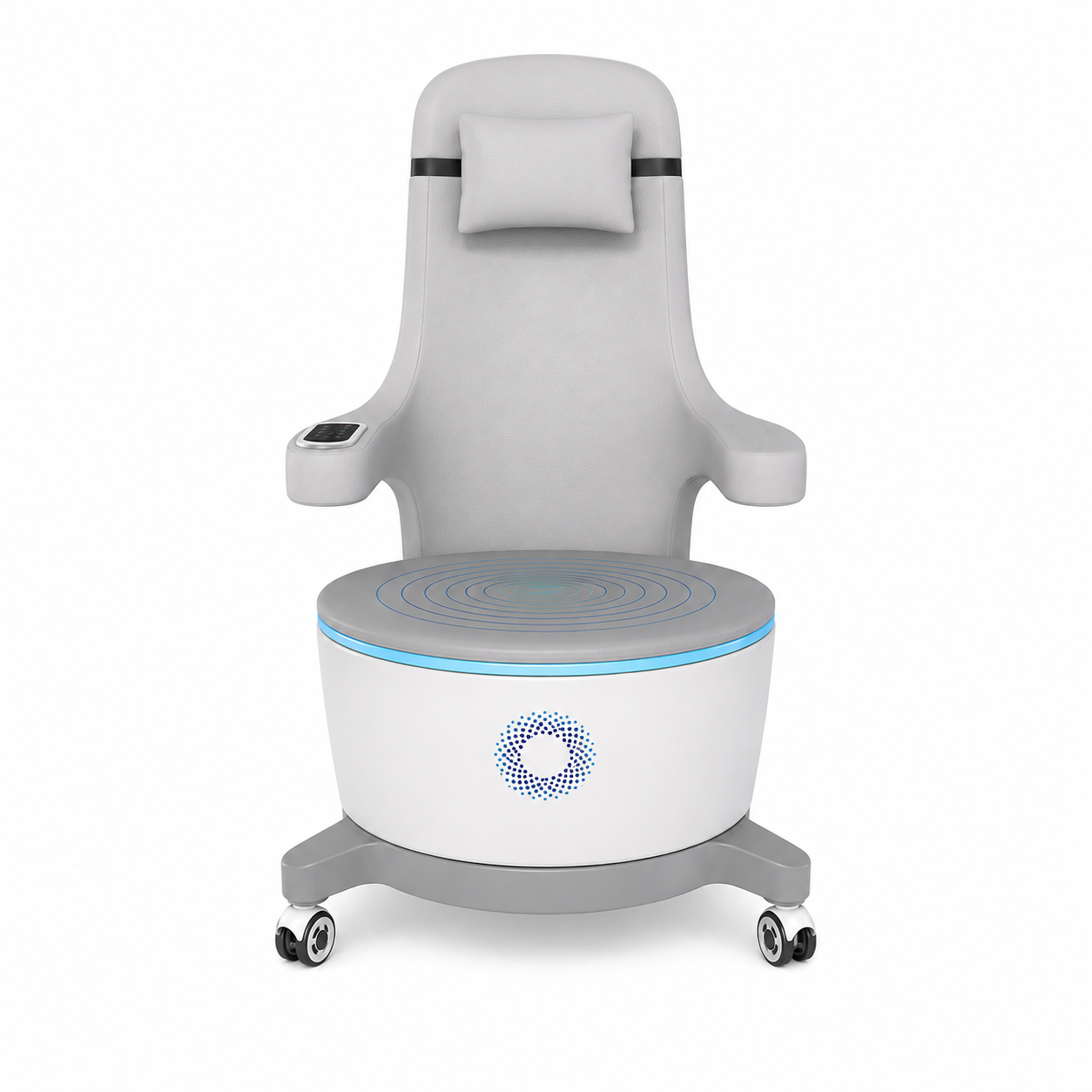
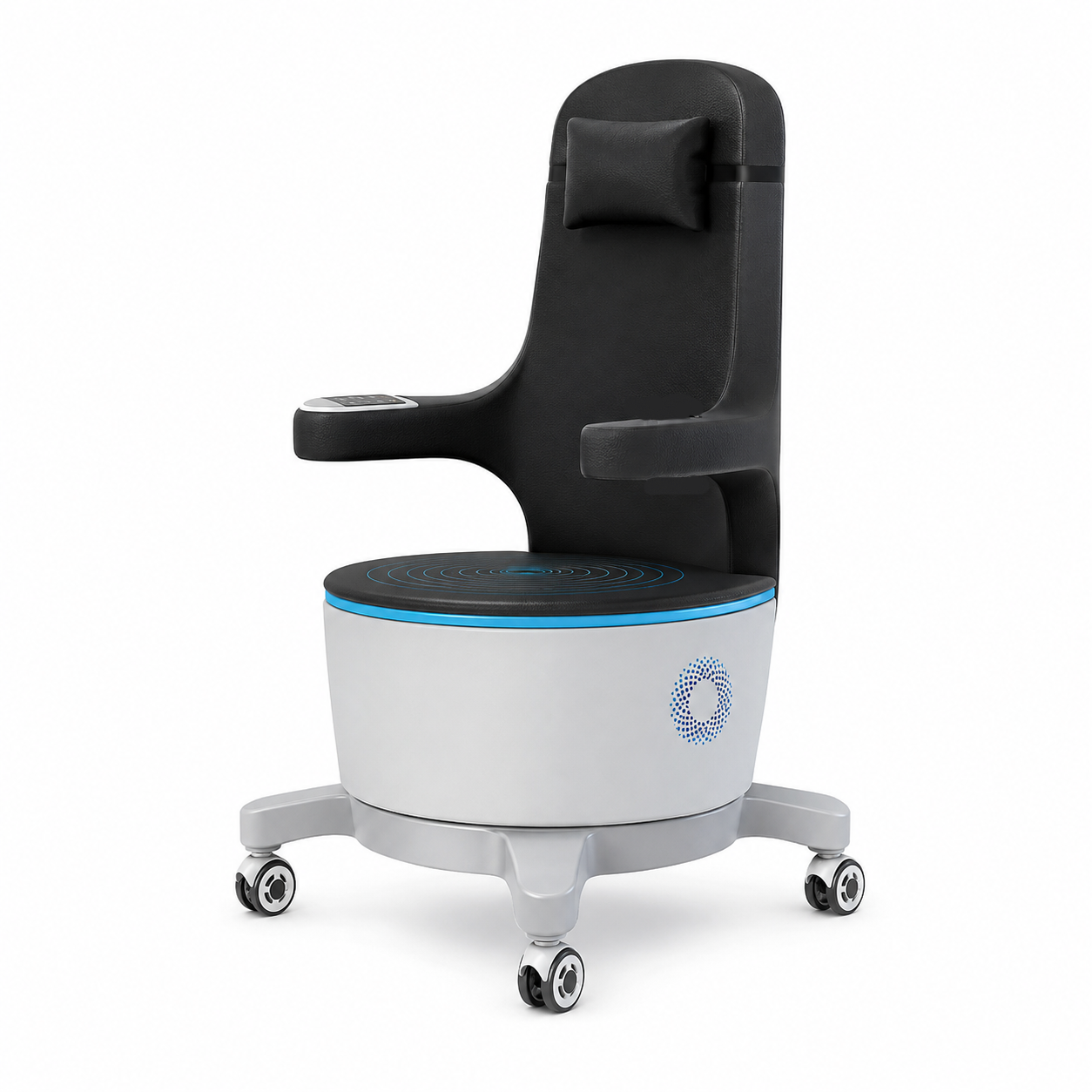
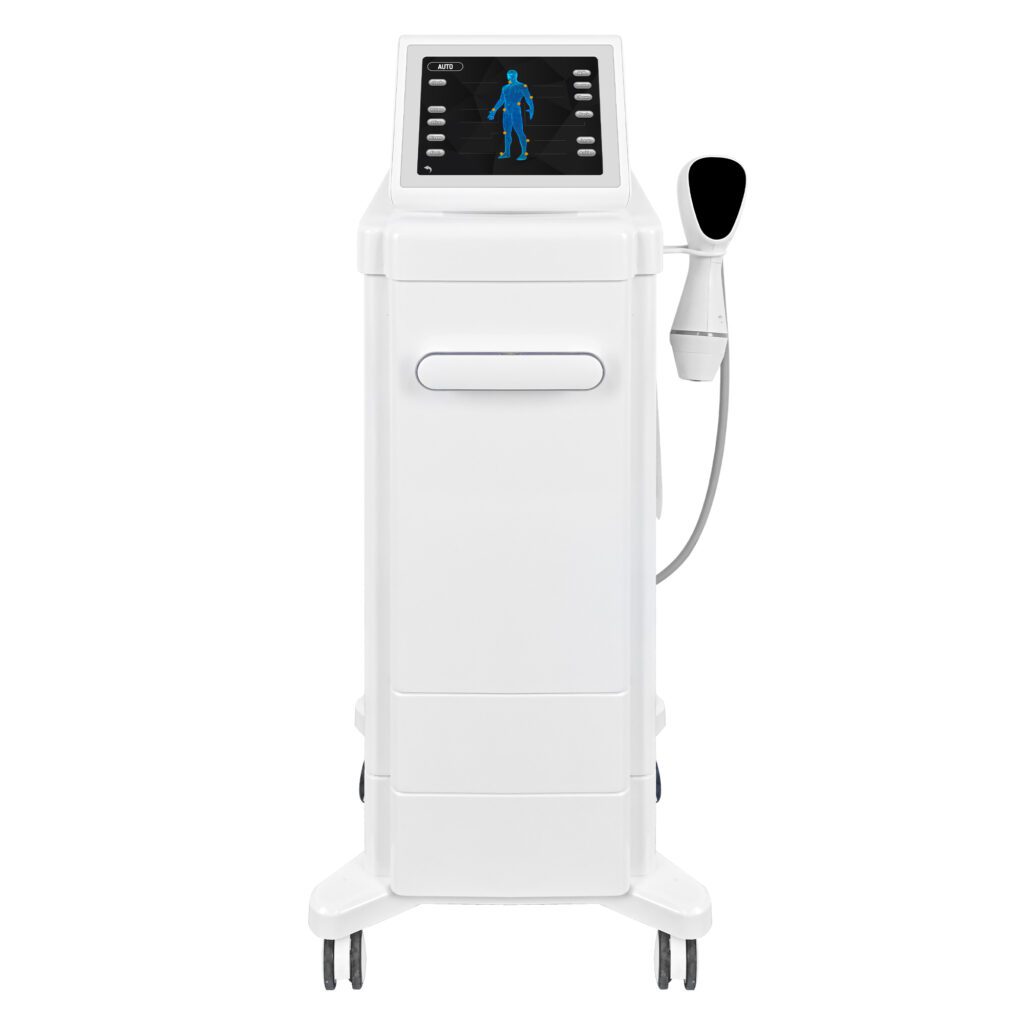
El Reparación posparto para mujeres Nueva silla EMS Silla de suelo pélvico Asiento EMS Estimulador muscular del suelo pélvico EMS Está diseñado específicamente para este propósito. Las mujeres simplemente se sientan en la silla ergonómica mientras el sistema EMS aplica estimulación dirigida a los músculos del suelo pélvico, ayudándolas a recuperar fuerza, resistencia y control neuromuscular.
https://shefmon.com/product/e0435-womens-postpartum-repair-new-ems-chair-pelvic-floor-chair-ems-seat-ems-pelvic-floor-muscle-stimulator/
3.2 Beneficios del EMS para el control urinario
La terapia EMS ofrece varias ventajas, entre ellas:
Contracciones supramáximas que exceden el esfuerzo voluntario
Aumento del tono muscular y la coordinación.
Mejor control de la vejiga y reducción de la incontinencia.
Apoyo para la estabilidad central y los músculos posturales.
Las mujeres que tienen dificultades para realizar ejercicios tradicionales (debido al dolor, falta de conciencia o limitaciones de tiempo) a menudo ven mejoras más rápidas con el apoyo de EMS.
4. Terapia láser: apoyo a la cicatrización del tejido perineal y pélvico
4.1 Láser de CO2 fraccionado para la recuperación perineal
Mientras que el EMS se dirige directamente a los músculos, la terapia láser puede ayudar a... tejidos blandos alrededor de la vagina y el perineoMejora la producción de colágeno, la elasticidad y la microcirculación. Esto es especialmente beneficioso para mujeres que sufrieron desgarros o episiotomías durante el parto.
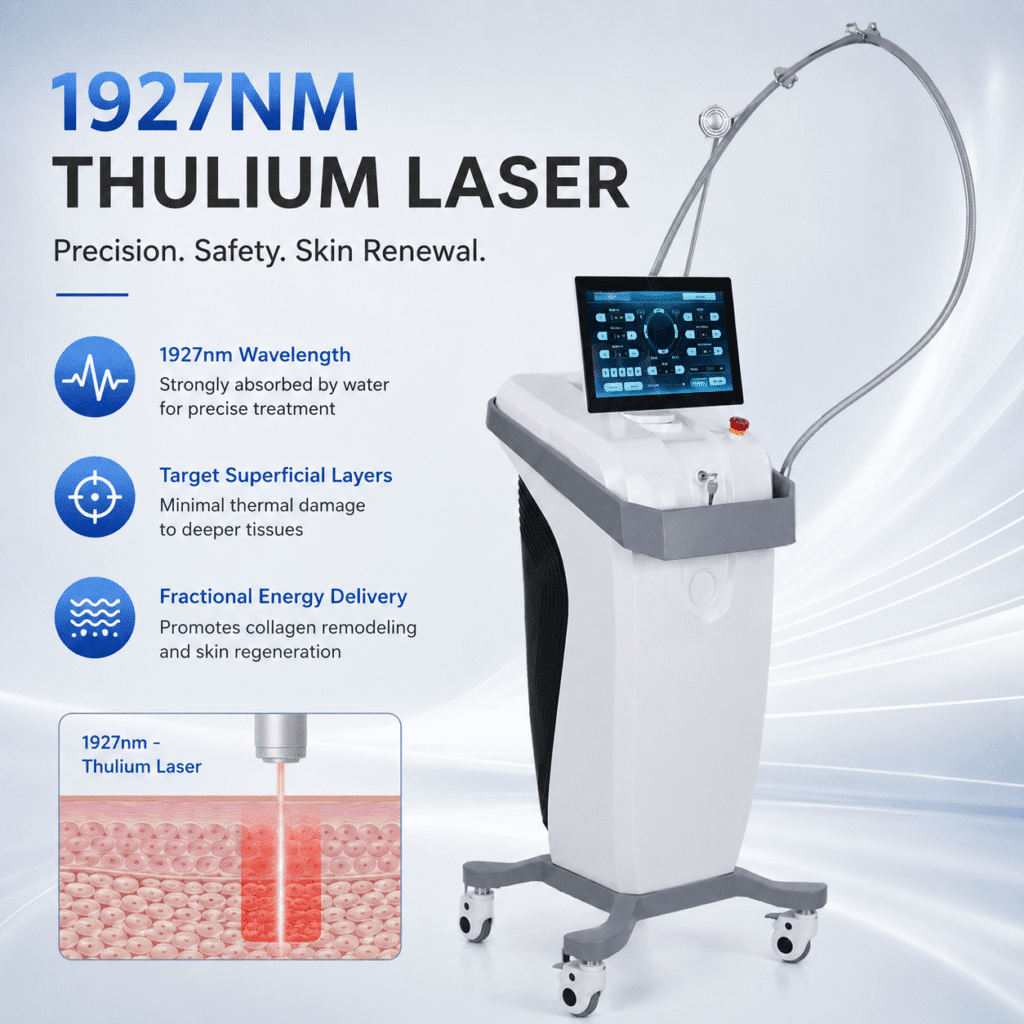
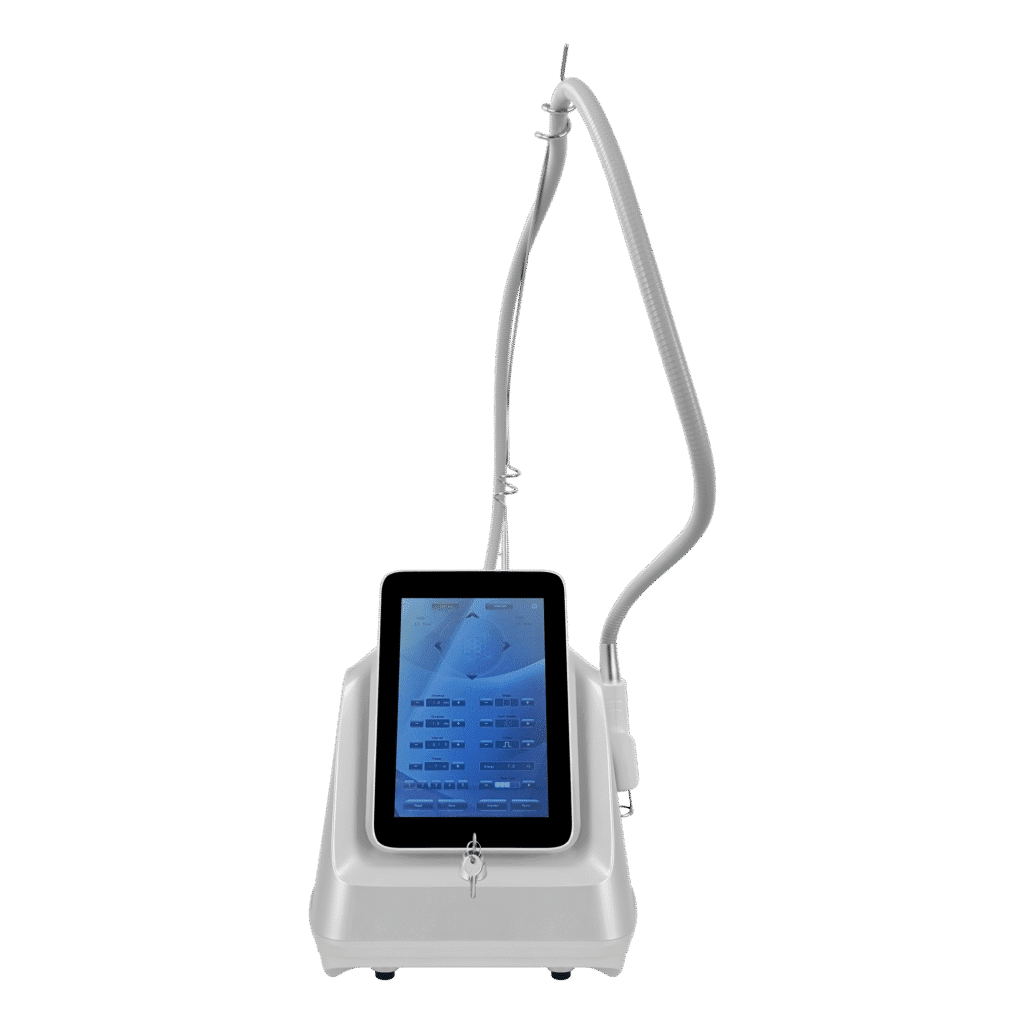
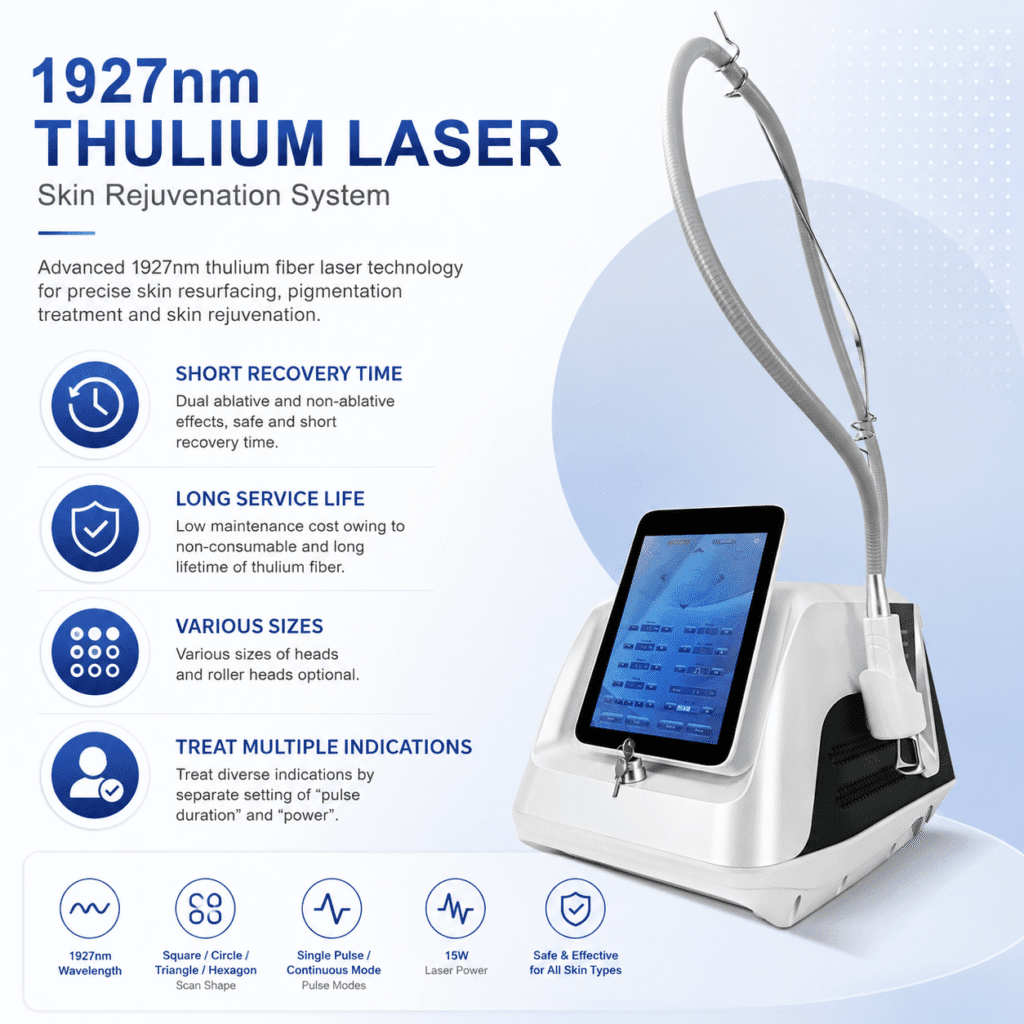
El Láser ultra fraccional de CO2 de fibra Shefmon de 2910 nm Aplica columnas microablativas controladas en el tejido, lo que estimula la formación de nuevo colágeno y ayuda a restaurar la elasticidad y la firmeza de la piel perineal y el tejido conectivo. Muchas mujeres experimentan mayor comodidad, menor tirantez y una mejor calidad del tejido tras una serie de sesiones.
https://shefmon.com/product/shefmon-2910nm-fiber-fractional-co2-ultra-laser/
4.2 Tratamiento de cicatrices posparto con láser
En algunos casos, las cicatrices de desgarros perineales o incisiones quirúrgicas pueden interferir con el movimiento, la sensibilidad o la comodidad. Los láseres de CO2 fraccionados, como el Equipo láser fraccional de CO2 de 10600 nm para la eliminación profesional de cicatrices de acnéSon excelentes herramientas para remodelar el tejido cicatricial. Si bien está diseñada para aplicaciones en cicatrices faciales y cutáneas, esta tecnología de CO2 fraccional similar puede adaptarse al tratamiento de cicatrices perineales bajo supervisión clínica, lo que promueve un tejido más liso y elástico y ayuda a reducir las restricciones que pueden afectar la mecánica del suelo pélvico.
https://shefmon.com/product/a0529-professional-acne-scar-removal-10600nm-co2-fractional-laser-equipment/
5. Combinación de tratamientos para obtener resultados posparto óptimos
5.1 Por qué funciona un enfoque multimodal
La recuperación posparto no es uniforme. Los planes más eficaces suelen combinar:
Tecnología EMS para fortalecer los músculos
Terapia láser Para mejorar la cicatrización de los tejidos blandos y la regeneración del colágeno.
Ejercicios específicos y fisioterapia para mejorar el movimiento funcional
Apoyo al estilo de vida como hidratación, nutrición y educación sobre la salud pélvica.
Al abordar tanto la función muscular como la calidad del tejido, las mujeres pueden experimentar mejoras más integrales en el control urinario, el apoyo pélvico y la comodidad general.
5.2 Planes de tratamiento personalizados
Un profesional clínico con experiencia en atención posparto puede evaluar la debilidad del suelo pélvico, el grado de incontinencia, el estado del tejido y sus objetivos personales para diseñar un plan personalizado. Por ejemplo, una mujer con incontinencia leve pero con una tensión perineal significativa podría beneficiarse primero de la terapia láser, seguida de un fortalecimiento muscular potenciado con EMS.
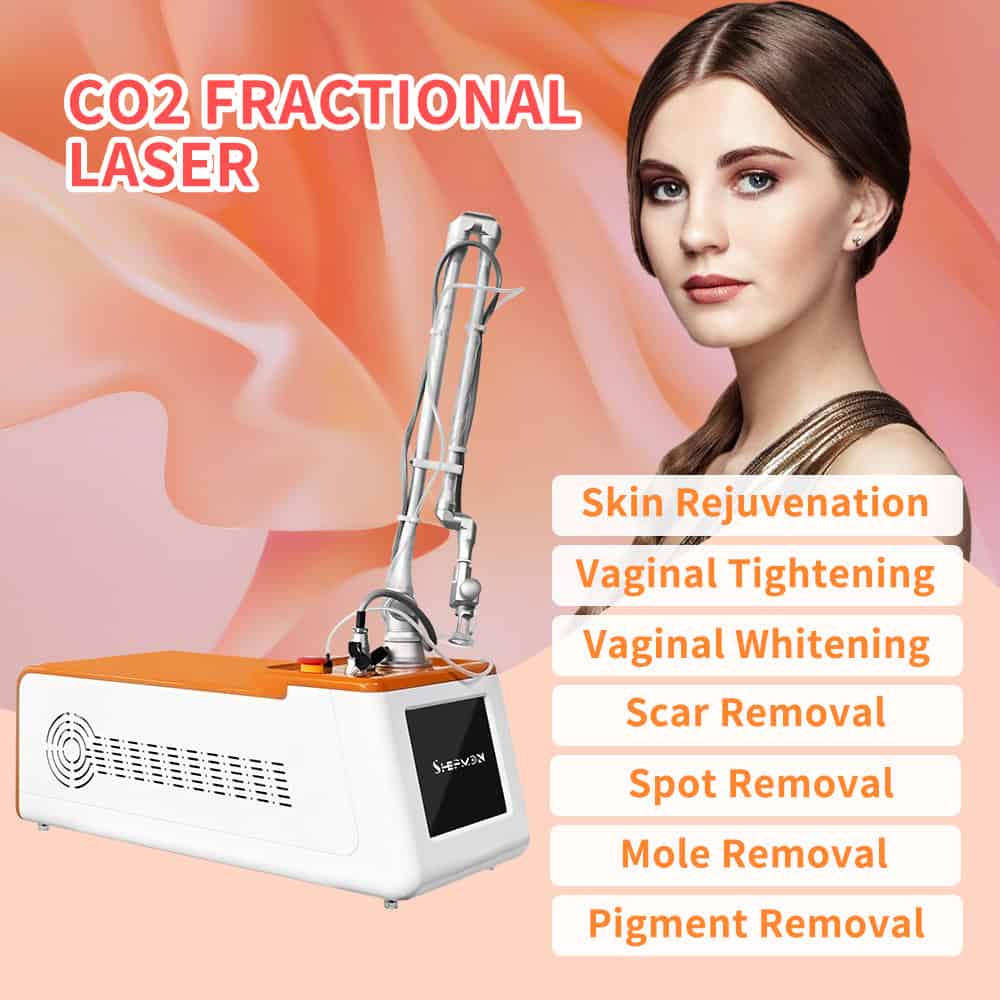
Rejuvenecimiento facial con láser fraccional de CO2 a la venta en China (2024), antes y después de la recuperación y el costo del tratamiento láser para arrugas.
6. Qué esperar durante y después del tratamiento
6.1 Sesiones EMS
Las sesiones de EMS suelen ser indoloras y requieren una preparación mínima. La mayoría de las mujeres permanecen sentadas cómodamente durante unos 20 a 30 minutos por sesión, y un curso puede incluir varias visitas semanales a lo largo de varias semanas. Los resultados tienden a acumularse con el tiempo, y muchas mujeres notan una mejoría en el control y la fuerza en pocas semanas.
6.2 Sesiones de terapia láser
Las sesiones de terapia láser consisten en breves aplicaciones de energía en las zonas seleccionadas. Puede presentarse algo de enrojecimiento, calor o sensibilidad temporal, pero el tiempo de recuperación suele ser mínimo. La estimulación del colágeno continúa durante semanas después del tratamiento, lo que contribuye a una mejora progresiva de la calidad del tejido.
6.3 Beneficios a largo plazo
Con un tratamiento constante, las mujeres pueden esperar un mayor soporte pélvico, menos episodios de pérdidas de orina, mayor elasticidad de los tejidos y una mayor sensación de confianza en su cuerpo. Muchas también descubren que un enfoque combinado ayuda a prevenir complicaciones a largo plazo, como el prolapso de los órganos pélvicos.
7. ¿Quién debería considerar estos tratamientos?
7.1 Nuevas madres con incontinencia urinaria
Las mujeres que experimentan pérdidas después del parto, incluso leves, pueden beneficiarse significativamente de la tecnología EMS combinada con ejercicios de rehabilitación.
7.2 Mujeres con debilidad del suelo pélvico
Independientemente de la incontinencia, las mujeres que se sienten “sueltas” o sin control en la región pélvica a menudo notan mejoras con la terapia EMS.
7.3 Mujeres con desgarros o cicatrices perineales
La terapia con láser puede ayudar a la curación y restaurar la elasticidad en casos de desgarro o incisión quirúrgica, ayudando a reducir las molestias y mejorar el movimiento funcional.
7.4 Mujeres que buscan opciones de recuperación no invasivas
Para quienes desean evitar intervenciones quirúrgicas, una combinación de EMS y terapia láser ofrece una alternativa segura, efectiva y no invasiva.
Conclusión
La recuperación posparto de la fuerza del suelo pélvico y del control urinario se puede lograr con la combinación adecuada de tratamientos. Tecnología EMS Ofrece una estimulación muscular específica que va más allá de los ejercicios tradicionales, ayudando a las mujeres a recuperar fuerza y control más rápido. Terapias con láser, incluyendo opciones de CO2 fraccionado, favorecen la cicatrización y la calidad de los tejidos blandos, mejorando la recuperación general. Aplicadas bajo supervisión profesional como parte de un plan personalizado, estas tecnologías ofrecen soluciones modernas y eficaces para las mujeres que experimentan los cambios posparto y buscan una salud pélvica a largo plazo.