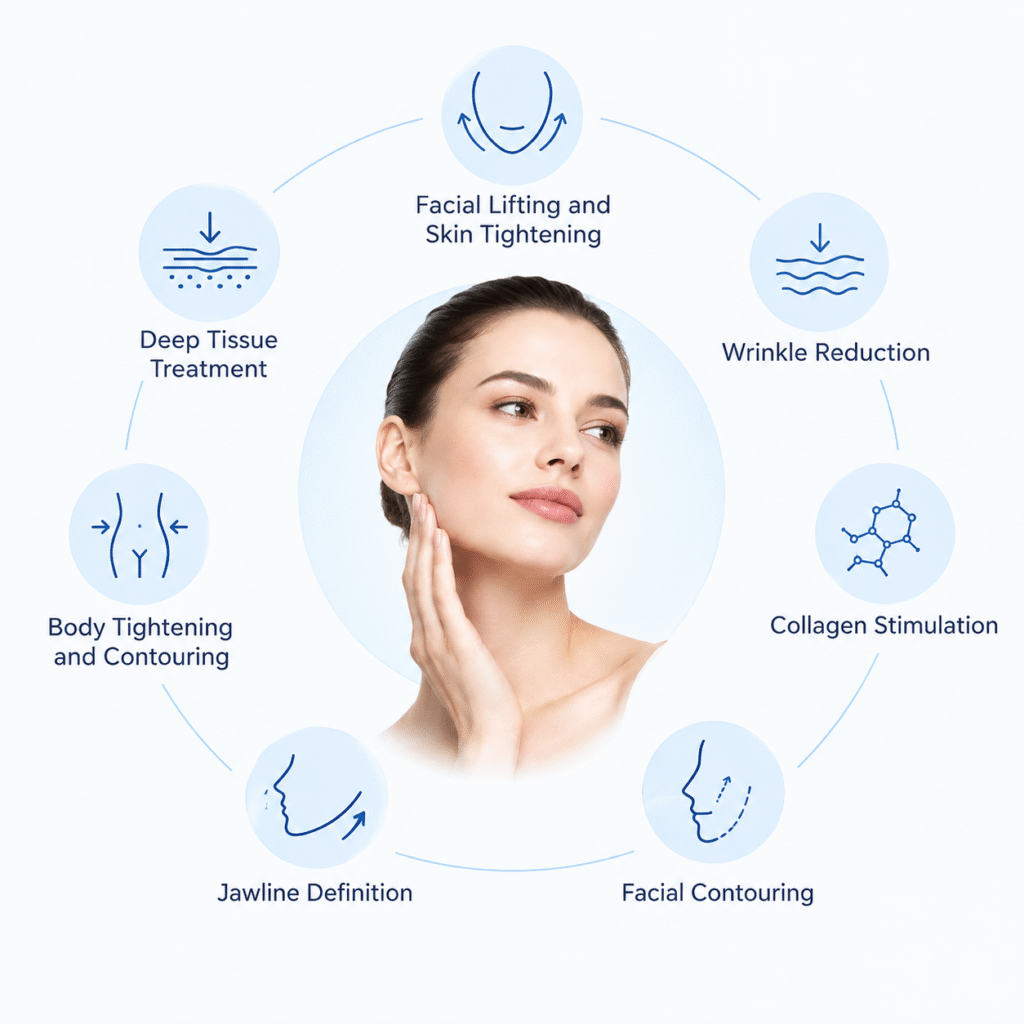










El Ultrasonido Focalizado de Alta Intensidad (HIFU) se ha convertido en uno de los tratamientos estéticos no invasivos más populares de los últimos años. Las clínicas lo promocionan como una solución milagrosa para... Reafirmación de la piel, antienvejecimiento, eliminación de grasa, remodelación corporal, reafirmación vaginal y reducción de arrugas.—Todo sin cirugía. Suena perfecto, ¿verdad?
Pero esta es la verdad: El HIFU es potente, y la potencia siempre conlleva desventajas..
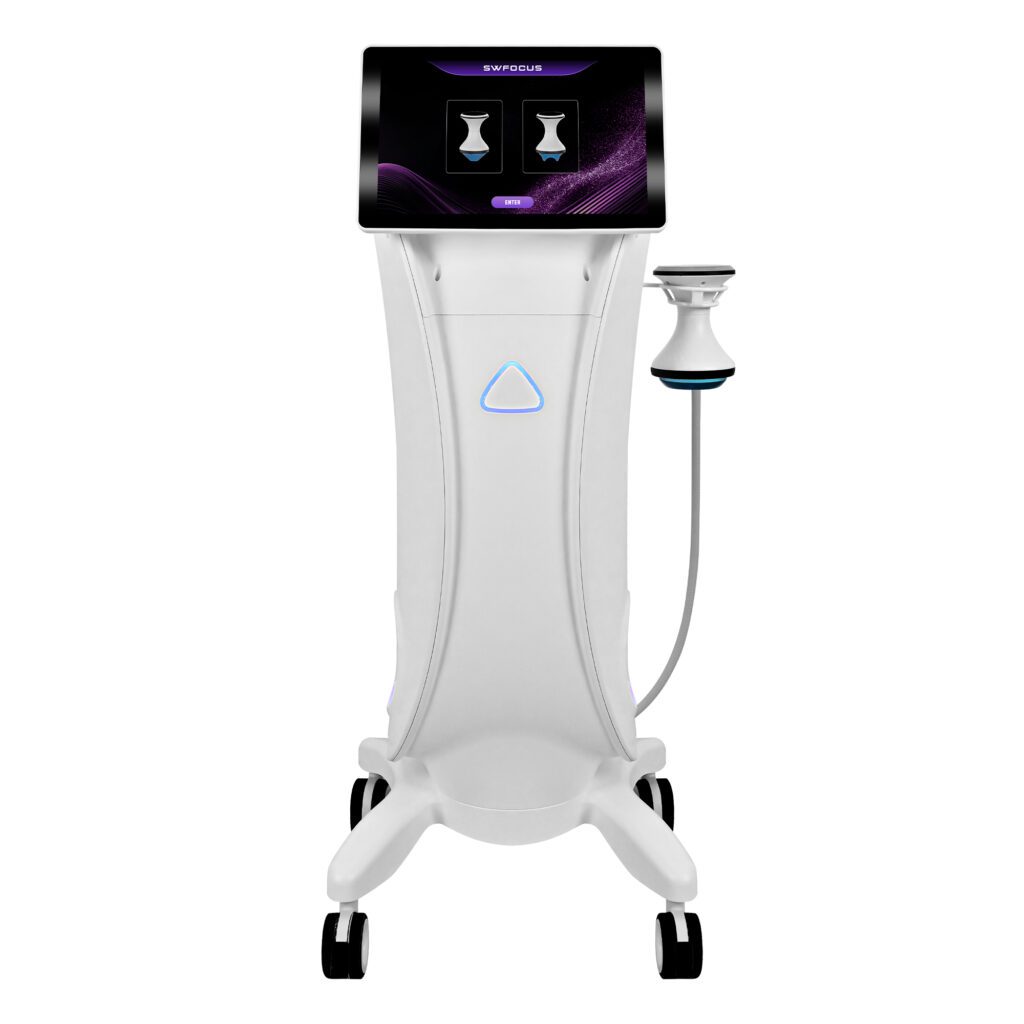
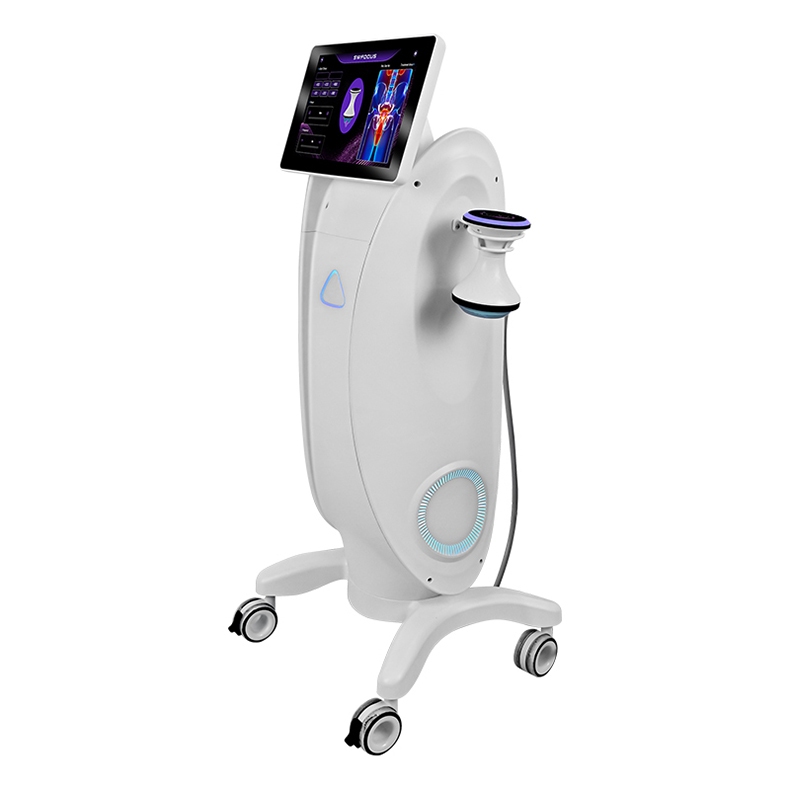
En este artículo, profundizaremos en Las verdaderas desventajas del HIFU, separando la publicidad de la realidad. Si estás considerando una máquina HIFU profesional como la Máquina HIFU enfocada SHEFMON 9D/7DEsta guía le ayudará a tomar una decisión informada y segura.
Seamos realistas: sin tonterías, sin alarmismo, solo una visión honesta.
Entendiendo la tecnología HIFU
Cómo funciona el HIFU
Usos del HIFU energía ultrasónica enfocada para penetrar las capas profundas de la piel, específicamente la Capa SMAS, la misma capa que se utiliza en los estiramientos faciales quirúrgicos. Piense en ello como usar una lupa para enfocar la luz solar en un punto preciso. La energía crea puntos de coagulación térmica, estimulando la producción de colágeno y el tensado de los tejidos.
¿Qué hace que HIFU sea diferente de la RF y el láser?
A diferencia de los tratamientos de radiofrecuencia o láser que calientan las capas superficiales, el HIFU evita la epidermis por completo. Esto es tanto... superpotencia y su debilidadEs increíblemente efectivo, pero los errores también son más profundos.
Las desventajas más comunes del HIFU
Dolor y malestar durante el tratamiento
Seamos honestos: HIFU no es un tratamiento facial de spa.
Muchos pacientes describen la sensación como calor intenso, hormigueo agudo o pulsos eléctricos. Zonas como la mandíbula, la frente y alrededor de los ojos pueden ser especialmente sensibles.
Los niveles de dolor dependen de:
Ajustes de energía
Profundidad del tratamiento
Tolerancia individual al dolor
Experiencia del operador
Hinchazón y enrojecimiento temporales
La hinchazón y el enrojecimiento son comunes, especialmente después tensado facial o contorno corporal Sesiones. Si bien esto suele desaparecer en cuestión de horas o días, algunos clientes pueden experimentar hinchazón hasta por una semana.
Sensación de entumecimiento u hormigueo
Debido a que la energía HIFU actúa cerca de las vías nerviosas, puede producirse entumecimiento u hormigueo temporal. Esto suele ser... Corto plazo, pero puede ser alarmante si no se informa a los clientes de antemano.
Riesgo de quemaduras por una técnica deficiente
Aquí es donde la cosa se pone seria.
Una profundidad de cartucho inadecuada, un exceso de energía o máquinas baratas pueden provocar:
quemaduras subcutáneas
Atrofia grasa
Hendidura de la piel
Esto no es un problema de HIFU, es un problema de calidad y formación.
Limitaciones de los resultados del HIFU
Los resultados no son instantáneos
Si quieres resultados de la noche a la mañana, HIFU te decepcionará.
La regeneración del colágeno lleva tiempo. La mayoría de los resultados aparecen gradualmente. 2–3 meses, con efectos completos visibles después de 90 días.
No es ideal para pieles muy flácidas
El HIFU no sustituye al lifting facial. En casos de flacidez avanzada o piel excesivamente flácida, podría ser necesaria una intervención quirúrgica.
La pérdida de grasa puede ser desigual
Cuando se utiliza para eliminación de grasa o adelgazamiento corporalUna técnica incorrecta puede provocar una reducción desigual de la grasa. La precisión es fundamental.
Efectos secundarios del HIFU según el área de tratamiento
Cara y ojos
Posibles desventajas:
Sensibilidad alrededor de los pómulos
Molestias oculares temporales
Hinchazón leve
Cuello y mandíbula
Sensibilidad cerca de los nervios
Rigidez temporal
Sensaciones de hormigueo
Adelgazamiento corporal y eliminación de grasa
Moretones
Dolor
Hinchazón localizada
Estrechamiento vaginal
Cuando se realiza de forma profesional, los efectos secundarios son mínimos. Sin embargo:
Una profundidad incorrecta puede causar molestias.
Las máquinas de mala calidad aumentan el riesgo
¿Quién debería evitar el HIFU?
Contraindicaciones médicas
El HIFU puede no ser adecuado para:
Mujeres embarazadas
Personas con marcapasos
diabetes grave
Infecciones activas
Afecciones de la piel que no responden bien
Piel extremadamente fina
Flacidez cutánea grave
Heridas abiertas o acné quístico en el área de tratamiento
Habilidad del operador: el mayor riesgo oculto
Por qué es importante la calidad de la máquina
No todas las máquinas HIFU son iguales. Los dispositivos económicos suelen tener:
Entrega de profundidad inexacta
Producción de energía inconsistente
Mecanismos de seguridad deficientes
Precisión de la profundidad del cartucho
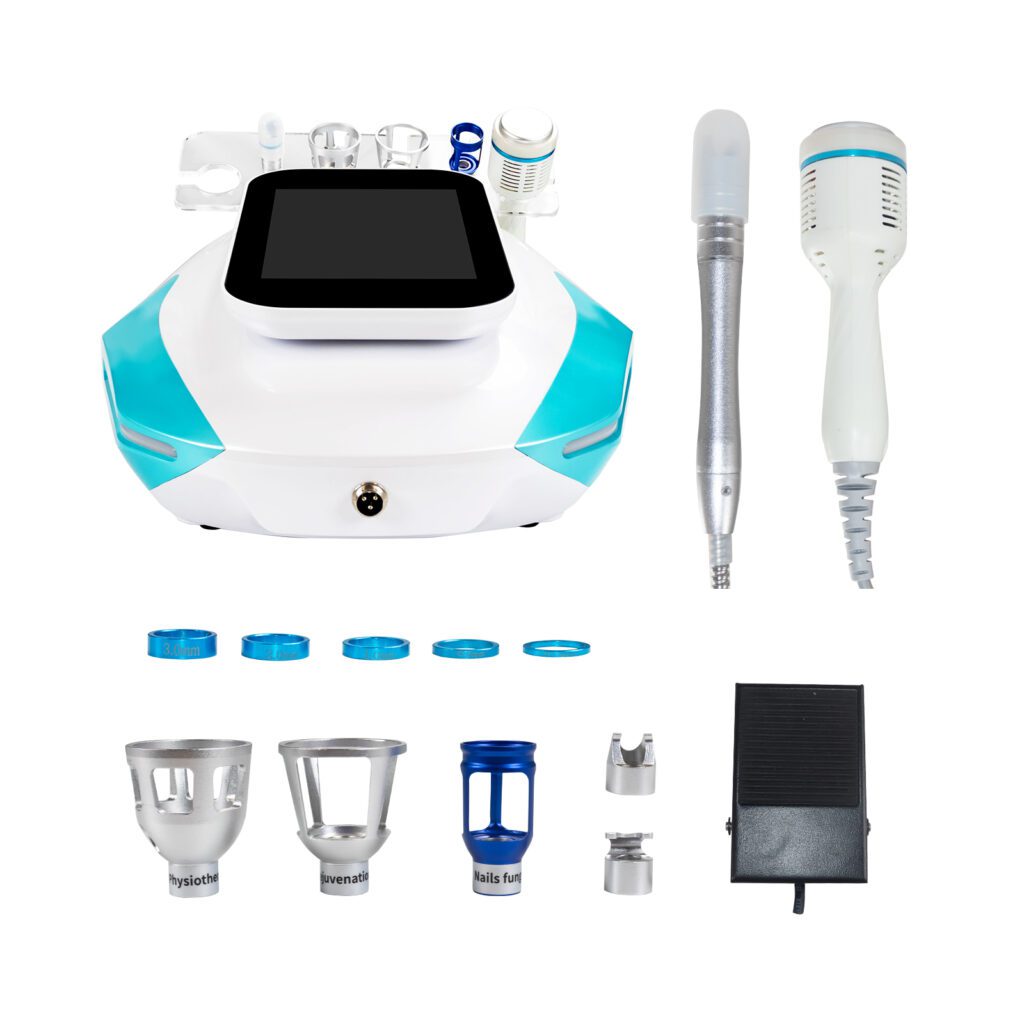
Las profundidades de precisión (1,5 mm, 3,0 mm, 4,5 mm, cartuchos vaginales) son esenciales.
Sistemas de control y seguridad energética
Los sistemas avanzados evitan el sobrecalentamiento y reducen el riesgo de dañar los nervios.
Cómo reducir las desventajas del HIFU
Cómo elegir la máquina adecuada
Las máquinas de calidad profesional reducen drásticamente los efectos secundarios.
Protocolos de tratamiento adecuados
El espaciamiento correcto, los niveles de energía y los intervalos de tratamiento no son negociables.
Selección de pacientes
No todos los clientes son buenos candidatos, y eso está bien.
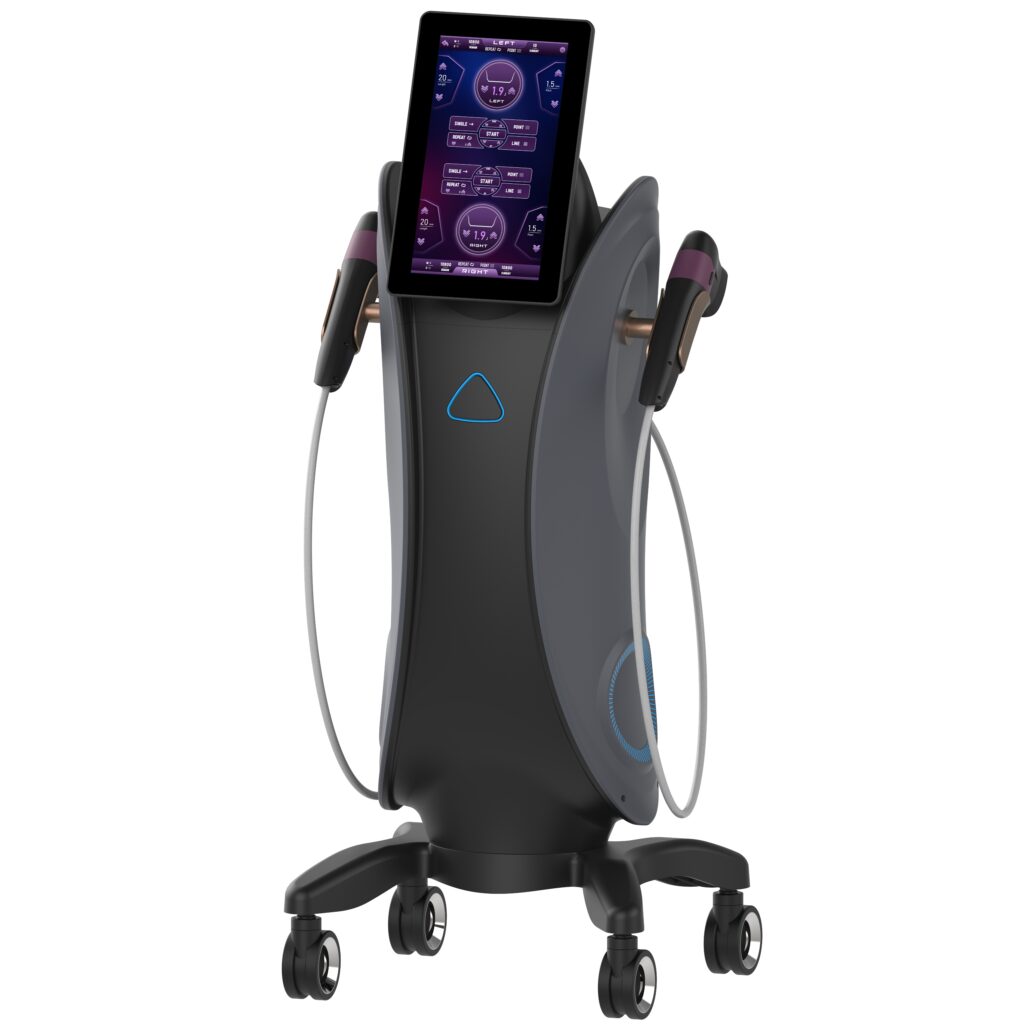
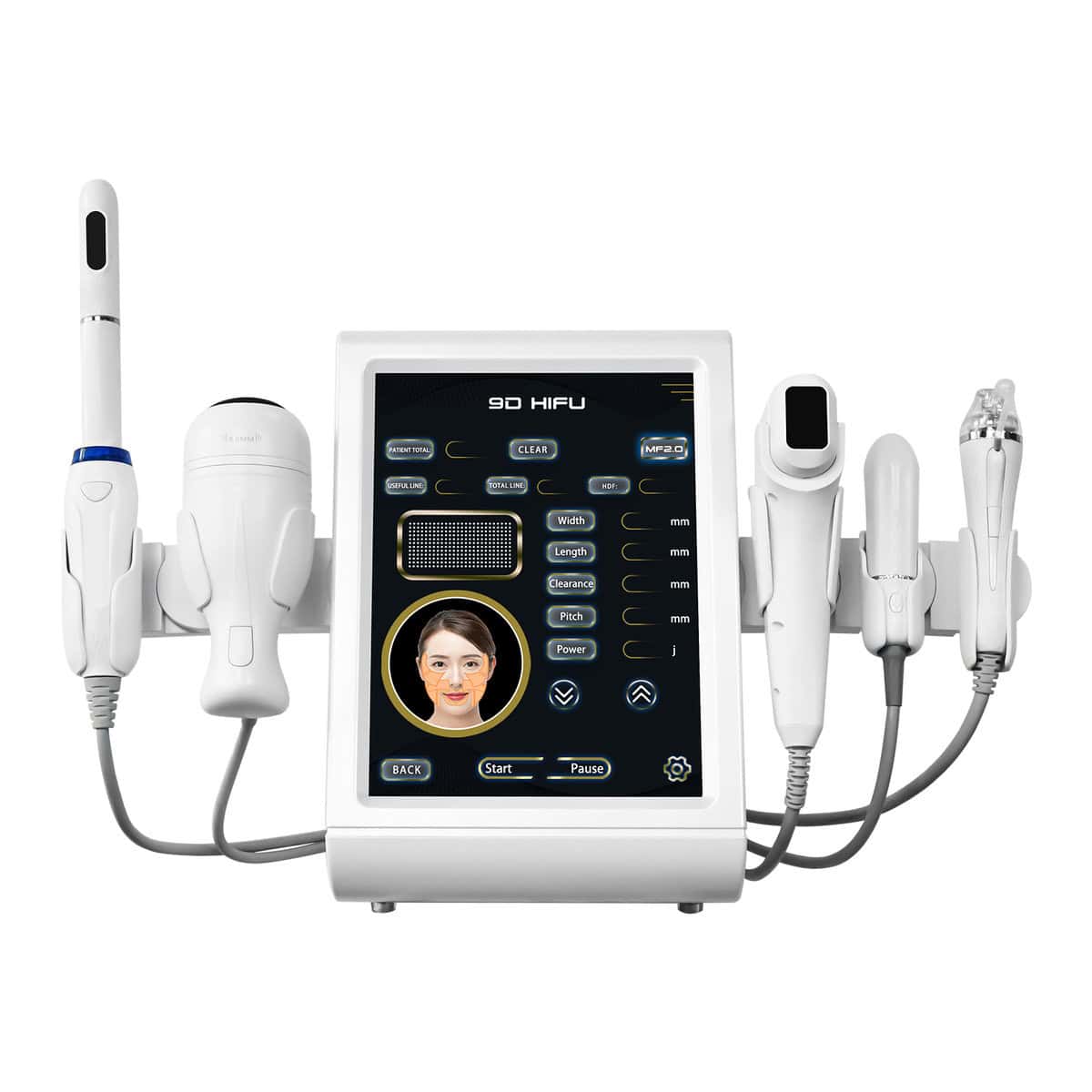
Solución profesional: Máquina HIFU enfocada SHEFMON 9D / 7D
Si quieres resultados sin riesgos innecesarios, el equipamiento importa.
🔗 Enlace del producto:
👉 https://shefmon.com/product/a0205-9d-7d-focused-hifu-machine-5-in-1/
Características principales
Tecnología de ultrasonido enfocado 9D y 7D
Múltiples cartuchos para reafirmación facial, corporal y vaginal.
Control de profundidad preciso
Producción de energía estable
No invasivo y seguro
Aplicaciones de tratamiento
Levantamiento de ojos
Antiarrugas y antienvejecimiento
Rejuvenecimiento y reafirmación de la piel
Adelgazamiento corporal y eliminación de grasa
Contorno y remodelación corporal
Estrechamiento vaginal
Eliminación de arrugas del cuello
Mejora de cicatrices de acné y estrías
¿Por qué las clínicas prefieren SHEFMON?
Personalización OEM y ODM
Estándares de seguridad confiables
Resultados clínicos consistentes
Diseñado para uso profesional
¿Vale la pena el HIFU? Un veredicto equilibrado
El HIFU no es perfecto, pero cuando se realiza correctamenteEs uno de los tratamientos no quirúrgicos más potentes disponibles.
Las desventajas provienen principalmente de:
Mala calidad de la máquina
Operadores sin experiencia
Expectativas poco realistas
Arregle esos problemas y el HIFU cambiará las reglas del juego.
Conclusión
Entonces, ¿cuál es la desventaja del HIFU?
No es dolor, hinchazón ni resultados tardíos, es haciéndolo mal.
Con equipo profesional como el Máquina HIFU enfocada SHEFMON 9D/7DCon una formación adecuada y expectativas realistas, HIFU sigue siendo un tratamiento seguro, eficaz y rentable para las clínicas y una poderosa opción de rejuvenecimiento para los clientes.
El conocimiento es tu mejor medida de seguridad.
Preguntas frecuentes
1. ¿Es peligroso el HIFU?
No, cuando lo realicen profesionales capacitados utilizando máquinas certificadas.
2. ¿Cuánto duran los resultados del HIFU?
Por lo general, entre 12 y 24 meses, según la edad y el estilo de vida.
3. ¿Puede el HIFU dañar los nervios?
Sólo con profundidad incorrecta o equipo de mala calidad.
4. ¿Es HIFU mejor que RF?
HIFU penetra más profundamente, haciéndolo más efectivo para levantar.
5. ¿Cuántas sesiones de HIFU se necesitan?
Generalmente 1-2 sesiones al año para mantenimiento.