









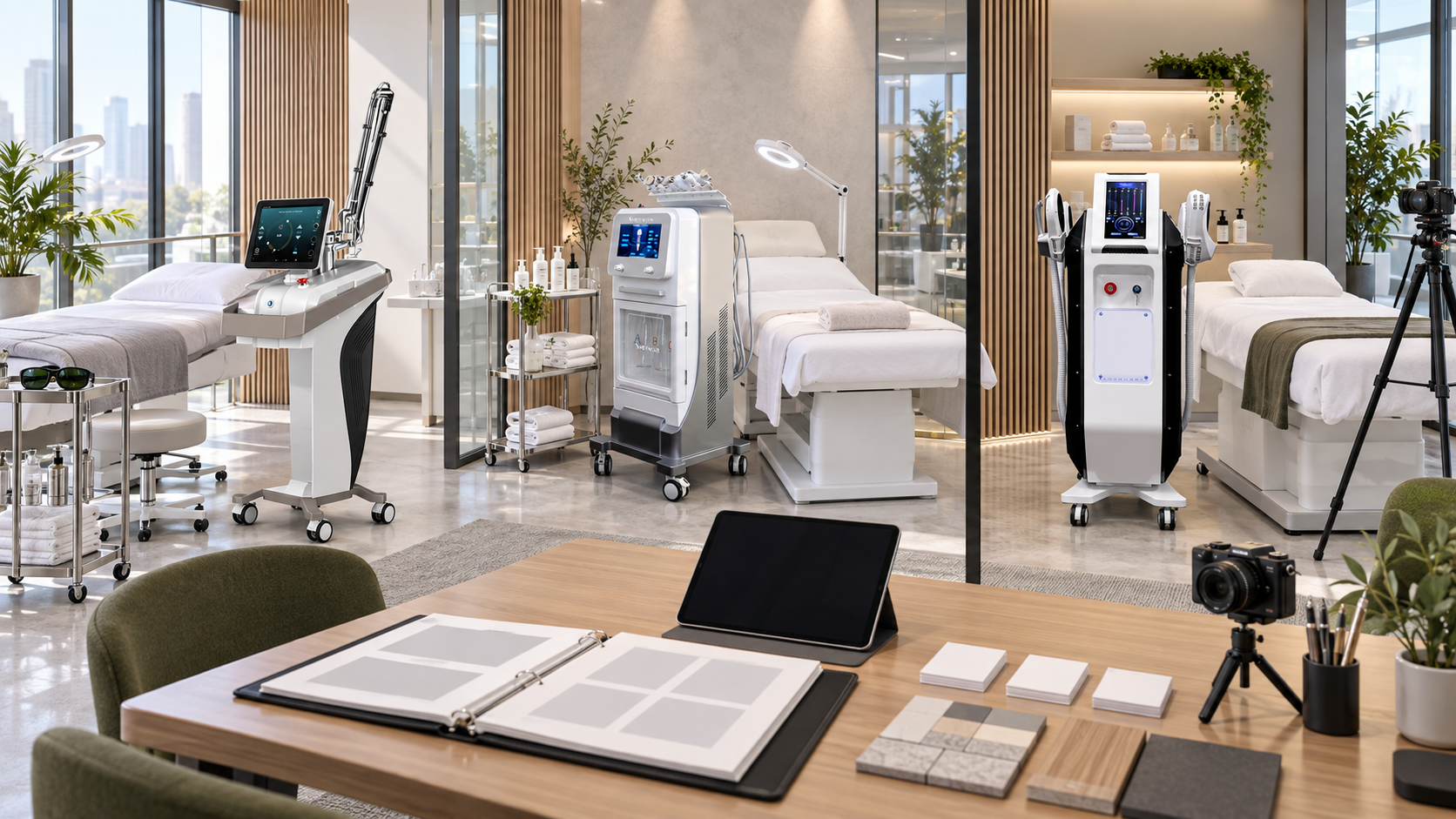
A beauty device demonstration portfolio should help distributors qualify buyers, explain category differences, and move suitable prospects toward a documented configuration. It should not be a showroom copy of the entire product catalog.
Every demonstration unit requires capital, space, accessories, cleaning, maintenance, trained staff, and a follow-up process. The strongest portfolio therefore uses a small number of representative devices to cover the distributor’s priority buyers and technologies. Additional systems can be demonstrated virtually, rotated for events, or shown only after a qualified project reaches the technical-review stage.
This guide shows how to build a focused demonstration portfolio using relevant SHEFMON beauty device categories for facial salons, hair-removal businesses, body centers, med spas, clinics, and local resellers.
Zusammenfassung
A distributor demonstration portfolio can use four levels:
- Core showroom units: Representative devices used frequently with several qualified buyer groups.
- Specialist demonstration units: Systems shown by appointment to buyers who meet category-specific requirements.
- Rotating event units: Devices brought in for planned campaigns, exhibitions, partner training, or regional demand tests.
- Virtual and technical demonstrations: Live video, recorded walkthroughs, configuration calls, and documentation for lower-frequency or advanced systems.
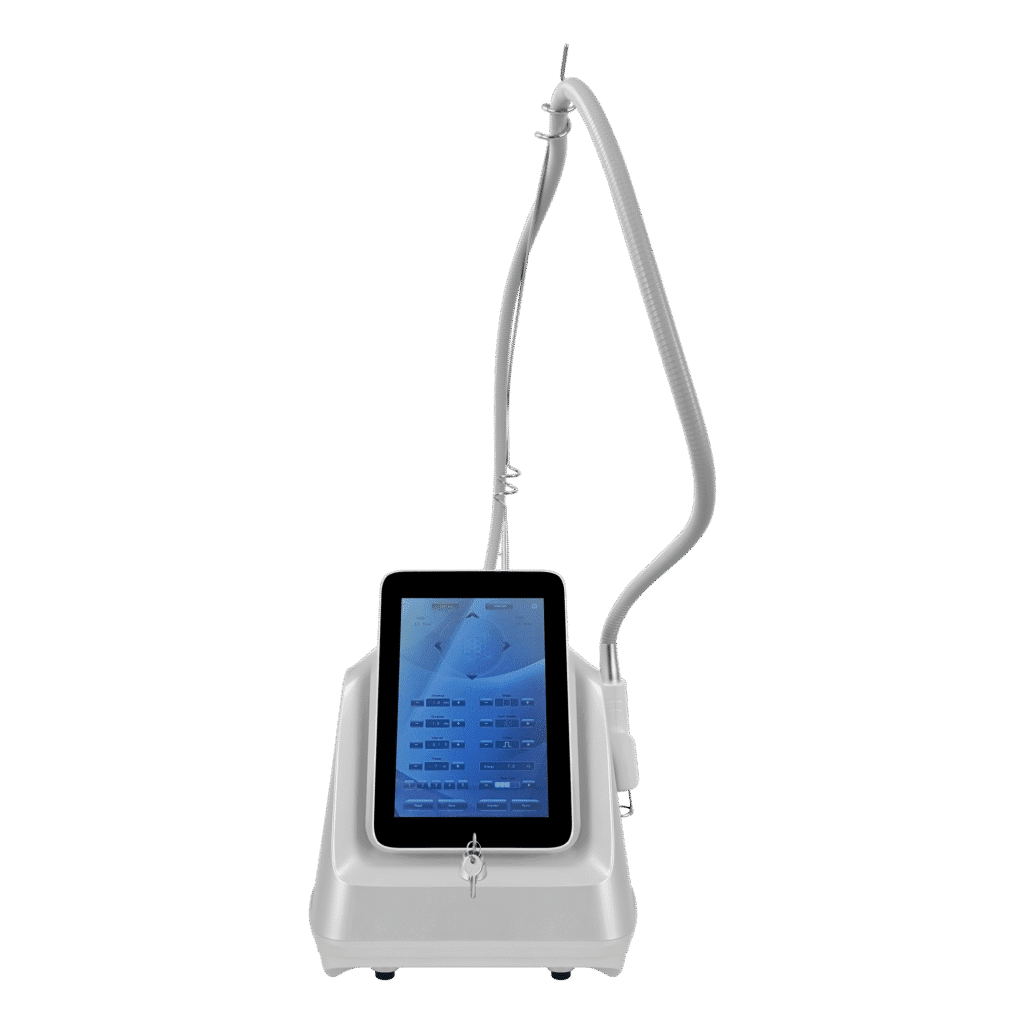
A0648 can anchor the facial demonstration area. A0272-F can show a separate facial tone and contour category. B0155 can represent multifunction body care when body studios are a priority segment. A0423 may justify a controlled specialist demo because buyers need to understand wavelength, spot-size, cooling, and room requirements. A0241, S9, A0204, and A0152 should enter the physical portfolio only when qualified demand and staff expertise support their technology-specific demonstrations.
The goal of a demonstration is a better business decision. It is not a promise of treatment results, a substitute for professional training, or an invitation to apply every device to every visitor.
1. Define What the Demonstration Portfolio Must Achieve
Before selecting equipment, define the portfolio’s commercial jobs:
- introduce the distributor’s main device categories;
- help buyers compare service roles and formats;
- make standard and optional configurations visible;
- show setup, interface, handpieces, applicators, and room workflow;
- qualify the buyer’s staff, market, and support needs;
- identify the correct supply status;
- produce a complete quotation brief; and
- train internal sales and technical teams.
A unit that attracts attention but does not improve qualification or configuration may not deserve permanent showroom space.
2. Separate Demo Stock from Saleable Inventory
Demonstration equipment has a different purpose and condition from new saleable stock.
| Asset type | Primary purpose | Control required | Customer expectation |
|---|---|---|---|
| Demo unit | Product presentation, staff practice, and buyer qualification | Asset record, usage log, cleaning, maintenance, accessories, and demo rules | Unit is available to view; customer order may be supplied separately |
| Saleable stock | New customer delivery | SKU, serial allocation, inspection, storage, and delivery record | Unit is unused and matches the quoted configuration |
| Training unit | Internal or partner education | Defined training scope, high-use maintenance, and component control | May not represent current sale condition |
| Event loan unit | Temporary exhibition or partner campaign | Loan agreement, packing checklist, transport inspection, and return process | Availability and condition are event-specific |
If a demo unit is later sold, disclose its status, condition, included components, inspection, warranty terms, and price treatment clearly.
3. Select Categories from Qualified Buyer Demand
Do not begin with the machines that look most impressive. Review which buyer types create complete inquiries and which categories require physical explanation before a decision.
Als nützliche Belege gelten unter anderem:
- qualified inquiries by buyer type and service category;
- configurations requested;
- common buyer misunderstandings;
- quotations delayed because the product was not demonstrated;
- events and cities producing relevant prospects;
- product-page engagement followed by consultation;
- order conversion after online or physical demonstrations;
- staff knowledge gaps; and
- support workload for each technology.
The portfolio should mirror the market the distributor can reach and support, not the total number of products available.
4. Score Every Candidate Demo Unit
Use a common scorecard before purchasing or assigning a device to demonstration duty.
| Entscheidungsfaktor | Strong reason for a physical demo | Reason to use virtual or order-led presentation |
|---|---|---|
| Buyer demand | Frequent qualified inquiries | Infrequent or speculative interest |
| Visual and tactile value | Format, handles, interface, or workflow materially affect the decision | Specifications and video answer most questions |
| Konfiguration | One demo can explain several options | Demo configuration may mislead buyers about included options |
| Staff readiness | Trained presenter and technical support are available | Team cannot yet answer technology-specific questions |
| Facility | Suitable room, power, cleaning, storage, and controls | Showroom cannot support responsible operation |
| Lead progression | Demonstrations often produce completed specifications or quotes | Visitors attend without a relevant purchase path |
| Wartung | Usage and accessories can be controlled | High wear, consumables, or service burden is not justified |
| Professional boundary | Demonstration can remain within appropriate scope | Live use requires a qualified clinical environment not available locally |
No single high score should decide the purchase. Review the total commercial and operating pattern.
5. Build a Core, Specialist, Rotating and Virtual Structure
| Portfolio layer | Zweck | Typical frequency | Example categories |
|---|---|---|---|
| Core showroom | Serve the distributor’s most common buyers | Available during normal qualified appointments | Hydro facial foundation; selected facial or body growth category |
| Specialist appointment | Explain configuration-sensitive technology | Scheduled after buyer screening | Diode laser hair removal; selected body modality |
| Rotating event | Test regional demand or support a campaign | Temporary, planned period | A0241, S9, A0204, or another strategic category |
| Virtual technical | Support lower-frequency, remote, or advanced inquiries | On demand after qualification | Configuration walkthroughs for A0204 or A0152 |
This layered structure gives a distributor range coverage without permanently installing every system.
6. Use A0648 as a Core Facial Demonstration Unit
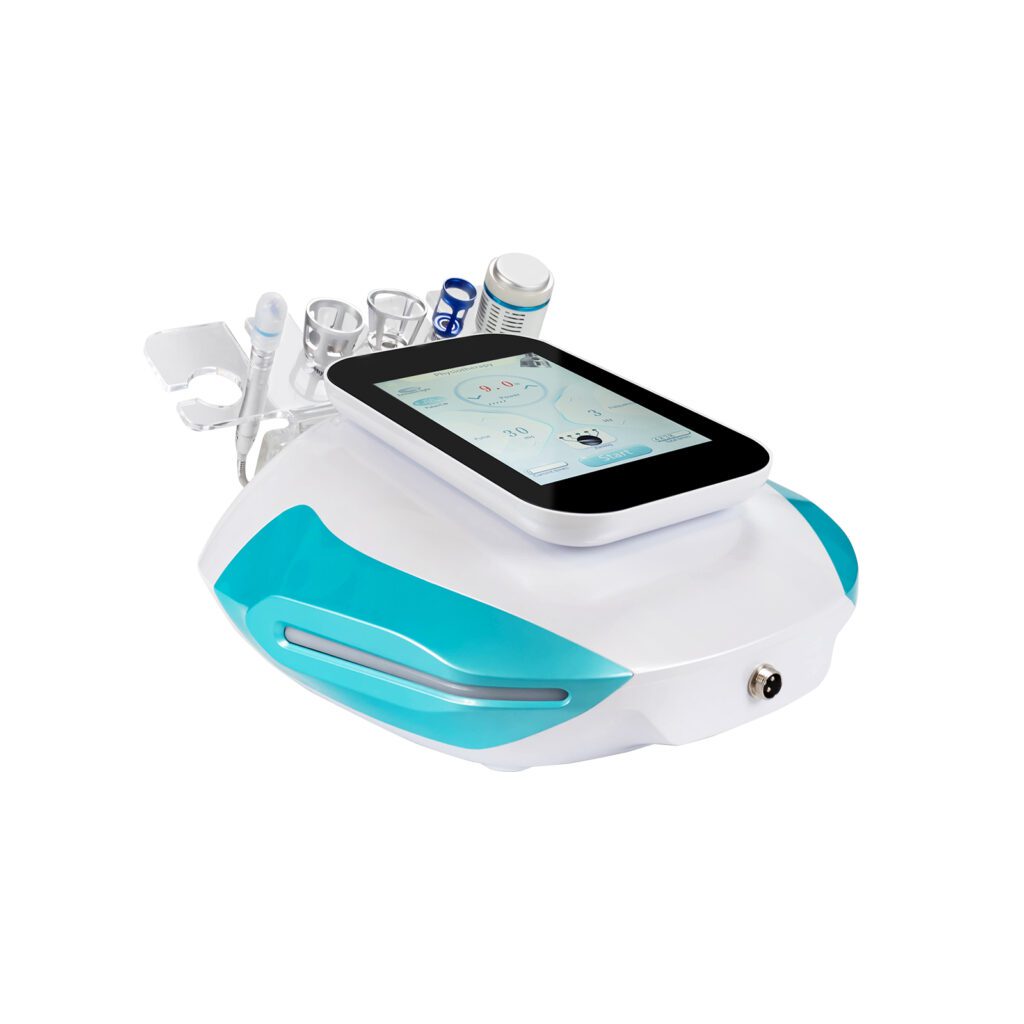
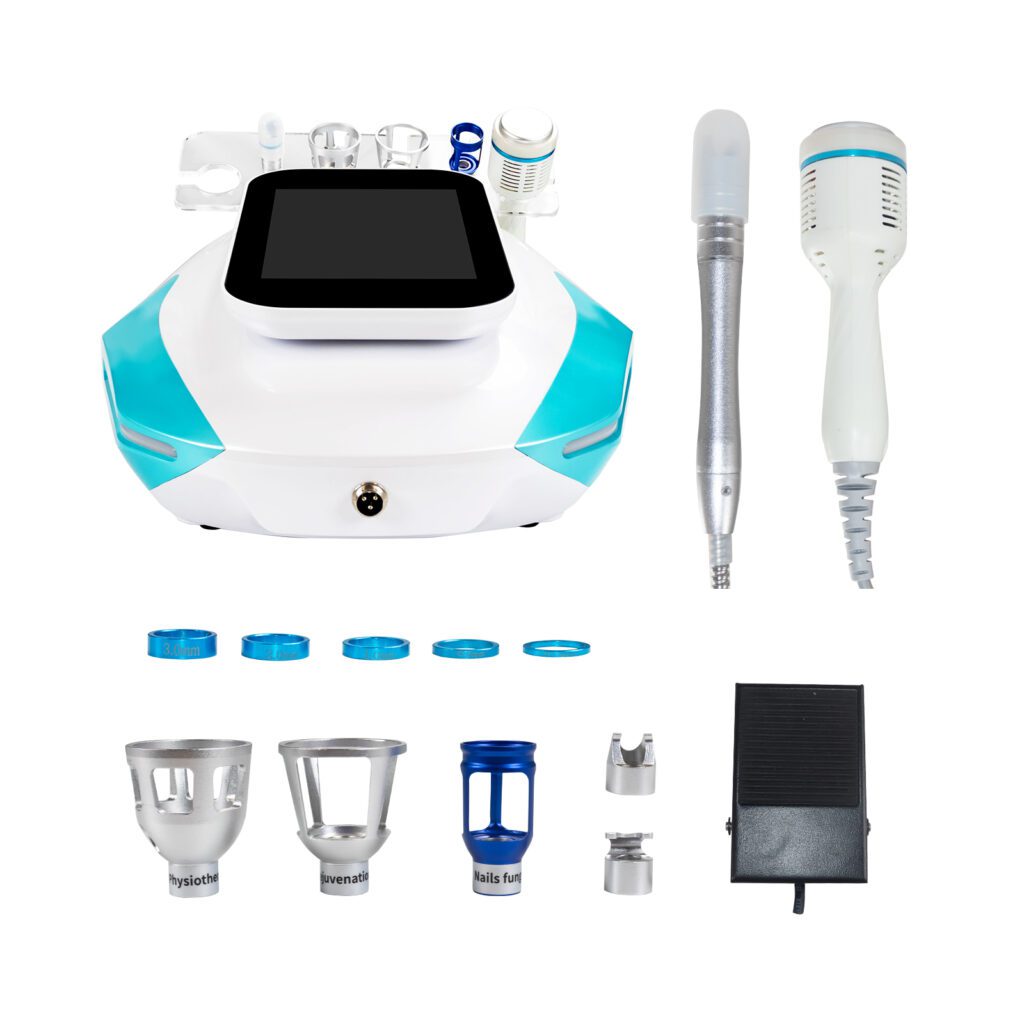
Der A0648 9-in-1 hydro microdermabrasion system can anchor a showroom serving facial salons and beauty studios. Its role is a cleansing and hydration-oriented facial platform incorporating exfoliation, vacuum-assisted extraction, and hydration steps.
An A0648 demonstration should cover:
- physical format and room placement;
- included functions and accessories;
- interface and setup;
- tip and solution planning;
- cleaning and daily checks;
- proposed menu role;
- standard configuration; and
- support and replenishment process.
Lead with the workflow rather than the “9-in-1” number. The buyer should leave understanding how the platform becomes a defined facial service.
7. Use A0272-F to Demonstrate Facial Expansion
Der A0272-F facial electrical stimulation and RF system can represent a facial tone and contour category for established salons and med spas.
Keep its demonstration separate from A0648. Show the application setup, interface, operator workflow, proposed menu position, suitability questions, and how the category differs from cleansing and hydration-oriented care.
A0272-F belongs in the core portfolio when the distributor repeatedly serves growing facial businesses. Otherwise, it can be a scheduled or rotating unit. Owning both A0648 and A0272-F does not establish a same-day treatment sequence.
8. Use B0155 to Demonstrate Multifunction Body Care
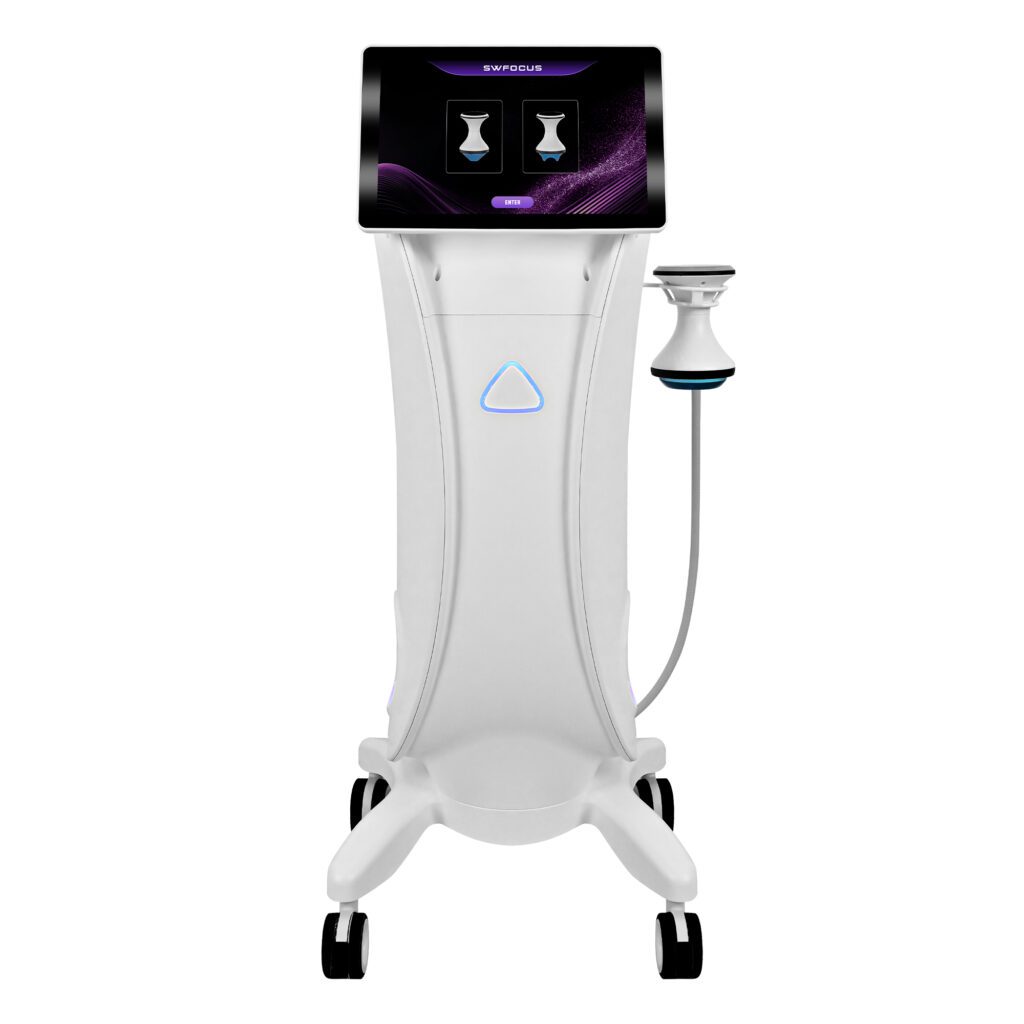
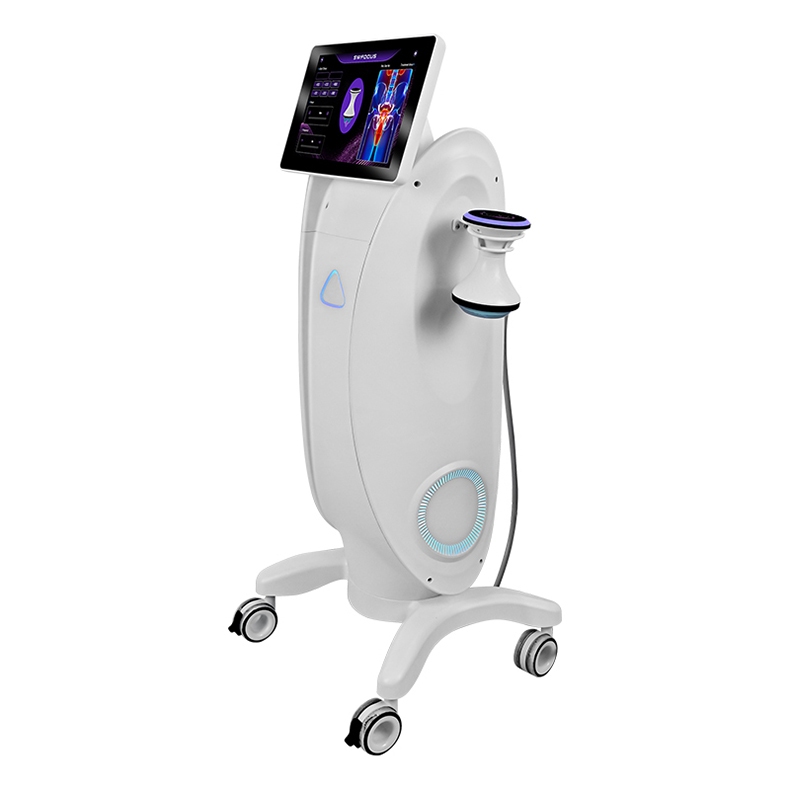
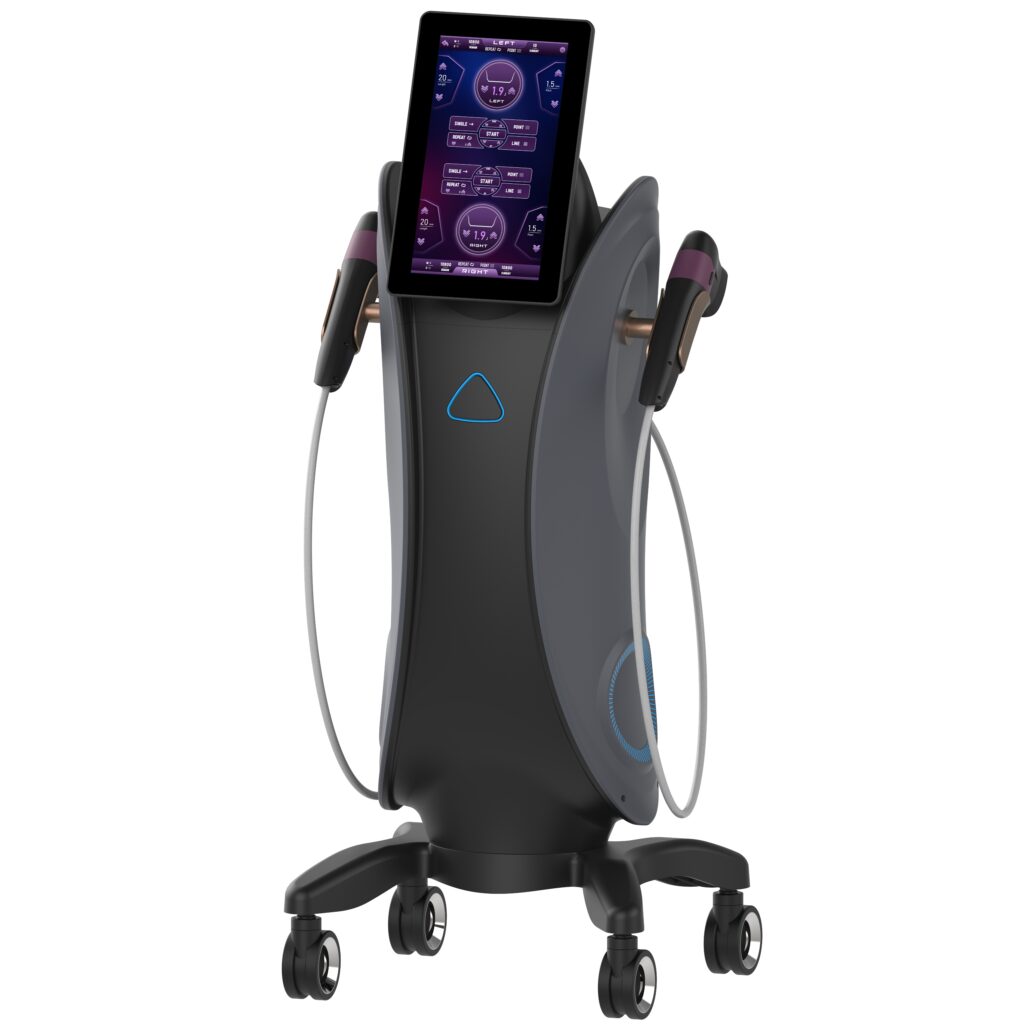
Der B0155 Desktop Endos Velapro lists vacuum roller, RF, rotating massage, and 80K cavitation functions. It is a useful demo candidate when salons and body studios form a priority buyer group.
Create a handle map for the demonstration:
| Demonstration element | What to explain |
|---|---|
| Handle identification | Technology and intended menu role of each relevant handle |
| Setup | Connections, interface, accessories, and pre-use checks |
| Workflow | How the business separates services rather than using every function automatically |
| Room plan | Equipment position, storage, cleaning, and operator movement |
| Qualification | Buyer staff, target services, client-suitability process, and demand |
| Unterstützung | Training, routine care, troubleshooting route, and supplied documentation |
The demonstration should simplify a multifunction platform. It should not overwhelm the buyer with every possible combination.
9. Use A0423 as a Controlled Specialist Demo
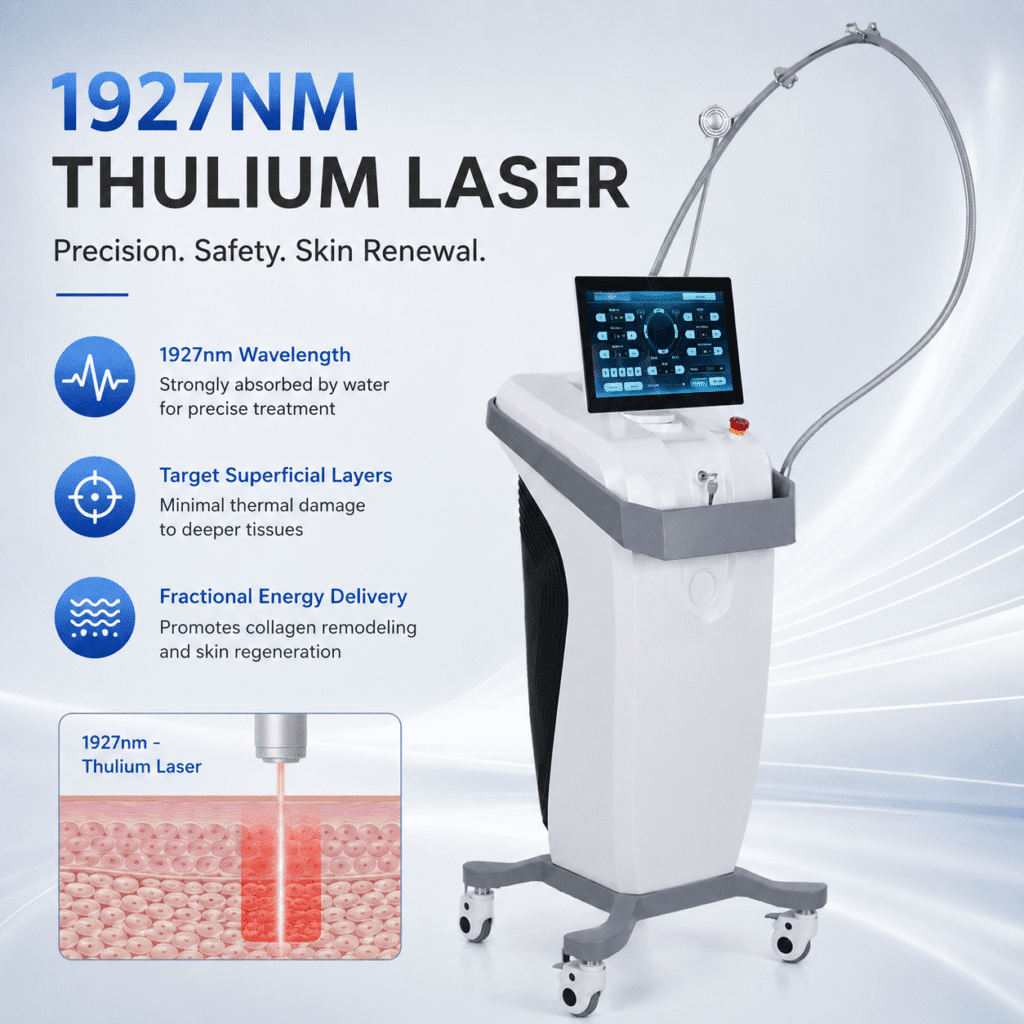
Der A0423 Diodenlaser page lists multiple wavelength and spot-size choices. A physical demonstration can help qualified hair-removal buyers understand the system format, handpiece, interface, cooling, and configuration process.
Document the demo unit’s exact wavelength, spot size, handle power, cooling arrangement, voltage, plug, accessories, and protective setup. Explain which options are represented physically and which must be supplied in a customer-specific order.
The American Academy of Dermatology states in its laser hair removal FAQs that treatment commonly requires multiple sessions and that results and risks vary. Only appropriately prepared staff should conduct application-related demonstrations, with suitable room controls, protective measures, and local authorization.
10. Decide Whether A0241 Belongs in the Physical Portfolio
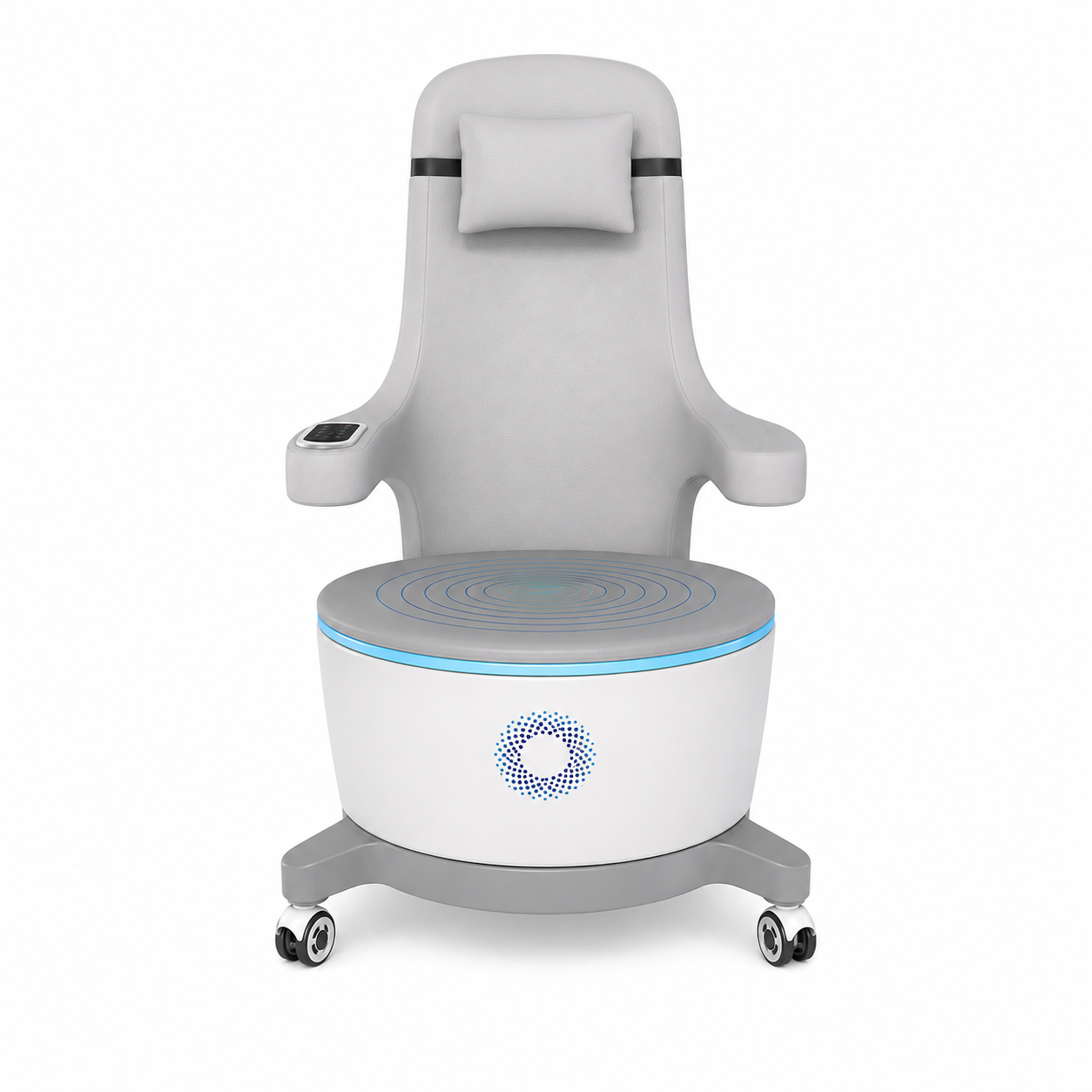
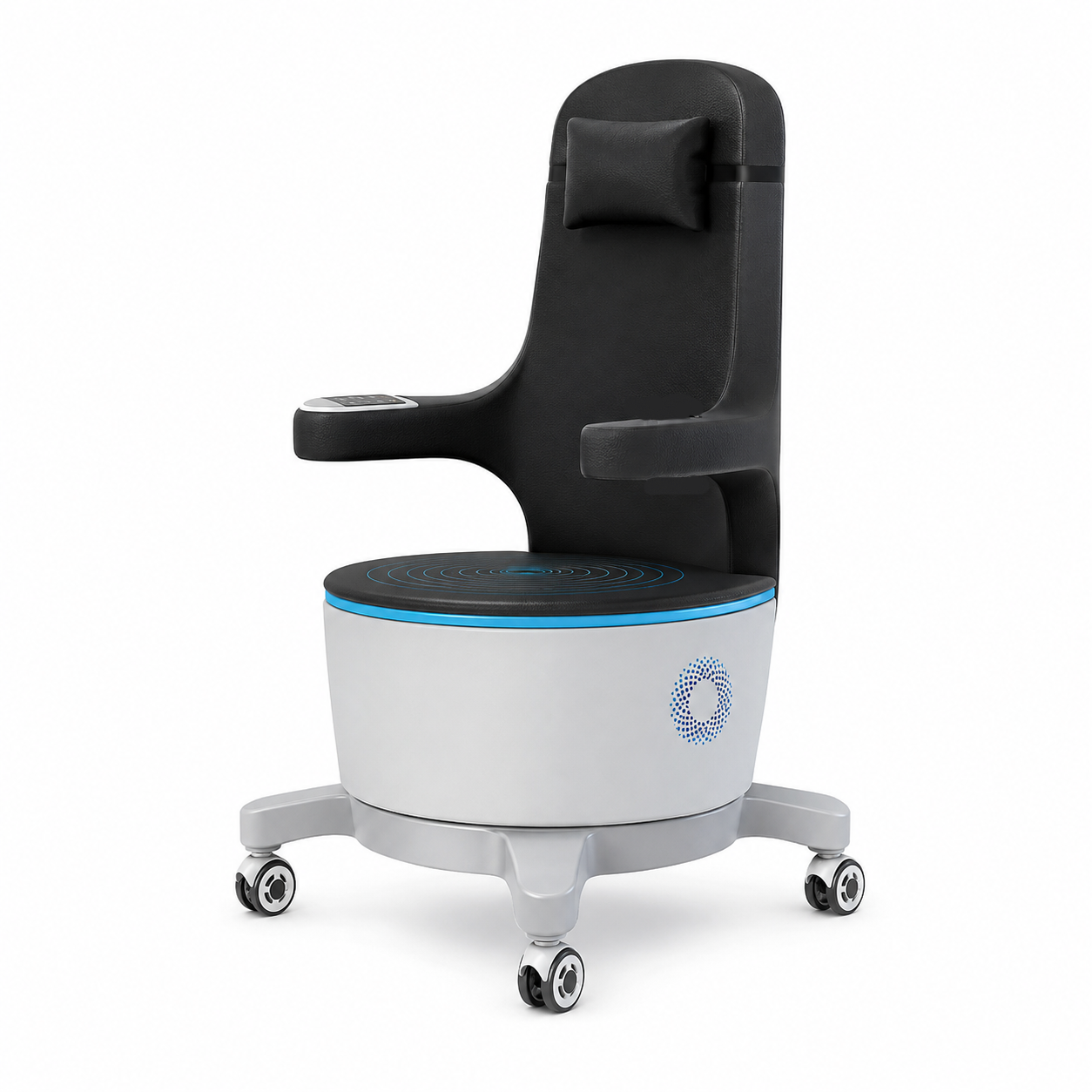
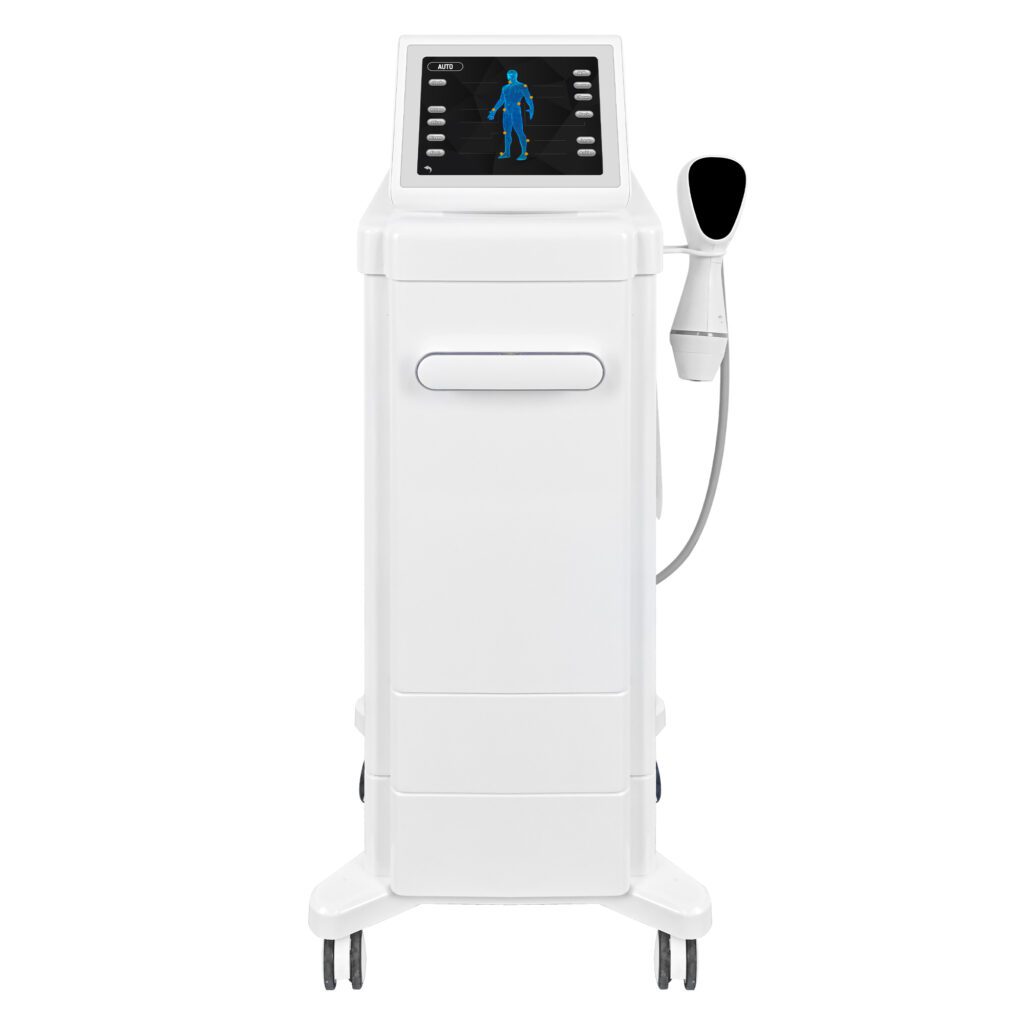
Der A0241 electromagnetic stimulation and RF system represents a muscle-focused body category. It may justify a showroom or rotating unit when qualified body businesses repeatedly request this modality.
The demonstration should explain the selected handle package, application setup, room and power requirements, screening responsibilities, operator preparation, service positioning, and supply model. Avoid exercise-equivalent slogans, fixed outcome percentages, or universal claims.
If the buyer base is still being tested, use a scheduled virtual walkthrough and one regional event unit before committing to permanent local demo stock.
11. Decide Whether S9 Belongs in the Physical Portfolio
Distributors can use the S9 cryolipolysis system to demonstrate localized vacuum-assisted cooling and the selection of different applicators.
A physical demo is valuable when applicator size, placement planning, interface, monitoring, and room workflow materially affect buyer selection. The demonstration record should name every included applicator and distinguish optional components.
Der FDA overview of non-invasive body contouring technologies discusses limitations and possible complications. Do not use a casual public demonstration to suggest universal suitability, general weight loss, or risk-free treatment. Qualified consultation and appropriate operating controls are essential.
12. Present A0204 Through Technical Consultation
Der A0204 focused HIFU platform belongs in an advanced, consultation-led category. SHEFMON’s page presents standard and optional components, so one physical unit may not represent every buyer’s configuration.
For many distributors, a virtual technical demonstration can be more effective than permanent showroom stock. Use live video to identify the interface, selected handpieces and cartridges, setup, physical format, and configuration choices. Follow with a written specification review covering intended areas, consumables, operator qualifications, room readiness, documentation, and support.
A physical A0204 unit becomes appropriate when repeated qualified med-spa or clinic demand justifies trained personnel and controlled demonstration facilities.
13. Keep A0152 in a Qualified Clinical Demonstration Path
Der A0152 Desktop MNRF Tiefe 8 is an RF microneedling system with multiple needle-head choices and selectable handle configurations.
Its demonstration should be restricted to appropriately qualified clinical prospects. Cover configuration, component identification, sterile consumable supply, infection-control expectations, client screening, records, aftercare, technical training, and professional boundaries.
The U.S. FDA has published a safety communication concerning certain uses of RF microneedling. A trade-show application on casual visitors is not an appropriate substitute for a controlled clinical demonstration. Many distributors should use virtual technical presentation and qualified partner sessions for this category.
14. Recommended Demonstration Status by Model
| Modell | Suggested demo status | Main demonstration job | Qualification level |
|---|---|---|---|
| A0648 | Core showroom | Explain a facial service foundation and operating supplies | Standard B2B buyer qualification |
| A0272-F | Core or rotating | Show a separate facial tone and contour category | Established salon or med-spa inquiry |
| B0155 | Core where body demand is strong | Compare handles and body-service workflows | Body-menu and staff-readiness review |
| A0423 | Specialist appointment | Clarify configuration, cooling, room, and operator needs | Qualified hair-removal buyer |
| A0241 | Rotating or specialist | Show muscle-focused setup and handle package | Qualified body-focused buyer |
| Staffel 9 | Specialist or virtual | Explain applicators, monitoring, and configuration | Qualified contouring buyer |
| A0204 | Virtual technical or specialist | Review handpieces, cartridges, and advanced-service requirements | Qualified med spa or clinic |
| A0152 | Qualified clinical or virtual | Review clinical configuration and consumables | Appropriately qualified clinical setting |
These positions should change when the distributor’s verified demand and support capacity change.
15. Design the Showroom Around Buyer Journeys
Organize the space by decisions rather than placing machines randomly. A visitor path can move through:
- business profile and service objective;
- facial, hair, body, or advanced category selection;
- representative device and service role;
- standard and optional configuration;
- room, operator, consumable, and support requirements;
- supply status; and
- next action.
Use category signs, concise comparison cards, component labels, and QR links to detailed product pages. Keep clinical and specialist equipment in controlled areas or appointment-only sessions rather than beside casual walk-in demonstrations.
16. Build a Mobile Demonstration Kit
A distributor may need to visit salons, regional partners, or exhibitions. A mobile kit should have a checked inventory:
- device and transport protection;
- all required cables and connectors;
- selected handpieces, tips, heads, or applicators;
- approved demonstration consumables;
- cleaning and disinfection supplies;
- protective items appropriate to the category;
- printed configuration and room checklists;
- manuals and quick-reference guides;
- spare small accessories; and
- return-inspection form.
Confirm power, access, room conditions, and professional requirements before transport. A mobile event should not reduce the controls applied in the main showroom.
17. Create Virtual Demonstrations That Answer Buying Questions
A useful virtual demonstration is more than a marketing video. It should show the exact unit and explain:
- model and configuration;
- device dimensions and physical format;
- interface and startup;
- supplied components;
- how options differ;
- room and electrical needs;
- consumables and routine care;
- training and support process; and
- next configuration questions.
Use live sessions for buyer-specific questions and recorded modules for repeatable basics. Do not rely on video alone for professional authorization, application competence, or local compliance.
18. Qualify Buyers Before Booking the Demo
A demonstration request form should collect:
| Field | Warum es wichtig ist |
|---|---|
| Business type and country | Routes the buyer to the correct category and market variant |
| Current services and devices | Shows whether the inquiry is a launch, replacement, or expansion |
| Operator background | Determines the appropriate demonstration depth and boundaries |
| Target client concerns | Connects the product to a real service need |
| Preferred model or technology | Identifies comparison and configuration questions |
| Room and power details | Reveals installation and workflow constraints |
| Purchase timing | Distinguishes research from an active project |
| Training and support expectations | Helps plan the right staff and materials |
Qualification is not a barrier to sales. It protects demonstration time and gives the buyer a session relevant to the business.
19. Write a Demonstration Agenda
A consistent 45- to 60-minute B2B agenda may include:
- buyer objectives and current menu;
- category role and reasons it may or may not fit;
- exact demo configuration;
- device format, interface, and supplied components;
- setup and pre-use checks;
- workflow, cleaning, and routine care;
- accessories, consumables, and replacements;
- room, operator, and support requirements;
- customer-order configuration; and
- agreed next action.
Adjust the agenda to technology and buyer qualification. Do not promise a live treatment application in every session.
20. Demonstrate Business Fit as Well as Hardware
The buyer should see how the device becomes a service. Prepare a sample menu role, consultation questions, room layout, appointment workflow, supply list, and training plan. Keep these examples realistic and editable for the buyer’s market.
Avoid revenue guarantees or hypothetical return-on-investment claims. The buyer should calculate pricing, staffing, utilization, consumables, taxes, and local costs using its own verified assumptions.
For multi-device portfolios, explain each service family separately. Purchasing A0648 and A0272-F, or B0155 and S9, does not establish that the devices should be used in one visit.
21. Label the Demo Configuration Clearly
Attach or display a configuration card showing:
- model number and internal asset ID;
- serial number where appropriate;
- wavelength, spot size, handles, cartridges, heads, applicators, or tips installed;
- voltage, plug, and software language;
- components included with a standard customer order;
- demo-only or optional components;
- consumables used during the session; and
- last inspection and maintenance date.
This prevents buyers from assuming that every visible accessory is part of the base package.
22. Control Cleaning, Consumables and Device Condition
Create model-specific pre-demo and post-demo checklists. Record surface condition, connections, hoses, handles, tips, applicators, filters, solution paths, cooling, vacuum, software, accessories, and error messages as relevant.
Separate clean, used, sterile, reusable, and disposable items. Follow device instructions and appropriate setting-specific practices. Advanced or invasive categories need stronger controls than a non-application interface walkthrough.
Track consumables by unit and event. Missing small components can make the next demonstration misleading or unusable.
23. Train Demonstrators by Category
Each demonstrator should know:
- the buyer profile and service role;
- device functions and exact configuration;
- setup and operating boundaries;
- cleaning and routine maintenance;
- approved statements and claims to avoid;
- qualification and postpone conditions;
- common technical questions;
- supply status and quotation process; and
- when to escalate to technical or qualified professional support.
Training on one facial system does not qualify a presenter to demonstrate laser, cooling, HIFU, or RF microneedling applications. Maintain category-specific authorization for internal staff.
24. Prepare a Post-Demonstration Decision Record
After the session, record:
- buyer and participants;
- business objective;
- device and demo configuration;
- category fit;
- unresolved professional or technical questions;
- preferred customer configuration;
- room, voltage, language, and documentation needs;
- accessories and consumables;
- training and support expectations;
- supply status;
- purchasing timeline; and
- agreed next action and owner.
Send a concise recap to the buyer. The demonstration should produce a better specification or a clear reason to postpone, not an ambiguous “interested” status.
25. Connect Demonstrations to Quotations
The quotation should reflect the demonstration record. It should identify the customer unit separately from the demo asset and show:
- exact model and configuration;
- standard and optional components;
- voltage, plug, software, and documents;
- initial consumables and replacements;
- installation, familiarization, and technical support;
- supply status and delivery assumptions;
- freight and locally payable items where applicable; and
- exclusions.
If the buyer requests a different option after the demo, update the configuration instead of substituting the display unit silently.
26. Measure Demonstration Portfolio Performance
Use measures that show decision quality:
- qualified requests by category;
- attendance rate;
- demonstrations completed with all required staff;
- configuration forms completed;
- demonstrations progressing to suitable quotations;
- quotation-to-order conversion;
- time from demo to decision;
- support time per category;
- consumable and maintenance cost per unit;
- orders with configuration revisions caused by demo misunderstanding; and
- demo assets that no longer match current demand.
Page views, event foot traffic, and social engagement can support awareness analysis, but they do not prove demonstration effectiveness.
27. Decide When to Add or Remove a Demo Unit
Add a physical unit when qualified demand repeats, buyers need hands-on explanation, staff and facilities are ready, and the expected learning or conversion value justifies the cost.
Move a unit to rotating or virtual status when inquiries decline, configurations fragment, maintenance becomes excessive, the device no longer represents current demand, or staff cannot support responsible demonstrations.
Retire a unit when its condition, software, configuration, documentation, or product status makes it an unreliable representation. Document whether it will be refurbished, sold with disclosure, used for internal training, returned, or otherwise handled through the distributor’s normal asset process.
28. Common Demonstration Portfolio Mistakes
Buying one demo of every model
This consumes space and support resources without improving buyer decisions. Select representative categories.
Using saleable stock for uncontrolled demonstrations
Repeated setup, handling, and consumable use can change the unit’s condition and package completeness.
Demonstrating before qualification
The session may attract the wrong buyer or cross professional and facility boundaries.
Showing options without naming the demo configuration
Buyers may assume all handles, cartridges, wavelengths, or applicators are included.
Treating demonstrations as training certification
A product walkthrough does not establish clinical competence or local authorization.
Measuring attendance rather than progression
A busy showroom can still produce few qualified specifications or orders.
29. Demonstration Portfolio Checklist
Before approving the portfolio, confirm:
- Which buyer groups and categories are priorities?
- What decision does each physical unit help buyers make?
- Is the unit core, specialist, rotating, or virtual?
- Is the exact configuration labeled?
- Are room, power, cleaning, storage, and protective requirements ready?
- Are demonstrators trained for that category?
- Does the booking form qualify the business and operator?
- Is there a written agenda and post-demo record?
- Are accessories and consumables complete and controlled?
- Are clinical and advanced categories restricted appropriately?
- Does the quotation reflect the customer configuration rather than the display unit?
- Are performance, condition, maintenance, and retirement reviewed regularly?
Häufig gestellte Fragen
1. How many beauty devices should a distributor keep for demonstration?
There is no universal number. Keep enough units to represent priority buyer groups and technologies, but require each device to have qualified demand, a defined demonstration job, trained staff, and measurable progression.
2. Which SHEFMON model is suitable for a core facial demo?
A0648 can be a practical core unit for distributors serving facial salons. Demonstrate its service role, included functions, supplies, cleaning, room fit, standard configuration, and support process.
3. Should A0272-F be demonstrated with A0648?
They can appear in the same facial portfolio, but demonstrate them as separate service categories. A0648 supports cleansing and hydration-oriented care; A0272-F supports a facial tone and contour direction.
4. Is B0155 a useful body-equipment demo unit?
Yes, when the distributor serves salons and body studios and can explain the vacuum roller, RF, rotating massage, and cavitation handles through clear, separate workflows.
5. Should distributors keep A0423 in the showroom?
A controlled A0423 demo can be useful in a strong hair-removal market. Label the exact wavelength, spot size, handle power, cooling, and accessories, and restrict application-related demonstrations appropriately.
6. Can A0241 or S9 be used as rotating event units?
Yes. Rotation can test qualified regional demand without permanent local installation. The distributor still needs suitable transport, setup, screening, staff, cleaning, component, and follow-up controls.
7. Should RF microneedling be demonstrated at trade shows?
A0152 can be presented through controlled technical and component walkthroughs, but application demonstrations should remain in an appropriately qualified clinical setting with suitable infection control and professional oversight.
8. What should a virtual beauty device demonstration include?
Show the exact configuration, physical format, interface, supplied components, setup, options, room and electrical needs, consumables, routine care, support, and the questions required for a quotation.
9. Can a distributor sell a demonstration unit?
Yes, if its demo status, condition, usage, inspection, included components, warranty, and pricing are disclosed accurately and the buyer accepts the specific unit.
10. What should be recorded after a demonstration?
Record the buyer objective, model and configuration shown, category fit, unresolved questions, preferred order configuration, room and market requirements, support expectations, timeline, and agreed next action.
Abschluss
A strong beauty device demonstration portfolio represents buyer decisions rather than every catalog page. A0648 can anchor facial demonstrations, A0272-F can show facial expansion, B0155 can explain multifunction body care, and A0423 can support qualified hair-removal consultations. A0241, S9, A0204, and A0152 can use specialist, rotating, or virtual formats according to demand and professional readiness.
Each demonstration unit needs a defined purpose, exact configuration, trained presenter, controlled condition, qualification process, and measurable outcome. That turns the showroom from an equipment display into a practical route from buyer need to suitable quotation.
Durchsuchen SHEFMON beauty device categories oder Kontaktieren Sie SHEFMON with your buyer segments, market, showroom capacity, priority technologies, and planned demo formats to compare a focused demonstration portfolio.