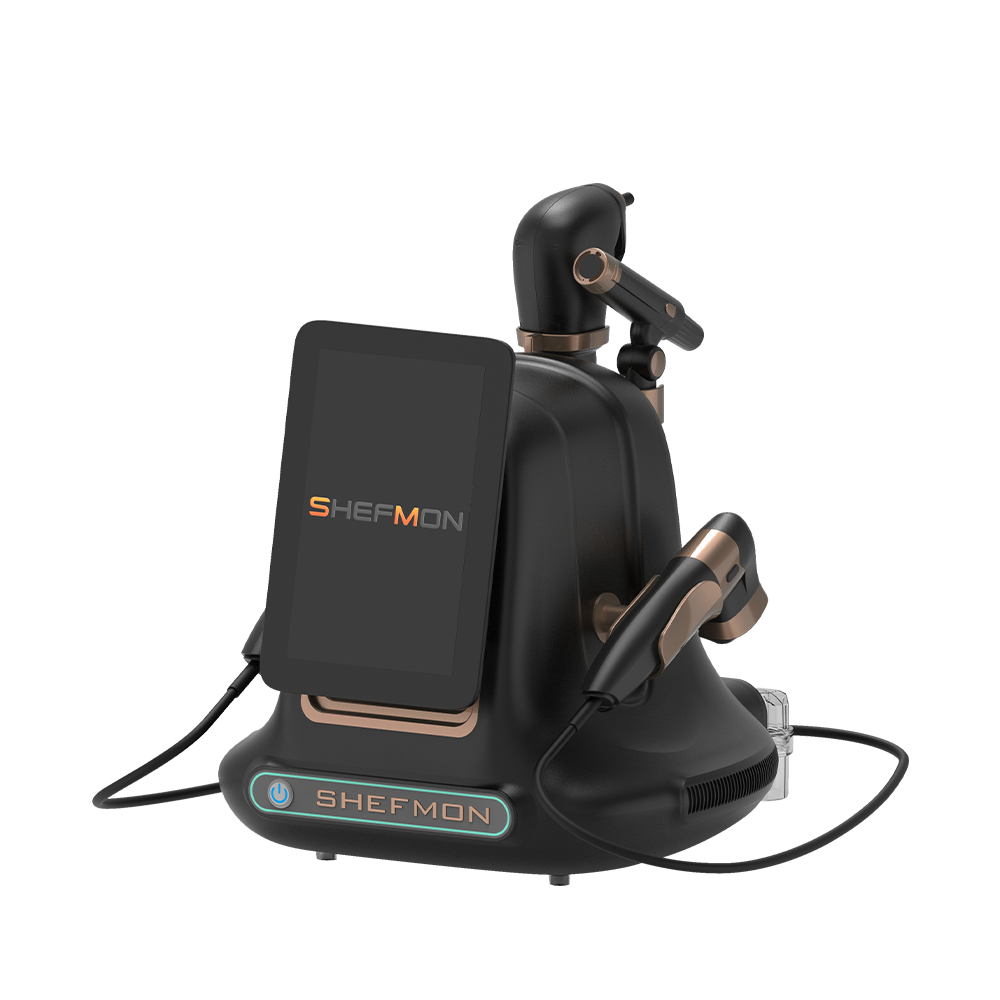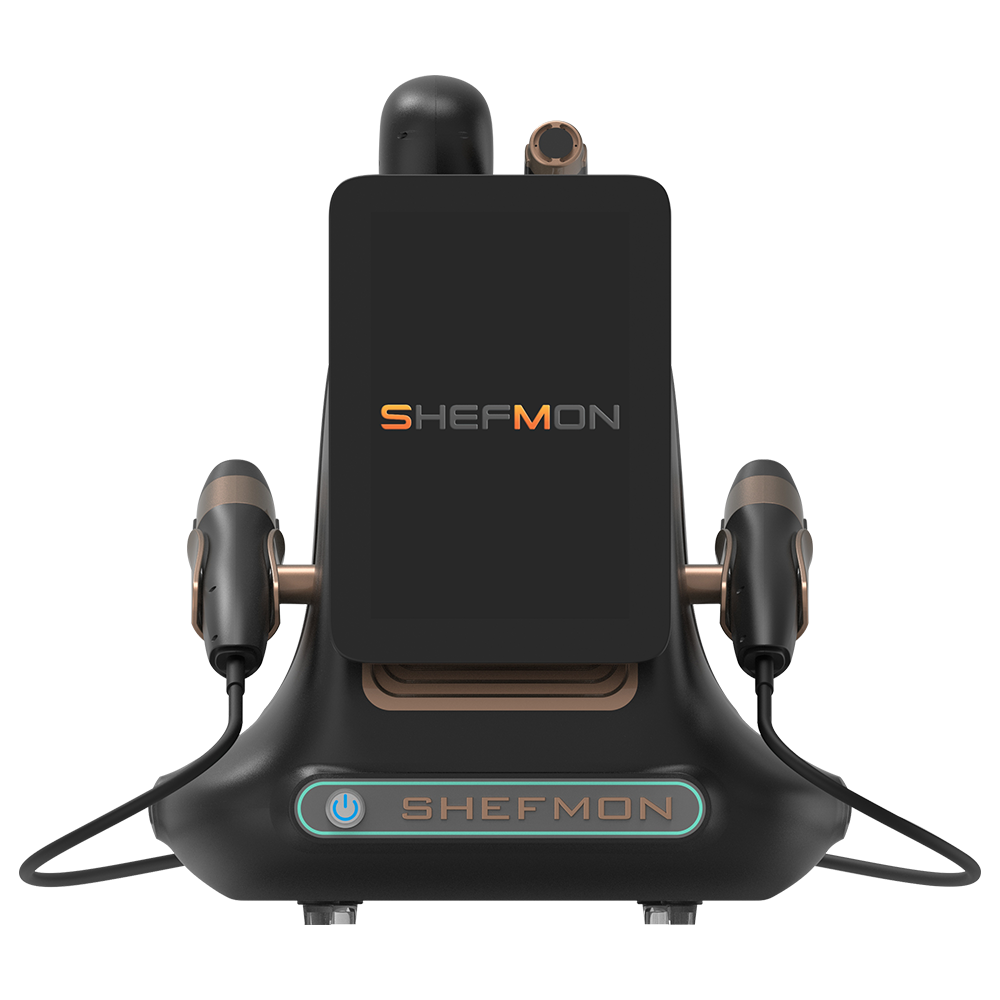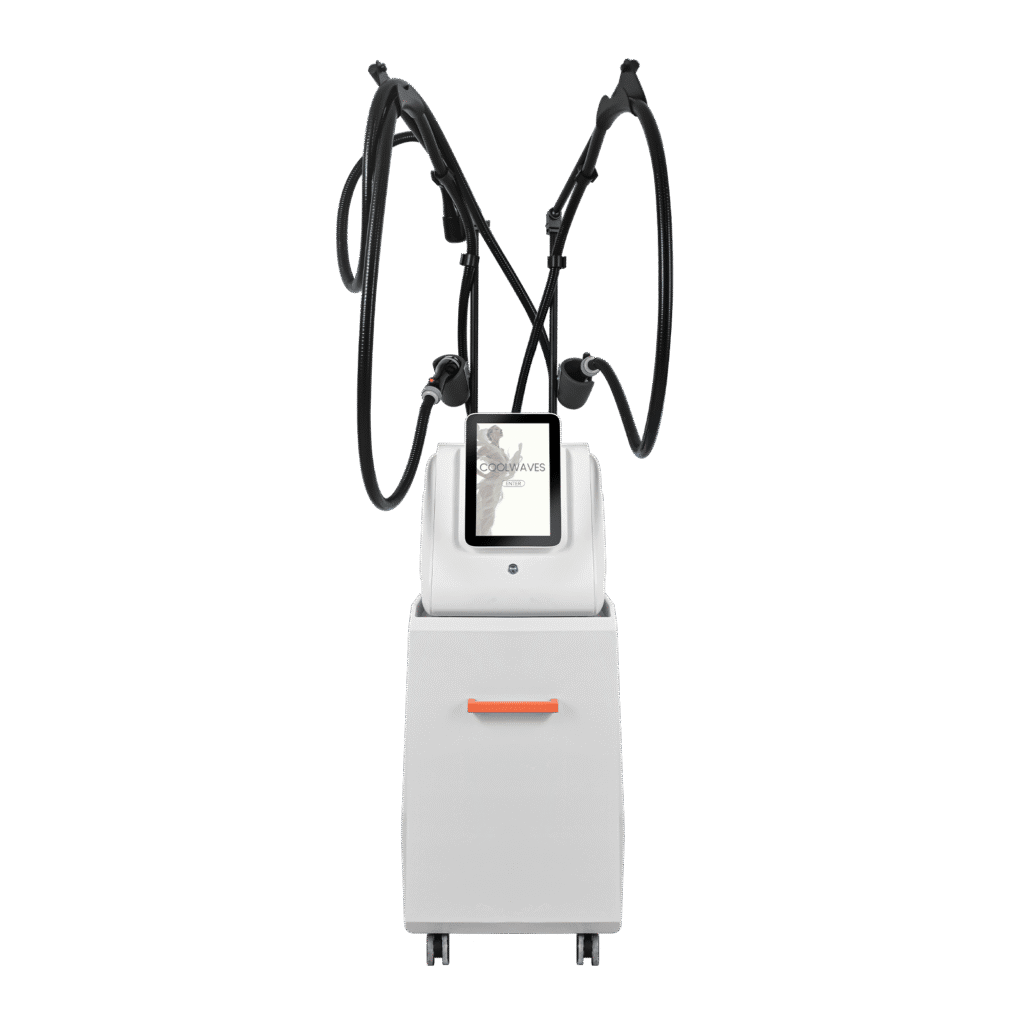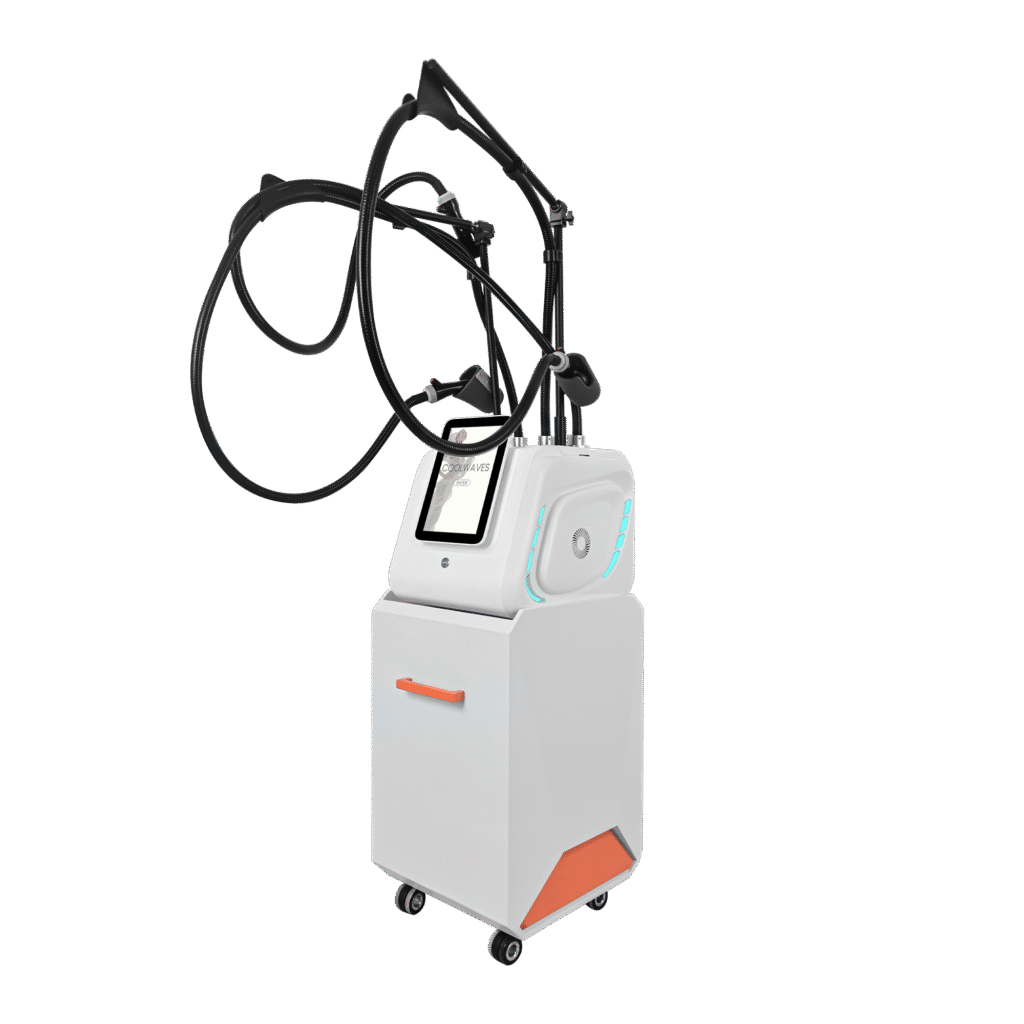










If every beauty machine in a catalog could speak, each one would probably say, “Choose me—I can become your next best seller.” A B2B buyer has a harder question to answer: which machine will still make sense after it leaves the showroom and enters a real salon, clinic or distributor warehouse?
That is what most people are actually trying to discover when they search for Schönheitsgeräte. They may begin with a broad keyword, but their commercial intent is already taking shape. A distributor wants products that are easy to position and support. A salon owner wants services clients will book. A clinic buyer wants a platform that fits staff competence and local rules. A private-label brand wants a product line that can be configured, documented and reordered consistently.
This guide approaches beauty machines from that buyer’s side of the table. It does not try to crown one technology as “the best.” Instead, it explains how to choose a practical range, where different machine types are strong, where they create extra work, what changes a B2B quotation and what information a factory needs before it can recommend the right configuration.
The Search Is Broad, but the Buying Question Is Usually Specific
The phrase “beauty machines” looks like a category search. In practice, it often hides one of four conversations.
| Buyer behind the search | What the buyer is really asking | What a useful supplier should clarify |
|---|---|---|
| Beauty equipment distributor or importer | Which models can cover entry, growth and premium customers without creating an unmanageable catalog? | Target customer groups, regional demand, documentation, spare parts, demo support and reorder consistency |
| Salon, spa or chain | Which machine can become a service people understand and book repeatedly? | Existing menu, room size, operator experience, client demand, consumables and launch plan |
| Medizinisches Spa oder Hautklinik | Which platform fits our professional scope and gives us a clear specialty? | Intended use, operator qualification, protocols, hygiene, local regulation and after-sales support |
| Private-label buyer | Can this product become a stable branded SKU rather than a one-off purchase? | Housing and logo options, interface language, packaging, manuals, minimum order considerations and version control |
This distinction matters. A machine that is attractive to an established skin clinic may be a poor first purchase for a small facial salon. A compact device that is perfect for a single treatment room may not give a distributor enough differentiation. The right starting point is not the number of functions on the screen; it is the business that must use or resell them.
Start with the Business Model, Not the Technology Name
Buyers often compare HIFU with laser, cryolipolysis with EMS, or a nine-function facial system with a single-purpose platform. Those are not always useful comparisons. Each device belongs to a different service model.
A better first filter is to ask what the business wants to be known for.
“We need frequent facial services”
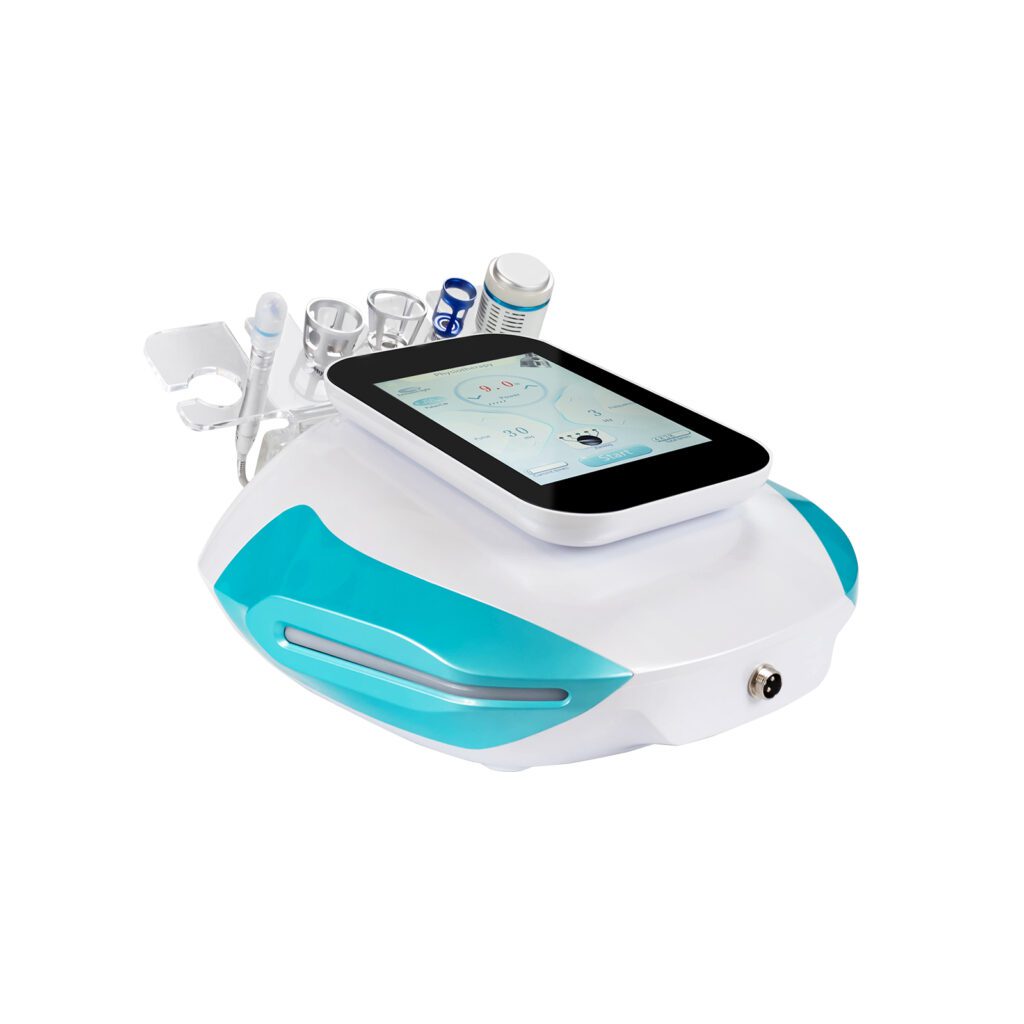
For a new salon, day spa or facial studio, repeatable skin-management services are often easier to introduce than a highly specialized technology. A multifunction hydro facial system can support several steps within one appointment and help a business create basic, upgraded and premium facial options.
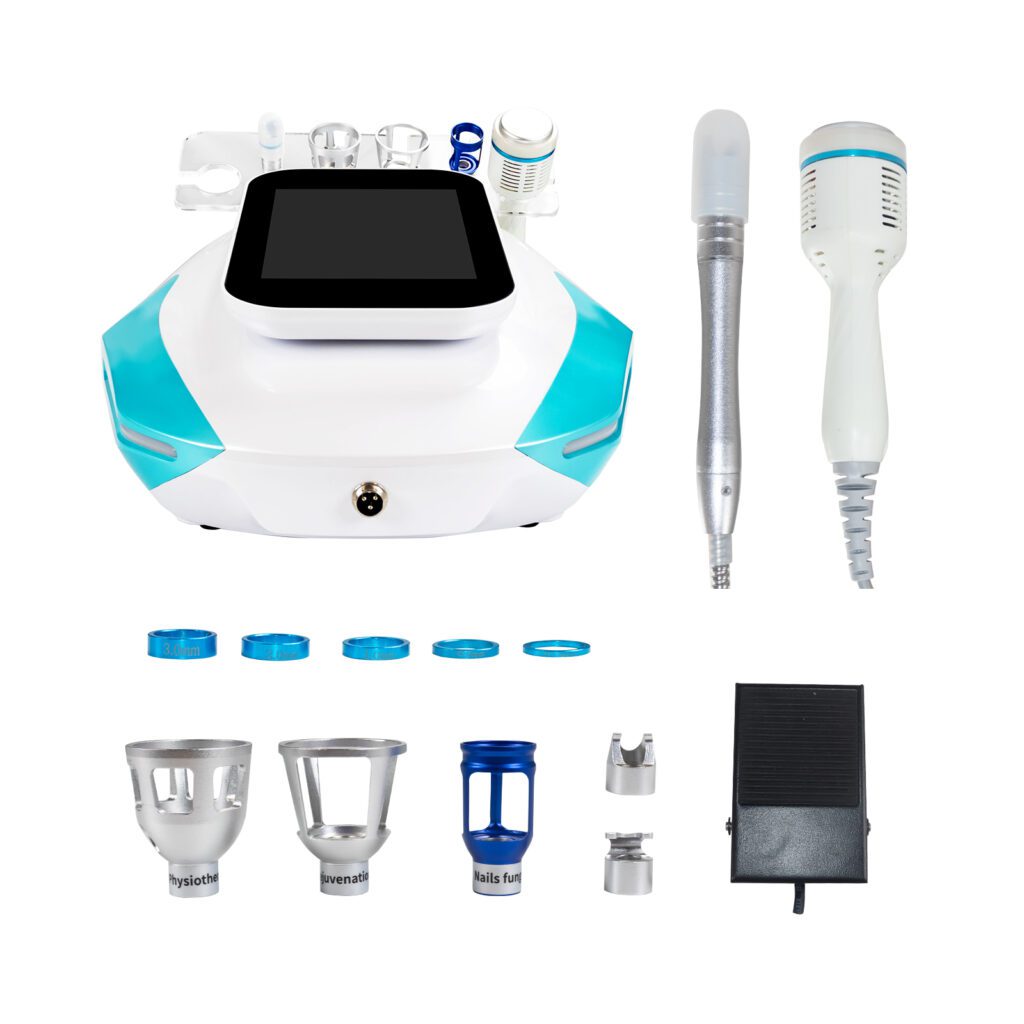
Der SHEFMON A0648 9-in-1 Diamant-Hydro-Mikrodermabrasions-Peeling-Gerät is one example for buyers considering this route. Its commercial value is not simply “nine functions.” The important question is whether the salon can turn those functions into two or three services that staff can perform consistently and clients can understand.
The strength of this route is menu flexibility and broad salon relevance. Its shortcoming is that multifunction devices require more staff discipline than the specification sheet suggests. Bottles, tips, filters, solutions, cleaning routines and function-specific training all need to be organized. A long feature list is useful only when the operator has a clear workflow.
For an additional facial category, buyers can also review the A0145 Coolplasma facial device. Before purchasing, ask for the exact current handpiece set, operating requirements and cleaning instructions rather than assuming every configuration shown online is included.
“We want one recognizable anchor service”
Some buyers do not want a broad facial menu. They want one service category with a clear market identity. Professional hair-reduction businesses often think this way: the device is the operational center of the room, and appointments can be organized into courses rather than isolated visits.
Der A0426 Diodenlaser-Haarentfernungsgerät is positioned by SHEFMON as a multi-wavelength platform. For B2B comparison, do not stop at the wavelengths printed in a title. Request the delivered wavelength configuration, optical output data, spot size, pulse range, cooling design, handpiece life assumptions, replacement-handpiece policy and electrical requirements in writing.
The advantage of a focused laser platform is a clear customer proposition. The disadvantage is a higher operational threshold: consultation, skin and hair assessment, protective measures, operator training, room setup, maintenance and destination-market rules all matter. This route makes sense when hair removal is a core service, not when a buyer merely wants another machine in the corner.
“We need a premium anti-ageing or advanced skin category”
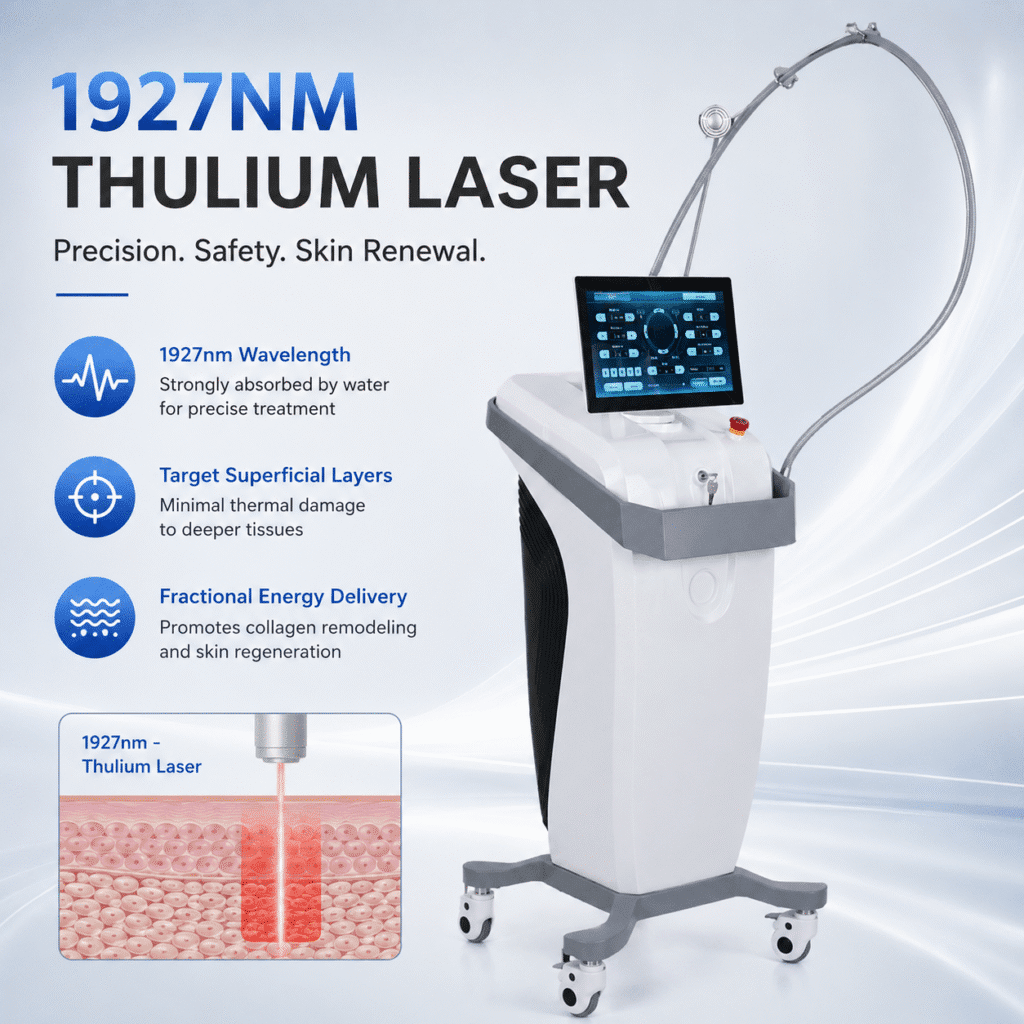
HIFU and RF microneedling can help qualified businesses create a more specialized positioning. They also demand more from the buyer than a basic facial platform.
Der A0203 HIFU platform can be considered by businesses building a focused-ultrasound service category. The A0152 microneedling RF machine is a different purchasing route, with particular attention needed for needle-tip configuration, single-use consumables, hygiene and traceability.
Their strength is differentiation: a trained clinic or suitable professional setting can build a more distinctive consultation and service journey around them. Their shortcoming is that the machine purchase is only one part of the launch. Training, client selection, contraindication screening, consumable control, aftercare and scope-of-practice rules must be resolved before marketing begins.
Buyers should never treat the words “beauty equipment” as a universal regulatory category. Product classification depends on intended use, claims and the destination market. For US projects, the FDA explains how intended use affects whether a product is regulated as a medical device in its guidance on determining whether a product is a medical device. European buyers should review the European Commission’s medical-device regulatory overview and obtain market-specific advice for the exact product and claims.
“We are building a body-contouring business”
“Body contouring” is not one service. A buyer may be comparing cooling-based fat-reduction equipment, electromagnetic muscle-stimulation platforms, or mechanical roller massage systems. These machines should not be presented as interchangeable.
- Der S9 cryolipolysis machine is for buyers exploring a cooling-based body category. Applicator configuration, membranes or other required consumables, temperature-control safeguards and operator protocols should be confirmed.
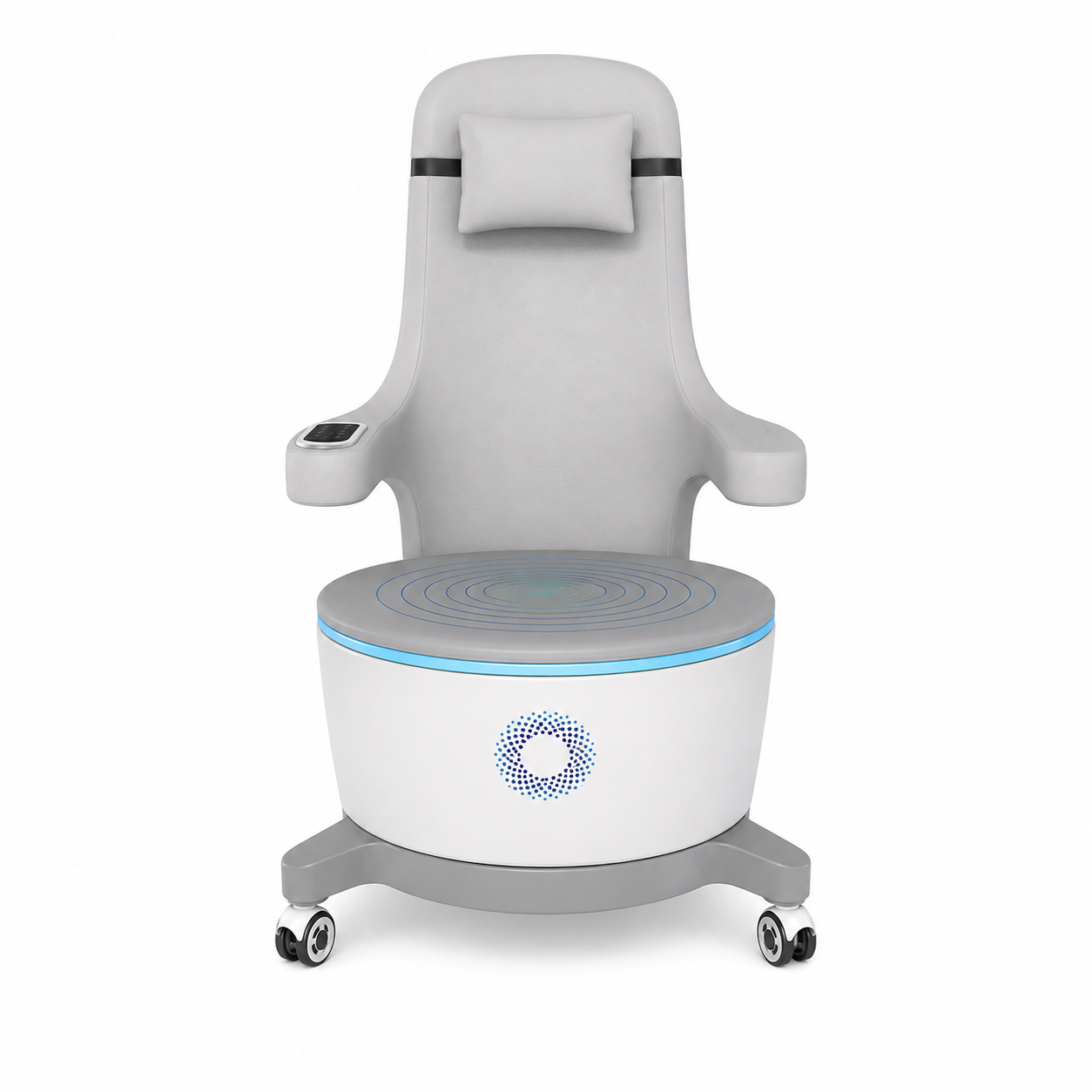
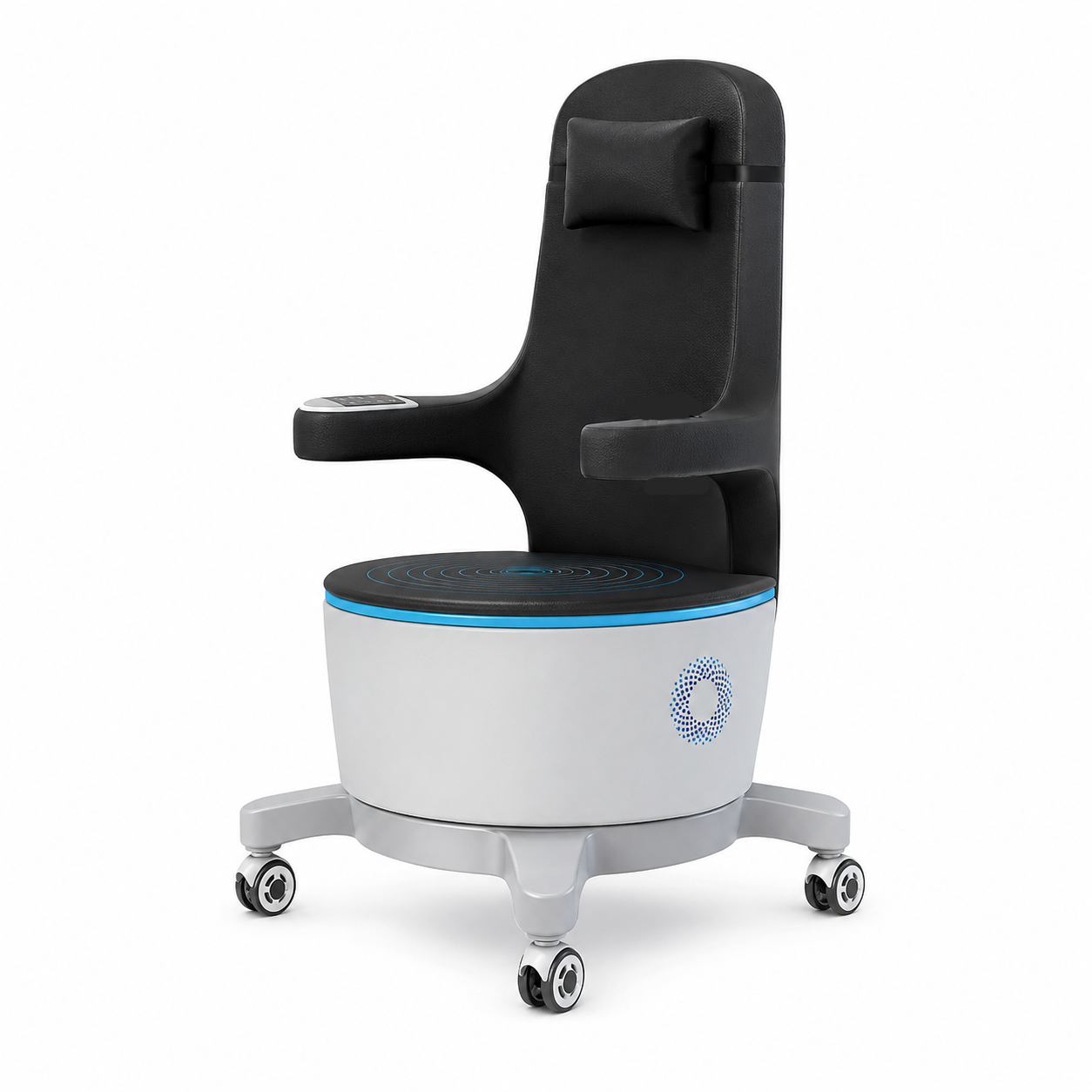
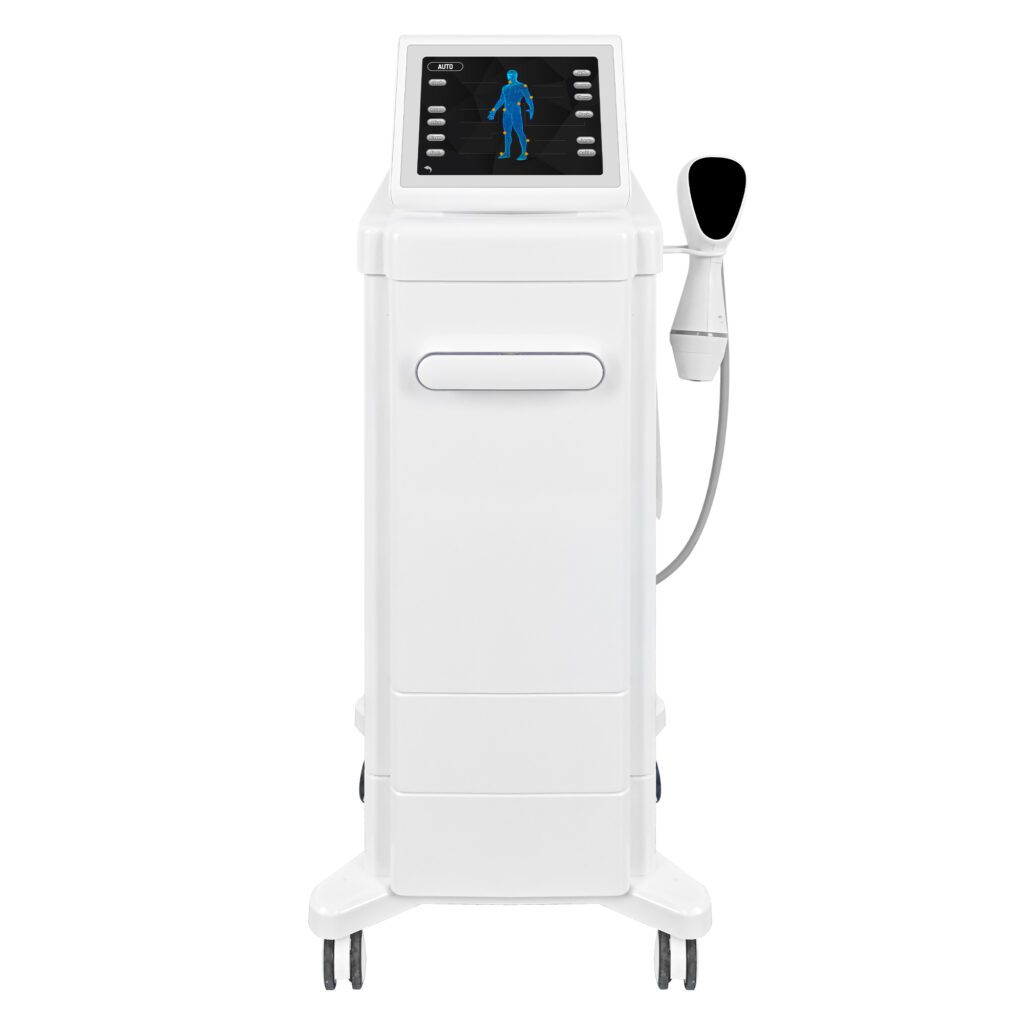
- Der A0241 EMSlim RF and EMS platform belongs to a muscle-stimulation-style business model. Buyers should confirm the current applicator set, RF configuration, output specifications, room workflow and client-screening protocol.
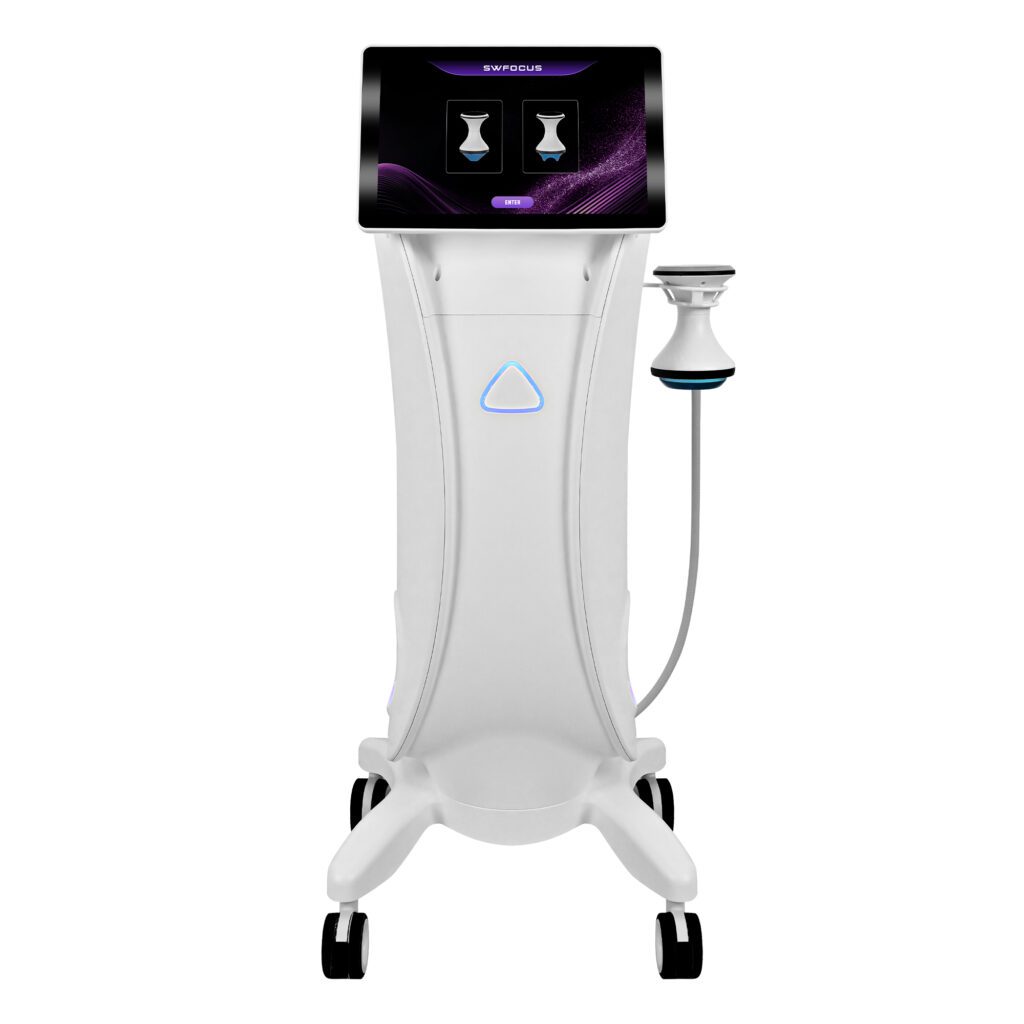
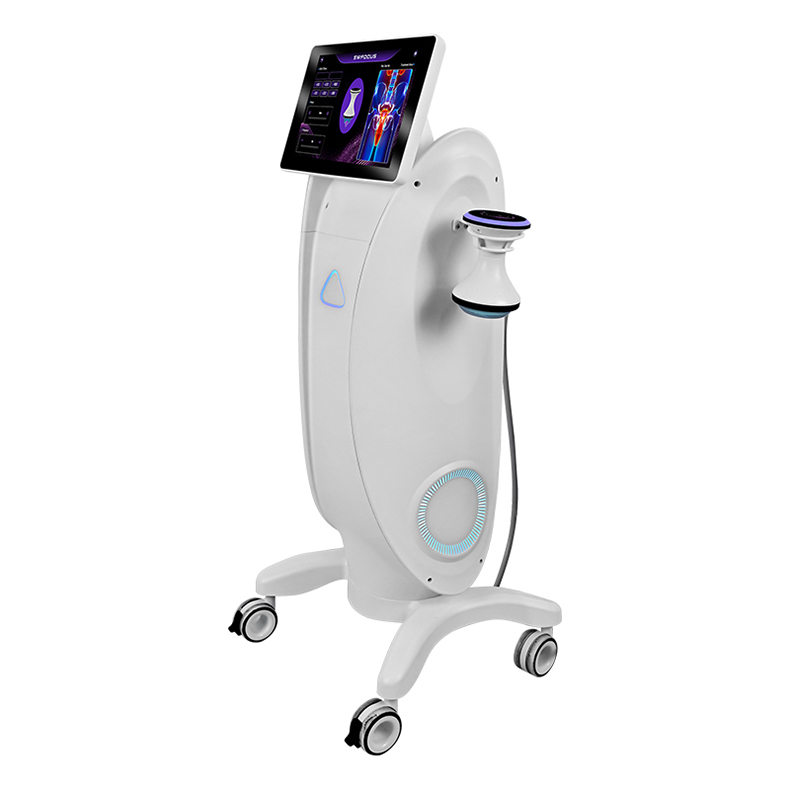
- Der B0154 Endos Velapro roller machine is better discussed as a mechanical body-care and massage-style platform, with attention to operator ergonomics, treatment garments or consumables where applicable, cleaning and maintenance.
The advantage of a body-focused range is package potential and visible specialization. The disadvantage is that room space, consultation time and client acquisition become more important. A distributor should sell these as separate business routes, not promise that several technologies must be used together. Any combination schedule requires model-specific training and a qualified professional protocol.
The Strengths and Shortcomings Buyers Should See Before Ordering
A credible B2B article should make the limits visible. If every device is described as suitable for everyone, the buyer has learned nothing.
| Beauty machine route | Commercial strength | Practical shortcoming | Best-fit setting |
|---|---|---|---|
| Multifunction hydro facial | Broad facial menu and accessible customer story | More accessories, cleaning steps and workflow control than a single-function device | Facial salons, day spas, salon chains and distributor starter ranges |
| Diodenlaser-Haarentfernung | Clear anchor service and course-based appointment model | Higher training, safety, maintenance and regulatory burden | Dedicated hair-removal studios, qualified salons and clinics |
| HIFU | Strong premium-category positioning | Cartridge planning, operator skill, consultation and local scope rules must be managed | Suitable med spas, skin clinics and trained professional settings |
| RF-Mikronadelung | Specialized skin-service positioning with a consumable reorder model | Sterile single-use tips, hygiene, traceability and aftercare add operational complexity | Qualified skin clinics and professional practices |
| Kryolipolyse | Distinct body-contouring category with treatment-area planning | Applicator fit, consumables, screening, temperature controls and longer room occupancy matter | Body-contouring centers and suitable med spas |
| EMS body platform | Low dependence on treatment tips and a course-style service model | Applicator setup, screening, positioning and accurate claims still require training | Body studios, wellness businesses and suitable med spas |
| Mechanical roller body system | Hands-on body-care positioning and service-package flexibility | Operator technique, ergonomics, cleaning and maintenance influence the experience | Spas, body-care studios and recovery-style service menus |
This table is not a ranking. It shows why a good supplier asks about the buyer’s business before recommending a model.
What Do Beauty Machines Cost in B2B Purchasing?
Buyers often expect one clean answer to “beauty machine price.” In B2B purchasing, a price without a configuration is rarely comparable.
Two units with a similar exterior may differ in applicator count, laser source, cooling assembly, cartridge package, software language, electrical standard, accessories, packaging or after-sales coverage. A private-label order may also include logo work, interface adaptation, manual preparation, carton design or a pre-production sample. Freight, import charges and local compliance work sit outside the machine itself.
It is more useful to calculate:
Landed project cost = configured machine + included consumables and accessories + branding or localization + freight and insurance + import costs + local compliance work + training and launch materials + planned spare parts
Consumables change the longer-term picture. RF microneedling tips, hydro facial solutions and accessories, cryolipolysis membranes, HIFU cartridges and other replaceable items need to be mapped to the exact model. A machine with a lower invoice price can become the more expensive platform if supply is unclear or replacements are difficult to identify.
When comparing quotations, ask each supplier to state:
- exact model and hardware version;
- included and optional handpieces, cartridges or applicators;
- included starter consumables and replacement pricing;
- Spannung, Frequenz und Stecker;
- software and manual language;
- logo, housing, interface and packaging scope;
- warranty coverage and exclusions;
- spare-part and remote-support process;
- packing dimensions and gross weight;
- Incoterm, production lead time and quotation validity.
That itemized format is more valuable than a public “starting price,” because it shows whether two factories are quoting the same deliverable.

How to Build a First Order That Can Grow
The most persuasive first order is usually not the largest one. It is the one with a reason behind every SKU.
For a salon or spa opening its first device room
Choose one anchor machine and one supporting category only if the team can launch both well. For example, a hydro facial platform may anchor frequent skin services, while a second facial device can create an upgrade. A salon with proven hair-removal demand may instead choose a diode laser as the anchor and avoid unrelated body equipment until the first service is established.
For a body-contouring center
Decide whether the business will lead with cooling-based contouring, EMS-style muscle stimulation or mechanical body care. Build the consultation, packages, room layout and staff training around that lead category. Add another technology later if client demand and professional protocols support it; do not buy three machines merely to make the menu look larger.
For a distributor testing a market
A practical pilot range can cover three customer conversations:
- a broadly relevant facial platform for new and growing salons;
- a recognizable anchor category such as diode laser, HIFU or body shaping for established buyers;
- a specialist product for qualified clinics or a clearly defined local niche.
The distributor should know who each SKU is for, what accessories it needs, how it will be demonstrated and which spare parts must be stocked. If two machines answer the same customer question without a clear price or capability difference, the range may be wider than it needs to be.
For a private-label brand
Begin with version control. Approve the exact configuration before spending time on color, logo and packaging. Record the screen language, accessory list, electrical specification, labels, manual revision and carton contents as one controlled SKU. A beautiful sample is not enough if the reorder arrives with a different handpiece or user interface.
What a B2B Buyer Should Expect from a Beauty Machine Factory
A factory relationship should reduce uncertainty between the sample, the bulk order and the after-sales stage. Buyers can use the following checkpoints when speaking with SHEFMON or any other manufacturer.
A recommendation tied to the buyer’s market
The factory should ask about country, buyer type, service category, operator level, expected quantity, target launch date and branding needs. A recommendation made before these questions is likely to be a catalog answer rather than a project answer.
A configuration sheet that matches the quotation
The product name, supplied handles, optional parts, consumables, voltage, language and packaging should appear in writing. Screenshots, brochures and website titles are useful for discovery, but the approved specification and pro forma invoice should control the order.
Inspection evidence for the actual unit
SHEFMON’s public Qualitätskontrollprozess describes incoming material checks, circuit-board aging and power testing, and staged inspection. For a real order, the buyer should still agree on the evidence to receive: serial or batch identification, checklist, photos, test video, packaging confirmation or third-party inspection where appropriate.
Training and after-sales responsibilities
Ask what is included: manual, operating video, live remote training, troubleshooting path, parts identification and warranty handling. Also ask what is not included. Clear boundaries make after-sales support faster, especially when a distributor will support local salons in another language or time zone.
OEM/ODM scope that is technically realistic
SHEFMON OEM/ODM-Dienste can be discussed for branding and localization projects. Buyers should separate light customization—such as logo, language or packaging—from development work that changes housing, hardware or functions. The latter needs feasibility review, sampling, testing, timing and written acceptance criteria.
Send a Better Brief and Receive a Better Recommendation
A useful inquiry does not need to be long. It needs to remove guesswork. Before asking for a quotation, prepare the following:
- destination country and sales channel;
- whether you are a distributor, salon group, clinic or private-label brand;
- the first two or three services or customer segments you want to serve;
- the technologies already in your range;
- operator qualification and local licensing considerations;
- target quantity for a sample and the expected bulk order;
- preferred machine format, voltage, plug and interface language;
- required logo, color, packaging or manual changes;
- target launch date and preferred shipping term;
- the accessories, consumables, spare parts and training you expect in the quote.
This brief allows the factory to say something more useful than “Here is our best model.” It also gives the buyer a written basis for comparing alternatives.
Choose a Machine the Business Can Explain, Operate and Support
The best beauty machine is not necessarily the one with the longest feature list. For a salon, it is the machine that fits the room, staff and service menu. For a clinic, it must also fit professional scope, protocols and local regulation. For a distributor, it is a controlled SKU with a clear customer, a support plan and a reason to be reordered.
Erkunden Sie die Gegenwart SHEFMON Beauty Machines Sortiment by business objective, then send SHEFMON your market, buyer type and preferred service category. A focused brief will help the factory compare suitable models, define the actual configuration and prepare a B2B quotation that can be evaluated line by line.