










A distributor’s responsibility does not end when a beauty device is delivered. After the sale, the team needs to know which model and configuration the buyer installed, which handles and applicators belong to it, which consumables can be reordered, which market version applies, and which product changes affect future support. Without that record, every consumable or replacement request becomes a new investigation.
Installed-base planning turns delivered equipment into a structured portfolio of customer assets. It helps distributors support salons, med spas, skin clinics, body studios, and regional resellers with accurate replenishment, configuration history, component compatibility, service records, and upgrade planning. This guide explains how to build that system for SHEFMON facial, laser hair-removal, HIFU, RF-microneedling, and body-care equipment.
Zusammenfassung
- Create one installed-unit record for every physical beauty device delivered to a customer site.
- Record the exact model, configuration revision, market profile, components, consumables, documents, and acceptance date.
- Organize the installed base by customer, site, department, room, and unit rather than by invoice alone.
- Preserve the original supplied package while recording later component additions and replacements separately.
- Link every consumable, cartridge, needle head, handle, and replacement to the installed configuration.
- Maintain service, training, document, quotation, and change history around the same unit record.
- Segment installed devices by category, age, support status, consumable demand, and upgrade readiness.
- Keep regional prices and stock separate from technical compatibility and installed identity.
- Use lifecycle states for active, relocated, inactive, replacement-only, retired, and decommissioned units.
- Confirm unclear component or successor relationships with SHEFMON before recommending a reorder or upgrade.
1. What an Installed Base Is
An installed base is the distributor’s controlled record of equipment that has been delivered, installed, accepted, demonstrated, loaned, or otherwise placed at customer locations.
For beauty-device distributors, it can include:
- facial-care platforms;
- laser hair-removal devices;
- HIFU systems;
- RF-microneedling devices;
- body-care and contouring equipment;
- demonstration units;
- loan units;
- replacement units;
- handles and applicators added after the original sale;
- consumable relationships;
- service and support history.
The installed base is not a list of buyers. It is a unit-level record of what each buyer actually has.
2. Why Invoice History Is Not Enough
An invoice shows a commercial transaction. It may not show:
- the final approved device configuration;
- a substituted or upgraded component;
- the installed voltage or plug;
- the exact handle or cartridge set;
- the serial or internal asset identifier;
- the location where the device is currently used;
- a later relocation;
- replacement components supplied after delivery;
- consumable compatibility;
- training and document versions;
- current support or lifecycle state.
A reliable installed-base record combines order, fulfillment, configuration, market, customer, and post-sale data. The accepted quotation and packing information are source inputs, not the complete long-term record.
3. Use a Customer-Site-Unit Hierarchy
Organize records in levels.
| Ebene | What it represents | Example fields |
|---|---|---|
| Customer account | The buying organization | Legal name, buyer type, region, commercial owner |
| Site | One salon, clinic, studio, warehouse, or reseller location | Address, market profile, site contact, operating status |
| Department or room | Where equipment is assigned | Facial room, laser department, body studio, demonstration area |
| Installed unit | One physical device | Model, configuration, serial/asset ID, acceptance date |
| Installed component | Handle, applicator, cartridge set, accessory, or replacement | Component ID, quantity, compatibility, installation date |
| Consumable relationship | Approved replenishment path | Item ID, pack unit, supported version, latest order |
| Event | A change during the unit’s life | Delivery, training, service, relocation, upgrade, retirement |
One customer can have several sites, and one site can have several devices of the same model. Unit-level identity prevents their histories from being mixed.
4. Give Every Installed Unit a Stable Record
Use the official model number plus a distributor asset identifier or serial number where available. Do not identify a unit only as “the hydro machine in Room 2.”
Minimum identity fields include:
- installed-unit ID;
- official model number;
- sellable configuration code and revision;
- serial number or another confirmed physical identifier;
- customer account;
- site and department;
- market profile;
- order and quotation references;
- shipment, installation, or acceptance date;
- current lifecycle status;
- responsible regional team;
- last verification date.
The installed-unit ID should remain stable after a relocation or ownership change. Update the location relationship instead of creating a duplicate unit.
5. Record the Original Supplied Configuration
The baseline record should preserve what the buyer received at acceptance.
Capture:
- main console or platform;
- installed functions;
- handles and applicators;
- cartridges, tips, or treatment heads;
- quantities;
- standard accessories;
- opening consumables;
- voltage, frequency, and plug;
- interface and manual language;
- supplied documents;
- software or control version when relevant;
- training or onboarding items;
- approved substitutions;
- exclusions that affected future ordering.
Do not overwrite this original configuration when a component is later replaced. Add a dated event and update the current-state view while retaining the delivered baseline.
6. Build a Current-State View
The original configuration and current configuration can differ. The current-state view should show:
- active console or main unit;
- currently installed handles and applicators;
- active cartridge or head set;
- replacement components;
- compatible consumables;
- removed or retired components;
- unresolved component questions;
- latest market and document profile;
- current service status;
- current site and responsible contact.
Every change needs an effective date, source, and owner. A salesperson’s note that “the client upgraded later” is not enough to update compatibility-dependent records.
7. Use Clear Installed-Unit Lifecycle States
| State | Bedeutung | Planning action |
|---|---|---|
| Ordered | Configuration accepted but not yet delivered | Reserve configuration and documentation |
| Shipped | Unit is in transit | Track destination and handoff requirements |
| Installed or Accepted | Unit is active at the confirmed site | Enable consumable, service, and account planning |
| Relocated | Active at a different site or department | Update market and site dependencies |
| Temporarily Inactive | Present but not currently used | Pause usage forecasts; preserve support records |
| Replacement Only | New sale is closed, but components or support remain available | Restrict new options; maintain replacement relationships |
| Retired | No longer offered or normally supported for new use | Preserve historical records and review successors |
| Decommissioned | Permanently removed from active operation | Close forecasts and retain archive |
| Unknown | Ownership, location, or status cannot be verified | Assign a data-quality follow-up |
Do not delete inactive units. Their records may still be needed for consumable returns, replacements, historical quotations, or support questions.
8. Capture Data at the Handover Point
The best time to create the installed record is when the order moves from fulfillment to the customer.
Use a handover checklist:
- confirm customer and site;
- scan or enter the unit identifier;
- link the accepted quotation and configuration revision;
- record the market and electrical profile;
- confirm delivered components and quantities;
- record any approved substitution;
- attach packing or acceptance evidence;
- record documents and training supplied;
- assign consumable and replacement relationships;
- set the next verification or follow-up date.
If the distributor sells through a regional reseller, require a downstream installation or end-customer update when contractually and operationally appropriate. Keep reseller stock separate from confirmed installed units.
9. Record Confidence and Verification
Legacy installed-base data may be incomplete. Add a confidence status:
- Verified: confirmed by serial/asset ID and approved configuration evidence;
- Partially Verified: model is known but one or more configuration fields are missing;
- Customer Reported: based on buyer information without supporting records;
- Inferred: derived from an old invoice, image, or catalog and awaiting confirmation;
- Conflicted: sources disagree;
- Unknown: the unit cannot be identified reliably.
Compatibility-dependent orders should use Verified records. When the record is incomplete, request a model label, configuration schedule, component ID, clear photo, or other identifying evidence before recommending a consumable or replacement.
10. Plan the Installed Base for A0423 and A0426 Lasers
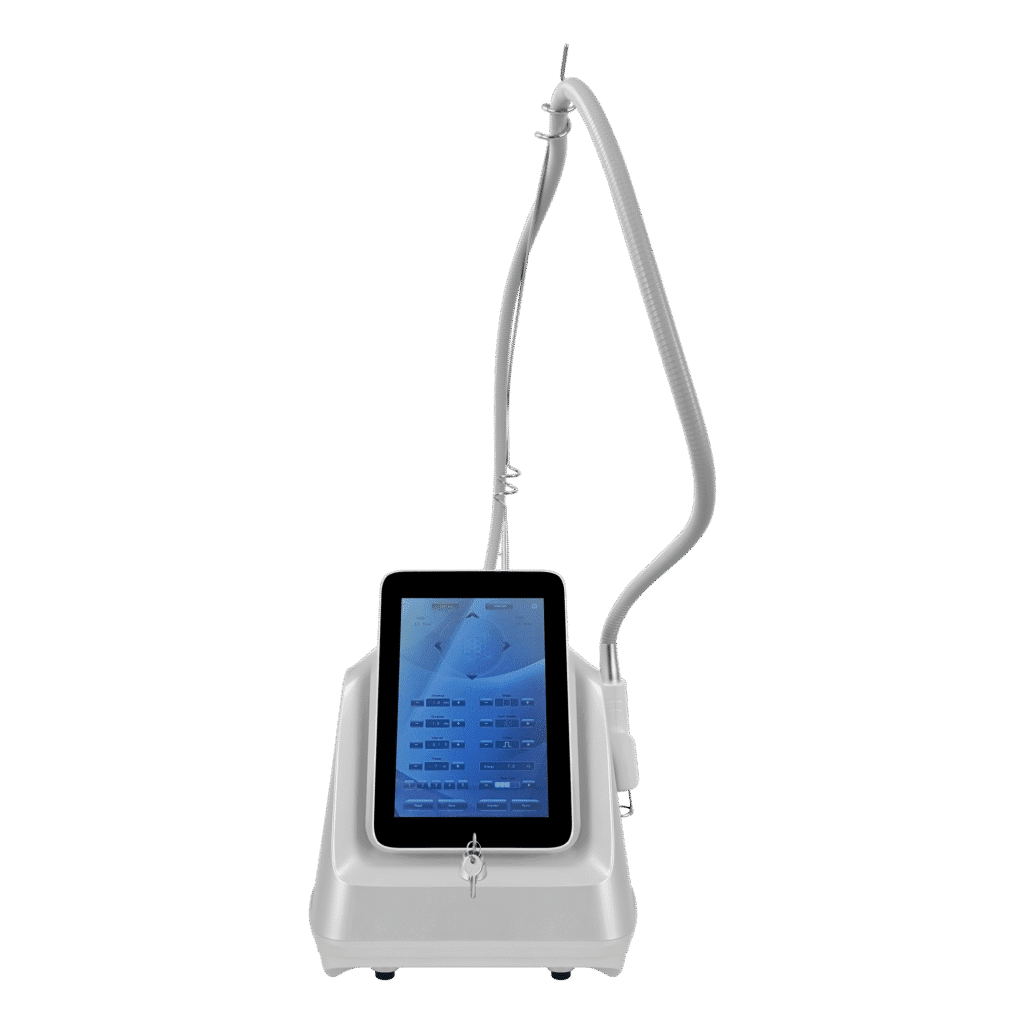
The current SHEFMON pages for the A0423 Diodenlaser Und A0426 diode laser list choices involving wavelength arrangement, handle power, and spot size. Installed-base records should preserve the resolved values for each delivered unit.
Aufzeichnen:
- exact model: A0423 or A0426;
- approved configuration and revision;
- wavelength profile;
- handle-power option;
- spot-size choice or set;
- supplied handle quantity;
- cooling and electrical profile where relevant;
- replacement-handle relationship;
- market and document version;
- current unit location.
Do not merge units into one “A0423/A0426 laser” installed category. Overlapping product-page values do not establish shared components or replacement handles.
11. Plan A0648 Facial Units Around Tools and Reorders
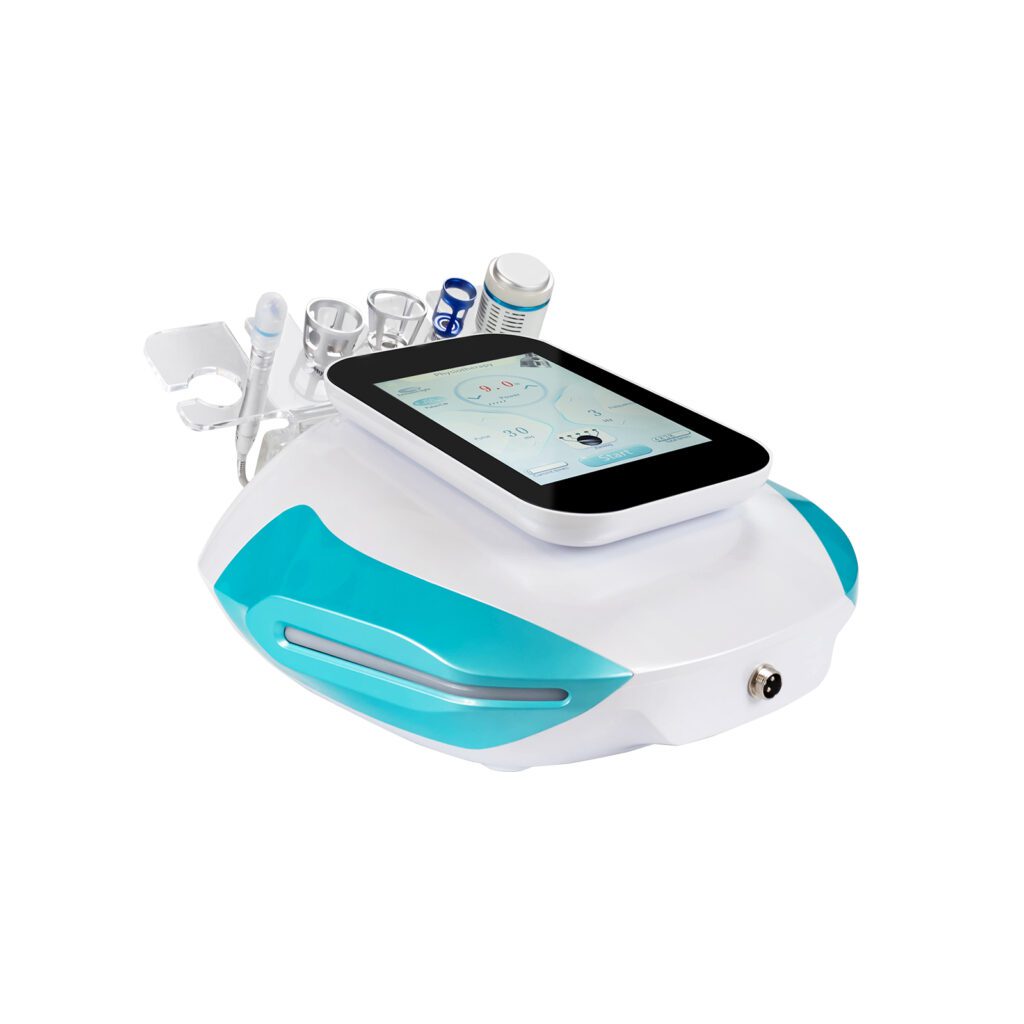
Der A0648 Hydro-Mikrodermabrasionsgerät is positioned as a multifunction facial platform. An installed record should connect the function set to the actual supplied tools and reorder path.
Capture:
- installed handpieces;
- tips and accessory types;
- solution containers, tubing, and cables;
- standard quantities;
- opening consumables;
- approved reorder items;
- replacement components;
- any regional starter kit;
- service-menu role at the customer site.
If a salon later adds a confirmed accessory, record the component, installation date, quotation, compatibility evidence, and current status. Do not rewrite the original package.
12. Plan A0204 Units by Handle and Cartridge Set
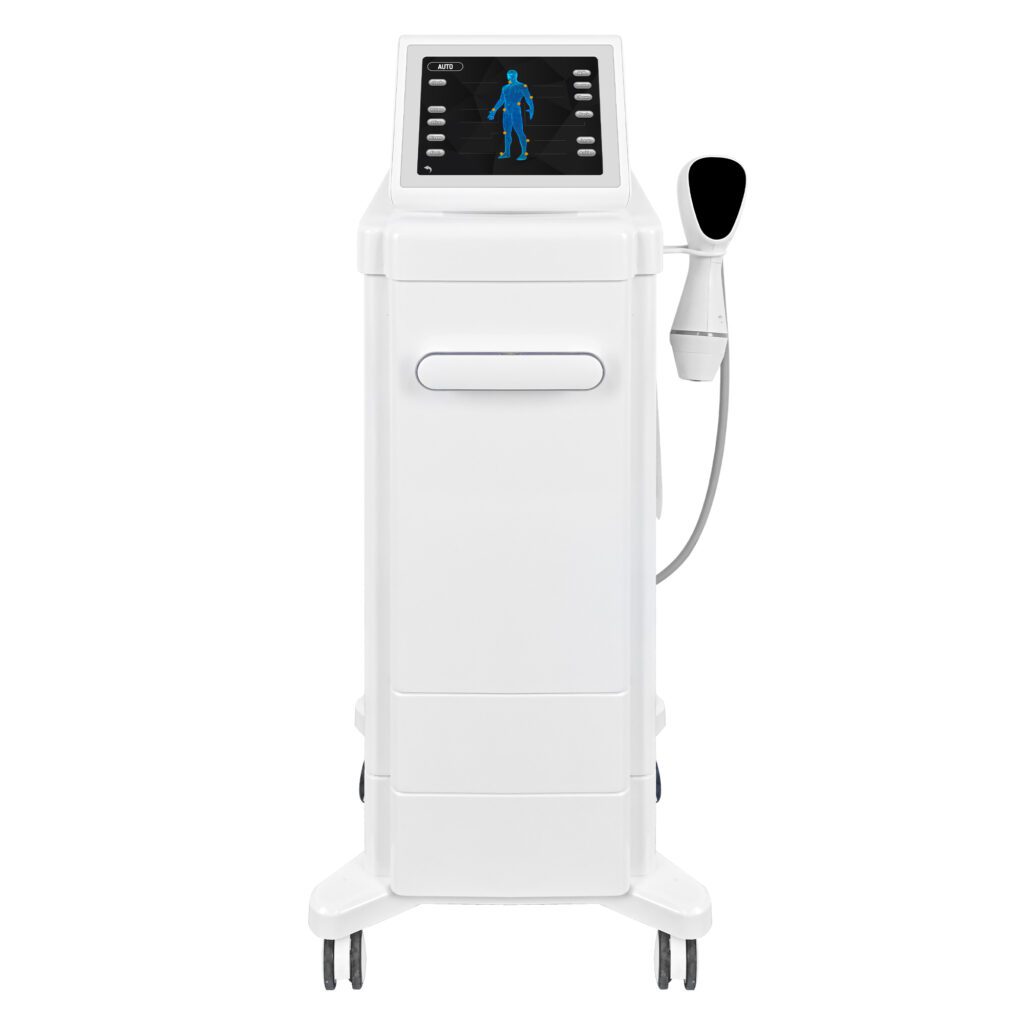
Der A0204 focused HIFU page presents a multifunction system with standard and optional elements. An installed-base record needs a current handle and cartridge matrix.
Recommended fields include:
| Field | Installed-base use |
|---|---|
| Handle or module ID | Identifies the installed treatment component |
| Cartridge ID | Supports exact replacement and reorder selection |
| Depth or size | Distinguishes similar cartridges |
| Included or added later | Preserves original versus current configuration |
| Menge | Supports replacement and usage planning |
| Compatibility revision | Prevents selection for the wrong unit version |
| Install or replacement date | Builds event history |
| Current status | Active, removed, replacement only, retired, or unknown |
When a cartridge becomes optional, retired, or replaced, update the relationship while retaining the history of units that still use it.
13. Plan A0152 Units for Needle-Head Replenishment
Der A0152 RF-microneedling page lists different handle arrangements and multiple needle-head types. Installed-base accuracy directly affects future consumable orders.
Aufzeichnen:
- device and configuration revision;
- handle arrangement;
- approved needle-head types;
- opening quantities;
- reorder item and pack unit;
- voltage profile;
- replacement-handle relationship;
- customer’s current service scope;
- last confirmed consumable order;
- any successor or retired consumable mapping.
When the buyer requests needle heads, retrieve the installed unit and filter to confirmed compatible items. Do not rely on the buyer’s shorthand product name.
14. Plan B0155 Units by Handle Package
Der B0155 body-care system is described with different handles for body and smaller-area applications. The installed record should identify the actual handle package rather than only the platform name.
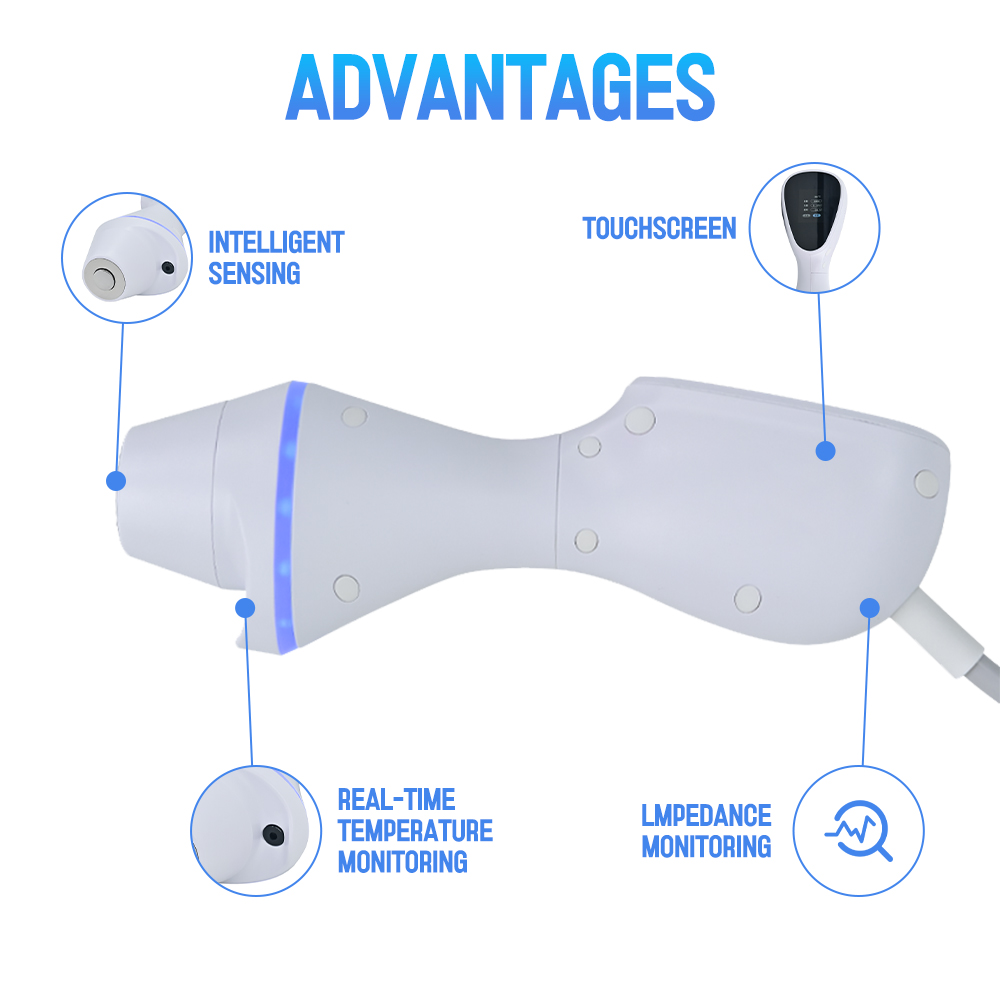
One customer may have a body-focused package. Another may have a broader confirmed package with additional handles. Store each handle, quantity, status, installation date, and replacement relationship under the physical unit.
This supports accurate package comparisons, replacement quotations, and future expansion. A buyer can add a confirmed compatible handle without the distributor losing the history of the original package.
15. Build Consumable Demand from Installed Configurations
Installed-base planning can improve replenishment forecasts, but usage assumptions should remain explicit.
Estimate demand using:
- number of active compatible units;
- consumable item and pack unit;
- customer service volume when voluntarily provided;
- historical reorder interval;
- opening stock;
- current inventory at the distributor;
- seasonal operating pattern;
- inactive or relocated units;
- successor item availability;
- minimum order and lead-time conditions.
Do not multiply all sold units by one average. Different configurations, service menus, and operating levels create different consumable patterns.
Separate technical compatibility from demand. A consumable can be compatible with a unit but unnecessary for that customer’s current services.
16. Manage Replacement Components
For every replacement request, confirm:
- installed-unit ID;
- genaues Modell und Konfiguration;
- current component ID;
- device or component revision;
- proposed replacement ID;
- direct or conditional successor status;
- required companion component;
- market and electrical conditions;
- reason for replacement;
- approval and quotation reference;
- installation date and outcome record.
Do not treat a new option as a replacement unless the successor relationship is approved. Keep the removed component in the history and update the current-state view.
17. Connect Service and Support History
The installed-unit timeline can contain:
- delivery and acceptance;
- installation or setup;
- training or demonstration;
- component addition;
- consumable reorder;
- support question;
- maintenance activity;
- replacement component;
- relocation;
- temporary inactivity;
- configuration review;
- upgrade discussion;
- retirement or decommissioning.
Record the event date, responsible team, related component, source document, and outcome. Avoid storing technical conclusions only in email or chat.
The system should distinguish customer-reported symptoms from confirmed diagnoses. Installed-base planning organizes support data; it should not invent technical findings.
18. Track Documents and Training by Unit or Configuration
Record which materials apply to the installed unit:
- manual version;
- quick-start guide;
- configuration schedule;
- component and consumable list;
- market-language documents;
- training attendance or completion record;
- service-menu planning material;
- replacement or update notice;
- current support contact.
When a document is revised, determine whether existing units need the new version. A global catalog update does not automatically replace the manual supplied with an older installed configuration.
19. Preserve Market and Location Context
An installed unit may move between sites or regions. Review:
- voltage and frequency;
- plug and cable;
- interface and manual language;
- destination documents;
- local service and support route;
- regional component availability;
- local professional-setting requirements;
- quotation currency and commercial ownership.
Relocation is not only an address change. It can affect whether the configuration, documentation, or support model remains appropriate. Route cross-market relocations through review.
20. Segment the Installed Base for Planning
Useful segments include:
- device category;
- model and configuration;
- customer type;
- region and market profile;
- site and department;
- active versus inactive status;
- age band;
- consumable-dependent versus durable-use profile;
- current component package;
- replacement-only or retired status;
- data confidence;
- service or support activity;
- expansion interest recorded by the account team.
Segmenting by exact configuration is more useful than counting only parent models. Two units with the same model can require different consumables or replacement components.
21. Plan Upgrades from Service Gaps
Installed-base planning can support relevant device recommendations without forcing unrelated upgrades.
Rezension:
- the customer’s current service categories;
- repeated inquiries that the installed unit cannot address;
- unavailable or retired components;
- room and staff capacity;
- demand for a separate facial, hair-removal, or body category;
- current equipment overlap;
- whether an approved component addition solves the need;
- whether a separate device category is more appropriate.
For example, an A0648 facial-care customer may later need a distinct hair-removal or body-service category. The recommendation should fill a documented menu gap rather than duplicate existing functions.
Do not describe a commercial portfolio upgrade as a same-session treatment protocol.
22. Manage Lifecycle and Successors
When a model or component reaches end of sale:
- identify every affected installed unit;
- preserve its configuration and component history;
- restrict retired items from new-sales materials;
- retain confirmed consumable and replacement relationships;
- define direct, conditional, or unavailable successors;
- inform regional sales and support teams;
- review open quotations and pending reorders;
- record the buyer communication where appropriate;
- update forecasts and stock plans;
- keep archived evidence.
Do not automatically map a successor product to every old unit. Confirm the relationship and conditions first.
23. Govern Installed-Base Changes
Use controlled change events for:
- customer or site relocation;
- ownership change;
- component addition;
- handle or applicator replacement;
- consumable successor;
- electrical or market review;
- configuration correction;
- lifecycle change;
- support restriction;
- decommissioning.
Each event should state the previous value, new value, evidence, effective date, owner, and affected records. Preserve the historical state for old quotations and service events.
24. Protect Customer and Access Data
Installed-base records can contain customer contacts, site details, purchase history, and support information. Use role-based access and collect only what the distributor needs for legitimate operations.
Recommended controls include:
- access by region and function;
- separate technical and commercial permissions;
- audit logs;
- approved export rules;
- retention periods;
- customer-contact preferences;
- controlled reseller visibility;
- restricted service notes;
- secure document links;
- correction and ownership-transfer procedures.
Follow the privacy and data-protection requirements that apply in each market.
25. Audit Installed-Base Quality
Check whether:
- every delivered unit has one record;
- model and configuration are complete;
- serial or asset identity is unique;
- site and market profile are current;
- original and current configurations are preserved;
- component relationships are confirmed;
- consumable paths are active;
- replacements have installation history;
- retired items are blocked from new sale;
- regional quotations reference installed units when appropriate;
- unknown and conflicted records have owners;
- documents and training records match the configuration;
- decommissioned units are excluded from forecasts.
Sample physical or customer-confirmed units rather than auditing only database completeness.
26. Measure Installed-Base Performance
Nützliche Maßnahmen sind unter anderem:
- percentage of delivered units with verified records;
- configuration completeness;
- percentage with confirmed market profiles;
- percentage with compatible consumable mappings;
- reorder error rate;
- replacement requests requiring manual research;
- unknown-location rate;
- time to resolve conflicted records;
- active units by model and region;
- consumable forecast accuracy;
- units affected by lifecycle changes;
- installed-base records updated after component replacements.
The purpose is to improve support and selection accuracy. Avoid turning every record into an aggressive sales target.
27. Implement Installed-Base Planning in Phases
Phase 1: Define the unit record
Agree on identity, configuration, market, component, lifecycle, and ownership fields.
Phase 2: Capture new deliveries
Make installed-unit creation part of the order-to-handover process so new data does not become another backlog.
Phase 3: Load high-value legacy units
Begin with active devices that depend on recurring consumables, replacements, or complex component relationships.
Phase 4: Connect reorders and support
Require installed-unit selection for compatible consumable, cartridge, needle-head, handle, or replacement requests.
Phase 5: Add lifecycle and planning views
Create regional dashboards for active units, unknown records, component changes, reorders, replacements, and retirements.
Phase 6: Audit and improve
Compare records with customer confirmation, fulfillment history, and support events. Correct workflows that repeatedly create missing data.
28. Installed-Base Planning Checklist
- Every physical device has one stable installed-unit ID.
- Customer, site, department, and current location are recorded.
- Exact model, configuration, and revision are known.
- Original supplied components and quantities are preserved.
- Current handles, applicators, cartridges, and heads are visible.
- Consumables and pack units are linked by compatibility.
- Market, voltage, plug, language, and documents are recorded.
- Additions and replacements have dated event history.
- Service and training records connect to the unit.
- Lifecycle and data-confidence states are current.
- Retired relationships remain available for installed support.
- Reorders use the installed record instead of product-name memory.
- Customer and access data follow regional requirements.
- Active dashboards exclude decommissioned and duplicate units.
Häufig gestellte Fragen
1. What is installed-base planning for beauty devices?
It is the process of recording and managing every delivered device, its configuration, components, market version, consumables, location, support history, and lifecycle so future decisions use the buyer’s actual equipment.
2. Is an invoice enough to create an installed record?
It is a useful source, but not sufficient by itself. Confirm the final configuration, delivered components, unit identifier, market profile, site, substitutions, documents, and acceptance status.
3. Should every physical device have a separate record?
Yes. Two units of the same model can have different configurations, locations, component histories, consumable needs, and lifecycle states.
4. How should A0423 and A0426 laser units be recorded?
Keep the models separate and record the exact wavelength profile, handle power, spot-size package, handle quantity, electrical profile, and replacement relationship for each installed unit.
5. How should A0204 cartridges be managed after delivery?
Record the installed handles and cartridges, depths or sizes, quantities, configuration revision, additions, replacements, and current status. Use that matrix for future cartridge requests.
6. How should A0152 needle-head reorders be validated?
Retrieve the customer’s installed A0152 configuration and handle arrangement, then select needle-head items confirmed for that version and market. Request identifying evidence when the record is incomplete.
7. What happens when a device moves to another location?
Keep the same installed-unit ID, update the site and responsible team, and review voltage, plug, language, documents, market eligibility, component availability, and support ownership.
8. Should retired devices remain in the system?
Yes. Mark them Retired or Decommissioned, block them from new-sales use, and retain their configuration, consumable, replacement, quotation, and support history.
9. How can installed-base data support portfolio planning?
It shows which service categories, configurations, consumables, replacements, and lifecycle stages exist at each account. Teams can identify real service-menu gaps or support needs without recommending overlapping equipment blindly.
10. When should SHEFMON be contacted?
Contact SHEFMON when the installed record does not resolve a configuration, component, consumable, successor, replacement, or market-version relationship. Provide the exact model, unit or configuration evidence, requested item, market, and intended use through the SHEFMON contact page.
Abschluss
Installed-base planning gives distributors a reliable view of the equipment customers actually own. The key is to preserve original configuration data, maintain the current component state, connect consumables and replacements, and record every important event throughout the unit’s life.
Begin with new deliveries and high-option legacy devices, then connect regional reorders, support, lifecycle changes, and portfolio planning to the installed-unit record. Review the SHEFMON beauty-device range Und Kontaktieren Sie SHEFMON whenever a customer unit or requested component cannot be matched confidently to current approved product information.