
A beauty device problem can appear to be solved several times while continuing to return. Production replaces a cable and the unit passes. Service reloads software and closes a ticket. A supplier sorts one lot. An operator receives retraining. Each case looks complete in isolation, but the same symptom appears again in another unit, market, revision, or product category.
Repeating product issues require more than another local repair. They require a corrective action review that tests whether the issue has been defined correctly, whether the affected population is understood, whether the cause is supported by evidence, whether the implemented action addresses that cause, and whether recurrence has actually fallen without creating new problems.
This guide explains how beauty device manufacturers can review corrective actions for recurring hardware, software, assembly, supplier, documentation, service, and configuration issues.
Zusammenfassung
An effective corrective action review should:
- Define the repeating issue consistently. Similar symptoms are not always the same failure, and different symptoms can share one cause.
- Use data from the complete lifecycle. Incoming inspection, production, test, rework, deviations, service, complaints, returns, maintenance, and supplier records should be reviewed together where relevant.
- Separate correction from corrective action. Repairing an affected unit removes the detected condition; corrective action addresses the cause to prevent recurrence.
- Establish the affected population. Model, configuration, revision, supplier lot, software build, serial range, market, and time period should be identified.
- Preserve cause confidence. Suspected, contributing, and verified causes should not be treated as equivalent.
- Compare the approved plan with actual implementation. A completed task does not prove that the intended corrective action was implemented correctly.
- Verify or validate the action before broad release where appropriate. The change should address the failure mechanism and protect related requirements.
- Define effectiveness before waiting for data. Metric, denominator, baseline, monitoring period, acceptance criteria, data source, owner, and reopening rule should be approved in advance.
- Check for adverse effects. A change can reduce one issue while increasing heat, noise, software errors, assembly burden, service difficulty, or another failure mode.
- Reopen weak closures. Recurrence, incomplete population review, changed assumptions, missing evidence, or new configuration exposure should trigger another review.
The purpose is not to keep corrective actions open forever. It is to close them only when the evidence supports closure.
1. What Is a Corrective Action Review?
A corrective action review is a structured evaluation of whether a recurring product or quality problem has been appropriately investigated, controlled, corrected, and prevented from recurring.
The review can occur:
- when a corrective action is proposed;
- before implementation;
- during implementation;
- before closure;
- after a planned effectiveness period;
- when the same issue recurs;
- when a new model or configuration is found to share the cause; or
- when an audit, complaint, return, or risk review challenges the original conclusion.
The review should examine both the product problem and the corrective action process used to address it.
2. What Makes an Issue Repeating?
An issue may be repeating when:
- the same verified failure mode affects more than one unit;
- similar symptoms appear across multiple cases with a shared cause;
- the problem returns after correction or corrective action;
- several supplier lots show the same defect pattern;
- different production stations create the same nonconformity;
- the same software error occurs under a reproducible condition;
- service repeatedly replaces the same component;
- no-fault-found cases share one symptom and configuration;
- one issue appears across products using a common module; or
- a trend exceeds an approved threshold or expected baseline.
Do not define recurrence only by matching complaint wording. Customer, distributor, production, and service descriptions can use different language for the same technical event.
3. Separate Symptom, Failure Mode, and Cause
| Ebene | Frage | Beispiel |
|---|---|---|
| Reported symptom | What did the person observe? | unit stopped during use, low suction, handle not recognized, unusual noise |
| Verified failure mode | What requirement was not met? | intermittent connector contact, flow below limit, software communication timeout |
| Failure location | Where was the problem confirmed? | cable, connector, pump, board, sensor, handpiece, software module |
| Ursache | Why did the failure occur? | supplier variation, routing stress, inadequate retention, logic defect, assembly method |
| Contributing condition | What increased occurrence or detection? | transport vibration, temperature, long operation, one revision, one accessory |
Corrective action should target the cause, while containment and correction may target the affected product or symptom.
4. Distinguish Correction, Containment, and Corrective Action
| Response | Zweck | Beauty device example |
|---|---|---|
| Containment | prevents further exposure while the issue is evaluated | hold a supplier lot, stop shipment, block a configuration or inspect open work orders |
| Correction | fixes a detected unit or record | replace a cable, reseat a connector, reload approved software or add a missing accessory |
| Corrective action | eliminates a cause to prevent recurrence | revise connector retention, change a process fixture, correct software logic or update a specification |
| Product improvement | increases robustness, usability or serviceability beyond the immediate cause | redesign a module for wider tolerance and better diagnostics |
A repair can be necessary and still be insufficient as corrective action. Repeating the same repair across many units is evidence that the underlying cause may remain active.
5. Build a Complete Review Dataset
The review should combine relevant evidence from:
- supplier notifications and incoming inspection;
- warehouse, kitting, and material movement;
- first-unit and in-process inspection;
- functional, performance, aging, and final test;
- nonconformance and rework records;
- deviations and use-as-is decisions;
- scrap and replacement-part usage;
- production yield and retest history;
- distributor and service tickets;
- complaints and returned products;
- maintenance and field-upgrade records;
- software logs and error files;
- risk files and prior investigations;
- supplier corrective actions; and
- previous effectiveness checks.
One database rarely contains the complete story. Common keys such as model, serial, lot, component, revision, software build, case ID, and corrective action ID are needed to connect the sources.
6. Create a Controlled Issue Family
A repeating issue should have a stable identity and inclusion rule.
Definieren:
- issue-family ID and title;
- product, module, or process scope;
- included symptoms and failure codes;
- confirmed failure mode;
- excluded events;
- configuration and revision boundaries;
- source systems searched;
- date range;
- known aliases and earlier records;
- owner and review status; and
- linked corrective actions, changes, and risks.
Without a controlled issue family, the team may count unrelated events together or miss cases recorded under different words.
7. Decide When to Escalate a Local Issue
Not every nonconformance requires a formal corrective action, but escalation should be considered when the problem is:
- recurring or trending;
- severe or potentially safety-related;
- difficult to detect before shipment or use;
- associated with a design or software weakness;
- shared by several products or configurations;
- creating significant rework, scrap, downtime, or service burden;
- linked to an ineffective earlier action;
- connected to supplier-system failure;
- affecting released or distributed units;
- challenging an existing risk assumption; or
- not controlled by a simple, verified local correction.
The trigger method should combine defined criteria with authorized technical judgment. A fixed count alone can miss a serious low-frequency issue.
8. Define the Affected Population
The review should identify which products may contain or experience the cause.
Halten:
- model and product family;
- hardware, BOM, and drawing revisions;
- software and parameter versions;
- handpiece, applicator, cartridge, or accessory;
- supplier, supplier site, and material lot;
- production date, line, station, fixture, and shift;
- work order and serial range;
- regional voltage and language profile;
- OEM or buyer-specific configuration;
- packaging or transport version;
- field age and usage exposure; and
- products sharing the same component or process.
The affected population may expand during investigation. Preserve each scope decision and the evidence supporting it.
9. Review Containment before Root Cause Is Complete
Containment protects ongoing operations while uncertainty remains.
Review whether the factory has:
- stopped or restricted affected material and configurations;
- identified open inventory and work in process;
- reviewed units awaiting shipment;
- evaluated units already shipped;
- created clear physical and electronic status;
- defined additional inspection or test;
- informed responsible production, quality, service, and commercial teams;
- controlled replacement parts and field stock; and
- established release authority for contained units.
Containment should be revised as the affected population changes. It should not remain an informal instruction that depends on memory.
10. Assess Root-Cause Evidence
A root-cause conclusion should explain the verified failure mechanism and why it occurred.
Strong evidence can include:
- reproduction of the failure under controlled conditions;
- comparison of conforming and nonconforming units;
- measurements showing the mechanism;
- teardown and component analysis;
- supplier process evidence;
- software logs and code analysis;
- configuration or revision correlation;
- process observation and fixture evaluation;
- change-point analysis;
- environmental or transport reproduction; and
- successful removal and reintroduction of the causal factor where appropriate.
A part replacement that restores function identifies a useful fault location, but it does not always establish the reason the part failed.
11. Use Cause-Confidence States
| Cause status | Bedeutung | Decision implication |
|---|---|---|
| Unbekannt | evidence does not yet support a mechanism | maintain containment and continue investigation |
| Suspected | a plausible mechanism fits some evidence | test the hypothesis before broad implementation |
| Contributing cause verified | factor increases occurrence but may not explain all cases | address factor and continue broader review |
| Root cause verified | evidence supports the mechanism for the defined issue family | design targeted corrective action and verification |
| Multiple causes verified | more than one independent or interacting mechanism exists | separate actions and effectiveness measures may be needed |
| Inconclusive | investigation cannot confirm one cause | strengthen monitoring, diagnostics, scope, or interim controls |
Do not convert suspected to verified simply because the team needs to close the record by a due date.
12. Check Whether the Review Is Too Narrow
Ask whether the investigation considered:
- other models using the same part;
- alternate suppliers producing the same specification;
- earlier and later revisions;
- similar symptoms in no-fault-found cases;
- rework records that never became complaints;
- field cases closed under different codes;
- replacement parts with the same design;
- demo and training units;
- OEM configurations;
- returned units that were never fully analyzed; and
- interaction between hardware, software, accessories, and use conditions.
A narrow investigation can make recurrence appear new when the evidence already existed elsewhere.
13. Compare the Approved Action with Actual Implementation
Corrective action plans commonly change during execution. The review should compare:
- approved action and intended cause;
- responsible owner and completion evidence;
- released drawing, BOM, software, instruction, or supplier change;
- actual effective date and serial or lot boundary;
- production and inventory transition;
- training completion and demonstrated competence;
- supplier implementation evidence;
- rework or field implementation;
- deviations from the plan; and
- approvals for those deviations.
Task completion is not enough. The action must exist in the controlled product or process baseline and be used by the affected population.
14. Verify or Validate the Corrective Action
Before broad implementation where appropriate, confirm that the action:
- addresses the verified cause;
- meets the affected product and process requirements;
- works across relevant configurations;
- covers boundary and worst-case conditions;
- does not depend on uncontrolled operator judgment;
- is manufacturable and inspectable;
- preserves compatibility and serviceability;
- can be implemented in the installed base where required; and
- has objective acceptance criteria.
Verification can demonstrate that a revised connector meets retention requirements. Validation may be needed when the question concerns actual use, workflow, or another condition that cannot be established through specification checks alone.
15. Check for Adverse Effects and Regression
A corrective action can solve one problem while creating another.
Review potential effects on:
- electrical load and protection;
- heat, airflow, and cooling;
- fluid, vacuum, pressure, or sealing paths;
- output and control accuracy;
- software modes, alarms, logs, and permissions;
- connector and accessory compatibility;
- enclosure fit and service access;
- assembly time and error opportunity;
- test fixtures and acceptance methods;
- noise, vibration, weight, or ergonomics;
- labels, manuals, training, and packaging; and
- spare parts and installed units.
Regression scope should follow the change impact. A narrow successful test does not prove the complete device remains acceptable.
16. Define Effectiveness before Monitoring Begins
An effectiveness plan should state:
- issue family and affected population;
- baseline period and rate;
- numerator and denominator;
- target or acceptance criterion;
- data sources and inclusion rules;
- monitoring start point;
- minimum production or field exposure;
- review frequency;
- responsible reviewer;
- treatment of incomplete or delayed data;
- expected residual events; and
- closure and reopening rules.
Writing the criterion after seeing the results invites bias and weakens the conclusion.
17. Choose the Correct Denominator
Raw recurrence counts can mislead when production or field exposure changes.
Use, as appropriate:
- affected units per units inspected;
- defects per component or assembly opportunity;
- failures per units produced;
- failures per operating hour;
- cases per active device-month;
- cases per treatment cycle;
- handpiece events per installed handpiece-month;
- rework hours per production unit; or
- service replacements per installed population.
Show numerator and denominator together. Explain changes in inspection coverage, coding, detection, or reporting that affect comparability.
18. Use Both Leading and Lagging Indicators
Leading indicators
- process measurements moving away from a failure boundary;
- improved supplier-lot acceptance;
- reduced assembly adjustments;
- first-pass yield;
- fewer intermittent test warnings;
- stable software logs;
- correct implementation rate; and
- reduced rework before final test.
Lagging indicators
- confirmed field recurrence;
- complaint rate;
- service replacement rate;
- downtime;
- repeat repair;
- return rate; and
- occurrence in later revisions.
Leading indicators provide earlier evidence, while lagging indicators test whether the real-world problem has declined. A strong review uses both when available.
19. Define What Counts as Recurrence
A recurrence rule should specify whether it includes:
- the same symptom;
- the same verified failure mode;
- the same root cause;
- the same component or module;
- a related failure caused by the corrective action;
- cases in unmodified legacy units;
- cases after the implementation boundary;
- no-fault-found cases with matching evidence; and
- events in newly discovered configurations.
Do not label every later symptom as failure of the action. Conversely, do not exclude recurrence by changing the defect code or service description.
20. Set a Meaningful Monitoring Period
A calendar interval alone is often weak. Three months may include thousands of production units or only a small trial batch.
Halten:
- production volume after implementation;
- number of affected components or opportunities;
- field population and active use;
- expected time to failure;
- service and complaint reporting delay;
- seasonal or environmental exposure;
- severity and risk;
- previous recurrence interval; and
- availability of returned units or diagnostic data.
For slow-occurring problems, closure may require continued post-closure monitoring with an explicit reopening trigger.
21. Review Supplier Corrective Actions
When a supplier is involved, the factory remains responsible for deciding whether supplier evidence is sufficient for its product.
Rezension:
- supplier problem definition and affected lots;
- containment of supplier and factory inventory;
- root-cause evidence;
- process, material, tooling, or control change;
- implementation date and lot boundary;
- supplier verification and effectiveness data;
- incoming inspection changes;
- factory production and field evidence;
- alternate or dual-source impact; and
- recurrence in later lots.
A supplier report marked complete does not automatically close the factory corrective action.
22. Review Manufacturing Corrective Actions
Manufacturing issues may require changes to:
- Montagefolge;
- cable or tube routing;
- fastener or torque control;
- connector engagement and retention;
- adhesive, seal, clamp, or curing method;
- fixture and tool design;
- line clearance and material verification;
- Software wird geladen;
- inspection coverage;
- operator access and ergonomics; or
- first-unit and process-monitoring controls.
Training alone is weak when the process remains difficult, ambiguous, or dependent on memory. Review whether the process itself prevents or detects the error.
23. Review Design and Software Corrective Actions
Design-related recurrence may require:
- wider performance margin;
- revised component or interface specification;
- improved cooling, airflow, sealing, retention, or protection;
- sensor or diagnostic improvement;
- clearer error handling;
- software logic correction;
- controlled defaults and permissions;
- improved logging;
- module redesign;
- compatibility restriction; or
- new product revision.
The review should protect stable functions and consider installed-base compatibility, service parts, documentation, training, and transition.
24. Review Documentation and Training Actions
Some repeating issues arise from unclear setup, cleaning, maintenance, accessory installation, software workflow, or troubleshooting.
Check whether the action:
- identifies the actual user and task;
- changes the instruction at the point of need;
- removes ambiguity;
- matches the current product configuration;
- uses understandable language and images where appropriate;
- distinguishes warnings, required steps, and recommendations;
- is included in manuals, quick guides, training, and service tools consistently;
- reaches existing users where required; and
- is verified through observed performance rather than attendance records alone.
Retraining people on an unclear instruction does not eliminate the documentation cause.
25. Review Distributed and Installed Products
When affected products may already be distributed, the review should determine:
- which serials, configurations, customers, and markets are affected;
- whether the issue changes risk or reportability;
- whether communication, inspection, repair, update, replacement, or another field action is required;
- which service parts and tools are needed;
- how completion will be tracked;
- how modified and unmodified units will be distinguished;
- what evidence closes each unit; and
- how field effectiveness will be monitored.
The applicable regulatory, contractual, and customer-notification requirements depend on product status and destination market and require qualified review.
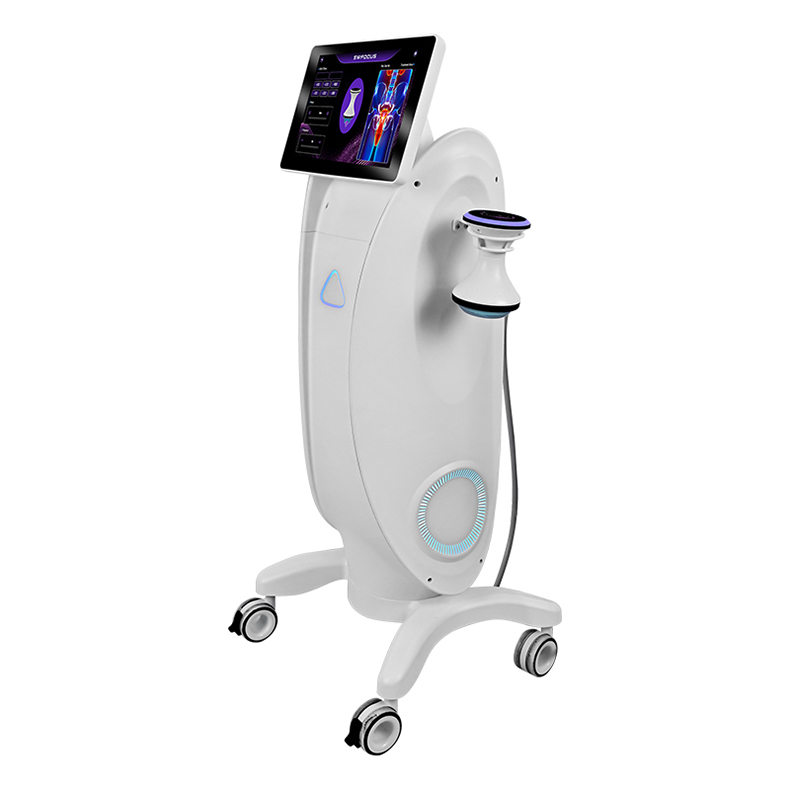
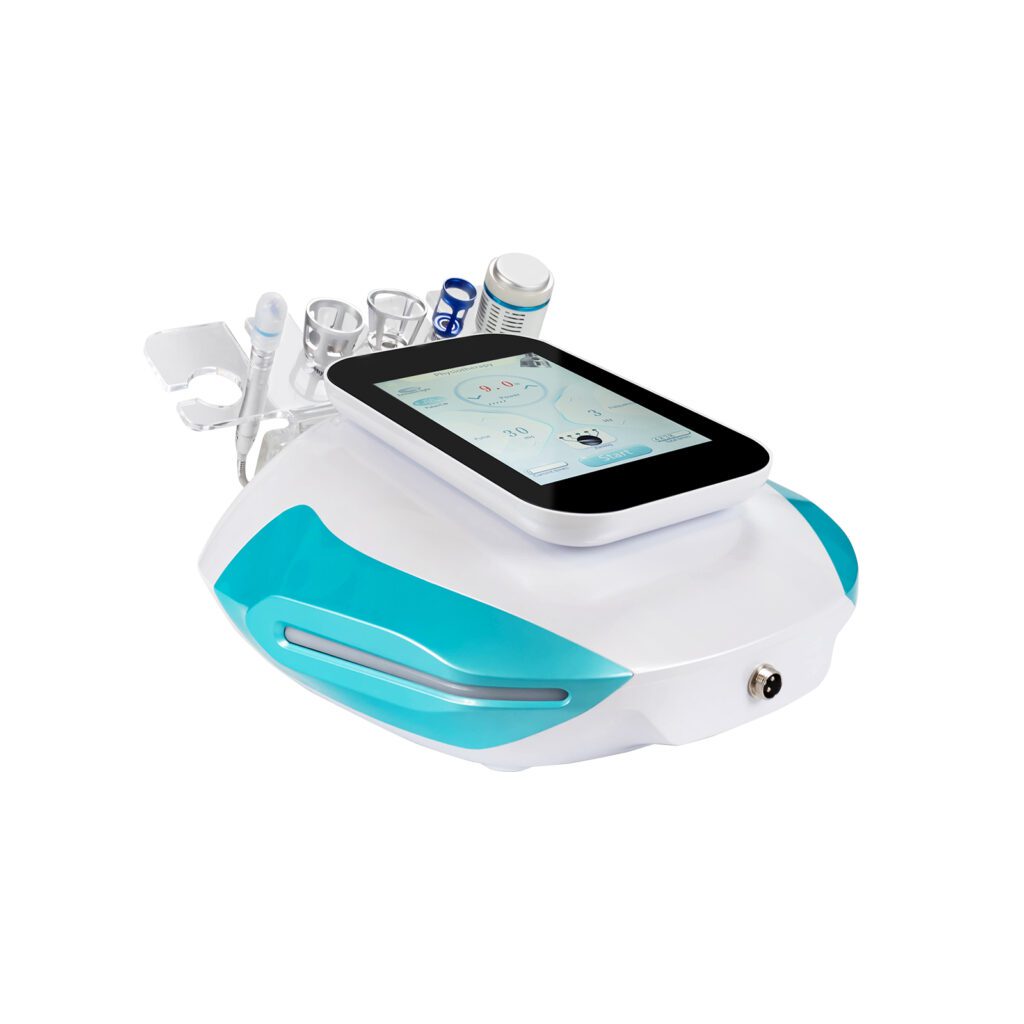
26. Example: Repeating A0648 Fluid-Path Issue
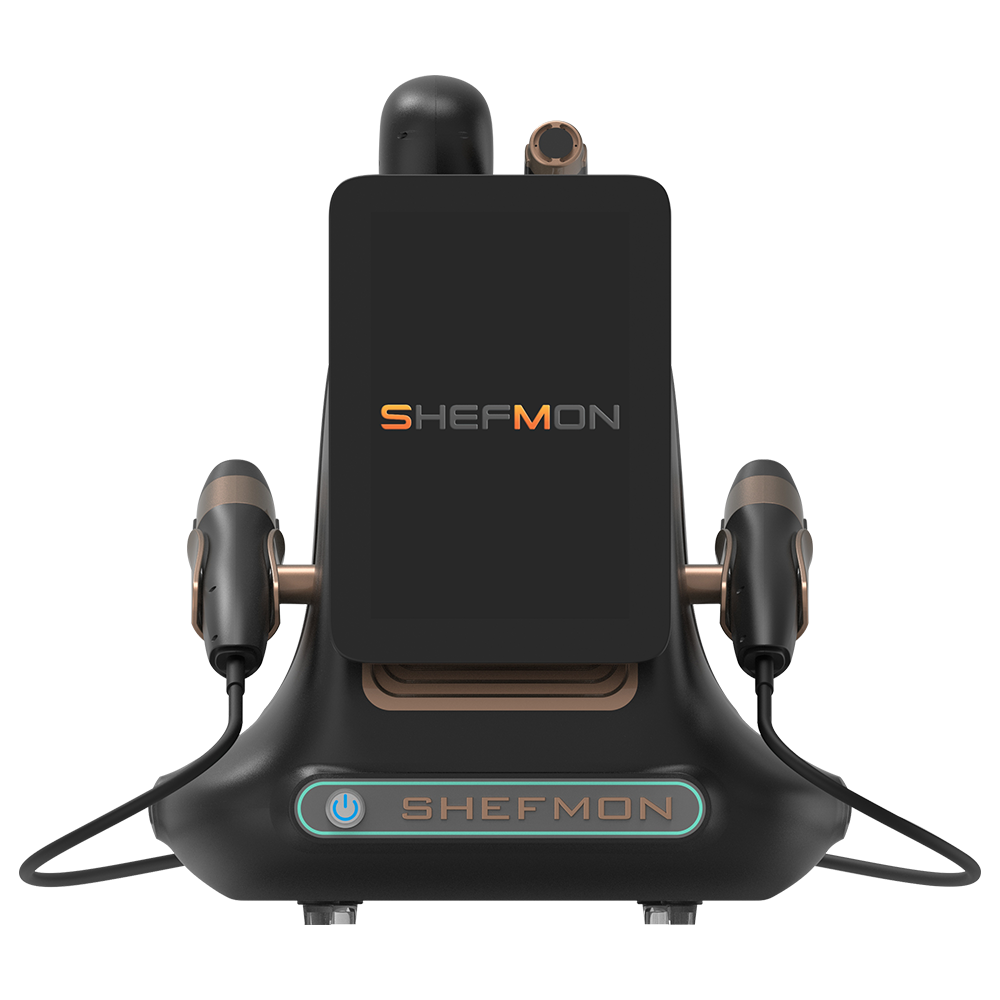
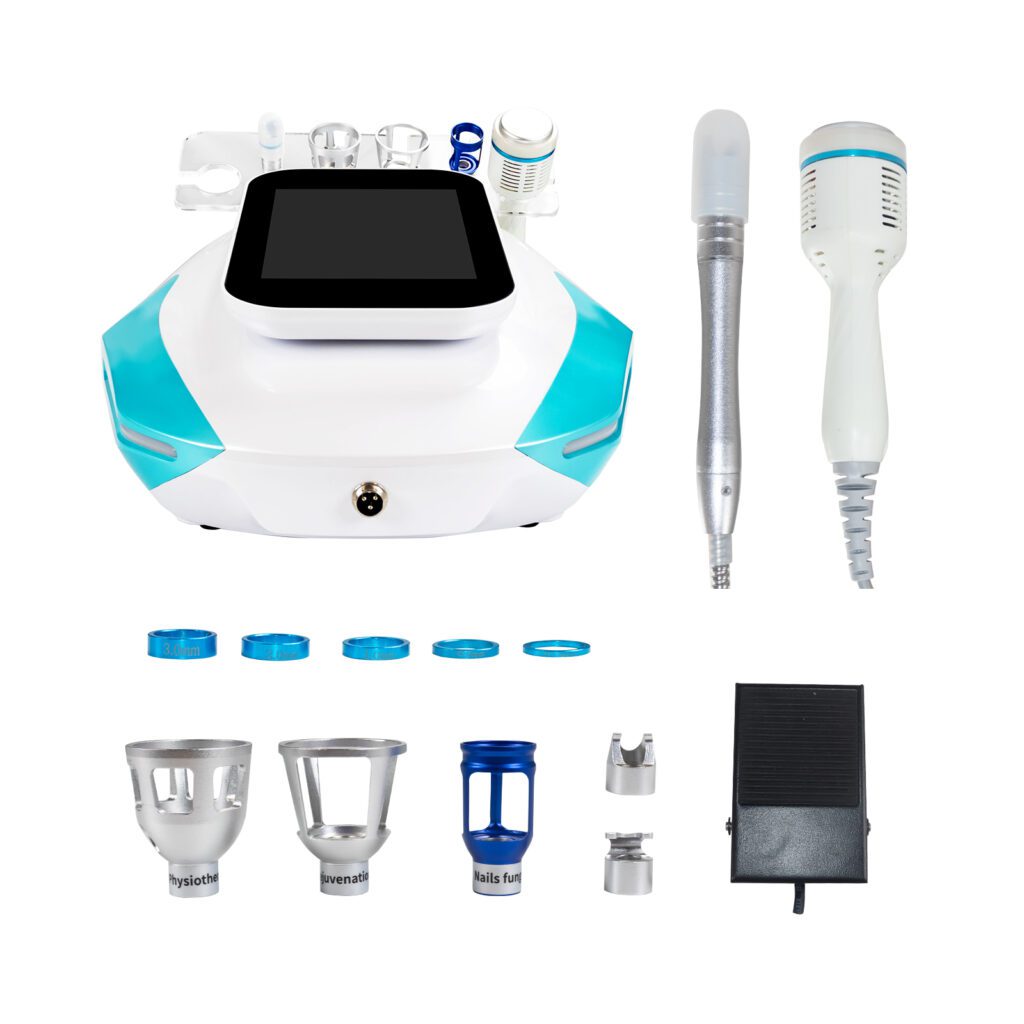
Der Offizielle SHEFMON A0648 Hydro-Mikrodermabrasionssystem is a multifunction facial platform involving vacuum, cleansing, extraction, hydration, and related tools.
For a hypothetical repeating low-suction or leakage issue, the review could separate:
- gemeldetes Symptom;
- pump, tubing, bottle, valve, filter, seal, handpiece, and connection evidence;
- component lot and configuration;
- assembly and routing records;
- cleaning or maintenance condition;
- fluid-path and vacuum test method;
- transport or field-use condition;
- correction performed; and
- recurrence after the implementation boundary.
Replacing a pump in every case would not prove that the pump caused every event. The review should identify whether one failure mechanism explains the defined issue family.
27. Example: Repeating A0426 Cooling or Recognition Issue
Der Offizielle SHEFMON A0426 diode laser page lists several wavelength, handpiece-power, spot-size, cooling, voltage, and language options.
For a hypothetical repeating cooling, flow, or handpiece-recognition issue, preserve:
- console and handpiece serials;
- wavelength, power, and spot-size configuration;
- hardware and software revision;
- cooling and flow component lots;
- error logs and operating condition;
- connectors, routing, sensors, and control evidence;
- test fixture and acceptance criteria;
- field exposure and maintenance; and
- recurrence by configuration after the change.
Combining all A0426 configurations into one rate could hide an issue concentrated in one option set.
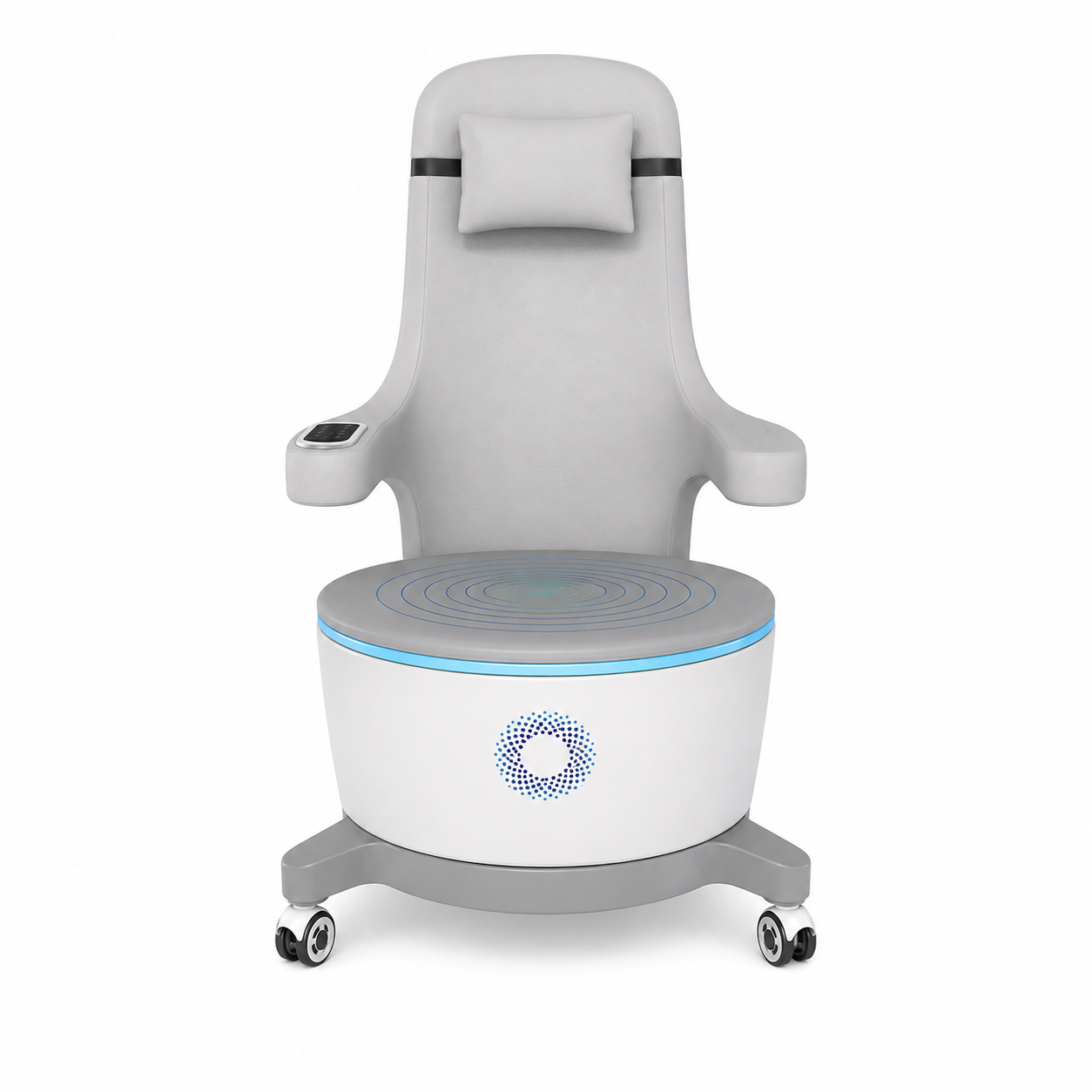
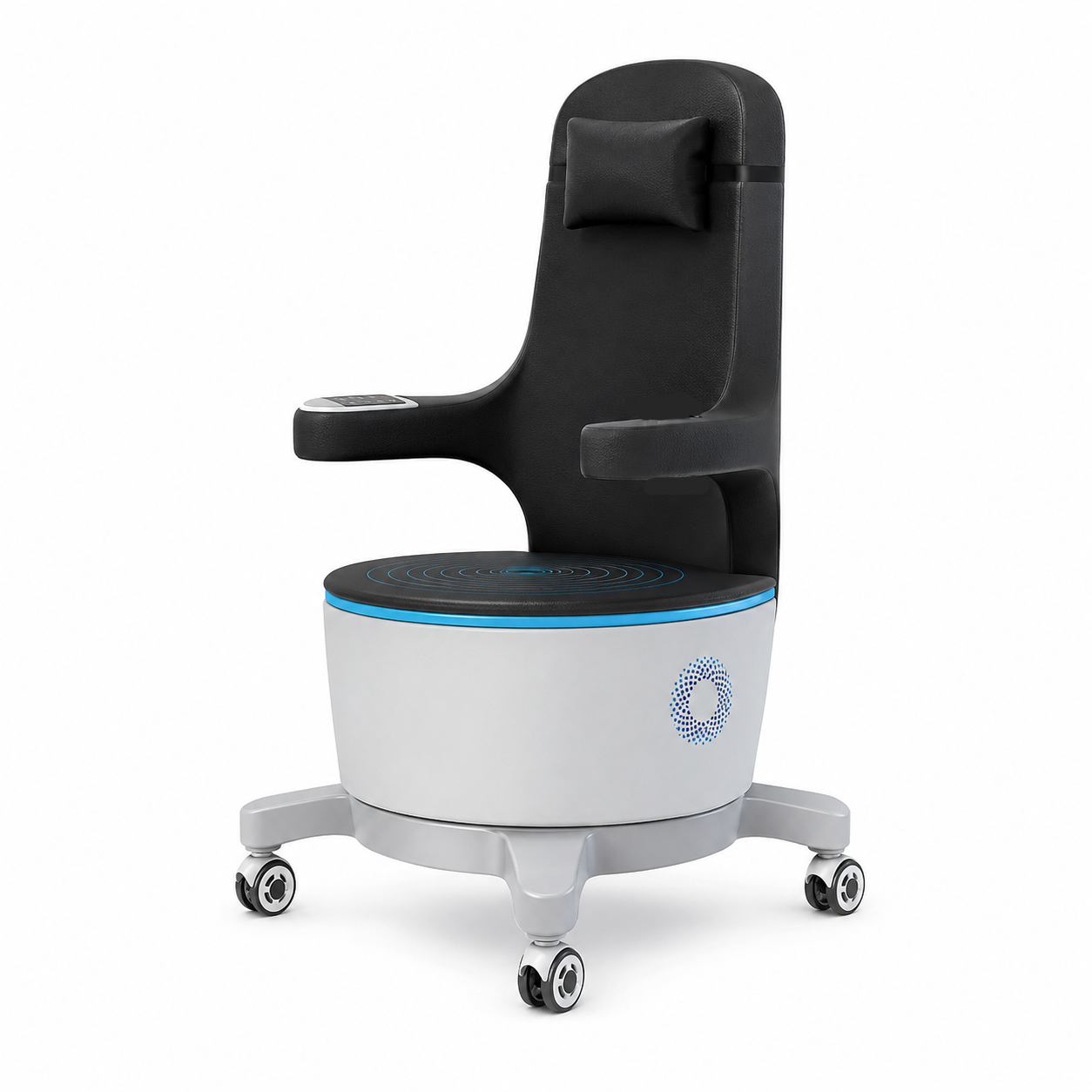
28. Example: Repeating B0155 Handle Issue
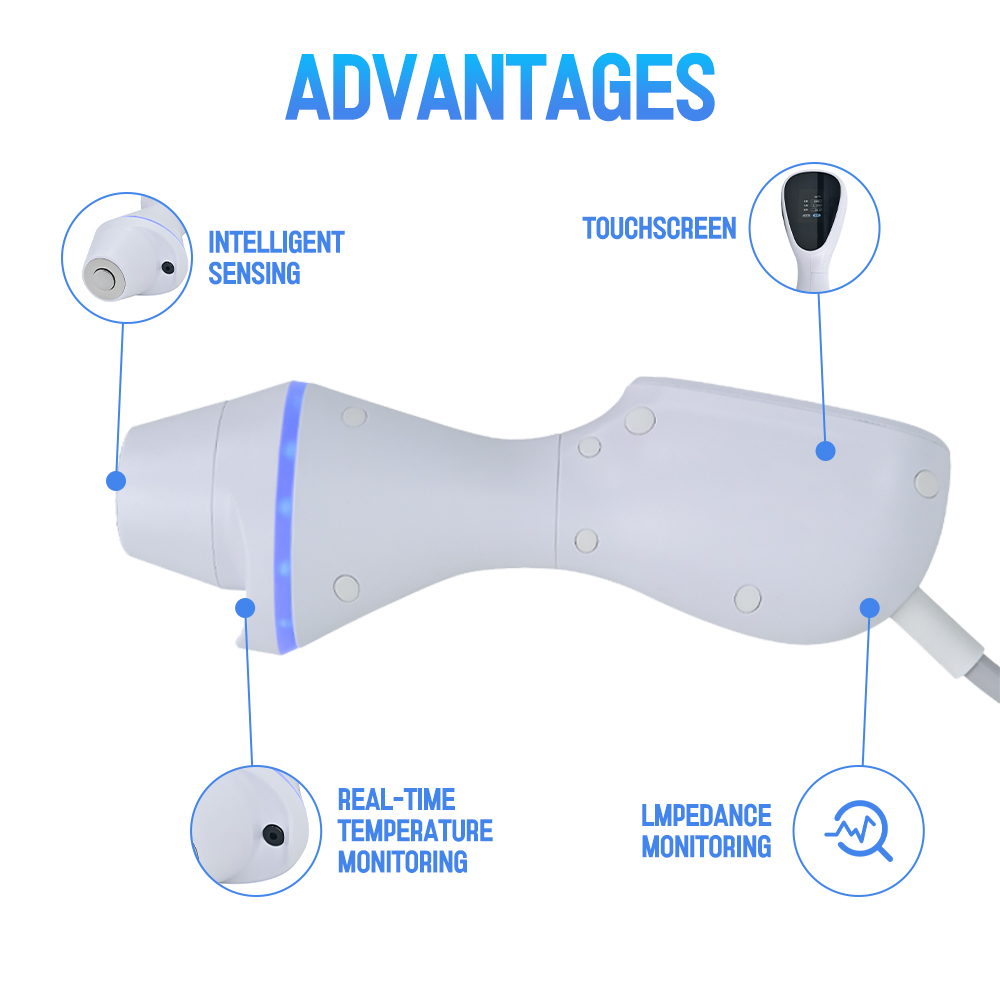
Der Offizielle SHEFMON B0155 Desktop Endos Velapro page presents a multi-handle platform with vacuum-roller, rotating, RF-related, and cavitation functions.
For a hypothetical repeating handle, cable, motor, connector, vacuum, or recognition issue, analyze:
- exact handle type and serial or controlled identity;
- console configuration and software;
- installed handle exposure;
- shared versus handle-specific components;
- connection and routing;
- operating and cleaning conditions;
- service replacement history;
- handle-specific functional tests; and
- whether recurrence follows the handle, console, user condition, or shared interface.
A console-level count can obscure which handle creates the workload and which action should be reviewed.
29. Use a Corrective Action Review Matrix
| Review question | Adequate evidence | Warning sign |
|---|---|---|
| Is the issue defined? | controlled issue family with inclusion and exclusion rules | cases grouped only by similar wording |
| Is scope complete? | model, revision, lot, serial, software and field population reviewed | scope limited to the first detected unit |
| Is cause supported? | reproducible mechanism and objective evidence | replaced part recorded as root cause |
| Does action match cause? | each action maps to a verified causal factor | generic retraining for a design or process weakness |
| Was action implemented? | released baseline, effective boundary and actual-use evidence | tasks closed without product or process change |
| Was action verified? | approved protocol, criteria, results and regression coverage | one unit powers on after modification |
| Is effectiveness meaningful? | predefined rate, denominator, exposure and acceptance rule | no complaints during a short low-volume period |
| Were adverse effects checked? | change-impact and regression evidence | only original symptom retested |
| Is closure justified? | residual risk, open items and reopening rules reviewed | closure driven mainly by due date |
30. Establish Independent and Cross-Functional Review
Corrective action ownership and review should include the functions needed to challenge the evidence.
Depending on the issue, participants can include:
- quality;
- Produktmanagement;
- mechanical, electrical, software, and test engineering;
- supplier quality and sourcing;
- production and industrial engineering;
- service and customer support;
- regulatory or compliance specialists;
- documentation and training; and
- authorized management.
The person who implemented the action can provide evidence, but an independent or cross-functional reviewer can reduce confirmation bias in cause and effectiveness conclusions.
31. Use Controlled Review Statuses
| Status | Bedeutung |
|---|---|
| Open | issue accepted for formal review |
| Containment active | affected population is controlled while investigation continues |
| Investigation | cause and scope are being evaluated |
| Action approved | corrective action and verification plan are authorized |
| Implementation | controlled changes are being released and deployed |
| Verification complete | action meets its defined implementation requirements |
| Effectiveness monitoring | sufficient routine exposure is being collected |
| Closed effective | evidence supports cause control and acceptance criteria |
| Closed with monitoring | closure approved with defined post-closure surveillance |
| Reopened | recurrence or new evidence challenges the prior conclusion |
Avoid vague states such as almost closed or waiting for quality.
32. Define Closure Criteria
Closure should require, as applicable:
- issue and affected population defined;
- containment completed or transferred to controlled ongoing measures;
- affected product dispositioned;
- root cause or justified investigation conclusion documented;
- corrective action implemented in controlled records;
- verification or validation accepted;
- adverse-effect and regression review completed;
- effectiveness criteria met with sufficient exposure;
- risk and product documentation updated;
- supplier, production, service, and field actions reconciled;
- open actions resolved or formally transferred; and
- reopening criteria approved.
A signature confirms review; it does not replace missing evidence.
33. Reopen Corrective Actions When Evidence Changes
Reopening triggers can include:
- recurrence after the implementation boundary;
- occurrence in a configuration assumed unaffected;
- new cause evidence;
- failure of an effectiveness criterion;
- increased severity or reduced detectability;
- adverse effects from the corrective action;
- incomplete supplier implementation;
- incorrect serial or lot scope;
- field cases reported after data latency; or
- audit findings showing that implementation records were incomplete.
Preserve the earlier closure decision and create a controlled reopening event. Do not rewrite history to make the first review appear continuously open.
34. Build a Management Dashboard
A decision-focused dashboard can show:
- open actions by age, severity, and stage;
- recurring issue families;
- affected units and exposure;
- Eindämmungsstatus;
- root-cause confidence;
- implementation completion versus plan;
- verification and regression status;
- effectiveness metrics and exposure achieved;
- overdue actions and reasons;
- recurrence after closure;
- supplier corrective action status; and
- product revisions or field actions linked to corrective actions.
Management should review evidence quality and resource constraints, not only on-time closure percentages. A high closure rate can hide weak investigations and premature effectiveness conclusions.
35. Common Corrective Action Review Mistakes
Opening one action for every isolated defect
This overloads the system and weakens attention. Use defined escalation criteria and issue-family logic.
Combining unrelated symptoms
One broad record can hide several causes that need separate actions and metrics.
Treating repair as root cause
The replaced part may be the failure location, not the reason it failed.
Choosing retraining by default
Training is appropriate when knowledge or execution is the verified cause. It is weak when the process, design, fixture, or instruction remains inadequate.
Closing after implementation
Implementation proves that an action occurred. Effectiveness proves that recurrence was reduced under routine exposure.
Using zero complaints without exposure
No reports during a low-volume or short period do not establish effectiveness.
Ignoring legacy and installed units
A production change may protect new units while leaving field exposure unchanged.
Failing to check adverse effects
An action can move the failure to another function, configuration, or lifecycle stage.
36. Corrective Action Review Checklist
Before closure, confirm:
- The issue family has a stable identity and clear scope.
- Symptoms, failure modes, locations, and causes are separated.
- All relevant quality and field data sources were searched.
- The affected model, configuration, revision, lot, and serial population is defined.
- Immediate containment protects ongoing production and distributed product where required.
- Root-cause confidence matches the evidence.
- Actions map directly to verified causes and contributing factors.
- Approved actions match actual implementation.
- Controlled product and process documents are updated.
- Verification or validation addresses the failure mechanism.
- Regression and adverse-effect risks are covered.
- Effectiveness metric, denominator, baseline, exposure, and criteria were predefined.
- Supplier and internal evidence are reconciled.
- Production and field recurrence were reviewed.
- Installed-base implications are addressed.
- Risk, service, training, and documentation changes are complete.
- Closure evidence is independently or cross-functionally reviewed.
- Reopening triggers and ongoing monitoring are explicit.
Häufig gestellte Fragen
1. Does every repeating beauty device issue require a corrective action?
Not automatically. The decision should consider recurrence, severity, detectability, affected population, risk, service burden, prior actions, and whether a verified local correction can adequately control the problem.
2. What is the difference between correction and corrective action?
Correction removes the detected nonconformity from an affected unit or record. Corrective action addresses the cause so the issue does not recur.
3. Can component replacement be recorded as the root cause?
Usually it identifies the failed location or restoration action. The investigation should still determine why the component failed and whether the mechanism applies to other units.
4. How should factories decide whether two cases belong to the same issue family?
Compare verified failure mode, location, cause, configuration, operating condition, and evidence. Matching customer wording alone is insufficient.
5. Is retraining a sufficient corrective action?
It can be when lack of knowledge or incorrect execution is the verified cause and competence is demonstrated afterward. It is insufficient when design, process, fixture, documentation, or system controls remain weak.
6. How should effectiveness be measured?
Use a predefined metric with a meaningful denominator, baseline, affected population, minimum exposure, acceptance criterion, review owner, and recurrence rule.
7. How long should effectiveness monitoring continue?
The period depends on production volume, field exposure, expected time to recurrence, reporting delay, severity, and data availability. Calendar duration alone is not enough.
8. What if the root cause cannot be confirmed?
Document the inconclusive status, maintain proportionate controls, improve diagnostics and data collection, test remaining hypotheses, and define monitoring and escalation rules. Do not present an unsupported cause as verified.
9. When should a closed action be reopened?
Reopen when recurrence, new configurations, changed risk, adverse effects, failed effectiveness criteria, incomplete implementation, or new evidence challenges the closure conclusion.
10. How does SHEFMON describe its quality controls?
Der SHEFMON quality-control page describes incoming material testing, circuit-board aging and power testing, functional aging, inspection, and ERP management. For a recurring issue involving a specific SHEFMON product, Kontaktieren Sie SHEFMON with the model, serial, configuration, symptom, logs, service history, and occurrence timeline.
Abschluss
Repeating beauty device issues are rarely solved by closing each event independently. A strong corrective action review connects the cases, defines the affected population, separates symptom from cause, challenges the investigation, confirms actual implementation, checks for adverse effects, and measures recurrence using sufficient routine exposure.
The review should be proportionate: not every defect needs a major redesign, but recurring or serious evidence should not be reduced to repeated repair, retraining, or short-term monitoring. Closure is justified when the evidence shows that the cause has been controlled and the product or process remains acceptable.
Überprüfen Sie die SHEFMON beauty-machine portfolio Und SHEFMON quality-control process. To discuss a repeating product issue, Kontaktieren Sie SHEFMON with the exact model, configuration, serial or lot range, occurrence history, failure evidence, prior repairs, software version, and operating context.