









Zusammenfassung
Kosmetikstudios sollten Kosmetikgeräte nicht allein nach Aussehen, Preis oder Herstellerversprechen beurteilen. Vor dem Kauf eines Geräts sollten sie prüfen, ob es zu ihrem Serviceangebot, den Kundenbedürfnissen, dem Qualifikationsniveau des Personals, den Behandlungspreisen, dem Platzangebot, den Sicherheitsanforderungen, den Verbrauchskosten, den Garantiebedingungen und dem Amortisationsplan passt.
Wichtige Parameter sind unter anderem: Produktfunktion, Technologieart, Energieabgabe, einstellbare Stufen, Behandlungsmodi, Handstückkonfiguration, Kühl- oder Heizsteuerung, Saug- oder Wasserdurchfluss, Softwaresprache, Spannung, Leistung, Maschinengröße, Behandlungszeit, Verbrauchskosten, Verfügbarkeit von Ersatzteilen, Zertifikate, Benutzerhandbuch, Schulungsunterstützung, Garantiebedingungen, Kundendienst und unterstützte Reklamationen.
Bei Geräten mit höherem Risiko wie Laser, IPL, starker HF, fokussiertem Ultraschall, Körperformung, Tattooentfernung oder Geräten, die mit medizinisch anmutenden Aussagen beworben werden, sollten Kosmetikstudios auch den Verwendungszweck, Kontraindikationen, Sicherheitshinweise, behördliche Dokumente, die Schulung des Bedienpersonals und die Untermauerung der Aussagen überprüfen.
Das beste Kosmetikgerät ist nicht immer das leistungsstärkste, funktionsreichste oder günstigste. Das beste Gerät ist vielmehr dasjenige, das sicher in der Anwendung ist, dessen Bedienung verständlich erklärt wird, das sich in gewinnbringende Projekte integrieren lässt, von den Kunden vor Ort gut angenommen wird, einfach zu warten ist und vom Anbieter langfristig unterstützt wird.
1. Die Kurzantwort
Schönheitssalons sollten vor dem Kauf von Schönheitsgeräten fünf Parametergruppen überprüfen:
- Technische Parameter: Funktion, Energieart, Leistung, Frequenz, Intensität, Wellenlänge, Saugkraft, Temperatur, Kühlung, Software, Handstücke und Behandlungsmodi.
- Geschäftsparameter: Servicepreis, Behandlungszeit, Kundennachfrage, Verbrauchskosten, Personalkosten, Raumauslastung und Amortisationszeit.
- Sicherheitsparameter: Kontraindikationen, Warnhinweise, Bedienerschulung, Not-Aus, Temperaturkontrolle, Augenschutz, Hygiene und Wartung.
- Supportparameter: Garantie, Ersatzteile, Verbrauchsmaterialien, Schulungen, Reparaturservice, Handbücher, Marketingmaterialien und Zuverlässigkeit des Lieferanten.
- Konformitätsparameter: Zertifikate, Prüfberichte, Verwendungszweck, Angaben auf dem Etikett, Einfuhrbestimmungen, Werbeaussagen und Anforderungen an die Zielgruppe.
Wenn ein Salon nur die technischen Spezifikationen prüft, aber Geschäfts- und Kundendienstparameter ignoriert, bleibt das Kaufrisiko hoch.
2. “Parameter” bedeutet mehr als nur eine Zahl.
Viele Salonbesitzer denken, Parameter beschränkten sich auf Leistung, Frequenz, Spannung oder Wellenlänge. Diese sind zwar wichtig, aber für den Kauf von Kosmetikgeräten ist ein umfassenderer Blickwinkel erforderlich.
Für einen Salon kann ein Parameter auch Folgendes bedeuten:
- Für wen die Maschine geeignet ist
- Welches Projekt es unterstützt
- Wie lange jeder Service dauert
- Wie viel der Salon berechnen darf
- Wie viele Mitarbeiter können es bedienen?
- Wie oft müssen Verbrauchsmaterialien ersetzt werden?
- Wie schnell die Maschine repariert werden kann
- Welche Aussagen können verantwortungsvoll verwendet werden?
- Ob der Lieferant Schulungen anbieten kann
- Ob die Maschine die Investition wieder einspielen kann
Eine technisch ausgereifte Maschine kann dennoch ein schlechter Kauf sein, wenn der Salon das Projekt nicht verkaufen, das Personal nicht schulen oder das Gerät nicht warten kann.
3. Beginnen Sie mit dem Verwendungszweck und der Positionierung der Dienstleistung.
Bevor der Salon die technischen Spezifikationen prüft, sollte er den Verwendungszweck festlegen.
Fragen:
- Welches Projekt möchten wir hinzufügen?
- Ist das Gerät für Reinigung, Feuchtigkeitspflege, Anti-Aging, Haarentfernung, Körperpflege, Hautanalyse, Reparatur oder Beratung geeignet?
- Geht es um grundlegende Schönheitspflege, hochwertige Hautpflege oder medizinisch anmutende ästhetische Behandlungen?
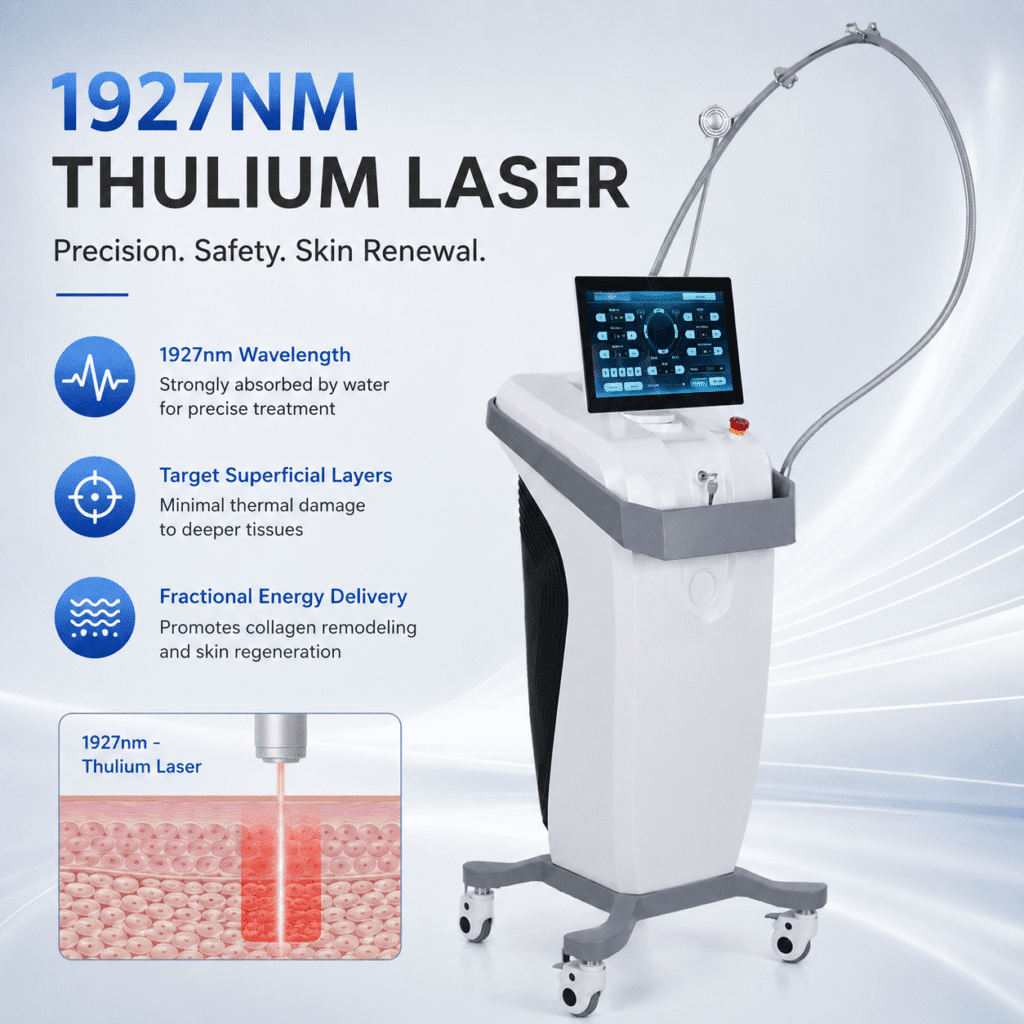
- Welche Kundengruppe wird dieses Projekt kaufen?
- Welches Ergebnis lässt sich verantwortungsvoll erklären?
- Welches Ergebnis sollten wir nicht versprechen?
Die FDA-Richtlinien betonen, dass der Verwendungszweck und die Anwendungsgebiete entscheidend sind, um festzustellen, ob ein Produkt als Medizinprodukt einzustufen ist. Für Kosmetikstudios bedeutet dies, dass Kaufentscheidungen zunächst auf der Grundlage der beabsichtigten Anwendung und der damit verbundenen Werbeaussagen getroffen werden sollten.
4. Wählen Sie die passende Maschine für den Salontyp.
Verschiedene Salons benötigen unterschiedliche Geräte.
Gemeinschaftssalons benötigen in der Regel:
- Moderater Preis
- Einfache Bedienung
- Hochhäufige Nutzung
- Geringe Trainingsschwierigkeit
- Grundlegende Reinigungs-, Feuchtigkeits-, Reparatur- und Anti-Aging-Programme
Hautbehandlungszentren benötigen in der Regel:
- Bessere Beratungsinstrumente
- Hautanalysatoren
- Hydro-Gesichtssysteme
- LED-Therapie
- RF- oder EMS-Projekte
- Professionelle Projektverpackung
Hochwertige Zentren benötigen in der Regel:
- Hochwertiges Erscheinungsbild
- Stärkere Behandlungserfahrung
- Vollständigere Dokumente
- Fortschrittliche Anti-Aging-Systeme
- Bessere Schulung und Kundendienst
Geschäfte für Haarentfernung und Körperpflege benötigen:
- Stabile Ausgabe
- Sicherheitsschulung
- Haltbarkeit des Handstücks
- Kühlungs- oder Komfortsteuerung
- Klare Kontraindikationen
- Stärkere Dokumentation
Kaufen Sie kein Gerät nur deshalb, weil es in einem anderen Salon verwendet wird. Der eigene Kundenstamm des Salons ist entscheidend.
5. Technologieart prüfen
Die Art der Technologie bestimmt die Positionierung der Behandlungseinrichtung, den Schwierigkeitsgrad der Schulung, das Sicherheitsrisiko und die Kundenerwartung.
Gängige Technologien sind:
- RF
- EMS oder Mikrostrom
- LED-Lichttherapie
- Ultraschall
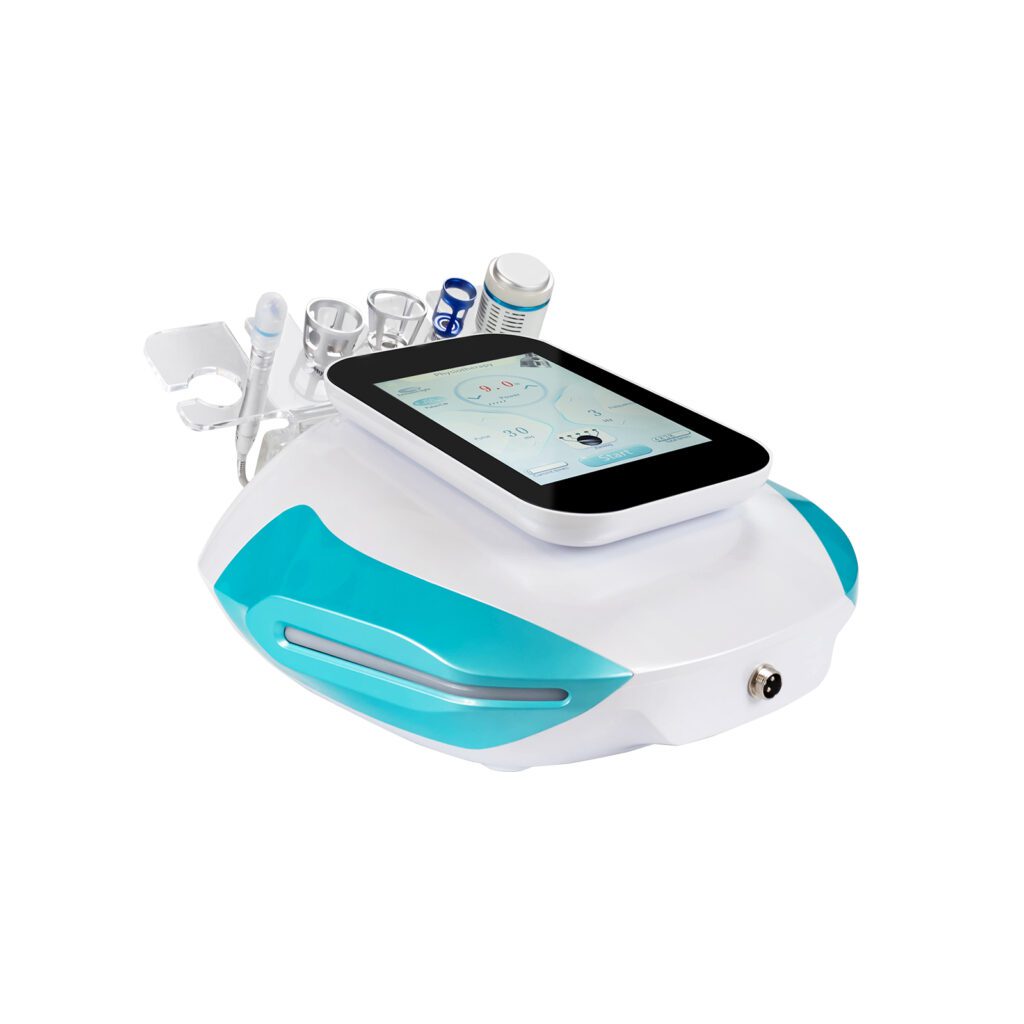
- Hydro-Gesichtsbehandlung oder kleine Blase
- Sauerstoffspray oder -infusion
- Vakuum
- IPL
- Laser
- Kühlung
- Heizung
- KI-Hautanalyse
- Multifunktionale Gesichtssysteme
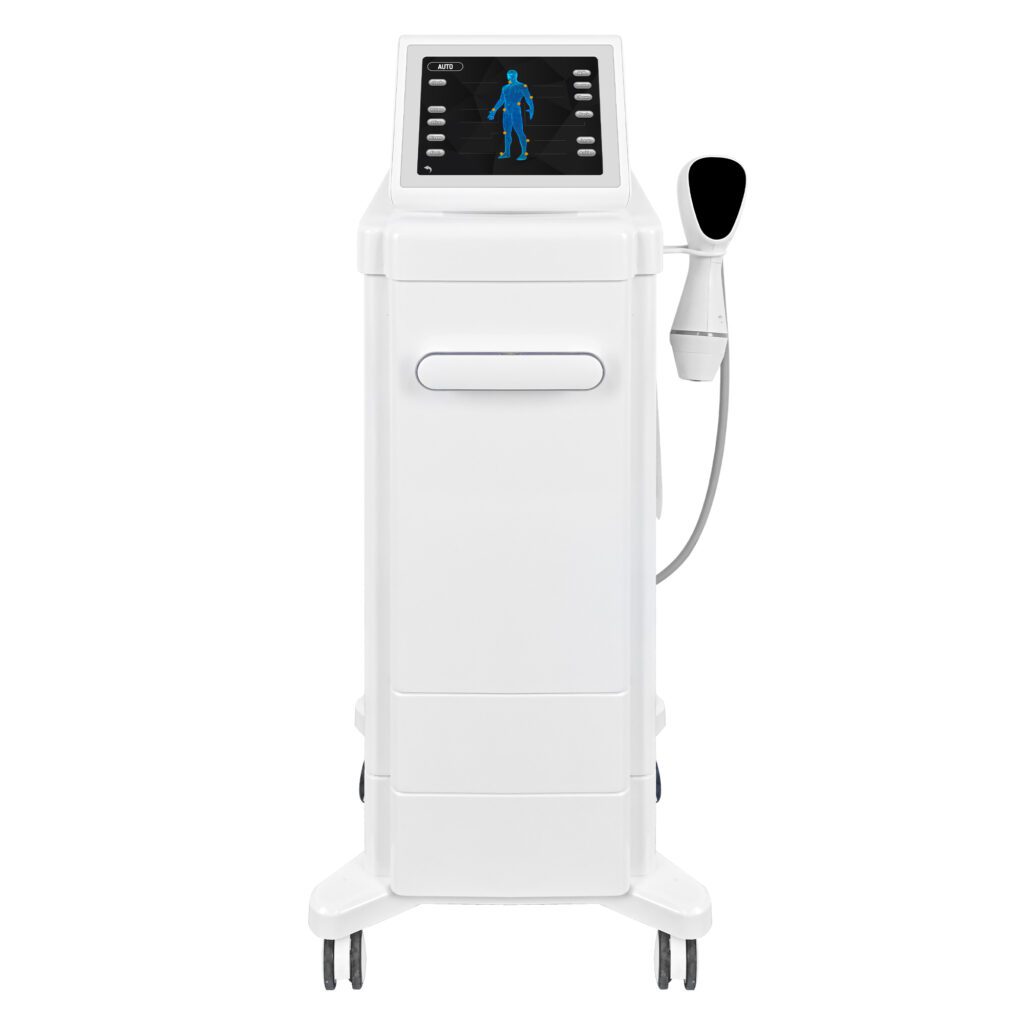
- Technologien zur Körperkonturierung
Der Salon sollte verstehen, wofür die einzelnen Technologien gedacht sind, welche Kundenbedürfnisse sie unterstützen, welche Einschränkungen bestehen und welche Aussagen angemessen sind.
6. Energieausgang und einstellbare Stufen prüfen
Bei energieverbrauchenden Geräten ist die Ausgangsregelung von entscheidender Bedeutung.
Überprüfen:
- Ausgangsbereich
- Einstellbare Stufen
- Stabilität
- Behandlungsarten
- Pulsmodus, sofern zutreffend
- Temperaturkontrolle
- Energiedichte, sofern zutreffend
- Sicherheitsgrenzen
- Ob das Ergebnis für verschiedene Hauttypen geeignet ist
- Ob das Personal die Einstellungen sicher anpassen kann
Mehr Leistung ist nicht immer besser. Ein zu aggressives Gerät kann Unbehagen, Risiken oder Ablehnung seitens der Kunden hervorrufen. Ein zu schwaches Gerät lässt sich möglicherweise schwer verkaufen. Entscheidend ist eine stabile und kontrollierbare Leistung.
7. Behandlungsmodi prüfen
Die Behandlungsmodi sollten realen Salonprojekten entsprechen.
Fragen:
- Wie viele Modi sind tatsächlich nützlich?
- Was bewirkt jeder Modus?
- Sind die Modusnamen verständlich?
- Sind die Parameter einstellbar?
- Können die Mitarbeiter den Unterschied verstehen?
- Gibt es für jeden Modus ein Behandlungsprotokoll?
- Gibt es Anfänger- und Fortgeschritteneneinstellungen?
- Gibt es Sicherheitshinweise?
Eine Maschine mit vielen Betriebsmodi ist nicht automatisch besser. Zehn unzuverlässige oder verwirrende Modi sind weniger wertvoll als drei zuverlässige Modi mit klarer Projektanwendung.
8. Handstückkonfiguration prüfen
Handstücke gehören zu den wichtigsten Kaufkriterien.
Überprüfen:
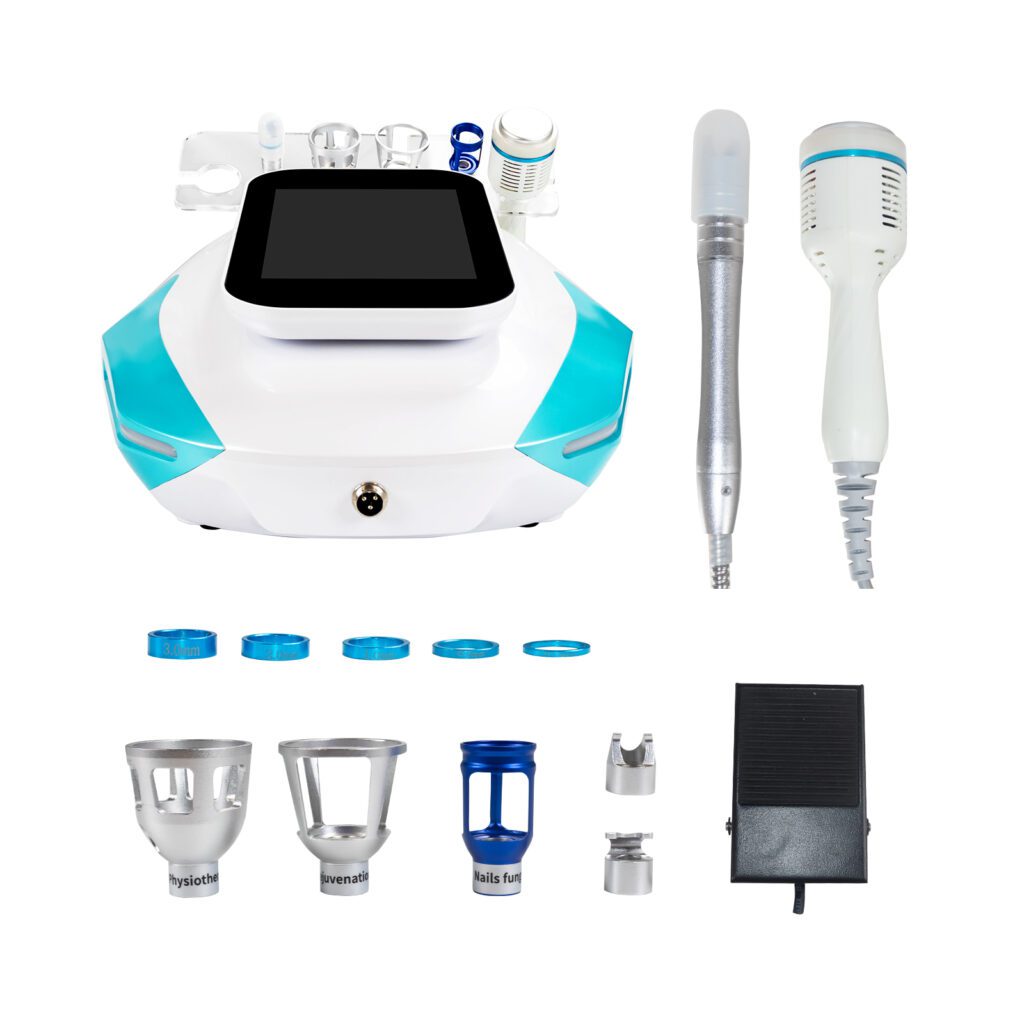
- Anzahl der Handstücke
- Funktion der einzelnen Handstücke
- Handstückmaterial
- Kabelstärke
- Verbindungsqualität
- Gewicht und Komfort
- Wärmeentwicklung während des Betriebs
- Lebenserwartung
- Wiederbeschaffungskosten
- Garantieumfang
- Reinigungsanforderungen
- Kompatibilität mit Verbrauchsmaterialien
- Ob Handstücke modellspezifisch sind
Viele Probleme nach dem Kauf gehen auf Handstücke und Kabel zurück, nicht auf das Hauptgerät.
9. Kühlung, Heizung, Ansaugung und Durchfluss prüfen.
Unterschiedliche Kategorien erfordern unterschiedliche Funktionsprüfungen.
Für RF:
- Heizstabilität
- Temperaturkontrolle
- Kontaktkomfort
- Kühlung, falls zutreffend
Für die Hydro-Gesichtsbehandlung:
- Saugkraft
- Wasserfluss
- Flaschenverschluss
- Rohrqualität
- Spitzenpassform
- Sicherheit im Umgang mit Abfallflaschen
Für IPL oder Laser:
- Kühlleistung
- Handstücktemperatur
- Augenschutz
- Energiestabilität
Für LED:
- Wellenlängeninformationen
- Lichtgleichmäßigkeit
- Wärmeregelung
- Behandlungsabstand
Funktionale Parameter sollten in der Praxis getestet werden, nicht nur aus einer Broschüre abgelesen.
10. Behandlungszeit prüfen
Die Behandlungsdauer beeinflusst den Umsatz des Salons.
Fragen:
- Wie lange dauert eine Behandlung?
- Wie viel Vorbereitungszeit wird benötigt?
- Wie lange dauert die Reinigung?
- Wie lange dauert die Kundenberatung?
- Wie viele Sitzungen können pro Tag durchgeführt werden?
- Benötigt die Maschine eine Abkühlzeit?
- Kann es problemlos von einem einzelnen Mitarbeiter bedient werden?
Ein teures Projekt kann dennoch ineffizient sein, wenn es zu lange einen Raum und Personal in Anspruch nimmt. Salons sollten den Deckungsbeitrag pro Stunde berechnen, nicht nur den Behandlungspreis.
11. Kundenkomfort prüfen
Kunden entscheiden anhand ihrer Erfahrungen, ob sie das Produkt erneut kaufen.
Überprüfen:
- Ist die Behandlung angenehm?
- Ist Hitze akzeptabel?
- Ist die Saugkraft zu stark?
- Ist die Stromempfindung stabil?
- Ist der Lärm zu laut?
- Ist die Behandlung peinlich oder schwer zu erklären?
- Versteht der Kunde den Ablauf?
- Gibt es Ausfallzeiten oder Nachsorge?
- Ist die Behandlung für die Altersgruppe der Kunden des Salons geeignet?
Wenn der Komfort für die Kunden unzureichend ist, könnte es dem Salon schwerfallen, Kurse zu verkaufen.
12. Sicherheitsparameter prüfen
Die Sicherheit sollte vor dem Preis geprüft werden.
Wichtige Sicherheitsparameter sind:
- Kontraindikationen
- Warnhinweise
- Notstopp bei Bedarf
- Temperaturgrenze
- Kühlschutz
- Augenschutz
- Hauttypen-Leitfaden
- Bedienerschulung
- Hygienehinweise
- Reinigungsprozess
- Einwegzubehör
- Wartungsplan
- Fehlercodes
- Überhitzungsschutz
- Informationen zur elektrischen Sicherheit
Bei Hochenergiegeräten sollten die Sicherheitsprüfungen strenger sein.
13. Zertifikate und Prüfberichte prüfen
Schönheitssalons sollten nachfragen, welche Dokumente die Maschine besitzt und was diese Dokumente bedeuten.
Nützliche Dokumente können beispielsweise Folgendes umfassen:
- Produktspezifikation
- Benutzerhandbuch
- Garantiebedingungen
- Werks-Qualitätskontrollbericht
- Prüfbericht, sofern zutreffend
- CE-bezogene Dokumente, sofern zutreffend
- FCC- oder RoHS-Dokumente, sofern zutreffend
- Informationen zur FDA-Registrierung, -Listung, -Freigabe oder -Zulassung, sofern zutreffend
- NMPA- oder lokale Registrierungsdokumente, sofern zutreffend
- Ersatzteilliste
- Verbrauchsmaterialliste
- Schulungsprotokoll
Akzeptieren Sie keine Zertifikatsfotos, ohne Modellnummer, Datum, ausstellende Stelle, Norm und Zielmarkt zu überprüfen.
14. Überprüfen Sie Aussagen und Marketingsprache.
Schönheitssalons sollten den Kauf von Geräten vermeiden, die auf übertriebenen Versprechungen basieren.
Seien Sie vorsichtig mit Behauptungen wie:
- Garantiertes Heben
- Dauerhafter Fettabbau
- Akne heilen
- Narben vollständig entfernen
- Alterung umkehren
- Keine Nebenwirkungen
- Ergebnisse in medizinischer Qualität ohne Unterstützung
- Sicher für alle
- Eine Sitzung löst das Problem
Die Leitlinien der FTC für Gesundheitsprodukte unterstützen den Grundsatz, dass Aussagen über gesundheitsbezogene Produkte wahrheitsgemäß, nicht irreführend und belegt sein müssen. Friseursalons sollten Lieferanten fragen, welche Aussagen belegt sind und welche nicht verwendet werden sollten.
15. Prüfen Sie gegebenenfalls die FDA- oder Medizinprodukte-Risiken.
Nicht jedes Kosmetikgerät ist ein Medizinprodukt. Einige ästhetische Geräte können jedoch je nach Verwendungszweck, Technologie und Werbeaussagen reguliert sein.
Die FDA weist darauf hin, dass ästhetische Medizinprodukte je nach Verwendungszweck und ihren Auswirkungen auf Struktur oder Funktion des Körpers reguliert werden können. Die FDA erklärt außerdem, dass die Anwendungsgebiete auf der Kennzeichnung angegeben oder mündlich beim Verkauf mitgeteilt werden können.
Das bedeutet, dass die Gesprächsleitfäden des Salonpersonals eine Rolle spielen können. Wenn ein Gerät mit medizinisch anmutenden Aussagen verkauft oder verwendet wird, kann das regulatorische Risiko steigen.
Bei Geräten für Laserbehandlungen, IPL, Tattooentfernung, Hochfrequenzgeräte, Körperformung und Hautbehandlungen sollten Kosmetikstudios vor dem Kauf eine klarere regulatorische Erklärung einholen.
16. Spannung, Stecker und elektrische Kompatibilität prüfen
Grundlegende elektrische Parameter werden oft vernachlässigt.
Überprüfen:
- Stromspannung
- Frequenz
- Steckertyp
- Stromverbrauch
- Erdung
- Sicherung
- Kabelstandard
- Adapteranforderung
- Raumleistungskapazität
- Warnung vor Verlängerungskabeln
- Lokale elektrische Kompatibilität
Die Verwendung der falschen Spannung oder des falschen Steckers kann Geräte beschädigen und ein Sicherheitsrisiko darstellen.
17. Überprüfen Sie Größe, Gewicht und Passform.
Das Gerät muss in den Behandlungsraum des Salons passen.
Überprüfen:
- Maschinengröße
- Gewicht
- Stand- oder Tischmodell
- Radqualität
- Kabellänge
- Aufbewahrung für Handstücke
- Belüftungsraum
- Türöffnungshöhe
- Behandlungsbettabstand
- Raumaufteilung
- Lärm
- Erscheinungsbild und Markenimage
Eine Maschine, die in einem Ausstellungsraum gut aussieht, kann in einem kleinen Salon zu groß oder unpraktisch sein.
18. Software, Sprache und Benutzeroberfläche prüfen
Software beeinflusst das Selbstvertrauen der Mitarbeiter.
Überprüfen:
- Menüsprache
- Übersetzungsgenauigkeit
- Touchscreen-Reaktion
- Modusnamen
- Fehlermeldungen
- Behandlungstimer
- Parameterspeicher
- Sofern zutreffend, Benutzerkonten
- Software-Update-Richtlinie
- Berichtserstellung für Hautanalysatoren
- Drucker- oder Exportfunktion
- Offline-Nutzung
- Cloud-Dienstbedingungen
Bei KI-Hautanalysegeräten sollten Sie auch Datenspeicherung, Datenschutzhinweise, Umgang mit Kundenbildern, Abonnementgebühren und Software-Support prüfen.
19. Verbrauchskosten prüfen
Verbrauchsmaterialien beeinflussen den langfristigen Gewinn.
Überprüfen:
- Welche Verbrauchsmaterialien werden benötigt?
- Kosten pro Behandlung
- Mindestbestellmenge
- Haltbarkeit
- Lagerbedingungen
- Austauschhäufigkeit
- Ob es sich bei den Verbrauchsmaterialien um firmeneigene Produkte handelt
- Ob lokale Ersatzstoffe zulässig sind
- Ob die Verwendung von Ersatzstoffen Auswirkungen auf die Garantie hat
- Versorgungsstabilität
Eine Maschine mit niedrigem Anschaffungspreis, aber teuren Verbrauchsmaterialien ist im realen Salonbetrieb möglicherweise nicht günstiger.
20. Verfügbarkeit von Ersatzteilen prüfen
Schönheitssalons sollten sich erkundigen, ob Ersatzteile langfristig verfügbar sind.
Wichtige Bestandteile können sein:
- Handstücke
- Kabel
- Pumps
- Röhren
- Filter
- Bildschirme
- Netzteile
- Boards
- Steckverbinder
- Lampen
- Behandlungstipps
- Flaschen
- Kühlteile
Bitten Sie den Lieferanten vor dem Kauf um eine Ersatzteilliste und die entsprechenden Preise.
21. Garantiebedingungen prüfen
Die Garantie sollte konkret sein.
Fragen:
- Wie lange ist die Garantiezeit?
- Wann beginnt es?
- Welche Teile sind abgedeckt?
- Sind die Handstücke abgedeckt?
- Sind Verbrauchsmaterialien ausgenommen?
- Wer übernimmt die Reparaturkosten?
- Was ist die Richtlinie für bei Ankunft tote Schiffe?
- Ist ein Ersatz verfügbar?
- Wie schnell reagiert der technische Support?
- Führt Missbrauch zum Garantieverlust?
- Ist eine Reparatur vor Ort möglich?
Akzeptieren Sie keine bloße “Ein-Jahres-Garantie” ohne detaillierte Angaben.
22. Kundendienst prüfen
Der Kundendienst entscheidet darüber, ob die Maschine weiterhin funktionstüchtig bleibt.
Überprüfen:
- Reaktionszeit des Lieferanten
- Technischer Support
- Reparaturvideos
- Leitfaden zur Fehlerbehebung
- Ersatzteillager
- Ferndiagnose
- Softwareunterstützung
- Wartungserinnerungen
- Nachbereitung des Trainings
- Bearbeitung von Kundenbeschwerden
Wenn der Kundendienst mangelhaft ist, kann selbst eine gute Maschine zur Belastung werden.
23. Schulungsunterstützung prüfen
Kosmetikgeräte sind nur dann sinnvoll, wenn das Personal sie bedienen und das Produkt verkaufen kann.
Die Schulung sollte Folgendes umfassen:
- Arbeitsschritte
- Parameterauswahl
- Kundenprüfung
- Kontraindikationen
- Behandlungsprotokoll
- Reinigung und Instandhaltung
- Kundenkommunikation
- Verkaufsskripte
- Schadensregulierung
- Nachsorgeanweisungen
- Fehlerbehebung
Der Salon sollte nachfragen, ob Schulungen inbegriffen sind, online oder vor Ort, einmalig oder wiederholt und ob diese in der Landessprache angeboten werden.
24. Projektverpackungspotenzial prüfen
Eine Maschine sollte zu einem Salonprojekt werden, nicht nur zu einem Gerät.
Fragen:
- Welchen Projektnamen kann der Salon verwenden?
- Für welche Kundengruppe ist es geeignet?
- Welche Serviceleistungen sind enthalten?
- Welche Behandlungsdauer wird empfohlen?
- Welchen Preis darf der Salon verlangen?
- Aus wie vielen Sitzungen besteht ein Kurs?
- Welche Verbrauchsmaterialien werden benötigt?
- Welches Kundenskript kann das Personal verwenden?
- Welche Vorher-Nachher-Strategie ist angemessen?
- Welches Werbematerial steht zur Verfügung?
Maschinen mit übersichtlicher Projektverpackung lassen sich leichter an Kunden verkaufen.
25. ROI- und Amortisationsparameter prüfen
Schönheitssalons sollten die Amortisationszeit vor dem Kauf berechnen.
Schlüsselvariablen:
- Maschinenpreis
- Fracht und Steuern
- Schulungs- und Installationskosten
- Starter-Verbrauchsmaterialien
- Kosten für die Markteinführung
- Behandlungspreis
- Verbrauchskosten pro Behandlung
- Personalkosten
- Behandlungszeit
- Erwartete monatliche Sitzungen
- Instandhaltungsreserve
- Amortisationszeitraum
Die Break-Even-Logik der SBA verwendet die Fixkosten dividiert durch den Preis abzüglich der variablen Kosten, um die Break-Even-Menge zu berechnen. Bei Kosmetikgeräten kann die “Einheit” eine Behandlungssitzung sein.
Der Salon sollte die Amortisationszeit anhand des Nettogewinns und nicht nur des Umsatzes berechnen.
26. Lieferantenzuverlässigkeit prüfen
Die Maschine ist nur so zuverlässig wie der Lieferant, der dahintersteht.
Überprüfen:
- Unternehmenshintergrund
- Fabrik oder Handelsunternehmen
- Exporterfahrung
- Hauptproduktkategorien
- Bestehende Salonfälle
- Unterstützung bei Probentests
- Dokumentenantwort
- Schulungsmaterialien
- Kundendienstteam
- Ersatzteilversorgung
- Klarheit der Garantie
- Kommunikationsgeschwindigkeit
- Vertragsbereitschaft
Kann der Lieferant technische Fragen und Fragen zum Kundendienst nicht beantworten, sollte der Salon vorsichtig sein.
27. Überprüfen Sie das Ergebnis der Probenprüfung.
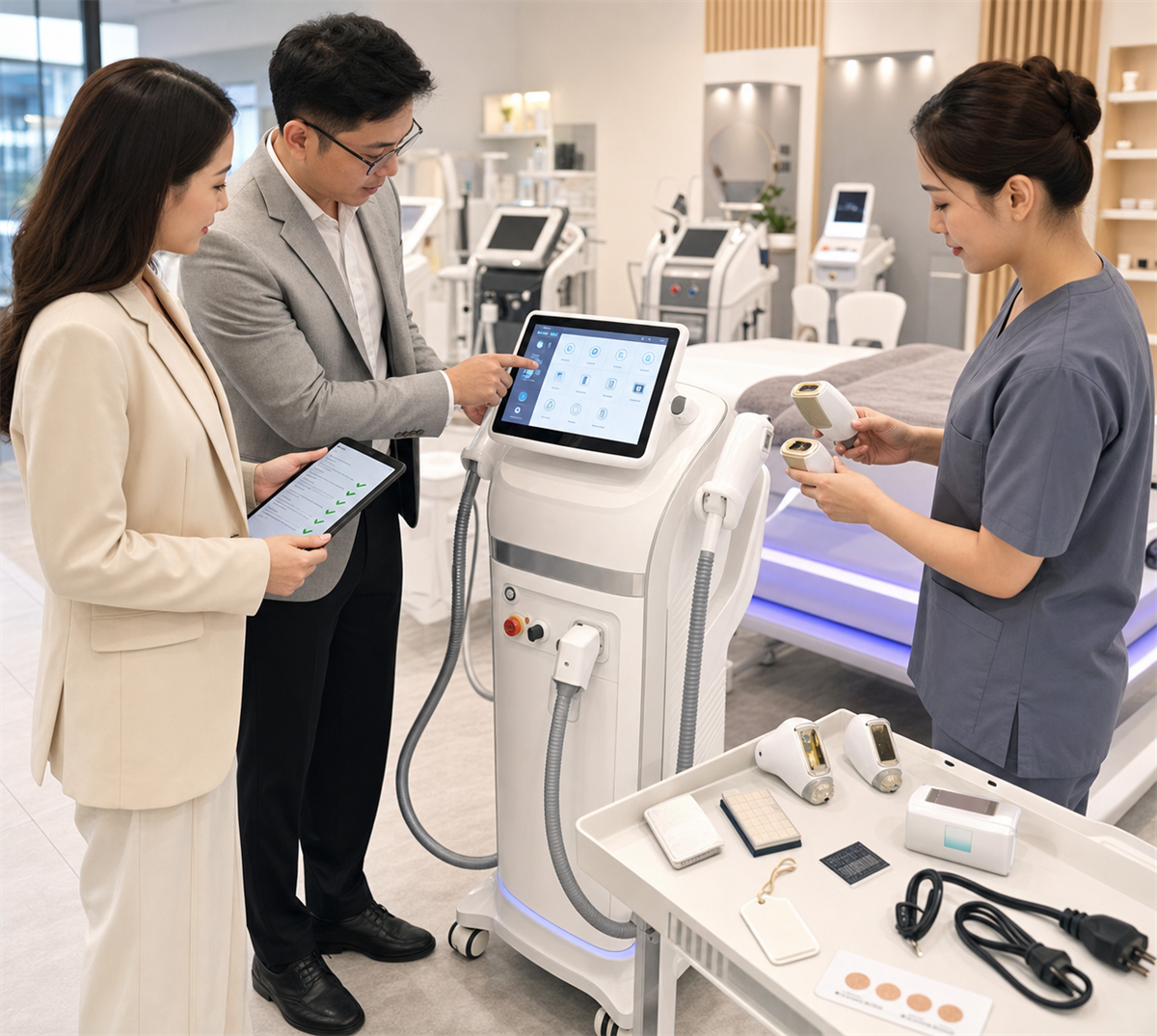
Vor dem Kauf einer teuren Maschine sollten Sie nach Möglichkeit ein Muster- oder Vorführgerät testen.
Prüfen:
- Verpackung
- Zubehör
- Start-up
- Handstücke
- Kontinuierlicher Betrieb
- Behandlungserfahrung
- Softwaresprache
- Lärm
- Reinigung
- Handbuch
- Verbrauchsmaterial
- Garantieantwort
- Schwierigkeiten im Personalbetrieb
Die Musterprüfung ist die Brücke zwischen den Versprechen im Katalog und der tatsächlichen Anwendung im Salon.
28. Kategorie-Checkliste: RF-Schönheitsgeräte
Bei HF-Geräten beachten Sie bitte Folgendes:
- Ausgangsstabilität
- Einstellbare Stufen
- Temperaturkontrolle
- Handstückqualität
- Kontaktkomfort
- Behandlungsarten
- Kühlung, wo zutreffend
- Kontraindikationen
- Benutzerhandbuch
- Unterstützung bei Schadensfällen
- Schulungsprotokoll
- Garantie für Handstücke
Wählen Sie RF nicht nur aufgrund hoher Leistung. Eine stabile, komfortable und kontrollierbare Leistung ist wichtiger.
29. Kategorie-Checkliste: LED-Lichttherapie
Bei LED-Geräten Folgendes beachten:
- Wellenlängeninformationen
- Lampenperlenqualität
- Lichtgleichmäßigkeit
- Behandlungsabstand
- Timer
- Hitzegrad
- Augenschutz
- Paneelgröße
- Standqualität
- Benutzerhandbuch
- Unterstützte Behauptungen
LED-Beleuchtung ist oft nützlich als Unterstützung bei Pflege- und Reparaturprojekten, Salons sollten jedoch unbegründete medizinische Aussagen vermeiden.
30. Kategorien-Checkliste: Hydro-Gesichtsbehandlung und kleine Blasen
Für Hydro-Facial- und kleine Bubble-Geräte siehe:
- Saugkraft
- Wasserfluss
- Pumpenqualität
- Flaschenverschluss
- Rohrmaterial
- Spitzenpassform
- Abfallflaschendesign
- Reinigungskomfort
- Lärm
- Verbrauchskosten
- Ersatzteile
- Leckagerisiko
Da diese Maschinen häufig im Einsatz sind, kommt es auf die Qualität der kleinen Bauteile an.
31. Kategorien-Checkliste: EMS und Mikrostrom
Für EMS- und Mikrostromgeräte beachten Sie bitte Folgendes:
- Ausgangsstabilität
- Einstellbare Intensität
- Behandlungskomfort
- Qualität der Elektrode oder des Handstücks
- Kompatibilität mit leitfähigem Gel
- Kabelbeständigkeit
- Moduslogik
- Kontraindikationen
- Mitarbeiterschulung
- Leitfaden für Schadensfälle
Mehr Sinneseindrücke sind nicht immer besser. Eine stabile und angenehme Leistung erhöht die Kundenakzeptanz.
32. Kategorie-Checkliste: Hautanalysegeräte
Für Hautanalysegeräte prüfen Sie Folgendes:
- Kameraauflösung
- Beleuchtungskonsistenz
- Berichtsqualität
- Softwaresprache
- Analysekategorien
- Kontensystem
- Cloud-Speicher
- Datenschutz
- Bericht exportieren
- Aktualisierungsrichtlinie
- Abonnementgebühr
- Ablauf der Konsultation
- Schulungsunterstützung
Der Wert eines Hautanalysegeräts liegt in der Beratung und der Verkaufsförderung, nicht in der direkten Behandlung.
33. Kategorie-Checkliste: Laser- und IPL-Geräte
Informationen zu Laser- und IPL-Behandlungen finden Sie hier:
- Stabilität der Energieabgabe
- Kühlleistung
- Lebensdauer des Handstücks
- Lampen- oder Schusszahl
- Sicherheitsschlüssel oder Not-Aus-Schalter
- Augenschutz
- Filterqualität
- Hauttypen-Leitfaden
- Warnhinweise
- Schulungsanforderungen
- Regulierungsdokumente
- Serviceunterstützung
Diese Geräte erfordern strengere Sicherheits- und Konformitätsprüfungen als herkömmliche Gesichtsbehandlungsgeräte.
34. Kategorie-Checkliste: Geräte zur Körperformung
Informationen zu Geräten zur Körperformung finden Sie hier:
- Behandlungsarten
- Handstückkonfiguration
- Kühlungs- oder Heizungssteuerung
- Vakuumstabilität
- EMS-Pad-Qualität, sofern zutreffend
- Sitzungszeit
- Kundenkomfort
- Kontraindikationen
- Projektpreisgestaltung
- Unterstützung bei Schadensfällen
- Marketingbeschränkungen
- Ersatzteile
Vorsicht bei Versprechungen zu Fettreduktion, Gewichtsabnahme und garantierten Ergebnissen.
35. Häufige Fehler beim Überprüfen von Parametern
Häufige Fehler sind:
- Betrachtet man nur die Macht, so …
- Die Maschine mit den meisten Funktionen auswählen
- Verbrauchskosten außer Acht gelassen
- Ignorieren der Handstückgarantie
- Behandlungszeit ignorieren
- Ignorieren der Mitarbeiterschulung
- Ersatzteile ignorieren
- Die Gültigkeit des Zertifikats wird ignoriert.
- Ignorieren der Zielkundennachfrage
- Überzogenen Vorher-Nachher-Fotos vertrauen
- Die Probe wird nicht getestet.
- Die Amortisation wird nicht berechnet
- Die Garantiebedingungen nicht gelesen.
Solche Fehler können eine billige Maschine nach dem Kauf teuer machen.
36. Warnsignale vor dem Kauf
Seien Sie vorsichtig, wenn:
- Der Lieferant kann keine modellspezifischen Dokumente bereitstellen.
- Das Zertifikat stimmt nicht mit dem Modell überein.
- Die Bedienungsanleitung ist unklar.
- Die Garantiebedingungen sind unklar.
- Die Ersatzteilliste fehlt.
- Verbrauchsmaterialien sind teuer oder instabil
- Die Behauptungen klingen zu stark
- Lieferant verweigert Stichprobenprüfung
- Die Handstücke fühlen sich schwach an
- Die Programmiersprache ist mangelhaft.
- Maschine überhitzt während der Demo
- Es werden keine Schulungen angeboten.
- Der Kundendienstprozess ist unklar
- Der Preis liegt ohne Erklärung weit unter dem Marktpreis.
Mehrere Warnsignale zusammen sollten vom Kauf abhalten.
37. Erstellen Sie ein Parametervergleichsblatt
Schönheitssalons sollten die Geräte in einer Tabelle vergleichen.
Empfohlene Spalten:
- Modell
- Anbieter
- Funktion
- Technologie
- Ausgangsbereich
- Handstücke
- Behandlungsarten
- Behandlungszeit
- Verbrauchskosten
- Servicepreis
- Amortisationsschätzung
- Garantie
- Ersatzteile
- Ausbildung
- Unterlagen
- Sicherheitsmerkmale
- Kundendienstreaktion
- Preis
- Salon-Passformbewertung
Dies beugt emotionalen Käufen vor und hilft beim Vergleich des Gesamtwerts.
38. Abschließende Checkliste vor dem Kauf
Vor dem Kauf von Kosmetikgeräten Folgendes prüfen:
- Das Zielprojekt ist klar.
- Die geeignete Kundengruppe ist klar.
- Die Art der Technologie wird verstanden
- Ausgabe und Einstellungen sind steuerbar
- Handstücke sind langlebig
- Sicherheitswarnungen sind verfügbar
- Die Behandlungszeit passt zum Salonablauf.
- Kundenkomfort ist akzeptabel
- Die Kosten für Verbrauchsmaterialien sind bekannt
- Ersatzteile sind verfügbar
- Die Garantie wird schriftlich festgehalten
- Schulung ist inbegriffen
- Die Dokumente entsprechen dem Modell
- Die Behauptungen sind realistisch
- Muster oder Demo wurde getestet
- Der Lieferant kann Kundendienstleistungen anbieten.
- ROI und Amortisationszeit werden berechnet.
Wenn diese Punkte geklärt sind, kann der Salon mit deutlich mehr Zuversicht einkaufen.
Abschluss
Schönheitssalons sollten die Parameter ihrer Geräte sowohl aus technischer als auch aus betriebswirtschaftlicher Sicht prüfen. Wichtige Parameter sind unter anderem Technologieart, Leistungsregelung, Behandlungsmodi, Handstücke, Sicherheitseinstellungen, Verbrauchsmaterialien, Ersatzteile, Behandlungsdauer, Kundenkomfort, Software, Spannung, Größe, Dokumentation, Garantie, Schulungen, Kundendienst, Projektverpackung und Amortisationszeit.
Die beste Maschine ist nicht unbedingt die mit der höchsten Leistung, dem niedrigsten Preis, den meisten Handstücken oder den meisten Funktionen. Es ist die Maschine, die am besten zum Kundenstamm, dem Serviceangebot, den Fähigkeiten des Personals, der Raumgestaltung, dem Budget und den langfristigen Betriebsanforderungen des Salons passt.
Vor dem Kauf sollten Salons die Unterlagen anfordern, das Gerät testen, Anbieter vergleichen, den ROI berechnen, Reklamationen prüfen und sich über den Kundendienst informieren. Eine sorgfältige Überprüfung der Parameter reduziert Fehlkäufe und hilft dem Salon, die Investition in die Geräte in tatsächliche Serviceumsätze umzuwandeln.
Häufig gestellte Fragen
Welche Kriterien sollten Schönheitssalons vor dem Kauf von Kosmetikgeräten prüfen?
Salons sollten auf Technologieart, Funktion, Leistungsbereich, Behandlungsmodi, Handstücke, Sicherheitsmerkmale, Behandlungszeit, Verbrauchsmaterialien, Ersatzteile, Garantie, Schulung, Dokumentation, Software, Spannung, Maschinengröße, Kundenkomfort, Projektverpackung und Amortisationszeit achten.
Ist höhere Leistung bei Kosmetikgeräten immer besser?
Nein. Höhere Leistung ist nicht immer besser. Eine stabile, einstellbare, komfortable und sichere Leistung ist wichtiger als die bloße Wahl der höchsten Leistungszahl.
Sollten Salons die Kosten für Verbrauchsmaterialien vor dem Kauf prüfen?
Ja. Die Kosten für Verbrauchsmaterialien beeinflussen den realen Gewinn und die Amortisationszeit. Salons sollten die Kosten pro Behandlung, die Versorgungssicherheit, die Haltbarkeit, die Mindestbestellmenge und die Zulässigkeit von Ersatzprodukten berücksichtigen.
Welche Dokumente sollten Salons von ihren Lieferanten anfordern?
Zu den nützlichen Dokumenten gehören Produktspezifikation, Benutzerhandbuch, Garantiebedingungen, Werks-QC-Bericht, Testberichte, CE-bezogene Dokumente, gegebenenfalls FCC- oder RoHS-Dokumente, gegebenenfalls FDA- oder lokale regulatorische Informationen, Ersatzteilliste, Verbrauchsmaterialliste und Schulungsprotokoll.
Warum ist die Behandlungsdauer wichtig?
Die Behandlungsdauer beeinflusst die Raumauslastung, die Personalkosten, die Tageskapazität, den Kundenkomfort und die Rentabilität. Selbst eine teure Behandlung kann ineffizient sein, wenn sie zu lange dauert und die Nachfrage gering ist.
Sollten Salons vor dem Kauf eine Probe testen?
Bei hochwertigen oder unbekannten Geräten ja. Muster- oder Demotests helfen, Funktion, Handstücke, Software, Behandlungserfahrung, Verpackung, Dokumentation und die Reaktion des Lieferanten vor dem Kauf zu überprüfen.
Wie können Salons den Kauf der falschen Maschine vermeiden?
Sie sollten zunächst das Zielprojekt definieren, die Maschine an die lokalen Kundenbedürfnisse anpassen, Parameter und Dokumente prüfen, die Maschine testen, die Amortisationszeit berechnen, Garantie und Kundendienst bestätigen und übertriebene Ansprüche vermeiden.