Teilen Sie optimierte Lösungen, professionelles Ventilwissen und Branchenneuigkeiten
Geben Sie die relevanten Begriffe oder Schlüsselwörter ein, die Sie benötigen. Die entsprechenden Artikel werden in den Suchergebnissen angezeigt. Sollten Sie die gewünschte Antwort nicht finden, kontaktieren Sie uns gerne. Wir helfen Ihnen gerne weiter. Oder senden Sie direkt eine E-Mail an beauty@shefmon.com
Wie können Anwender die Risiken der RF-Mikronadelbehandlung reduzieren?
- shefmon
Die Radiofrequenz-Mikronadelung hat sich zu einer der beliebtesten ästhetischen Behandlungen zur Hautverjüngung, Narbenreduktion, Faltenverbesserung und Hautstraffung entwickelt. Durch die Kombination von kontrollierter Mikronadelpenetration mit Radiofrequenzenergie (RF) stimuliert die Behandlung die Kollagenneubildung in verschiedenen Gewebetiefen und minimiert gleichzeitig die Schädigung der Hautoberfläche. Wie jedes energiebasierte Verfahren birgt jedoch auch die Radiofrequenz-Mikronadelung potenzielle Risiken, wenn die Patientenauswahl, die Behandlungsparameter oder die Gerätebedienung nicht sachgemäß durchgeführt werden. Komplikationen wie Verbrennungen, anhaltende Rötungen, postinflammatorische Hyperpigmentierung, Infektionen und ungleichmäßige Behandlungsergebnisse können auftreten, wenn Sicherheitsprotokolle missachtet werden. Daher müssen Anwender wissen, wie sie die Behandlungseinstellungen optimieren, die geeigneten Applikatoren auswählen und evidenzbasierte Verfahren anwenden, um maximale Ergebnisse bei minimalen Risiken zu erzielen.
1. Führen Sie eine gründliche Patientenbeurteilung durch.
1.1 Hauttyp und Krankengeschichte beurteilen
Der erste Schritt zur Reduzierung der Risiken der Radiofrequenz-Mikronadelung besteht darin, den Hautzustand und die medizinische Vorgeschichte des Patienten zu verstehen.
Die Betreiber sollten Folgendes beurteilen:
- Fitzpatrick-Hauttyp
- Aktive Hautinfektionen
- Vorgeschichte mit Keloid- oder hypertrophen Narben
- Autoimmunerkrankungen
- Anwendung von Isotretinoin
- Schwangerschaftsstatus
- Aktuelle kosmetische Eingriffe
- Neigung zur Hyperpigmentierung
Patienten mit aktiven Akne-Infektionen, offenen Wunden oder unkontrollierten Hauterkrankungen sind möglicherweise keine geeigneten Kandidaten, bis diese Probleme behoben sind.
1.2 Behandlungsziele festlegen
Unterschiedliche Beschwerden erfordern unterschiedliche Behandlungstiefen und Energieeinstellungen. Zum Beispiel:
- Feine Linien erfordern oft eine oberflächliche Behandlung.
- Aknenarben erfordern möglicherweise eine tiefere Penetration.
- Hauterschlaffung am Körper erfordert oft eine tiefere Radiofrequenztherapie.
- Empfindliche Bereiche um die Augen erfordern konservative Einstellungen.
Ein individuell angepasster Behandlungsplan hilft, Überbehandlung und unnötige Gewebeschädigung zu vermeiden.
2. Wählen Sie die geeignete Nadelkonfiguration
2.1 Nadelspitzen den Behandlungsbereichen zuordnen
Moderne RF-Mikroneedling-Plattformen bieten verschiedene Nadelkonfigurationen zur Verbesserung der Behandlungsgenauigkeit.
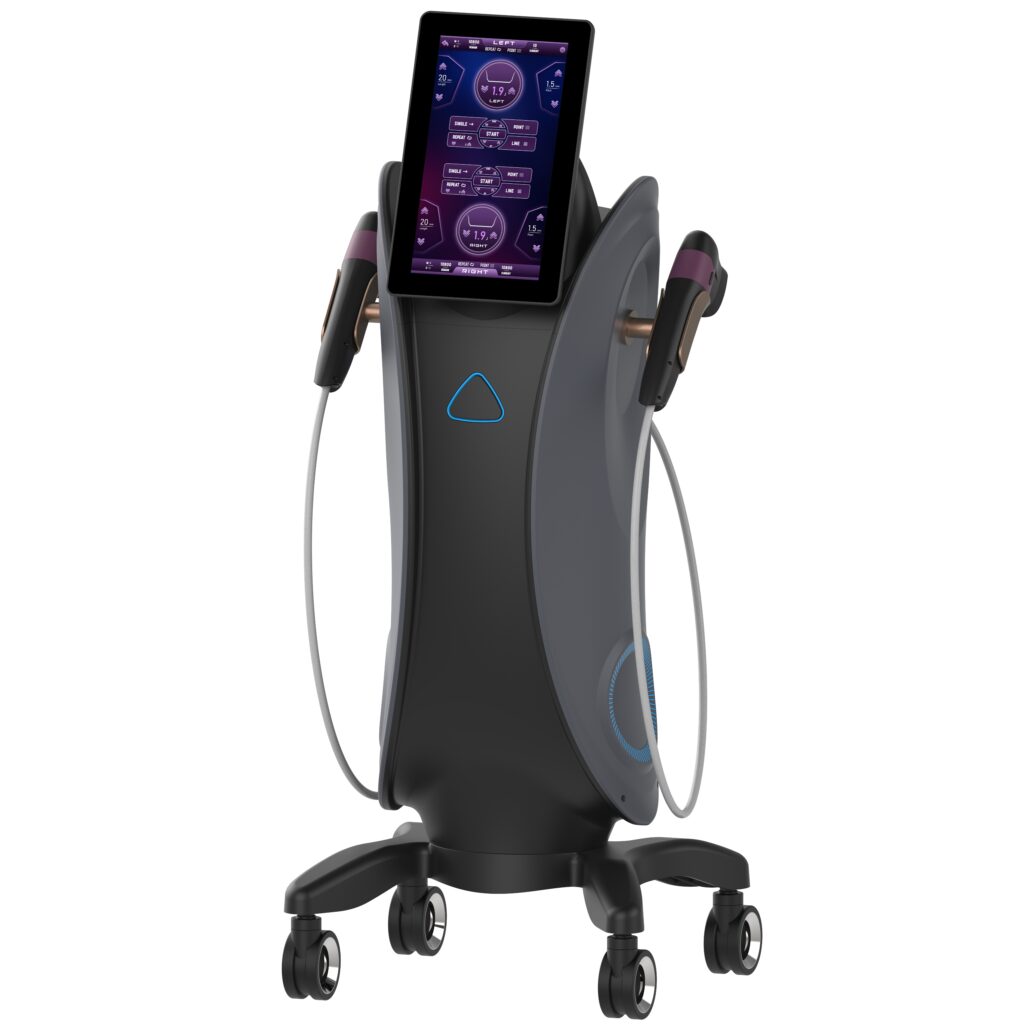
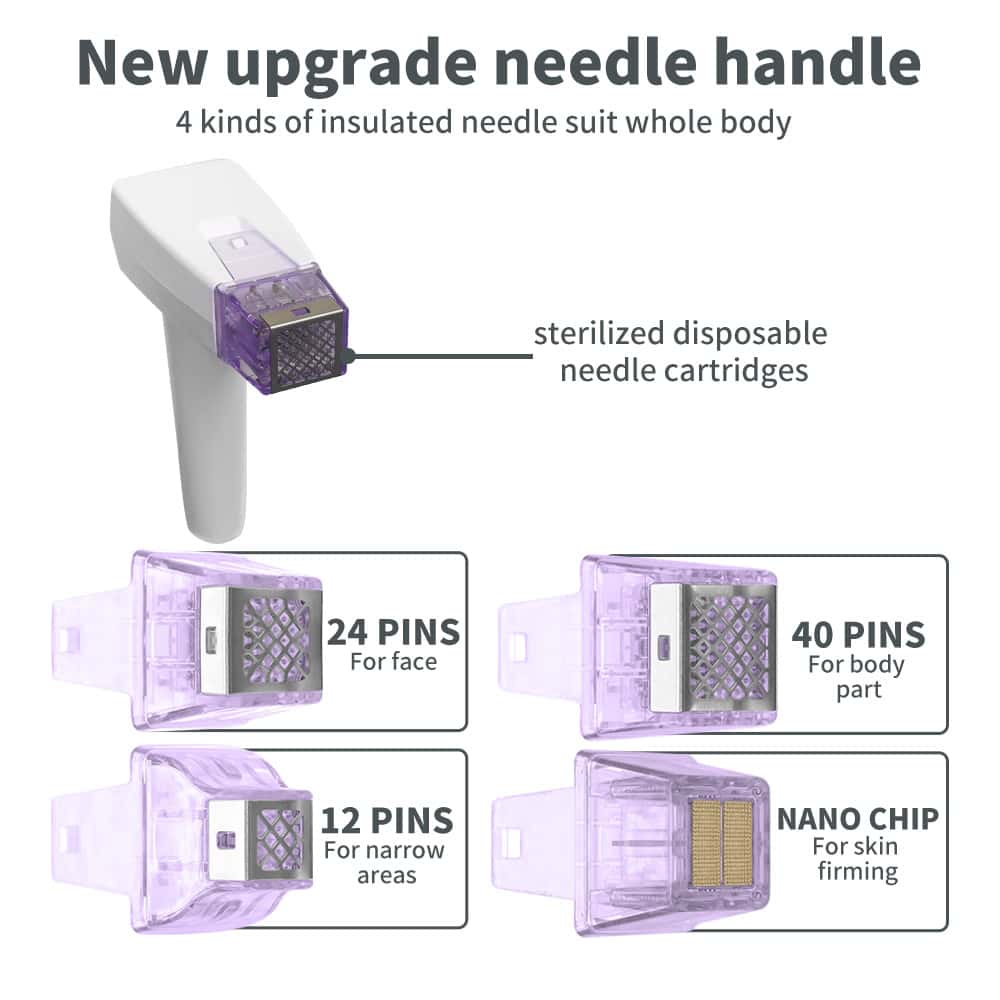
Zum Beispiel die MNRF Tiefen-8-RF-Maschine bietet vier austauschbare Behandlungsköpfe:
- 12-Pin-Aufsatz für gezielte Gesichtsbehandlungen
- 24-Pin-Spitze für Oberflächenerneuerungsverfahren
- 40-Pin-Spitze für größere Körperbereiche
- Nano-Nadelkopf für Anwendungen bei empfindlicher Haut
Die Wahl der richtigen Spitze gewährleistet eine effiziente Energieübertragung bei gleichzeitiger Minimierung unnötiger Verletzungen des umliegenden Gewebes.
2.2 Nano-Nadeln für empfindliche Haut verwenden
Patienten mit empfindlicher Haut, dünnem Gewebe oder erstmaliger Erfahrung mit Radiofrequenz-Mikroneedling können von Nanonadelbehandlungen profitieren. Diese Behandlungen können die Hautstruktur verbessern und erfordern im Vergleich zu tieferen Nadelpenetrationen eine kürzere Ausfallzeit und ein geringeres Irritationsrisiko.
A0157 fraktioniertes HF-Mikroneedling-Gerät
3. Behandlungstiefe präzise steuern
3.1 Vermeiden Sie übermäßiges Eindringen
Einer der wichtigsten Sicherheitsfaktoren bei der Radiofrequenz-Mikronadelung ist die Behandlungstiefe.
Tieferes Eindringen ist nicht immer besser. Zu große Tiefe kann Folgendes erhöhen:
- Schmerz
- Schwellung
- Blutergüsse
- Nervenreizung
- Längere Genesungsphase
Der Operateur sollte die minimale Tiefe wählen, die erforderlich ist, um das gewünschte klinische Ergebnis zu erzielen.
3.2 Computergestützte Tiefensteuerung nutzen
Fortgeschrittene Systeme wie die A0157 MNRF Tiefen-Mikroneedling 8 RF Es verfügt über eine computergestützte Behandlungstiefeneinstellung von 1 mm bis 7 mm sowie ein zusätzliches 1-mm-Wärmeprofil.
Diese Präzision ermöglicht es den Behandlern, die Behandlungen individuell anzupassen:
- Gesichtsdicke
- Körperbehandlungsbereiche
- Schweregrad der Narben
- Hautempfindlichkeit
Eine präzise Tiefenkontrolle verringert die Wahrscheinlichkeit einer Überbehandlung und fördert einheitlichere Ergebnisse.
4. Optimieren Sie die HF-Energieeinstellungen.
4.1 Vorsichtig beginnen
Ein häufiger Fehler unerfahrener Anwender ist die Verwendung übermäßig hoher HF-Energieeinstellungen.
Obwohl leistungsstarke Geräte eine signifikante Geweberegeneration bewirken können, kann eine übermäßig aggressive Behandlung das Risiko folgender Komplikationen erhöhen:
- Thermische Verbrennungen
- Übermäßige Entzündung
- Hyperpigmentierung
- Verzögerte Heilung
Es ist im Allgemeinen sicherer, mit konservativen Einstellungen zu beginnen und diese schrittweise an die Reaktion des Patienten anzupassen.
4.2 Gerätefunktionen verstehen
Das MNRF Depth 8 System liefert bis zu 300 W HF-Leistung und kann Gewebetiefen bis zu 8 mm anvisieren (7 mm Eindringtiefe plus 1 mm thermisches Profil).
Da eine so tiefe Wärmezufuhr erhebliche Umbaueffekte hervorrufen kann, sollten die Betreiber den Zusammenhang zwischen Folgendem vollständig verstehen:
- Nadeltiefe
- HF-Energie
- Pulsdauer
- Gewebedicke
Eine angemessene Schulung ist unerlässlich, bevor tiefergehende Behandlungsmethoden angewendet werden können.
5. Reduzierung von Hitzeschäden durch fortschrittliche Technologie
5.1 Verwendung isolierter Nadeldesigns
Die Nadelisolierung spielt eine wichtige Rolle für die Behandlungssicherheit.
Der A0157 MNRF Tiefe 8 Es verfügt über eine isolierte Konstruktion mit einer 0,5 mm leitfähigen Spitze. Diese Konfiguration fokussiert die HF-Energie auf die Zieltiefe anstatt entlang des gesamten Nadelschafts.
Zu den Vorteilen gehören:
- Präzisere Energiedeposition
- Verringerte epidermale Schädigung
- Geringeres Verbrennungsrisiko
- Verbesserter Patientenkomfort
5.2 Nutzen Sie die Vorteile des sequenziellen Tiefen-Targetings.
Moderne HF-Systeme können während einer einzigen Insertion Energie auf mehreren Gewebeebenen abgeben.
Das MNRF Depth 8 ist so konzipiert, dass es Gewebe in drei verschiedenen Tiefen in schnellen Millisekundenintervallen gezielt behandelt. Dieser Ansatz hilft dabei:
- Behandlungsgleichmäßigkeit verbessern
- Verkürzung der Eingriffszeit
- Wiederholte Gewebetraumata minimieren.
- Verringern Sie die Wahrscheinlichkeit von Bedienungsfehlern
Eine kontrolliertere Energieverteilung führt oft zu sichereren und besser vorhersehbaren Ergebnissen.

6. Strenge Infektionsschutzprotokolle einhalten
6.1 Befolgen Sie die korrekten Sterilisationsverfahren
Da Mikronadeln die Hautbarriere durchdringen, ist die Infektionsprävention von entscheidender Bedeutung.
Die Betreiber sollten:
- Verwenden Sie sterile Einweg-Nadelkassetten.
- Tragen Sie während der gesamten Behandlung Handschuhe.
- Desinfizieren Sie die Behandlungsbereiche gründlich.
- Beachten Sie die Wartungsrichtlinien des Herstellers.
- Gebrauchte Nadeln ordnungsgemäß entsorgen
Die Nichteinhaltung von Hygienestandards kann zu bakterieller Kontamination und Komplikationen nach der Behandlung führen.
6.2 Komponenten des Überwachungsgeräts
Die regelmäßige Überprüfung von Handstücken, Konnektoren und Nadelspitzen trägt zur Gewährleistung einer zuverlässigen Leistung bei.
Geräte mit zwei Handstücken, wie beispielsweise das MNRF Depth 8, erfordern regelmäßige Wartungsprüfungen, um die korrekte Energiezufuhr und Behandlungskonsistenz sicherzustellen.
7. Ausführliche Nachsorgeanweisungen bereitstellen.
7.1 Patienten über den Genesungsprozess aufklären
Viele Komplikationen entstehen dadurch, dass Patienten die Empfehlungen nach der Behandlung nicht befolgen.
Die Betreiber sollten den Patienten Folgendes raten:
- Vermeiden Sie direkte Sonneneinstrahlung.
- Verwenden Sie Breitband-Sonnenschutzmittel
- Die Haut mit Feuchtigkeit versorgen
- Vermeiden Sie aggressive Hautpflegeprodukte
- Behandelte Stellen nicht berühren oder kratzen
Eine klare Anleitung zur Nachsorge trägt dazu bei, Entzündungen zu reduzieren und eine optimale Heilung zu unterstützen.
7.2 Nachfolgeuntersuchungen planen
Nachfolgetermine ermöglichen es den Behandlern:
- Den Heilungsfortschritt überwachen
- Frühzeitige Komplikationen erkennen
- Zukünftige Behandlungseinstellungen anpassen
- Behandlungsergebnisse dokumentieren
Regelmäßige Beurteilungen tragen sowohl zur Patientensicherheit als auch zur langfristigen Zufriedenheit bei.
8. Investieren Sie in die kontinuierliche Weiterbildung Ihrer Bediener.
8.1 Bleiben Sie über klinische Protokolle auf dem Laufenden
Die RF-Mikroneedling-Technologie entwickelt sich weiterhin rasant. Anwender sollten regelmäßig an folgenden Schulungen teilnehmen:
- Herstellerschulungsprogramme
- Klinische Workshops
- Weiterbildungskurse
- Peer-Review-Forschungsberichte
Kontinuierliche Weiterbildung verbessert die Behandlungsqualität und reduziert vermeidbare Fehler.
8.2 Sammeln Sie Erfahrungen in verschiedenen Behandlungsbereichen
Die Radiofrequenz-Mikronadelung kann zahlreiche Probleme lösen, darunter:
- Aknenarben
- Dehnungsstreifen
- Vergrößerte Poren
- Falten
- Sonnenschäden
- Erschlaffung der Kieferlinie
- Submentales Fett
- Ungleichmäßige Hautstruktur
Jede Indikation erfordert unterschiedliche Behandlungsstrategien. Erfahrung hilft den Behandlern, die sichersten und wirksamsten Parameter für jeden Patienten auszuwählen.
Abschluss
Reduzierung RF-Mikronadelbehandlung Um Risiken zu minimieren, ist ein umfassender Ansatz erforderlich, der über die reine Gerätebedienung hinausgeht. Sichere und effektive Behandlungsergebnisse hängen von einer sorgfältigen Patientenbeurteilung, präziser Tiefenwahl, geeigneten Energieeinstellungen, strengen Infektionsschutzprotokollen und einer gründlichen Nachsorge ab. Moderne Plattformen wie das A0157 MNRF Depth 8 Microneedling RF bieten wertvolle Sicherheitsvorteile, darunter computergestützte Tiefenkontrolle, isolierte Nadeln mit leitfähiger Spitze, verschiedene Nadelkonfigurationen, zwei Handstücke und fraktionierte HF-Abgabe bis zu 8 mm Tiefe. Diese Merkmale ermöglichen es Anwendern, die Behandlung individuell an die Bedürfnisse des Patienten anzupassen, die Konsistenz zu verbessern und unnötige Gewebetraumata zu reduzieren. In Kombination mit fundierter Schulung und klinischer Expertise kann die moderne HF-Mikroneedling-Technologie beeindruckende Verjüngungsergebnisse bei gleichzeitig hohem Sicherheitsstandard für den Patienten erzielen.