









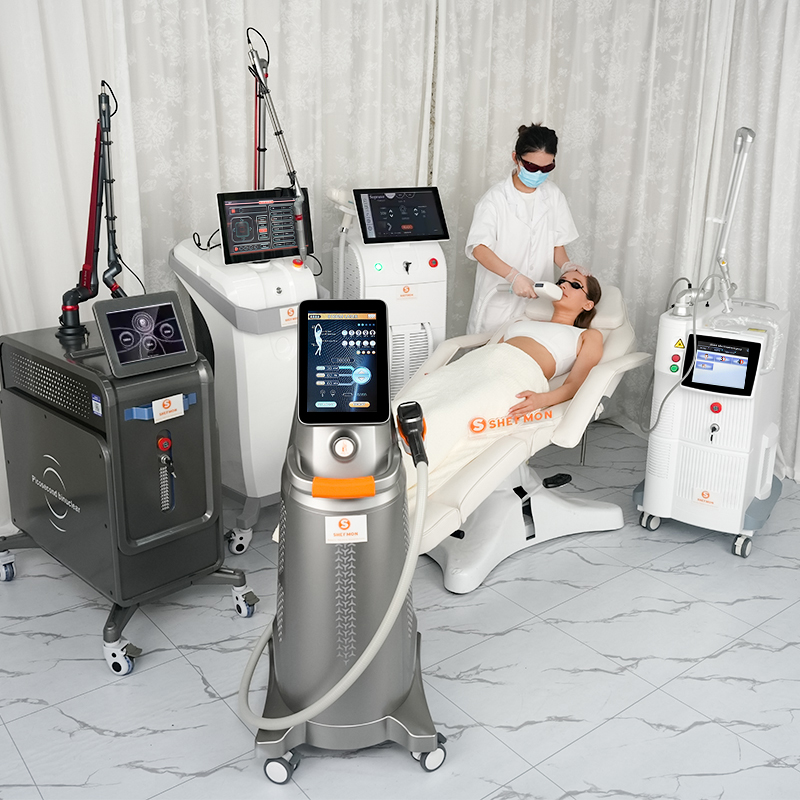
Die ästhetische Medizinbranche wächst stetig, da Verbraucher vermehrt nicht-invasive und minimal-invasive Behandlungen zur Hautverjüngung, Körperformung, Haarentfernung und Anti-Aging nachfragen. Kliniken, medizinische Spas und Kosmetikstudios haben daher Zugang zu einem breiten Spektrum an Behandlungen. ästhetische medizinische Geräte. Die Wahl der richtigen Geräte kann jedoch eine Herausforderung sein, insbesondere wenn mehrere Technologien ähnliche Vorteile zu bieten scheinen. Um fundierte Investitionsentscheidungen treffen zu können, ist es unerlässlich, die Unterschiede zwischen verschiedenen ästhetischen Geräten zu verstehen. Dieser Leitfaden erklärt, wie Sie verschiedene Arten von ästhetischen Medizingeräten anhand von Technologie, Behandlungsanwendungen, Leistung, Sicherheit und wirtschaftlichem Nutzen vergleichen können.
1. Gerätevergleich anhand der Behandlungsziele
1.1 Geräte zur Gesichtsverjüngung und Hautstraffung
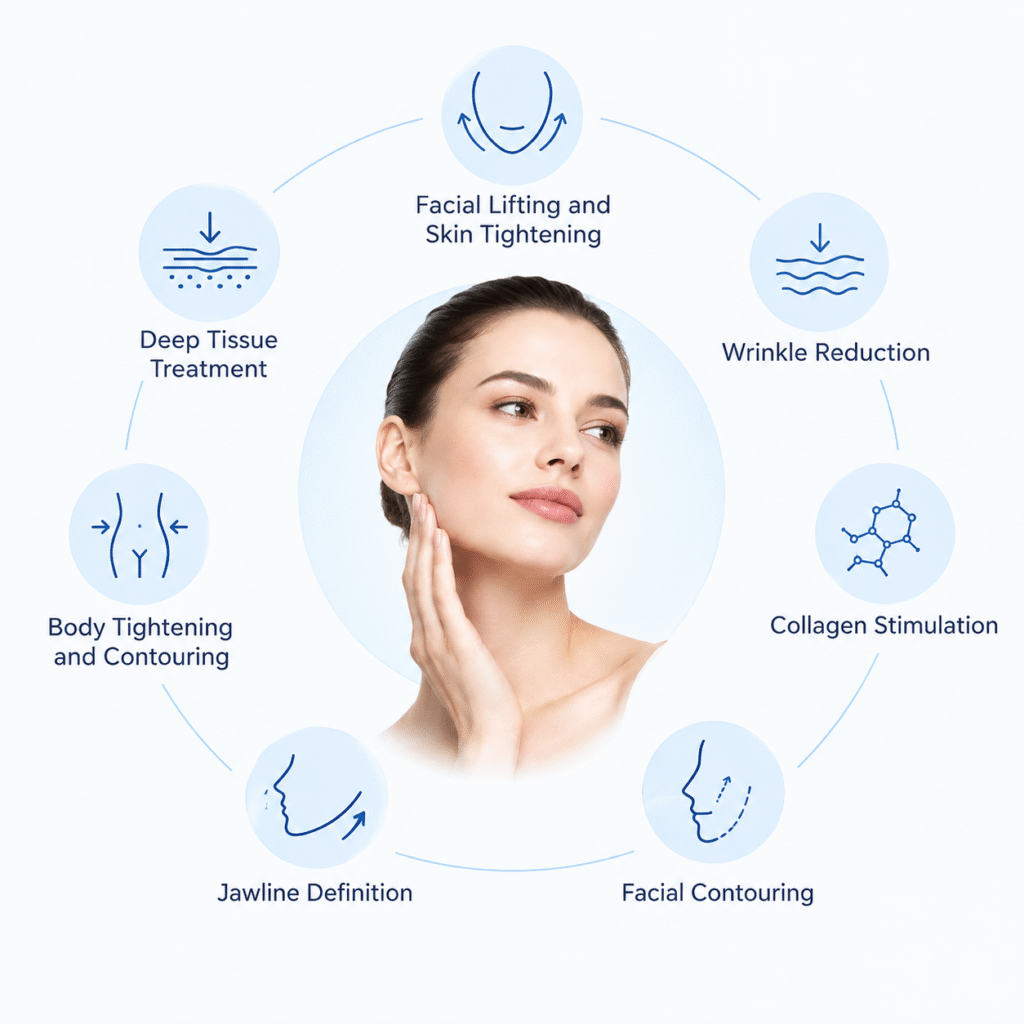
Der erste Schritt beim Vergleich ästhetischer Geräte besteht darin, das primäre Behandlungsziel zu bestimmen. Für die Gesichtsverjüngung und Hautstraffung werden üblicherweise verschiedene Technologien eingesetzt.
Radiofrequenzgeräte (RF-Geräte) nutzen kontrollierte Wärme, um die Kollagenproduktion anzuregen und die Hautfestigkeit zu verbessern. Diese Behandlungen sind beliebt, da sie nur kurze Ausfallzeiten erfordern und für verschiedene Hauttypen geeignet sind.
Hochintensiver fokussierter Ultraschall (HIFU) wirkt in tieferen Gewebeschichten und zielt auf das oberflächliche muskuläre Aponeurosensystem (SMAS) ab, um einen Lifting- und Straffungseffekt zu erzielen. HIFU wird häufig von Kunden gewählt, die sich eine nicht-operative Gesichtsstraffung wünschen.
1.2 Geräte zur Körperformung und Fettreduktion
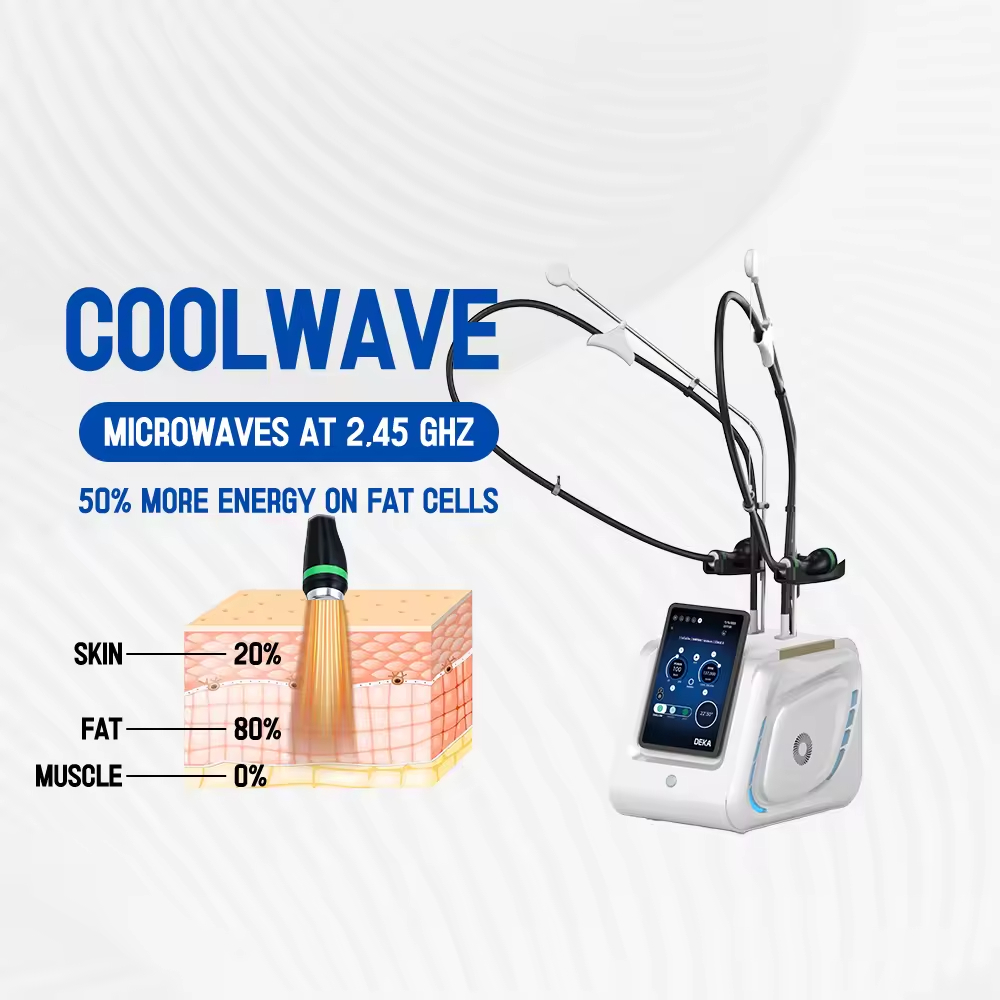
Für Anwendungen im Bereich der Körperformung zählen Kryolipolyse und RF-Körperkonturierungssysteme zu den gängigsten Optionen.
Kryolipolysegeräte nutzen kontrollierte Kühltechnologie, um hartnäckige Fettzellen gezielt zu reduzieren. Sie sind besonders wirksam bei lokalisierten Fettdepots an Körperstellen wie Bauch, Oberschenkeln und Flanken.
Radiofrequenzsysteme zur Körperkonturierung straffen nicht nur die Haut, sondern verbessern auch die Körperform. Je nach Kundenwunsch bieten manche Kliniken beide Technologien an, um umfassende Behandlungslösungen anzubieten.
2. Energietechnologien bewerten
2.1 Laserbasierte Systeme
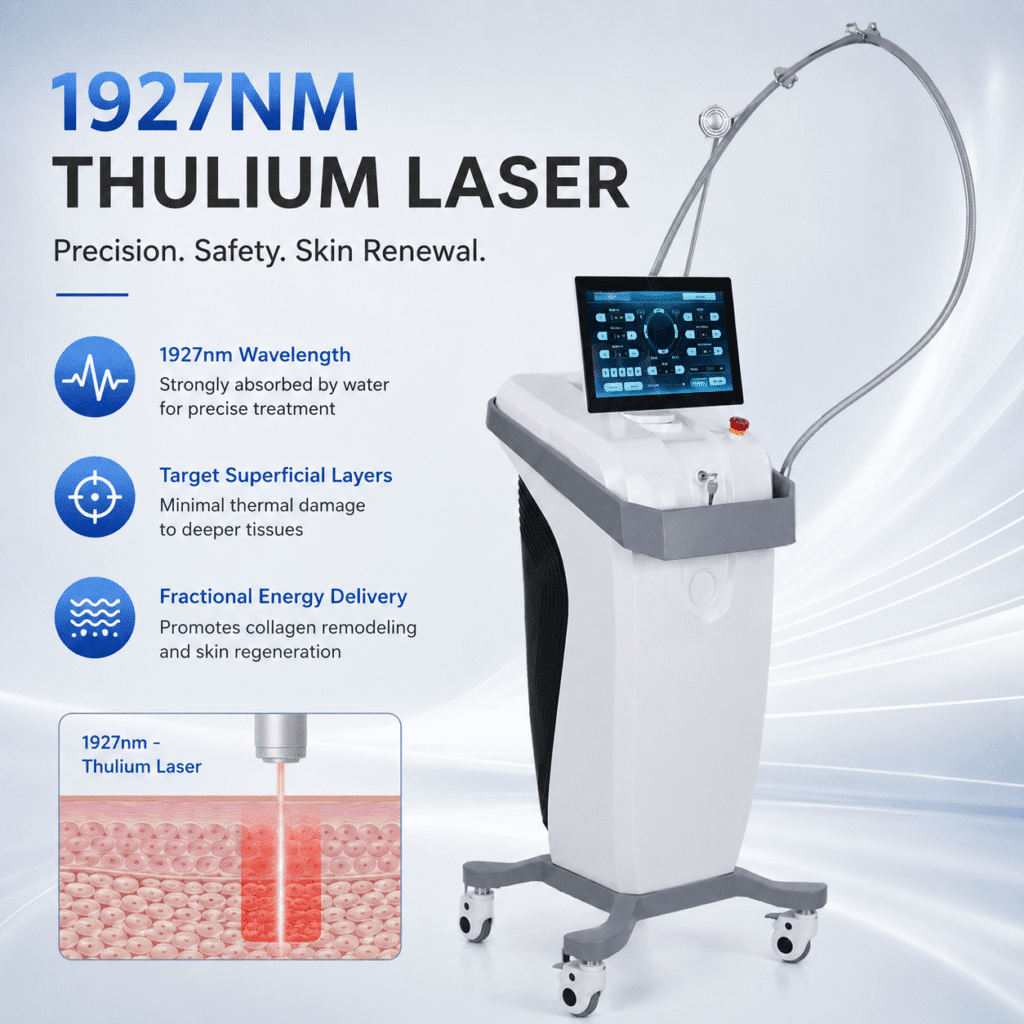
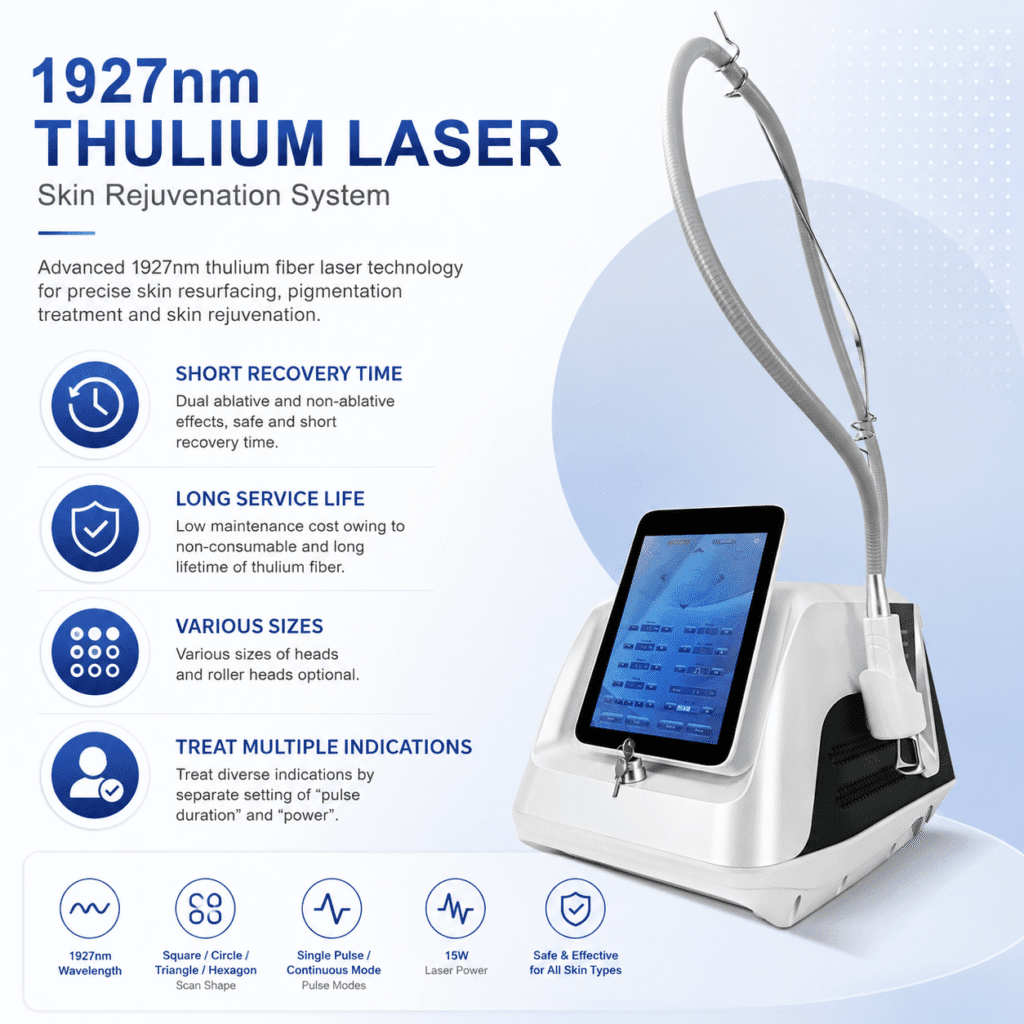
Lasertechnologie wird in der ästhetischen Medizin häufig zur Haarentfernung, Pigmentkorrektur, Gefäßbehandlung und Hauterneuerung eingesetzt.
Diodenlaser gelten als eine der effektivsten Lösungen zur langfristigen Haarreduktion. Sie ermöglichen eine tiefe Gewebepenetration und können größere Bereiche effizient behandeln.
Andere Lasertechnologien konzentrieren sich möglicherweise auf spezifische Probleme wie Pigmentierung oder die Verbesserung der Hautstruktur. Beim Vergleich von Lasergeräten sollten Käufer Wellenlänge, Energieabgabe, Behandlungsgeschwindigkeit und Kühlleistung berücksichtigen.
2.2 Nicht-Laser-Energiegeräte
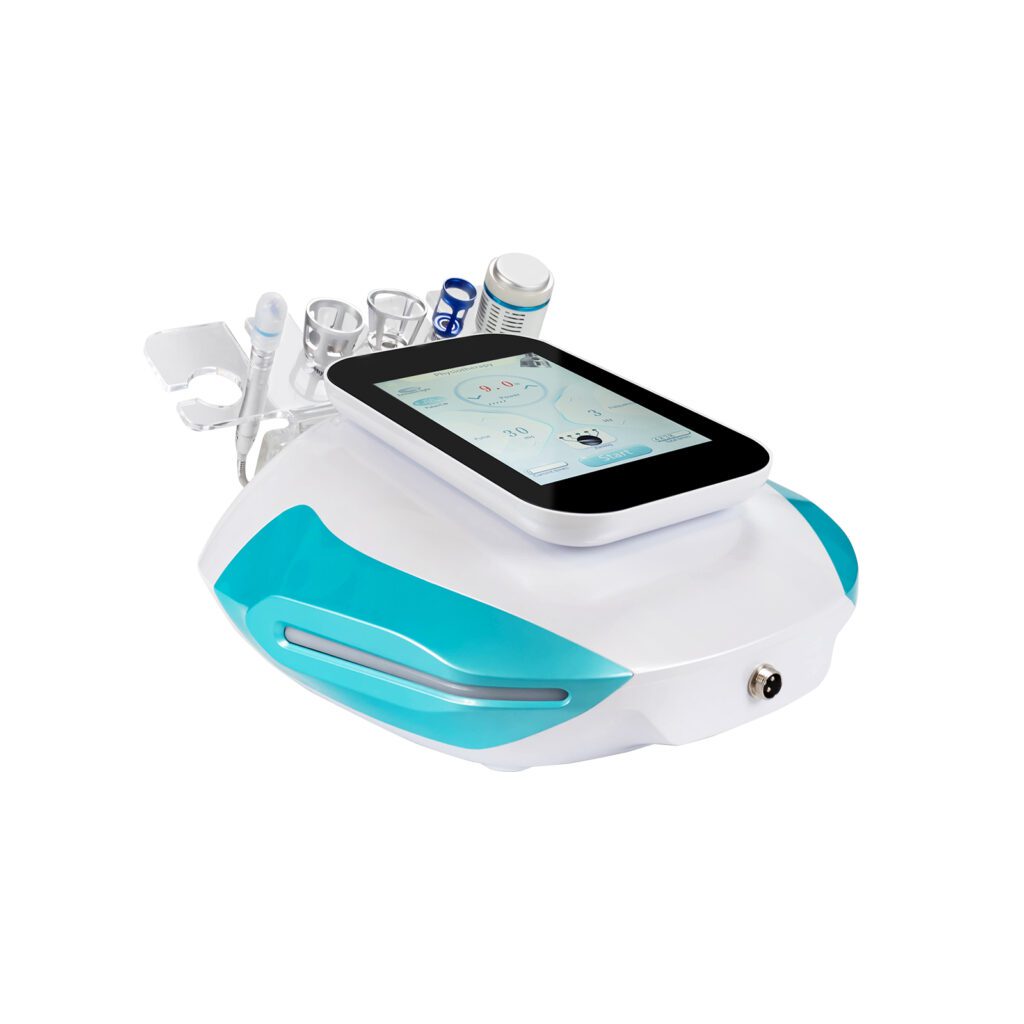
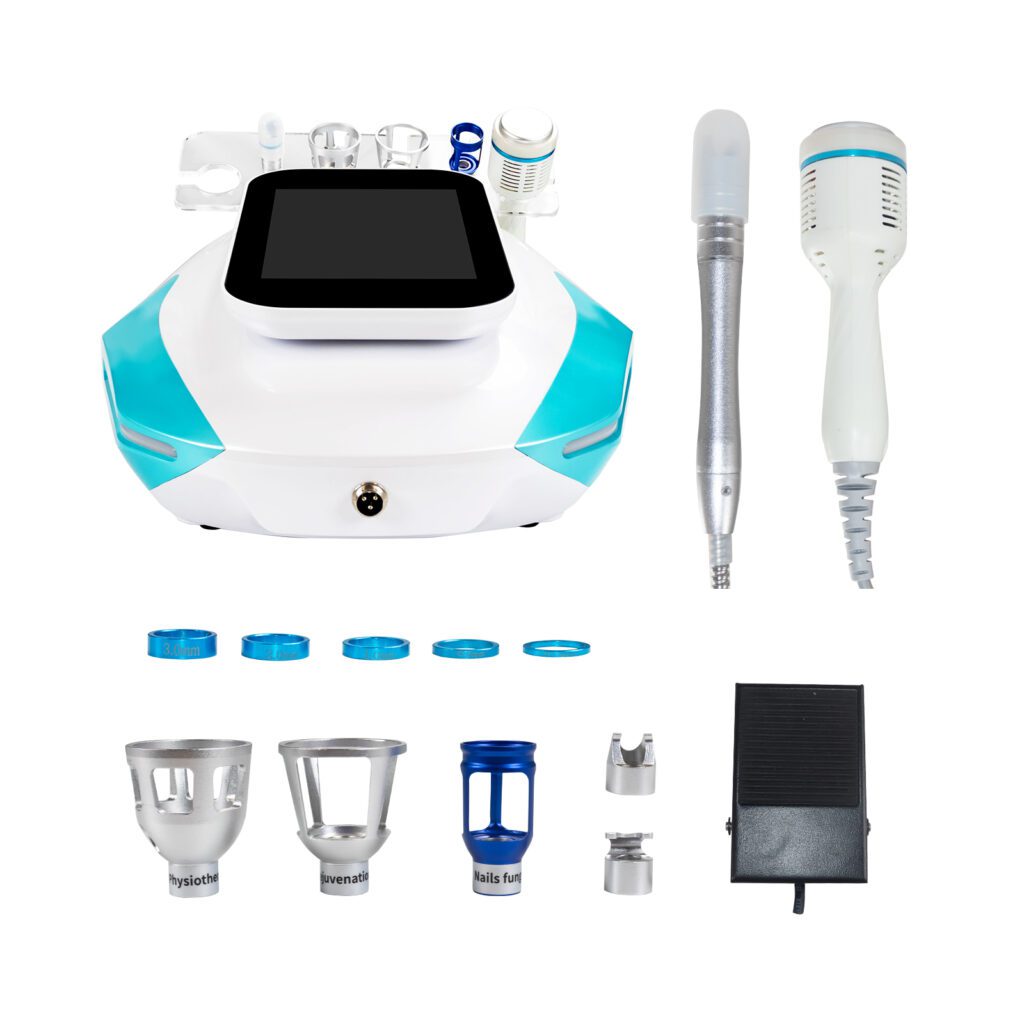
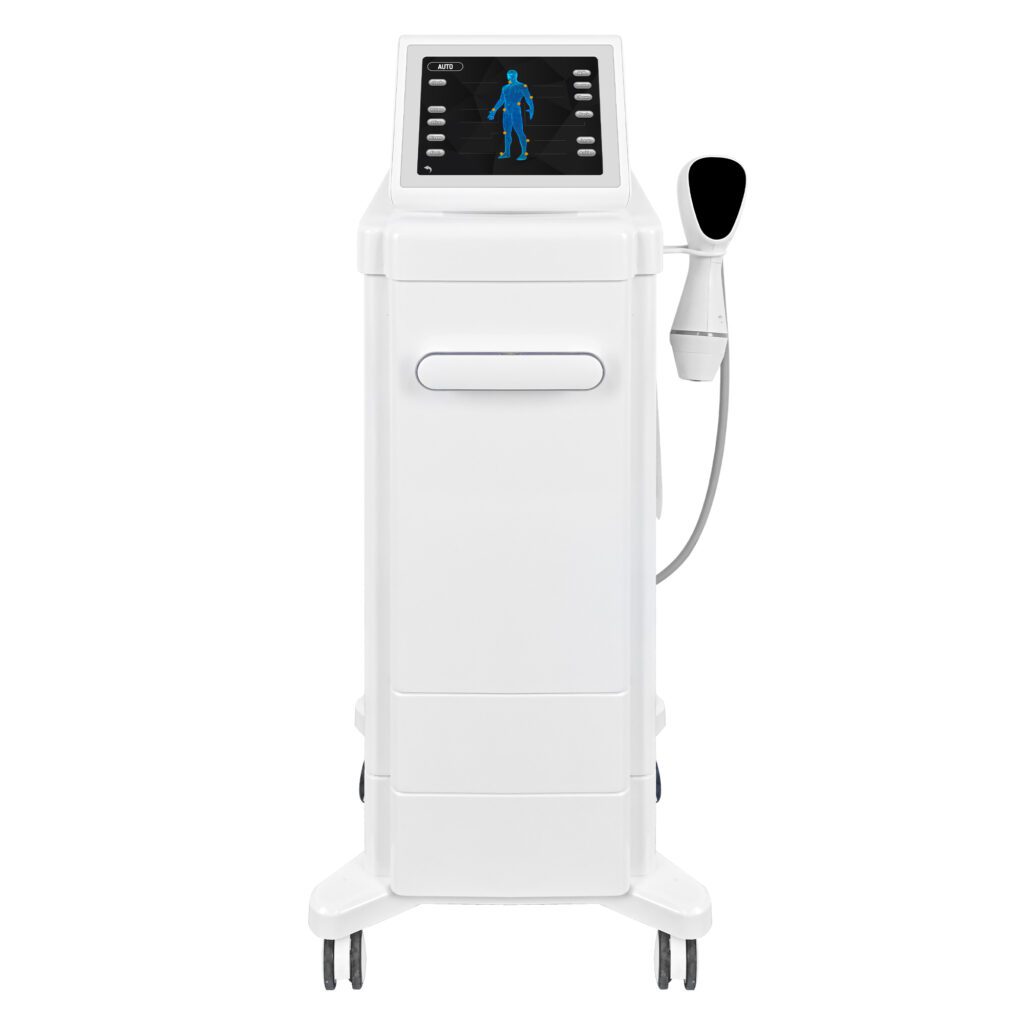
Nicht alle ästhetischen Behandlungen basieren auf Laserenergie. Technologien wie Ultraschall, Radiofrequenz und Elektroporation bieten alternative Lösungen zur Hautstraffung und -verjüngung.
Diese Systeme bieten oft geringere Ausfallzeiten und eine breitere Eignung für verschiedene Behandlungen, was sie zu attraktiven Optionen für Kliniken macht, die ein vielfältiges Leistungsangebot anstreben.
3. Behandlungsergebnisse und Kundenerwartungen vergleichen
3.1 Geschwindigkeit der sichtbaren Ergebnisse
Unterschiedliche Technologien erzielen Ergebnisse in unterschiedlicher Geschwindigkeit.
Bei Kryolipolyse-Behandlungen kann es mehrere Wochen dauern, bis eine merkliche Fettreduktion eintritt, da der Körper die behandelten Fettzellen nach und nach abbaut.
HIFU-Behandlungen führen oft über einen Zeitraum von zwei bis drei Monaten zu fortschreitenden Verbesserungen, da sich in tieferen Gewebeschichten neues Kollagen bildet.
Radiofrequenzbehandlungen können einen sofortigen Straffungseffekt der Haut erzielen, wobei sich die Verbesserungen nach mehreren Sitzungen fortsetzen.
Das Verständnis dieser Zeitabläufe hilft Kliniken, realistische Erwartungen bei den Patienten zu wecken.
3.2 Anzahl der erforderlichen Sitzungen
Bei manchen Behandlungen sind bereits nach einer einzigen Sitzung spürbare Verbesserungen festzustellen, während bei anderen mehrere Termine erforderlich sind.
Beispielsweise wird HIFU häufig als Lösung für eine einmalige Behandlung zur Straffung und Festigung vermarktet, während RF-basierte Behandlungen in der Regel eine Reihe von Sitzungen erfordern, um optimale Ergebnisse zu erzielen.
Der Vergleich von Behandlungsprotokollen ist wichtig, um sowohl den Komfort für den Patienten als auch potenzielle Umsatzmöglichkeiten zu bewerten.
4. Sicherheit und Patientenkomfort beurteilen
4.1 Komfortniveau bei der Behandlung
Das Kundenerlebnis spielt eine entscheidende Rolle für die Beliebtheit einer Behandlung. Geräte, die effektive Ergebnisse bei minimalem Unbehagen liefern, erzielen oft höhere Zufriedenheitsraten und eine stärkere Kundenbindung.
Moderne Diodenlasersysteme verfügen häufig über fortschrittliche Kühltechnologien, um den Tragekomfort zu verbessern. Haarentfernung Verfahren.
Ebenso sind neuere HF- und Ultraschallgeräte so konzipiert, dass sie den Komfort verbessern, ohne die Wirksamkeit der Behandlung zu beeinträchtigen.
4.2 Eignung für verschiedene Hauttypen
Nicht jedes Gerät ist für alle Patienten gleichermaßen geeignet. Manche Technologien erzielen bei bestimmten Hauttönen oder Hautzuständen bessere Ergebnisse.
Beim Vergleich von Geräten sollten Kliniken prüfen, ob die Ausrüstung eine sichere Behandlung eines breiten Patientenspektrums ermöglicht. Vielseitige Systeme können dazu beitragen, den potenziellen Kundenstamm zu erweitern und die Flexibilität des Betriebs zu verbessern.
5. Betriebseffizienz und Instandhaltung analysieren
5.1 Behandlungsgeschwindigkeit und Arbeitsablauf
Unternehmen im ästhetischen Bereich müssen berücksichtigen, wie effizient sich eine Maschine in den täglichen Arbeitsablauf integrieren lässt.
Geräte mit größeren Behandlungsflächen, schnellerer Energieabgabe und vereinfachten Betriebssystemen können die Behandlungszeiten verkürzen und die Terminkapazität erhöhen.
Durch die höhere Effizienz können Kliniken mehr Patienten behandeln, ohne die Behandlungsqualität zu beeinträchtigen.
5.2 Wartungs- und Verbrauchskosten
Der Kaufpreis ist nur ein Teil der Gesamtinvestition. Käufer sollten auch die langfristigen Betriebskosten vergleichen.
Wichtige Faktoren sind unter anderem:
- Lebensdauer des Handstücks
- Anforderungen an den Patronenwechsel
- Wartung des Kühlsystems
- Software-Updates
- Ersatzteilverfügbarkeit
Maschinen mit geringerem Wartungsaufwand bieten oft einen besseren langfristigen Nutzen.

6. Geschäftsziele und Kapitalrendite berücksichtigen
6.1 Passende Ausrüstung für Zielkunden
Die ideale Maschine hängt von den Dienstleistungen ab, die eine Klinik anbieten möchte, und den Bedürfnissen ihrer Zielgruppe.
Eine Klinik, die sich auf Anti-Aging-Behandlungen spezialisiert hat, könnte HIFU priorisieren und HF-Technologien, Ein Unternehmen, das sich an jüngere Kunden richtet, könnte hingegen eine größere Nachfrage nach Laser-Haarentfernungs- und Aknebehandlungssystemen feststellen.
Die Anschaffung von Ausrüstung, die der lokalen Marktnachfrage entspricht, erhöht die Auslastung und die Rentabilität.
6.2 Bewertung des Umsatzpotenzials
Unterschiedliche Behandlungsformen eröffnen unterschiedliche Umsatzmöglichkeiten. Käufer sollten Faktoren wie die folgenden vergleichen:
- Durchschnittliche Behandlungskosten
- Sitzungshäufigkeit
- Kundenbindungsraten
- Cross-Selling-Möglichkeiten
Maschinen, die mehrere Behandlungskategorien unterstützen, können zusätzliche Einnahmequellen erschließen und die Gesamtleistung des Unternehmens verbessern.
Abschluss
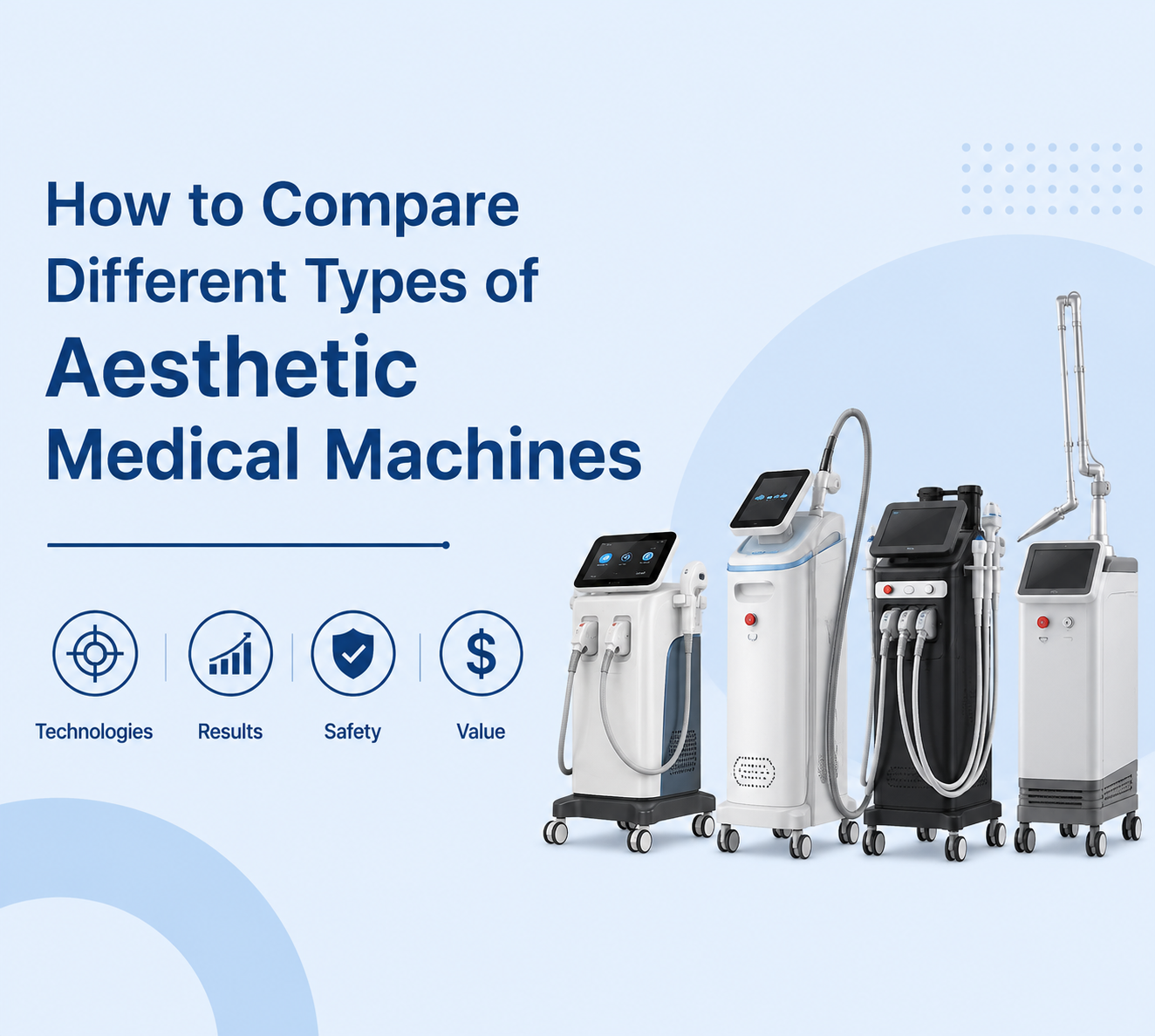
Der Vergleich verschiedener ästhetischer Medizingeräte erfordert mehr als nur die Prüfung technischer Daten. Kliniken und Kosmetikstudios sollten Geräte anhand von Behandlungszielen, Energietechnologie, Behandlungsergebnissen, Sicherheit, Betriebseffizienz und Rentabilität bewerten. Durch den sorgfältigen Vergleich von Technologien und praktischen Leistungsfaktoren können ästhetische Fachkräfte ein Behandlungsportfolio aufbauen, das sowohl hervorragende Kundenergebnisse als auch nachhaltiges Unternehmenswachstum ermöglicht.