A small body contouring studio does not need the longest possible treatment list. It needs a focused menu that fits one room, a manageable appointment schedule and a clear client-consultation process. Cryolipolysis can become a useful category when the studio sells localized contour planning rather than general weight loss.
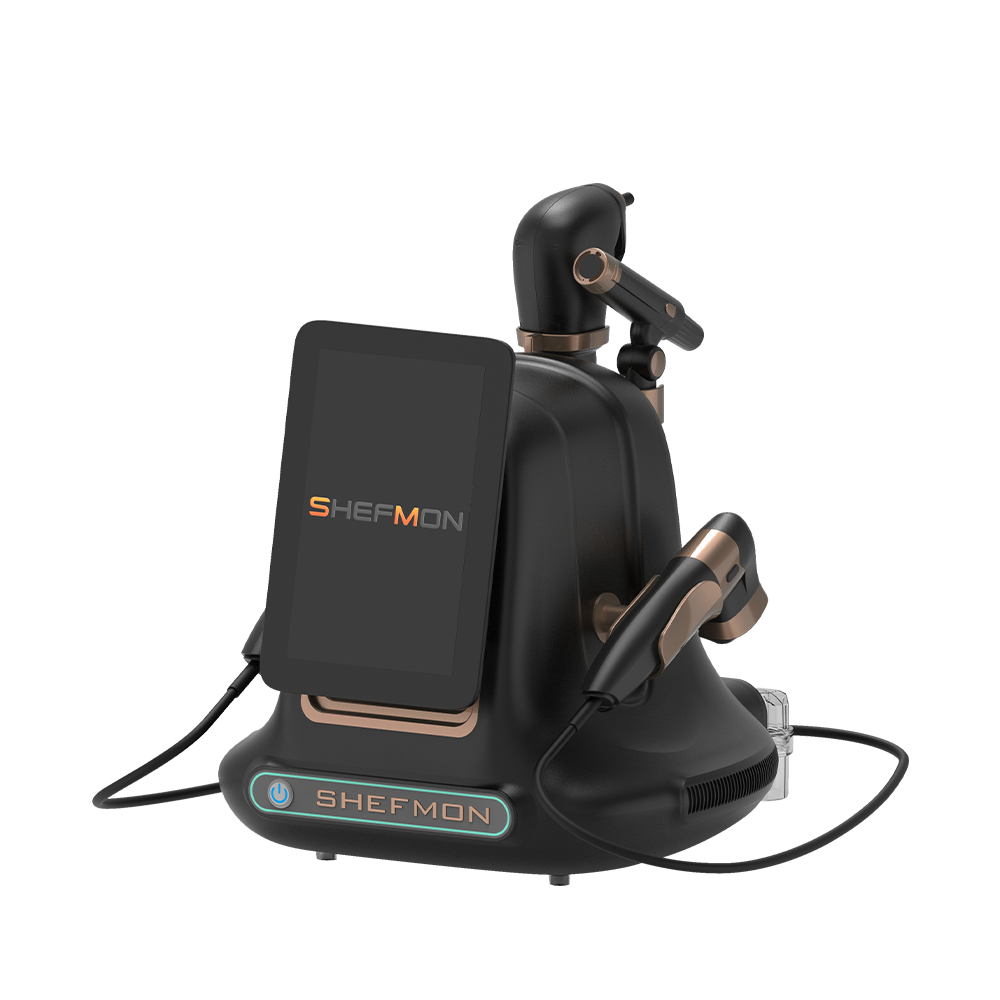
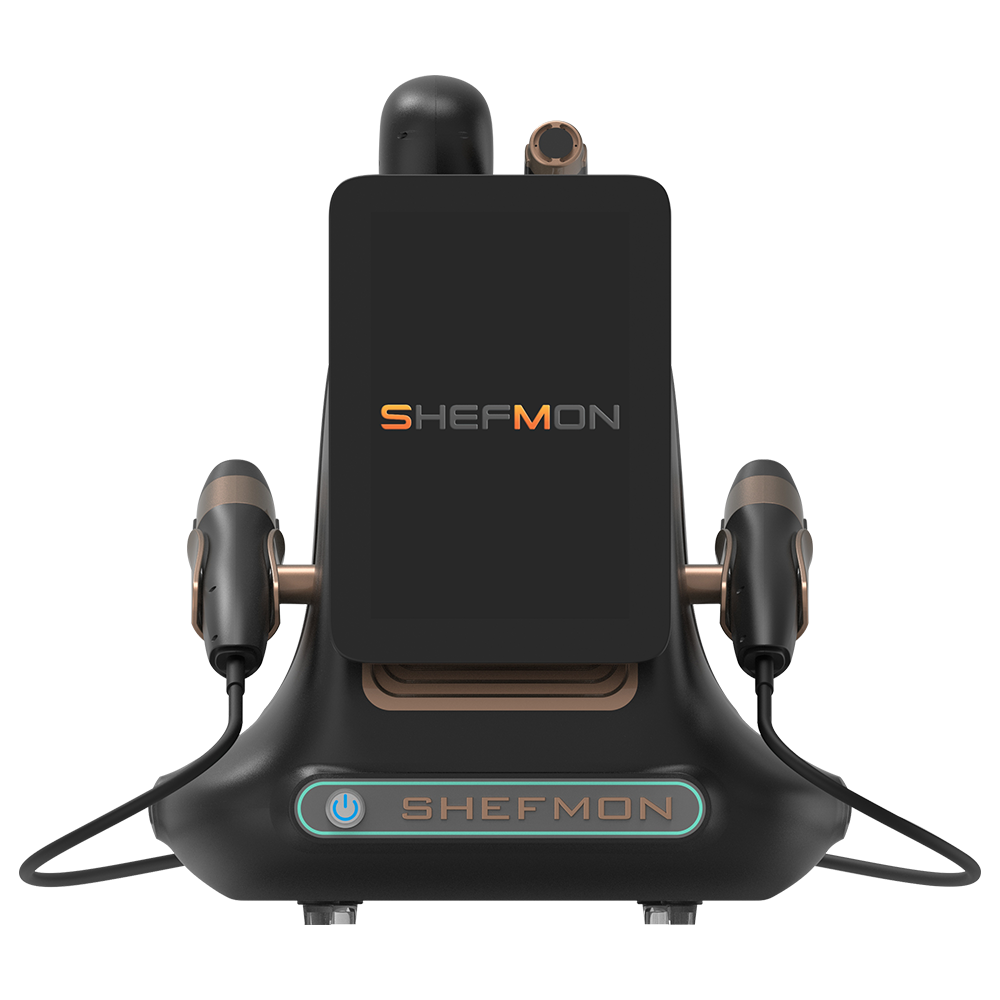
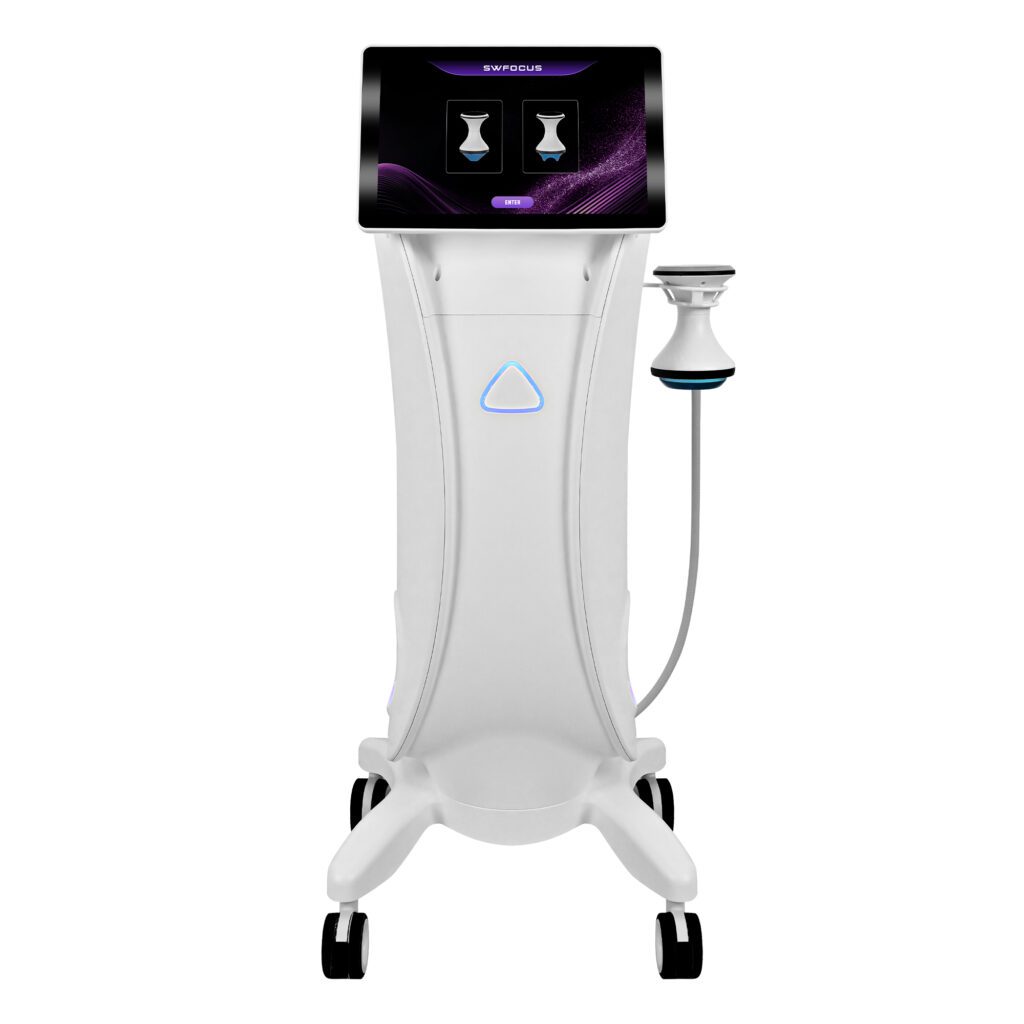
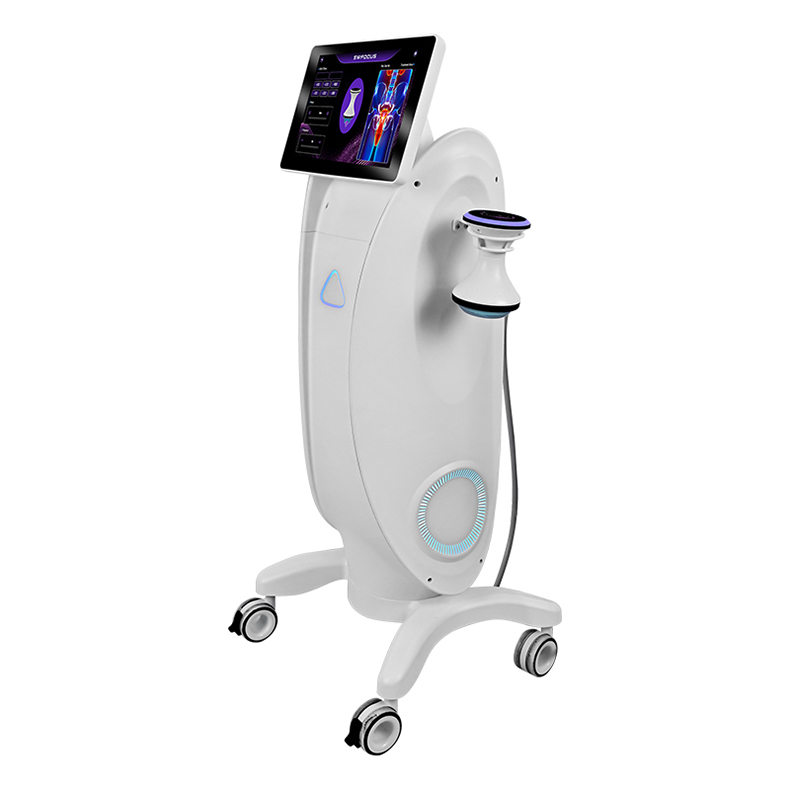
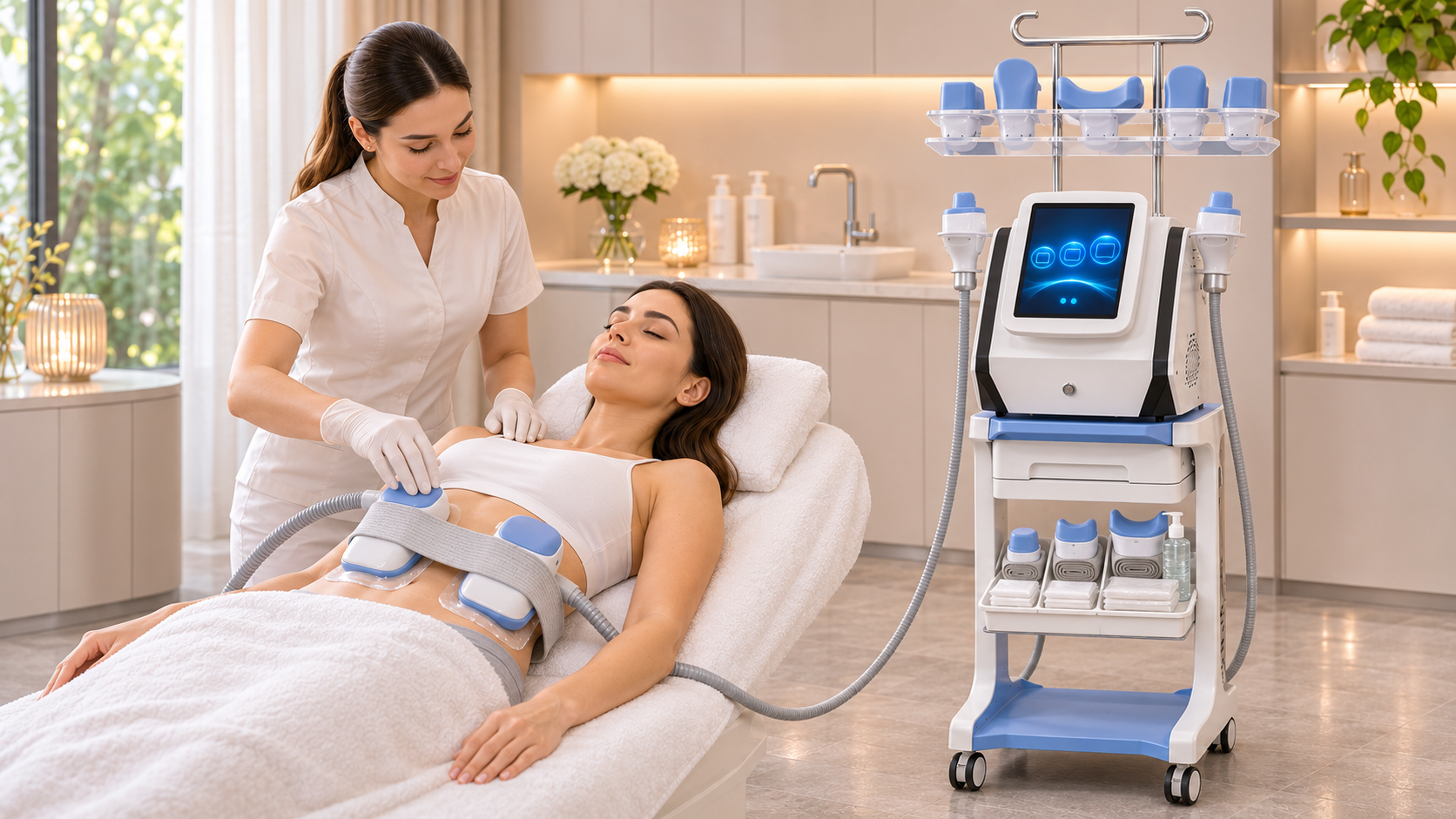
ال SHEFMON S10 portable cryolipolysis machine is positioned as a two-handle system with 360-degree all-around cooling technology. This guide shows how a small studio can turn that equipment direction into practical consultation, single-area, paired-area and staged body contouring services while keeping screening, room workflow, consumables, records and realistic expectations visible.
ملخص تنفيذي
- Position S10 for localized body contouring, not obesity treatment or overall weight loss.
- Start with a consultation and body-area mapping service before quoting a course.
- Use simple menu tiers: single focus area, paired symmetrical areas, multi-zone planning and review.
- Treat the two handles as a workflow tool; they do not automatically make every two-area combination appropriate.
- Build appointment prices around applicator use, room time, consumables, monitoring and follow-up rather than promising a result per session.
- Keep temperature, suction, time and applicator selection inside the device manual and trained operator protocol, not on the public menu.
- Screen carefully for cold-sensitivity disorders, poor circulation, compromised skin, hernia-related concerns and other conditions named in the supplied instructions or local professional guidance.
1. Product Introduction: What Is S10?
S10 is a portable-positioned cryolipolysis system for professional body contouring services. The current SHEFMON product page lists two handles and 360-degree all-around cooling technology, making the model relevant to smaller salons, startup body studios and multi-service businesses that cannot dedicate a large room to one body platform.
The public specifications list:
| غرض | S10 public product information |
|---|---|
| اسم المنتج | جهاز التخسيس بالعلاج بالتبريد 360 |
| التكنولوجيا الرئيسية | تقنية تبريد شاملة بزاوية 360 درجة |
| مقابض | Two-handle product positioning |
| شاشة | شاشة تعمل باللمس مقاس 10.4 بوصة |
| نصائح | Standard 5, maximum 7 listed |
| تبريد | Five listed gears, from 1 to -15 degrees C |
| Heating | Four listed gears, from 37 to 45 degrees C, with preheating information on the page |
| مكنسة | Five listed gears, 10-80 kPa |
| طاقة الخرج | 1000W listed |
| ضبط الوقت | 1-99 minutes, with 60 minutes shown as the page default |
| الجهد االكهربى | تيار متردد 110 فولت/220 فولت، 50-60 هرتز |
These figures describe the available system controls; they are not universal treatment instructions. The appropriate applicator, cooling level, vacuum, time and monitoring plan must follow the current manual, training, local requirements and individual assessment.
S10 belongs in SHEFMON’s Cryolipolysis machine category. A small studio should choose it because the equipment format and service capacity fit the business, not simply because the lowest listed temperature looks impressive.
2. Functional Principle: How Cryolipolysis Supports Localized Contouring
Cryolipolysis is commonly called fat freezing. A compatible applicator uses vacuum to draw a selected fold of tissue into the treatment cup while controlled cooling is applied. Fat cells are more sensitive to controlled cold exposure than some surrounding tissues. After appropriate treatment, affected fat cells may be cleared gradually through the body’s natural processes.
This is why the client-facing result develops over time rather than immediately at the end of the appointment. It is also why a studio should schedule review points instead of selling daily or rapidly repeated sessions.
Cryolipolysis is a localized body contouring procedure. It does not treat obesity, create the health benefits of weight loss or replace nutrition and physical activity. A responsible menu uses phrases such as “localized contouring” and “visible bulge reduction planning” rather than rapid-weight-reduction wording.
3. Why S10 Fits a Small Studio
Small body studios usually have one or two treatment rooms, limited storage and a team that performs several service categories. Their equipment needs to support reliable room turnover without making the menu difficult to explain.
S10 can fit this environment because it provides:
- portable product positioning for flexible room planning;
- two handles for selected paired-area or workflow arrangements;
- several listed tip options for area matching;
- integrated cooling, heating and vacuum controls;
- a single technology story that staff can explain clearly;
- an entry point into body contouring without starting with a large multifunction platform.
Portable does not mean casual or home use. The studio still needs a stable treatment bed, enough clearance for hoses and operator movement, appropriate electrical supply, cleaning and consumable storage, client privacy and an escalation plan.
4. Build the Menu Around Areas and Complexity
Clients understand body areas and goals more easily than tip numbers or cooling levels. The public menu should therefore name the service by area complexity, while the operator record contains the technical choices.
| Client-facing menu | Internal planning record |
|---|---|
| Cryolipolysis Consultation and Body Mapping | history, screening, area assessment, photographs, measurements and suitability decision |
| Single Focus Area Contouring | applicator, placement map, settings, consumable batch and observed response |
| Paired Area Contouring | left/right placement, handle assignment, symmetry notes and separate monitoring records |
| Multi-Zone Contouring Plan | priority areas, staged schedule, review points and limits per visit |
| مراجعة التقدم المحرز | healing, sensation, photographs, measurements and next-step decision |
This separation keeps the menu simple without weakening the treatment record. It also prevents reception staff from recommending settings or applicators before the consultation.
5. Recommended S10 Service Menu
Service 1: Cryolipolysis Consultation and Body Mapping
Every new client should start with a consultation. The provider reviews the client’s goal, explains what localized contouring can and cannot do, examines the requested area within professional scope and determines whether S10 is an appropriate direction.
The service may include:
- goal and expectation discussion;
- relevant health and treatment history;
- cold-sensitivity and circulation screening;
- examination of skin integrity and the target tissue fold;
- check for scars, suspected hernia or structural concerns;
- standardized photographs with consent;
- area mapping and applicator-fit assessment;
- written plan, referral or decision not to treat.
The consultation can be paid, complimentary or credited toward a future appointment. It should still be documented as a professional service.
Service 2: Single Focus Area Contouring
This is the simplest paid S10 service. It is designed for one suitable localized area assessed with a compatible applicator. Examples may include a selected abdomen, flank, upper arm, thigh or back area where the supplied applicator, product instructions and local authorized use are appropriate.
The package can include:
- pre-appointment confirmation;
- area mapping and photography;
- one planned applicator placement or treatment zone;
- procedure monitoring;
- written post-procedure guidance;
- scheduled review.
Avoid calling it a “one-session fat removal” service. One appointment is the purchased service; the degree of visible change is not a fixed product.
Service 3: Paired Symmetry Contouring
The two-handle format can support selected left/right service planning, such as suitable paired flanks or other symmetrical areas. The clinic should assess each side separately, confirm that the applicators fit correctly and monitor both placements.
Two handles do not mean the studio should treat two unrelated body areas automatically. Paired planning is most useful when the areas have a clear symmetry goal and the device protocol permits simultaneous operation.
The menu description can emphasize:
- bilateral area mapping;
- separate photographs and placement records;
- balanced applicator planning;
- monitored two-handle workflow;
- follow-up symmetry review.
Service 4: Abdomen and Flank Contouring Plan
Many small studios receive requests about the waistline, abdomen and flanks. Instead of selling all zones in one appointment, offer a mapped plan that prioritizes suitable areas and stages placements according to professional protocol.
The plan can include:
- consultation and full waistline map;
- first-priority area treatment;
- healing and progress review;
- next-zone decision;
- final photography and maintenance discussion.
This staged model is easier to schedule in a one-room studio and avoids treating “full abdomen” as one undefined service.
Service 5: Small-Area Contouring Assessment
Smaller localized areas may need a different tip and more careful fit assessment. The studio should not advertise every small area simply because several tips are listed. The menu can offer an assessment service first, then confirm whether the supplied applicator is intended and suitable for that site.
This is particularly important near anatomical structures, scars or areas with limited tissue volume. When the area is outside the product instructions or operator scope, decline and refer.
Service 6: Multi-Zone Body Contouring Plan
For clients concerned about more than one area, sell a staged plan rather than an unlimited package. Rank the zones by priority, document why each is suitable and define review points before the next stage.
A multi-zone plan may include:
- body mapping consultation;
- a limited number of planned treatment visits;
- photographs and measurements at agreed checkpoints;
- area-specific records;
- revised plan after each review;
- a stop, pause or referral option when needed.
The package should specify services and review points, not a promised number of centimeters or kilograms.
Service 7: Progress Review
The review visit should be a visible menu item even if it is included in the treatment price. Cryolipolysis changes are gradual, and the clinic needs time to assess sensation, skin condition, contour and client satisfaction.
During review, compare photographs under consistent conditions, record the client’s experience and decide whether to continue, wait, change the area priority or refer. A review is not an automatic repeat-treatment booking.
6. Example Entry, Core and Premium Menu Tiers
Small studios can reduce menu clutter by using three tiers.
| المستوى | Suggested name | Included service logic | الأنسب |
|---|---|---|---|
| دخول | S10 Focus Area | consultation plus one suitable localized area and review | first-time cryolipolysis clients |
| جوهر | S10 Paired Contour | consultation plus selected symmetrical area planning and review | suitable bilateral flanks or other paired areas |
| غالي | S10 Multi-Zone Plan | body mapping, staged priority zones and scheduled progress reviews | returning clients with several appropriate localized goals |
The premium tier should not mean more cooling, stronger suction or as many placements as possible. Its value comes from more planning, documentation and staged follow-up.
7. Consultation and Screening Workflow
Clarify the goal
Ask whether the client wants a change in one localized contour or expects general weight loss. If the primary goal is weight reduction or health improvement, explain that cryolipolysis does not provide that outcome and recommend appropriate healthcare or lifestyle support.
Assess the target area
The provider should confirm that the area has suitable tissue for the intended applicator, intact skin and no obvious condition that requires referral. Photographs and a placement map make later review more consistent.
Screen for cold-related and structural risks
The current consultation form should follow the supplied product instructions and local professional guidance. Important reasons to postpone, decline or seek medical clearance can include cold-sensitivity disorders, poor circulation in the area, compromised skin, relevant nerve or sensation problems, and a suspected or known hernia or structurally weak abdominal area.
Cold-related conditions described by health authorities include Raynaud’s disease, cold urticaria, cryoglobulinemia, paroxysmal cold hemoglobinuria and cold agglutinin disease. Staff should not try to diagnose these conditions. The purpose of screening is to identify a history that requires medical review or exclusion according to protocol.
Set expectations and obtain informed consent
Explain that response varies, several treatments may be needed and some clients may not achieve the desired change. Discuss expected short-term responses and recognized complications according to the current consent materials and professional guidance.
The consent discussion should include the possibility of pain or discomfort, redness, swelling, bruising, numbness, skin-color change, cold injury and less common serious complications such as paradoxical adipose hyperplasia. The provider should explain when and how the client can contact the studio or seek medical care.
8. Two-Handle Scheduling for a One-Room Studio
Two handles can improve service design, but they do not double every appointment’s capacity. Staff still need time for consultation, marking, consumable placement, applicator fit, monitoring, removal, cleaning and documentation.
Build the schedule with separate blocks for:
- consultation and room preparation;
- applicator placement;
- active monitored procedure time;
- applicator removal and skin check;
- الرعاية اللاحقة وإعادة الحجز؛;
- room cleaning and machine inspection.
Do not book another client simply because both handles are attached to the first client. One trained operator must be able to monitor the active procedure according to clinic policy and local requirements.
For paired areas, label or document each handle and placement clearly. If one side needs to stop, the record should show what happened on each side rather than treating the session as one undivided event.
9. Tip and Applicator Planning
The product page lists five standard tips and a maximum of seven. Buyers should confirm which tips are included in the actual quotation and which body areas each supplied applicator is intended to serve.
Applicator selection should consider:
- the contour and size of the target tissue fold;
- stable contact and vacuum fit;
- hose placement and operator access;
- the supplied manual’s area guidance;
- توافق المواد الاستهلاكية؛;
- whether paired placements can be monitored safely.
A public menu should not promise that one tip fits every abdomen, arm or thigh. Applicator fit is part of professional assessment and may change the service recommendation.
10. Consumables, Cleaning and Daily Checks
A small studio needs a simple inventory system because running out of one protective supply can stop the service day. Confirm the manufacturer’s current consumable requirements for the supplied configuration.
مسار:
- protective membranes or pads required by the system;
- cleaning and disinfection materials compatible with the applicators;
- linens and client-positioning supplies;
- measurement and photography tools;
- replacement seals, filters or other service parts named in the manual;
- consent, treatment record and aftercare forms.
Daily checks should cover the screen, handpieces, hoses, connectors, vacuum performance, visible wear, alarms and cleanliness. Record faults and remove the device from service when the manual or technical support indicates that operation should stop.
11. Treatment-Room Setup
Even a compact system needs a deliberate layout. Place S10 where the operator can see the screen, reach the client and keep hoses free from sharp bends or walkways.
The room should include:
- a stable adjustable treatment bed;
- clear access around the intended body area;
- dedicated electrical supply that matches the quotation and local requirements;
- storage for clean tips and consumables;
- a separate area for used items;
- privacy for assessment and photography;
- a visible emergency contact and escalation process;
- enough ventilation and temperature control for comfortable monitored appointments.
Avoid moving the machine between rooms during an active appointment. “Portable” is a product format, not a reason to compromise a controlled professional setup.
12. Records and Progress Photography
A reusable S10 record should include:
- consultation date and screening outcome;
- target area and placement map;
- baseline photographs and measurement method;
- applicator or tip used;
- handle assignment for paired areas;
- settings selected by the trained provider;
- consumable details where traceability is needed;
- observed response and client feedback;
- aftercare supplied;
- review findings and next decision.
Use the same lighting, body position, camera distance and measurement method at review visits. Photography should show progress honestly, not exaggerate differences through posture or lighting.
13. Aftercare and Follow-Up Communication
Provide written aftercare based on the current device instructions and professional protocol. Tell clients what temporary responses may occur, how to care for the area and which changes require prompt contact or medical evaluation.
The follow-up system can include:
- a short post-appointment check-in;
- a defined route for reporting unusual pain, skin injury or other concerns;
- a scheduled visual review after an appropriate interval;
- a later progress assessment before planning additional treatment.
Do not use follow-up messages only to sell another session. They are part of safety, documentation and expectation management.
14. Combining S10 With Other Body Services
A studio may sell cryolipolysis alongside massage, roller, RF or EMS services, but a commercial package is not automatically a same-day treatment protocol. Timing and sequencing should follow the manuals, training, client assessment and professional guidance for each technology.
A safer menu structure is:
- S10 cryolipolysis as one clearly defined service;
- separate body-care or wellness services with their own screening;
- combination packages that state the included appointments without promising they occur in one visit;
- review before adding another energy or mechanical treatment to the same area.
This protects the studio from turning a marketing bundle into an unverified treatment combination.
15. S10 Compared With Other SHEFMON Body Platforms
S10 is most useful when space, menu simplicity and entry-stage demand matter. Other models may fit a studio that needs a different capacity or technology mix.
| احتياجات المشتري | Relevant SHEFMON direction | لماذا |
|---|---|---|
| Compact two-handle cryolipolysis menu | س10 | Portable positioning and a focused fat-freezing workflow |
| Larger dedicated cryolipolysis platform | S9 360 cryolipolysis machine | Stronger platform positioning for established body centers |
| Cryolipolysis plus roller body-care category | S25 Cryolipolysis Endos Velapro machine | Two distinct body-service categories in one product direction |
| Cryolipolysis plus EMS positioning | S26-CryoEMS body shaping machine | Cooling and muscle-stimulation service story |
A startup should not buy a multifunction machine merely to display more technologies. S10 can be the better first purchase when the studio wants to master one consultation and treatment pathway before expanding.
16. Pricing Logic for Small Studios
Price should reflect the service resources used, not a promised number of kilograms or centimeters. Consider:
- consultation and photography time;
- one or two applicator placements;
- treatment-room occupancy;
- operator monitoring;
- المواد الاستهلاكية الواقية؛;
- cleaning and turnover;
- مواعيد المراجعة؛;
- local staff, rent, maintenance and warranty costs.
For a simple menu, publish a starting price for a defined single area and require consultation for paired or multi-zone plans. Make clear whether the price covers one placement, one area, one appointment or a limited package. Undefined whole-body pricing is difficult to schedule and easy to misunderstand.
17. Responsible Marketing Language
Recommended phrases include:
- “localized cryolipolysis body contouring”;
- “consultation-led single-area and paired-area plans”;
- “designed for suitable clients after professional screening”;
- “gradual contour change varies by client and treatment area”;
- “compact two-handle system for professional studios.”
Avoid statements that suggest:
- cryolipolysis treats obesity;
- the procedure produces general weight loss;
- every client achieves the same reduction;
- one appointment removes all unwanted fat;
- no screening, recovery or risk discussion is needed;
- the machine is suitable for unsupervised home use.
Clear marketing helps a small studio attract clients with realistic goals and reduces pressure on staff to defend exaggerated advertisements.
18. Buyer Checklist Before Ordering S10
Ask SHEFMON to confirm the current quotation and supplied configuration:
- number, sizes and intended body areas of included tips;
- whether optional sixth and seventh tips are available;
- simultaneous two-handle operating guidance;
- cooling, heating, vacuum and time controls for the quoted model;
- required membranes, pads and other consumables;
- screen, voltage, plug and electrical requirements;
- package dimensions and installation needs;
- operator manual and training materials;
- cleaning, maintenance and spare-part support;
- warranty scope and technical service process;
- destination-market documents and labeling;
- branding or التعاون بين مصنعي المعدات الأصلية ومصممي التصميم الأصلي if relevant.
The public product page is useful for initial selection. The final service menu should be built only after the studio receives the exact configuration, manual and training for the purchased unit.
التعليمات
1. What is the S10 portable cryolipolysis machine?
S10 is a professional two-handle cryolipolysis system positioned for localized body contouring. Its product page lists 360-degree all-around cooling, multiple tip options, vacuum, heating controls and a 10.4-inch touch screen.
2. Why is S10 suitable for a small body contouring studio?
Its portable product positioning and focused two-handle workflow can fit studios with limited space and a simple service menu. The studio still needs a controlled treatment room, trained staff and proper storage.
3. What services can a small studio place on the menu?
A practical menu can include consultation and body mapping, single focus area contouring, selected paired-area contouring, staged multi-zone planning and progress reviews.
4. Can S10 be marketed for weight loss?
No. Cryolipolysis is intended for localized body contouring, not obesity treatment or general weight loss. Marketing should focus on suitable localized areas and realistic expectations.
5. Do two handles mean two clients can be treated at once?
No. The two handles are part of one machine workflow. Staffing, monitoring, room policy and the supplied instructions determine how the system can be used. A small studio should not assume two-handle operation doubles client capacity.
6. Which body areas can S10 treat?
That depends on the included applicators, the purchased configuration, local authorized uses and client assessment. Buyers should confirm each tip’s intended areas with SHEFMON and the supplied manual before publishing the menu.
7. How should a studio screen cryolipolysis clients?
Use a professional form based on the device instructions and local guidance. Screening should identify cold-sensitivity disorders, circulation concerns, compromised skin, structural or hernia concerns and other reasons to decline or seek medical clearance.
8. How many sessions should the studio sell?
Do not advertise one universal number. Begin with assessment, define a limited plan and review the client’s response before recommending additional appointments.
9. Is S10 the same as S9 or S26-CryoEMS?
No. S10 is positioned as a compact two-handle cryolipolysis model. S9 has a larger dedicated platform identity, while S26-CryoEMS adds an EMS service direction.
10. What should be confirmed before purchasing S10?
Confirm included tips, consumables, simultaneous handle guidance, voltage, room needs, training, maintenance, warranty, spare parts and destination-market documentation. Build the final menu from the quoted configuration rather than assumptions.
خاتمة
S10 gives a small body contouring studio a focused way to introduce cryolipolysis without creating an oversized or confusing menu. The strongest starting structure is consultation, one suitable focus area, selected paired-area planning, staged multi-zone services and documented progress reviews.
The device’s two handles, 360-degree cooling positioning and multiple listed tips can support flexible service design, but the business value comes from screening, applicator fit, monitoring, records and realistic client communication. Cryolipolysis should remain a localized contouring service rather than a weight-loss promise.
مراجعة الوضع الحالي SHEFMON S10 product page or browse the SHEFMON cryolipolysis range to compare configurations for your studio.