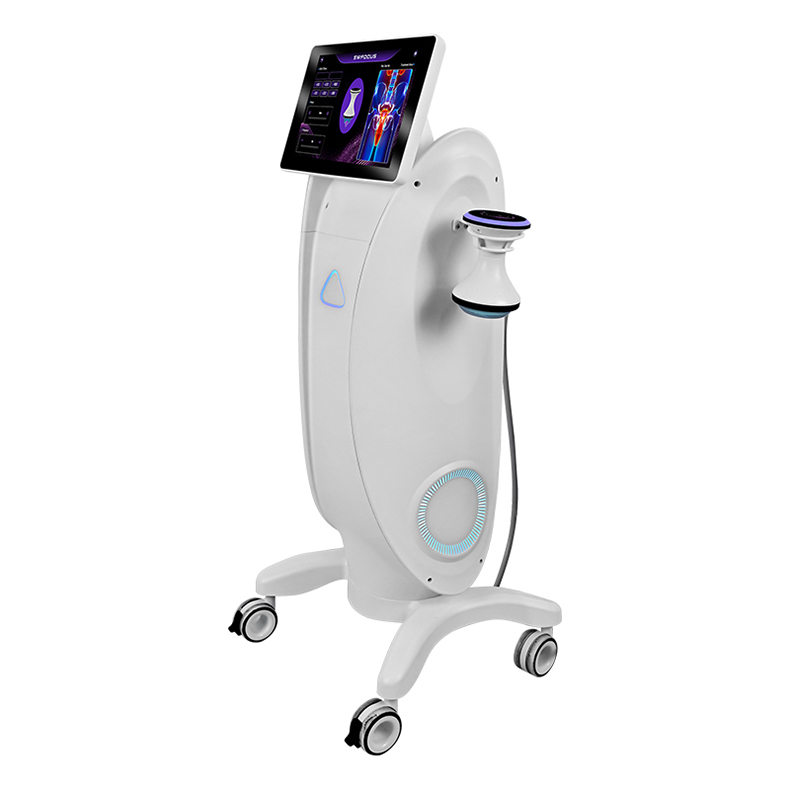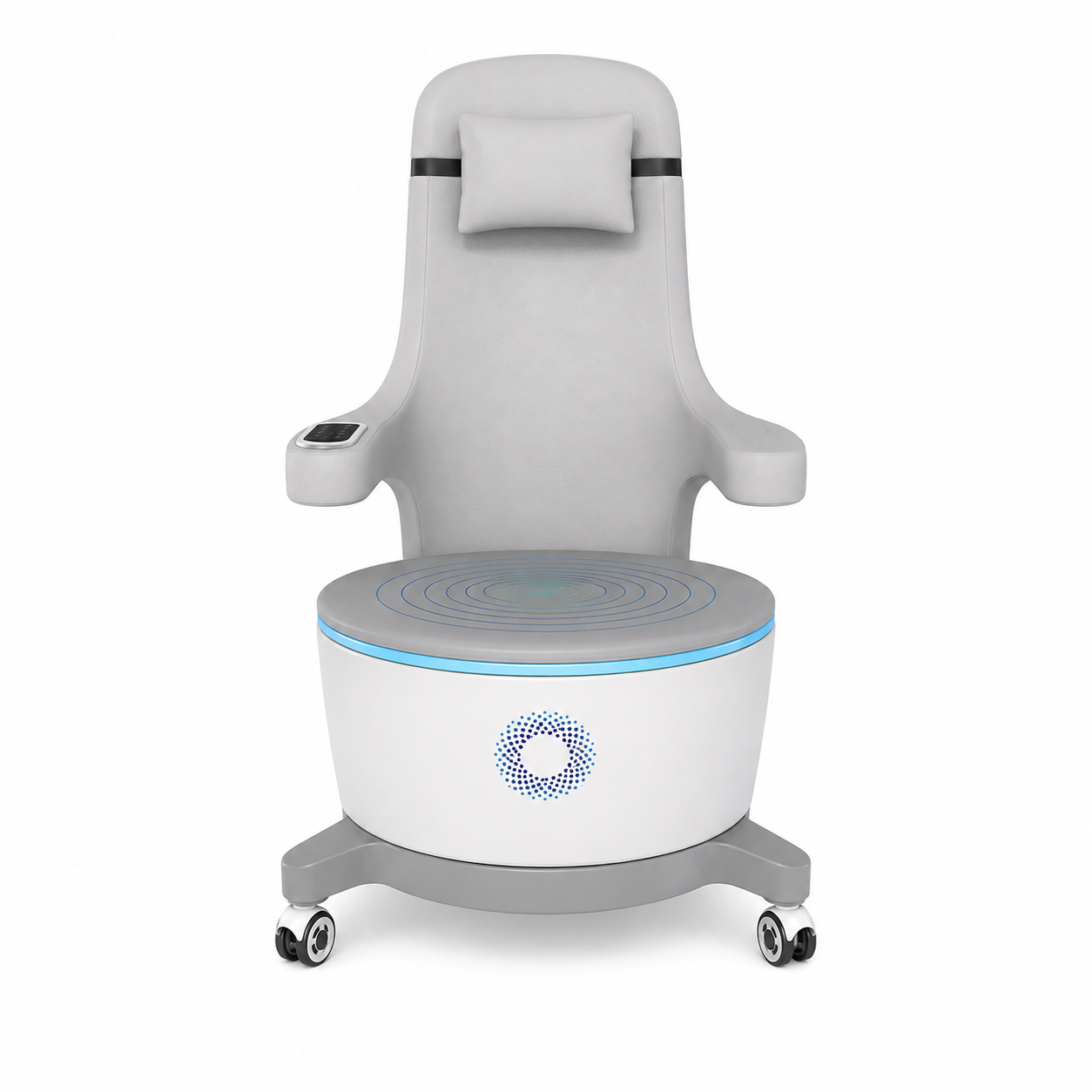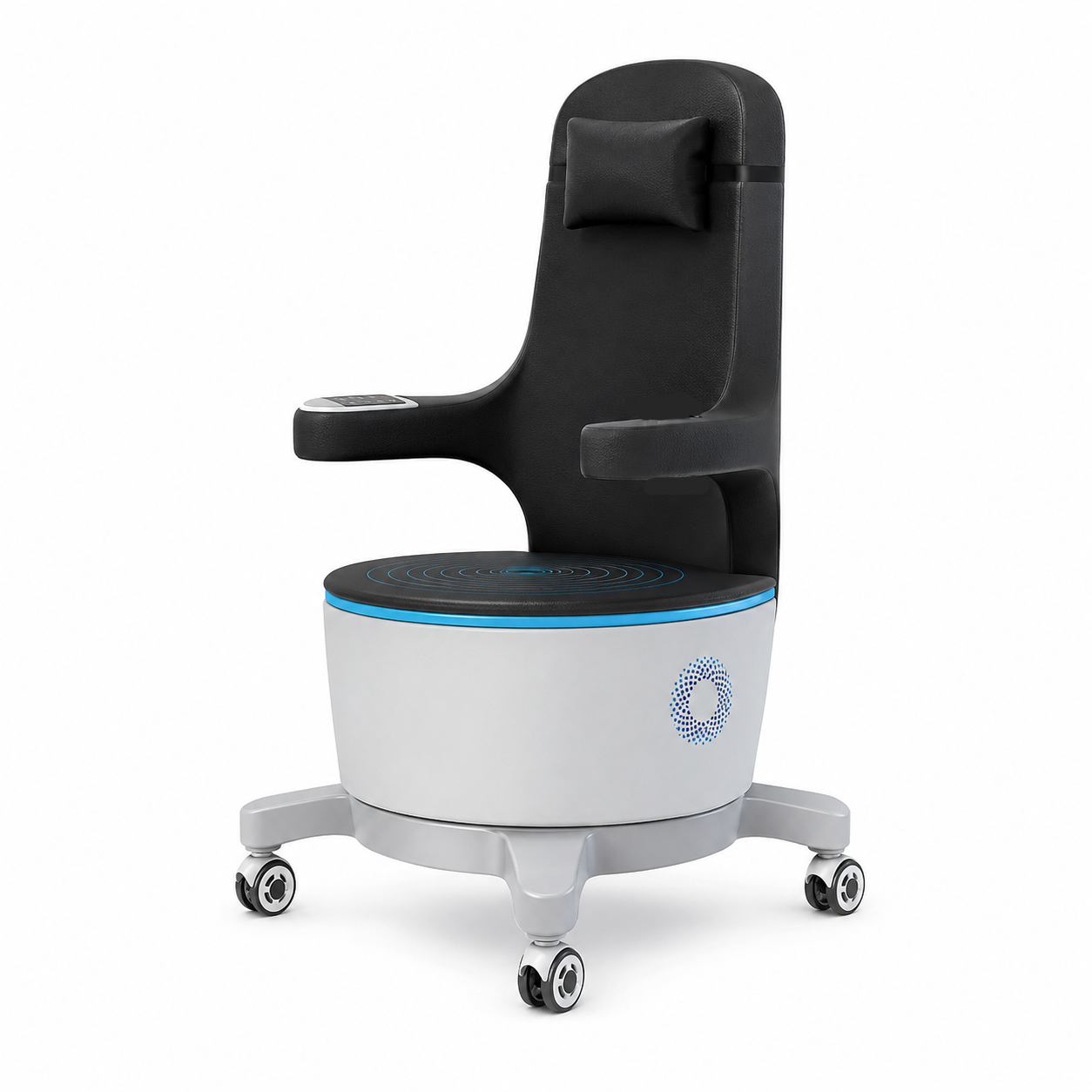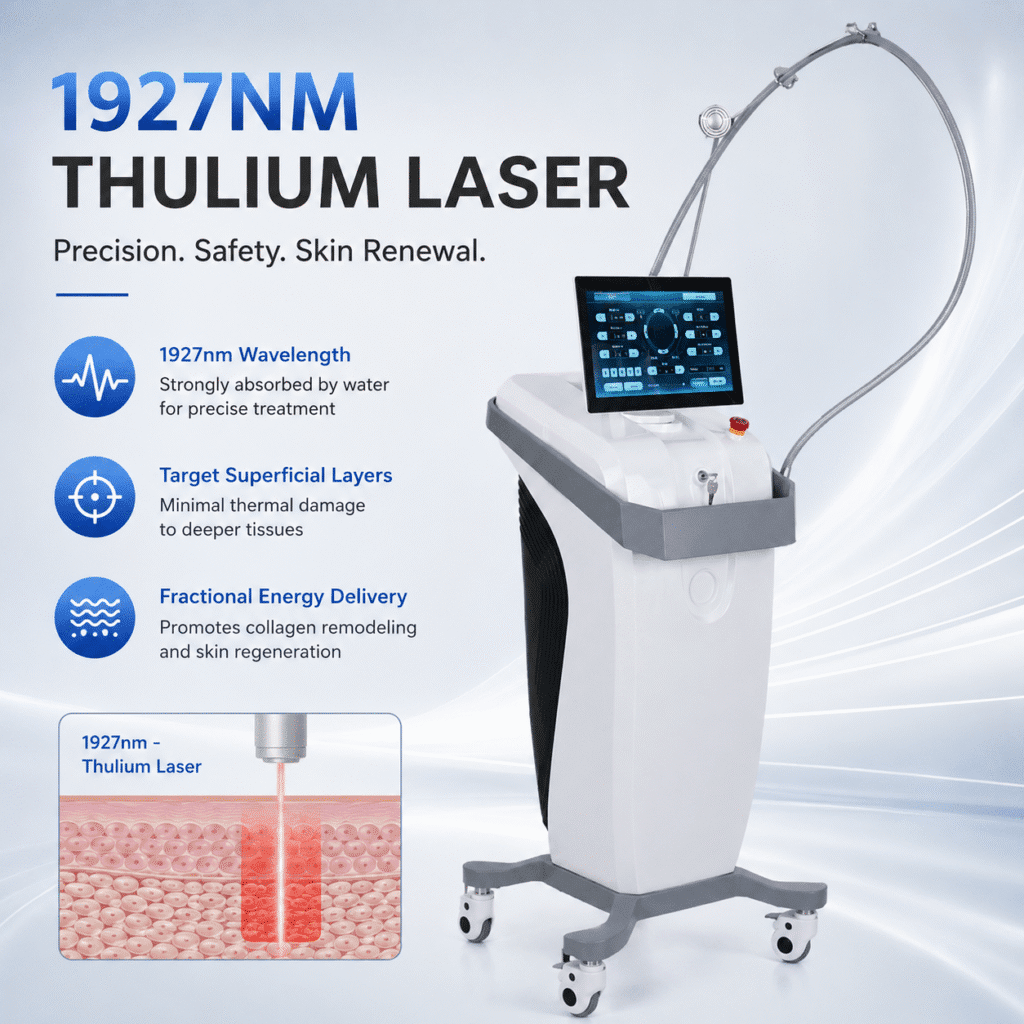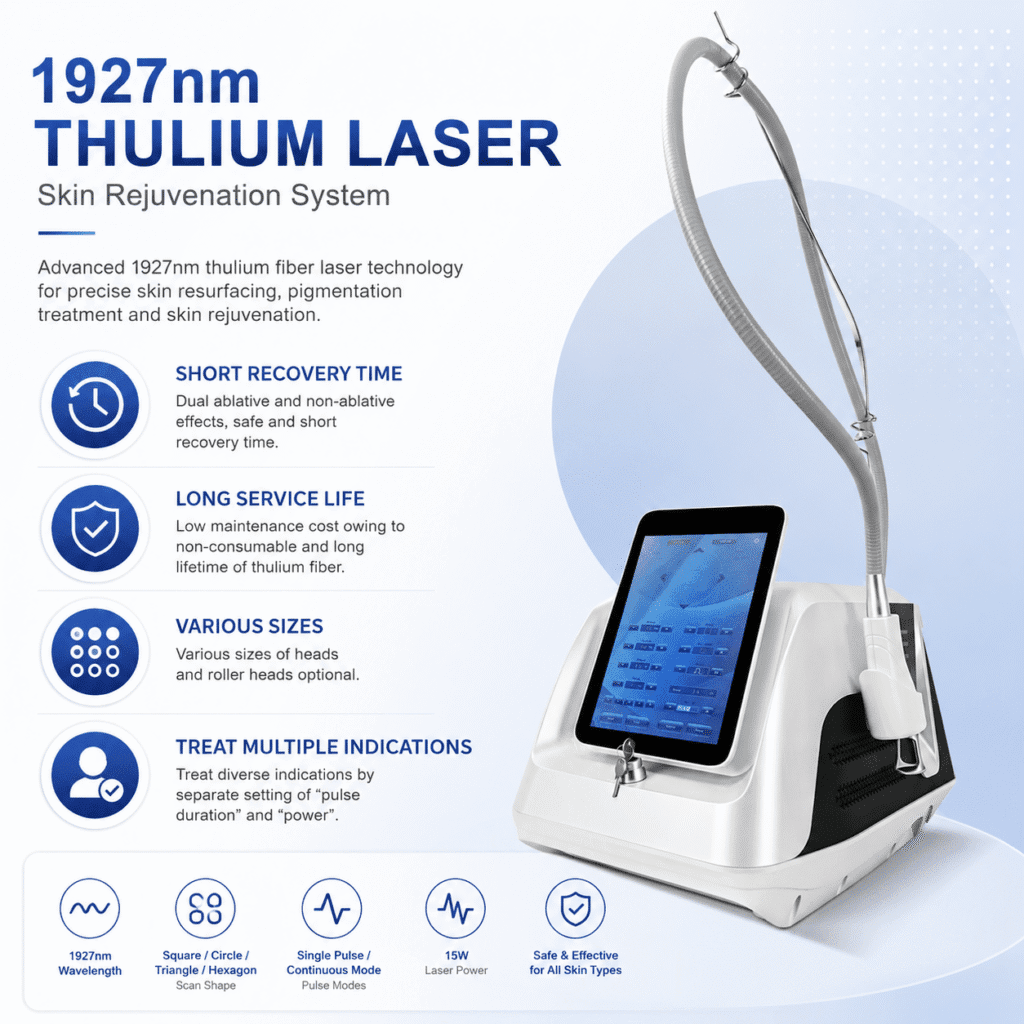
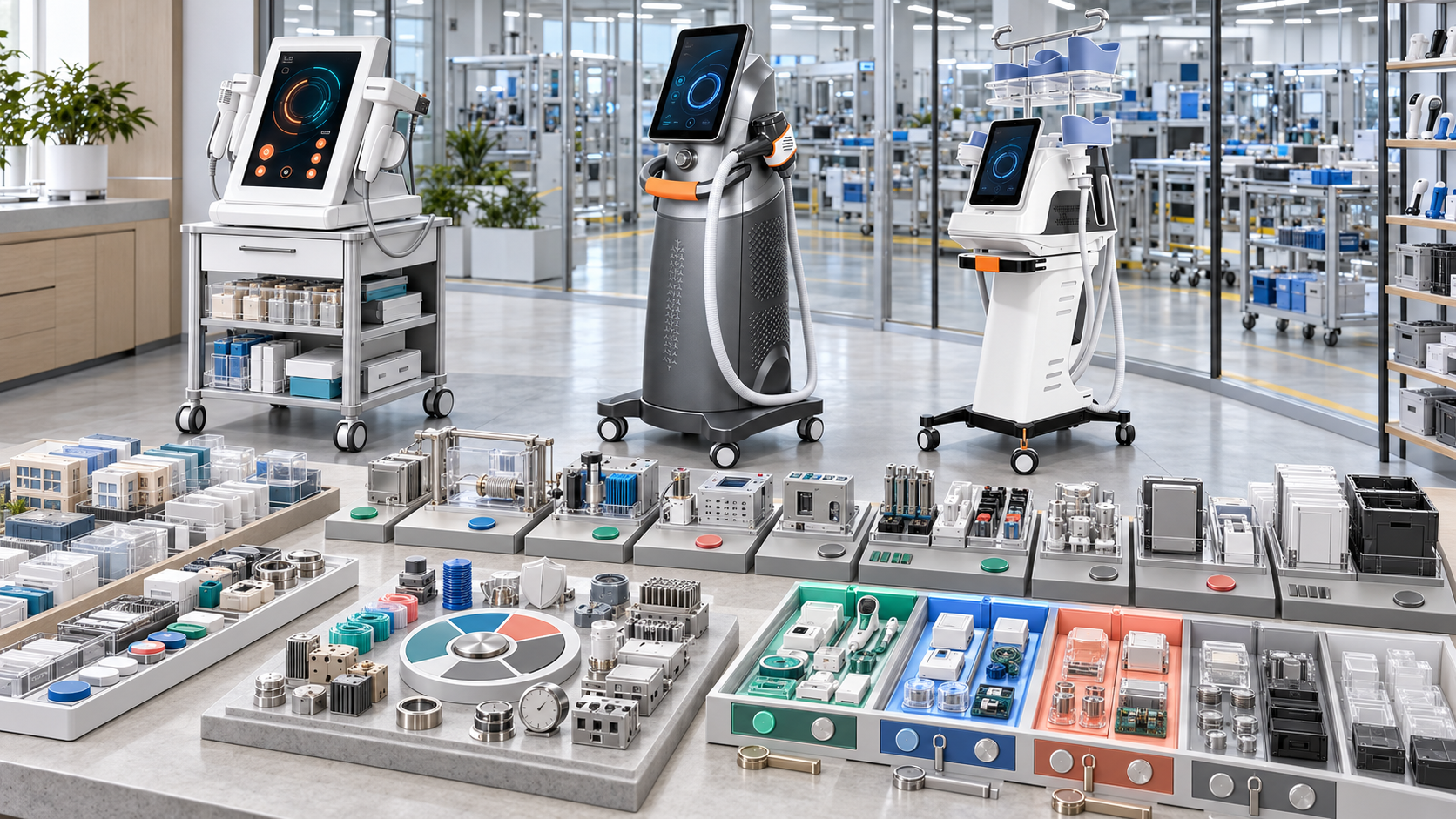
Beauty device factories receive market requests in many forms: a distributor asks for a compact facial platform, a clinic wants a different applicator, a regional team needs another language or electrical version, and after-sales records reveal a recurring component or workflow issue. These inputs can guide product development, but they are not yet a product roadmap.
A roadmap converts scattered requests into controlled product decisions. It explains which market problems the factory will address, which product families or platforms will change, which requirements need evidence, which engineering and validation work is required, and when a concept can progress toward production release.
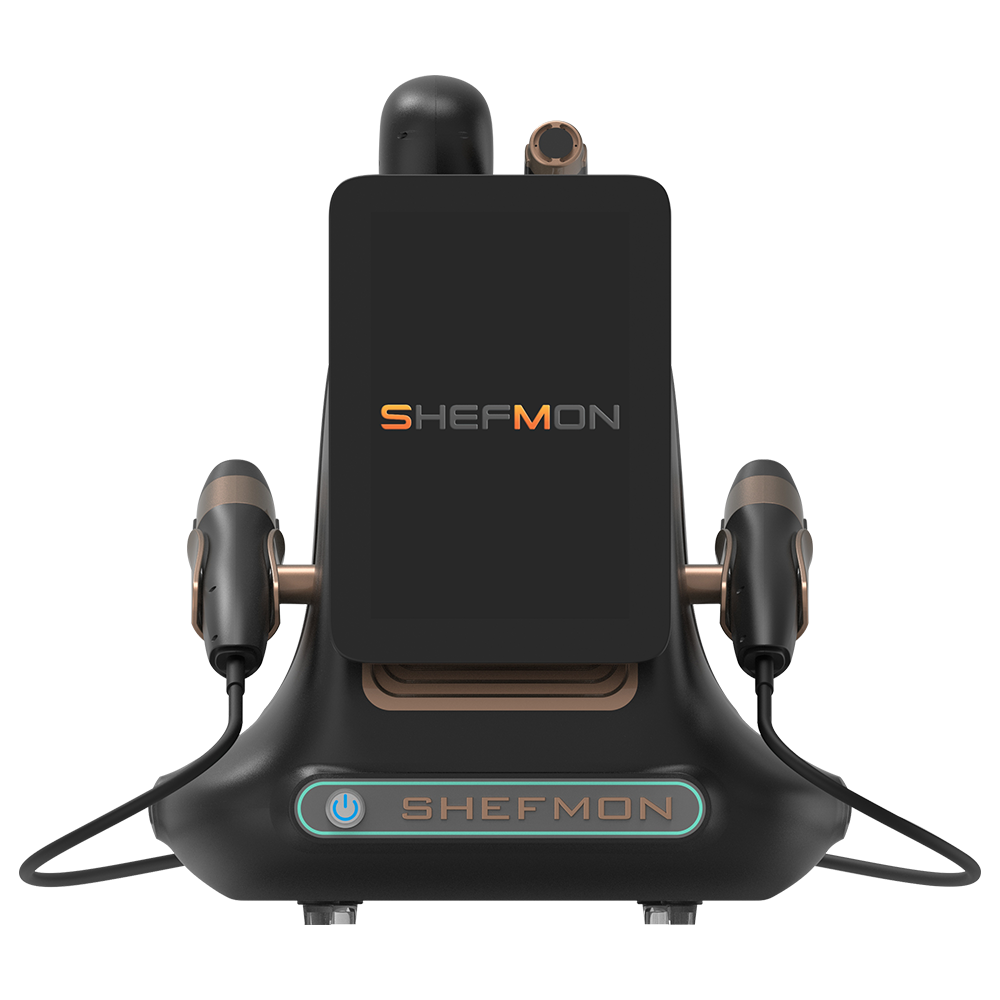
This guide explains how beauty device factories can move from market input to product strategy, product requirements, engineering work, validation, pilot production, launch, and post-release learning. SHEFMON examples show how facial, hair-removal, body-care, HIFU, and RF microneedling requirements can lead to different roadmap decisions.
ملخص تنفيذي
A practical beauty device product roadmap should:
- Start with a market problem rather than a requested feature. The factory needs to understand the buyer, service workflow, operating environment, and business reason behind the request.
- Combine several evidence sources. Distributor feedback, quotations, demonstrations, installed-base data, service records, regional requirements, and product performance should be reviewed together.
- Classify the type of product work. A request may require documentation, a configuration, a regional variant, a platform upgrade, or an entirely new product.
- Use product-family architecture. Shared consoles, handles, interfaces, components, and test methods can support several models without creating uncontrolled versions.
- Prioritize with value, fit, feasibility, risk, and support evidence. Demand volume alone should not determine the roadmap.
- Convert accepted needs into verifiable requirements. Every requirement needs an owner, source, acceptance method, affected products, and change history.
- Use gates from concept to release. Feasibility, design review, prototype, verification, pilot build, production readiness, and launch readiness should remain distinct.
- Close the loop after launch. Sales, configuration, service, quality, consumable, and support data should confirm whether the roadmap decision solved the original problem.
The roadmap is a decision system connecting market evidence with engineering and production. It is not a list of requested features or promised launch dates.
1. What Is a Beauty Device Product Roadmap?
A product roadmap is a time-based view of intended product outcomes, major capability changes, product-family decisions, validation work, and release dependencies. It shows direction without pretending that every early concept already has an approved specification or production date.
A useful roadmap connects:
- market segment and buyer problem;
- affected device category;
- current product gap;
- proposed product outcome;
- platform, model, configuration, or documentation change;
- technical feasibility;
- supply and production impact;
- quality and verification requirements;
- regional and regulatory dependencies;
- launch assets and support; and
- decision gate and target horizon.
Detailed engineering tasks belong in project plans. The roadmap should remain readable enough for product, engineering, quality, production, sales, and support teams to use together.
2. Market Requests Are Inputs, Not Requirements
A distributor may say, “Add another handle,” “Make the machine smaller,” or “We need a cheaper model.” Each statement needs discovery.
The factory should ask:
- Which buyer type has the problem?
- What service or workflow is the buyer trying to support?
- What happens with the current product?
- How often does the issue occur?
- Is the request mandatory, preferred, or exploratory?
- Which countries, regions, and market versions are affected?
- Is the problem related to product design, configuration, training, documentation, service, or sales positioning?
- What evidence would prove the problem is solved?
The requested solution may not be the right product response. A new handle request may actually reflect unclear package selection, insufficient training, or a missing accessory description.
3. Build a Market-Input System
Create controlled channels for collecting product evidence.
| مصدر | Evidence captured | Typical roadmap use |
|---|---|---|
| Distributor and regional teams | Buyer segments, unserved needs, configuration requests, lost decisions | Category, variant, and feature discovery |
| Quotations and orders | Models considered, options retained, substitutions, accepted packages | Configuration and assortment priorities |
| المظاهرات | Workflow questions, usability observations, buyer comparisons | Interface, ergonomics, and validation needs |
| Installed base | Active configurations, component usage, upgrades, regional versions | Compatibility and lifecycle planning |
| Service and warranty records | Fault patterns, repair difficulty, replacement demand | Reliability and serviceability improvements |
| Training and support | Repeated operator questions, setup difficulties, documentation gaps | Workflow, interface, and education changes |
| Quality and production | Nonconformance, assembly variation, test results, supplier changes | Design-for-production and control improvements |
| Regional requirements | Electrical, language, labeling, documentation, professional setting | Market-version and release planning |
Give every input a source, date, product reference, market, evidence strength, and owner. Avoid relying on informal messages that cannot be traced later.
4. Preserve the Original Market Evidence
Keep the original buyer or distributor statement before converting it into an internal summary. Record:
- who reported it;
- target market and buyer type;
- product and configuration involved;
- current workflow;
- frequency and scale;
- supporting quotation, order, demo, service, or quality record;
- known alternative;
- urgency;
- commercial context; and
- unanswered questions.
Label the evidence as confirmed, supported, inferred, or unknown. A roadmap should not present an isolated sales opinion as a validated global requirement.
5. Translate Requests into Problem Statements
A strong problem statement describes the user and operating difficulty without prescribing an untested solution.
بيان ضعيف:
- “Build a seven-handle body machine.”
Stronger statement:
- “Multi-service body studios in the target region need one platform that covers three defined menu roles while fitting their room, training, cleaning, and changeover workflow.”
بيان ضعيف:
- “Add more wavelengths.”
Stronger statement:
- “Hair-removal distributors need a controlled configuration that matches their client, handpiece, spot-size, cooling, and regional support requirements.”
This step keeps engineering teams focused on the real market outcome.
6. Classify the Requirement Type
| Requirement type | أمثلة | Possible response |
|---|---|---|
| معلومات المنتج | Unclear specifications, option status, compatibility | Correct product data, manuals, or comparison tools |
| Standard configuration | Repeated accepted package | Create or revise an approved configuration |
| Regional variant | Language, electrical, labeling, or documentation need | Controlled market version |
| Usability improvement | Interface, workflow, handle balance, access, storage | Product or industrial-design change |
| Performance or reliability | Stable operation, cooling, component life, repeat issue | Engineering and validation project |
| Product-family gap | Distinct buyer or service role not served | New model or platform study |
| Custom project | Buyer-specific branding, housing, interface, or function | OEM/ODM scope and approval path |
| Lifecycle change | Component obsolescence, support burden, declining fit | Upgrade, substitution, or retirement plan |
Many market requests can be solved without creating a new product. Classification protects the roadmap from unnecessary model proliferation.
7. Separate Need, Solution, and Specification
Maintain three linked layers:
- Market need: the buyer or operating problem.
- Product solution: the proposed platform, model, configuration, workflow, or documentation response.
- Engineering specification: measurable design inputs and acceptance criteria.
For example, the need may be a simpler facial workflow for compact salons. The product solution may be a defined multifunction package. Engineering specifications may cover dimensions, component arrangement, fluid pathway, interface flow, accessories, and verification methods.
Do not let a broad market statement enter production as if it were a testable specification.
8. Decide Whether the Request Belongs on the Roadmap
Use a triage decision:
- clarify: evidence or scope is incomplete;
- resolve operationally: training, documentation, sales, or support can address it;
- configure: current platform supports an approved variant;
- investigate: technical feasibility and market evidence need study;
- roadmap candidate: meaningful product work is justified;
- custom project: valid for one buyer or limited market under controlled terms;
- defer: relevant but not ready or not aligned with current strategy; or
- decline: unsafe, incompatible, unsupported, or outside the product direction.
Record the reason. Rejected and deferred inputs are still useful when similar evidence appears later.
9. Prioritize with a Balanced Scorecard
| البعد | Questions |
|---|---|
| Market evidence | How many qualified buyers, regions, quotations, orders, or service records support the need? |
| الملاءمة الاستراتيجية | Does it strengthen an intended facial, hair, body, or advanced-device product role? |
| قيمة المشتري | Does it solve a material workflow, service, reliability, or support problem? |
| Product leverage | Can the work improve several models, regions, or configurations? |
| Technical feasibility | Are the design, component, software, thermal, mechanical, and interface implications understood? |
| Quality and risk | What verification, safety, reliability, and change-control work is required? |
| Production fit | Can the design be assembled, tested, inspected, packaged, and traced consistently? |
| Supply continuity | Are critical components available and controllable through the intended life? |
| Support impact | Can training, consumables, spare parts, documentation, and service be sustained? |
| Commercial evidence | Is the target market large and repeatable enough for the required investment? |
Show unknowns rather than converting them into favorable scores. A high-demand idea can remain unapproved if feasibility or support evidence is incomplete.
10. Use Roadmap Horizons
Organize candidates by decision maturity and time horizon:
- Now: approved work with defined requirements, resources, and release gates.
- Next: validated market problem with feasibility work or requirements still in progress.
- Later: strategic opportunity requiring more market, technology, supply, or regional evidence.
- Monitor: recurring signal not yet strong enough for a roadmap commitment.
Avoid publishing precise launch dates for discovery-stage ideas. Move items between horizons through documented reviews.
11. Separate Platform, Model, Variant, and Custom Work
A product roadmap becomes difficult to manage when every change creates a new model.
- Platform: shared technology, architecture, software, component interfaces, and verification foundation.
- نموذج: a controlled product designed for a distinct buyer or service role.
- Variant: an approved configuration or market version based on the same model.
- Option: a compatible handle, applicator, cartridge, tip, accessory, or software choice.
- Custom project: buyer-specific work managed outside the standard product line unless later adopted.
The factory should decide which layer the market requirement affects before engineering begins.
12. Build Product-Family Architecture
Product-family planning identifies what can be shared and what must remain specific.
Possible shared elements include:
- power and control architecture;
- displays and interface framework;
- housing modules;
- connectors;
- cooling or fluid-management principles;
- approved components;
- software modules;
- documentation structure;
- test fixtures and methods;
- packaging formats; and
- service and diagnostic tools.
Shared architecture can improve reuse and control, but only verified compatibility should be treated as interchangeable.
13. Map Facial-Market Requirements with A0648
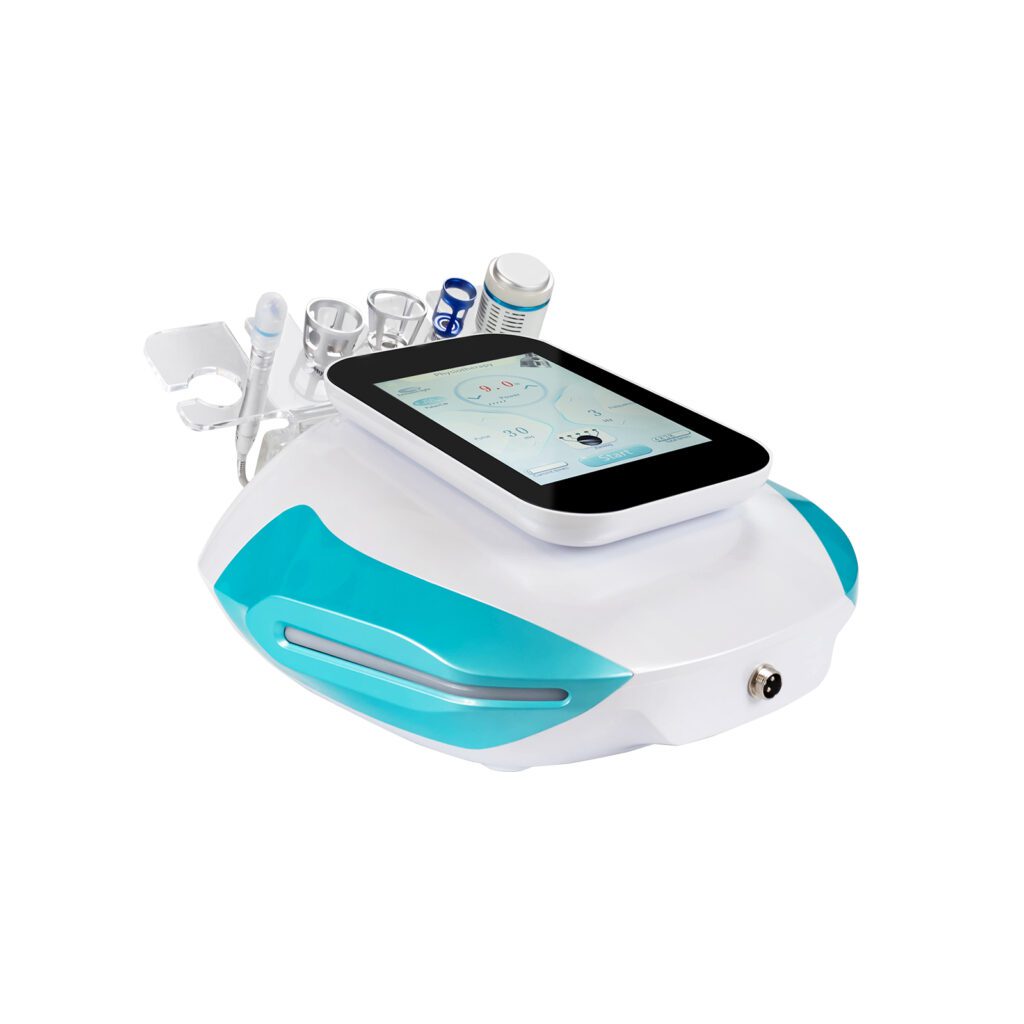
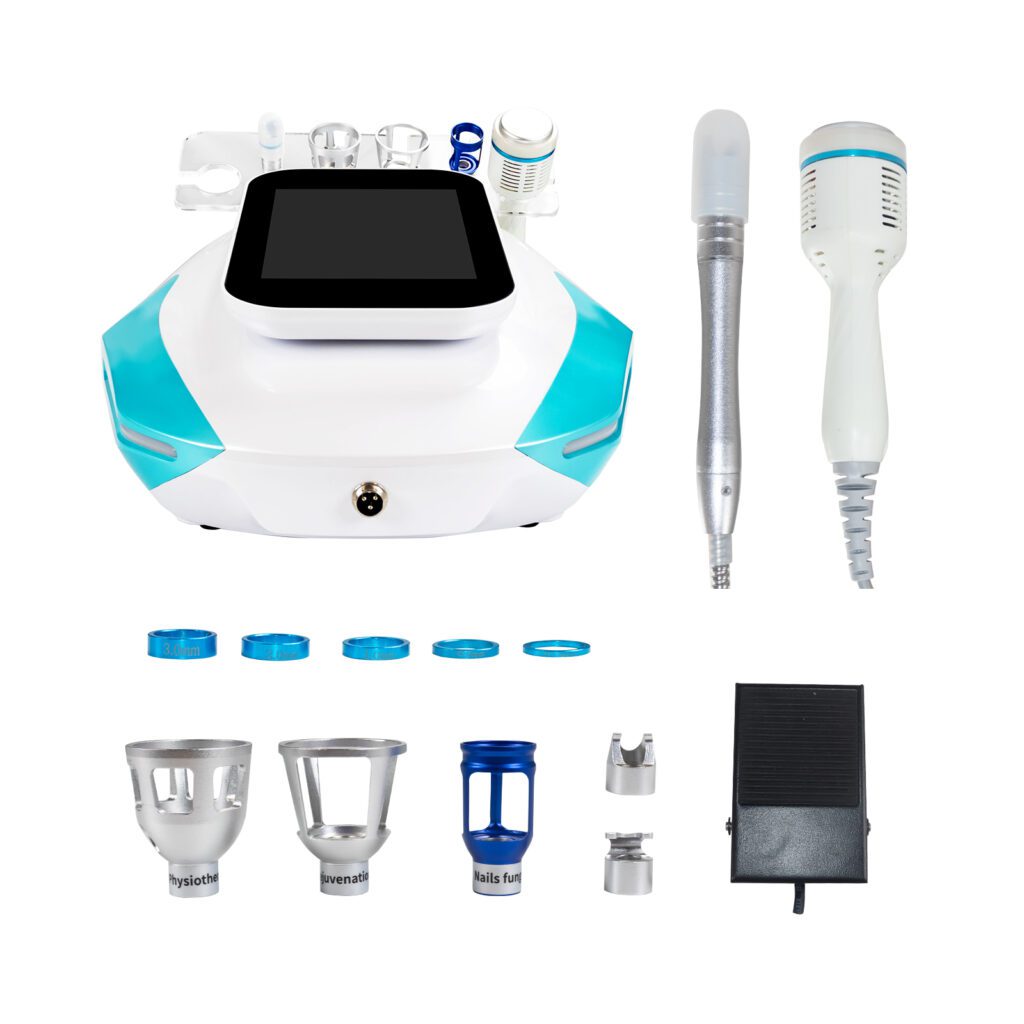
ال نظام التقشير المائي الدقيق A0648 9 في 1 illustrates how facial-market input can affect several roadmap layers. The current product page describes a vertical multifunction platform for cleansing, exfoliation, extraction, and hydration-oriented workflows.
Relevant market inputs may concern:
- starter versus professional package roles;
- room footprint and storage;
- vacuum and fluid workflow;
- tip, bottle, liquid, and accessory handling;
- interface sequence;
- cleaning and changeover;
- operator onboarding; and
- regional language or electrical versions.
The response might be updated documentation, a standard configuration, a usability improvement, or a future platform change. It should not automatically become a new facial model.
14. Map Hair-Removal Requirements with A0426
شيفمون تقدم A0426 diode laser hair-removal system with four wavelength choices—755, 810, 940, and 1064 nm—alongside selectable spot sizes and integrated cooling.
Market evidence may concern:
- wavelength arrangements;
- handpiece and spot-size preference;
- cooling and expected utilization;
- room and electrical context;
- protective setup;
- لغة واجهة المستخدم؛;
- service access;
- training; and
- regional configuration demand.
These inputs require technical and market separation. A request from one region may justify a controlled variant rather than a global platform change.
15. Map Body-Platform Requirements with B0155
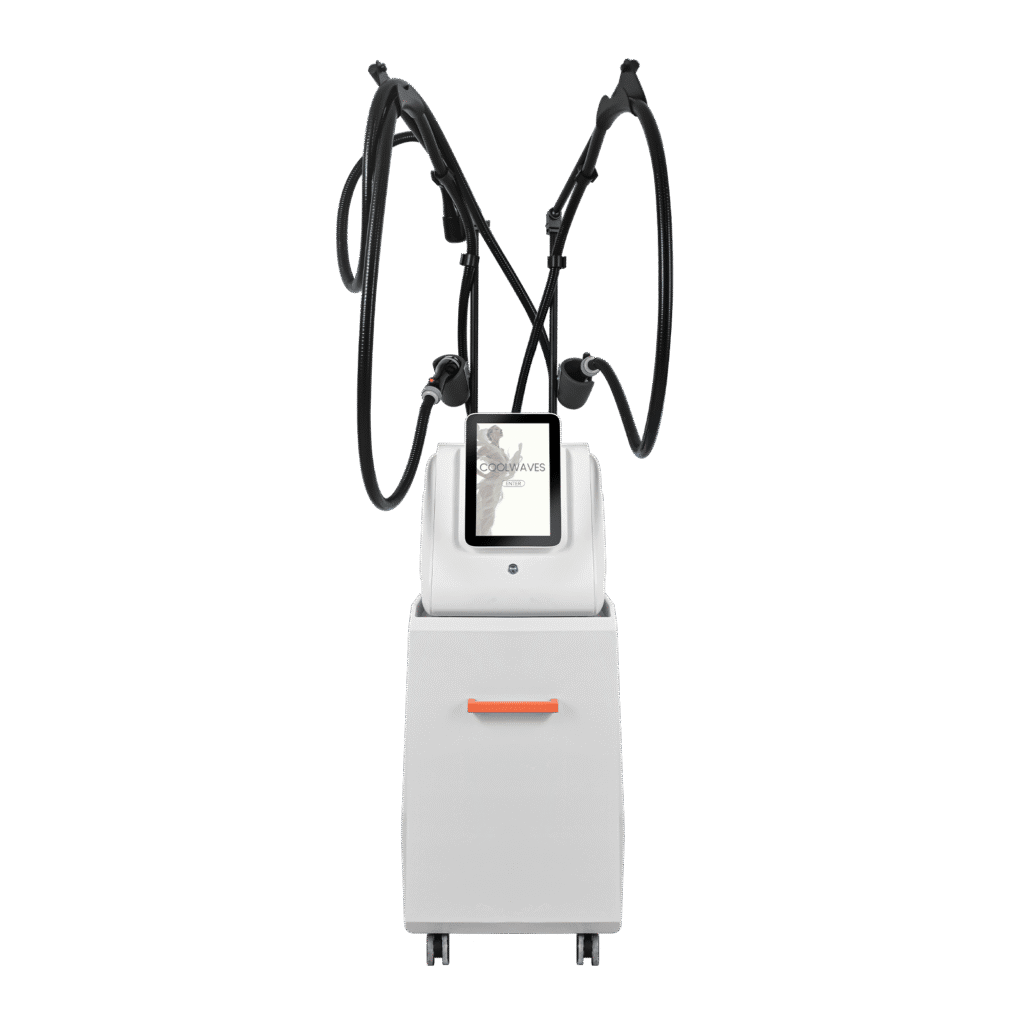
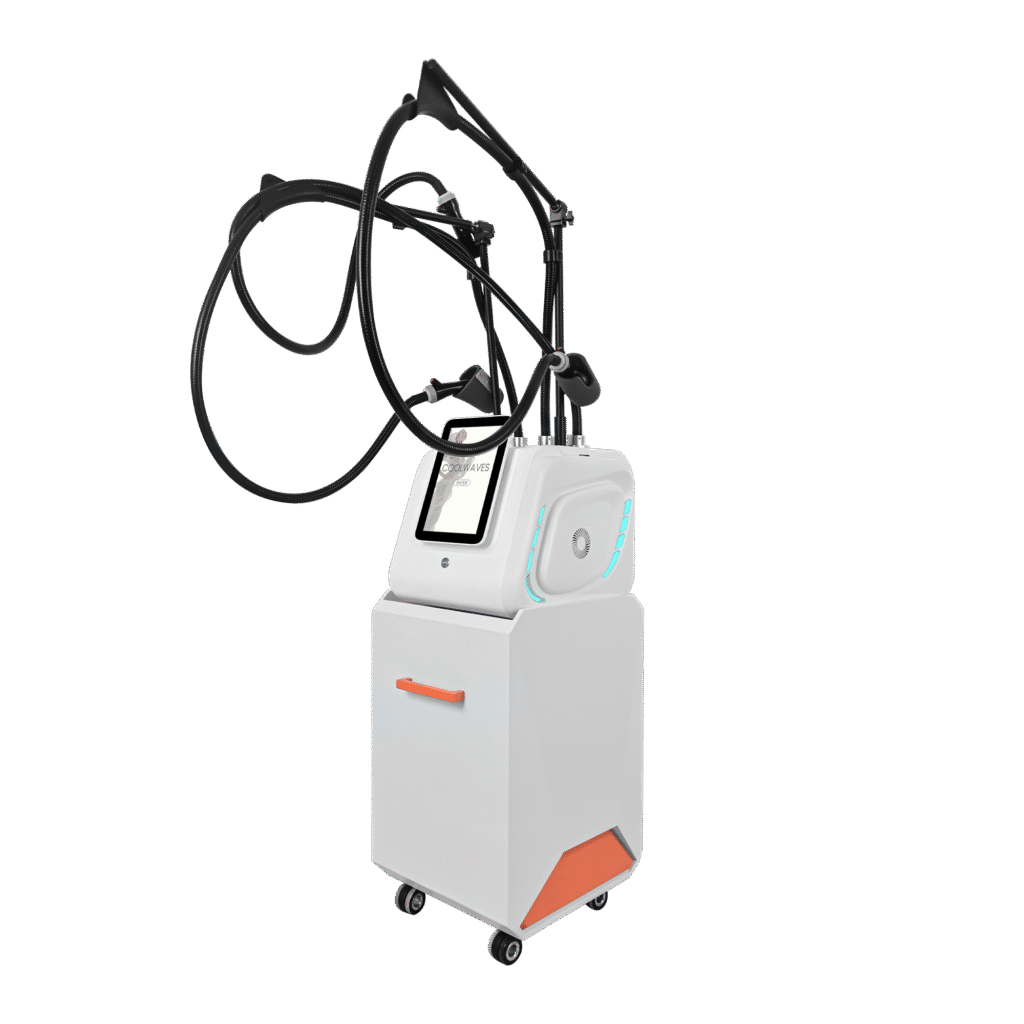
ال B0155 سطح المكتب Endos Velapro combines handle roles for vacuum rolling, radio frequency, rotating massage, and 80K cavitation within one body-care platform.
Body-market inputs may involve:
- the number and combination of service roles;
- handle packages by buyer type;
- desktop format and storage;
- operator movement;
- cleaning and changeover;
- accessory organization;
- training across several functions; and
- overlap with other body platforms.
Roadmap work should distinguish a package-definition problem from a genuine need for another body device architecture.
16. Map Advanced-Lifting Requirements with A0204
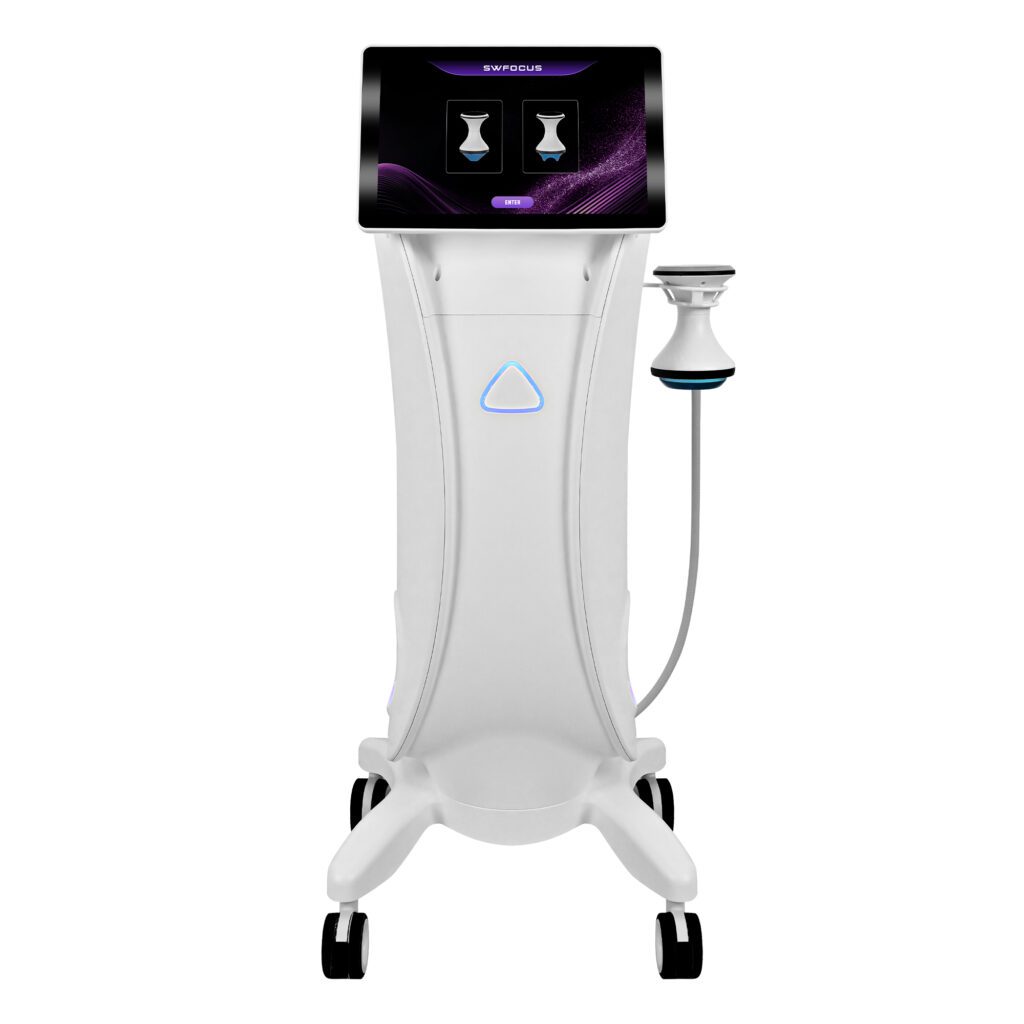
ال A0204 9D/7D focused HIFU system presents multiple cartridge depths and optional handles.
Relevant roadmap inputs can include:
- cartridge and handpiece architecture;
- consumable identification and traceability;
- interface workflow;
- professional-user requirements;
- التدريب والتوثيق؛;
- support and replacement planning;
- approved configuration boundaries; and
- regional or local requirements.
Advanced-device roadmap decisions need qualified professional, technical, quality, and regional review. General sales interest is not enough.
17. Map Advanced-Skin Requirements with A0152
ال نظام الوخز بالإبر الدقيقة بترددات الراديو A0152 page identifies 12-pin, 24-pin, 40-pin, and nano tips, a 1–7 mm depth profile plus an additional heat profile, and optional handle arrangements.
Market and installed-base evidence may concern:
- facial versus body use;
- handle configurations;
- tip selection and consumable supply;
- infection-control and disposal workflow;
- interface and parameter organization;
- staff competency and training;
- consultation, records, and aftercare material; and
- service and replacement needs.
The product roadmap should connect the device, consumable system, documentation, training, and after-sales support rather than treating the console as the entire product.
18. Convert Accepted Needs into a Product Requirement Document
Each accepted roadmap candidate needs a controlled product requirement document containing:
- problem statement;
- target users and markets;
- current product baseline;
- intended product outcome;
- functional requirements;
- usability and workflow requirements;
- performance and reliability requirements;
- mechanical, electrical, software, and interface constraints;
- handles, applicators, consumables, and accessories;
- regional and documentation requirements;
- production, inspection, packaging, and service needs;
- acceptance criteria;
- verification method;
- assumptions, exclusions, and unresolved questions; and
- owners and approvals.
Requirements should be numbered and traceable to design outputs and tests.
19. Run Cross-Functional Feasibility Review
Before committing the roadmap, include:
- product management;
- market and regional teams;
- mechanical, electrical, software, and industrial design;
- quality and test engineering;
- sourcing and supplier quality;
- production engineering;
- packaging and logistics;
- التدريب والتوثيق؛;
- after-sales and service; and
- relevant regulatory or compliance specialists.
The review should identify affected products, technical unknowns, new components, tooling, test equipment, supplier risk, support burden, validation scope, and schedule dependencies.
20. Use Clear Development and Release Gates
| Gate | Decision question | Required output |
|---|---|---|
| Market validation | Is the problem real, relevant, and sufficiently evidenced? | Approved problem statement and target segment |
| Concept approval | Is there a plausible product response aligned with strategy? | Concept, alternatives, assumptions, and initial risks |
| Feasibility | Can the design, supply, production, quality, and support system deliver it? | Feasibility record and resource estimate |
| Requirements baseline | Are product inputs complete enough to design and verify? | Approved requirement document |
| Design review | Do design outputs address the baseline and known risks? | Review findings and closed actions |
| Prototype verification | Does the prototype meet defined design inputs? | Test evidence and issue record |
| Pilot readiness | Can a limited build be assembled, tested, traced, packaged, and supported? | Pilot plan and controlled build package |
| Production release | Are product, process, quality, supply, documentation, and service ready? | Approved release baseline |
| Post-launch review | Did the release solve the original problem without unacceptable new issues? | Market, quality, service, and improvement findings |
An item can return to an earlier gate when evidence changes.
21. Use Prototypes to Answer Defined Questions
Prototype work should test specific uncertainties, such as:
- housing and internal layout;
- handle balance and connector access;
- airflow, cooling, or fluid paths;
- user-interface flow;
- component fit;
- assembly sequence;
- service access;
- packaging protection; and
- defined performance and reliability requirements.
ال SHEFMON OEM/ODM page describes exterior design, mechanical design, design and development, custom engineering, prototyping, system language, operator interface, function customization, and manuals. These capabilities are most useful when the prototype has a controlled question and acceptance method.
22. Connect Quality Control to Roadmap Decisions
Product quality is planned during design, not added only at final inspection. Roadmap items should identify:
- critical components and characteristics;
- incoming inspection needs;
- assembly controls;
- functional and aging tests;
- calibration or test equipment;
- traceability;
- nonconformance handling;
- packaging verification;
- release records; and
- post-market feedback.
شيفمن quality-control overview describes raw-material testing, assembly-related checks, circuit-board aging and power testing, functional aging tests, and prototype inspections. A roadmap change should state which existing controls remain valid and which require revision.
23. Plan Pilot Production Before Full Release
A pilot build tests whether the complete production system can reproduce the approved design. The pilot plan should define:
- controlled bill of materials;
- approved drawings and software version;
- work instructions;
- tools and fixtures;
- supplier and incoming status;
- assembly sequence;
- in-process checks;
- final testing;
- sample size based on project needs;
- issue ownership;
- deviation rules;
- packaging; and
- release decision.
Prototype success does not automatically prove production readiness.
24. Control OEM and ODM Roadmap Work
OEM and ODM requests can inform the standard roadmap, but they need their own governance.
Classify custom work as:
- branding and appearance;
- housing or mechanical adaptation;
- language and interface;
- documentation and packaging;
- approved configuration;
- functional change;
- new handle or module;
- platform modification; or
- new-product development.
Define ownership of specifications, samples, approval, intellectual property, tooling, test evidence, configuration, change requests, production quantities, support, and future maintenance. A buyer-specific customization should not enter the standard product line without a separate adoption decision.
25. Balance Core Products and Market Variants
Factories serving multiple regions need a stable core and controlled overlays.
The core can include:
- product architecture;
- approved components;
- software baseline;
- safety and performance requirements;
- verification methods;
- assembly and test process;
- service approach; and
- product identity.
Regional overlays can include language, electrical version, labels, manuals, packaging, approved options, and required documents. Every overlay needs a controlled relationship to the core model.
26. Build the Roadmap around Product Outcomes
Avoid roadmap items such as “Add feature X in Q3” without context. Use outcome statements:
- reduce configuration ambiguity for hair-removal distributors;
- create a repeatable starter facial package for compact salons;
- improve handle organization and changeover for body studios;
- strengthen cartridge and consumable traceability for advanced systems;
- reduce service time for a recurring installed-base issue; or
- create a controlled market version for a defined region.
The outcome tells every function what the roadmap is trying to achieve.
27. Connect Roadmap Work to Capacity and Supply
The roadmap should show whether work requires:
- new suppliers;
- new tooling or fixtures;
- longer-lead components;
- supplier qualification;
- additional production steps;
- new test equipment;
- more inspection time;
- separate inventory identities;
- new packaging; or
- new spare parts and consumables.
Engineering feasibility without production and supply feasibility is not release readiness.
28. Prepare the Complete Launch Package
A product release needs more than finished units. Prepare:
- controlled specifications;
- approved configurations;
- product and component identifiers;
- معلومات التوافق؛;
- manuals and operating materials;
- training content;
- product images and factual sales information;
- quotation data;
- packaging and labels;
- installation or setup guidance;
- spare-parts list;
- consumable plan;
- service troubleshooting; and
- change and version history.
Launch readiness should cover distributors, operators, technicians, and internal teams.
29. Close the Loop after Release
Compare post-launch evidence with the original roadmap hypothesis:
- qualified inquiry and quote volume;
- accepted configurations;
- model and option retention;
- order value and repeat demand;
- demonstration findings;
- training questions;
- consumable usage;
- fault and maintenance patterns;
- returns and nonconformance;
- repair time;
- regional fit; and
- distributor and operator feedback.
The result may support expansion, clarification, another improvement, a restricted variant, or retirement.
30. Measure Roadmap Quality
تشمل التدابير المفيدة ما يلي:
- percentage of candidates with traceable market evidence;
- time from input to triage decision;
- requirements changed after baseline;
- feasibility actions completed on time;
- prototype issues found before pilot;
- pilot deviations;
- release delays by cause;
- percentage of launches with complete documentation and support;
- adoption by target segment;
- post-launch configuration changes;
- early quality and service issues; and
- roadmap items stopped before unnecessary production investment.
Stopping a weak concept early can be a successful roadmap decision.
31. Establish Roadmap Governance
Set a recurring review with clear decision rights:
- market teams own evidence and target segments;
- product management owns problem definition and roadmap priority;
- engineering owns technical solutions and design evidence;
- quality owns verification and release-control requirements;
- production owns process readiness;
- sourcing owns supplier and component readiness;
- service owns supportability and field feedback; and
- leadership approves major resource and platform decisions.
Record decisions, conditions, owners, dates, and superseded versions.
32. Avoid Common Roadmap Errors
- Treating one buyer request as global demand.
- Copying competitor features without a defined market problem.
- Creating a new model for every configuration request.
- Mixing product information gaps with engineering gaps.
- Promising launch dates before feasibility and requirements are stable.
- Prioritizing revenue potential without quality, production, or support review.
- Ignoring consumables, replacement parts, manuals, and training.
- Allowing regional variants to become uncontrolled product versions.
- Treating a prototype as production-ready.
- Adding custom work to the standard line without an adoption decision.
- Closing the project at shipment instead of reviewing field evidence.
- Maintaining a roadmap that does not show why decisions changed.
33. Beauty Device Product Roadmap Checklist
- Each candidate begins with a traceable market problem and target buyer.
- Distributor, quotation, demo, installed-base, service, quality, and regional evidence are considered.
- The work is classified as information, configuration, variant, improvement, platform, custom, or lifecycle change.
- Need, product solution, and engineering specification remain separate.
- Priority includes feasibility, production, quality, supply, and support.
- Platform, model, variant, option, and custom-project identities are controlled.
- A0648, A0426, B0155, A0204, and A0152 examples use category-specific requirements.
- Requirements, prototypes, verification, pilot builds, and production release have separate gates.
- The launch package includes product, training, consumable, spare-part, and service information.
- Post-launch evidence tests whether the roadmap decision solved the original problem.
التعليمات
1. What is the first step in turning market feedback into a beauty device roadmap?
Preserve the original evidence and define the buyer, service workflow, operating problem, affected market, scale, and desired outcome before discussing a product feature.
2. Should every distributor request become a roadmap item?
No. Some requests need clearer product information, training, an approved configuration, or a buyer-specific custom project. Roadmap work requires repeatable evidence and strategic fit.
3. What evidence should a beauty device factory use?
Use distributor and buyer feedback together with quotations, orders, demonstrations, installed configurations, service records, quality data, production findings, regional requirements, and support questions.
4. What is the difference between a model and a variant?
A model has a defined product identity and buyer or service role. A variant is a controlled market or configuration version based on that model, such as language, electrical, labeling, or approved option differences.
5. How can factories prevent too many beauty device models?
Use product-family architecture, shared platforms, approved options, regional variants, and clear rules for adopting custom work into the standard range.
6. How can A0426 market feedback affect a roadmap?
Repeated evidence about wavelength arrangements, handpieces, spot sizes, cooling, regional versions, training, and service can support configuration rules, a market variant, workflow improvement, or future platform work.
7. Why should A0204 and A0152 roadmap decisions use stricter gates?
Advanced-device changes can affect professional use, components, consumables, operating processes, training, support, and regional requirements. The need and verification plan must be specific.
8. When should OEM or ODM work become part of the standard roadmap?
Adopt it only after a separate review confirms broader market evidence, compatibility with product strategy, controlled specifications, production feasibility, quality evidence, and long-term support.
9. Does a successful prototype mean the product is ready for mass production?
No. The factory still needs design verification, controlled components and software, production instructions, test methods, pilot-build evidence, packaging, documentation, training, and release approval.
10. How can buyers prepare a useful product-development inquiry for SHEFMON?
Provide the target market, buyer type, service problem, current alternatives, required functions, configuration, estimated quantity, regional version, launch objective, documentation needs, and available supporting evidence.
خاتمة
Beauty device factories translate market requirements into product roadmaps by separating the market problem from the requested feature, combining evidence across commercial and operational sources, and deciding whether the response belongs in information, configuration, variant, improvement, platform, custom, or lifecycle work.
The roadmap becomes executable when accepted needs turn into controlled requirements, cross-functional feasibility, prototypes, verification, pilot production, production release, and a complete launch package. Post-launch sales, quality, service, and installed-base evidence then show whether the original problem was solved.
يستكشف SHEFMON’s beauty device categories, review its design, development, and OEM/ODM capabilities, learn about SHEFMON quality control، أو اتصل بشيفمون with your target buyers, market problem, product category, configuration needs, regional requirements, estimated quantity, and desired development scope.