




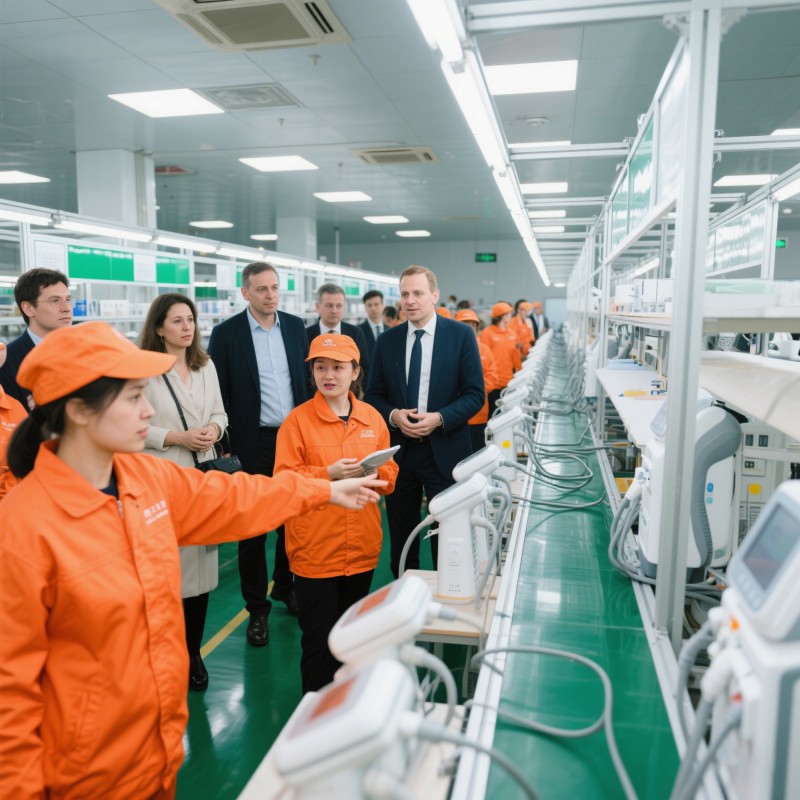
لماذا تُعدّ أجهزة التجميل مهمة في مجال العناية بالبشرة الحديثة؟
إنّ خبيرة التجميل العصرية التي لا تمتلك المعدات اللازمة تُشبه إلى حدٍ ما طاهياً يحاول إدارة مطعم بملعقة فقط. صحيحٌ أن المعرفة والتقنية لهما أهمية بالغة، لكن التكنولوجيا تُسهم في الارتقاء بالنتائج إلى مستوى آخر. عملاء اليوم أكثر وعياً من أي وقت مضى، فهم يبحثون عن العلاجات على منصات مثل تيك توك، وإنستغرام، وريديت، ويوتيوب قبل حجز المواعيد. ويتوقعون تغييرات ملحوظة في ملمس البشرة، وحب الشباب، والتجاعيد، ولون البشرة بعد جلسات قليلة فقط. ولذلك، تعتمد خبيرات التجميل بشكل متزايد على الأجهزة المتطورة لمواكبة المنافسة وتقديم تحسينات ملموسة.
يركز قطاع العناية بالبشرة في عام 2026 بشكل كبير على تقنية التجميل غير الجراحية. تشير الأبحاث في سوق أجهزة التجميل إلى نمو قوي في العلاجات المتعلقة بشد البشرة، والعلاج بالضوء، وتحفيز إنتاج الكولاجين. يبحث العملاء عن علاجات تتناسب مع نمط حياتهم المزدحم. لم يعد أحد يرغب في قضاء أسبوعين في المنزل بعد إجراء جراحي مُرهق. بدلاً من ذلك، يختار الناس جلسات تنظيف البشرة السريعة، وجلسات تحديد ملامح الوجه، وعلاجات مكافحة الشيخوخة الوقائية التي توفر شعوراً بالاسترخاء مع نتائج فعّالة.
هناك أيضًا دافع تجاري قوي وراء الاستثمار في الأجهزة. قد يكلف جهاز تبخير الوجه بضع مئات من الدولارات، بينما قد تصل تكلفة أجهزة الترددات الراديوية المتقدمة أو أجهزة نحت الجسم إلى آلاف الدولارات. ومع ذلك، غالبًا ما تُدرّ هذه العلاجات هوامش ربح عالية للمنتجعات الصحية والعيادات. ويشير العديد من خبراء التجميل في نقاشات موقع Reddit إلى أن الاستثمار في الجهاز المناسب يُمكن أن يزيد بشكل كبير من ولاء العملاء وأسعار العلاجات. وبطرق عديدة، أصبحت تكنولوجيا التجميل المحرك الرئيسي لأعمال العناية بالبشرة الحديثة.
أجهزة تبخير الوجه ومصابيح التكبير
قبل دخول الأجهزة المتطورة ذات التقنية العالية إلى غرف العلاج، كانت أجهزة تبخير الوجه ومصابيح التكبير أدوات أساسية لدى أخصائيي التجميل. وحتى اليوم، لا تزال معظم المنتجعات الصحية ومراكز العناية بالبشرة تعتمد عليها لأنها تُشكل أساسًا للعديد من العلاجات. تعمل أجهزة تبخير الوجه على ترطيب البشرة، وفتح المسام، والمساعدة في إزالة الشوائب العالقة داخل بصيلات الشعر. وهذا يجعل عملية استخراج الرؤوس السوداء أسهل وأقل إزعاجًا، مع تحسين امتصاص منتجات العناية بالبشرة أثناء جلسات العناية بالوجه.
قد يبدو جهاز البخار بسيطًا، لكنه يلعب دورًا بالغ الأهمية في العناية بالبشرة الاحترافية. يُحسّن البخار الدافئ الدورة الدموية ويرطب الطبقة الخارجية من الجلد مؤقتًا، مما يُهيئ البشرة لتنظيف أعمق. بل إن بعض أجهزة البخار الحديثة مزودة بوظائف الأوزون المصممة للمساعدة في تقليل البكتيريا على البشرة المعرضة لحب الشباب. يشبه الأمر تسخين الزبدة قبل دهنها على الخبز - ببساطة تصبح البشرة أكثر تقبلاً وسهولة في التعامل معها.
تُعدّ مصابيح التكبير أداةً أساسيةً أخرى، إذ يحتاج خبراء التجميل إلى رؤية أدقّ تفاصيل البشرة بوضوح. تجمع هذه المصابيح بين الإضاءة الساطعة والتكبير، ما يُمكّن المختصين من تحليل المسام، وملمس البشرة، وجفافها، وتصبّغها، وظهور البثور بدقة. التفاصيل الدقيقة التي لا تُرى تحت الإضاءة العادية تصبح واضحةً تمامًا. تخيّل محاولة رسم لوحة فنية رائعة وأنت ترتدي نظارةً ضبابية. هكذا يصبح تحليل البشرة صعبًا للغاية بدون التكبير المناسب.
على الرغم من أن الأجهزة الحديثة تستحوذ على اهتمام وسائل التواصل الاجتماعي، إلا أن هذه الأدوات الكلاسيكية لا تزال تشكل الركيزة الأساسية للعلاجات التجميلية. فهي ميسورة التكلفة وعملية، وتُستخدم يومياً في جميع البيئات المهنية تقريباً.
أجهزة العلاج بالضوء LED
إحدى أحدث التقنيات التجميلية الرائجة حالياً هي العلاج بالضوء LED. ما كان يُعتبر في السابق تقنية مستقبلية أصبح الآن شائعاً في المنتجعات الصحية، ومراكز التجميل الطبية، وحتى في روتين العناية بالبشرة المنزلي. وتشير تقارير القطاع إلى أن علاجات LED أصبحت من بين أكثر الخدمات غير الجراحية طلباً، لأن العملاء يُفضلونها لكونها غير مؤلمة، ومريحة، ولا تتطلب أي فترة نقاهة.
تستخدم تقنية العلاج بالضوء LED أطوال موجية مختلفة من الضوء لمعالجة مشاكل جلدية محددة. يُستخدم الضوء الأحمر عادةً لمكافحة الشيخوخة لأنه يحفز إنتاج الكولاجين ويقلل الالتهاب. أما الضوء الأزرق، فيُستخدم بكثرة لعلاج حب الشباب لأنه يستهدف البكتيريا المسببة له. ويُستخدم الضوء القريب من الأشعة تحت الحمراء لدعم التئام البشرة وتجديدها. وتجمع العديد من الأجهزة الحديثة عدة أطوال موجية في جلسة علاج واحدة، مما يسمح لأخصائيي التجميل بتخصيص الجلسات وفقًا لأهداف البشرة الفردية.
يعود السبب وراء الانتشار الواسع للعلاج بتقنية LED إلى رغبة العملاء في علاجات سهلة وآمنة. فعلى عكس الليزر القوي أو التقشير الكيميائي العميق، لا يُسبب العلاج بتقنية LED عادةً احمرارًا أو تقشيرًا بعده. ويمكن للأفراد الخضوع للعلاج خلال استراحة الغداء والعودة إلى العمل فورًا. وتُعدّ هذه الميزة بالغة الأهمية في عصرنا الحالي سريع الوتيرة.
يشير الخبراء أيضاً إلى تزايد اهتمام المستهلكين بالعناية بالبشرة التي تركز على الصحة والوقاية من علامات الشيخوخة. يبدأ العملاء الأصغر سناً علاجات مكافحة الشيخوخة في وقت مبكر، أملاً في الحفاظ على الكولاجين قبل ظهور التجاعيد بشكل كامل. وتنسجم أجهزة LED تماماً مع هذه الفلسفة لأنها تدعم صحة البشرة على المدى الطويل بدلاً من تقديم تغييرات جذرية قصيرة الأجل فقط.
يلجأ العديد من خبراء التجميل الآن إلى دمج العلاج بالضوء LED مع علاجات الوجه، أو الوخز بالإبر الدقيقة، أو علاجات الأكسجين لتحسين النتائج. وقد أصبح هذا العلاج أحد أكثر الإضافات تنوعًا وربحيةً إلى قوائم العلاجات الحديثة.
أجهزة التقشير الدقيق
أجهزة التقشير الدقيق للبشرة موجودة منذ سنوات، لكنها لا تزال تحظى بشعبية كبيرة لأنها تُحسّن ملمس البشرة وإشراقها بشكل فوري. تعمل هذه الأجهزة على تقشير البشرة ميكانيكيًا، مُزيلةً خلايا الجلد الميتة ومُحفزةً تجدد الخلايا. بعد العلاج، عادةً ما تصبح البشرة أكثر نعومةً ونضارةً وانتعاشًا.
يوجد نوعان رئيسيان من أنظمة التقشير الكريستالي: التقشير الكريستالي الدقيق والتقشير الكريستالي الدقيق برأس ماسي. في الأنظمة الكريستالية، تُرش بلورات دقيقة على البشرة بينما يُزيل الشفط الفراغي الشوائب. أما في الأنظمة ذات الرأس الماسي، فتُستخدم رؤوس معدنية مُحكمة لتقشير البشرة مباشرةً دون ترك أي بلورات سائبة. يُفضل العديد من خبراء التجميل اليوم استخدام الأجهزة ذات الرأس الماسي لأنها أنظف وأسهل في التحكم.
يُعدّ التقشير الكريستالي فعالاً للغاية للبشرة الباهتة، وآثار حب الشباب الخفيفة، والملمس الخشن، والتصبغات السطحية. تخيّل الأمر كصنفرة الأثاث الخشبي القديم قبل إعادة طلائه. إزالة الطبقة الخارجية التالفة تُهيّئ سطحاً أكثر نعومة. ورغم أنه ليس علاجاً سحرياً للتجاعيد العميقة أو الندبات الشديدة، إلا أنه يُحسّن مظهر البشرة بشكل ملحوظ مع الاستخدام المنتظم.
كما يُعجب العملاء بعامل الرضا الفوري. فعلى عكس بعض علاجات العناية بالبشرة التي تستغرق أسابيع لإظهار نتائجها، يُنتج التقشير الكريستالي نعومة ملحوظة على الفور. هذا التوهج الفوري هو ما يدفع الناس للعودة بانتظام.
يلجأ خبراء التجميل المعاصرون غالباً إلى الجمع بين التقشير الكريستالي والسيرومات والأقنعة والعلاج بالضوء لتحقيق أقصى قدر من الفعالية. الجهاز نفسه ليس جديداً بالضرورة، لكن تركيبات العلاج تتطور باستمرار مع تقدم علم العناية بالبشرة.
أجهزة التقشير المائي للجلد وأجهزة هايدرافيشال
أصبح التقشير المائي، المرتبط غالباً بعلاج هايدرافيشال الشهير، أحد أبرز صيحات العناية بالبشرة الاحترافية. فبدلاً من استخدام البلورات أو الأسطح الخشنة، تقوم هذه الأجهزة بتقشير البشرة باستخدام ضغط الماء والشفط وسيرومات متخصصة. والنتيجة هي بشرة أكثر لطفاً مع الحفاظ على تنظيفها وترطيبها بعمق.
يُفضّل العملاء تقنية التقشير المائي للبشرة لأنها تجمع عدة خطوات في جلسة واحدة. فالتنظيف والتقشير وإزالة الرؤوس السوداء والترطيب وحقن السيروم تتم جميعها خلال جلسة واحدة. إنها بمثابة منح البشرة إجازة سبا متكاملة بدلاً من مجرد لمسة سريعة. يصف الكثيرون هذه التجربة بأنها مريحة ومُرضية لأنهم يرون بوضوح إزالة الشوائب من مسام بشرتهم أثناء العلاج.
اكتسبت علاجات هايدرافيشال شعبية واسعة بفضل انتشارها على وسائل التواصل الاجتماعي ودعم المشاهير لها. لكن السبب الحقيقي لنجاحها يكمن في تنوع استخداماتها. فهذه الأجهزة فعّالة للبشرة المعرضة لحب الشباب، والبشرة الجافة، وعلامات التقدم في السن، وحتى أنواع البشرة الحساسة. هذه الشعبية الواسعة تجعلها مربحة للغاية لمراكز التجميل.
تشير مناقشات القطاع في عام 2026 إلى ازدياد الطلب على العلاجات التي تدعم حاجز البشرة بدلاً من تجريدها من زيوتها الطبيعية بشكل قاسٍ. ويتماشى التقشير المائي تماماً مع هذا التوجه، لأنه يركز على ترطيب البشرة وتقشيرها بلطف في آن واحد.
يعتبر العديد من خبراء التجميل الآن التقشير المائي للبشرة علاجاً أساسياً، نظراً لملاءمته للمبتدئين وذوي الخبرة على حد سواء. فهو يمنح البشرة إشراقة فورية دون الحاجة إلى فترة نقاهة طويلة، مما يجعله من أكثر الخيارات أماناً في مجال التجميل الحديث.
آلات التردد العالي
قد تبدو أجهزة التردد العالي قديمة الطراز مقارنةً بتقنيات العناية بالبشرة المتطورة المدعومة بالذكاء الاصطناعي، لكنها لا تزال فعّالة للغاية، خاصةً في علاج حب الشباب. تستخدم هذه الأجهزة تيارات كهربائية تُنقل عبر أقطاب زجاجية مملوءة بالغاز. عند وضعها على البشرة، تُحدث هذه الأجهزة تأثيرات مؤكسجة ومضادة للبكتيريا تُساعد على تهدئة البثور وتقليل الالتهاب.
قد يبدو صوت الطنين والضوء المتوهج مخيفين في البداية، لكن العلاجات عادةً ما تكون سريعة ومريحة. يستخدم أخصائيو التجميل التردد العالي بعد إزالة الرؤوس السوداء لأنه يساعد على تقليل انتشار البكتيريا ويدعم عملية الشفاء. بالنسبة للأشخاص المعرضين لحب الشباب، يُشبه الأمر إرسال ومضات كهربائية دقيقة إلى المناطق المصابة دون إتلاف الأنسجة المحيطة.
أحد أسباب استمرار شعبية تقنية التردد العالي هو سعرها المعقول. فبينما قد تصل تكلفة أنظمة الليزر المتطورة إلى عشرات الآلاف من الدولارات، تُعدّ أجهزة التردد العالي رخيصة نسبيًا مع تقديمها فوائد ملموسة. وهذا ما يجعلها خيارًا جذابًا لأخصائيي التجميل المبتدئين أو مراكز التجميل الصغيرة ذات الميزانيات المحدودة.
يُقدّر العديد من خبراء العناية بالبشرة سهولة استخدام هذه الأجهزة مع جلسات العناية بالوجه. فهي لا تتطلب إجراءات إعداد معقدة أو فترة نقاهة طويلة. يمكن للعملاء الاسترخاء ببساطة بينما يعمل الجهاز بهدوء في الخلفية.
على الرغم من التغيرات المستمرة في عالم التجميل، لا يزال حب الشباب من أكثر مشاكل البشرة شيوعاً في جميع أنحاء العالم. ولذلك، لا تزال أجهزة التردد العالي تحتل مكانة مهمة في غرف العلاج حتى مع ظهور تقنيات أحدث.
أجهزة شد الجلد بالترددات الراديوية
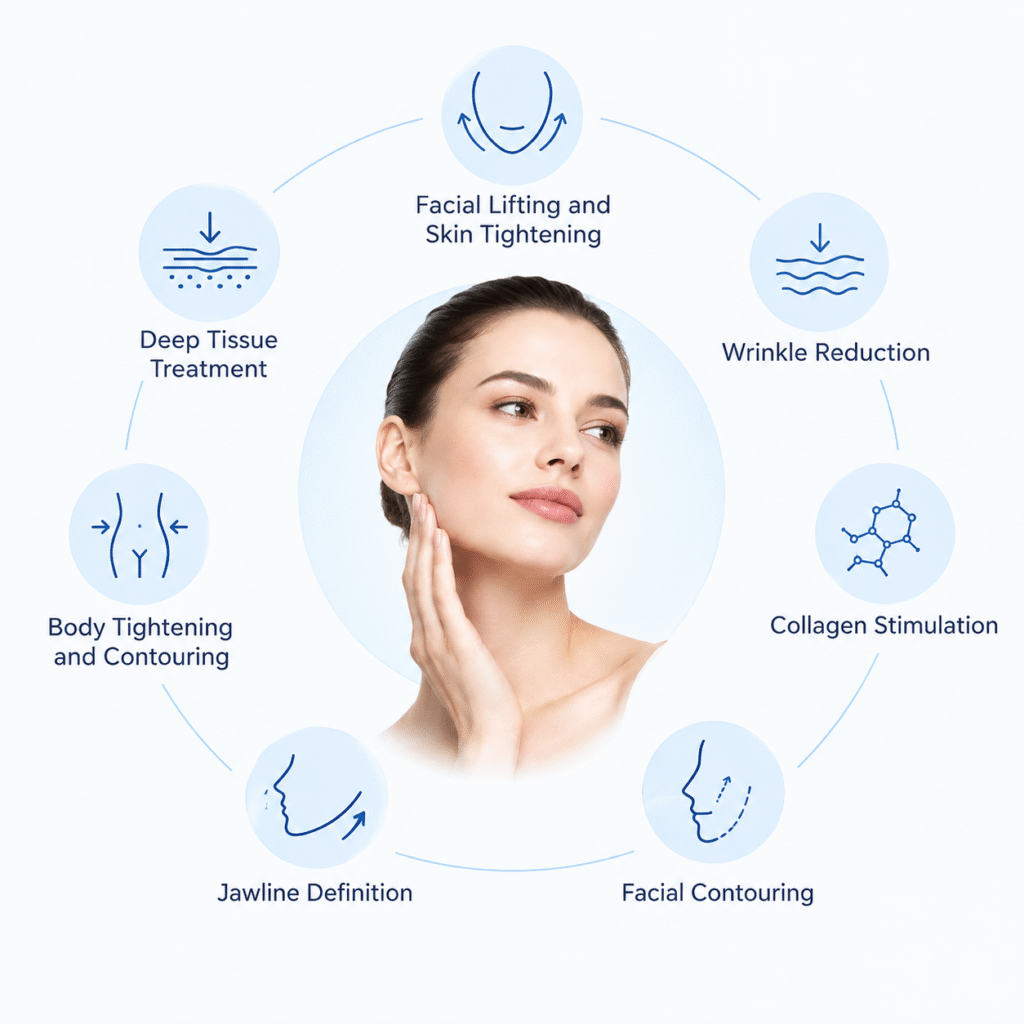
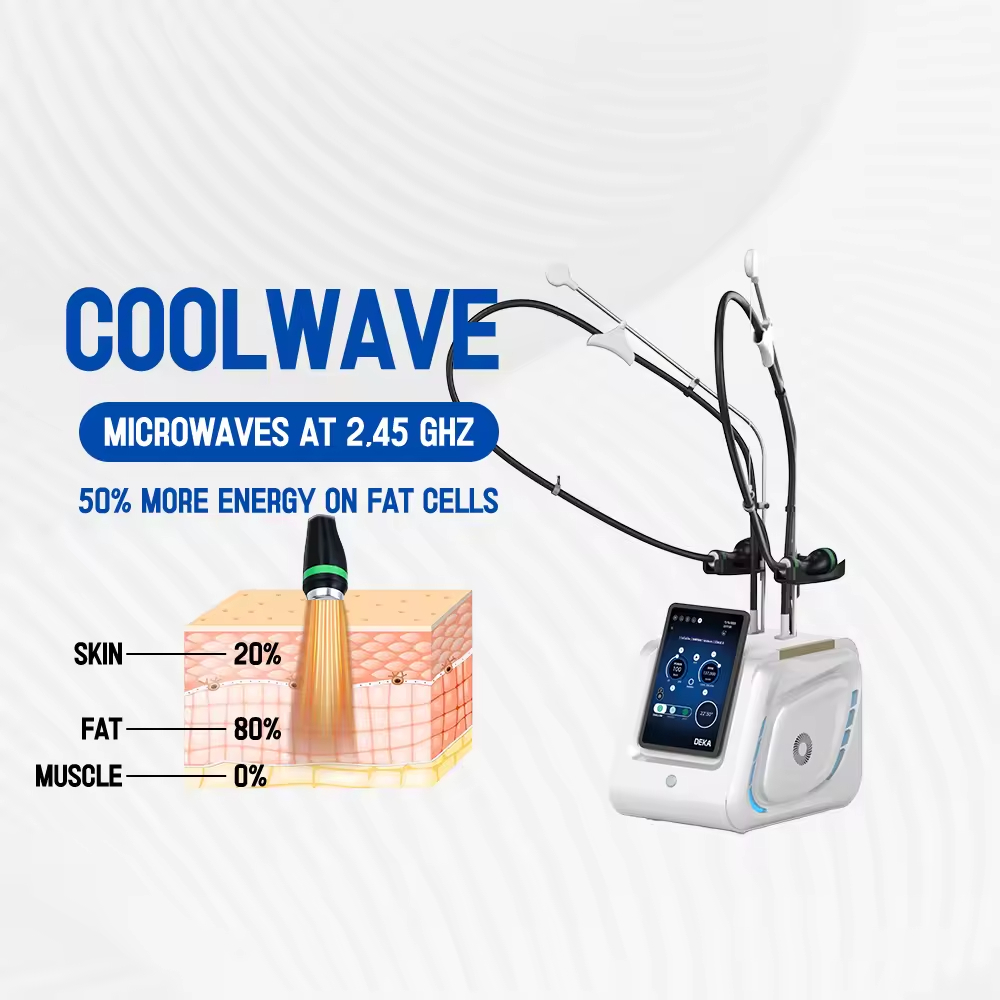
أصبحت تقنية الترددات الراديوية، والتي تُختصر غالبًا إلى RF، من أكثر التقنيات شيوعًا في مجال العناية بالبشرة ومكافحة الشيخوخة. تستخدم هذه الأجهزة موجات الطاقة لتسخين طبقات الجلد العميقة، مما يحفز إنتاج الكولاجين ويشد الأنسجة تدريجيًا مع مرور الوقت. يرى العديد من العملاء أن علاجات الترددات الراديوية حل وسط بين علاجات الوجه والجراحة.
تشير التقارير الحديثة إلى تزايد الطلب على علاجات شد الجلد غير الجراحية، لا سيما بين العملاء الذين يبحثون عن بدائل لعمليات شد الوجه. كما ساهمت اتجاهات فقدان الوزن المرتبطة بأدوية GLP-1 في زيادة الطلب على إجراءات شد الجلد، حيث يرغب الناس في معالجة ترهل الجلد بعد تغيرات الوزن السريعة. وتلبي تقنية الترددات الراديوية هذه الحاجة على أكمل وجه.
تكمن روعة علاجات الترددات الراديوية في نتائجها التدريجية. تظهر النتائج عادةً بشكل طبيعي مع إعادة بناء الكولاجين على مدى عدة أسابيع أو أشهر. وبدلاً من مظهر "الخضوع لعملية تجميل" جذرية، غالباً ما تبدو البشرة أكثر نضارة وتماسكاً وإشراقاً. هذه النتيجة الطبيعية تجذب بقوة سوق العناية بالبشرة اليوم.
تُستخدم بعض أجهزة الترددات الراديوية مع تقنية الوخز بالإبر الدقيقة لتعزيز تحفيز إنتاج الكولاجين بشكل أكبر. وقد لاقت هذه الأنظمة المُدمجة رواجاً كبيراً في مراكز التجميل الطبية لأنها تستهدف ملمس البشرة، والتجاعيد، وندبات حب الشباب، وترهل الجلد في آن واحد.
بالنسبة لأخصائيي التجميل، تمثل أجهزة الترددات الراديوية فرصة عمل كبيرة لأن العملاء غالباً ما يحتاجون إلى جلسات متعددة للحصول على أفضل النتائج. وهذا يخلق مواعيد متكررة وعلاقات طويلة الأمد أقوى بين الأخصائيين والعملاء.
أجهزة تنظيف البشرة بالتيار الدقيق
تُعرف أجهزة التيار الدقيق في عالم التجميل بـ"شد الوجه غير الجراحي". تُصدر هذه الأجهزة تيارات كهربائية منخفضة المستوى مصممة لتحفيز عضلات الوجه وتحسين الدورة الدموية. يهدف هذا العلاج إلى منح البشرة مظهرًا مشدودًا ومتناسقًا مع دعم وظائفها الصحية.
ما يجعل العلاج بالتيار الدقيق مثيرًا للاهتمام هو سرعة ملاحظة العملاء للتحسينات الطفيفة. فبعد الجلسة، قد تبدو الحواجب مرفوعة قليلًا، وعظام الخدين أكثر تحديدًا، وخط الفك أكثر تماسكًا. ليس الأمر سحرًا بالطبع، بل هو تحفيز مؤقت للعضلات يشبه تمرينًا للوجه.
يصف العديد من خبراء التجميل العلاج بالتيار الدقيق بأنه بمثابة تدريب لياقة لعضلات الوجه. فكما تساعد التمارين الرياضية المنتظمة على شد الجسم، قد تساعد جلسات العلاج بالتيار الدقيق المتكررة في الحفاظ على تماسك الوجه. يلقى هذا التشبيه صدىً واسعاً لدى العملاء لأنه يبدو مفهوماً وسهل التطبيق.
كثيراً ما يذكر خبراء التجميل على موقع Reddit أجهزة التيار الدقيق كاستثمارات مجدية، لأن العملاء يُعجبون بالنتائج الفورية والواضحة. وعلى عكس الإجراءات الأكثر توغلاً، فإن هذه العلاجات عادةً ما تكون غير مؤلمة ومريحة. حتى أن بعض الأشخاص ينامون أثناء الجلسات.
تتناغم تقنية التيار الدقيق مع التوجه الأوسع في هذا المجال نحو مكافحة الشيخوخة الوقائية وروتينات الجمال القائمة على الصحة العامة. فبدلاً من انتظار ظهور التجاعيد العميقة أو ترهل الجلد، يتزايد إقبال العملاء الأصغر سناً على علاجات الصيانة التي تحافظ على صحة البشرة بشكل استباقي.
أجهزة الوخز بالإبر الدقيقة والنانوية
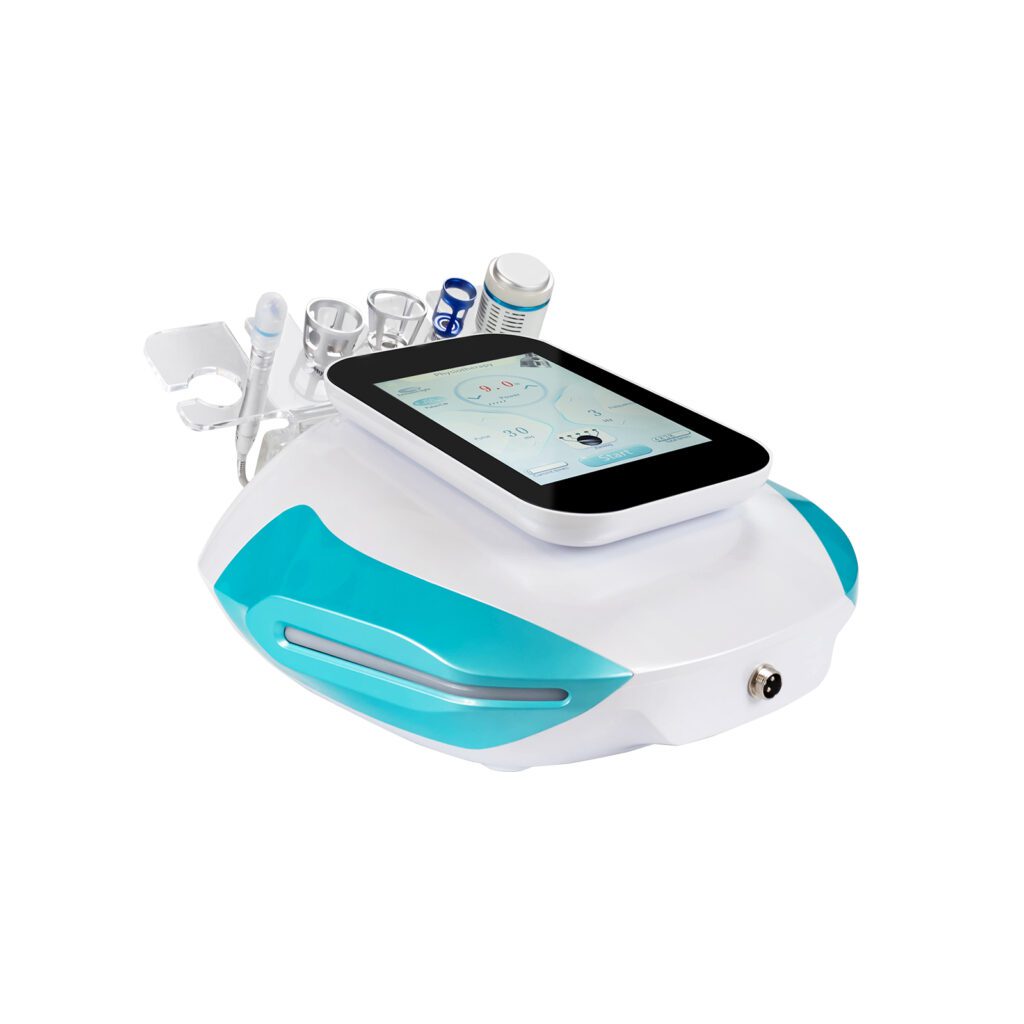
أصبح العلاج بالإبر الدقيقة من أكثر علاجات العناية بالبشرة طلباً من قبل المختصين، لأنه يعالج مشاكل متعددة في آن واحد. تستخدم هذه الأجهزة إبراً دقيقة لإحداث إصابات مجهرية مُتحكم بها في الجلد، مما يحفز إنتاج الكولاجين وتجديد الخلايا. قد يبدو الأمر مخيفاً، لكن عند تطبيقه بشكل صحيح، يُمكن للعلاج بالإبر الدقيقة أن يُحسّن ملمس البشرة، والندبات، والتجاعيد، والتصبغات بشكل ملحوظ.
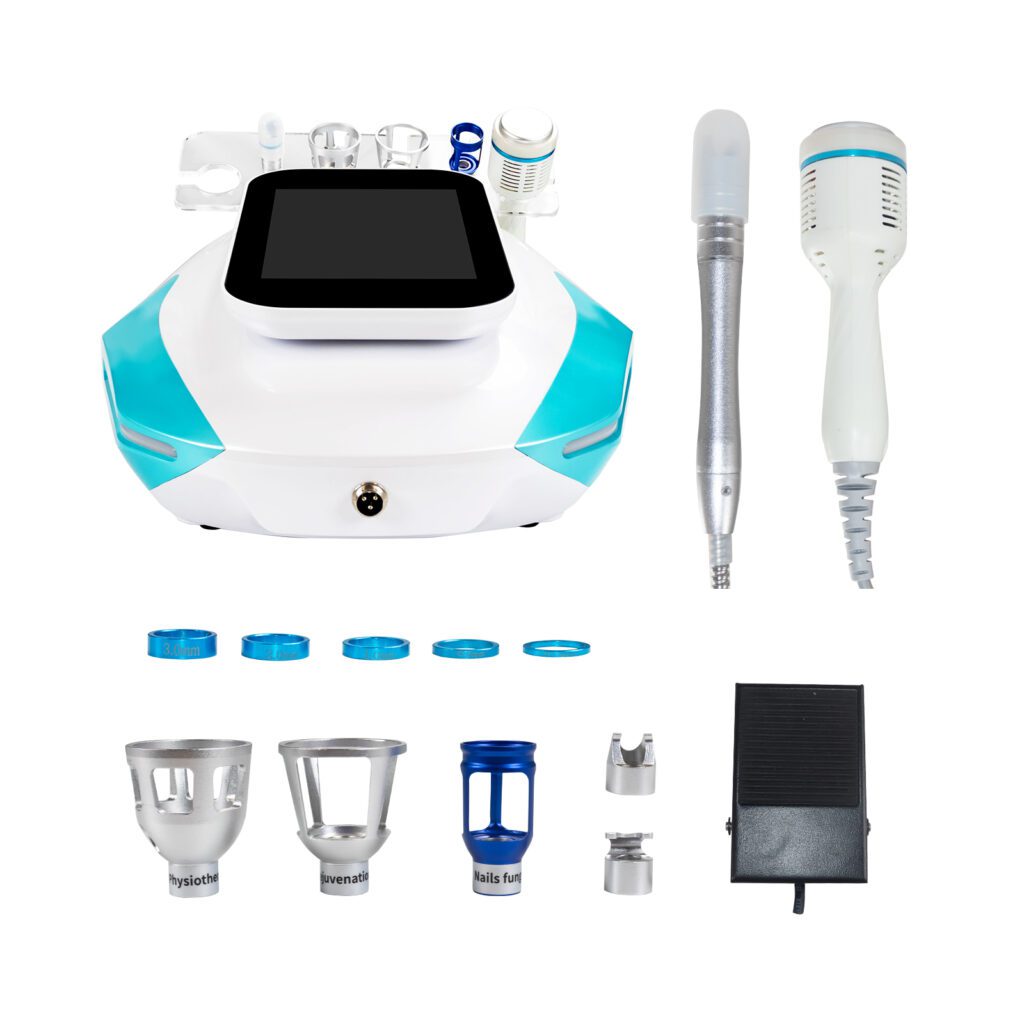
يُعدّ الوخز بالإبر النانوية تقنيةً لطيفةً تستخدم رؤوسًا دقيقةً من السيليكون أو المعدن بدلًا من الإبر العميقة. وهي تُحسّن امتصاص المنتجات وتُجدّد سطح البشرة بشكلٍ أساسي، بدلًا من إعادة بناء الكولاجين بشكلٍ ملحوظ. يُمكن اعتبار الوخز بالإبر النانوية بمثابة تنظيفٍ خفيف، بينما يُعتبر الوخز بالإبر الدقيقة عملية تجديدٍ أكثر فعالية.
اكتسبت تقنية الوخز بالإبر الدقيقة شعبيةً واسعةً، لا سيما مع رغبة العملاء في الحصول على علاجات فعّالة دون جراحة. وقد ساهمت صور ما قبل العلاج على مواقع التواصل الاجتماعي، والتي تُظهر تحسّنًا في ندبات حب الشباب ونعومة البشرة، في زيادة الطلب عليها بشكلٍ كبير. وتشير تقارير القطاع أيضًا إلى نموٍّ ملحوظ في تقنية الوخز بالإبر الدقيقة خلال عام 2026.
تجمع العديد من الأنظمة المتطورة الآن بين تقنية الوخز بالإبر الدقيقة وطاقة الترددات الراديوية، مما يُحفز إنتاج الكولاجين بشكل أقوى. غالباً ما تكون أسعار هذه العلاجات مرتفعة نظراً لنتائجها الملحوظة في علاج علامات تقدم السن والندبات.
بالنسبة لأخصائيي التجميل، يتطلب العلاج بالإبر الدقيقة الحصول على شهادات معتمدة واتباع بروتوكولات السلامة اللازمة. أما بالنسبة للمهنيين الراغبين في الاستثمار في التعليم والمعدات عالية الجودة، فإنه لا يزال من أكثر الخدمات طلباً في مجال العناية بالبشرة.
أجهزة تحديد شكل الجسم
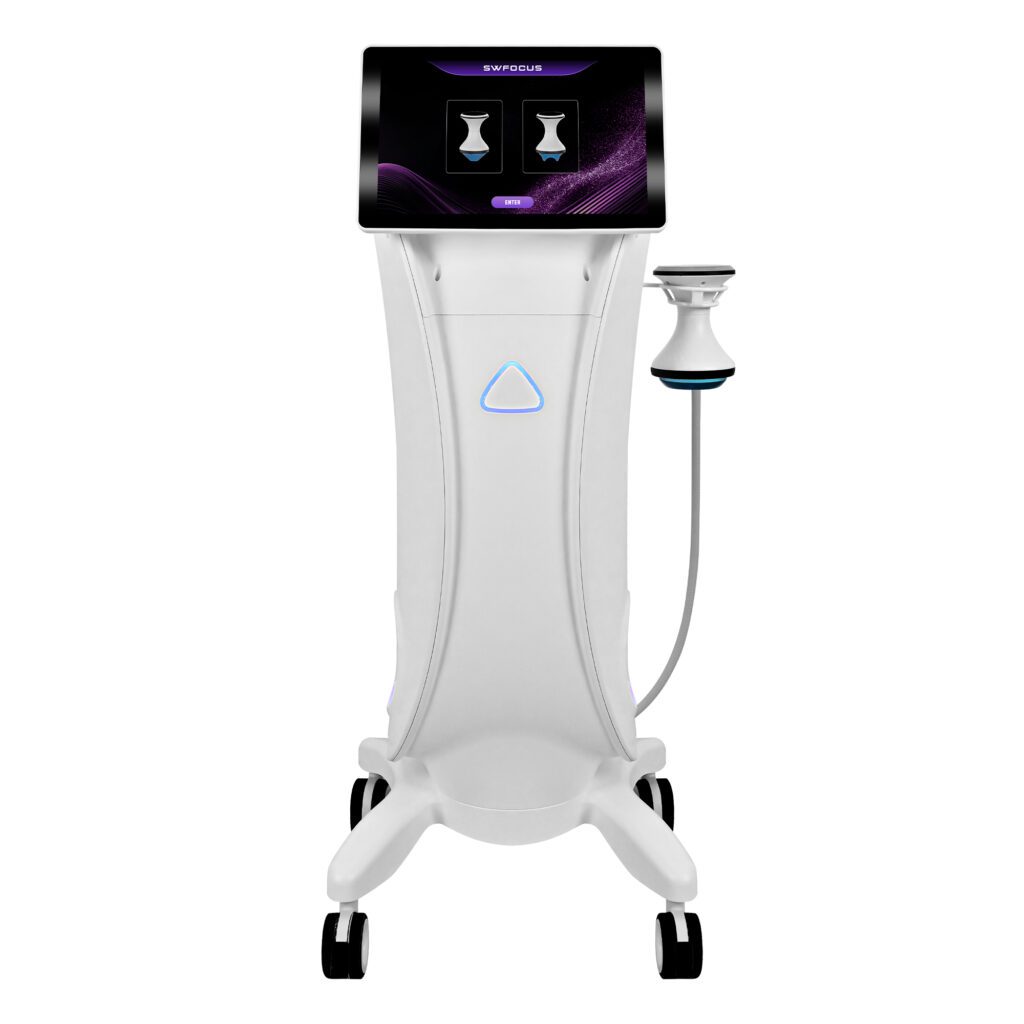
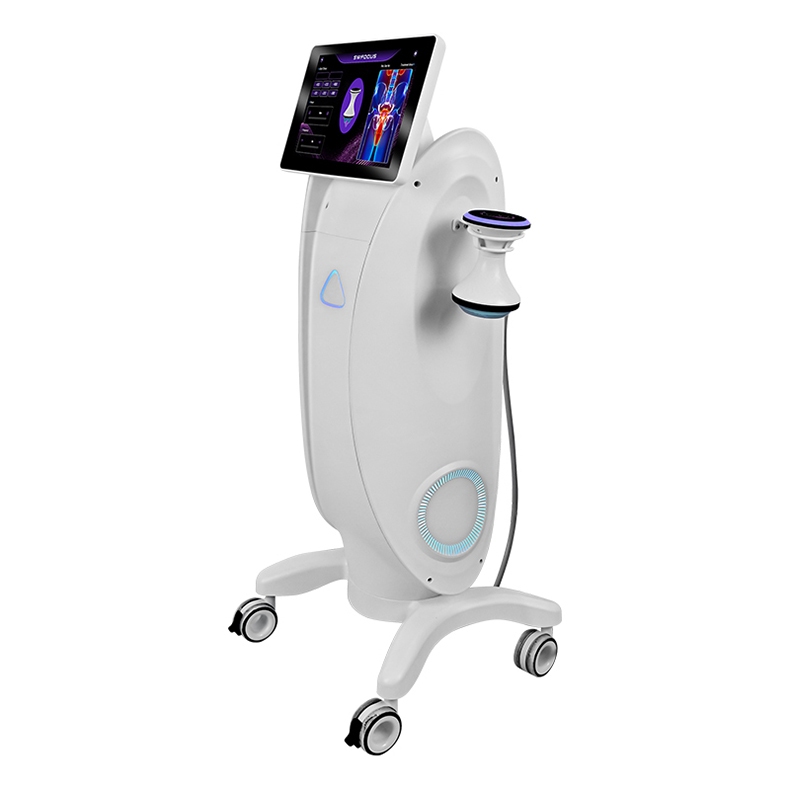
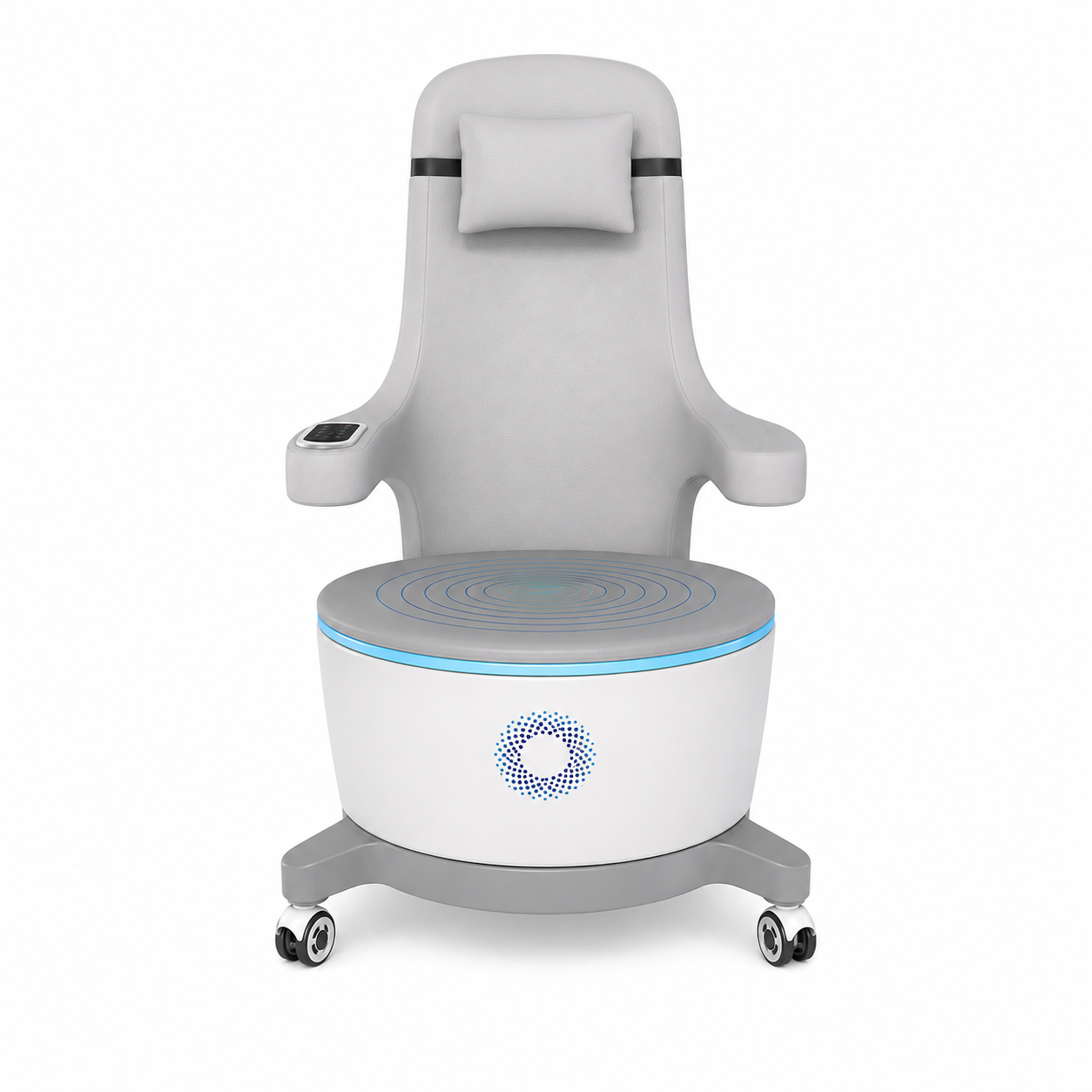
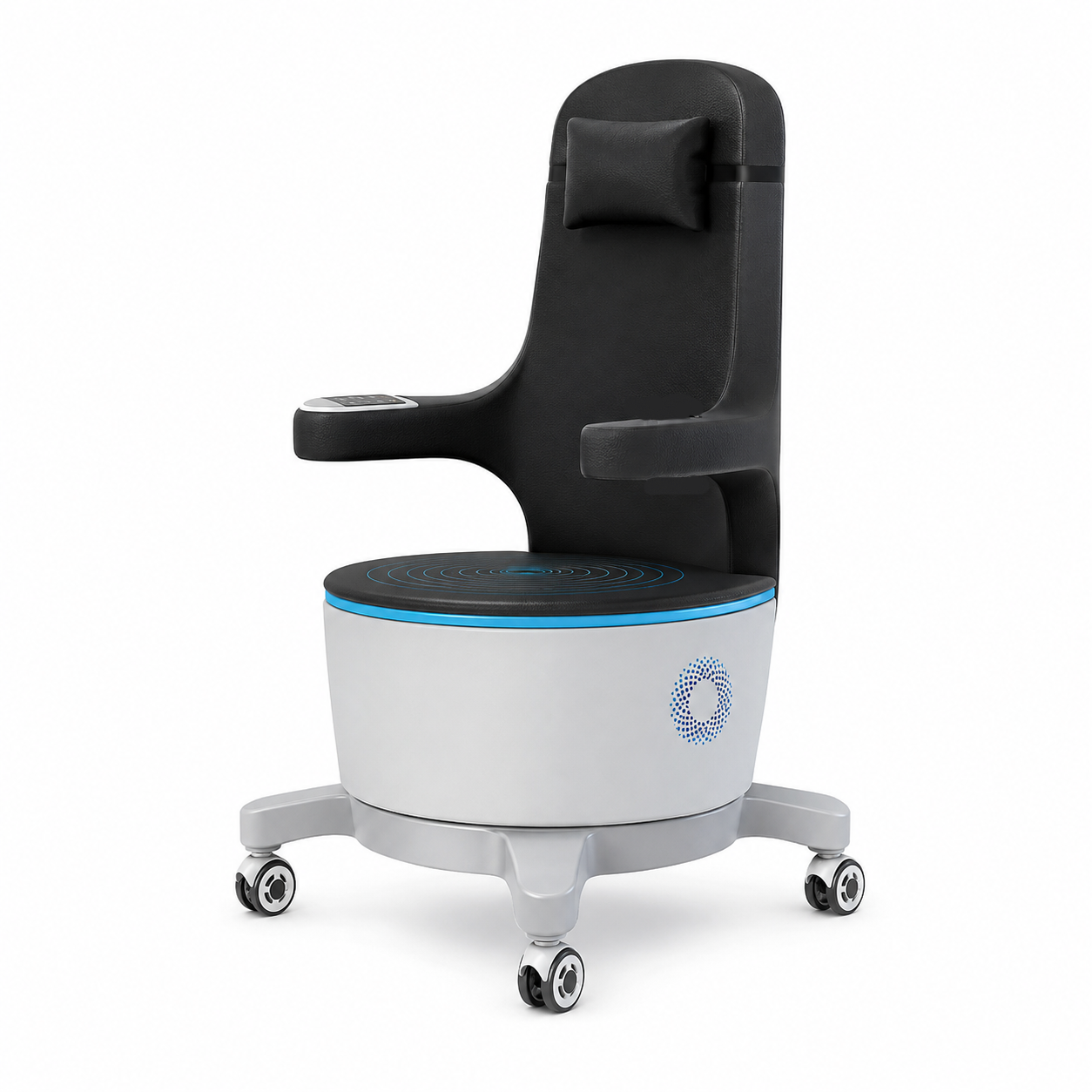
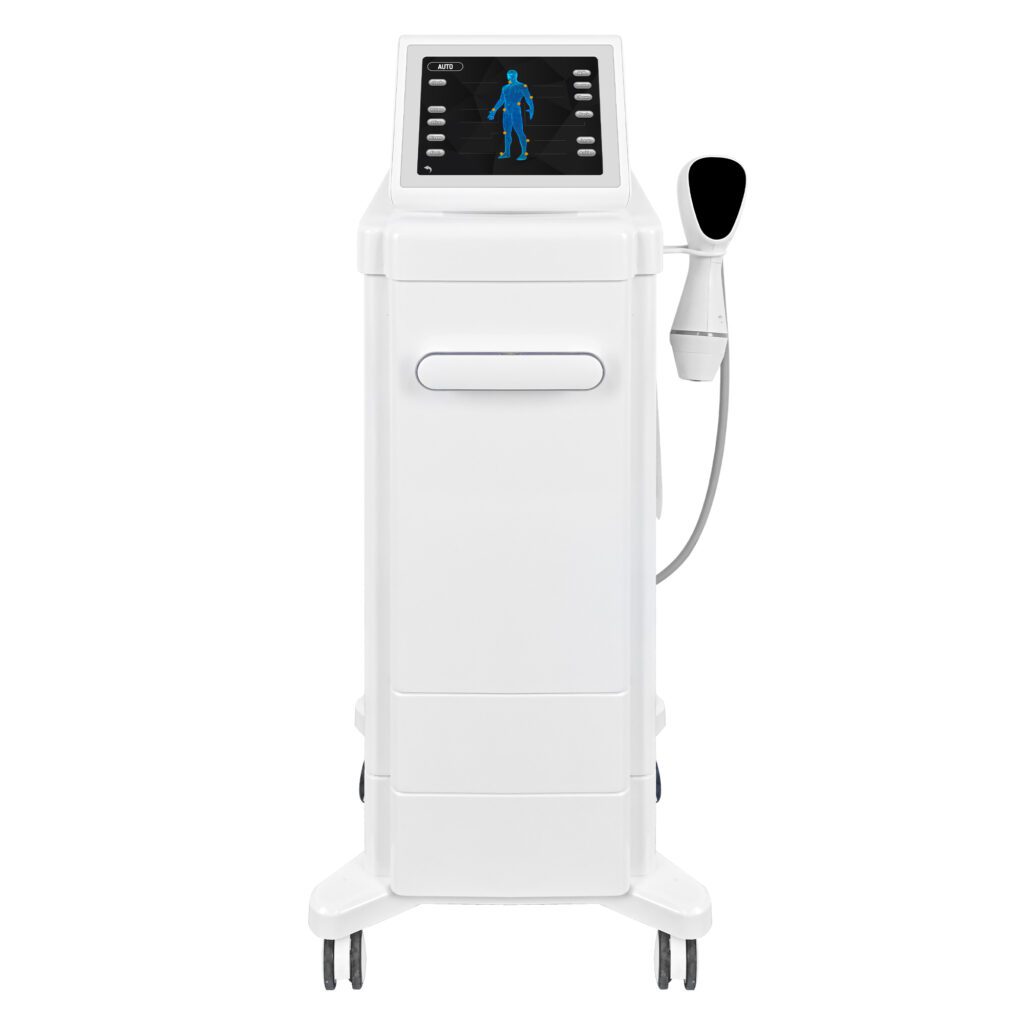
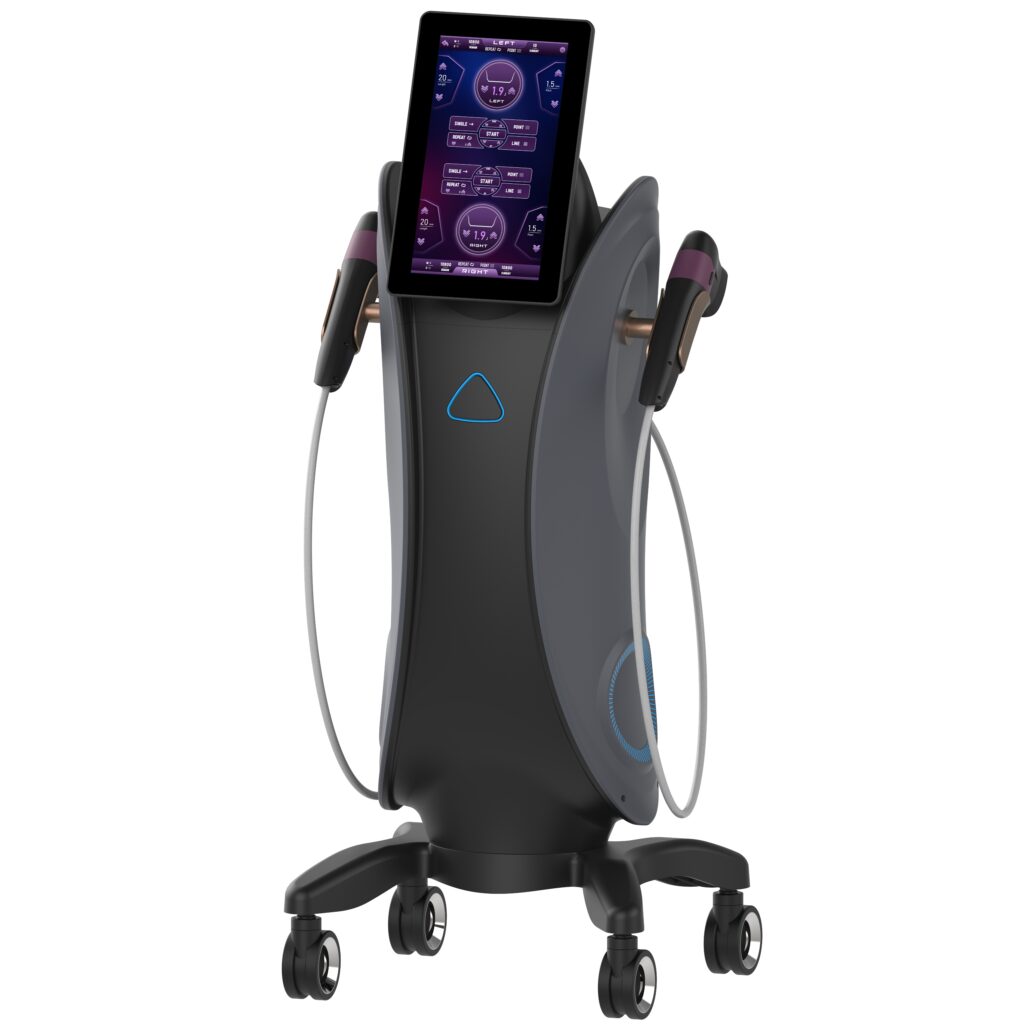
لم يعد التجميل مقتصراً على علاجات الوجه فقط، فقد شهدت أجهزة نحت الجسم رواجاً كبيراً مع بحث العملاء عن طرق غير جراحية لشد الجلد، وتقليل الدهون، وتحسين شكل الجسم. وتستخدم هذه الأجهزة تقنيات مثل التبريد الموضعي للدهون، والموجات فوق الصوتية، والترددات الراديوية، والعلاج بالشفط، والتحفيز الكهرومغناطيسي.
تُعدّ عملية نحت الجسم خيارًا جذابًا لمن يرغبون في تحسين مظهرهم دون جراحة أو فترات نقاهة طويلة. يشبه الأمر اختيار مسار مشي خلاب بدلًا من تسلق منحدر جبلي خطير. قد تكون النتائج أبطأ، لكن العملية تبدو أكثر أمانًا وأقل إثارة للقلق.
تشير تقارير القطاع لعام 2026 إلى أن شد الجلد ونحت الجسم لا يزالان من أهم فئات الاستثمار في عيادات التجميل. ومن المثير للاهتمام أن تغير اتجاهات فقدان الوزن يُعيد تشكيل السوق. فمع ازدياد عدد الأشخاص الذين يفقدون وزنًا كبيرًا باستخدام أدوية GLP-1، يتحول الطلب من تقليل الدهون إلى تقنيات شد الجلد وتوحيد لونه.
غالباً ما يجمع أخصائيو التجميل الذين يقدمون خدمات نحت الجسم بين عدة تقنيات لتحقيق نتائج أفضل. على سبيل المثال، قد تعمل تقنية الترددات الراديوية على شد الجلد، بينما تعمل تقنية الشفط على تحسين الدورة الدموية وتصريف السائل اللمفاوي. تساعد خطط العلاج المتكاملة هذه على توفير تجارب أكثر تخصيصاً.
تعتبر أجهزة نحت الجسم عادةً من بين أغلى الاستثمارات في مجال التجميل، ولكنها يمكن أن تدر أيضاً بعضاً من أعلى الإيرادات بفضل أسعار الباقات والجلسات المتكررة.
معدات إزالة الشعر بالشمع وآلات إزالة الشعر
لا تزال إزالة الشعر من أكثر الخدمات موثوقية في مجال التجميل، إذ تجذب العملاء على مدار العام. وتُعدّ أجهزة تسخين الشمع، وأنظمة الشمع الصلب، وأجهزة إزالة الشعر بالليزر، وأجهزة IPL من الأدوات الشائعة في غرف العلاج الحديثة.
حتى تقنيات إزالة الشعر بالشمع شهدت تطوراً ملحوظاً. وتشير اتجاهات السوق في عام 2026 إلى تزايد الاهتمام بالشمع منخفض الحرارة، وأجهزة التحكم الرقمية في درجة الحرارة، والتركيبات المضادة للحساسية المصممة خصيصاً للبشرة الحساسة. كما توفر أجهزة تسخين الشمع الحديثة تحكماً أدق في درجة الحرارة، مما يساعد على تقليل الحروق وتحسين راحة العملاء.
تُمثل أجهزة إزالة الشعر بالليزر وأجهزة IPL أحدث التقنيات في مجال إزالة الشعر. تستهدف هذه الأجهزة بصيلات الشعر باستخدام طاقة الضوء، مما يُقلل نمو الشعر تدريجيًا مع مرور الوقت. يُفضل العملاء سهولة استخدامها، حيث تُقلل الجلسات المنتظمة بشكل كبير من الحاجة إلى الحلاقة وإزالة الشعر بالشمع.
بالنسبة لأخصائيي التجميل، تُعدّ خدمات إزالة الشعر مصدر دخل ثابت ومتكرر. وعلى عكس العلاجات الرائجة التي قد تتذبذب شعبيتها، يسعى الناس باستمرار للحصول على بشرة أكثر نعومة بغض النظر عن الظروف الاقتصادية أو صيحات الجمال.
يُقدّر العديد من المختصين أيضاً أن خدمات إزالة الشعر بالشمع والليزر تُشجع على بناء علاقات طويلة الأمد مع العملاء. فبمجرد أن يجد الشخص خبير تجميل موثوقاً لإزالة الشعر، غالباً ما يستمر في حجز المواعيد لسنوات.
أجهزة الأكسجين للوجه
اكتسبت أجهزة الأكسجين للوجه شعبية واسعة بفضل إعلانات المشاهير والتسويق لمنتجعات السبا الفاخرة، لكن جاذبية هذا العلاج تتجاوز مجرد الضجة الإعلامية. توفر هذه الأجهزة الأكسجين المضغوط مع سيرومات خفيفة الوزن لترطيب البشرة وإنعاشها.
غالباً ما يختار العملاء جلسات الأكسجين للوجه قبل حفلات الزفاف، والمناسبات، وجلسات التصوير، أو الإجازات، لأن هذه الجلسات تمنح البشرة إشراقة فورية دون احمرار أو تقشير. وعادةً ما تبدو البشرة أكثر امتلاءً وتألقاً بعد الجلسة، مما يجعلها مثالية للمناسبات الخاصة.
يتماشى العلاج بالأكسجين مع التوجه العام في صناعة التجميل نحو العناية بالبشرة التي تركز على الصحة والعافية. فالمستهلكون يتزايدون رغبةً في علاجات تُغذي البشرة بدلاً من العلاجات القاسية. وتشير التقارير حول اتجاهات الجمال لعام 2026 إلى ارتفاع الطلب على دعم حاجز البشرة وترطيبها والعناية الوقائية بها. وتتوافق جلسات الأكسجين للوجه تماماً مع هذه الأولويات.
يلجأ العديد من خبراء التجميل إلى الجمع بين أجهزة الأكسجين والعلاج بالضوء أو التقشير المائي للحصول على نتائج أفضل. توفر هذه العلاجات شعوراً بالفخامة مع الحفاظ على ترطيب البشرة وتحسين الدورة الدموية.
على الرغم من أن جلسات الأكسجين للوجه قد لا تُحدث تغييرات جذرية في بنية البشرة مثل العلاج بالترددات الراديوية أو الوخز بالإبر الدقيقة، إلا أنها لا تزال تحظى بشعبية كبيرة لأنها تُضفي نضارة فورية ملحوظة. أحيانًا لا يرغب العملاء في تغيير جذري، بل يريدون فقط أن يبدوا مرتاحين، أصحاء، ومتألقين.
خاتمة
يشهد قطاع التجميل في عام 2026 مزيجاً رائعاً من الجمال والعافية والتكنولوجيا. يستخدم أخصائيو التجميل اليوم أكثر بكثير من مجرد منتجات العناية بالبشرة الأساسية وعلاجات الوجه اليدوية. فغرف علاجهم مليئة بأجهزة مصممة لتنظيف البشرة وشدّها ورفعها وتقشيرها وتحديد ملامحها وترطيبها وتجديدها بطرق متطورة باستمرار.
لا تزال بعض الأجهزة، مثل أجهزة تبخير الوجه ومصابيح التكبير، من الضروريات الأساسية التي لا غنى عنها لأنها تدعم جميع العلاجات تقريبًا. بينما تعكس أجهزة أخرى، مثل العلاج بالضوء LED، والترددات الراديوية، وأنظمة الوخز بالإبر الدقيقة، الطلب المتزايد على منتجات العناية بالبشرة غير الجراحية التي تحقق نتائج ملموسة. كما تُظهر أجهزة نحت الجسم، وأنظمة التقشير المائي، وعلاجات الأكسجين للوجه، كيف تتطور توقعات العملاء باستمرار نحو الراحة، والتخصيص، والجمال الوقائي.
الأمر المثير للاهتمام بشكل خاص هو أن التجميل الحديث لم يعد يقتصر على الظهور بمظهر أصغر سناً فحسب. تكشف اتجاهات الصناعة عن اهتمام متزايد بصحة البشرة، وإصلاح حاجزها الطبيعي، والرفاهية، والتحسينات الدقيقة التي تحافظ على الجمال الطبيعي. من المرجح أن يصبح مستقبل التجميل أكثر تخصيصاً مع استمرار تطور تحليل البشرة بالذكاء الاصطناعي، والأجهزة الذكية، والعلاجات المركبة.
بالنسبة لأخصائيي التجميل، يعتمد اختيار الأجهزة المناسبة على الميزانية، ونوعية العملاء، وفلسفة العلاج، وأهداف العمل طويلة الأجل. أما بالنسبة للعملاء، فإن فهم هذه التقنيات يساعدهم على اتخاذ قرارات مدروسة بشأن استثماراتهم في مجال العناية بالبشرة. في كلتا الحالتين، يبقى أمر واحد واضحاً: لم تعد تكنولوجيا التجميل خياراً ثانوياً في عالم الجمال الحديث، بل هي عصب هذه الصناعة.
الأسئلة الشائعة
ما هو الجهاز الأكثر شيوعاً الذي يستخدمه أخصائيو التجميل؟
تُعد أجهزة تبخير الوجه، وأجهزة العلاج بضوء LED، وأنظمة التقشير المائي من بين أكثر الأجهزة شيوعًا في غرف العلاج التجميلي لأنها متعددة الاستخدامات ومناسبة لأنواع البشرة المختلفة.
هل أجهزة التجميل آمنة؟
معظم أجهزة التجميل الاحترافية آمنة عند تشغيلها من قبل متخصصين مدربين ومرخصين. وتُعدّ الشهادات المناسبة وتحليل البشرة وإجراءات التعقيم ضرورية للحد من المخاطر.
ما هو الجهاز الأفضل لعلاجات مكافحة الشيخوخة؟
تُستخدم أجهزة الترددات الراديوية، وأجهزة التيار الدقيق، والعلاج بضوء LED، وأنظمة الوخز بالإبر الدقيقة بشكل شائع لمكافحة الشيخوخة لأنها تساعد على تحفيز الكولاجين وتحسين تماسك الجلد.
هل يستخدم أخصائيو التجميل أجهزة الليزر؟
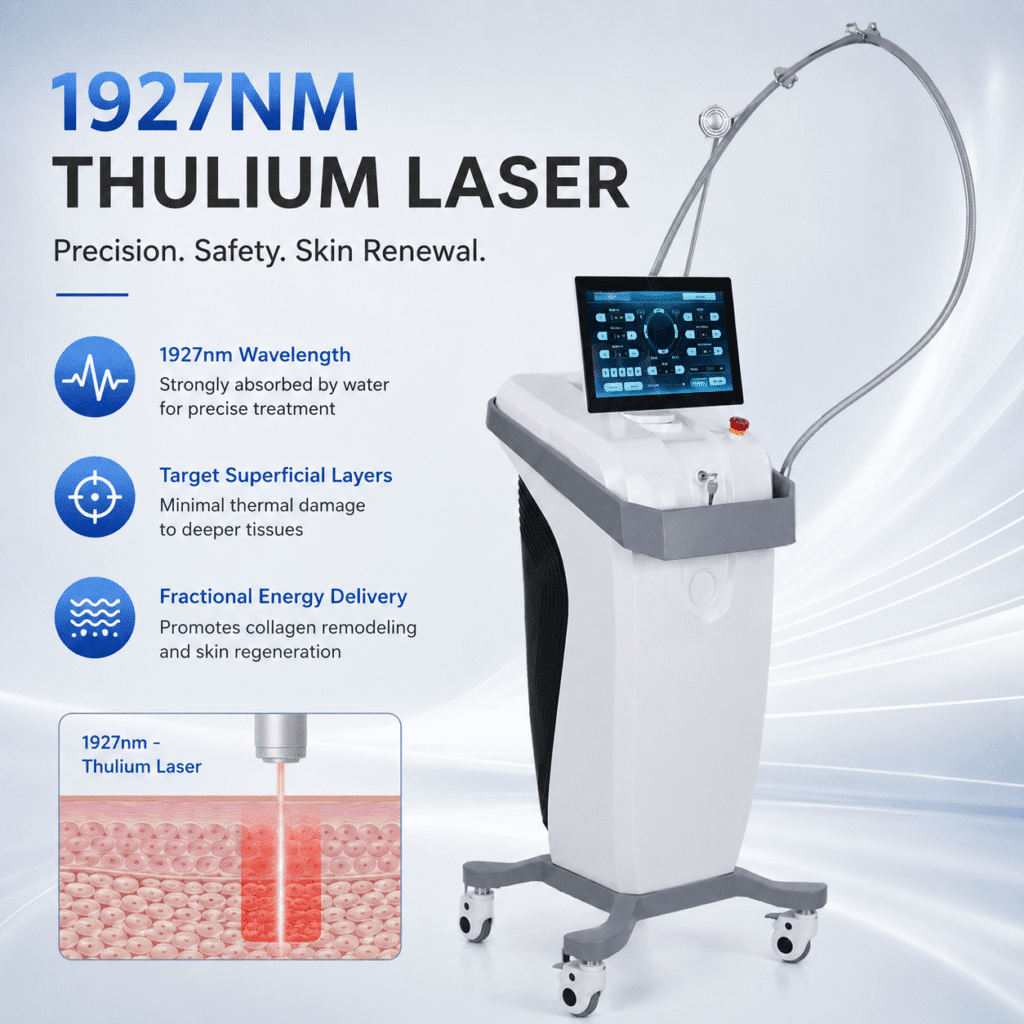
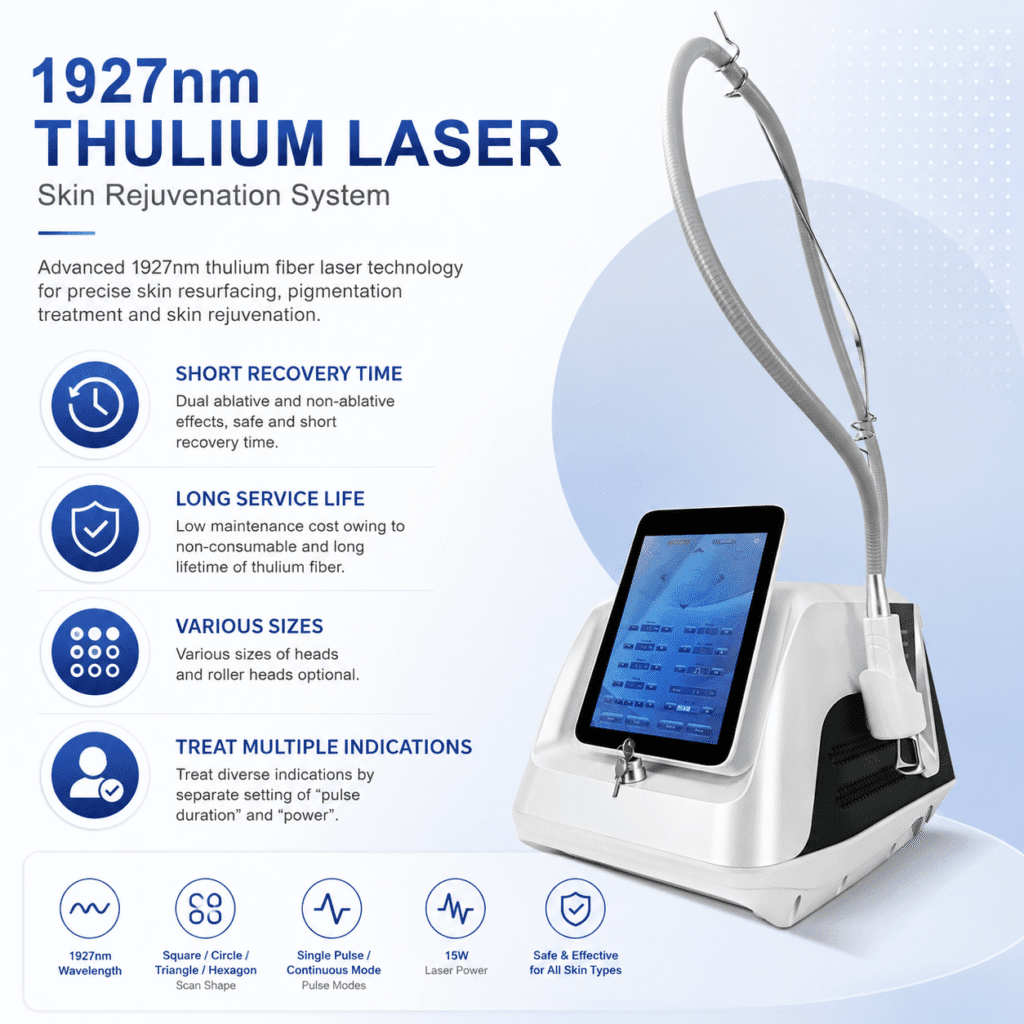
يستخدم بعض خبراء التجميل أجهزة الليزر أو أجهزة IPL لإزالة الشعر وتجديد البشرة، وذلك حسب لوائح الولاية ومتطلبات الترخيص.
أي جهاز تجميل يحقق أكبر قدر من الأرباح؟
تعتبر أنظمة HydraFacial وأجهزة الوخز بالإبر الدقيقة بترددات الراديو وأجهزة نحت الجسم وأنظمة إزالة الشعر بالليزر مربحة للغاية في كثير من الأحيان لأن العملاء عادة ما يحجزون جلسات متعددة.