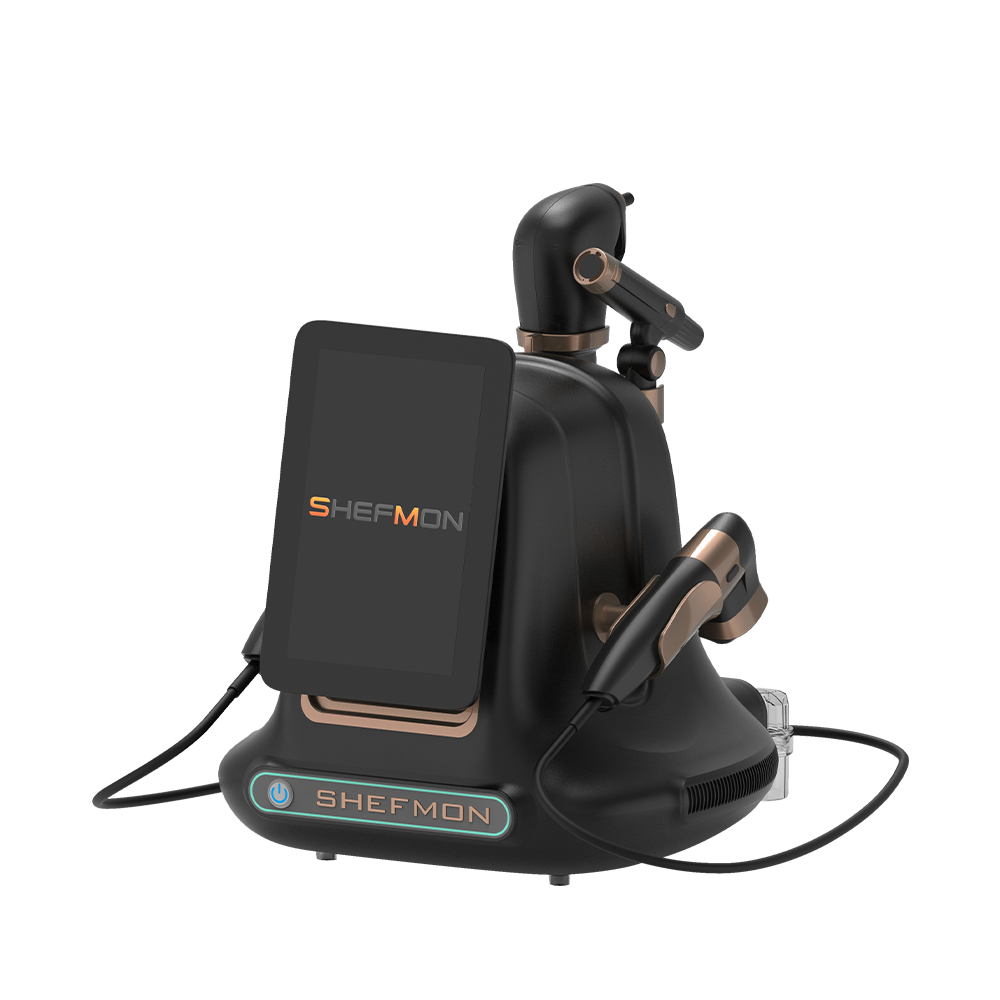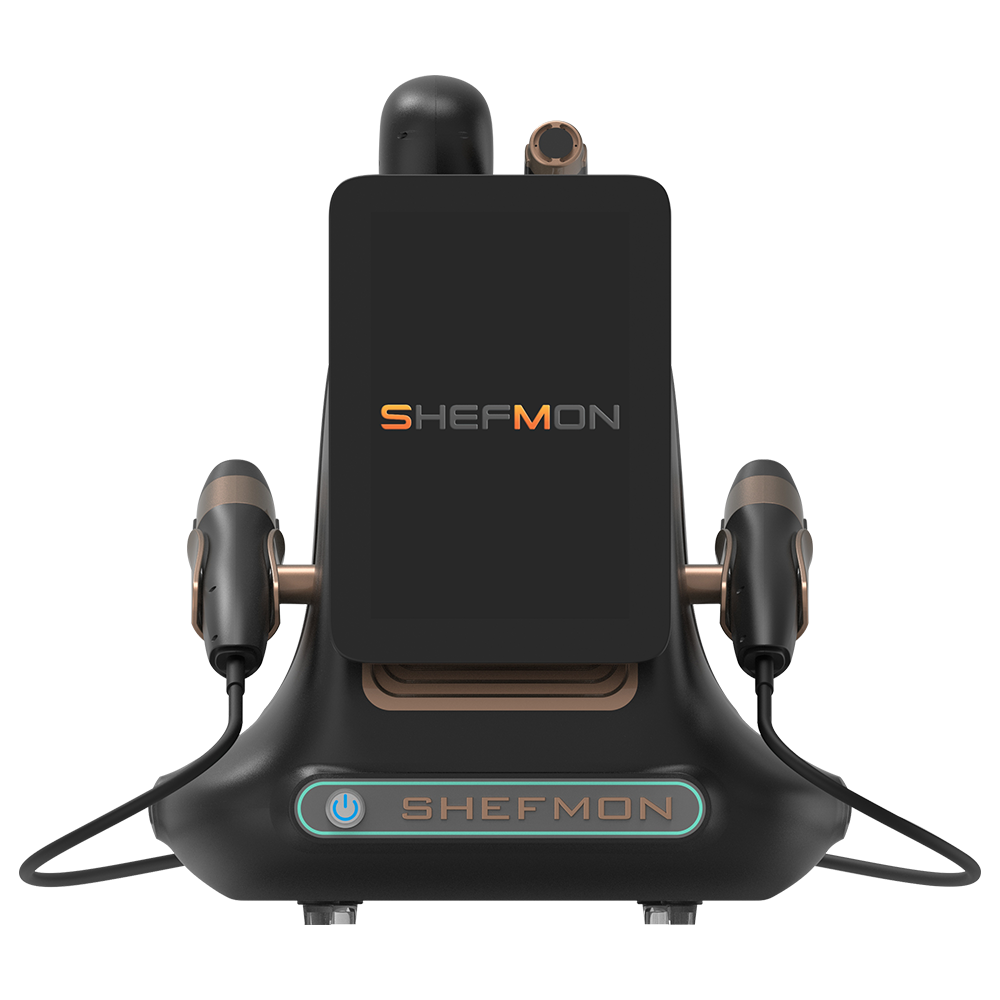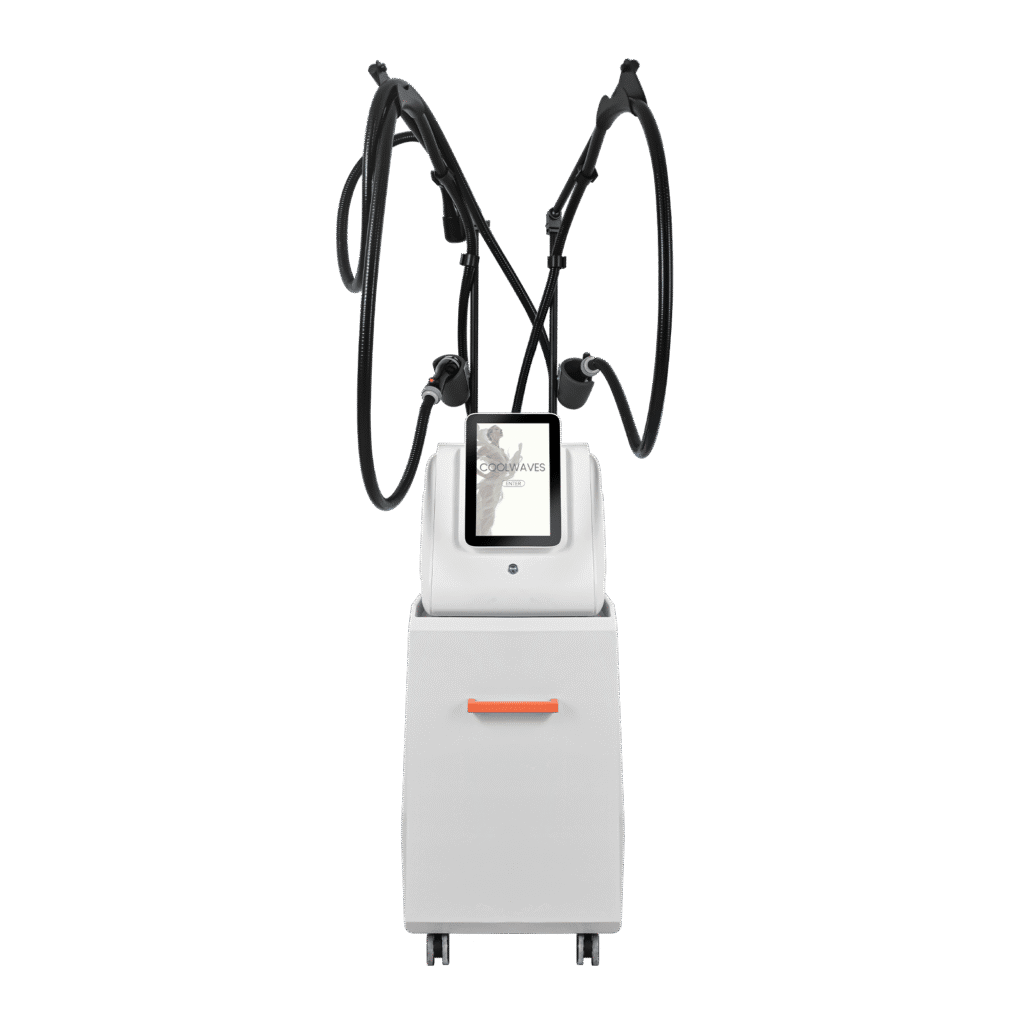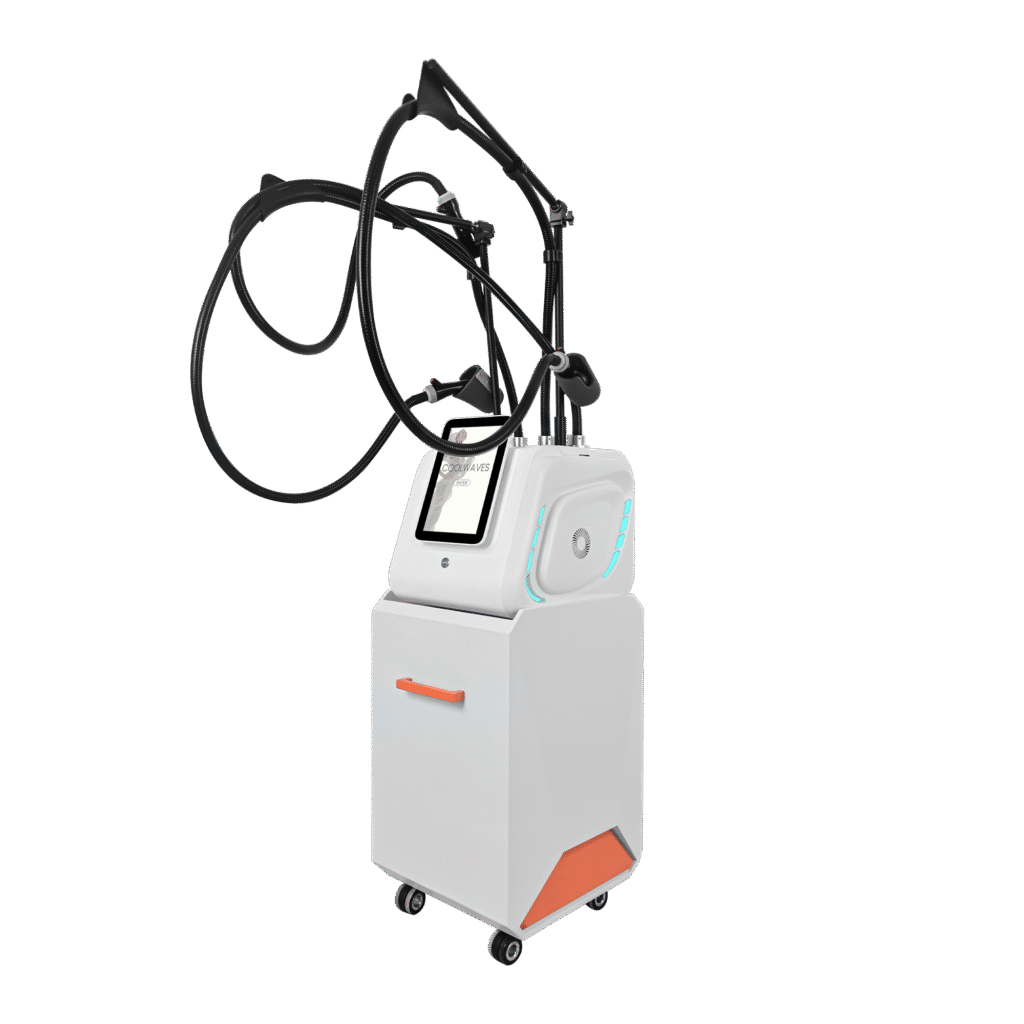
Limited treatment-room space does not mean a clinic must accept a weak service menu. It means every device needs a clearly defined role, a verified place in the room, controlled storage, and enough time for safe setup and turnover. A compact machine can still create an unworkable service if its trolley, handpieces, cartridges, solutions, cooling system, protective equipment, and waste occupy the rest of the room.
This guide explains how small skin clinics, med spas, and distributors can select relevant SHEFMON beauty devices by service coverage and complete room requirements. It compares a multifunction hydro facial platform, a combined HIFU and RF system, a desktop RF microneedling model, and a desktop thulium laser option. It also explains which services should share a room, which require stronger separation, and what buyers must measure before ordering.
Executive Summary
- Start with the clinic’s most important service gap, then calculate the full space required by the machine, operator, bed, trolley, accessories, consumables, cleaning, and client movement.
- Use the A0648 hydro microdermabrasion machine when one room needs a strong foundation for cleansing, exfoliation, extraction, and hydration-oriented services.
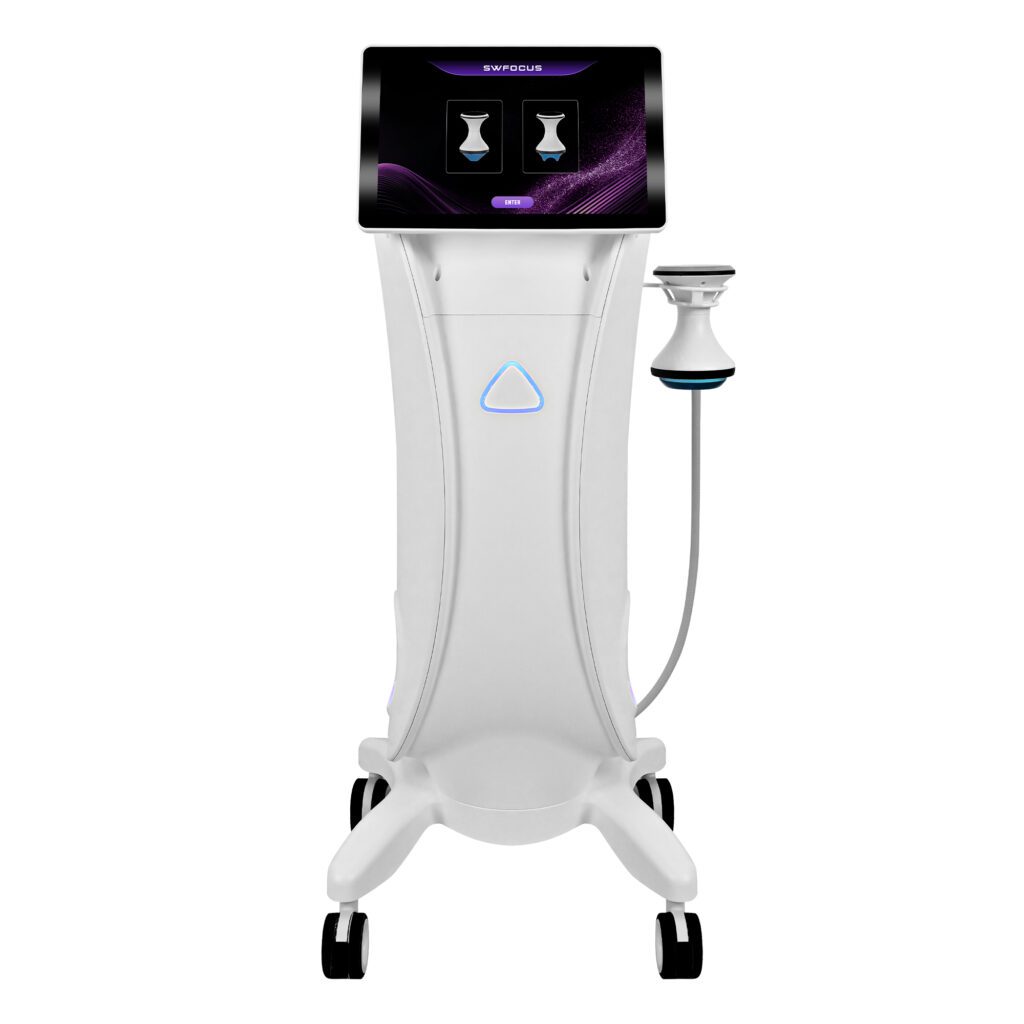
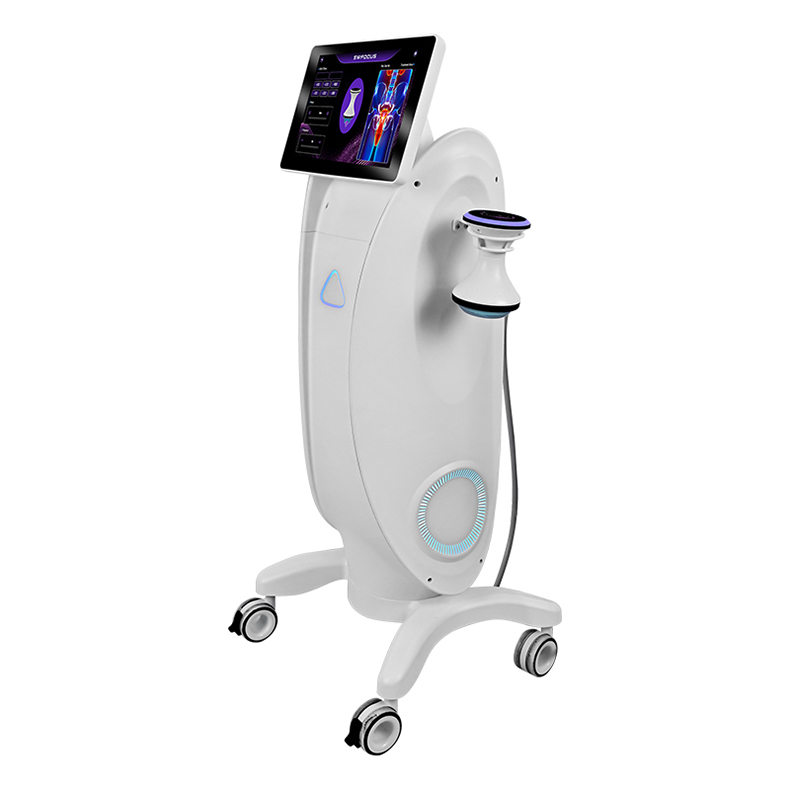
- Evaluate the A0270 Vmax HIFU and RF system when a qualified clinic wants two listed technologies in one platform, but verify dimensions, cart requirements, handpieces, cartridges, and exact service scope before treating it as a space-saving choice.
- Consider the A0152 desktop RF microneedling system when a properly licensed clinical setting needs a desktop format. Its listed dimensions do not reduce the need for clinical hygiene, single-use head control, waste, aftercare, and complication management.
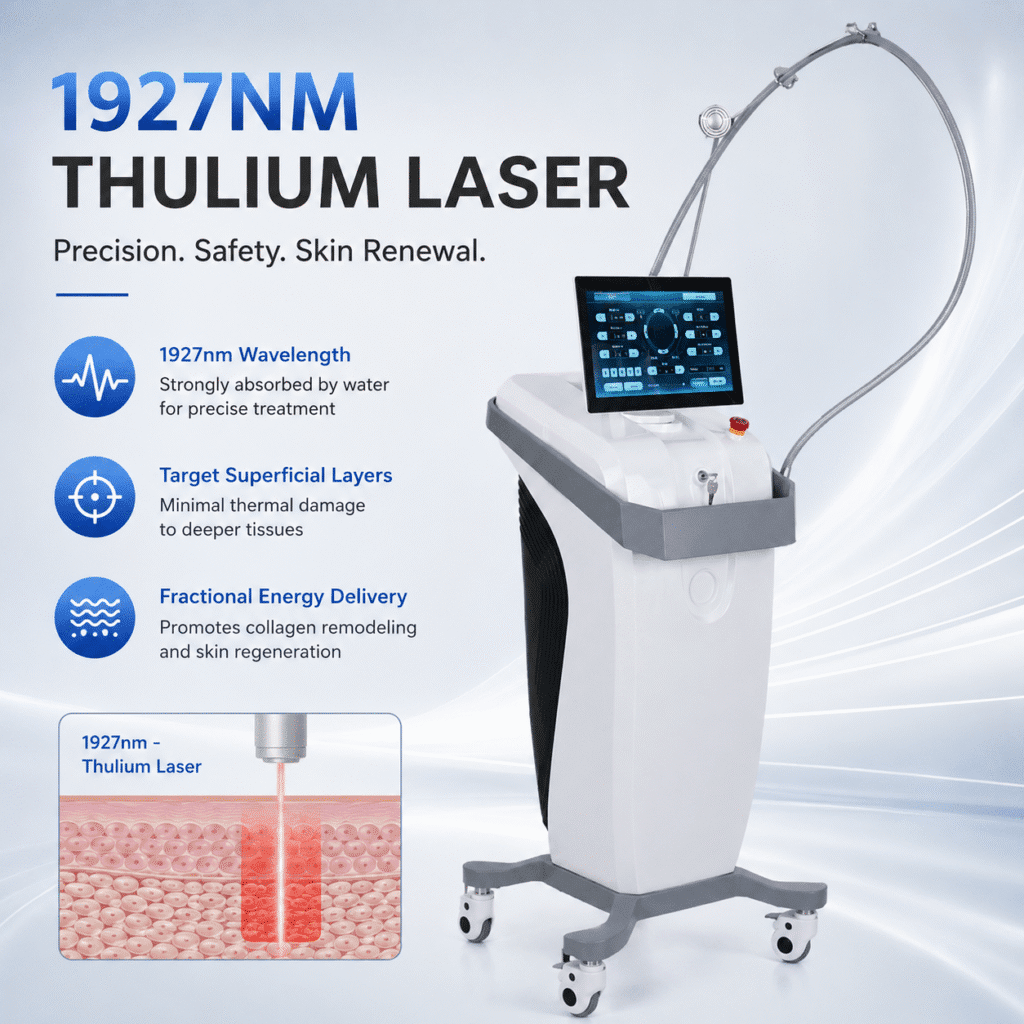
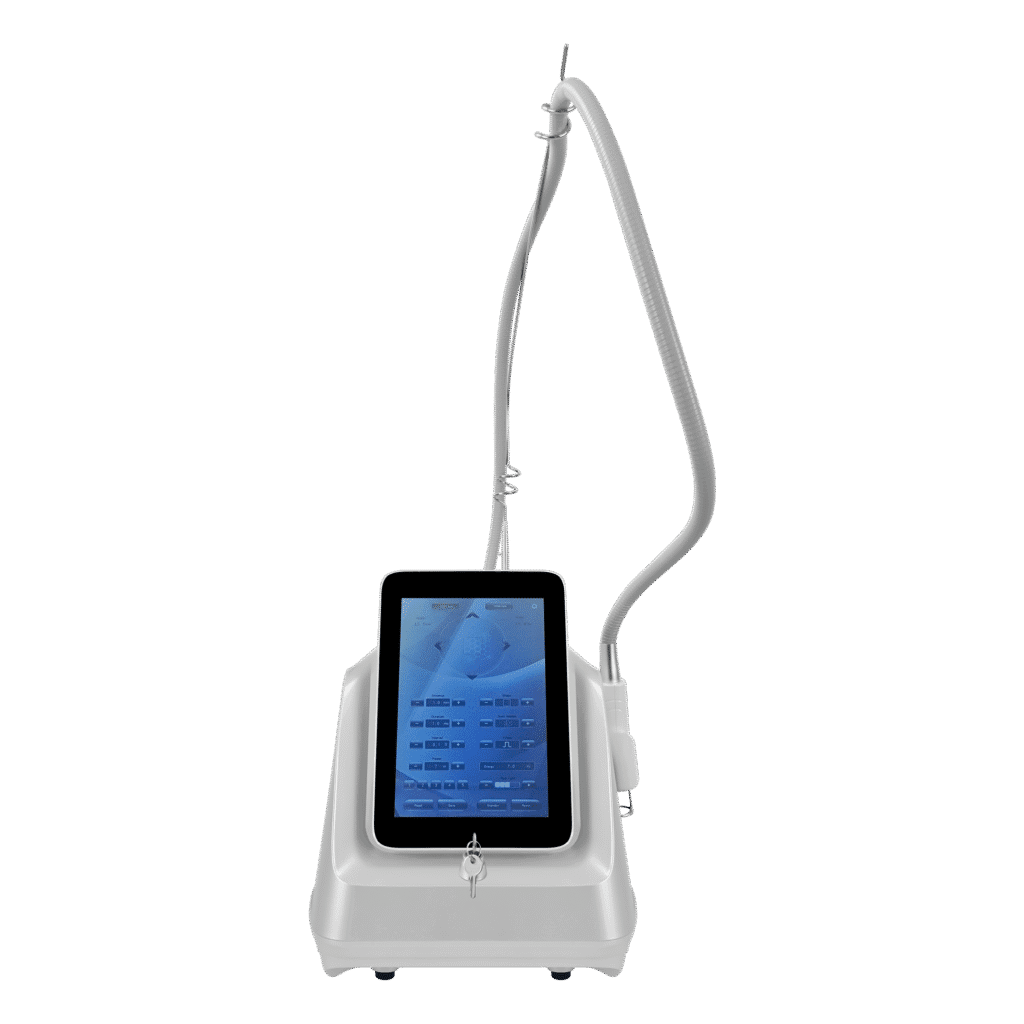
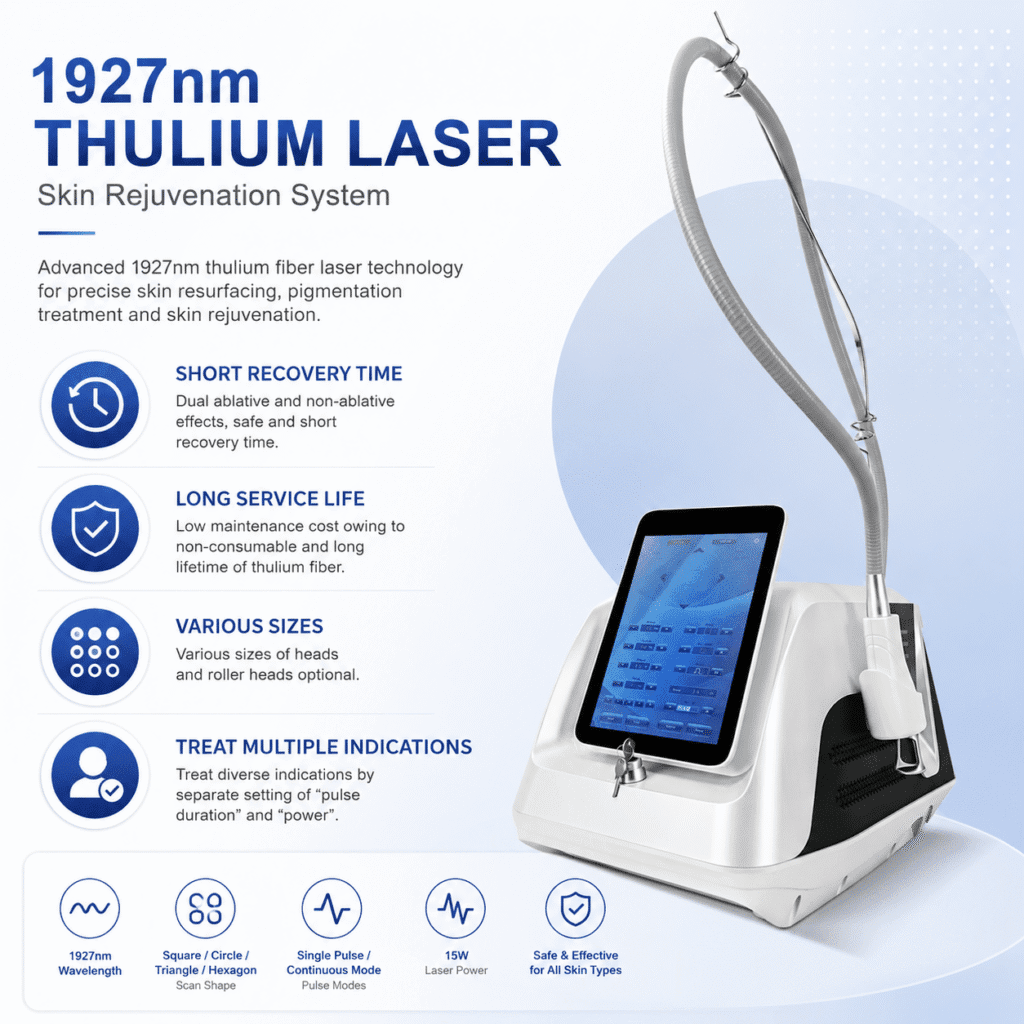
- Review the A0532 desktop thulium fiber laser only when a compact clinic can support a dedicated or properly controlled laser pathway. Desktop format does not turn a laser into an ordinary facial-room device.
- Choose one advanced category first. Two compact advanced devices can create more room conflict than one well-supported vertical or desktop platform.
- Use a taped floor plan or full-scale room mockup before ordering. Product dimensions alone do not show operating clearance.
- Device combinations in this article describe the clinic’s service portfolio. They do not establish same-day treatment compatibility, sequence, settings, or intervals.
The best device for a limited room is the one the clinic can place, operate, clean, store, service, and document without compromising the client or staff workflow.
1. Treat Space as an Operating Requirement
Room size affects more than appearance. It determines whether staff can move safely, reach controls, keep clean and used items apart, position the client, manage cables, open drawers, change consumables, and respond if something goes wrong.
A machine with a small base may still require:
- a dedicated trolley or stable counter;
- clearance for ventilation and cable routing;
- handpiece holders and accessory storage;
- solutions, filters, tips, cartridges, heads, or cooling supplies;
- protective eyewear or other equipment;
- a clean preparation surface;
- used-item and waste zones;
- space for records, aftercare, and client belongings;
- access for inspection, maintenance, and repair.
The selection decision therefore concerns the full service station, not the machine cabinet alone.
2. Audit Every Treatment Room
Measure and document each room before comparing models.
| Area to measure | What to record | Why it matters |
|---|---|---|
| Usable floor area | Clear length and width after fixed furniture | Shows the real operating area rather than the advertised room size |
| Door and route | Door width, corridor turns, lift, stairs, and delivery route | Confirms that the device and cart can reach the room |
| Treatment bed | Bed size, movement, height adjustment, and working sides | Determines operator access and client positioning |
| Power | Outlet location, rating, grounding, shared circuits, and cable route | Prevents unsafe extension use and blocked walkways |
| Water and fluids | Sink access, fluid storage, spill control, and waste route | Essential for hydro facial workflow and cleaning |
| Ventilation and heat | Airflow, temperature control, and equipment clearance | Supports comfort and device operating conditions |
| Storage | Closed, clean, used-item, chemical, accessory, and spare-part storage | Prevents the room from becoming a stock cupboard |
| Safety | Emergency access, eyewear, signage, sharps, or regulated waste where relevant | Determines whether the proposed service belongs in the room |
Photograph the empty room and the current room. Mark every fixed obstruction. A cabinet door that cannot open while the operator stands beside the bed is a planning failure even if the machine technically fits.
3. Score Devices on Seven Space Factors
Use the same criteria for every candidate.
- Machine format: desktop, vertical, cart-based, or separate modules.
- Operating footprint: space while the machine, screen, handles, doors, and drawers are in use.
- Accessory footprint: holders, cartridges, tips, solutions, eyewear, cooling items, and spare parts.
- Utility needs: power, water or fluids, drainage, ventilation, and network or record access where applicable.
- Turnover footprint: clean preparation, used-item handling, waste, and cleaning supplies.
- Service footprint: space and access required for inspection, filters, cables, cooling, or internal components.
- Workflow compatibility: whether the service can safely share the room with the clinic’s existing use.
A desktop label answers only the first factor. The other six decide whether the service is practical.
4. Use A0648 to Consolidate Core Facial Services
The SHEFMON A0648 9-in-1 hydro microdermabrasion machine is a vertical platform positioned around hydro dermabrasion, vacuum-assisted pore cleansing, exfoliation, extraction, and hydration. It can be a useful foundation when a clinic wants several related facial functions organized around one station.
For a limited-room clinic, its value comes from service consolidation. One planned station can support:
- entry cleansing and hydration-oriented facial care;
- routine skin-maintenance visits;
- extraction and congestion-focused care within the approved scope;
- tiered facial services based on the functions actually supplied;
- membership facials with consistent consumable and cleaning procedures.
The buyer should still request the complete external dimensions and a list of included handpieces, holders, bottles, filters, tubing, tips, and other accessories. Map where clean solutions, used fluid, replacement tips, and cleaning supplies will sit. A multifunction platform saves space only when the room can store and reset its functions efficiently.
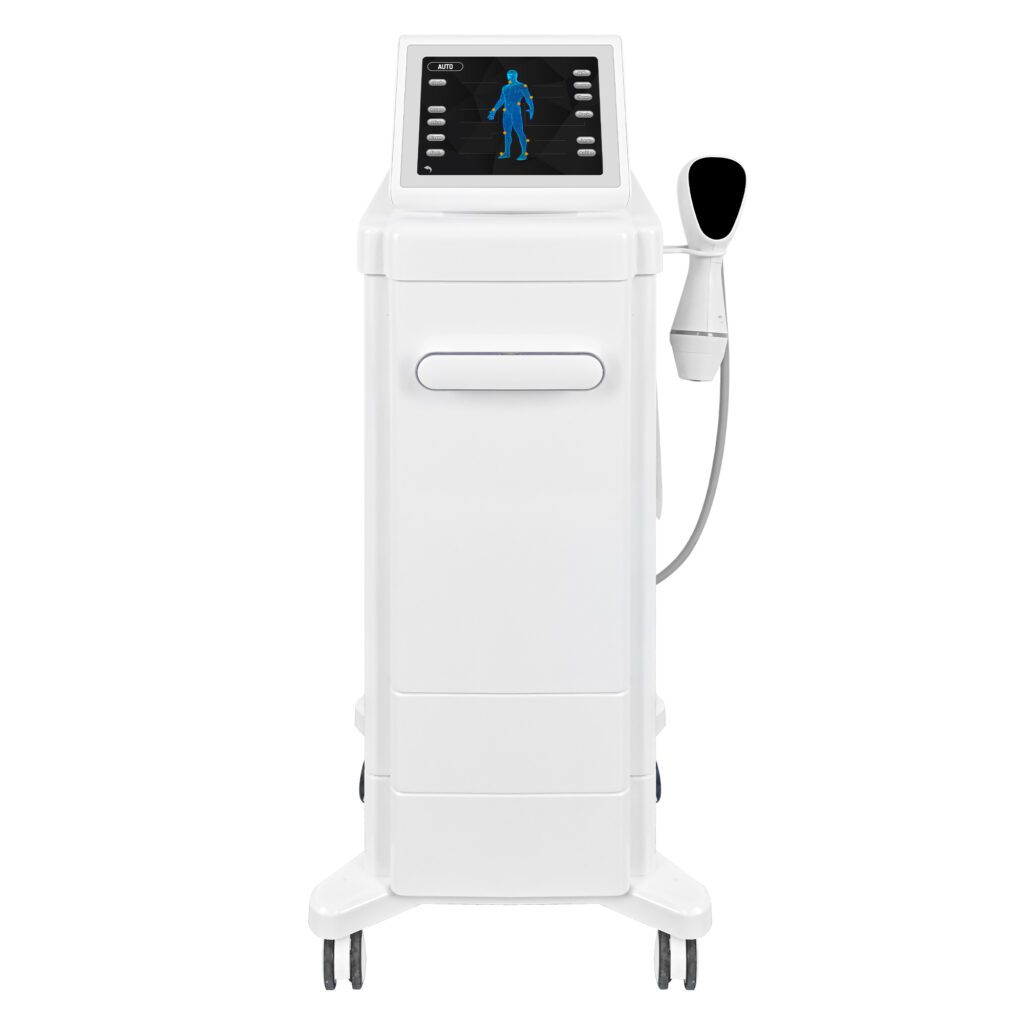
5. Evaluate A0270 for a Combined HIFU and RF Category
The A0270 Anti Aging Vmax HIFU Machine with Radio-Frequency is currently listed as a two-in-one focused-ultrasound and RF platform. Its page lists standard 3.0, 4.5, 6, and 9 mm cartridges, with 1.5 and 13 mm cartridges described as optional.
A0270 may be relevant when a qualified clinic wants one platform to support distinct HIFU and RF service concepts instead of placing two separate consoles. Before calling it space-efficient, confirm:
- current machine dimensions and weight;
- whether a trolley or dedicated counter is required;
- the supplied HIFU and RF handpieces;
- standard and optional cartridges;
- holders, foot control, cables, and coupling materials;
- clearance and ventilation requirements;
- the intended service scope in current documentation;
- training and local professional requirements for each technology.
Do not compress HIFU and RF into one vague “lifting facial.” The shared console may reduce equipment duplication, but each technology still needs accurate client explanation, screening, records, and operator authorization.
6. Choose A0152 When a Desktop Clinical Format Fits
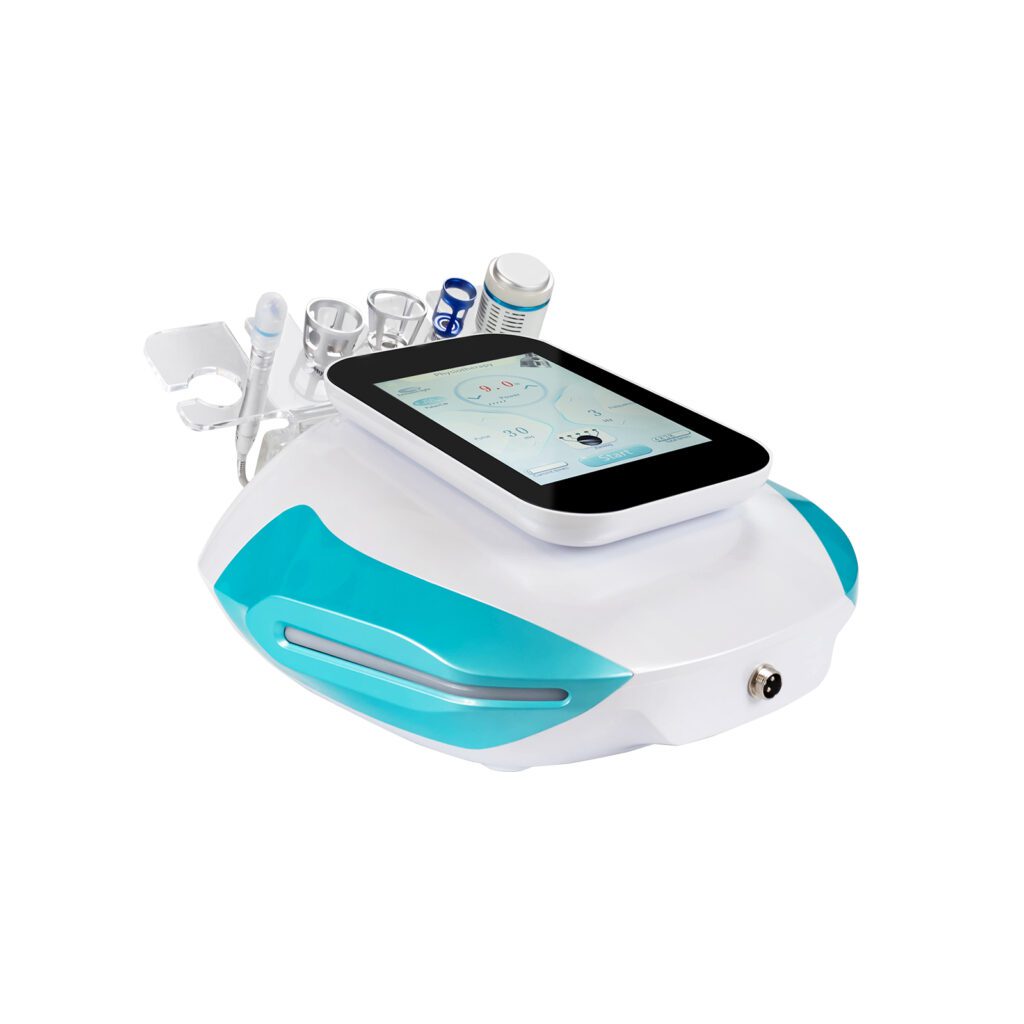
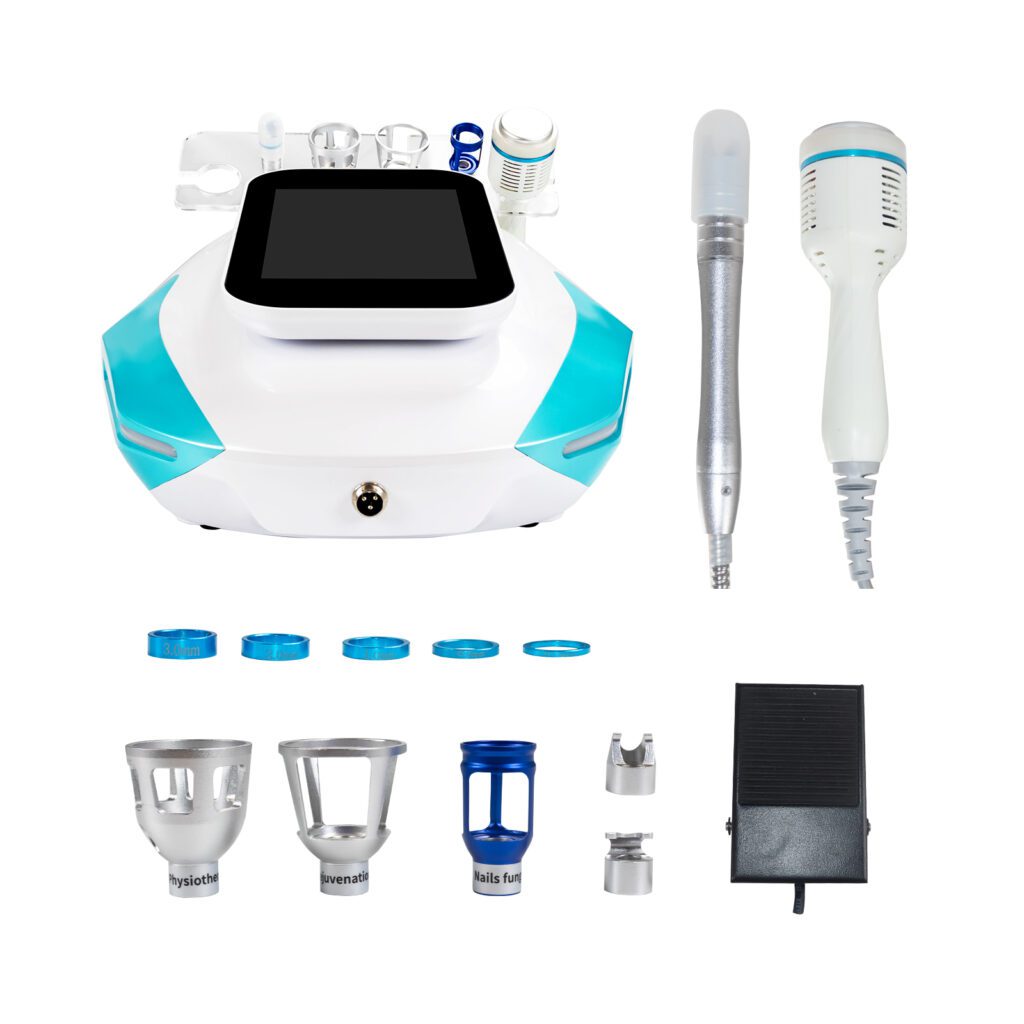
The A0152 Desktop MNRF Depth 8 Microneedling RF is listed at 45 × 39 × 55 cm with a gross weight of 11.5 kg. The page lists computerized depth control, 12-pin, 24-pin, 40-pin, and nano heads, plus selectable handle configurations.
Those dimensions can make A0152 easier to place than a vertical RF microneedling platform, but the device needs a stable surface and a complete clinical procedure zone. The room must account for:
- the machine and handle without crowding the preparation area;
- sealed single-use head storage and traceability;
- clean setup and skin-preparation supplies;
- used-item separation;
- sharps or regulated waste where applicable;
- documentation and informed consent;
- aftercare supplies and follow-up;
- access for escalation if an unexpected response occurs.
The U.S. FDA’s October 2025 RF microneedling safety communication reports serious complications with certain uses and describes RF microneedling as a medical procedure that should be performed by licensed healthcare providers with appropriate training and experience. Other markets have their own rules.
A small clinic should choose A0152 only because it is ready for RF microneedling and prefers the desktop format. Small size alone is not a reason to add the procedure.
7. Treat A0532 as a Desktop Laser, Not a Simple Room Add-On
The A0532 Desktop Thulium Fiber Laser Machine is positioned as a desktop system. Its title mentions 1927 and 1550 nm, while the current detailed parameter section specifies a 1927 nm thulium laser, 15 W power, multiple scan shapes, scan modes, and single or continuous pulse modes. Buyers should resolve that title-versus-parameter difference in the final documentation and quotation.
A0532 may fit a compact clinic that needs a desktop laser platform for an appropriately authorized skin-service pathway. It still requires:
- a laser-specific consultation and provider scope;
- a controlled room and access procedure;
- protective eyewear matched to the confirmed wavelength and output;
- warning measures and reflective-surface review;
- stable placement with cable and handpiece control;
- device-specific cleaning, pre-care, aftercare, and records;
- cooling, ventilation, maintenance, and emergency requirements from current documentation;
- local authorization for the device, facility, and operator.
Do not place A0532 on a rolling trolley that moves between ordinary facial rooms merely because the console is desktop-sized. The service environment must meet the laser requirements every time.
8. Compare the Four Models at a Glance
| Model | Format or consolidation value | Main service role | Limited-room advantage | Main limitation |
|---|---|---|---|---|
| A0648 | Vertical 9-in-1 hydro platform | Core facial maintenance | Consolidates several related facial functions at one station | Fluids, bottles, tubing, tips, cleaning, and waste still need storage and turnover space |
| A0270 | Two-in-one HIFU and RF platform | Focused rejuvenation and RF service categories | May reduce the need for separate HIFU and RF consoles | Current dimensions and complete accessory footprint must be confirmed; technologies need separate workflows |
| A0152 | Desktop; listed at 45 × 39 × 55 cm | Clinical RF microneedling | Easier physical placement than many vertical platforms | Requires clinical hygiene, single-use head control, waste, consent, aftercare, and escalation |
| A0532 | Desktop thulium laser | Specialist laser skin pathway | Desktop console for a compact clinic | Still requires laser room controls; wavelength configuration must be confirmed |
No model wins every category. A0648 offers broad core use. A0270 consolidates two listed energy technologies. A0152 provides a documented desktop RF microneedling format. A0532 brings a desktop laser option. The clinic should choose the service that justifies the whole room setup.
9. Choose One Primary Role per Room
A small room can host more than one service category over time, but it should have one primary operational identity.
Core facial room
Use A0648 as the anchor. Organize storage around fluids, tips, filters, facial products, linen, cleaning, and waste. An occasional non-fluid device may share the room only if storage and reset prevent cross-workflow confusion.
Non-invasive energy room
Use A0270 when the clinic has qualified staff and wants configuration-specific HIFU and RF services. Keep cartridges, handles, coupling materials, cables, and records in dedicated locations.
Clinical procedure room
Use A0152 when the room can support a clean setup, single-use head traceability, regulated waste where applicable, aftercare, and complication response.
Laser room
Use A0532 only when the room meets the confirmed laser-control requirements. A bed, trolley, and power outlet do not by themselves make a room laser-ready.
Choosing a primary role makes stock, cleaning, booking, signage, and staff preparation easier.
10. One-Room Clinic Portfolio Options
A single treatment room should usually launch one principal device category.
Option A: High-use facial clinic
A0648 only. Build several core facial services from the verified delivered functions. This gives the room a consistent fluid, consumable, cleaning, and turnover workflow.
Option B: Qualified focused-rejuvenation clinic
A0270 only. Build separate HIFU and RF menu descriptions around the confirmed configuration. Store cartridges and accessories outside the working zone when not in use.
Option C: Licensed clinical texture clinic
A0152 only. Use the room as a clinical RF microneedling environment. Keep ordinary facial stock from crowding the procedure setup.
Option D: Specialist compact laser clinic
A0532 only. Treat the room as a controlled laser space. Do not rotate unrelated services through it unless every room requirement remains satisfied.
A one-room clinic can own another device later, but simultaneous ownership does not automatically create the capacity to operate both well.
11. Two-Room Clinic Portfolio Options
Two rooms make clearer separation possible.
| Clinic direction | Room 1 | Room 2 | Why it works |
|---|---|---|---|
| Maintenance plus rejuvenation | A0648 core facials | A0270 HIFU/RF | Separates fluid-heavy facial turnover from energy-device workflow |
| Maintenance plus clinical texture | A0648 core facials | A0152 RF microneedling | Keeps routine care separate from skin-penetrating clinical setup |
| Maintenance plus laser | A0648 core facials | A0532 thulium laser | Preserves a dedicated laser-control environment |
| Advanced compact clinic | A0152 clinical procedure room | A0532 laser room | Creates two specialist rooms for a properly licensed and equipped clinic |
These are service-portfolio arrangements. They do not imply that a client should receive both services on the same day.
12. Decide When a Multifunction Device Saves Space
A multifunction platform saves space when:
- its functions support the same client group and menu direction;
- the clinic will use several of the delivered functions;
- accessories fit in one controlled station;
- setup changes do not create long turnover;
- staff are trained and authorized for the functions offered;
- one service does not require a fundamentally different room classification.
It fails to save space when optional modules need separate carts, incompatible room controls, different waste systems, or storage that fills every cabinet. Count the functions the clinic can responsibly launch, not the number printed in the product name.
13. Decide When a Single-Purpose Device Is Better
A focused device can be the better choice when it gives the room one predictable workflow. A clinic that uses A0152 solely for RF microneedling can organize every drawer, surface, form, and appointment around that procedure. A clinic using A0532 as its only laser can keep protective and maintenance controls consistent.
Single-purpose does not always mean inefficient. In limited space, operational clarity can be more valuable than a long function list. The right comparison is usable services per room, not advertised functions per machine.
14. Plan Vertical and Desktop Formats Differently
Vertical platforms
A vertical unit may keep the console, holders, and storage together. It uses floor area but may reduce the need for a separate counter or trolley. Check wheel locks, bed access, tipping risk, cable route, door clearance, and storage inside or on the unit.
Desktop platforms
A desktop unit preserves open floor area only if a suitable counter or cart already exists. Check load capacity, stability, surface cleanability, ventilation clearance, screen access, handpiece placement, and whether drawers remain usable while the machine is installed.
Never compare only the machine width. Compare the complete station in its operating position.
15. Control Carts, Cables, and Handpieces
Small rooms become unsafe when accessories migrate between surfaces.
- Give every handpiece a holder that does not interfere with client movement.
- Route power and foot-control cables away from walkways and bed controls.
- Avoid extension arrangements unless the installation is explicitly appropriate and compliant.
- Store clean and used items in separate, labeled locations.
- Keep cartridges and heads in protected storage with traceability where required.
- Do not stack equipment in ways that block ventilation or make cleaning impossible.
- Park mobile devices in a marked location with wheels locked during use.
A floor plan should show cables and open drawers, not only solid equipment outlines.
16. Move Bulk Stock Outside the Treatment Room
Keep only the working stock required for the planned session or operating period in the room. Use a separate controlled storage area for cartons, spare bottles, replacement filters, unused heads, cartridges, protective supplies, and parts.
Create minimum and maximum room stock levels. Overstocking reduces clean workspace and makes inventory harder to rotate. Understocking causes staff to leave the client and search for supplies during the appointment.
Sensitive, sterile, single-use, chemical, or temperature-controlled items must be stored according to their instructions and local requirements. Space pressure is never a reason to ignore storage conditions.
17. Include Cleaning and Waste in the Footprint
Every room needs a route for:
- clean setup;
- protected supplies;
- used reusable items;
- single-use waste;
- sharps or regulated waste where applicable;
- surface and equipment cleaning;
- hand hygiene;
- room reset and verification.
A room is too small for a proposed service if clean and used workflows overlap or the waste container blocks access. This can rule out a procedure even when the console fits perfectly.
18. Calculate Capacity with Turnover Included
The booking block should include consultation confirmation, setup, device use, records, client instructions, cleaning, waste handling, and reset. A shared room may also need time to exchange accessories or change its operating zone.
Compare devices using realistic room occupancy rather than treatment-head operating time. A device that supports shorter advertised sessions may still reduce daily capacity if its setup and turnover are complex.
Track actual times during a controlled launch. Update the schedule only after staff can complete the full process without rushing.
19. Protect Maintenance and Service Access
Ask how a technician will reach filters, panels, cooling components, handpiece connections, or internal parts. A machine wedged between the bed and wall may require the entire room to be dismantled for routine service.
Confirm:
- required inspection and maintenance access;
- filter, water, cooling, cable, or handpiece checks;
- safe shutdown and storage;
- spare-part and accessory storage;
- whether the device can be moved safely and by whom;
- what happens to booked services during downtime.
Leave the clearance stated in current documentation. Do not use every centimeter of floor area for revenue equipment.
20. Build a Staged Limited-Room Portfolio
Stage 1: Fill the highest-use gap
Choose A0648 if the clinic needs broad facial maintenance. Choose a different device only when the primary business is already specialist and the room is designed for that service.
Stage 2: Improve utilization before adding equipment
Review booking, turnover, storage, staff movement, faults, and client experience. Reorganize the room before concluding that another machine is required.
Stage 3: Add one differentiated category
Select A0270 for a qualified HIFU/RF direction, A0152 for a licensed RF microneedling pathway, or A0532 for a properly controlled laser service. Choose according to demand and room readiness.
Stage 4: Add a room before adding another incompatible service
If the new category requires different hygiene, laser, waste, storage, or emergency controls, expanding the premises may be more responsible than fitting another machine into the existing room.
21. Distributor Recommendations for Space-Limited Buyers
Distributors should request a scaled room plan before recommending a package. Ask for:
- room dimensions and door route;
- fixed bed, sink, cabinets, and outlets;
- current devices and storage;
- desired service category;
- staff qualifications and local scope;
- expected appointment volume;
- clean, used-item, waste, and maintenance areas;
- whether the buyer can add a cart, counter, or second room.
Recommended package directions can include:
- Core facial station: A0648 plus confirmed handpieces, tips, filters, solutions, and storage plan.
- Combined energy station: A0270 plus exact handles, cartridges, holders, coupling supplies, and documented clearance.
- Desktop clinical station: A0152 plus stable surface, supplied handles and heads, traceability, clean setup, waste, and aftercare planning.
- Desktop laser station: A0532 plus confirmed wavelength, handpiece and scan configuration, stable placement, protective controls, and laser-room requirements.
The distributor should describe what the complete station needs, not simply say that the console fits on a table.
22. Common Selection Mistakes
Avoid:
- choosing a device from a product photo without verified dimensions;
- measuring the console while ignoring the trolley and open drawers;
- assuming desktop means portable, low-risk, or suitable for every room;
- choosing a multifunction machine when only one function has a clear menu role;
- putting hydro facial fluids beside a clinical clean setup without separation;
- moving a laser between rooms that do not maintain the same controls;
- selecting A0152 for its size before the clinic has clinical readiness;
- failing to resolve the A0532 wavelength description before ordering;
- treating A0270 HIFU and RF as one identical service;
- filling all storage with initial stock;
- allowing cables, foot controls, or waste to block the operator path;
- scheduling without cleaning and reset time;
- buying a second advanced device when the clinic actually needs another room.
23. Use a Full-Scale Mockup Before Ordering
Mark the proposed machine or trolley footprint on the floor with tape. Add the treatment bed, operator positions, screen direction, open drawers, handpiece movement, client entry, cables, waste, and emergency access.
Walk through these actions:
- bring the client into the room;
- position the bed;
- prepare clean supplies;
- move around every working side;
- reach the controls and handpieces;
- place used items without crossing the clean zone;
- give client instructions and complete records;
- remove waste and reset the room;
- access the machine for inspection or service.
If staff must move furniture during every appointment or step over cables, revise the plan before purchase.
24. Final Buyer Checklist
Before choosing a device, confirm:
- the exact service gap and primary room role;
- verified machine dimensions, weight, format, and delivery route;
- the complete operating footprint with cart, handles, doors, drawers, cables, and operator positions;
- exact supplied and optional configurations;
- power, fluid, ventilation, cooling, and environmental requirements;
- clean, used-item, waste, and storage zones;
- staff qualifications, training, and authorization;
- consultation, consent, records, client instructions, follow-up, and escalation;
- local device, facility, provider, laser, procedure, and advertising rules;
- consumables, maintenance access, warranty, spare parts, and technical support;
- realistic appointment capacity including turnover;
- a full-scale room mockup and approval before ordering.
FAQ
1. What is the best first beauty device for a clinic with one treatment room?
A0648 is a practical choice when the clinic needs broadly relevant cleansing, exfoliation, extraction, and hydration-oriented facial services. A specialist clinic may choose a different first device if its room, staff, and client demand already support that category.
2. Is a desktop device always better for a small clinic?
No. A desktop device needs a stable counter or cart, handpiece space, ventilation clearance, storage, cables, cleaning, and service access. A well-designed vertical unit can sometimes use the room more efficiently.
3. Can A0270 replace separate HIFU and RF machines?
Its current page lists both focused ultrasound and RF in one platform, so it may reduce console duplication. Buyers must confirm the supplied configuration and maintain separate technology-specific screening, operation, records, and training.
4. How much space does A0152 require?
The product page lists the machine at 45 × 39 × 55 cm. The clinic also needs a stable surface, handle space, clean preparation, single-use head storage, waste, records, aftercare, and safe operator access.
5. Is A0152 suitable for an ordinary facial room?
Not automatically. RF microneedling is a skin-penetrating procedure. The room and provider must meet applicable clinical, hygiene, waste, aftercare, and complication-management requirements.
6. Does A0532 fit any small treatment room because it is desktop-sized?
No. A0532 remains a laser system. The clinic must confirm its wavelength and configuration and provide the required controlled room, protective eyewear, access, cleaning, maintenance, and professional pathway.
7. Should a one-room clinic buy two multifunction devices?
Only when both have distinct demand and the room can store, operate, clean, and maintain them without workflow conflict. One well-used platform is often more practical than two crowded machines.
8. Can one room alternate between hydro facial and RF microneedling?
Only if the clinic can meet the full requirements for both and perform a documented reset that preserves the clinical clean setup, waste control, storage, and room readiness. Physical fit alone is insufficient.
9. When should a clinic add another room instead of another device?
Add or dedicate another room when the proposed service needs incompatible hygiene, laser, waste, storage, emergency, or access controls, or when turnover and scheduling make safe sharing impractical.
10. What room information should a buyer send SHEFMON?
Send a scaled floor plan, door and delivery measurements, bed and cabinet positions, outlets and sink access, current equipment, target services, staff qualifications, expected appointment volume, and desired configuration.
Conclusion
Beauty device selection for a limited-room clinic should begin with the complete service station. A0648 can consolidate core facial functions in one vertical platform. A0270 may consolidate listed HIFU and RF technologies when the exact configuration and room needs are confirmed. A0152 offers a documented desktop RF microneedling format for an appropriately licensed clinical setting. A0532 offers a desktop thulium laser direction for a properly controlled specialist room.
The clinic should measure the real room, model the full workflow, choose one primary service role, and account for accessories, clean setup, waste, turnover, maintenance, and staff movement. A smaller console is useful only when the complete service remains safe and workable.
Explore the SHEFMON Hydra range, HIFU systems, MNRF microneedling devices, and Laser IPL equipment. Buyers can contact SHEFMON with a room plan, service goals, staff qualifications, country, and configuration requirements for a focused comparison.