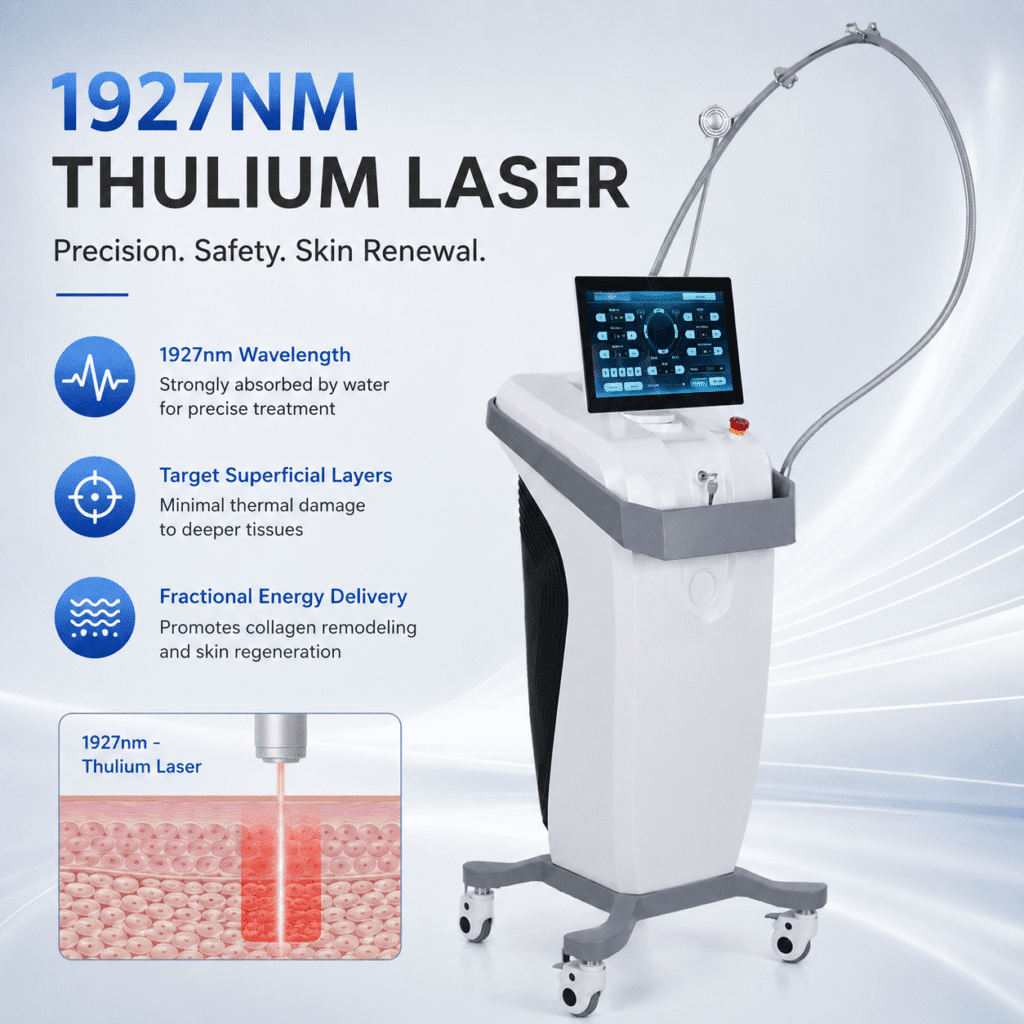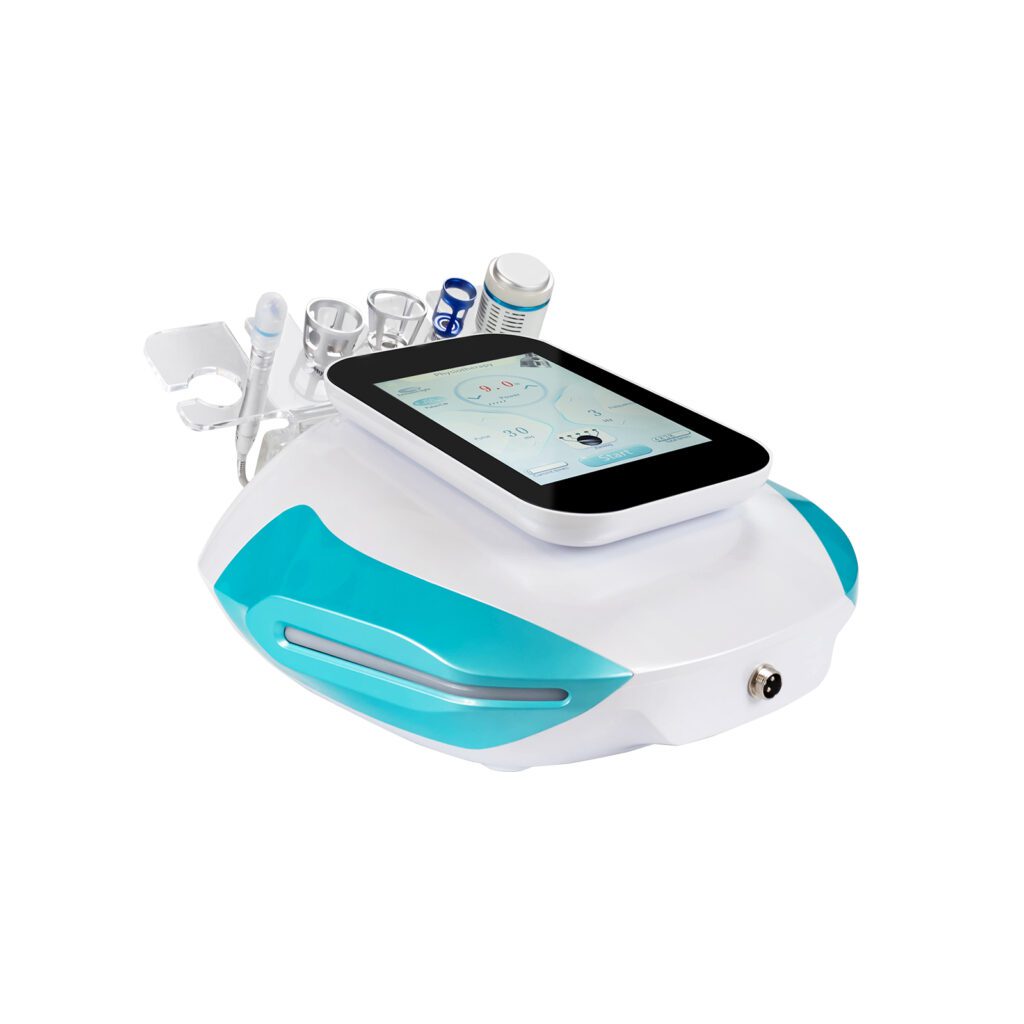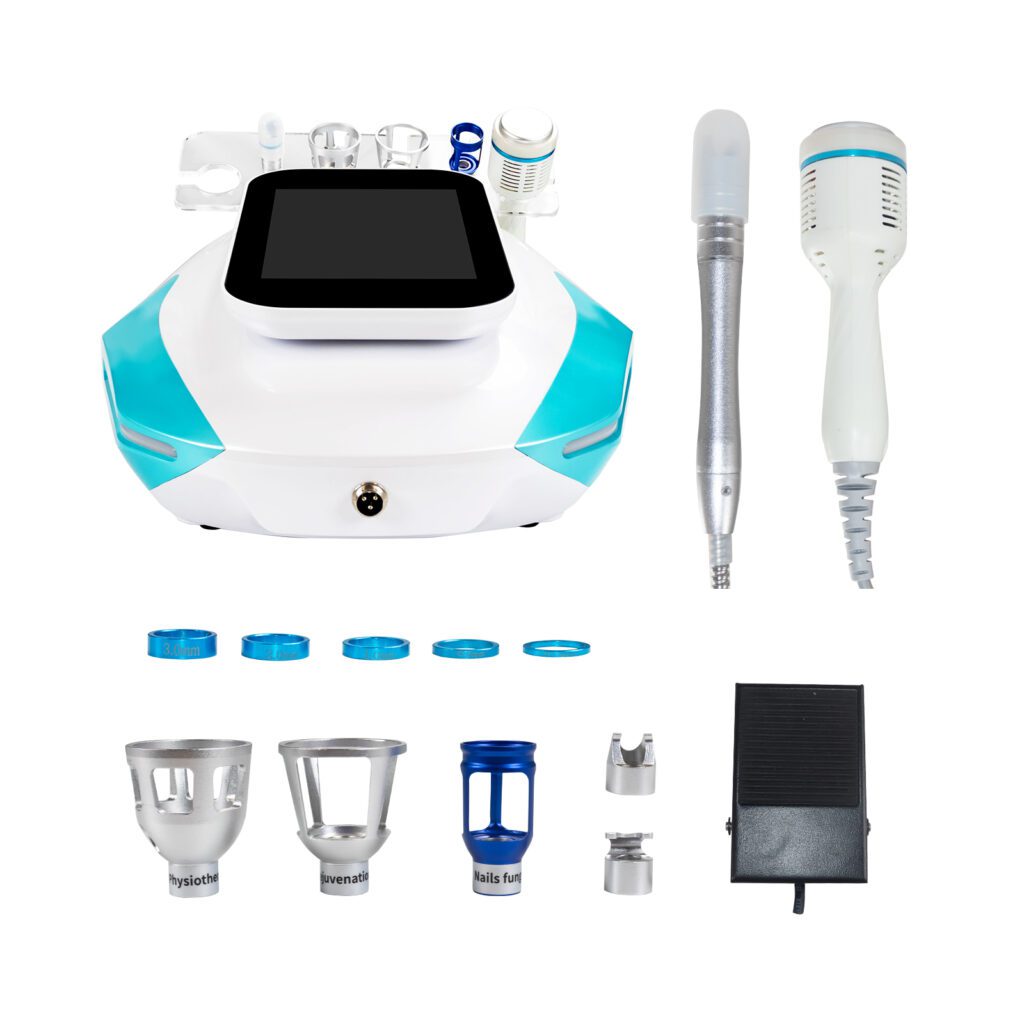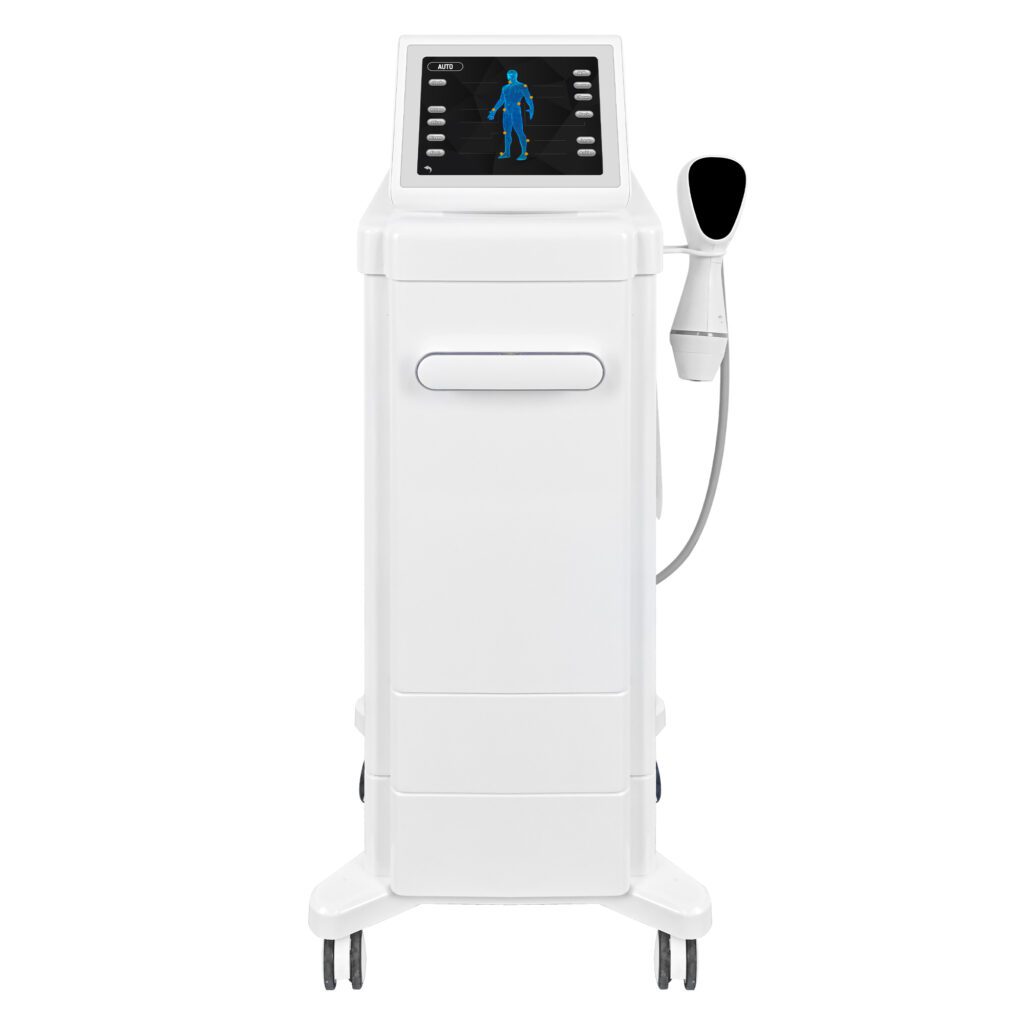








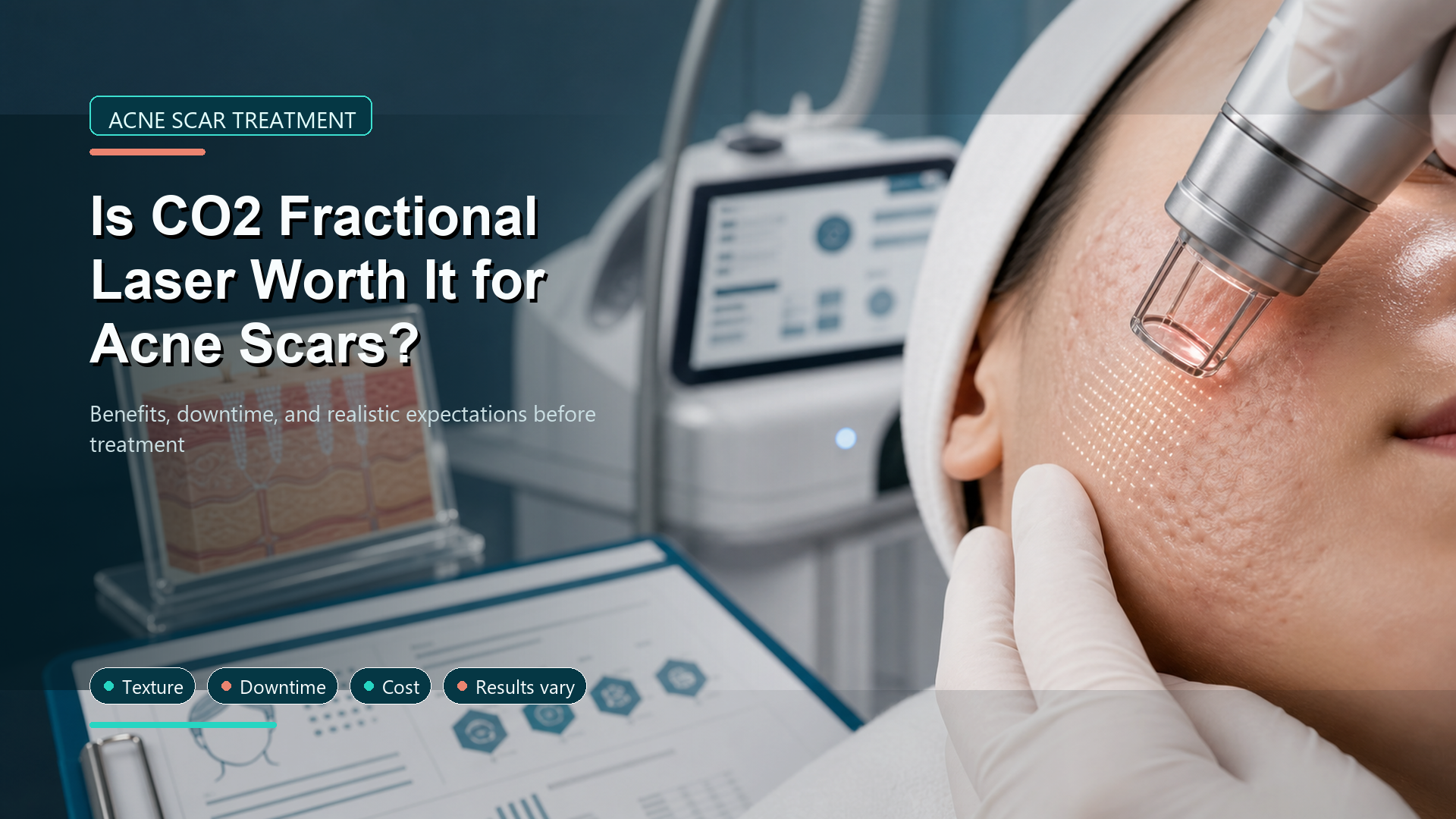
CO2 fractional laser can be worth it for acne scars, but only for the right clients, the right institution and the right expectation.
For suitable acne scar cases, CO2 fractional laser can support visible improvement in skin texture, depressed scar appearance and resurfacing-based rejuvenation programs. It is one of the stronger professional options in acne scar and skin resurfacing menus.
However, it is not a simple facial device.
It should not be sold as:
- complete scar removal
- one-session repair
- no downtime treatment
- no-risk treatment
- suitable for everyone
- a replacement for professional skin assessment
The better answer is:
CO2 fractional laser is worth it when a clinic or trained professional institution has suitable clients, proper consultation, realistic result explanation, downtime management, aftercare guidance and local compliance.
For beauty equipment distributors, CO2 fractional laser can be a valuable product category because acne scar clients often seek professional, higher-value solutions. But the machine should be positioned carefully, with training, safety workflow and after-sales support included in the sales discussion.
Why Acne Scar Clients Consider CO2 Fractional Laser
Acne scars are often difficult to improve with ordinary skincare alone.
Many clients with atrophic acne scars, uneven texture, enlarged pores or post-acne skin roughness have already tried:
- creams
- serums
- home devices
- basic facials
- chemical exfoliation
- microneedling
- light peels
When these options are not enough, they may look for professional treatments.
The American Academy of Dermatology explains that dermatologists may use lasers to resurface acne-scarred skin, and as the skin heals, collagen and elastin production can help diminish scar appearance.
This is why laser resurfacing remains an important category in acne scar treatment planning.
For clinics and distributors, the commercial opportunity is clear: acne scar clients usually want more than a relaxing facial. They want a structured improvement plan from a professional provider.
How CO2 Fractional Laser Supports Acne Scar Improvement
CO2 laser is an ablative resurfacing technology.
In fractional mode, the laser creates controlled micro-treatment zones instead of treating the full skin surface at once. This approach leaves surrounding skin areas available to support healing.
For acne scar programs, the goal is usually to support:
- smoother-looking texture
- softer appearance of depressed scars
- resurfacing of uneven skin
- collagen remodeling response
- improved appearance of roughness
- more even skin surface over a treatment plan
This does not mean scars disappear completely.
Acne scars vary in depth, shape, age and skin response. A client with shallow rolling scars may respond differently from a client with deep ice-pick scars or mixed scar types.
That is why consultation is essential before treatment.
Is It Worth It for Clients?
For clients, CO2 fractional laser may be worth it if they understand the trade-off.
| Factor | Why it may be worth it | What clients must understand |
|---|---|---|
| Treatment strength | CO2 fractional laser is a stronger resurfacing option than basic facials | It involves downtime and aftercare |
| Acne scar demand | Many acne scar clients want visible texture improvement | Results vary by scar type and skin response |
| Professional value | Treatment is performed in a clinic or trained setting | Not suitable for casual or untrained use |
| Long-term plan | It can be part of a staged scar program | Multiple sessions or combination treatments may be needed |
| Skin renewal | It supports resurfacing and collagen remodeling | Redness, swelling, pigmentation or other risks can occur |
For the right client, CO2 fractional laser can be worth the downtime and cost because acne scars can strongly affect confidence and are often hard to improve with superficial treatments.
But clients should be told clearly:
The goal is improvement in scar appearance, not guaranteed complete removal.
Is It Worth It for Clinics and Med Spas?
For professional institutions, CO2 fractional laser can be worth it because it helps build a high-value resurfacing menu.
Suitable institutions may include:
- dermatology clinics
- acne scar clinics
- medical aesthetic clinics
- laser beauty clinics
- advanced med spas with trained operators
- skin resurfacing centers
- plastic surgery or aesthetic surgery support centers
- distributor showrooms and training centers
CO2 fractional laser can support service menus for:
- acne scar appearance improvement
- skin texture refinement
- rough skin resurfacing
- enlarged pore appearance
- fine line appearance
- photoaging-related texture concerns
- professional rejuvenation packages
For clinics, the business value comes from selling a structured program, not a one-time miracle treatment.
For example, a clinic may combine:
- consultation
- skin analysis
- pre-treatment preparation
- CO2 fractional laser session
- aftercare products
- recovery follow-up
- maintenance treatment
- complementary technologies such as MNRF, Hydra facial or LED where appropriate
This creates a complete acne scar management journey.
When CO2 Fractional Laser May Not Be Worth It
CO2 fractional laser is not the best choice for every client or every institution.
It may not be suitable when:
- the client has active uncontrolled acne
- the client expects perfect scar removal
- the client cannot accept downtime
- the client has a high risk of pigmentation problems
- the client has a history of keloid or abnormal scarring
- the institution lacks trained operators
- the clinic cannot provide aftercare guidance
- local regulations do not allow the operator to use this device
- the business wants a low-skill, low-maintenance facial device
DermNet notes that CO2 laser treatment can involve side effects such as infection, prolonged redness, post-inflammatory hyperpigmentation and, in severe cases, scarring or other complications.
Mayo Clinic also lists risks of laser resurfacing, including inflamed or painful skin, acne or milia, infection and skin color changes.
For distributors, this means CO2 fractional laser should not be pushed to every salon buyer.
It should be sold to institutions that can manage screening, treatment settings, recovery education and follow-up.
Which Acne Scars Respond Better?
Acne scars are not all the same.
CO2 fractional laser is often positioned for atrophic acne scars and uneven texture, but scar type matters.
| Scar type | CO2 fractional laser fit | Notes |
|---|---|---|
| Rolling scars | Often a reasonable fit | May need combination treatment if tethered |
| Boxcar scars | Can be a good fit depending on depth | Deeper scars may need multiple sessions |
| Ice-pick scars | Often harder to improve with resurfacing alone | May need other procedures such as focal techniques |
| Mixed scars | Often require combination planning | Consultation is important |
| Hypertrophic or keloid scars | Not the same treatment logic | Needs professional assessment |
| Active acne lesions | Usually not the ideal timing | Acne control may be needed first |
This is why clinics should avoid promising one universal result.
A safer explanation is:
“CO2 fractional laser can support improvement in the appearance of suitable atrophic acne scars and uneven skin texture. A consultation is needed to assess scar type, skin type and treatment plan.”
Downtime and Aftercare Matter
One reason CO2 fractional laser can produce stronger resurfacing effects is that it is more intensive than basic skin treatments.
That also means downtime and aftercare matter.
Clients may experience:
- redness
- swelling
- heat sensation
- peeling
- crusting
- dryness
- temporary darkening or pigmentation changes
- sensitivity to sun exposure
The exact recovery depends on treatment settings, skin type, treatment area, aftercare and individual healing response.
Clinics should provide aftercare instructions covering:
- gentle cleansing
- moisturizing
- sun avoidance
- sunscreen use when appropriate
- avoiding picking or scratching
- avoiding irritating products until advised
- follow-up communication
- signs that require professional review
If a clinic cannot manage aftercare, CO2 fractional laser may create more complaints than profit.
Is It Worth It Compared With MNRF or Microneedling?
CO2 fractional laser is not the only acne scar technology.
Many clinics also use microneedling, RF microneedling, chemical peels, subcision, fillers or combination protocols.
| Option | General positioning | Main advantage | Main limitation |
|---|---|---|---|
| CO2 fractional laser | Strong resurfacing and texture improvement | High-value acne scar and resurfacing menu | Downtime, pigmentation and training requirements |
| MNRF | Dermal remodeling and texture support | Can be useful for many skin types when properly selected | Consumables and parameter training required |
| Microneedling | Entry-level collagen induction positioning | Lower equipment threshold | May be less dramatic for deeper scars |
| Peels | Surface renewal and tone support | Lower equipment investment | Limited for deeper scars |
| Subcision | Tethered rolling scar release | Useful for selected scar types | Requires clinical skill and may be combined with other treatments |
For many clinics, CO2 fractional laser is most powerful when it is part of a scar treatment toolbox rather than the only option.
For distributors, this creates an equipment-combination opportunity:
- CO2 fractional laser for resurfacing
- MNRF for texture and dermal remodeling support
- Hydra facial for preparation and maintenance
- LED or plasma-style devices for calming and recovery support
- skin analysis equipment for consultation
This helps a clinic build a complete acne scar service menu.
Is It Worth It for Beauty Equipment Distributors?
For distributors, CO2 fractional laser can be worth selling when customer targeting is correct.
The strongest buyers are not casual beginner salons.
The strongest buyers are institutions that already understand professional treatment value:
- dermatology clinics
- laser clinics
- acne scar centers
- advanced med spas
- training academies
- medical aesthetic distributors
The distributor should sell the machine with:
- operator training
- safety guidance
- treatment room requirements
- aftercare workflow
- contraindication reminders
- maintenance guidance
- warranty explanation
- handpiece and consumable cost
- service package suggestions
- compliant marketing wording
This changes the sales message from:
“This machine removes acne scars.”
to:
“This CO2 fractional laser helps trained institutions build professional acne scar and skin resurfacing programs for suitable clients, with consultation, aftercare and realistic expectations.”
That wording is safer and more credible.
What Clinics Should Check Before Buying CO2 Fractional Laser
Before investing, clinics and distributors should ask:
| Question | Why it matters |
|---|---|
| What wavelength and output platform does the device use? | Confirms technology positioning |
| Is fractional mode available? | Important for resurfacing-style treatment planning |
| What treatment heads or handpieces are included? | Affects service menu |
| What training is provided? | Reduces operation risk |
| What warranty applies to the main unit and accessories? | Clarifies responsibility |
| Are consumables or replacement parts needed? | Affects long-term cost |
| What after-sales support is available? | Important for downtime control |
| What safety accessories are included? | Supports responsible operation |
| What local regulations apply? | Prevents wrong-market selling |
| What claims should be avoided? | Reduces advertising and complaint risk |
The device price is only one part of the decision.
Training, support, parts and realistic treatment positioning matter just as much.
Safe Marketing Language for CO2 Fractional Laser
Because acne scar clients often have strong expectations, marketing language must be careful.
| Avoid saying | Safer alternative |
|---|---|
| Removes acne scars completely | Helps improve the appearance of suitable acne scars |
| One session repairs scars | Supports staged acne scar resurfacing programs |
| No downtime | Downtime and recovery vary by treatment settings and skin response |
| Safe for everyone | Suitable clients should be assessed before treatment |
| No risk | Possible risks and aftercare should be explained |
| Same result for all clients | Results vary by scar type, skin type and treatment plan |
| No training needed | Professional training and local compliance are important |
This kind of wording protects the clinic, distributor and client relationship.
SHEFMON Product Positioning
SHEFMON offers professional laser and acne scar equipment options for international distributors, clinics and beauty equipment buyers.
Relevant product examples include:
- A0529 Professional Acne Scar Removal 10600nm CO2 Fractional Laser Equipment
- A0509 SHEFMON 2910nm Fiber Fractional CO2 Ultra Laser
These products can be positioned for professional buyers who want to build acne scar, texture improvement and resurfacing-related service menus.
For distributors, the best sales approach is not to sell CO2 fractional laser as a simple beauty machine.
It should be sold as a professional treatment platform supported by:
- customer screening education
- operator training
- aftercare explanation
- realistic result communication
- warranty and after-sales support
- spare parts and maintenance planning
- local compliance reminders
This makes the machine easier to sell responsibly and helps buyers understand its real business value.
Final Answer
CO2 fractional laser can be worth it for acne scars, especially for professional clinics and trained institutions that treat suitable clients and can manage downtime, aftercare and realistic expectations.
It is valuable because acne scar clients often need more than basic skincare, and CO2 fractional laser can support improvement in the appearance of atrophic acne scars, uneven texture and resurfacing-related skin concerns.
However, it is not worth it for every client or every buyer.
It is not ideal for institutions without training, aftercare ability or compliance awareness. It should not be marketed as complete scar removal, one-session repair, no-risk treatment or suitable for everyone.
For distributors, CO2 fractional laser is worth selling when positioned as a professional acne scar and skin resurfacing platform, not a simple facial device. The strongest sales package should include machine configuration, training, safety workflow, warranty, after-sales support and compliant marketing guidance.
FAQ
Is CO2 fractional laser good for acne scars?
It can help improve the appearance of suitable atrophic acne scars and uneven texture, but results vary by scar type, skin type, treatment settings and aftercare.
Can CO2 fractional laser remove acne scars completely?
No treatment should be promised as complete scar removal. A safer claim is that it can support improvement in scar appearance for suitable clients.
How many sessions are needed?
The number of sessions depends on scar type, severity, skin response and treatment plan. Clinics should assess clients individually.
Is CO2 fractional laser painful?
Discomfort can occur, and clinics may use professional comfort measures depending on local practice and regulations. Pain tolerance varies by client.
Does CO2 fractional laser have downtime?
Yes, downtime is expected. Redness, swelling, peeling, crusting and sensitivity may occur depending on treatment intensity and individual healing.
Is it suitable for darker skin types?
It requires caution. Darker skin types may have higher risk of post-inflammatory hyperpigmentation, so professional assessment and conservative settings may be needed.
Is CO2 fractional laser better than microneedling?
It depends on scar type, skin type, downtime tolerance and treatment goals. CO2 fractional laser is generally a stronger resurfacing option, while microneedling or MNRF may fit other cases.
Should beginner salons buy CO2 fractional laser?
Usually, CO2 fractional laser is better suited for trained clinics, laser rooms, med spas or professional institutions that can manage safety, aftercare and local compliance.
What should distributors emphasize when selling it?
Distributors should emphasize professional positioning, training, consultation, aftercare, realistic expectations, warranty, spare parts and compliant sales wording.
What is the safest way to describe CO2 fractional laser for acne scars?
Use wording such as “supports improvement in the appearance of suitable acne scars and uneven skin texture.” Avoid “complete removal,” “no downtime,” “no risk” or “guaranteed results.”