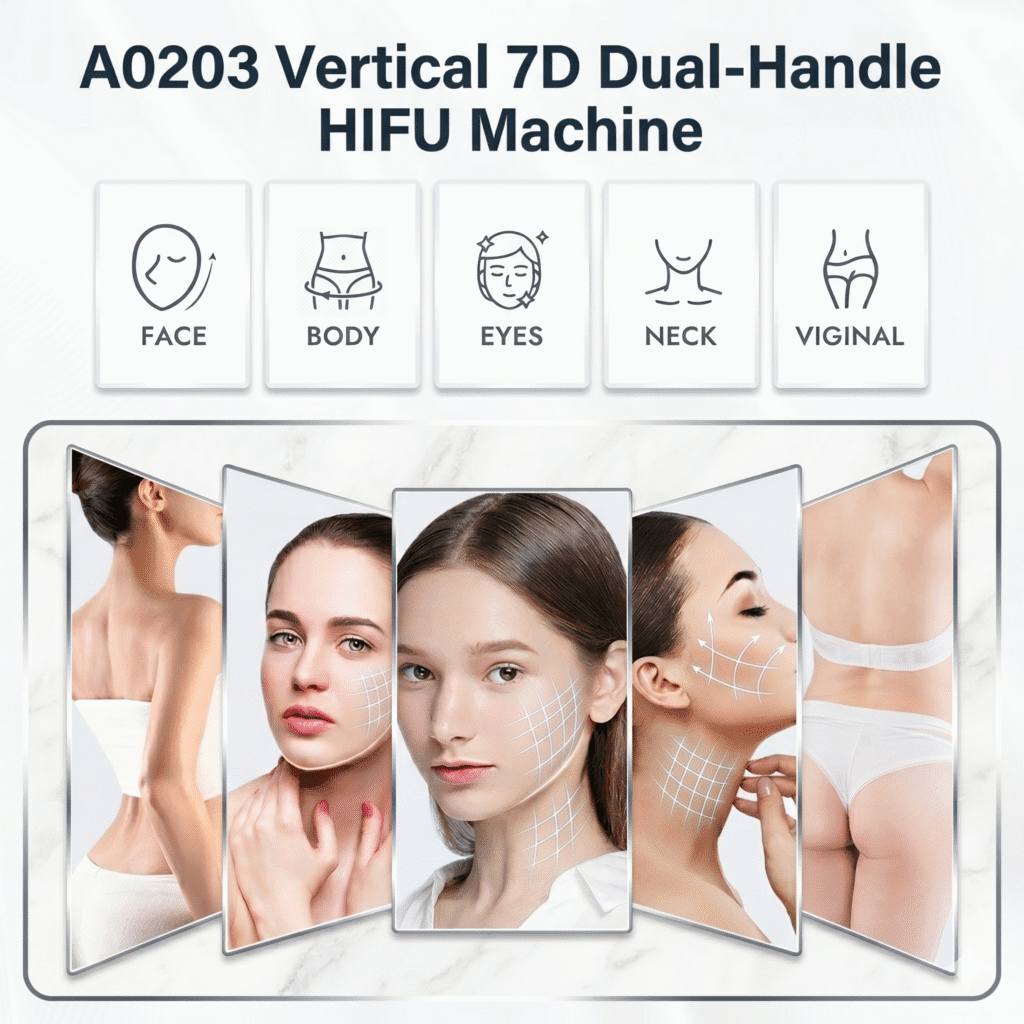
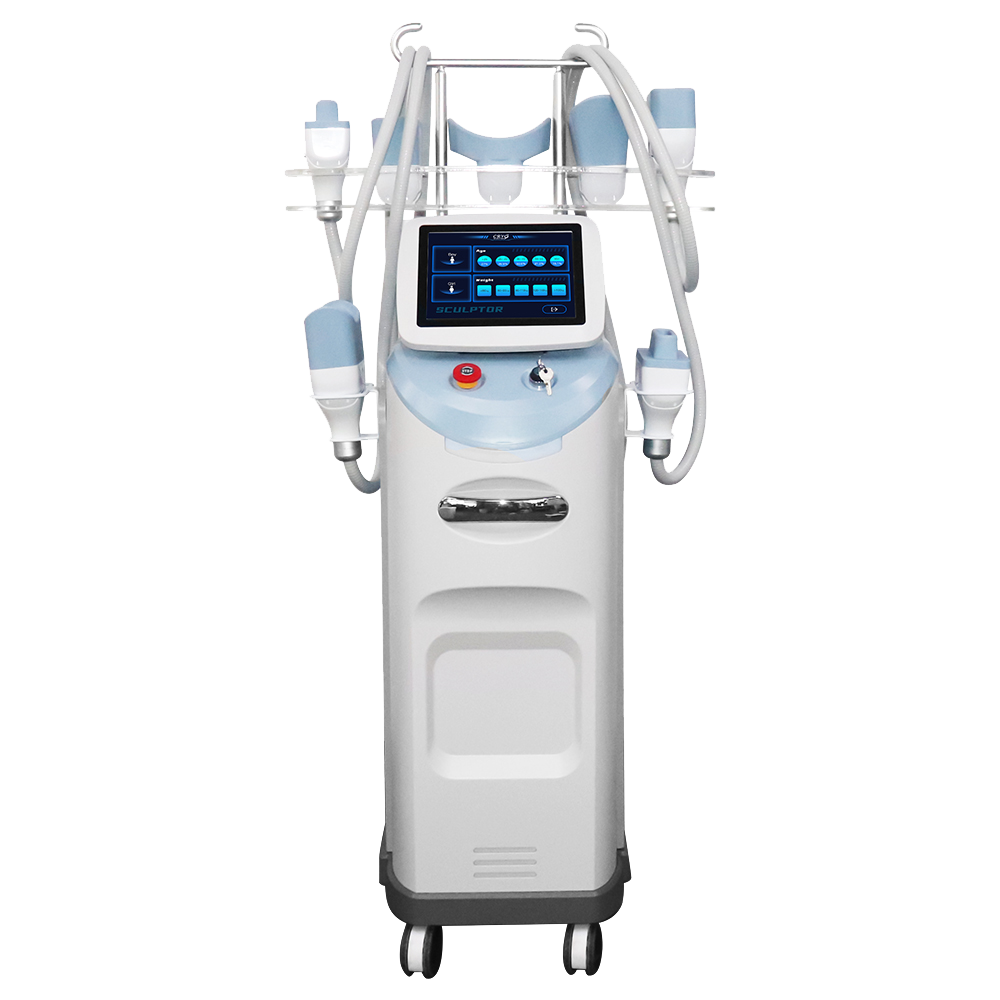
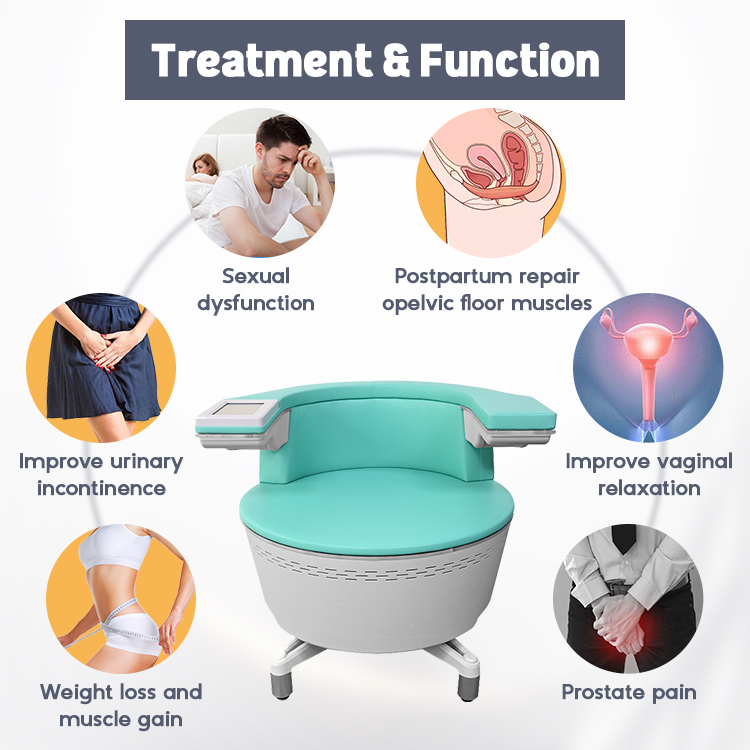
Investing in an aesthetic medical machine is a significant decision for clinics, spas, and beauty entrepreneurs. Machine such as HIFU systems, cryolipolysis machines, diode lasers, RF microneedling devices, and hydrofacial equipment can directly influence treatment results, client satisfaction, and business profitability. However, many buyers make avoidable mistakes that lead to poor performance, safety risks, or weak return on investment. Below are the six most common mistakes to avoid.
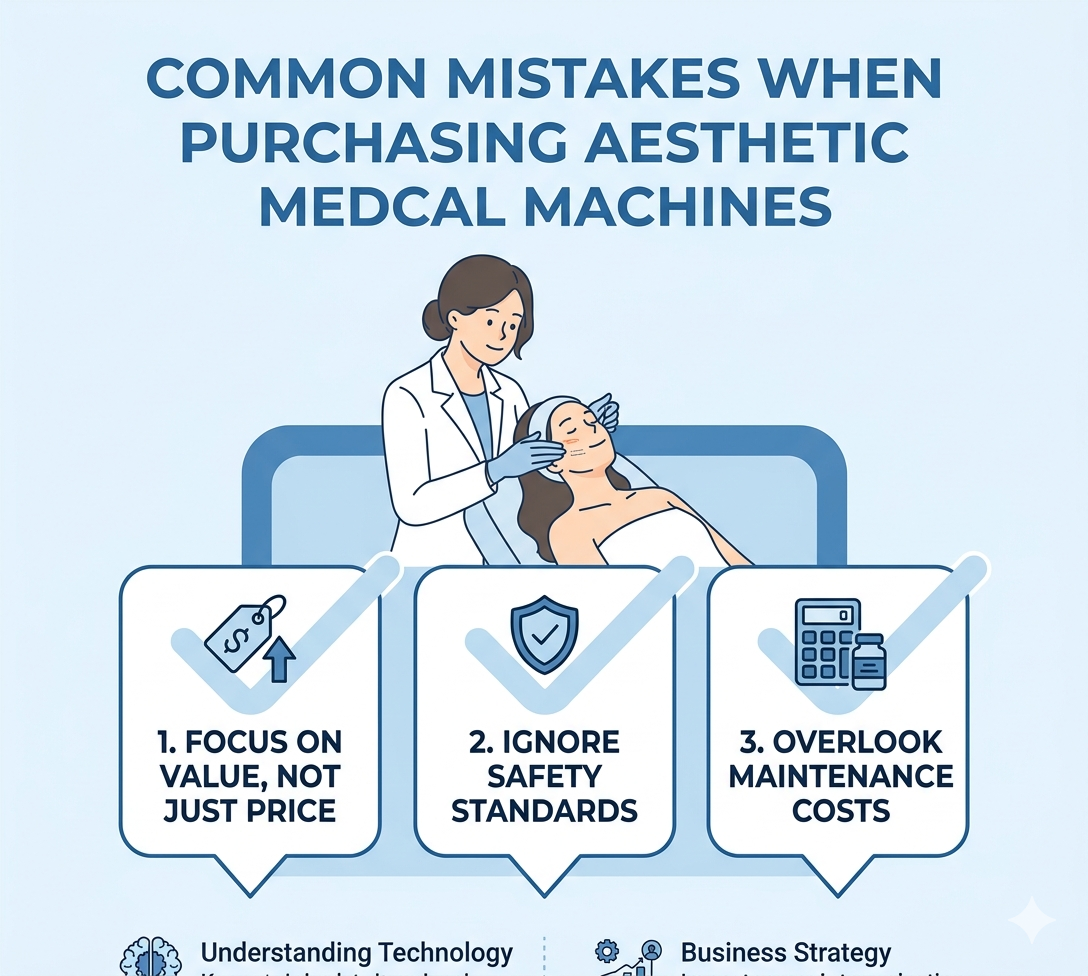
1. Focusing Only on Price Instead of Overall Value
1.1 Choosing the Cheapest Machine on the Market
One of the most common mistakes is selecting a machine purely because it is the cheapest option. While budget is always a consideration, extremely low-cost devices often cut corners on internal components such as energy generators, cooling systems, and control modules.
This can result in unstable performance, inconsistent treatment results, and a higher risk of device malfunction.
1.2 Ignoring Long-Term Return on Investment
Aesthetic machines should be evaluated based on long-term profitability rather than upfront cost. A higher-quality machine may have a higher purchase price but typically delivers more stable performance, fewer breakdowns, and longer service life, ultimately generating better ROI.
2. Not Understanding Treatment Technologies
2.1 Confusing Different Technology Functions
Many buyers do not fully understand how different technologies work. For example, radiofrequency (RF) is mainly used for skin tightening, ultrasound-based systems are used for deep tissue lifting, and cryolipolysis targets fat reduction.
Choosing the wrong technology for your service menu leads to poor treatment outcomes and low client satisfaction.
2.2 Overestimating Multi-Function Devices
Multi-function machines are attractive because they combine several treatments in one system. However, not all combined systems perform each function at a professional level. In some cases, single-function devices deliver stronger and more stable results.
Businesses should avoid choosing “all-in-one” systems without evaluating whether each function meets clinical standards.
3. Ignoring Safety Standards and Certifications
3.1 Overlooking Regulatory Compliance
A major mistake is ignoring whether a device meets recognized safety and quality standards. Professional aesthetic equipment should comply with certifications such as CE, FDA (for certain markets), and ISO quality systems.
These certifications ensure that the device has been tested for electrical safety, energy stability, and treatment reliability.
3.2 Assuming All Devices Are Suitable for Clinical Use
Not all aesthetic machines are designed for medical environments. Some are intended only for beauty salons and may lack precise energy control or safety monitoring systems required for more advanced procedures.
Using non-compliant equipment in clinical settings can increase liability risks.
4. Overlooking Maintenance and Operating Costs
4.1 Ignoring Maintenance Requirements
Every aesthetic machine requires regular maintenance, including calibration, cleaning, and system checks. Failing to follow maintenance schedules can reduce device performance and shorten lifespan.
Over time, neglected machines may produce unstable energy output or inconsistent treatment results.
4.2 Underestimating Consumables and Running Costs
Many machines require ongoing consumables such as cartridges, applicator tips, filters, or replacement parts. Buyers often overlook these hidden costs when calculating profitability.
A machine with low initial cost but high consumable expenses may become more expensive in the long run than expected.
5. Lack of Business Strategy Alignment
5.1 Buying Without Clear Market Demand
One common mistake is purchasing machines based on trends rather than actual customer needs. For example, investing in advanced body contouring devices in a market that primarily demands facial treatments can lead to low utilization rates.
5.2 Misaligning Equipment With Service Menu
Aesthetic equipment should support a clearly defined service strategy. Clinics should first decide whether they focus on anti-aging, skin rejuvenation, fat reduction, or acne treatment before selecting machines.
Without this alignment, even high-quality equipment may not generate sufficient revenue.
6. Ignoring User Experience and Client Comfort
6.1 Overlooking Treatment Comfort
Even effective machines can fail commercially if treatments are uncomfortable. Pain level, heat sensation, and treatment duration all affect client satisfaction and repeat business.
Comfort is a key factor in building long-term client loyalty.
6.2 Complicated Operation and Poor Usability
Machines with complex interfaces or unclear settings increase the risk of operator errors. Aesthetic equipment should be intuitive, with clear controls and adjustable parameters that staff can learn quickly.
Poor usability not only affects treatment quality but also increases training time and operational inefficiency.
Conclusion
Purchasing an aesthetic medical machine is not just a technical decision but a strategic business investment. The most common mistakes include focusing only on price, misunderstanding treatment technologies, ignoring safety certifications, overlooking operating costs, lacking business alignment, and neglecting user experience. By avoiding these pitfalls, clinics and beauty businesses can improve treatment outcomes, increase client satisfaction, and achieve stronger long-term profitability in a competitive aesthetic market.