









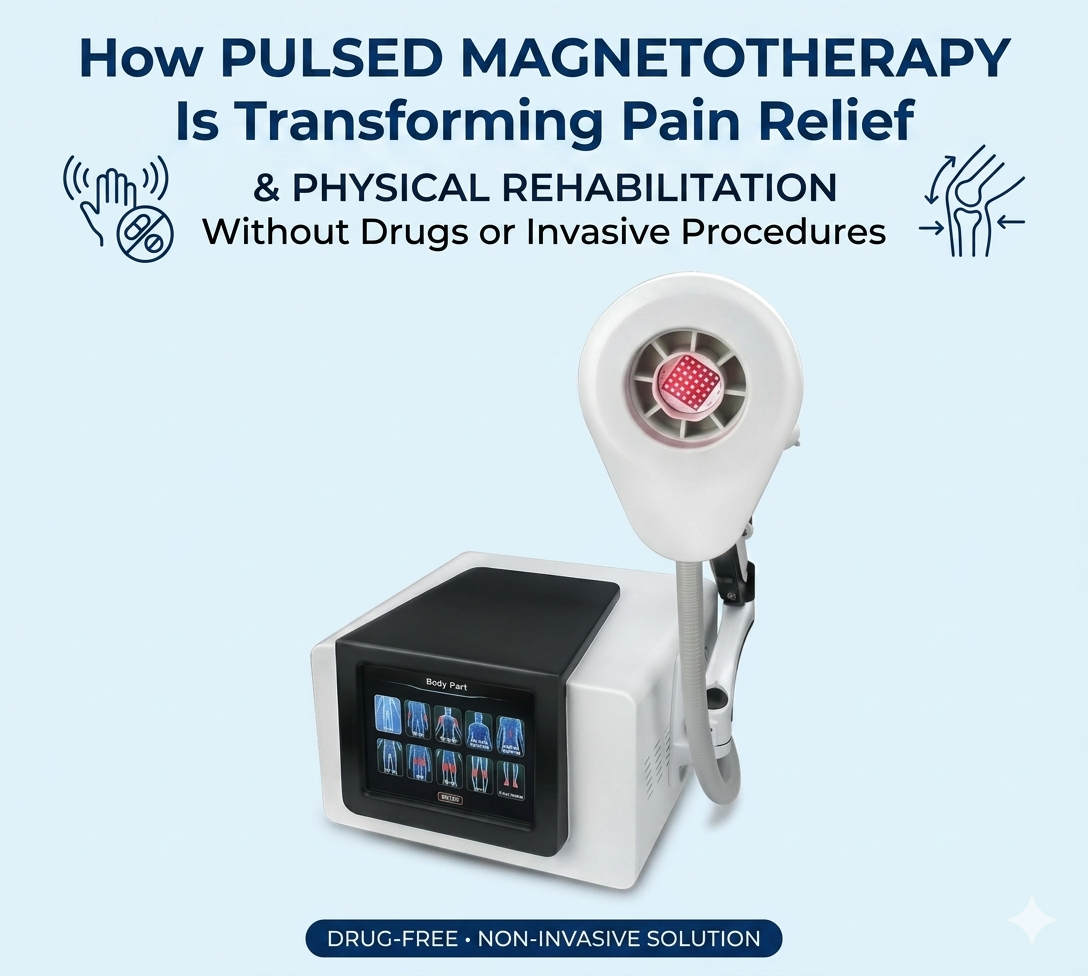
Modern rehabilitation and pain management are rapidly shifting toward non-invasive, technology-based solutions. Instead of relying solely on medication or manual therapy, clinics and wellness centers are increasingly adopting advanced physical therapy devices that support the body’s natural healing processes. Among these innovations, pulsed electromagnetic field therapy—also known as magnetotherapy—is gaining attention for its ability to support recovery, reduce pain, and improve circulation at a cellular level.
1. Why Modern Rehabilitation Is Moving Beyond Traditional Methods
Pain and musculoskeletal injuries are no longer treated with a one-size-fits-all approach. Patients today expect faster recovery, reduced discomfort, and fewer side effects. While traditional physiotherapy and medication still play an important role, they often have limitations in long-term tissue regeneration and inflammation control.
This has led to a growing interest in technologies that work with the body’s own biological processes rather than simply masking symptoms. Magnetotherapy is one such approach, using controlled electromagnetic fields to stimulate natural repair mechanisms in tissues.
2. How Pulsed Magnetotherapy Interacts with the Body
2.1 Cellular-Level Energy Stimulation
Pulsed electromagnetic fields penetrate the body and interact directly with cells. This stimulation influences electrical charges within cell membranes, helping restore normal cellular function.
When cells regain proper electrical balance, metabolic activity improves, which supports faster healing and tissue regeneration.
2.2 Improved Circulation and Oxygen Delivery
One of the key effects of magnetotherapy is enhanced blood circulation. As blood flow increases, oxygen and nutrients are delivered more efficiently to damaged tissues.
Improved oxygenation supports healing processes and can accelerate recovery in injured muscles, joints, and connective tissues.
2.3 Lymphatic Activation and Detox Support
Magnetotherapy also stimulates lymphatic drainage. This helps the body remove waste products, reduce swelling, and improve overall tissue health.
Better lymphatic function contributes to reduced inflammation and a faster recovery response.
3. Key Benefits in Pain Management and Rehabilitation
3.1 Reduction of Acute and Chronic Pain
By influencing nerve activity and improving circulation, magnetotherapy helps reduce both acute and chronic pain. This makes it useful for a wide range of conditions, including muscle strain, joint discomfort, and post-injury recovery.
3.2 Faster Recovery from Sports Injuries
Athletes and active individuals often use magnetotherapy to support recovery from sports-related injuries. The technology helps reduce inflammation, improve tissue repair, and restore mobility more quickly than rest alone.
3.3 Improved Mobility and Range of Motion
As inflammation decreases and tissue flexibility improves, patients often experience increased range of motion. This is especially important in rehabilitation after injury or prolonged inactivity.
3.4 Enhanced Tissue Regeneration
Magnetotherapy supports the regeneration of damaged cells by improving metabolic activity. This leads to stronger, healthier tissue over time.

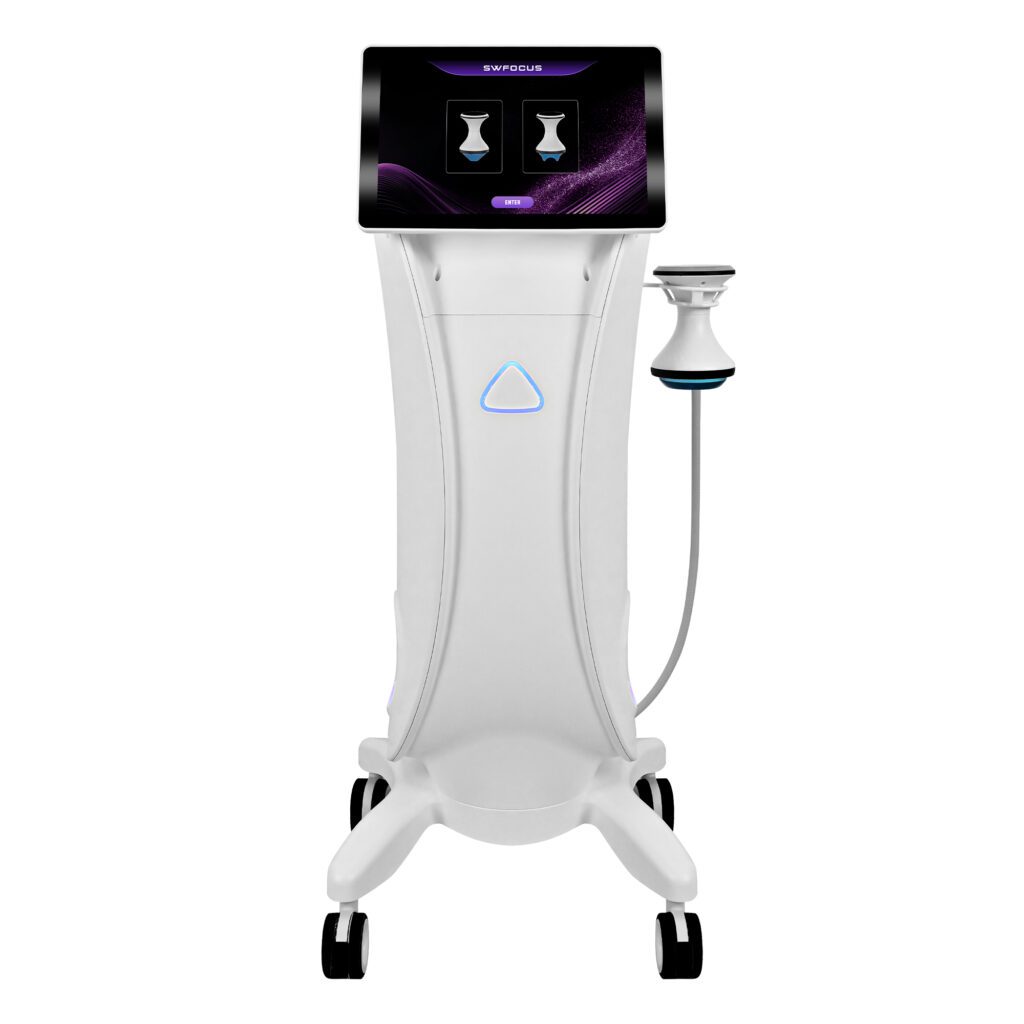
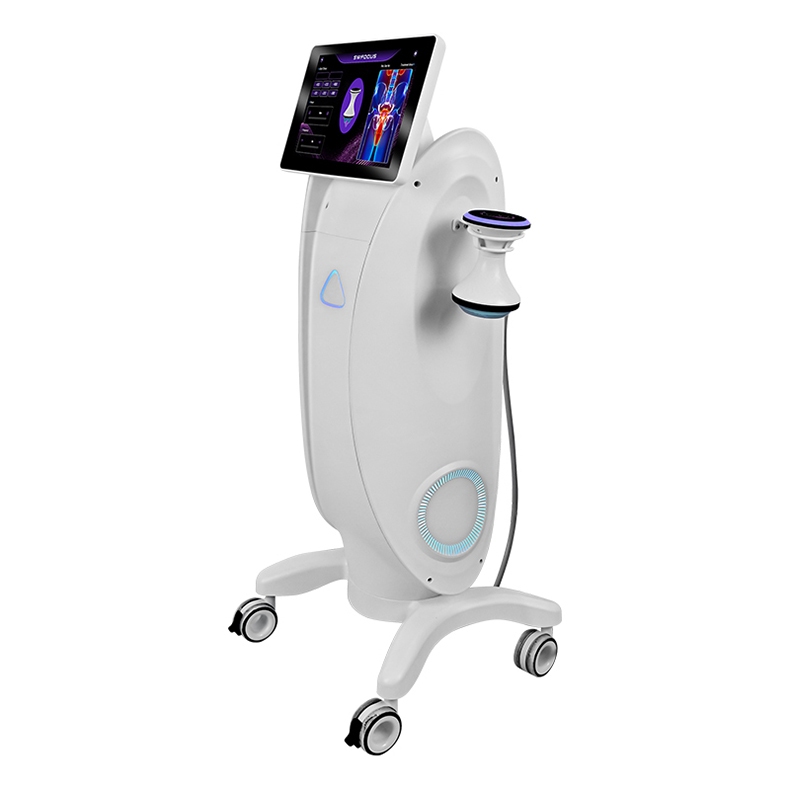
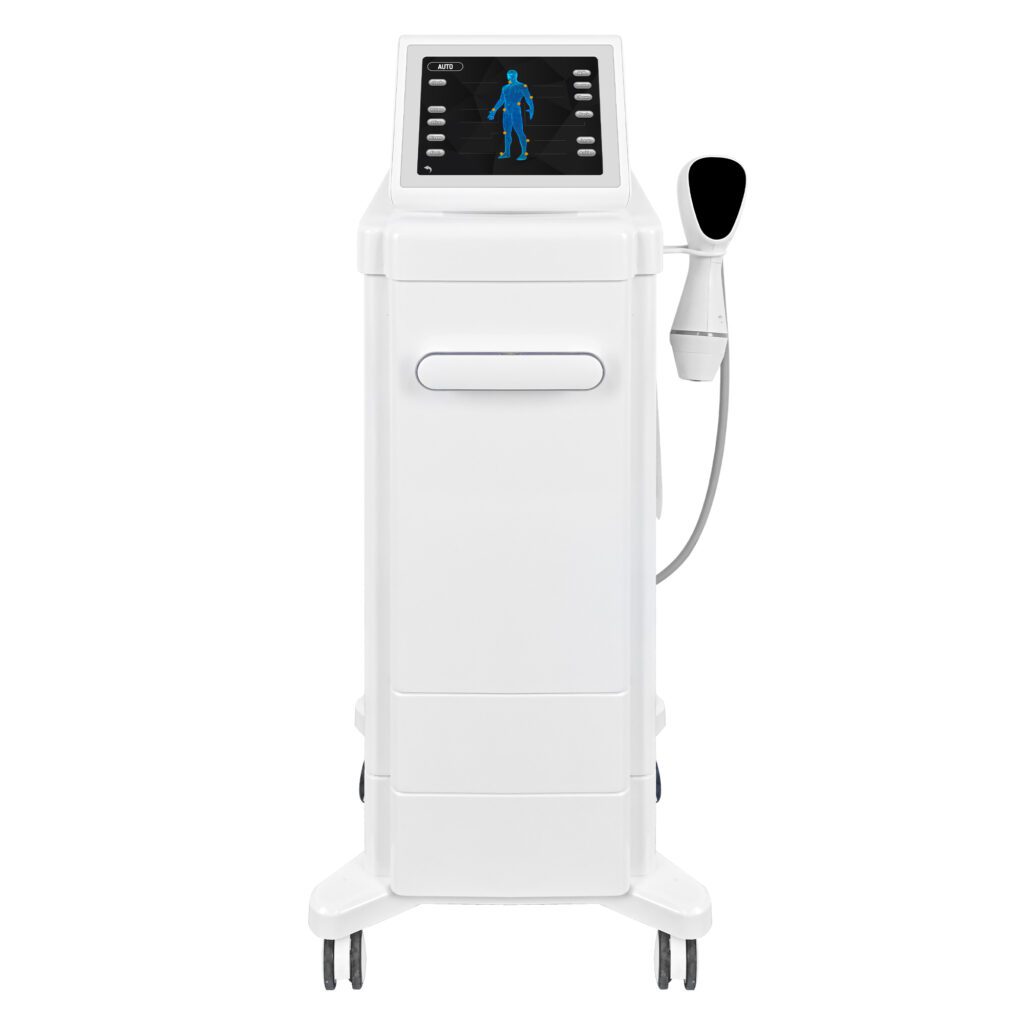
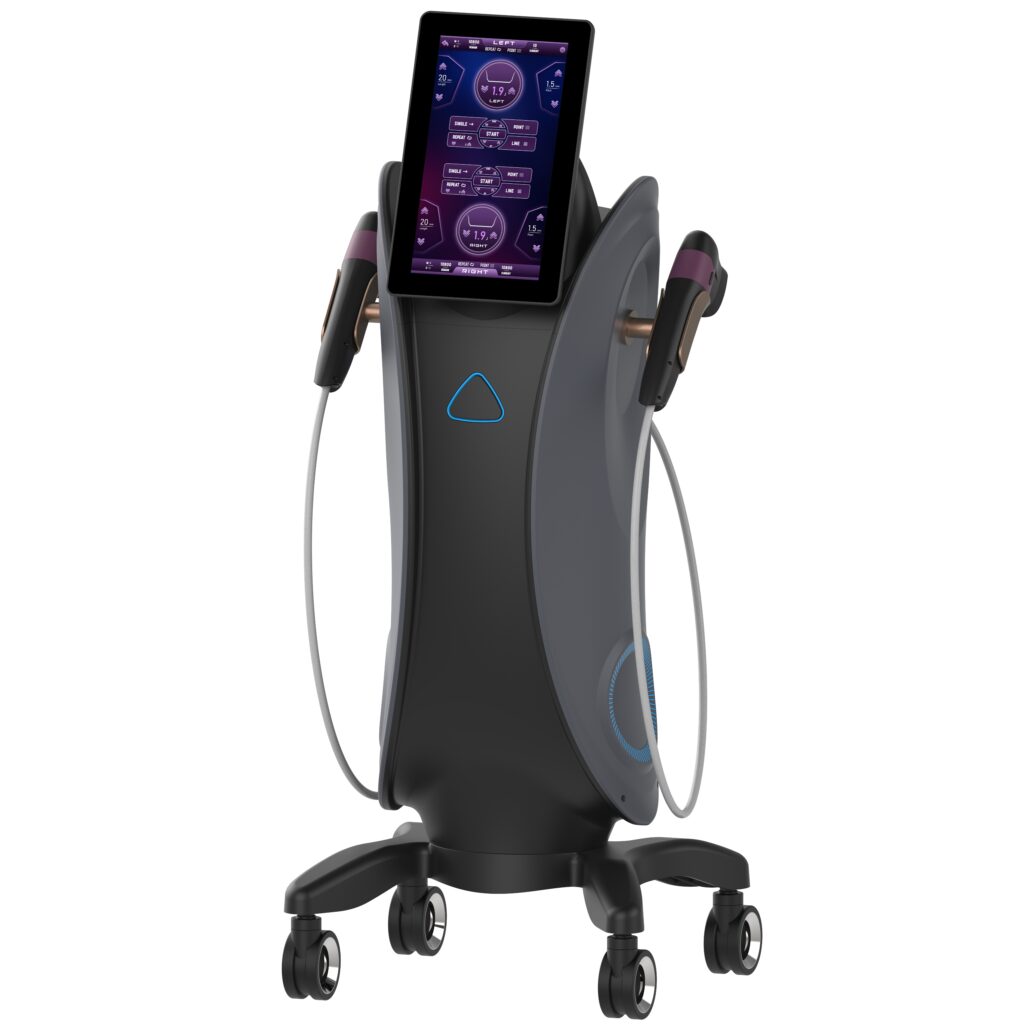
A0275E 3 In 1 Combination Machine Pmst Wave Magnetotherapy
4. How Advanced Magnetotherapy Systems Work in Practice
4.1 High-Intensity Pulsed Field Delivery
Modern devices use high-frequency electromagnetic pulses to generate deep and consistent field penetration. These pulses can reach both superficial and deeper tissue layers, depending on treatment settings.
This allows for targeted therapy in specific areas of pain or injury.
4.2 Dual-Handle and Multi-Area Treatment Capability
Some systems are designed with multiple applicators, allowing simultaneous treatment of different body areas. This improves efficiency in clinical settings and reduces overall treatment time.
4.3 Controlled Cooling and Stability Systems
To maintain stable performance during continuous operation, advanced air-cooling systems are used. This ensures consistent energy output and prevents overheating during extended therapy sessions.
5. What Makes Magnetotherapy Different from Other Pain Treatments
5.1 Non-Invasive and Drug-Free Approach
Unlike medication-based treatments, magnetotherapy does not introduce chemicals into the body. It works externally through electromagnetic stimulation, making it a non-invasive and drug-free option.
5.2 Targets the Root Cause, Not Just Symptoms
Many pain treatments focus on symptom relief. Magnetotherapy, however, works at the cellular level to improve underlying tissue health, which can lead to longer-lasting results.
5.3 Suitable for a Wide Range of Conditions
This therapy is used in both clinical rehabilitation and wellness environments. It can support recovery from injuries, chronic pain conditions, and general musculoskeletal discomfort.
6. Common Applications in Clinical and Sports Settings
Magnetotherapy is widely used for:
- Muscle and joint pain relief
- Sports injury recovery
- Post-surgical rehabilitation
- Chronic inflammation management
- Circulatory improvement
- Tissue regeneration support
Its versatility makes it a valuable tool in physical therapy clinics, sports medicine centers, and rehabilitation facilities.
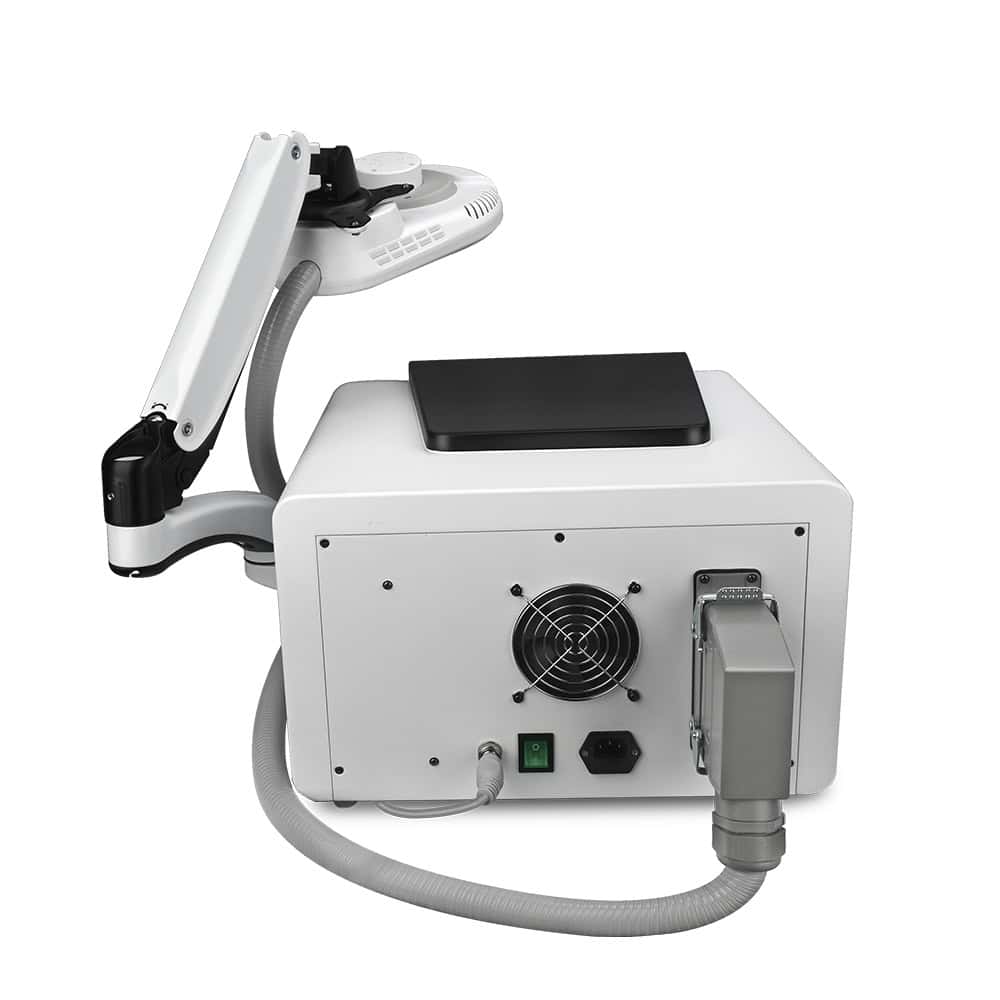
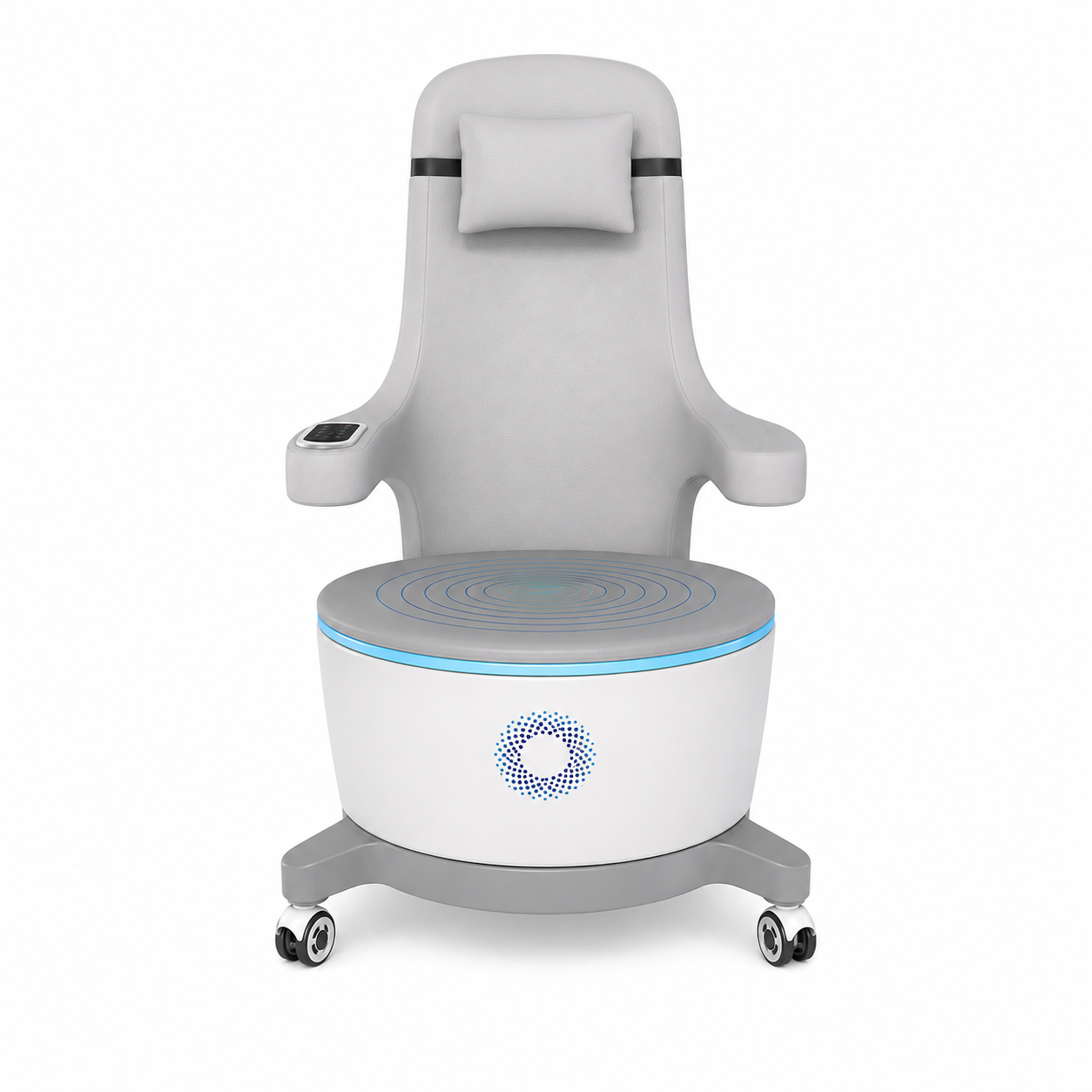
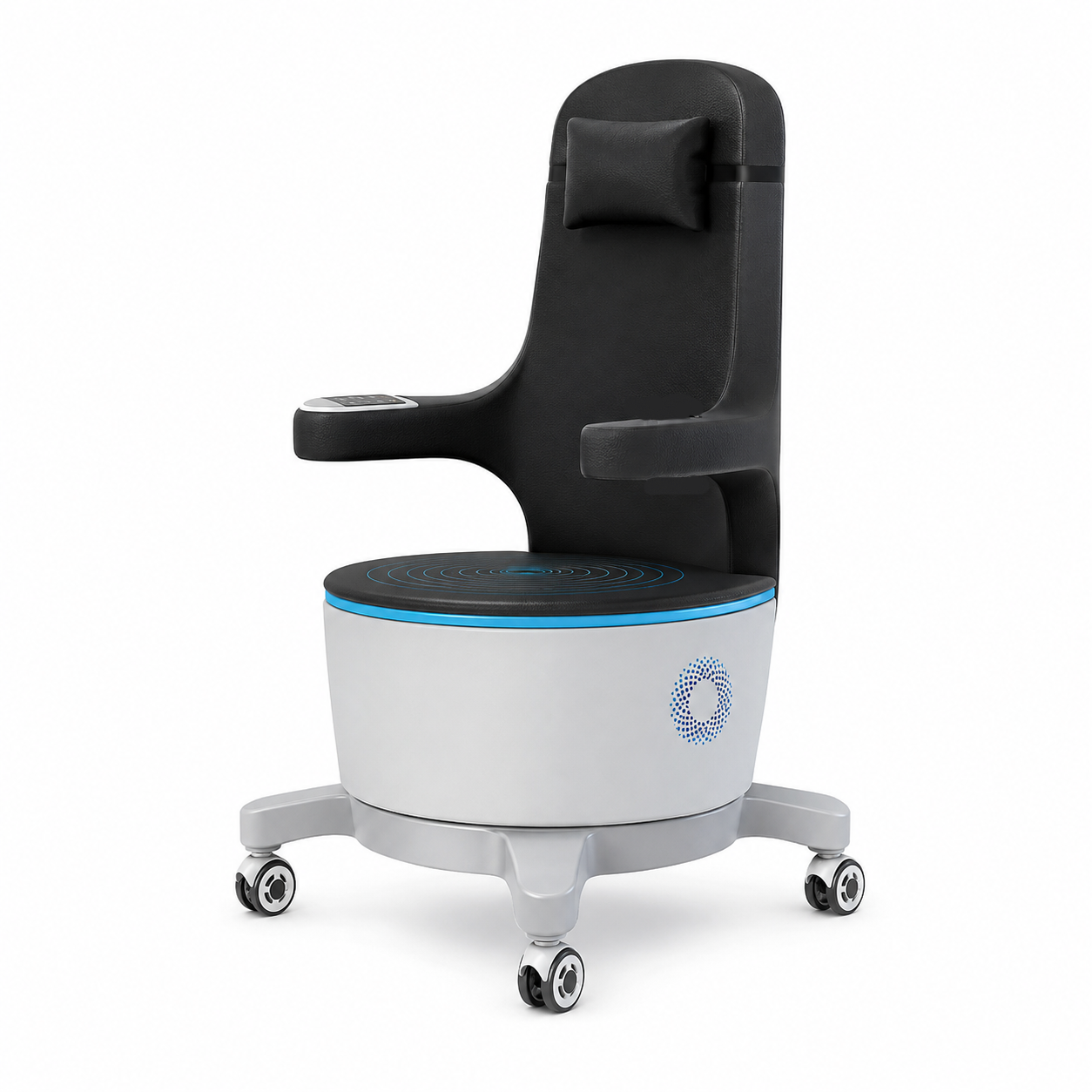
A0275E 3 In 1 Combination Machine Pmst Wave Magnetotherapy
7. Treatment Experience and Patient Comfort
A typical magnetotherapy session is comfortable and non-invasive. Patients usually feel no pain during treatment, as the electromagnetic fields work beneath the skin without direct physical contact.
Sessions are generally relaxing, and most individuals can return to normal activities immediately afterward. Treatment duration and intensity can be adjusted based on the condition being addressed.
8. Why Clinics Are Adopting Magnetotherapy Technology
Healthcare and wellness providers are increasingly integrating magnetotherapy into their services due to its efficiency and broad application range.
Key advantages include:
- Non-invasive treatment option for pain management
- Ability to complement existing physiotherapy programs
- High patient tolerance and comfort level
- Short treatment times with scalable protocols
- Strong demand in both sports and general rehabilitation markets
From a business perspective, it expands treatment offerings without adding complex operational requirements.
Conclusion
Pulsed magnetotherapy represents a modern, science-based approach to pain relief and physical rehabilitation. By stimulating cellular activity, improving circulation, and enhancing tissue regeneration, it supports the body’s natural healing mechanisms without invasive procedures or medication. Its versatility across pain management, sports recovery, and rehabilitation makes it an increasingly valuable tool in clinical environments. As demand for non-invasive therapies continues to grow, magnetotherapy stands out as a practical and effective solution for both practitioners and patients seeking faster, safer recovery pathways.