









Cryotherapy has become one of the fastest-growing non-invasive fat reduction and body contouring technologies in the aesthetic market. Clinics, medical spas, and wellness studios are increasingly offering cryolipolysis treatments to help clients reduce stubborn fat, contour the body, and improve cellulite appearance. Given the popularity of cryotherapy, professional buyers face a range of options when selecting a machine. Choosing the right device impacts not only treatment effectiveness but also client safety, operational efficiency, and long-term business success. Understanding what to look for when evaluating cryotherapy equipment can help clinics make confident decisions that deliver consistent results.
1. Understanding Cryotherapy and Cryolipolysis
1.1 What Is Cryotherapy?
Cryotherapy refers to the controlled application of cold temperatures to targeted body areas to achieve therapeutic effects. In aesthetic usage, cryolipolysis leverages cooling to freeze and disrupt fat cells, triggering apoptosis (cell death) while preserving surrounding tissues. Over the following weeks, the body naturally metabolizes the damaged fat cells, resulting in visible fat reduction in treated zones.
Cryolipolysis has become synonymous with non-invasive fat reduction because it requires no surgery, no needles, and minimal downtime, making it attractive for clients seeking body reshaping.
1.2 Professional vs Consumer Cryotherapy Machines
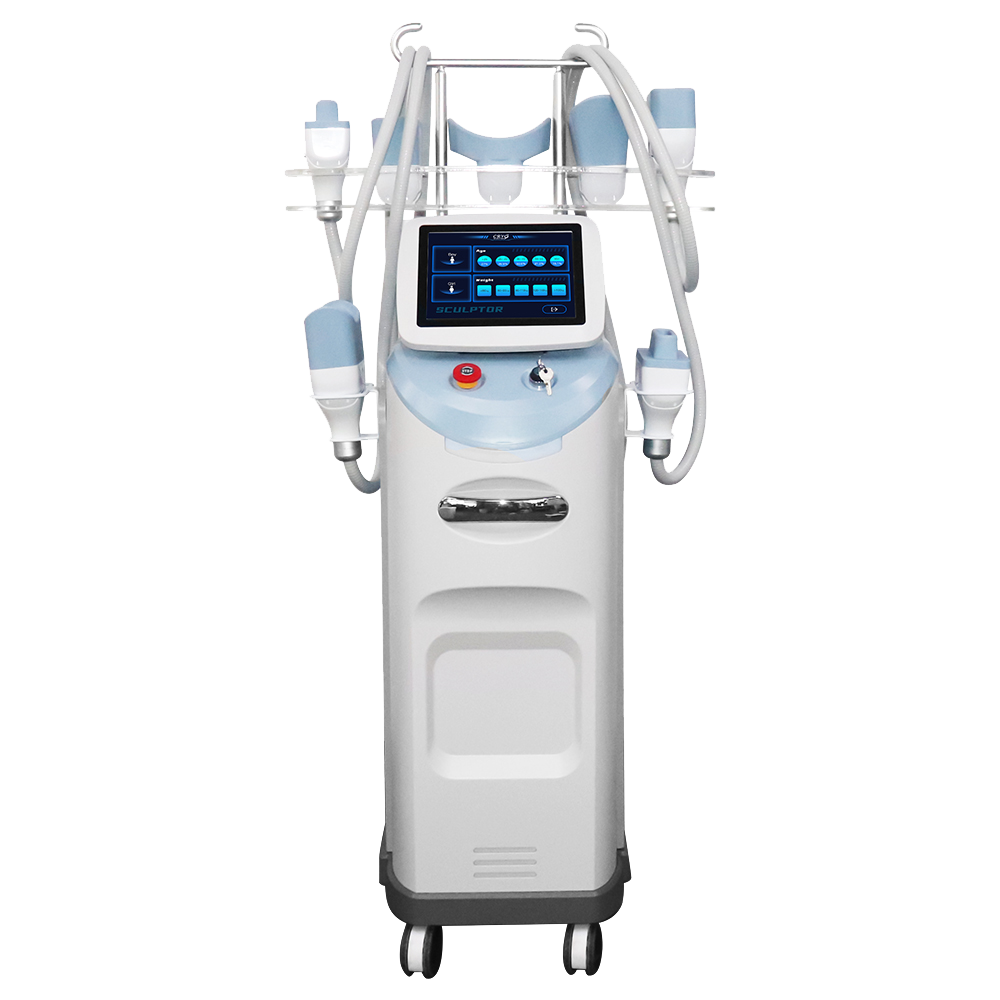
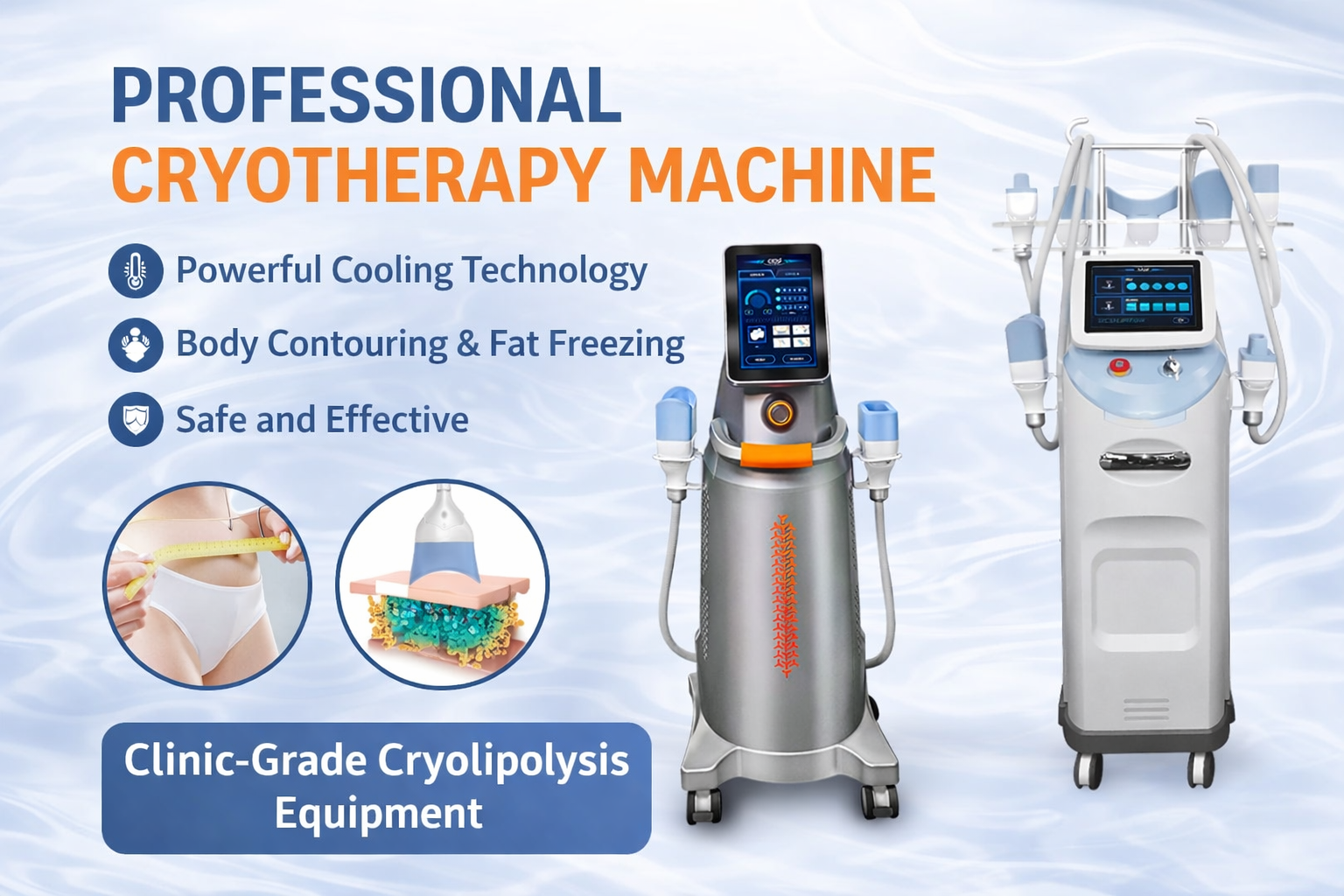
Not all cryotherapy devices are built the same. Professional machines generally offer stronger cooling capacity, clinical safety features, and compatibility with multiple handpieces to treat different body areas. Clinic-grade systems are designed for frequent daily use, higher throughput, compliance with medical standards, and therapist-friendly operation.
For example, a professional unit like the S9 360° Weight Loss Fat Freezing Machine leverages advanced cooling technology and ergonomic applicators to enhance performance in areas such as abdomen, flanks, thighs, and arms.
https://shefmon.com/product/s9-360-weight-loss-fat-freezing-machine-cellulite-reduction-cryolipolysis-fat-freezing-cryolipolysis-slimming-machine/
2. Cooling Technology and Performance
2.1 Cooling Efficiency and Temperature Control
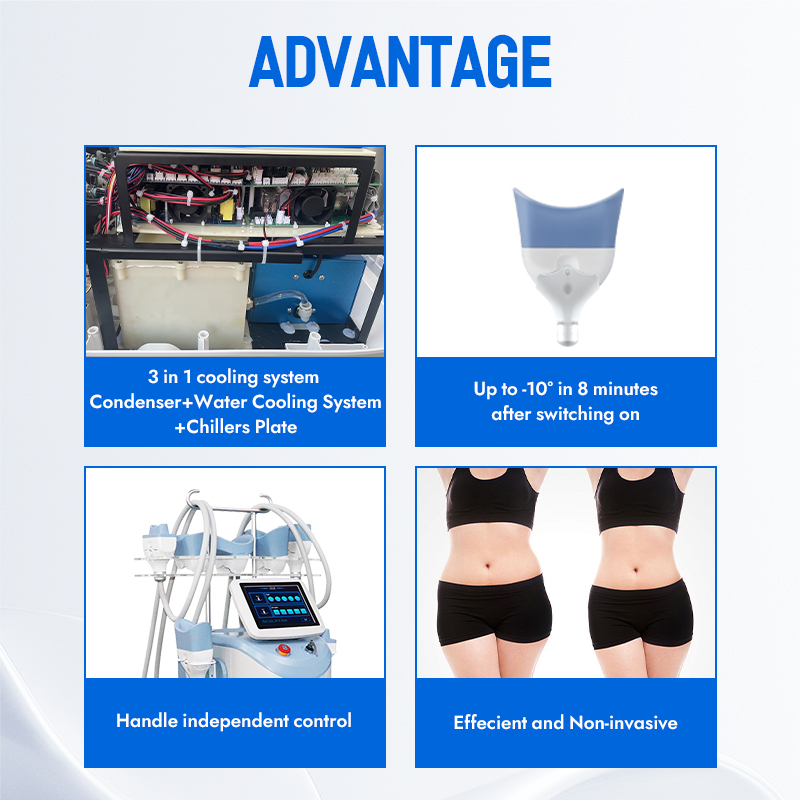
One of the most critical aspects of cryotherapy machines is the ability to maintain stable and controlled cooling temperatures. Effective cryolipolysis requires sustained temperatures cold enough to induce fat cell apoptosis without damaging skin or nerve tissue. Clinic-grade systems use advanced thermoelectric or coolant-based technology that can reach target temperatures reliably.
Consistency is key — fluctuations during a treatment can reduce effectiveness or cause patient discomfort. Look for machines with real-time temperature monitoring and automated safety cutoffs to ensure safe operation throughout the session.
2.2 Multi-Angle or 360° Cooling
Modern professional cryotherapy devices often incorporate 360-degree cooling, which improves heat extraction from all sides of the treatment area. This not only improves comfort by distributing cooling evenly but also enhances fat reduction efficiency. Devices with superior cooling uniformity tend to deliver more consistent clinical outcomes across different body types.
3. Applicators and Treatment Versatility
3.1 Variety of Applicator Sizes
Cryotherapy systems that include a range of applicator sizes help practitioners customize treatments for different body areas — from small localized zones like arms and knees to larger regions like abdomen and thighs. Versatile applicators mean clinics can expand their service offerings to more clients and anatomical indications.
3.2 Combined Technologies and Enhanced Results
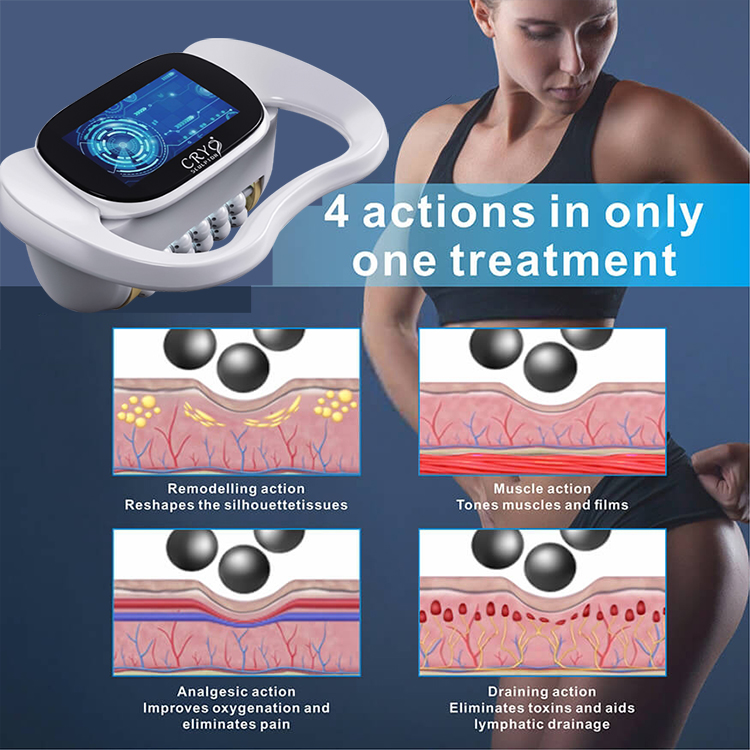
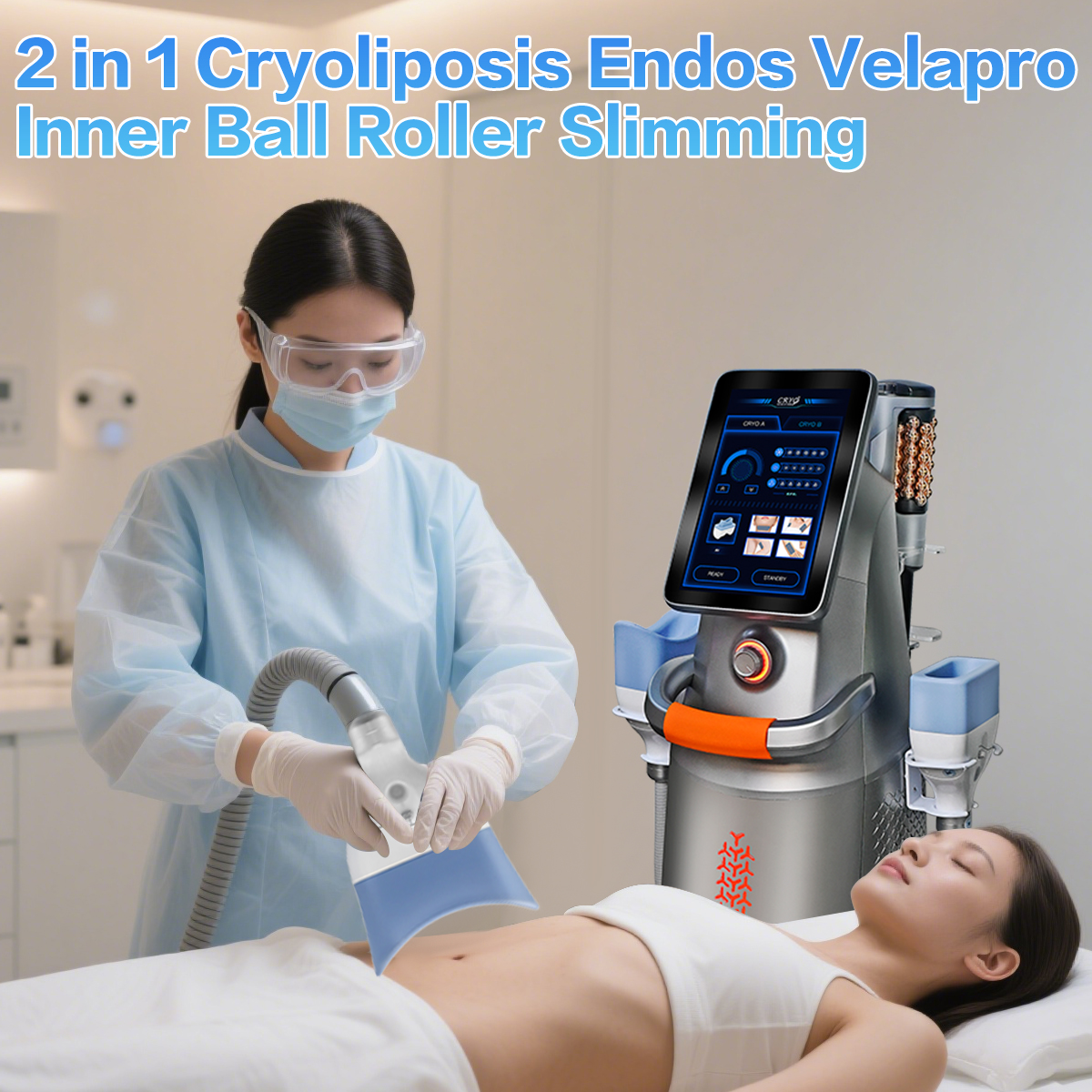
Some professional cryotherapy machines integrate complementary modalities, such as deep massage rollers or EMS stimulation, to support lymphatic drainage and tissue remodeling after fat freezing. An example is the S26 2-in-1 Cryolipolysis + Endos/VelaPro Inner Ball Roller Machine, which combines cryotherapy with a roller massager to improve post-treatment comfort and sculpting results.
https://shefmon.com/product/s26-2-in-1-cryolipolysis-endos-velapro-inner-ball-roller-massager-slimming-machine/
4. Safety Features and Regulatory Considerations
4.1 Built-In Safety Sensors
Safety should be a top priority when selecting a cryotherapy machine. Professional units often include sensors for skin contact, temperature limits, and automatic shutdown protocols to prevent frostbite or other unwanted tissue damage. These systems enhance operator confidence and protect clients during treatment.
4.2 Compliance With Medical Standards
Ensure the machine adheres to recognized medical device standards and includes documentation for electrical safety, cooling integrity, and clinical support. When purchasing equipment for a commercial practice, having proper certifications and validation from reputable manufacturers supports quality assurance and risk management.
5. Usability and Workflow
5.1 Ease of Use
Clinics benefit from machines with intuitive interfaces, customizable treatment protocols, and easy applicator attachment systems. User-friendly controls reduce training time and improve consistency across operators. Touchscreen controls, preset programs, and clear feedback systems make treatment delivery more efficient and professional.
5.2 Maintenance and Consumables
Professional cryotherapy machines should require minimal maintenance and should have easily serviceable components. Consider questions like:
How simple is it to replace handpieces?
Are replacement parts readily available?
Does the manufacturer offer training, support, or warranties?
These factors impact long-term operating costs and equipment uptime.
6. Treatment Outcomes and Client Experience
6.1 Expected Results and Treatment Plans
Cryolipolysis is not a single-session miracle solution; it is typically part of a planned treatment protocol tailored to each client. Recommendations often involve multiple sessions spaced weeks apart for optimal fat reduction. Having a machine that consistently delivers the target cooling range ensures repeatable results across treatments.
6.2 Client Comfort
Patient experience matters — cryotherapy should feel tolerable and non-traumatic. Systems with ergonomic applicators, adjustable suction levels, and smooth cooling transitions improve client comfort. Happy clients are more likely to return for additional sessions and refer others.
7. Budget and Return on Investment
7.1 Upfront Costs vs Long-Term Value
Professional cryotherapy machines vary widely in price. While upfront cost is important, consider long-term value, including maintenance, support, and client throughput. A reliable machine that drives repeat business and positive results often pays for itself over time.
7.2 Training and Support
Buyers should assess the availability of operator training, technical support, and marketing resources. Reputable suppliers may offer onboarding assistance that helps clinics integrate cryotherapy services more quickly and confidently.
Conclusion
Choosing a professional cryotherapy machine requires careful attention to cooling performance, safety features, applicator versatility, and ease of operation. A well-designed cryolipolysis system not only delivers consistent fat reduction results but also improves client comfort and treatment efficiency. By investing in reliable, clinic-grade equipment with proper support, aesthetic practices can confidently expand their body contouring services and achieve sustainable long-term value.