









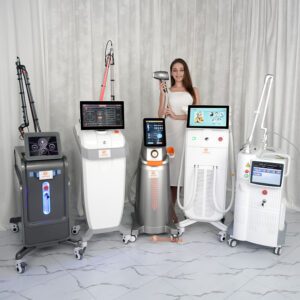
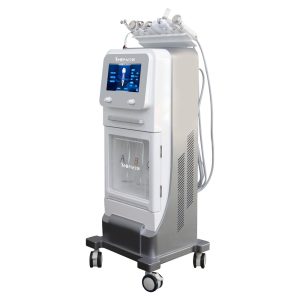
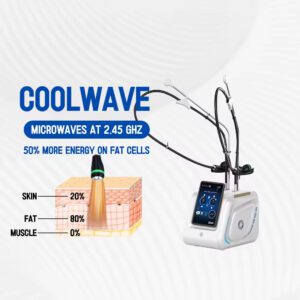
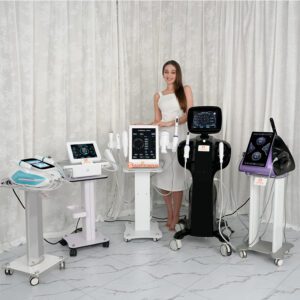


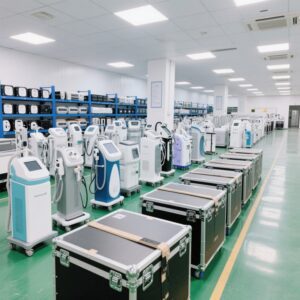




Introduction to Beauty Device Manufacturing
The beauty industry has come a long way from simple creams and lotions. Today, beauty devices look more like compact pieces of medical-grade technology than traditional cosmetic tools. From facial cleansing brushes to RF skin tightening machines, modern beauty devices rely on a complex ecosystem of technologies working together seamlessly.
The Rapid Growth of the Beauty Technology Industry
Beauty tech is booming—and for good reason. Consumers want visible results, convenience, and professional-grade treatments at home or in clinics. This demand has pushed manufacturers to adopt cutting-edge technologies that deliver precision, safety, and performance. Think of it like upgrading from a bicycle to a smart electric car—same purpose, totally different experience.
Why Advanced Manufacturing Technologies Matter
Without advanced manufacturing technologies, beauty devices would be bulky, unreliable, or unsafe. Precision engineering ensures consistent performance, while smart software enhances usability. In short, technology is the backbone that turns an idea into a market-ready beauty device.
Core Engineering Technologies
Mechanical Engineering in Beauty Devices
Mechanical engineering is the skeleton of beauty devices. It defines structure, durability, and ergonomics.
Precision Components and Ergonomic Design
Every button, curve, and internal mechanism must be designed with millimeter-level accuracy. Precision gears, motors, and housings ensure smooth operation, while ergonomic design makes devices comfortable to hold and easy to use—because nobody wants a skincare tool that feels like a brick.
Electrical and Electronic Engineering
Electronic engineering brings beauty devices to life.
Circuit Design and Power Management
From RF devices to LED masks, reliable circuit design ensures stable output and prevents overheating or power fluctuations. Advanced power management systems protect both the device and the user, maintaining consistent performance across sessions.
Embedded Systems and Software Development
Microcontrollers and Firmware
At the heart of most beauty devices lies a microcontroller. This tiny brain controls temperature, intensity, timing, and safety mechanisms. Firmware ensures everything runs smoothly, like a conductor leading an orchestra.
User Interface and Smart Controls
Touch buttons, LED indicators, and digital screens rely on software development. Intuitive UI design makes devices easy to operate, even for first-time users. Smart controls also allow customization, so users can tailor treatments to their skin needs.
Sensor Technologies
Temperature, Pressure, and Motion Sensors
Sensors act as the device’s senses. Temperature sensors prevent burns, pressure sensors ensure proper contact with the skin, and motion sensors enhance safety by detecting incorrect usage.
Skin Detection and Feedback Systems
Advanced devices can detect skin resistance or moisture levels and adjust output automatically. It’s like having a built-in skincare expert constantly monitoring and adjusting treatments in real time.
Energy and Power Technologies
Battery Technology and Charging Systems
Lithium-ion batteries dominate beauty devices due to their high energy density and long lifespan. Fast charging and wireless charging technologies add convenience, especially for portable devices.
Energy Efficiency and Heat Management
Efficient energy usage reduces heat generation and extends battery life. Heat dissipation technologies—such as thermal pads and ventilation designs—keep devices cool and safe.
Aesthetic and Industrial Design Technologies
3D Modeling and CAD Software
Before a device ever exists physically, it’s built digitally. CAD software allows engineers and designers to simulate performance, stress points, and assembly processes.
Prototyping and Rapid Iteration
3D printing and rapid prototyping enable fast testing and refinement. This shortens development cycles and ensures the final product meets both functional and aesthetic standards.
Manufacturing and Production Technologies
Injection Molding and CNC Machining
Injection molding creates precise plastic components at scale, while CNC machining produces high-accuracy metal parts. Together, they ensure consistency and durability.
Automated Assembly Lines
Automation improves efficiency and reduces human error. Robotic assembly lines can handle delicate components with precision that manual labor simply can’t match.
Surface Treatment and Finishing Technologies
Coating, Polishing, and Texturing
Surface treatments enhance appearance and performance. Anti-scratch coatings, soft-touch finishes, and polished metals elevate the user experience.
Durability and Skin-Safe Finishes
Beauty devices must be safe for prolonged skin contact. Medical-grade coatings and hypoallergenic materials prevent irritation and improve longevity.
Quality Control and Testing Technologies
Reliability and Safety Testing
Devices undergo rigorous testing for electrical safety, durability, and performance stability. Drop tests, aging tests, and stress tests ensure reliability.
Compliance with International Standards
Manufacturers must comply with CE, FDA, and other international certifications. Compliance technologies ensure products meet global safety and quality requirements.
Smart Manufacturing and Industry 4.0
IoT Integration in Production
IoT-enabled factories monitor machines, track defects, and optimize production in real time. This increases efficiency and reduces waste.
Data-Driven Manufacturing Decisions
Big data analytics help manufacturers predict failures, improve yields, and refine product designs based on real-world performance.
Sustainability and Green Technologies
Eco-Friendly Materials
Biodegradable plastics, recyclable metals, and reduced packaging help lower environmental impact—an increasingly important factor for modern consumers.
Energy-Saving Production Processes
Energy-efficient machinery and optimized workflows reduce carbon footprints and production costs simultaneously. A win-win situation.
Customization and OEM/ODM Technologies
Modular Design Systems
Modular designs allow easy customization for different markets or brands. One core device, many variations.
Branding and Product Differentiation
Laser engraving, color customization, and UI branding technologies help OEM and ODM manufacturers meet diverse client needs.
Future Technologies in Beauty Device Manufacturing
AI and Machine Learning Applications
AI can personalize treatments, analyze usage data, and even predict skin responses. The future of beauty devices is intelligent and adaptive.
Wearable and Connected Beauty Devices
Connected devices sync with mobile apps, offering progress tracking and personalized recommendations. Beauty is becoming smarter—and more personal.
Challenges in Beauty Device Manufacturing
Balancing Innovation and Cost
Advanced technologies can be expensive. Manufacturers must balance cutting-edge features with cost efficiency to remain competitive.
Regulatory and Safety Challenges
Strict regulations require constant updates and compliance efforts. Safety always comes first, especially in skin-contact devices.
Conclusion
Beauty device manufacturing is no longer just about assembling parts—it’s about integrating advanced technologies across engineering, software, design, and sustainability. As consumer expectations rise, manufacturers must continue innovating to deliver safer, smarter, and more effective devices. The future of beauty lies at the intersection of technology and creativity, and the possibilities are just getting started.
FAQs
1. What is the most important technology in beauty device manufacturing?
Embedded systems and sensor technologies are crucial, as they ensure safety, precision, and performance.
2. Are beauty devices considered medical devices?
Some are classified as medical devices depending on their function and region, requiring stricter compliance and testing.
3. How does AI improve beauty devices?
AI enables personalized treatments, adaptive intensity control, and data-driven skincare recommendations.
4. Why is surface treatment important in beauty devices?
It improves durability, aesthetics, and ensures the device is safe for skin contact.
5. What trends will shape the future of beauty device manufacturing?
AI integration, smart connectivity, sustainability, and customization will dominate future developments.