









Physio magneto therapy machines have become widely used in both clinical and rehabilitation settings due to their non-invasive approach to pain management and healing. By delivering pulsed electromagnetic fields (PEMF), these devices stimulate cells at the molecular level, promoting circulation, reducing inflammation, and accelerating tissue repair. This article explores the most common conditions that can benefit from magneto therapy and explains how these devices support recovery and improve quality of life.

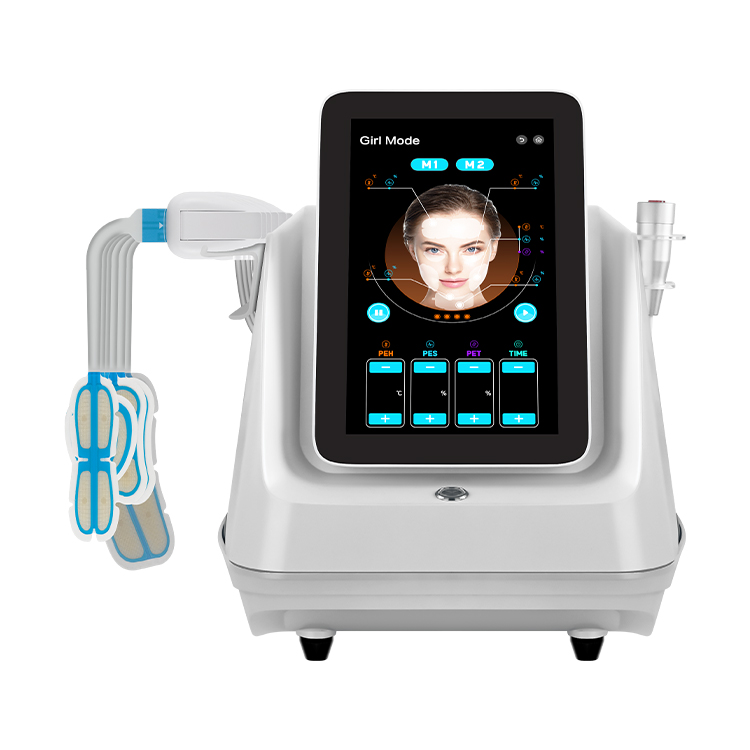
A0275E 3 In 1 Combination Machine Pmst Wave Magnetotherapy
1. Understanding Magneto Therapy
1.1 How Magneto Therapy Works
Magneto therapy uses pulsed electromagnetic fields to interact with the body’s own electromagnetic system. These fields influence ion exchange and cell membrane permeability, which can enhance blood flow and stimulate the body’s natural healing processes. For patients with chronic pain or musculoskeletal injuries, this mechanism offers a promising alternative to medication or surgery.
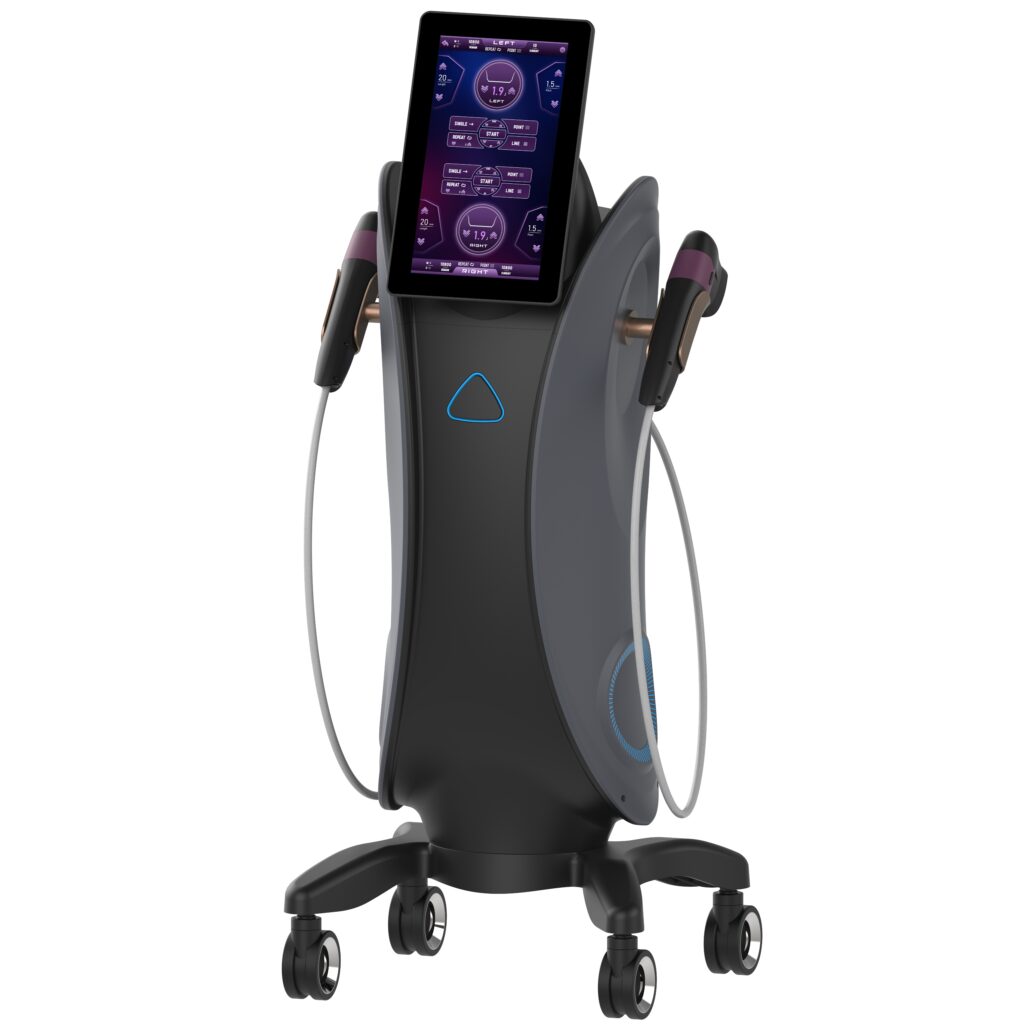
Magneto therapy devices are now sophisticated, adjustable, and designed for safe clinical use, helping practitioners tailor energy levels and pulse patterns to specific needs. One example of such an advanced system is the 3-in-1 Combination Machine PMST Wave Magneto Therapy, which integrates multiple therapeutic waveforms for enhanced effects.
https://shefmon.com/product/a0275e-3-in-1-combination-machine-pmst-wave-magnetotherapy/
1.2 Safety and Accessibility
Unlike invasive procedures or pharmaceuticals, magneto therapy is generally well-tolerated with minimal side effects. Patients typically feel nothing more than a mild pulsing sensation during treatment. Over time, this modality has gained acceptance across physiotherapy clinics, sports medicine facilities, and rehabilitation centers.
2. Chronic Pain Conditions
2.1 Arthritis and Joint Pain
Inflammatory conditions such as osteoarthritis and rheumatoid arthritis are among the most common reasons people seek magneto therapy. The pulsed electromagnetic fields can reduce joint inflammation, improve circulation, and alleviate pain, making daily activities more manageable for sufferers.
Patients experiencing stiffness, swelling, and reduced range of motion often report improvements after a series of sessions, especially when magneto therapy is integrated into a comprehensive treatment plan that includes exercise and manual therapy.
2.2 Back and Neck Pain
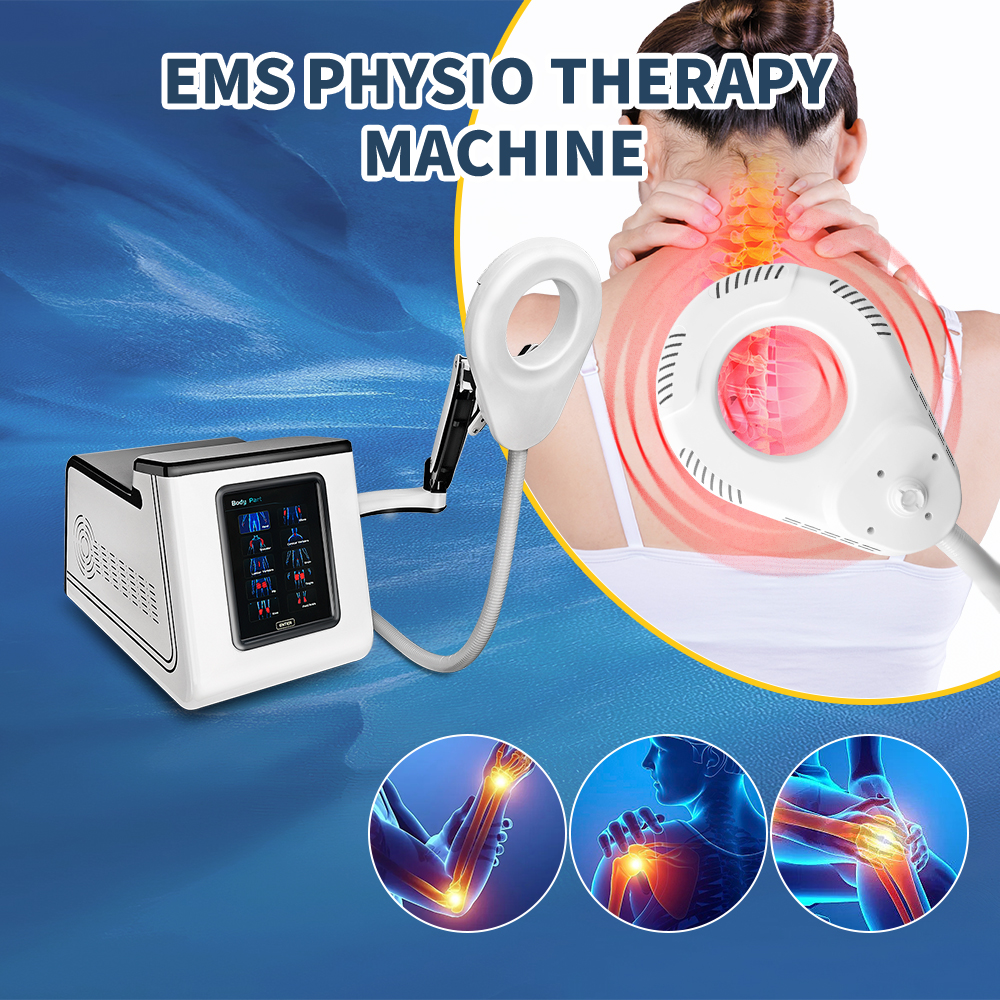
Persistent back and neck pain affects millions worldwide and is often resistant to simple treatments such as rest or over-the-counter medications. Magneto therapy has shown effectiveness in relieving chronic lower back pain by improving microcirculation and reducing nerve irritation. It can also complement physical therapy exercises aimed at strengthening the spine and supporting musculature.
For clinics focused on pain relief and functional recovery, machines like the PMST Neo Physio Magneto Therapy Machine are designed to target these deeper tissues safely and efficiently.
https://shefmon.com/product/a0247e-pmst-neo-physio-magneto-therapy-machine-for-pain-relief/
3. Sports Injuries and Rehabilitation
3.1 Muscle Strains and Ligament Injuries
Athletes frequently deal with acute injuries such as muscle strains and ligament sprains. Magneto therapy can accelerate the healing process by enhancing blood flow to injured areas, reducing inflammation, and facilitating the repair of soft tissues. This makes it a useful adjunct to traditional therapies like rest, ice, compression, and elevation (RICE).
3.2 Tendinopathies
Conditions like Achilles tendinitis or tennis elbow can be stubborn and slow to heal. By stimulating cellular activity and reducing inflammatory mediators, magneto therapy supports tendon recovery. Many sports rehabilitation specialists integrate magneto therapy early in the rehab process to shorten recovery timelines and help athletes return to activity sooner.
4. Neurological and Repetitive Strain Conditions
4.1 Neuropathy
Peripheral neuropathy, which causes numbness or tingling in the hands and feet, can benefit from magneto therapy due to its ability to improve local circulation and nerve conductivity. Although it does not cure neuropathy, regular sessions may help reduce symptoms and improve quality of life for those affected.
4.2 Carpal Tunnel Syndrome and Repetitive Strain
Repetitive strain injuries like carpal tunnel syndrome occur when overuse leads to nerve compression and inflammation. Magneto therapy can help reduce swelling and support nerve healing when combined with ergonomic adjustments and strengthening exercises. Users often feel symptom relief when treatments are consistent and part of a broader care routine.
5. Post-Operative Recovery
5.1 Enhancing Tissue Repair
After surgical procedures, managing inflammation and promoting healing are crucial to recovery. Magneto therapy can support tissue regeneration, particularly in bone and soft tissue repair. Some studies indicate that PEMF stimulation may encourage faster cell growth and angiogenesis, which is vital in post-operative healing.
5.2 Reducing Scar Tissue and Adhesions
Scar tissue and adhesions can limit mobility after surgery. By improving microcirculation and tissue pliability, magneto therapy may reduce the formation of excessive scar tissue, leading to improved functional outcomes and less post-surgical discomfort.
6. Bone Health and Fracture Healing
6.1 Osteoporosis and Bone Density
Bone conditions such as osteoporosis, characterized by weakened bone structure, can benefit indirectly from magneto therapy. While it does not replace medications or nutritional interventions, PEMF treatment may enhance bone cell function and support overall skeletal health when used alongside other treatments.
6.2 Fracture Nonunion
In cases where broken bones fail to heal properly on their own (nonunion), magneto therapy is sometimes utilized as part of a treatment regimen to stimulate bone growth and encourage union. Clinical evidence suggests that electromagnetic stimulation can help bone cells realign and form new tissue, especially when combined with appropriate orthopedic care.
7. Headaches and Stress-Related Conditions
7.1 Tension Headaches
Magneto therapy’s effect on circulation and muscle relaxation may reduce the frequency and intensity of tension headaches. Many individuals with stress-induced headaches find that regular treatment sessions help alleviate symptoms without reliance on pain medications.
7.2 Fibromyalgia
Fibromyalgia is a complex condition with widespread pain and fatigue. Some practitioners include magneto therapy as part of a multi-modal care plan to help reduce pain sensitivity and improve general well-being. While responses vary by individual, many patients report measurable symptom relief.
Conclusion
Physio magneto therapy machines offer a versatile, non-invasive therapeutic option for managing a wide range of conditions, from chronic pain and sports injuries to neurological discomfort and post-operative recovery. Their ability to enhance circulation, reduce inflammation, and support cellular repair has made them valuable tools in modern rehabilitative medicine. Whether used alone or in combination with other therapies, magneto therapy can significantly improve patient outcomes and quality of life. The systems highlighted above represent some of the innovative approaches clinics are using today to harness the benefits of pulsed electromagnetic fields in therapeutic practice.